Is It Too Late? The Truth About Socializing Older Dogs
If you’ve welcomed an adult or senior dog into your life, or maybe you’ve just started thinking more about your long-time companion’s social skills, a big question often looms: Is it too late to socialize them? It’s a common worry, fueled by the heavy emphasis on the ‘critical puppy socialization window.’ Well, let’s take a deep breath and get one thing straight: it is absolutely not too late.
However, socializing an older dog isn’t about throwing them into a dog park and hoping for the best. It’s a different game entirely. It’s less about making your dog the life of the party and more about helping them feel neutral, safe, and confident around new people, places, and other dogs. It’s about quality over quantity, and patience is your new best friend. This guide will walk you through the truth about adult dog socialization, helping you understand your dog’s needs and build a stronger bond along the way.
Puppy vs. Adult: Why the Socialization Goals are Different
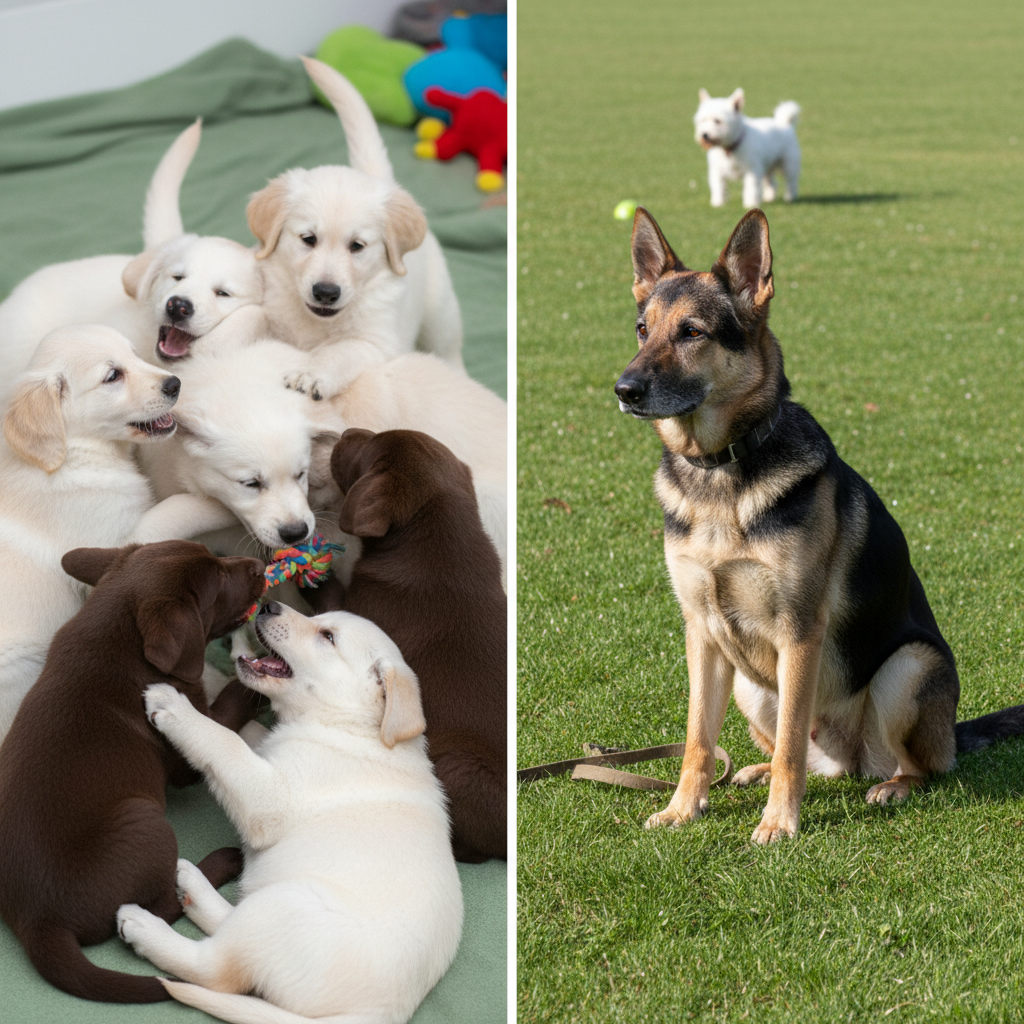
First things first, we need to adjust our expectations. The socialization that trainers talk about for puppies happens during a magical, neuroplastic window between 3 and 16 weeks of age. During this time, a puppy’s brain is like a sponge, soaking up experiences and filing them away as ‘normal.’ Their primary job is to learn what the world is all about.
An adult dog, on the other hand, has already decided what the world is about. They have a lifetime of experiences—good, bad, or simply unknown—that have shaped their personality and reactions. You’re not working with a blank slate; you’re working with a fully-formed individual.
Key Differences in Goals:
- Puppy Goal: Broad exposure. The aim is to expose them to as many different sights, sounds, surfaces, people, and well-behaved dogs as possible to build a robust library of positive experiences.
- Adult Dog Goal: Positive association and neutrality. The aim is to change their emotional response to specific triggers. You want to help them learn that other dogs or new people aren’t a threat, and that they can exist peacefully in their presence. It’s about building confidence, not a long list of playmates.
Think of it this way: for a puppy, you’re building the foundation of a house. For an adult dog, you’re carefully renovating a room. Both are valuable construction projects, but they require different tools and timelines.
Your Step-by-Step Guide to Safe Socialization
Ready to get started? Remember, this is a marathon, not a sprint. Every dog is an individual, so move at a pace that feels comfortable for your dog. The golden rule is to always end on a positive note!
Phase 1: Building a Foundation of Focus
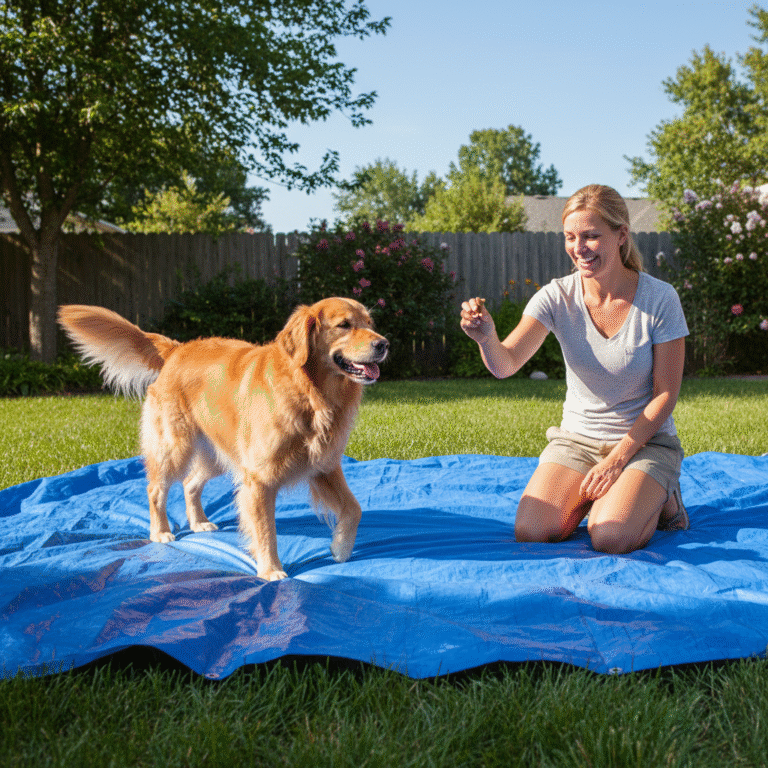
Before you even introduce another dog, your dog needs to know that you are the most interesting thing in the environment. Practice focus exercises like ‘Look at Me’ in your home, your yard, and then on quiet streets. Reward heavily with high-value treats (think chicken, cheese, or hot dogs) whenever they give you their attention.
Phase 2: The Art of the Parallel Walk
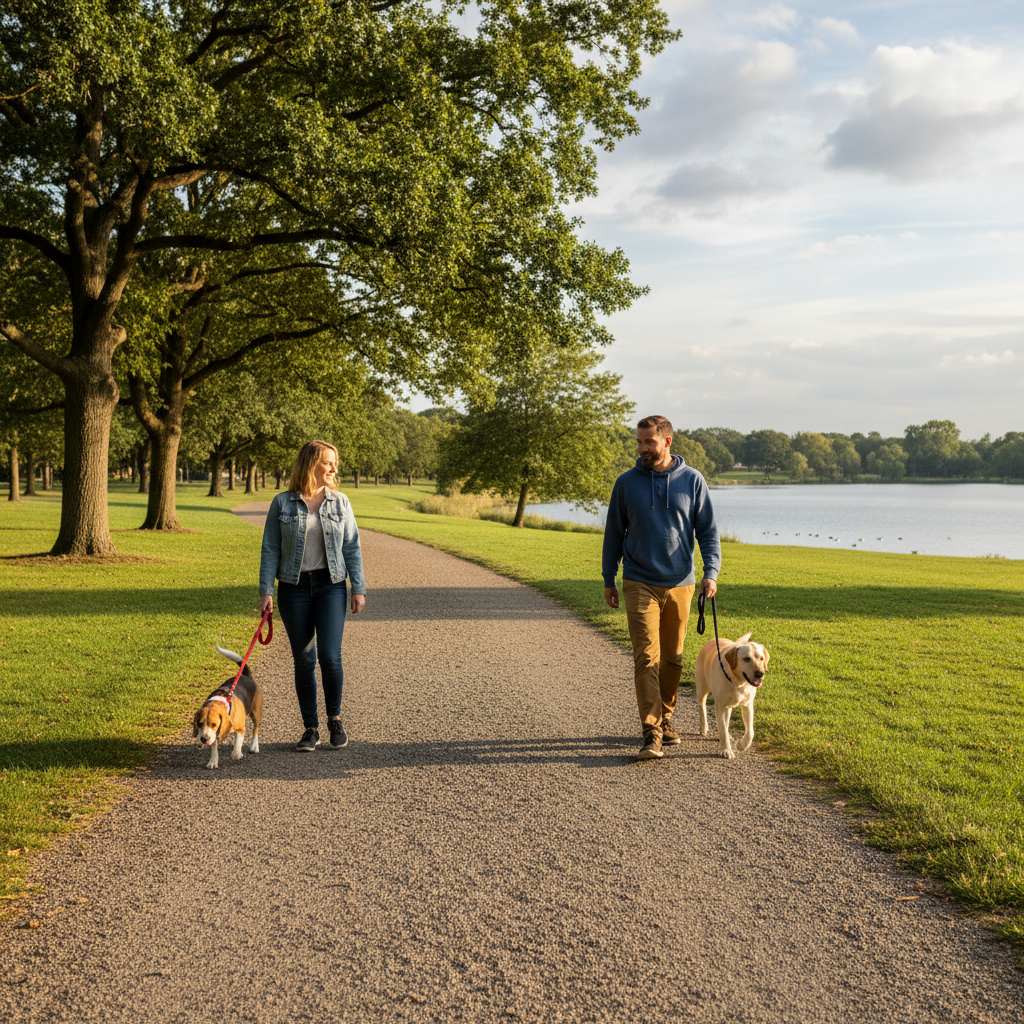
This is the cornerstone of adult dog introductions. Dog parks are out; controlled, neutral-ground walks are in.
- Find a Helper: Enlist a friend with a known, calm, and predictable dog. This is not a job for a random dog you meet on the street.
- Choose Your Space: Pick a wide-open area like a quiet park, a school field on a weekend, or a wide trail where you can control the distance between the dogs.
- Start Far Apart: Begin by walking in the same direction, but far enough apart that neither dog is reacting. This might be 50 feet, or it might be 100 feet. The goal is for the dogs to be aware of each other but not stressed.
- Reward the Calm: As you walk, any time your dog looks at the other dog and then looks away or back at you, say “Yes!” and give them a treat. You are rewarding them for not reacting.
- Gradually Decrease Distance: Over many sessions (this could take days or weeks!), slowly decrease the distance between you on these parallel walks. If your dog starts to get stiff, stare, or lunge, you’ve moved too close, too fast. Simply increase the distance again to where they were successful and keep practicing.
Phase 3: The Brief ‘Meet and Greet’
Once your dog can walk comfortably parallel to the other dog at a closer distance (say, 10-15 feet) without any signs of stress, you might be ready for a quick hello.
- Keep both dogs on loose leashes.
- Let them approach in an arc, not head-on, to sniff each other’s sides for no more than three seconds.
- Cheerfully say, “Okay, let’s go!” and walk away in opposite directions.
By keeping it short and sweet, you leave them wanting more and prevent any tension from building. This is the canine equivalent of a polite handshake, not a deep conversation.
Decoding Your Dog: Essential Body Language to Watch For
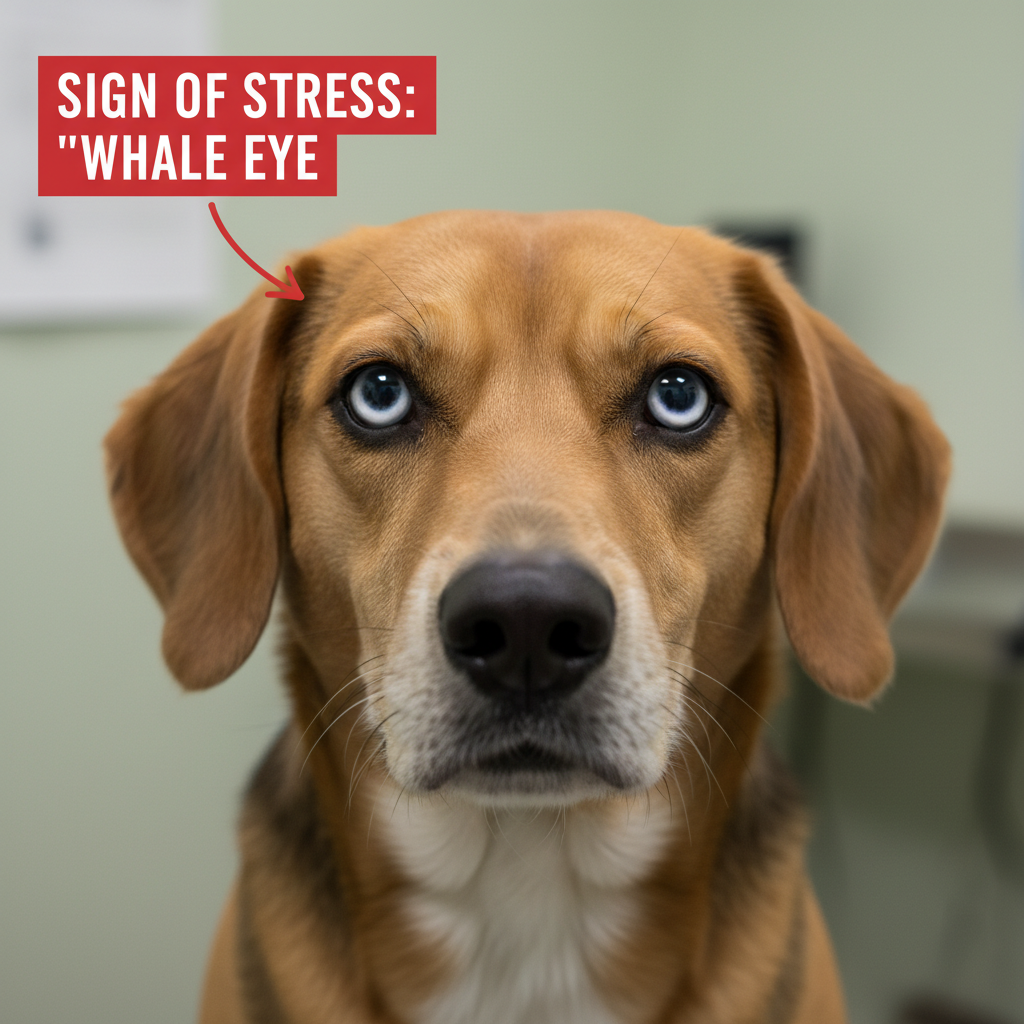
Your dog can’t tell you they’re uncomfortable with words, but they are screaming it with their body. Being a good socialization partner means being a good listener. Ignoring these signals is how scary situations happen.
Signs of Stress (The ‘Yellow Lights’):
If you see these, it’s time to increase distance or end the interaction. Your dog is saying, ‘I’m not comfortable with this.’
- Lip Licking or Nose Licking: When not related to food.
- Yawning: A big, dramatic yawn when they aren’t tired.
- Whale Eye: Showing the whites of their eyes.
- Tucked Tail: Curled under their body.
- Stiff, Frozen Body: As if they’re a statue.
- Panting: When it’s not hot.
Signs of Impending Trouble (The ‘Red Lights’):
These mean you need to get your dog out of the situation immediately and safely.
- Hard Stare: Fixed, unblinking focus on the other dog.
- Raised Hackles: The hair along their spine is standing up.
- Low Growl: A clear warning to back off.
- Lip Curl or Snarl: Showing their teeth.
On the flip side, look for relaxed, happy signals: a loose, waggy body; a gently sweeping tail; play bows; and a relaxed, open mouth. Your job is to be your dog’s advocate and protector. If they learn they can trust you to remove them from scary situations, their confidence will soar.
Common Mistakes to Avoid (And What to Do Instead)
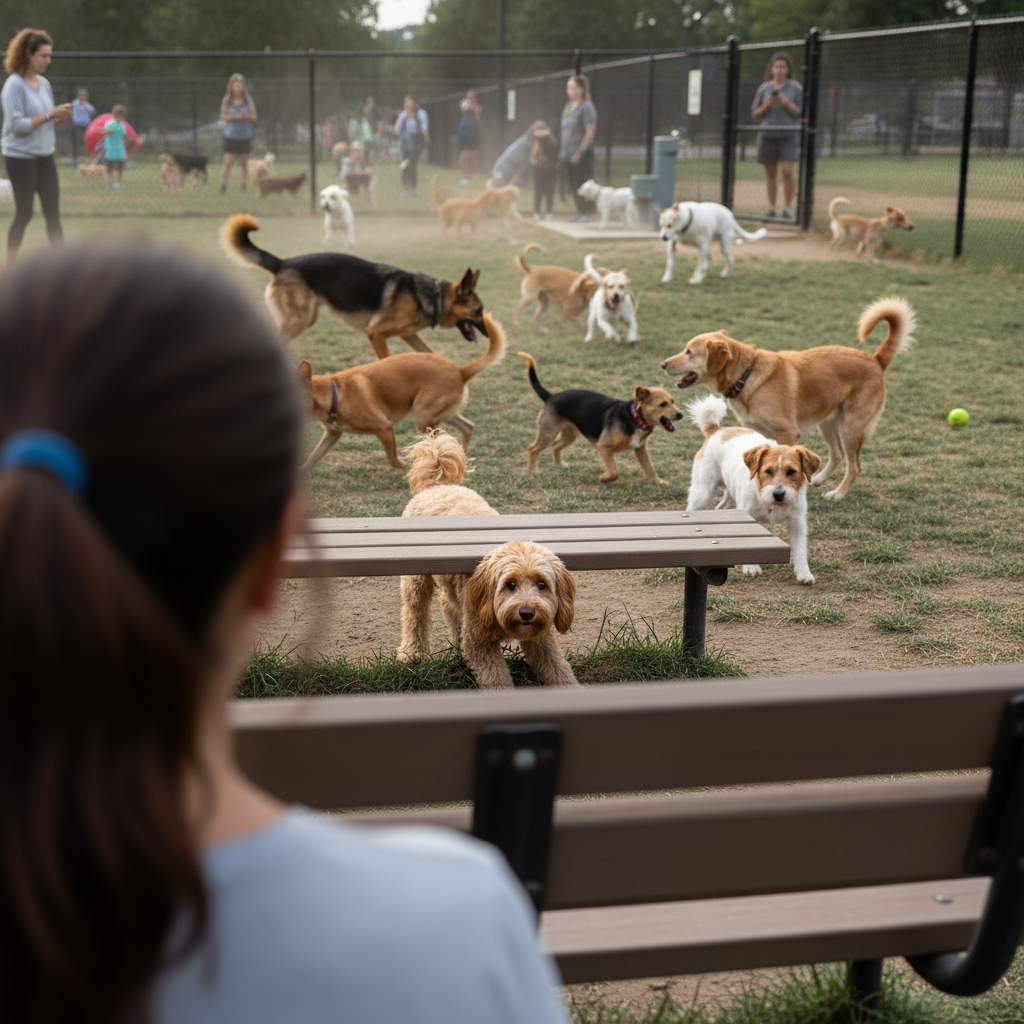
Even with the best intentions, it’s easy to make a misstep. Here are some of the most common pitfalls in adult dog socialization and how to steer clear of them.
| Common Mistake | A Better Approach |
|---|---|
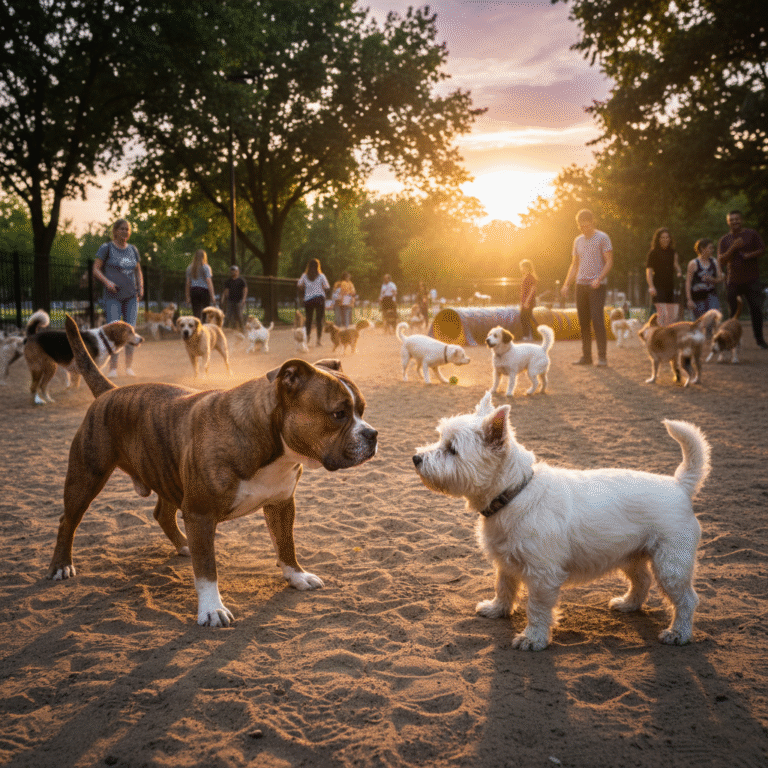
| Going to the Dog Park | Dog parks are overwhelming, uncontrolled environments. Stick to one-on-one, controlled introductions with calm dogs you know and trust. |
| Forcing Interactions | Never pull your dog towards another dog or a person. Let your dog choose to engage. Respect their ‘no’ and build trust by showing them you won’t force them into uncomfortable situations. |
| Using a Retractable Leash | These leashes offer almost no control and can easily lead to tangled, dangerous encounters. Use a standard 6-foot leash to keep your dog safe and close. |
| Letting Dogs ‘Work It Out’ | This is a dangerous and outdated myth. It’s your job to intervene before a problem starts. Letting them ‘work it out’ often leads to fights and reinforces fear and aggression. |
| Thinking it’s a Quick Fix | Changing a dog’s emotional response takes time and countless positive repetitions. Be patient, celebrate the small victories (like a calm glance at another dog!), and don’t get discouraged by setbacks. |
Conclusion
So, is it too late to socialize your older dog? The answer is a resounding no. It’s never too late to improve your dog’s quality of life, build their confidence, and teach them that the world isn’t such a scary place. The key is to throw out the puppy playbook and embrace a new definition of success. Success might not be a rollicking play session at the park; it might be a peaceful walk down the street, passing another dog on the opposite sidewalk without a reaction. And that is a huge victory worth celebrating.
By being patient, learning to read your dog’s signals, and managing their environment carefully, you’re not just ‘socializing’ them—you’re deepening your bond and showing them they can count on you to keep them safe. And that’s the greatest gift you can give any dog, no matter their age.