Is Flyball Right For Your Dog? A Beginner’s Guide To The High-Speed Sport
Imagine the thunder of paws, the enthusiastic barking of teammates, and the sheer adrenaline of a relay race where speed meets precision. This is Flyball, one of the fastest-growing and most exciting dog sports in the world. For many canine owners, finding an outlet for their pet’s boundless energy can be a challenge, and Flyball offers a structured, high-intensity solution that strengthens the bond between handler and dog.
However, before diving into the world of spring-loaded boxes and hurdles, it is essential to understand the mechanics of the sport and assess whether it aligns with your dog’s physical capabilities and temperament. While it is often dominated by high-drive breeds, Flyball is inclusive of many different types of dogs, provided they have the drive and the physical soundness to compete safely. In this guide, we will explore the ins and outs of the sport, helping you determine if Flyball is the right activity for your canine companion.
Understanding the Mechanics of Flyball
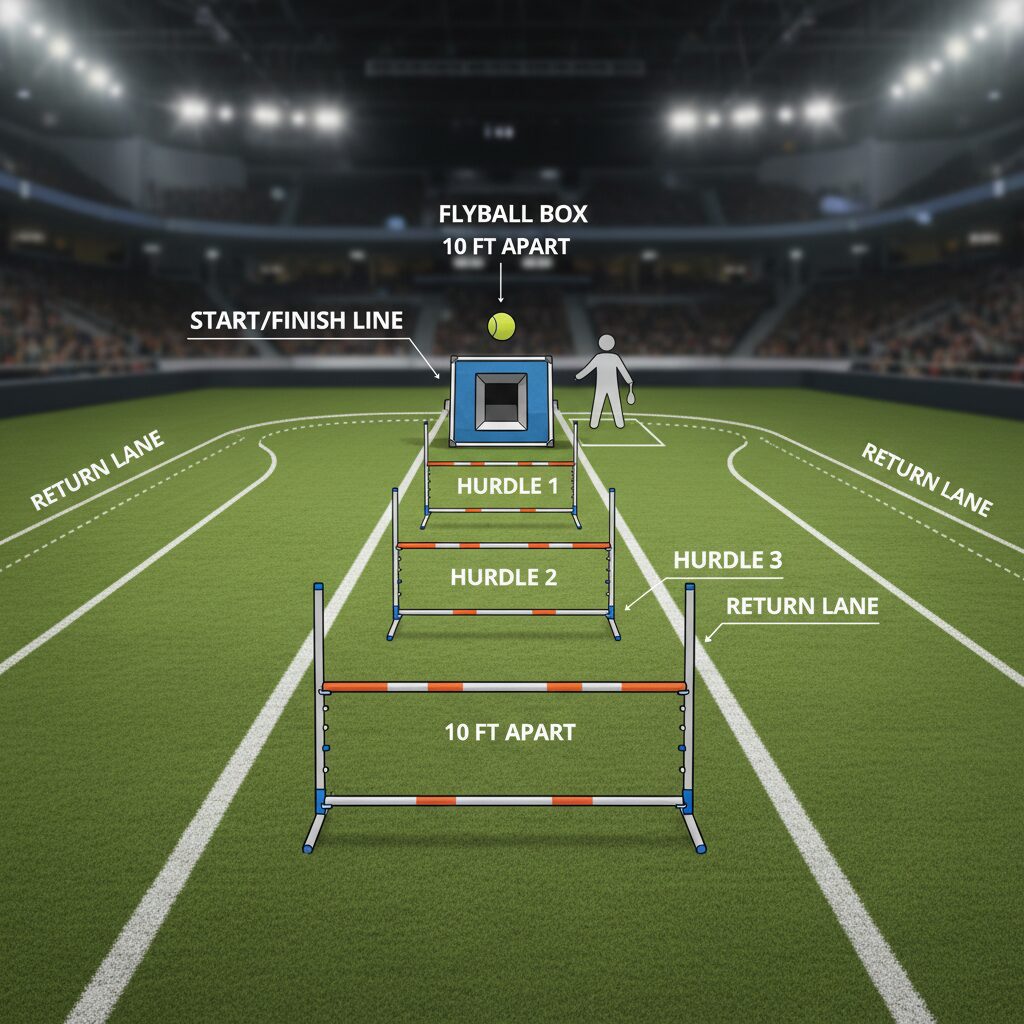
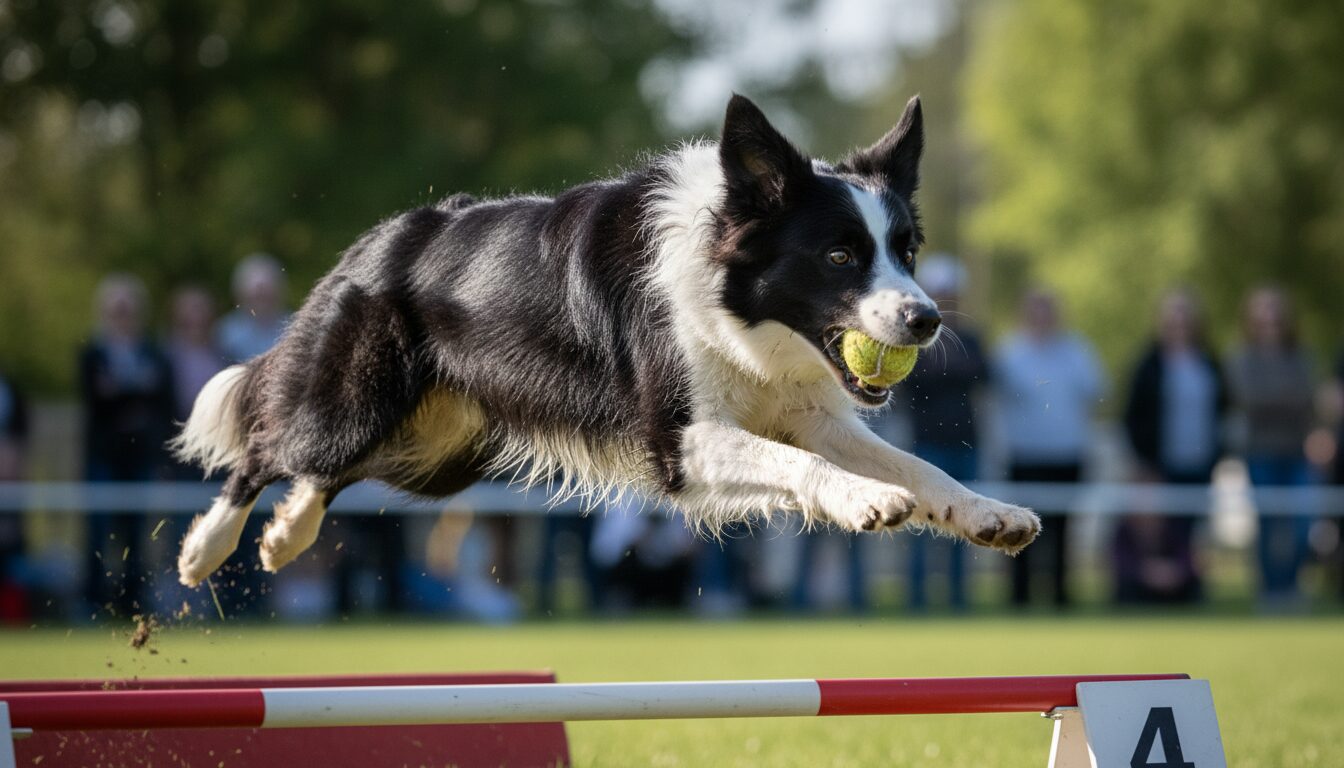
At its core, Flyball is a relay race between two teams, each consisting of four dogs. The course is a straight line of 51 feet, featuring four hurdles and a spring-loaded box at the end. The objective is simple yet demanding: a dog must sprint over the hurdles, trigger the box to release a tennis ball, catch the ball, and return over the hurdles to the start/finish line. Once the first dog crosses the line, the next dog is released.
The timing is electronic, and the margins for error are slim. A fraction of a second can determine the winner. Key components of the sport include:
- The Box Turn: This is the most technical part of the run. The dog must bank off the box (similar to a swimmer’s flip turn) to catch the ball and reverse direction simultaneously.
- The Hurdles: The height of the jumps is determined by the smallest dog on the team, known as the "height dog," ensuring fairness and safety.
- Passing: Dogs must pass each other nose-to-nose at the start line without interfering with one another, requiring immense focus and socialization.
Assessing Suitability: Is Your Dog a Candidate?

While any breed can technically participate, not every individual dog is suited for the high-impact nature of Flyball. As a responsible owner, you must evaluate your dog’s physical health and behavioral traits before enrolling in a class.
Physical Health Considerations
Flyball is a high-impact sport that places significant stress on the joints, particularly the shoulders, hips, and knees. Before starting, a full veterinary clearance is non-negotiable. Factors to consider include:
- Age: Dogs should generally be at least 12 to 18 months old before training on full-height jumps or the box to ensure growth plates are closed.
- Weight: Overweight dogs are at a much higher risk of injury. A lean, conditioned physique is a prerequisite.
- Structure: Dogs with existing orthopedic issues, such as hip dysplasia or luxating patellas, should avoid this sport.
Temperament and Drive
Physique is only half the equation. Your dog needs the mental aptitude for the game. The ideal Flyball candidate exhibits:
- High Toy Drive: The dog must be obsessed with tennis balls or tug toys. This drive is the fuel for training.
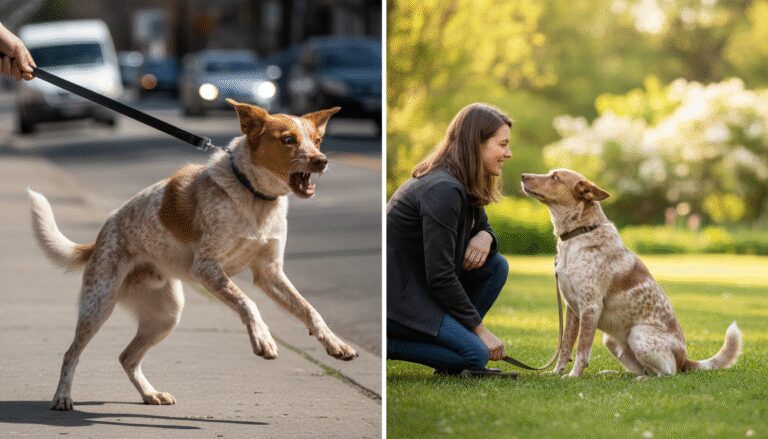
- Sociability: Flyball is a chaotic environment with other dogs running in close proximity. Aggression or extreme reactivity is a safety hazard.
- Focus: The ability to ignore distractions (crowds, other dogs, loud noises) is critical.
The Benefits of Flyball Training
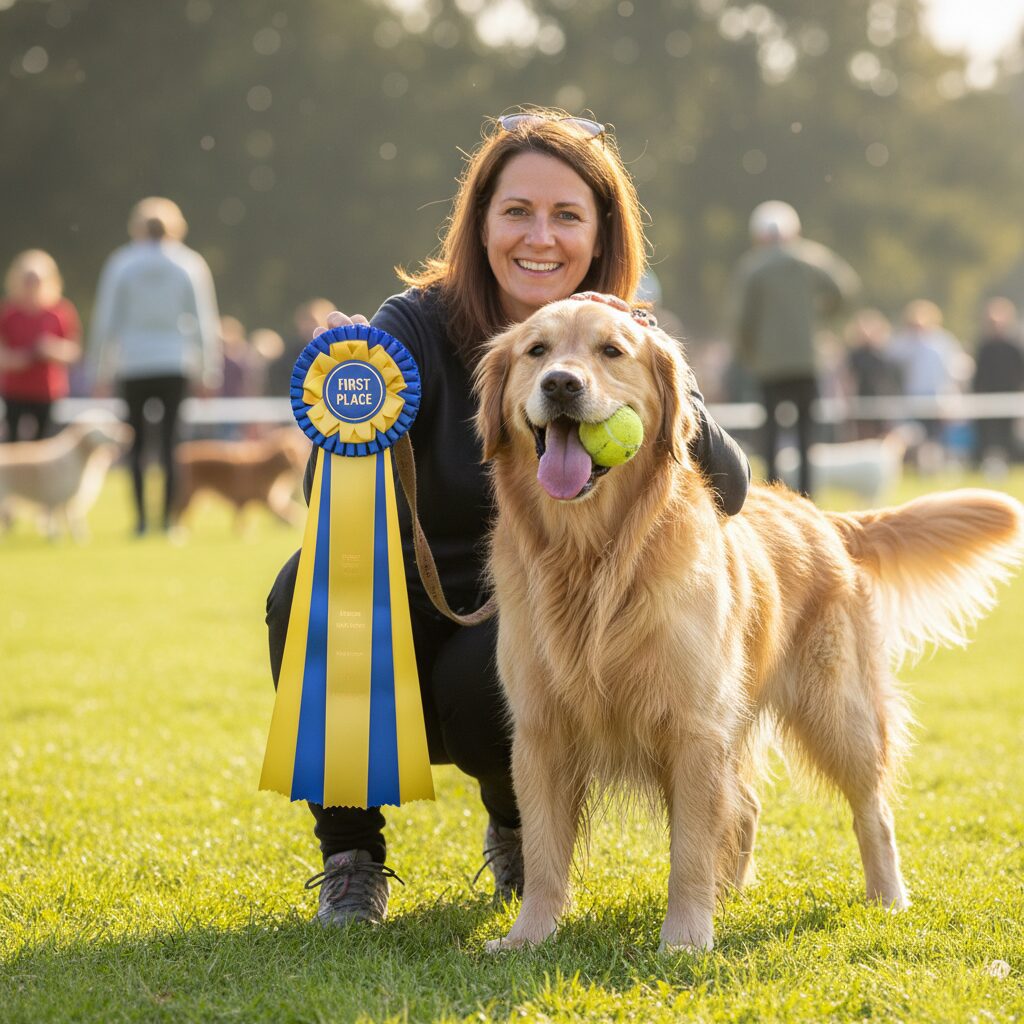
If your dog is cleared medically and has the right temperament, the benefits of Flyball are extensive. It is not just about burning calories; it is about holistic canine wellness.
- Physical Conditioning: The sport provides intense interval training, building muscle tone, cardiovascular endurance, and coordination.
- Mental Stimulation: The technical aspects of the box turn and the discipline required to stay in the lane provide a rigorous mental workout. A mentally tired dog is a well-behaved dog at home.
- Bonding: Flyball is a team effort between you and your dog. The training process relies heavily on positive reinforcement, which deepens trust and communication.
- Socialization: Regular practice and competitions expose your dog to new environments, people, and other dogs in a controlled setting, which can boost confidence in shy dogs.
Essential Training Prerequisites
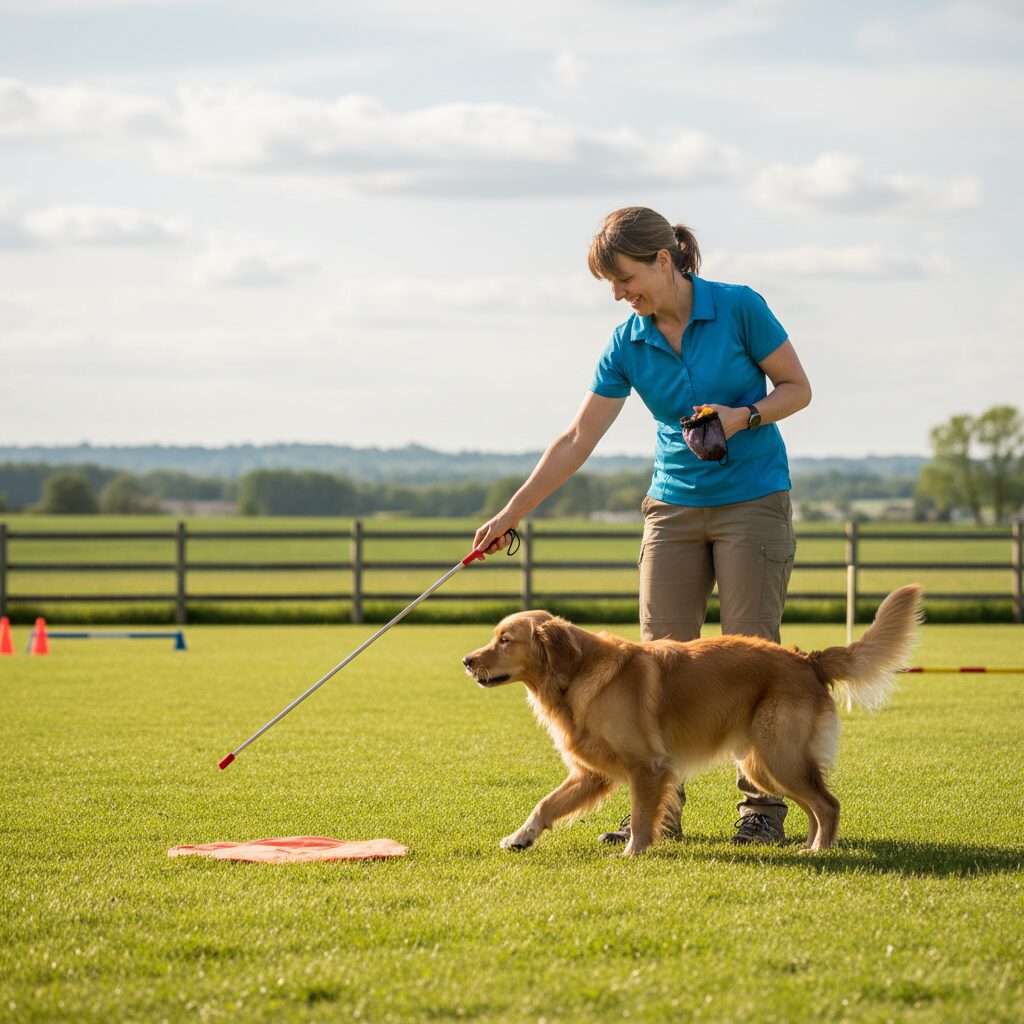
You do not start with the full course on day one. Successful Flyball dogs are built on a foundation of basic obedience and specific skills. Before attending your first club meeting, work on the following:
- Rock-Solid Recall: Your dog must come when called, every single time, regardless of distractions. In a tournament, a loose dog can disrupt the race and pose a safety risk.
- Retrieve to Hand: The dog must not only chase the ball but bring it back directly to you. Playing "keep away" does not work in a relay race.
- Wait/Stay: Impulse control is vital at the start line. Your dog needs to hold a stay while watching other dogs run, only releasing on your specific command.
Start training these behaviors in low-distraction environments, gradually increasing the difficulty as your dog succeeds.
Getting Started: Finding a Club and Equipment
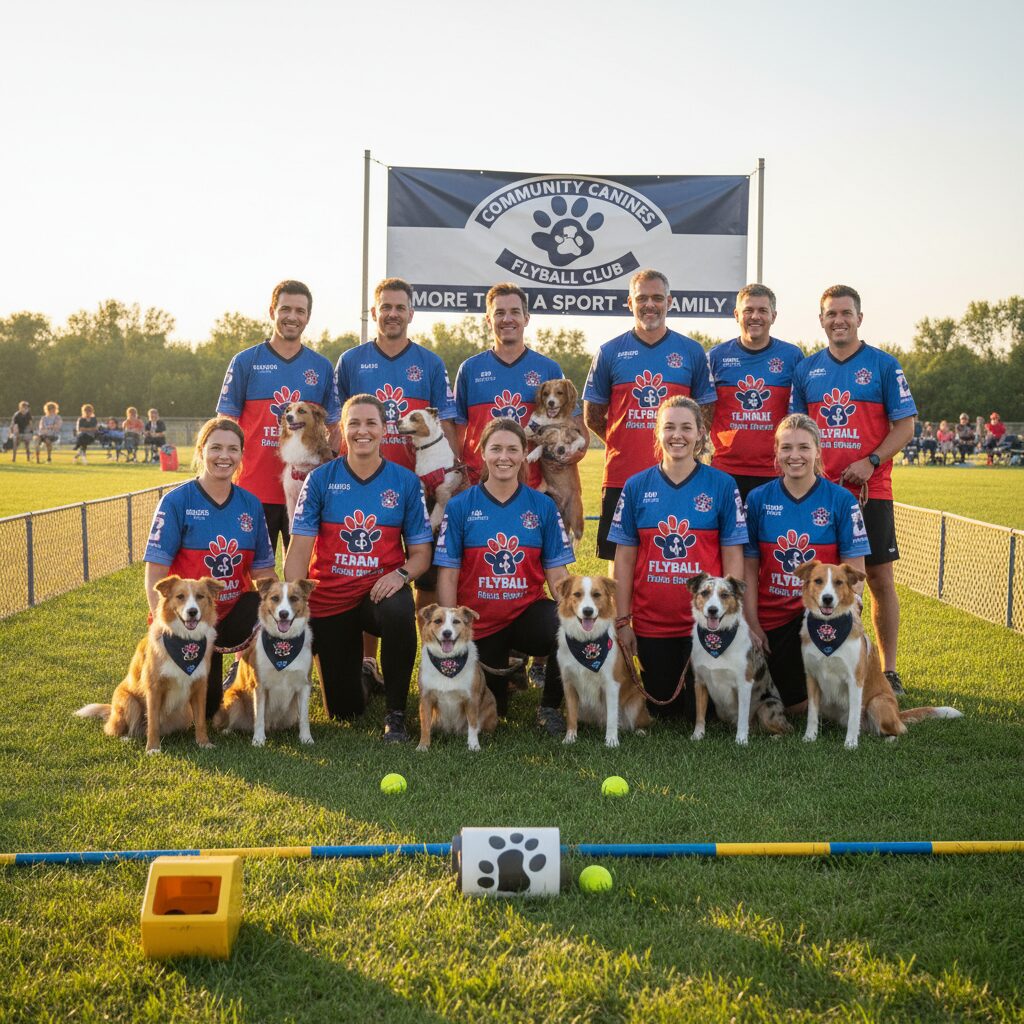
Flyball is unique because it is a team sport; you cannot practice it entirely alone in your backyard. You need a club to access the specialized equipment and the knowledge of experienced handlers.
Locating a Team
Search for local Flyball clubs through organizations like the North American Flyball Association (NAFA) or the United Kingdom Flyball League (UKFL). Attend a tournament as a spectator first to observe the culture. Look for teams that prioritize safety and positive reinforcement over winning at all costs.
Equipment Needs
While the club provides the hurdles and boxes, you will need personal gear:
- Harness: A specialized Flyball harness allows you to hold your dog at the start line without restricting their breathing.
- Motivators: High-value tug toys and plenty of tennis balls.
- Treats: Soft, smelly treats for rewarding quick behaviors.
Joining a beginner’s class is the best way to introduce your dog to the equipment safely, particularly the box turn, which requires specific biomechanics to prevent injury.
Final Thoughts on the Flyball Journey
Flyball is more than just a game of fetch; it is a high-octane discipline that celebrates the athleticism and drive of our canine companions. It offers a fantastic way to channel excess energy, build a profound connection with your pet, and join a passionate community of dog lovers. However, it is not a sport to enter lightly. It requires a commitment to safety, physical conditioning, and consistent training.
If your dog is healthy, ball-obsessed, and social, Flyball could be the perfect addition to your lives. Start with a veterinary check-up, find a supportive club, and enjoy the thrill of the lane. Whether you aim for championships or just a fun weekend activity, the joy on your dog’s face as they race down the course will be the ultimate reward.