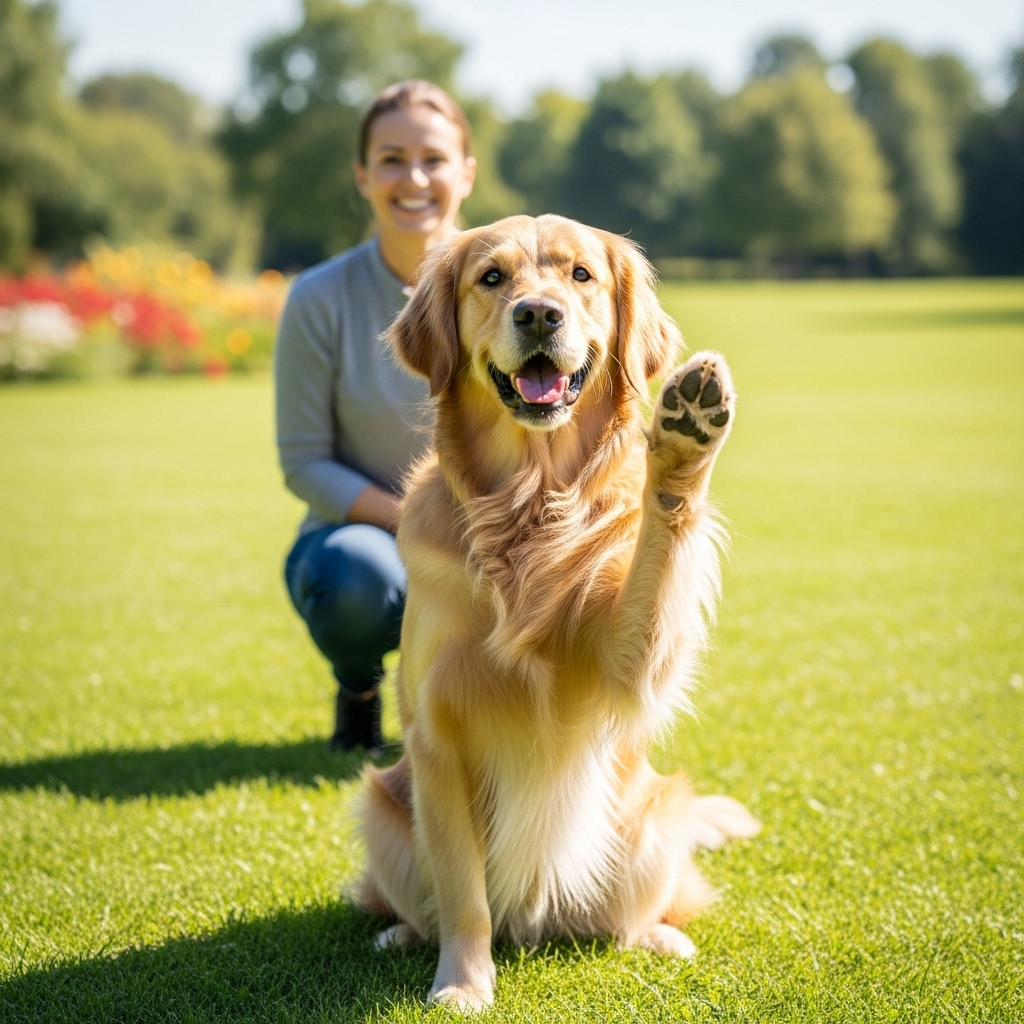
Impress Your Friends: Teach Your Dog To Wave Goodbye In 10 Minutes
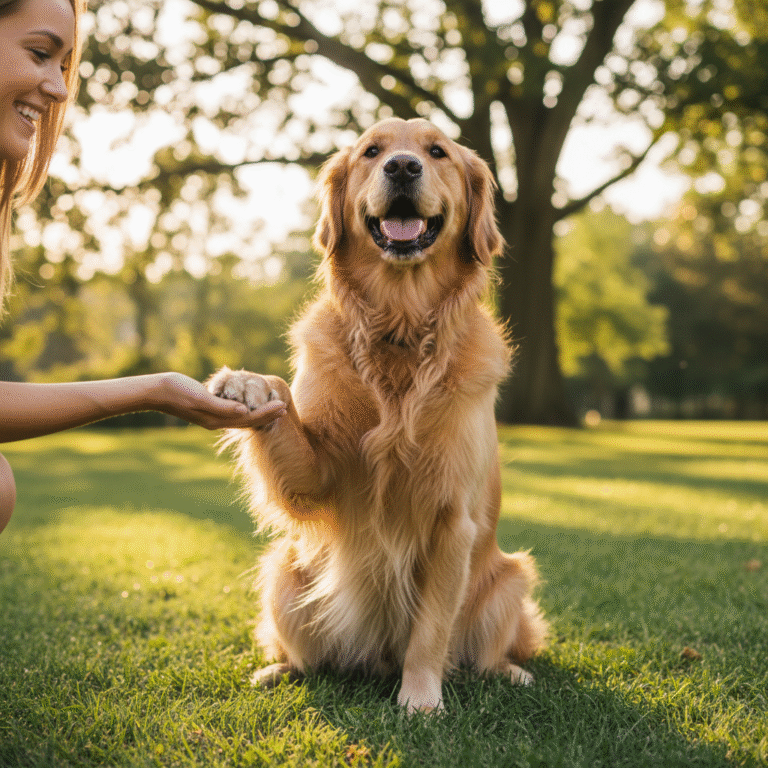
Have you ever seen a dog wave ‘hello’ or ‘goodbye’ and thought, ‘I wish my dog could do that!’? Well, good news! Not only is it an adorable and impressive trick, but it’s also surprisingly easy to teach. Forget long, complicated training sessions. We’re going to show you how to teach this crowd-pleasing trick in short, fun bursts that your dog will love.
Training new tricks isn’t just about showing off; it’s a fantastic way to boost your dog’s confidence, provide mental stimulation, and strengthen the incredible bond you share. It’s a language you build together, one treat and one tail wag at a time. So, grab your pup’s favorite snacks, find a comfy spot, and get ready to turn your talented canine into the star of the show. In about 10 minutes, you’ll be well on your way to a perfect paw wave!
Getting Started: Your Waving Toolkit
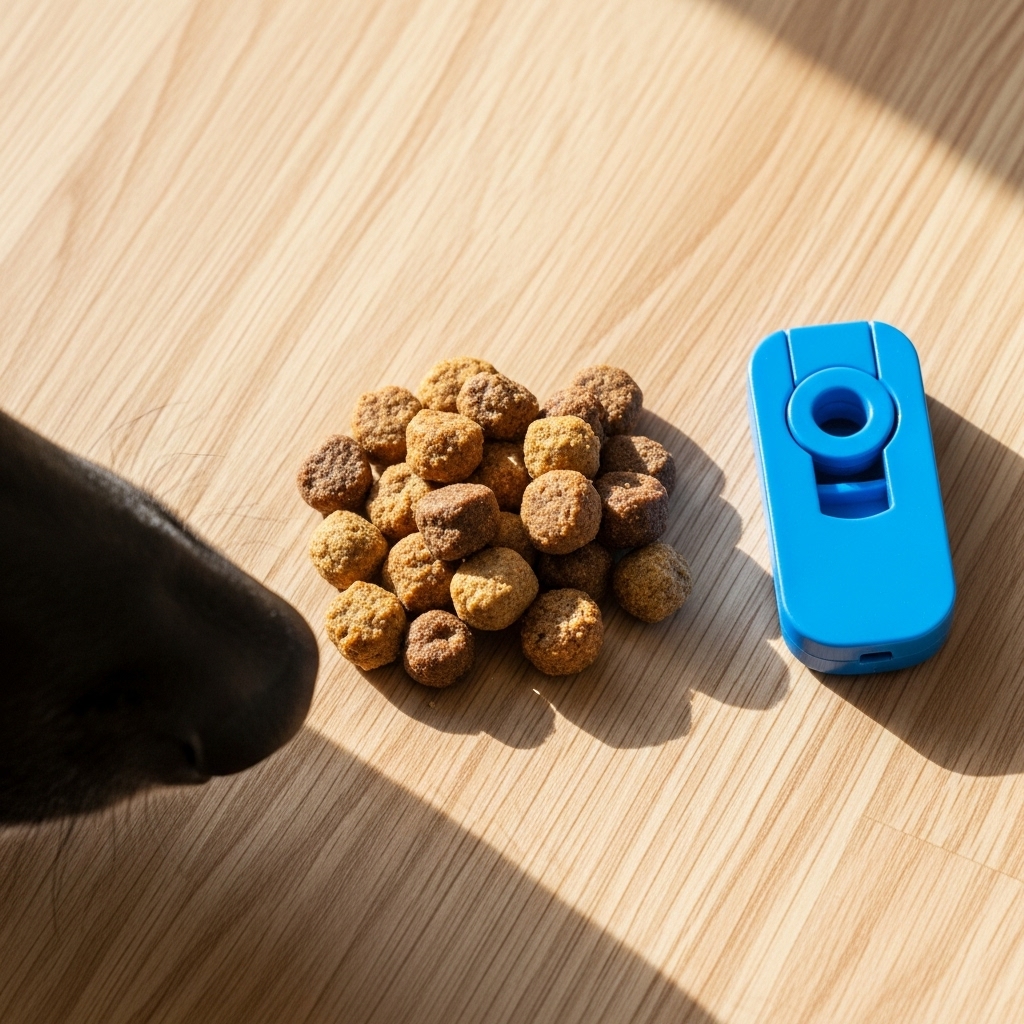
Before we jump into the fun part, let’s gather a few simple supplies. You probably have everything you need right at home. The goal is to set you and your furry student up for success from the very first moment. A little preparation goes a long way in making the training session smooth, positive, and super effective.
What You’ll Need:
- High-Value Treats: We’re not talking about their everyday kibble. You want something special that your dog absolutely loves and will work enthusiastically for. Think tiny pieces of cheese, cooked chicken, or soft, smelly training treats. The key is that they should be small (about the size of a pea) so you can give many rewards without filling your dog up too quickly.
- A Quiet, Distraction-Free Space: Choose a calm area of your home, like the living room or a quiet bedroom, where you won’t be interrupted. You want your dog’s full attention. A training session with the TV on, kids running around, or other pets vying for attention will be much less productive.
- A Positive Attitude: This is the most important tool! Your dog feeds off your energy. Stay patient, keep it light, and be ready to celebrate every tiny bit of progress. Training should feel like a game, not a chore.
- A Clicker (Optional): If you’re familiar with clicker training, this is a great time to use it! A clicker is a fantastic tool for marking the exact moment your dog does the right thing, which can speed up the learning process. If you don’t have one, don’t worry! A simple, happy marker word like ‘Yes!’ works just as well.
Once you have your treats and have picked your spot, you’re ready to begin. Remember, the goal is to have fun together!
The 4 Simple Steps to a Perfect Wave
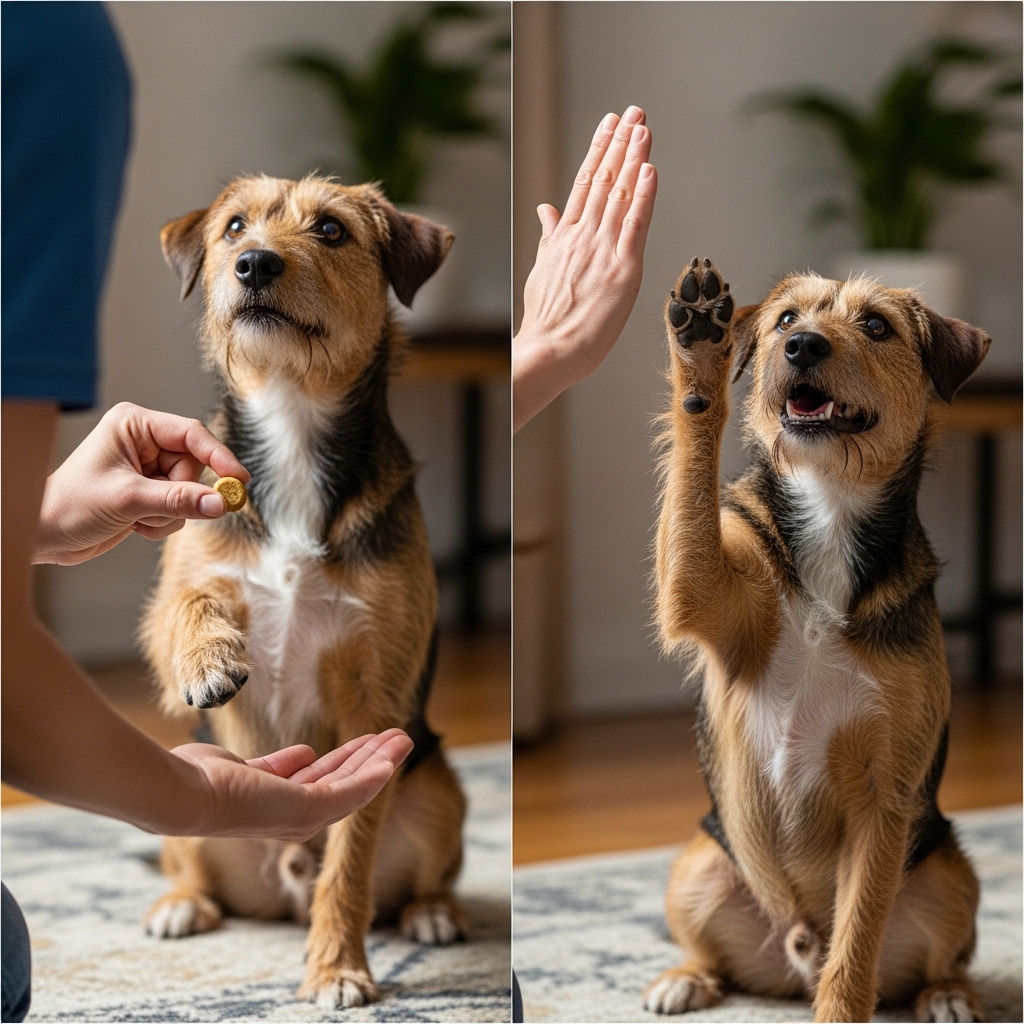
Alright, let’s get down to business! We’re going to use a technique called ‘luring’ and ‘shaping’. It sounds fancy, but it just means we’re guiding our dog into the right position and then rewarding them as they get closer and closer to the final behavior. Follow these steps, and you’ll be amazed at how quickly your dog catches on.
-
Step 1: Capture the Paw Lift
The foundation of a wave is getting your dog to lift their paw on their own. Sit on the floor in front of your dog. Hold a smelly, high-value treat in your closed fist. Let your dog sniff your hand. Most dogs will naturally try to paw at your hand to get the treat. The instant their paw lifts off the ground—even just a tiny bit—say your marker word (‘Yes!’ or click) and give them the treat from your other hand. It’s crucial to reward the lift, not the pawing itself. Repeat this 5-6 times until your dog is eagerly lifting its paw as soon as you present your closed fist.
-
Step 2: Introduce the Cue Word
Now that your dog understands that lifting a paw gets a reward, it’s time to give the action a name. Just before you present your fist, say your chosen cue word in a clear, cheerful voice. Common cues are ‘Wave,’ ‘Say Hi,’ or ‘Goodbye.’ So the sequence is: Say ‘Wave!’ -> Present your fist -> Dog lifts paw -> Mark with ‘Yes!’ -> Reward. Timing is everything here. You want your dog to start associating the word ‘Wave’ with the action of lifting their paw.
-
Step 3: Shape the Wave Motion
This is where we refine the movement. Instead of holding your fist low, start holding it slightly higher and a little to the side of your dog’s head. This will encourage them to lift their paw higher to reach for it. At first, reward any lift. Then, start being a little pickier. Only reward the higher lifts. You’re ‘shaping’ the simple paw lift into a more recognizable wave. Keep sessions short! A few minutes of this is more effective than one long, frustrating session.
Remember to be patient. Your dog is learning a brand new skill! Celebrate the small wins and keep the energy positive and encouraging.
-
Step 4: Fade the Lure
The final step is to get your dog to wave without needing to see a treat in your hand. Start by using the same hand motion (presenting your fist) but with no treat inside. When your dog lifts their paw, mark and reward them with a treat from your other hand. Gradually, you can start to change your hand signal from a closed fist to an open-handed wave gesture. Continue to say your cue word, make your new hand signal, and reward your dog’s wave. Over time, your dog will respond to just the verbal cue or the hand signal alone. Voilà! You have a waving dog!
Troubleshooting: When Your Pup Gets Puzzled
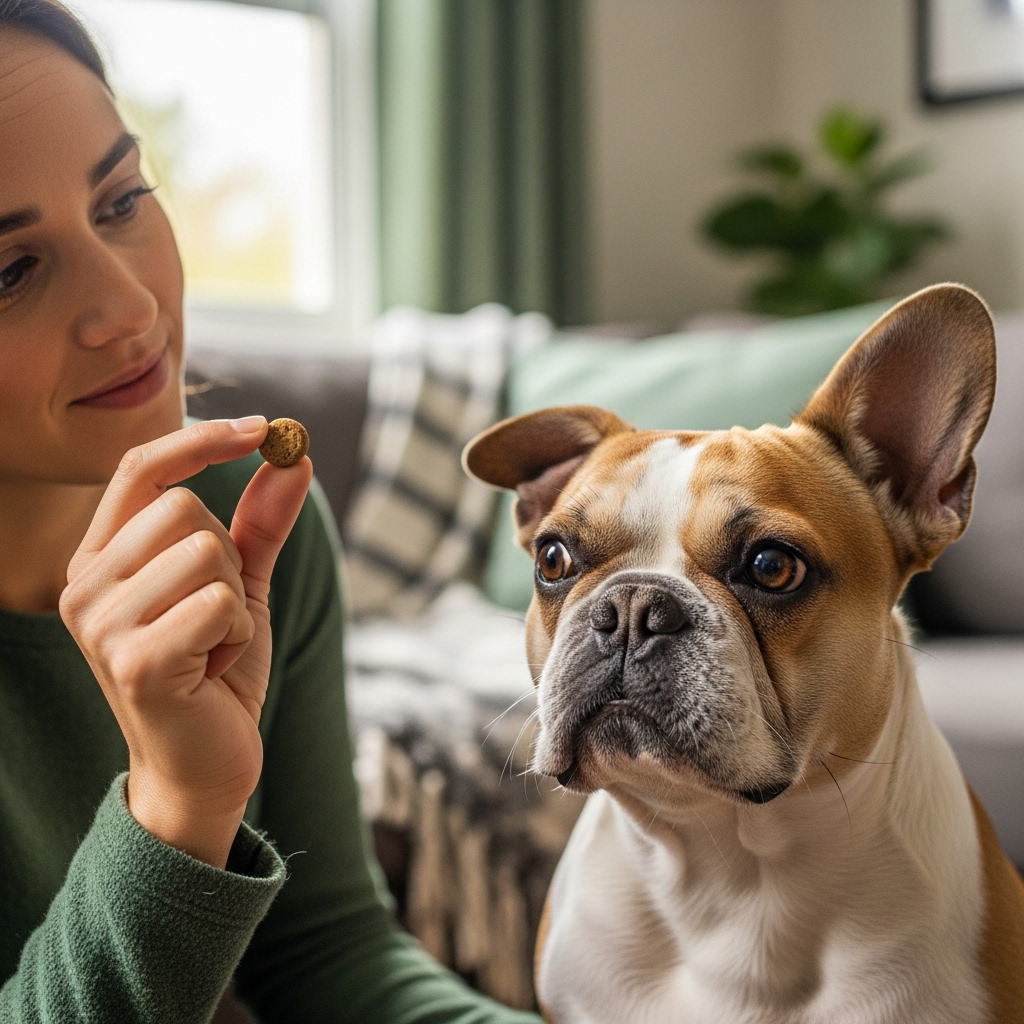
Sometimes, even with the best plan, you and your pup might hit a little snag. That’s completely normal! Every dog learns at a different pace. The key is not to get frustrated. Here are some common challenges and how to work through them with a smile.
My dog just licks or nibbles my hand instead of pawing it.
This is super common, especially with mouthy breeds! If this happens, try holding the treat between your thumb and index finger, making your hand less of a ‘target’ to lick. You can also try putting a slightly less interesting (but still good!) treat in your lure hand, and save the super high-value treat for the reward from your other hand. This teaches them that the good stuff comes after the action, not from mugging your hand.
My dog is pawing aggressively or scratching me.
Ouch! We definitely don’t want that. This usually means the dog is a bit over-excited or frustrated. If the pawing is too hard, immediately pull your hand back and say ‘oops!’ in a neutral tone. Wait a second, then try again. Only reward gentle paw lifts. You can also try placing a piece of tape or a sticky note on the back of your hand. Dogs often find the texture interesting and will investigate with a gentler touch, which you can then reward.
They learned it yesterday but have totally forgotten today!
Welcome to the world of dog training! This is called ‘spontaneous recovery’ and it’s perfectly normal. Dogs don’t generalize well at first. Just take a step back to where they were last successful. Maybe that’s just rewarding the paw lift again. A quick, positive refresher is usually all it takes to get them back on track. Remember, several short 3-5 minute sessions throughout the day are far more effective than one long 20-minute session.
Pro Tips for a Flawless Performance
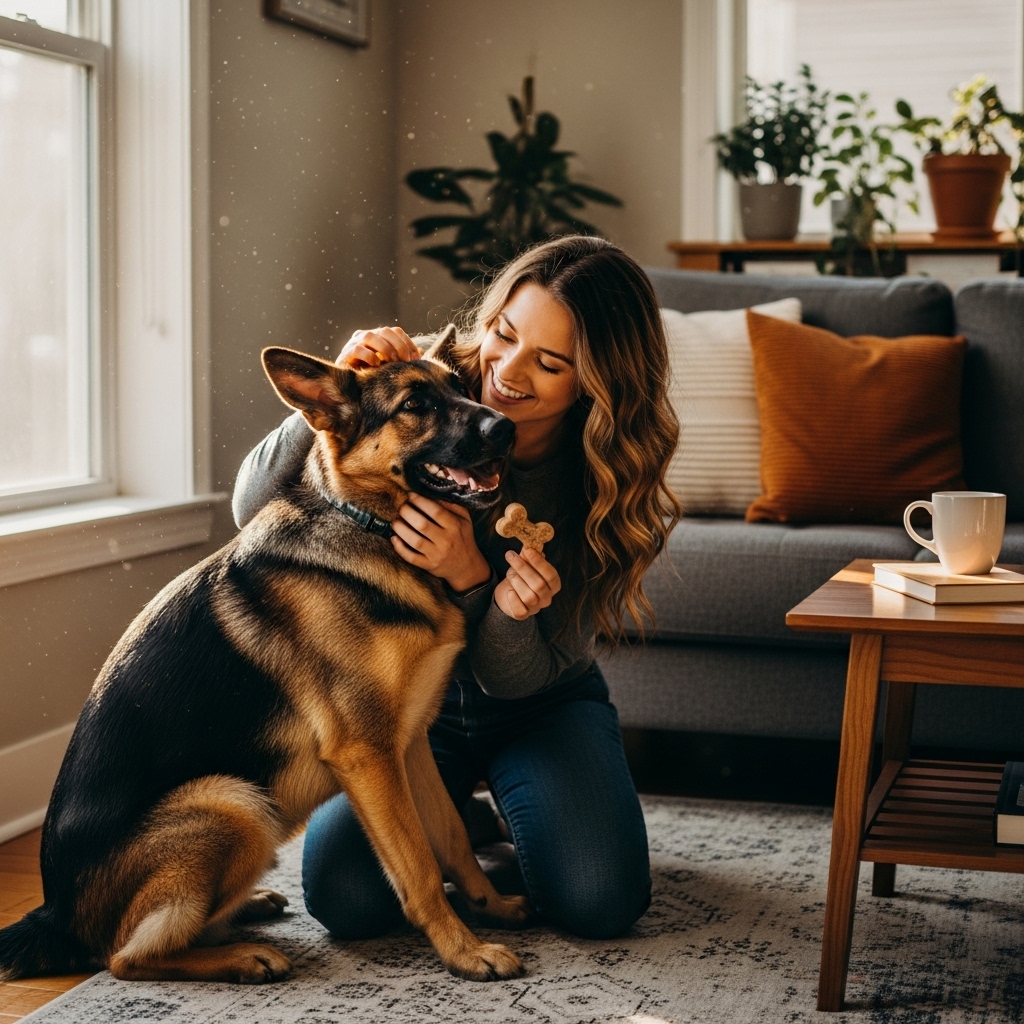
You’ve got the basics down, and your dog is starting to wave. Awesome! Now, let’s polish that trick until it’s ready for the spotlight. These professional tips will help you make the wave more reliable, sharper, and ready to perform anywhere, anytime.
- Keep Sessions Short & Sweet: A dog’s attention span, especially when learning something new, is short. Aim for sessions that are no longer than 5-10 minutes. It’s always better to end the session while your dog is still engaged and having fun, rather than pushing them until they’re tired or frustrated. This is called ‘ending on a high note,’ and it makes your dog excited for the next training session.
- Phase Out the Clicker/Marker Word: Once your dog reliably performs the wave on cue, you don’t need to mark and treat every single time. You can move to an intermittent reinforcement schedule. This means you might reward three waves in a row, then skip one, then reward the next two. This actually makes the behavior stronger and more durable over time.
- Generalize the Behavior: Your dog might be a waving champion in the living room, but will they do it at the park? Or when your friends are over? Practice the trick in different rooms of the house, in the backyard, and eventually in new environments with low distractions. This teaches your dog that ‘Wave’ means the same thing no matter where you are.
- Don’t Poison the Cue: This is a big one! Avoid repeating your cue word (‘Wave, wave, wave!’) if your dog doesn’t respond immediately. This just teaches them that the cue is ‘wavewavewave.’ Instead, say the cue once. If they don’t do it, that’s okay. Take a small break, maybe make it easier by luring them once, and then try again. A crisp, one-word cue is what you’re aiming for.
Expert Tip: Your energy and excitement are your dog’s biggest paycheck. Even when you phase out treats, a big, happy celebration with praise and petting after a great wave will keep your dog eager to perform.
Conclusion
And there you have it! In just a few short, fun-filled sessions, you’ve taught your dog one of the most charming tricks around. You’ve done more than just teach a cute behavior; you’ve spent quality time engaging your dog’s mind, building their confidence, and strengthening the amazing communication you share. Every trick you teach is another layer in your incredible partnership.
Remember to be patient, celebrate the small victories, and most importantly, have fun with the process. Your dog’s wave might not be perfect overnight, but the journey of learning together is what truly matters. Now, go ahead and show off that brilliant new skill. Get ready for the smiles, the ‘awws,’ and the well-deserved praise for your very clever canine companion!