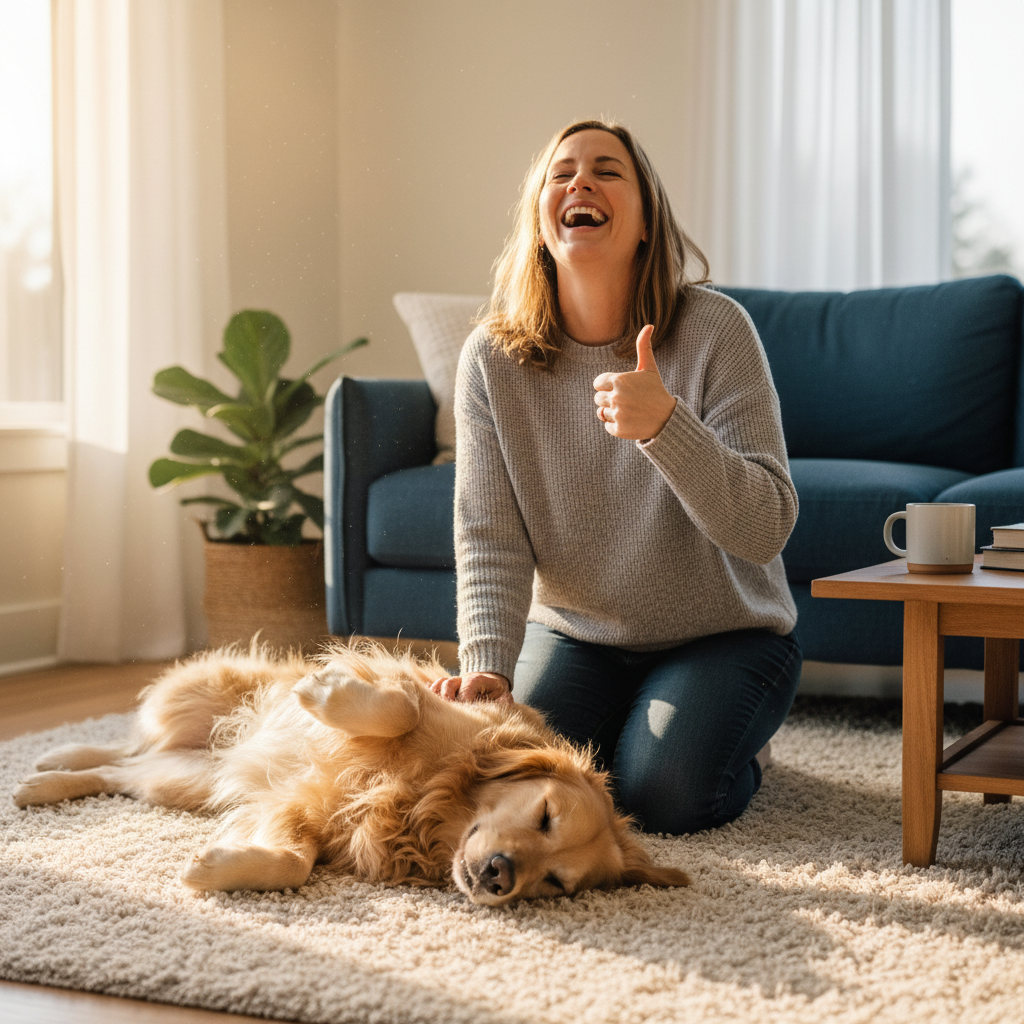
Impress Your Friends: Teach Your Dog To Play Dead” In 3 Easy Steps”
Have you ever seen a dog dramatically flop over and play dead on command and thought, ‘I wish my dog could do that!’? Well, good news! Teaching your dog to play dead is not only one of the most impressive tricks in the book, but it’s also a fantastic way to boost your dog’s confidence and strengthen your bond. It’s more than just a party trick; it’s a fun mental workout for your pup.
Forget complicated training manuals. We’re going to break it down into three simple, achievable steps. All you need is a little patience, a handful of tasty treats, and a positive attitude. Before you know it, you and your furry a-list actor will be stealing the show. Let’s get started!
Before You Begin: Setting the Stage for Success
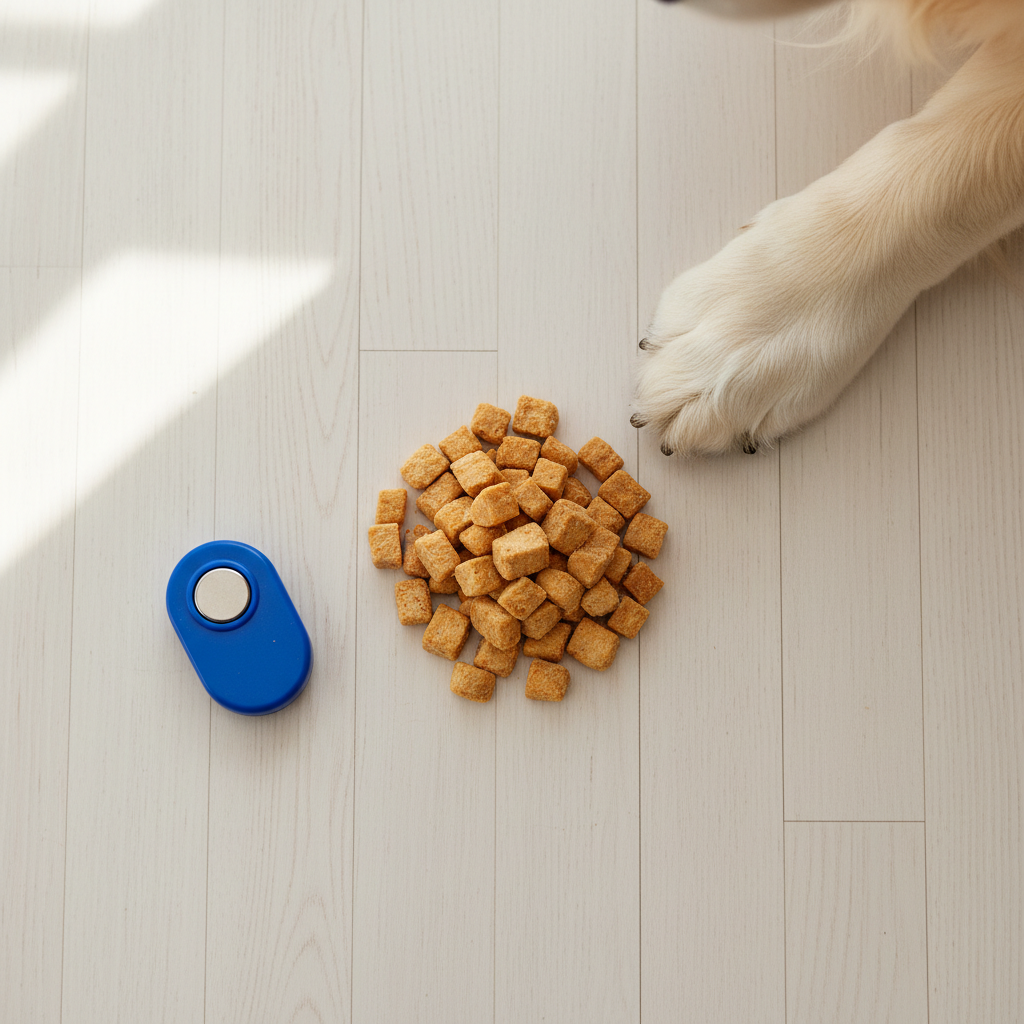
Just like a master chef gathers their ingredients before cooking, a master dog trainer (that’s you!) needs to get everything ready before starting a session. Setting yourself up for success makes the whole process smoother and more fun for both you and your dog.
What You’ll Need:
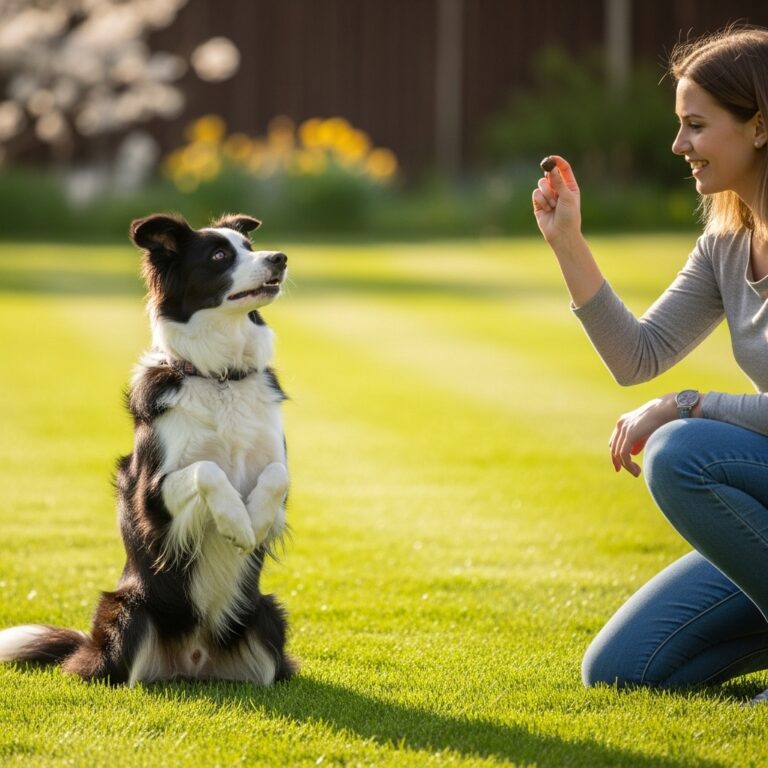
- High-Value Treats: We’re not talking about their everyday kibble. You need the good stuff! Think small, smelly, and delicious morsels like tiny pieces of cheese, cooked chicken, or soft training treats. The goal is to make the reward so irresistible that your dog is eager to work for it.
- A Quiet Space: Find a comfortable spot in your home with minimal distractions. Turn off the TV, ask the kids to play in another room, and create a calm environment where your dog can focus on you. A soft rug or carpeted area is ideal.
- A Clicker (Optional): A clicker is a fantastic tool for marking the exact moment your dog does something right. If you’ve never used one, it’s simple: click the instant your dog performs the action, then immediately give a treat. If you don’t have one, a consistent marker word like ‘Yes!’ works just as well.
- A Foundational Command: Your dog should have a solid ‘Down’ or ‘Lie Down’ command mastered before you start. This trick is built directly on that position, so having it on lock is non-negotiable.
Expert Tip: Keep your training sessions short and sweet! Aim for 5-10 minutes once or twice a day. Always end on a positive note, perhaps with a trick your dog already knows and loves, to keep them excited for the next session.
The Main Event: Teaching ‘Play Dead’ in 3 Easy Steps
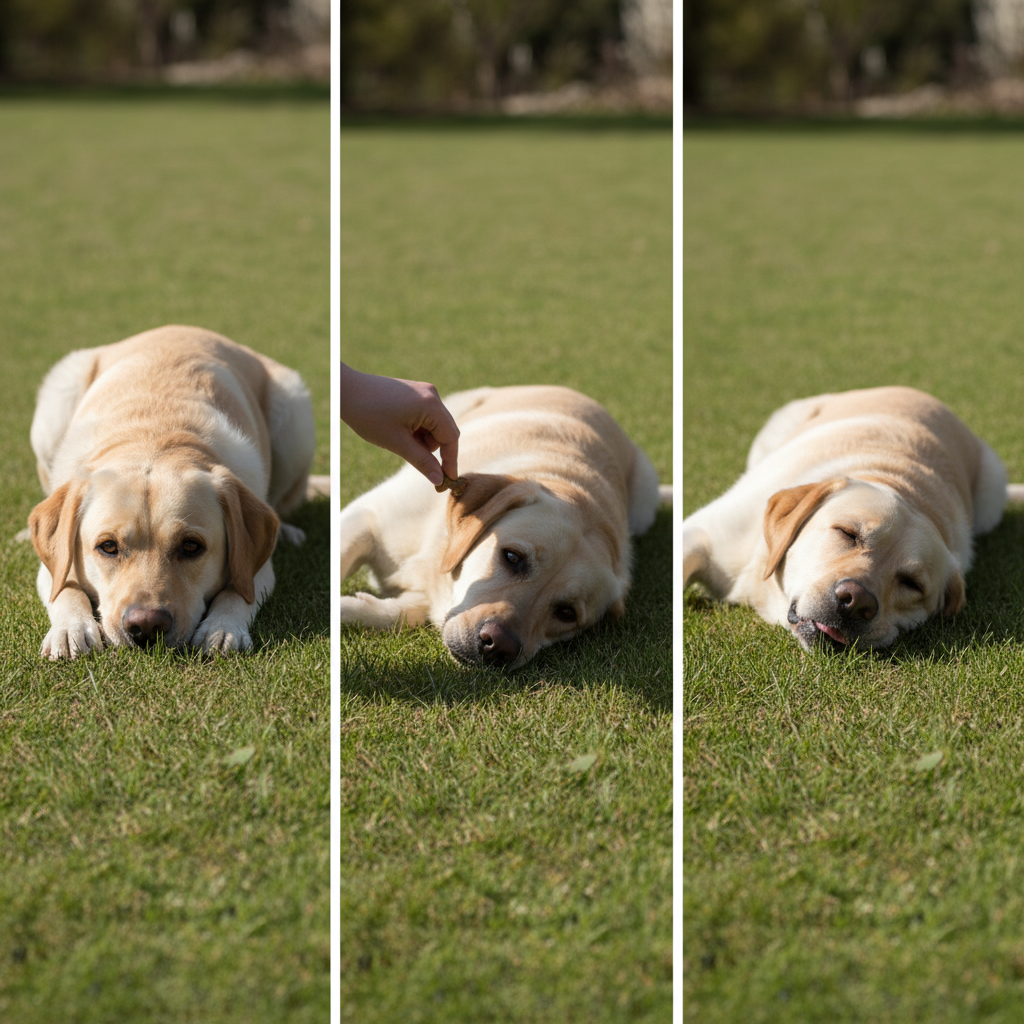
Alright, the stage is set, your treats are ready, and your dog is looking at you expectantly. It’s time for the main event! Remember, the key here is patience. Every dog learns at a different pace, so celebrate the small wins and keep it positive.
Step 1: From ‘Down’ to ‘On Your Side’
This first step is about getting your dog comfortable with the initial movement. We’ll use a treat to guide, or ‘lure,’ them into position.
- Ask your dog to ‘Lie Down.’
- Once they are in the down position, take a tasty treat and hold it near their nose.
- Slowly move the treat from their nose towards their shoulder, encouraging them to turn their head and lean their body in that direction. The goal is to get them to shift their weight and flop onto one hip and then their side.
- The very second they lie on their side, even if it’s just for a moment, click your clicker or say ‘Yes!’ and give them the treat and lots of praise.
- Repeat this process several times. At first, you may only be rewarding a head turn, then a lean, and finally, the full side-lie. This is called ‘shaping’ the behavior. Once they are reliably flopping onto their side with the lure, you can add your verbal cue, like ‘Bang!’ or ‘Pow!’ Say the word just as you start the lure.
Step 2: Encouraging the Full ‘Flop’
Now that your dog understands how to go from ‘Down’ to their side, we’ll add a little more drama. For some dogs, this is the trickiest part, so be extra patient.
From the side position, continue using the treat lure. Move it from their shoulder up and over their back, encouraging them to roll further. Some dogs might roll completely onto their back, while others will just do a more committed ‘flop’ onto their side. Either is great! Reward any effort they make to go further than just lying on their hip. The goal is a relaxed, ‘dead’ posture. Keep pairing the action with your chosen cue.
Step 3: Fading the Lure and Adding Duration
Your dog is now responding to your cue and lure! The final step is to transition them to performing the trick with just a hand signal and the verbal cue.
- Start making your hand motion with the treat smaller and smaller. Instead of luring their head all the way, just motion in that direction.
- Eventually, you can transition to a hand signal without a treat in it at all. A classic is pointing your finger like a gun. Say your cue (‘Bang!’), give your hand signal, and reward them when they play dead.
- Once they have the action down, start building duration. Ask them to hold the position for just one second before you say your release word (like ‘Okay!’) and give them the treat. Gradually increase the time they ‘play dead’ before being released.
Oops! Troubleshooting Common Training Hiccups
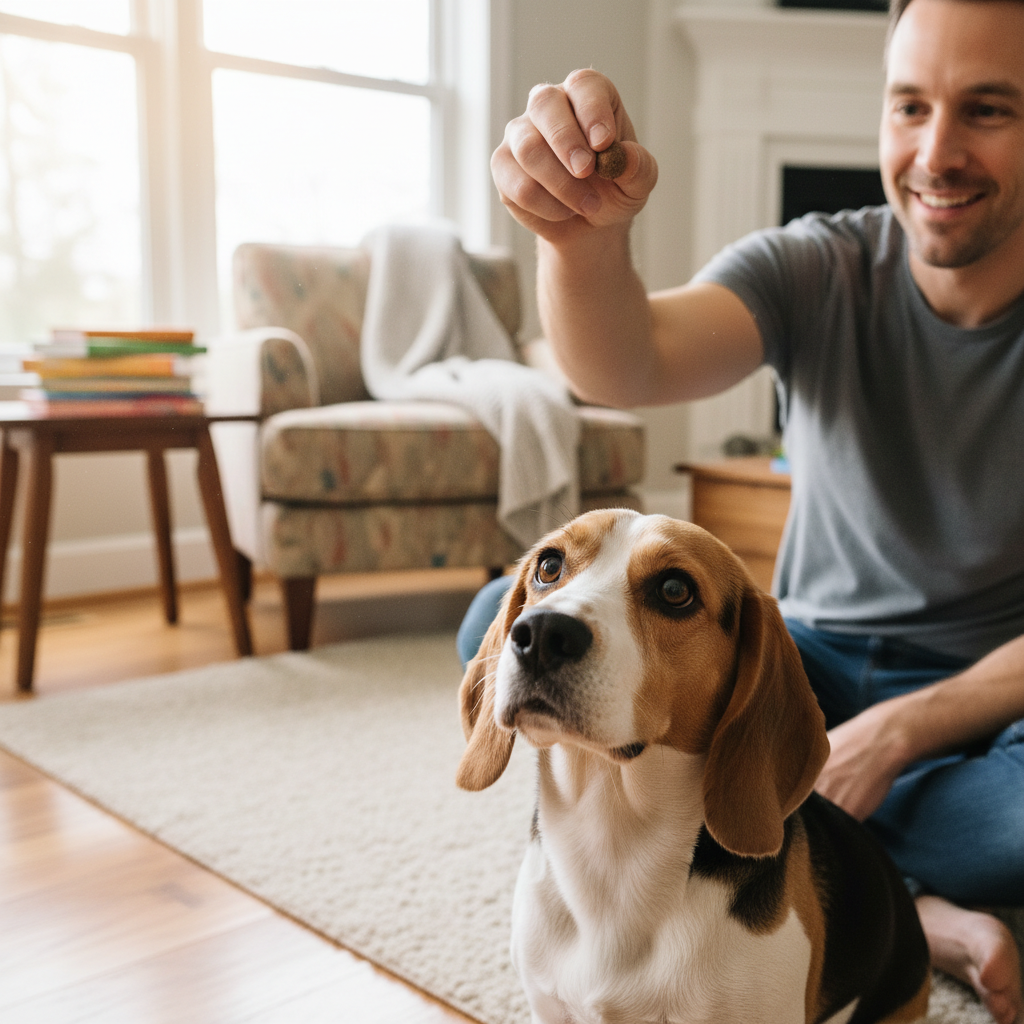
Even with the best plan, sometimes you hit a snag. Don’t worry, it’s completely normal! Dog training is rarely a straight line. Here are some common issues and how to solve them.
‘My dog just stands up instead of rolling.’
This often means you’re asking for too much, too soon. Go back to the very first part of Step 1. Lure their head just a tiny bit to the side, and reward that. Make it super easy for them to win. Also, check if your treats are exciting enough and if your training sessions are short enough to hold their attention.
‘They won’t roll all the way over.’
Patience is key! Many dogs are hesitant to show their bellies. Never force them. Instead, heavily reward any small step in the right direction. If they lie on their hip, throw a party! If they relax their head to the floor, fantastic! This positive reinforcement will build their confidence until they feel comfortable enough to do the full flop.
‘They get too excited and just nibble at my hand!’
This is a sign of an enthusiastic learner! To manage this, hold the treat inside a closed fist and use your fist as the lure. This way, they can smell it and follow it, but they can’t nibble it. Only open your hand to release the treat after they’ve done the correct action.
Remember the Golden Rule: If your dog gets frustrated, take a break. End the session by asking for a simple command they know well, like ‘Sit,’ reward them for it, and then end with some playtime. This ensures they always associate training with fun, positive experiences.
Conclusion
And there you have it! You are now equipped with the knowledge to teach one of the most entertaining dog tricks around. By following these three steps—getting them on their side, encouraging the full flop, and then fading the lure—you’re well on your way to having a canine movie star in your living room.
The most important things to carry with you on this journey are patience, consistency, and a sense of humor. Every dog is an individual, and the real prize isn’t just the finished trick, but the fun you have and the bond you strengthen along the way. So grab those treats, find a comfy spot, and get ready to impress everyone you know. Happy training!