

Hypoallergenic Elk Meat Treats for Sensitive Dogs
If you’re the loving parent of a dog with a sensitive stomach or skin allergies, you know the struggle all too well. The constant label-reading, the trial-and-error, and the heartbreak of seeing your best friend suffer from an upset tummy or itchy skin after a seemingly innocent snack. It can feel like you’re navigating a minefield every time you walk down the treat aisle. But what if there was a delicious, nutritious, and, most importantly, gentle option that could change the game for your pup? Enter the world of hypoallergenic elk meat treats.
You might be thinking, ‘Elk? For my dog?’ Absolutely! This isn’t just another trendy ingredient. Elk is what’s known as a ‘novel protein,’ and it’s a powerhouse of nutrition that’s often incredibly well-tolerated by dogs who react poorly to common proteins like chicken, beef, or lamb. In this guide, we’ll dive deep into everything you need to know about elk meat treats. We’ll explore why they’re so beneficial for sensitive dogs, how to decode the term ‘hypoallergenic,’ and what to look for to ensure you’re buying the highest quality product for your furry family member. Get ready to finally give your sensitive pup a treat they can truly enjoy, worry-free!
Why Elk? The Power of a Novel Protein for Allergic Dogs
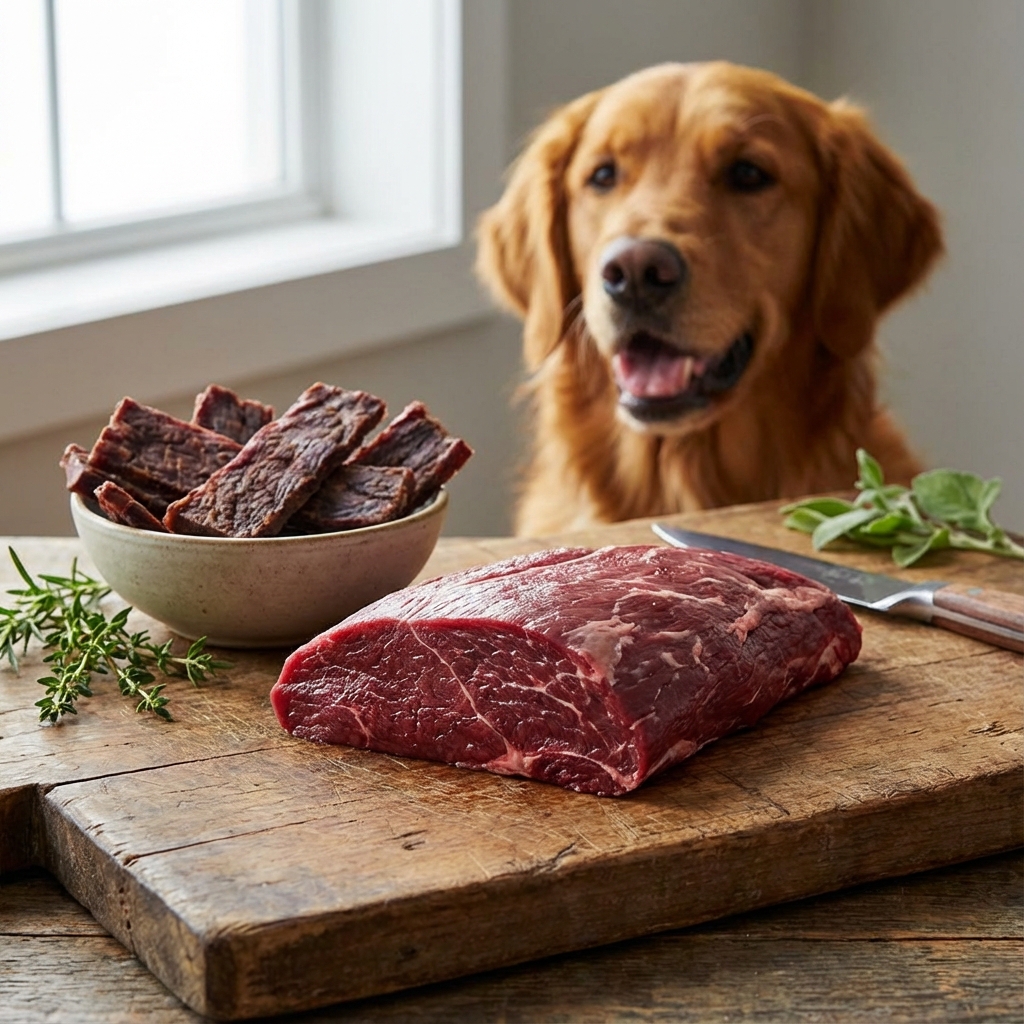
So, what’s the big deal with elk? It all comes down to a simple but powerful concept in canine nutrition: the novel protein. A novel protein is simply a protein source that your dog has never (or rarely) been exposed to before. Food allergies and sensitivities in dogs often develop over time due to repeated exposure to the same ingredients, most commonly chicken, beef, dairy, and wheat, which are staples in many commercial dog foods and treats.
When a dog’s immune system mistakenly identifies a common protein as a harmful invader, it launches an inflammatory response. This can manifest in various ways, from gastrointestinal issues like diarrhea and vomiting to dermatological problems like constant itching, hot spots, and ear infections. It’s a frustrating cycle for both you and your pup.
The Elk Advantage
This is where elk steps in as a hero ingredient. Since most dogs haven’t eaten elk before, their immune systems don’t have a pre-programmed ‘attack’ response to it. This significantly reduces the likelihood of an allergic reaction, providing much-needed relief.
But the benefits don’t stop there. Elk meat is a nutritional superstar:
- Lean and Low-Fat: Elk is naturally much leaner than beef, containing less fat and cholesterol. This makes it an excellent choice for dogs who need to maintain a healthy weight or those prone to pancreatitis.
- Rich in Protein: It’s packed with high-quality, easily digestible protein, which is essential for building and maintaining strong muscles, repairing tissues, and supporting overall health.
- Packed with Nutrients: Elk is a fantastic source of essential vitamins and minerals, including iron, phosphorus, zinc, and B vitamins (especially B12 and niacin), which support energy levels, red blood cell production, and a healthy nervous system.
Think of it this way: introducing a novel protein like elk is like hitting the ‘reset’ button on your dog’s food sensitivities. You’re offering their body something new and nutritious that it doesn’t recognize as an enemy, allowing for happy digestion and calm skin.
By choosing an elk-based treat, you’re not just avoiding potential allergens; you’re actively providing a nutrient-dense, lean protein source that supports your dog’s vitality from the inside out. It’s a proactive step towards managing their sensitivities and improving their quality of life, one delicious treat at a time.
Decoding ‘Hypoallergenic’: What It Really Means for Your Dog
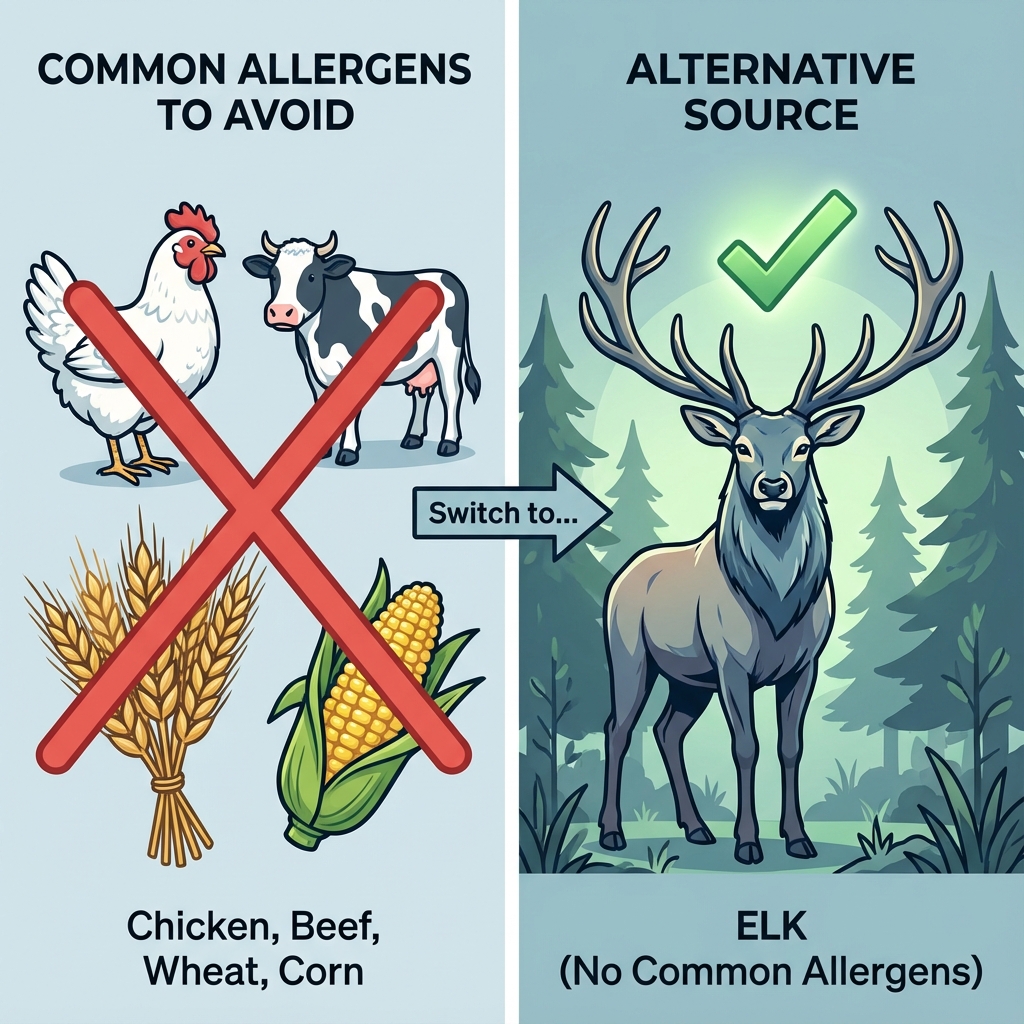
The word ‘hypoallergenic’ is slapped on everything from dog food to shampoo, but what does it actually mean? It’s one of the most important—and often misunderstood—terms in the pet food industry. Understanding it is key to making the best choices for your sensitive companion.
In simple terms, hypoallergenic means ‘less likely to cause an allergic reaction.’ It does not mean ‘allergy-proof.’ There is no single food or treat in the world that can be guaranteed to not cause an allergic reaction in every single dog, because allergies are highly individual. A dog can be allergic to virtually any ingredient, even rare ones.
So, when a company labels a treat like elk jerky as hypoallergenic, they are typically referring to one or both of these qualities:
- It uses a novel protein: As we just discussed, the treat is built around a protein source (like elk, venison, or rabbit) that is uncommon in most dog diets, thereby reducing the statistical probability of a reaction.
- It has limited ingredients: True hypoallergenic products often follow a ‘less is more’ philosophy. A limited ingredient diet (LID) minimizes the number of potential allergens your dog is exposed to. A high-quality elk treat might contain just one ingredient: elk. This makes it incredibly easy to pinpoint what your dog is eating and avoid reactions.
Common Culprits Hiding in Plain Sight
To appreciate why limited-ingredient elk treats are so effective, it helps to know what you’re trying to avoid. The most common food allergens for dogs include:
- Beef
- Dairy Products
- Chicken
- Lamb
- Wheat
- Soy
- Corn
Notice a pattern? These are the building blocks of the vast majority of dog foods and treats on the market. Many treats, even those advertising a ‘healthy’ protein, are packed with cheap fillers like corn meal, wheat flour, and soy, or include multiple protein sources like ‘chicken meal’ that can trigger sensitivities. A supposedly ‘bacon-flavored’ treat might contain very little bacon and a lot of things that can make your dog itchy.
Expert Tip: Always, always read the full ingredient panel, not just the front of the bag. The marketing can say ‘Made with Real Elk,’ but the back label might reveal chicken fat, wheat gluten, or artificial preservatives are also included. For a truly sensitive dog, purity is paramount.
Choosing a single-ingredient elk treat takes the guesswork out of the equation. There are no hidden fillers, no mystery ‘meat by-products,’ and no common allergens to worry about. You’re giving your dog the pure, simple goodness of elk, which is the entire point of going the hypoallergenic route in the first place.
Choosing the Best Elk Treats: A Pet Parent’s Buyer’s Guide

You’re sold on the idea of elk, but now you’re faced with a growing number of options online and in stores. How do you separate the high-quality gems from the not-so-great products? Being an informed shopper is your best defense. Here’s what to look for—and what to avoid—when choosing the perfect elk treat for your sensitive pup.
Your Quality Checklist
Think of yourself as a detective for your dog’s health. Scrutinize the packaging and ingredient list for these key signs of a superior product:
- Single or Limited Ingredients: The shorter the ingredient list, the better. The absolute best-case scenario is a single ingredient: ‘100% Elk.’ If there are other ingredients, they should be whole foods you recognize, like sweet potato or blueberries, and you should be sure your dog isn’t sensitive to them.
- Source and Sourcing: Look for information on where the elk comes from. Brands that are proud of their sourcing will tell you. Phrases like ‘Free-Range,’ ‘Grass-Fed,’ or ‘Sourced from North American Elk’ are excellent indicators of quality. This often means the meat is cleaner and more ethically raised.
- Processing Method: How the treat is made matters. ‘Dehydrated’ or ‘Air-Dried’ are top-tier methods. They slowly remove moisture while preserving the nutritional integrity of the meat without the need for chemical preservatives. Avoid treats that are ‘baked’ at high temperatures, which can destroy nutrients, or those with vague descriptions.
- No Artificial Additives: This is a non-negotiable for a sensitive dog. Your checklist of ‘NOs’ should include: artificial colors, artificial flavors, chemical preservatives (like BHA, BHT, or ethoxyquin), and sweeteners (like corn syrup or molasses).
Here is a quick-reference table to help you compare products at a glance:
| Feature | What to Look For (Green Flags ✅) | What to Avoid (Red Flags 🚩) |
|---|---|---|
| Ingredients | ‘100% Elk’, ‘Elk Muscle’, ‘Elk Heart’. A very short, recognizable list. | ‘Meat by-products’, ‘animal digest’, corn, wheat, soy, long lists of chemicals. |
| Sourcing | ‘USA Sourced’, ‘North American Elk’, ‘Free-Range’. Clear country of origin. | ‘Made in USA with global ingredients’, no origin listed, sourced from countries with lax regulations. |
| Preservatives | ‘No preservatives’, ‘Natural preservatives like Vitamin E (mixed tocopherols)’. | BHA, BHT, ethoxyquin, propylene glycol, artificial colors/flavors. |
| Form | Jerky, medallions, freeze-dried bites. Simple, minimally processed shapes. | Highly processed, uniformly shaped biscuits that likely contain fillers and binders. |
By using this guide, you can confidently choose a treat that is not only safe and hypoallergenic but also genuinely healthy and beneficial for your best friend.
The Right Way to Introduce New Treats to a Sensitive Dog

You’ve done your research and bought the perfect, single-ingredient elk treats. It’s tempting to want to shower your deserving pup with them right away, but with a sensitive dog, introduction is everything. A slow and steady approach is crucial to prevent any potential digestive upset and to ensure the new treat is truly a good fit.
The golden rule is: start low and go slow. Even a hypoallergenic food can cause a temporary upset if introduced too quickly, simply because your dog’s digestive system isn’t used to it yet. Follow these steps for a smooth and successful introduction:
Step-by-Step Introduction Plan
- The Tiny Taste Test (Day 1-2): Start with a minuscule piece. We’re talking about a piece the size of your pinky fingernail. Offer this tiny morsel and then wait. Don’t give any other new foods or treats during this period. For the next 24-48 hours, monitor your dog closely for any signs of a negative reaction. This includes changes in stool (diarrhea, constipation), vomiting, excessive gas, or skin issues like sudden itching or redness.
- The Small Treat (Day 3-4): If all went well with the taste test, you can graduate to a small, treat-sized piece. For a jerky strip, this might be a one-inch square. Again, offer only one piece per day and continue to monitor. The goal is to give their gut time to adjust to processing the new protein.
- The Gradual Increase (Day 5-7): If your dog is still doing great, you can slowly begin to increase the amount. You might offer two small pieces throughout the day, or one slightly larger piece. The key is to make changes gradually. Don’t jump from one tiny piece to five full treats overnight.
- Finding the ‘Sweet Spot’ (Week 2 and beyond): Once you’ve successfully introduced the treat over a week without any issues, you can establish a normal treating routine. Remember that treats should only make up about 10% of your dog’s daily caloric intake. Use them for training rewards or special occasions.
A Vet’s Perspective: If your dog has a history of severe allergies or IBD (Inflammatory Bowel Disease), it’s always a wise idea to chat with your veterinarian before introducing any new food item, even a hypoallergenic one. They can provide guidance tailored to your dog’s specific health needs.
Patience is your best friend during this process. By taking the time to introduce elk treats properly, you’re setting your dog up for success and ensuring that this new, exciting snack remains a positive and beneficial part of their diet for years to come.
Conclusion
Navigating the world of dog treats when you have a sensitive pup can be a daunting task, but it doesn’t have to be a frustrating one. As we’ve seen, hypoallergenic elk meat treats offer a fantastic solution, providing a rare combination of high nutritional value and a low risk of allergic reaction. By leveraging the power of a novel protein, you can finally break the cycle of itchiness and upset stomachs caused by common ingredients.
The key to success lies in being a savvy pet parent. Remember to prioritize single- or limited-ingredient lists, look for transparently sourced, minimally processed products, and always introduce any new treat slowly and methodically. Your dog’s comfort and health are worth the extra effort of reading a few labels and practicing a little patience.
Ultimately, seeing your dog enjoy a delicious snack without any negative side effects is one of the most rewarding feelings. Elk treats can be more than just a reward; they can be a vital part of a dietary strategy that brings your sensitive companion lasting relief and happiness. Go ahead, give them a try—your best friend will thank you for it!