Husky Won’t Listen? How To Train The Most Stubborn Dog Breeds
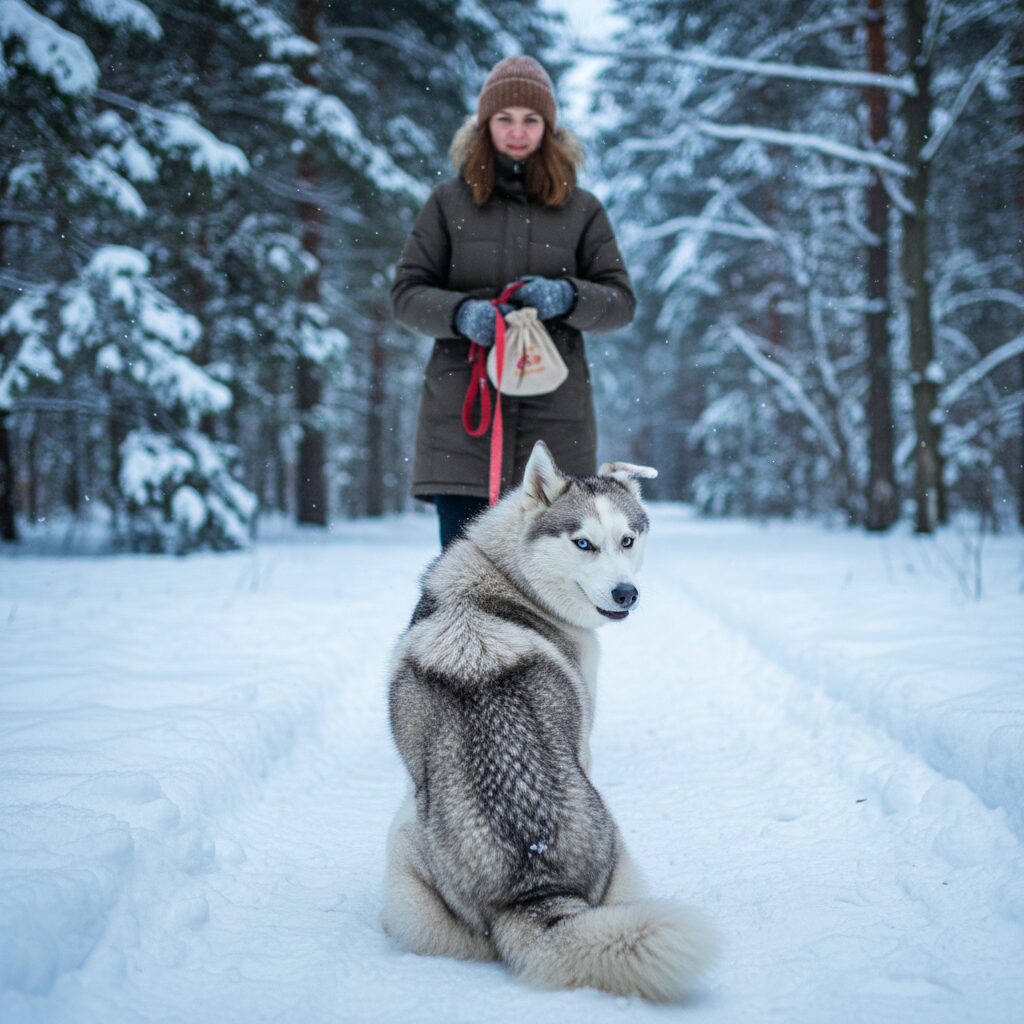
If you have ever stood in a dog park calling your Siberian Husky’s name, only to have them look at you, pause, and then sprint in the opposite direction, you are not alone. Huskies are notorious for their selective hearing and independent nature. Often labeled as "stubborn," this breed is actually incredibly intelligent and historically bred to make independent decisions while pulling sleds across treacherous terrain. Unlike Golden Retrievers, who live to please, a Husky often asks, "What is in it for me?" before complying with a command.
Training a Husky requires a shift in perspective. You cannot simply demand obedience; you must earn it through consistent leadership, high-value motivation, and a deep understanding of canine psychology. This guide is designed to bridge the communication gap between you and your northern breed. We will move beyond basic repetition and explore the specific strategies required to engage a Husky’s mind, turning their perceived stubbornness into focused cooperation. Whether you are dealing with a puppy or an adult rescue, these professional techniques will help you establish a respectful and responsive relationship.
Decoding the Husky Personality: Stubborn or Independent?

To successfully train a Husky, you must first understand the root of their behavior. It is a common misconception that Huskies are unintelligent because they do not obey commands instantly. In reality, they are high-hierarchy thinkers. Historically, a sled dog that blindly obeyed a musher’s command to cross thin ice would doom the entire team. Therefore, they were bred to assess situations and make independent choices for survival.
This trait manifests in the home as "stubbornness." When your Husky refuses to sit, they are not necessarily being defiant; they are often determining that the reward does not outweigh the effort or that the environment is more interesting than you. Professional trainers refer to this as low biddability. To overcome this, your training approach must be:
- Transactional: You must prove that listening to you is the most rewarding option available.
- Consistent: Huskies will exploit any loophole in the rules.
- Engaging: Repetitive drills bore them quickly, leading to disengagement.
The Toolkit: Essential Gear for Training Success
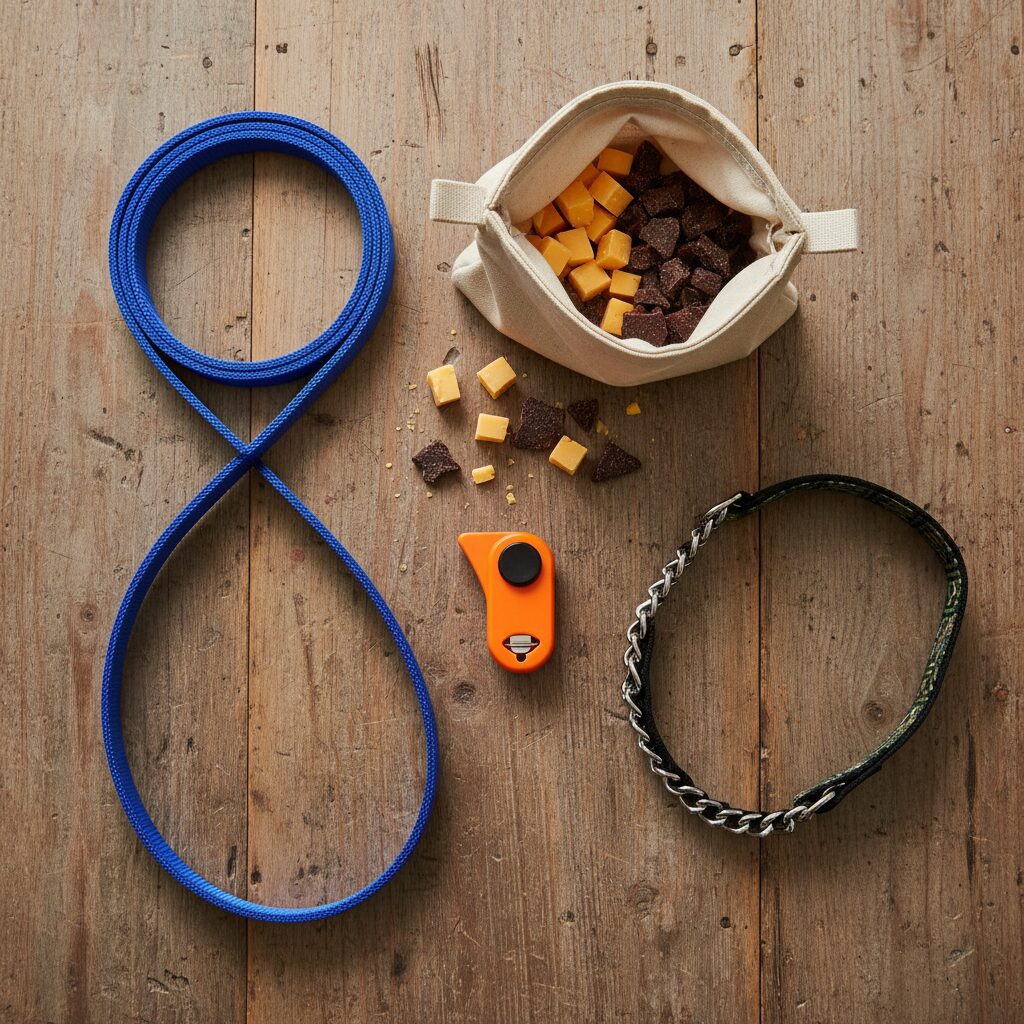
Because Huskies are not naturally motivated by praise alone, having the right tools is critical to capturing their attention. Standard dry kibble is rarely enough to compete with the sights and smells of the outdoors. Before you begin your sessions, gather the following essentials:
High-Value Rewards
You need treats that smell strong and taste amazing. Soft, moist treats work best because they can be eaten quickly without breaking the flow of training. Consider using:
- Boiled chicken breast or turkey hot dogs.
- Freeze-dried liver or lung.
- String cheese cut into tiny cubes.
The Right Leash and Collar
Huskies are escape artists and pullers. A Martingale collar is often recommended because it prevents the dog from backing out of the collar without the choking effect of a slip chain. For recall training, a 30-foot long line is non-negotiable. It allows your dog freedom to explore while maintaining a physical connection, ensuring they cannot ignore you and run off.
Step-by-Step: The ‘Nothing in Life is Free’ (NILIF) Method
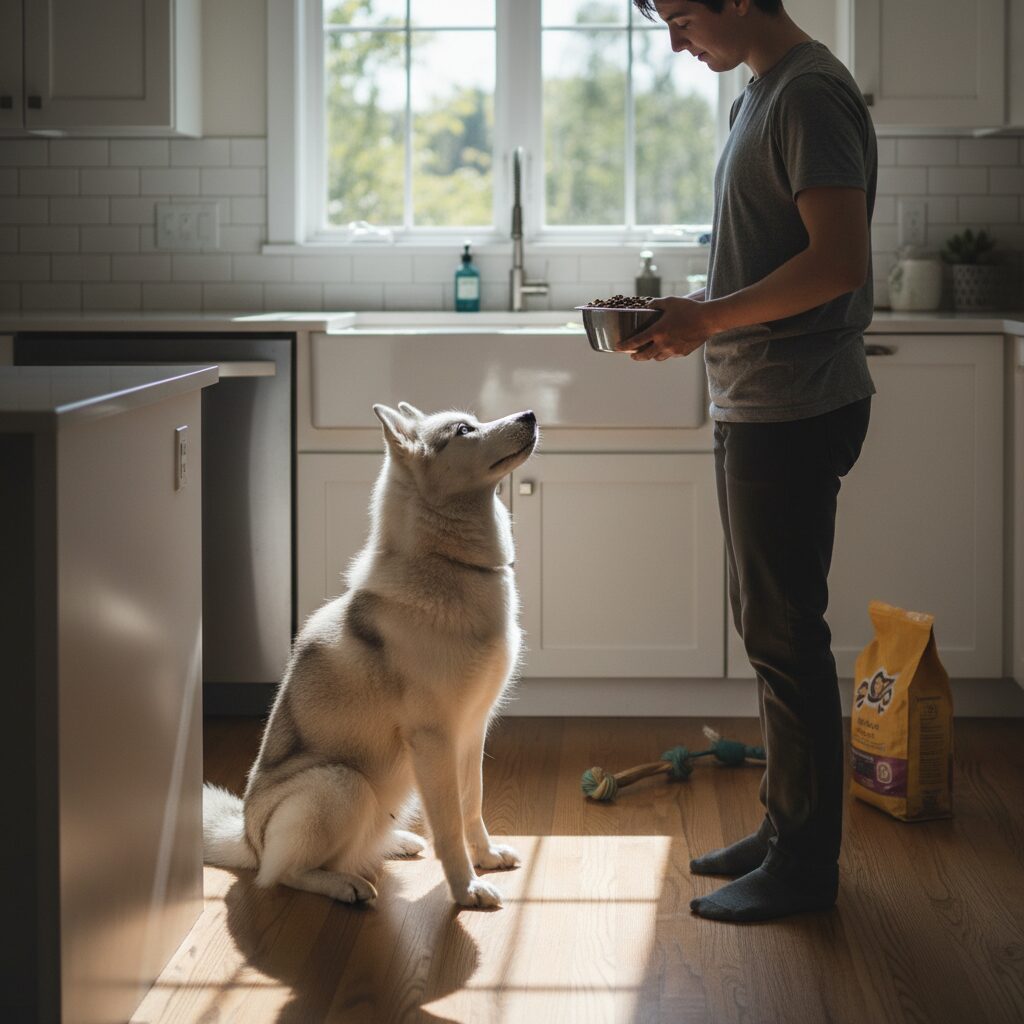
For independent breeds, the most effective psychological approach is the "Nothing in Life is Free" (NILIF) protocol. This method gently establishes you as the provider of all good things, which naturally encourages the dog to look to you for direction. It is not about dominance; it is about leadership and resource control.
Implement this structure immediately in your daily routine:
- Mealtime: Your Husky must sit and offer eye contact before the food bowl is placed down. If they break the sit, the bowl goes back up.
- Going Outside: The door does not open until they are sitting calmly. If they rush the door, close it and wait.
- Playtime: You initiate the game, and you end the game.
By consistently applying these rules, you teach your Husky that polite behavior is the key that unlocks the world. This reduces pushy behaviors and increases their willingness to listen to commands because they understand the cause-and-effect relationship between obedience and reward.
Mastering the Recall: How to Get a Husky to Come Back

Recall is the most difficult command for a Husky and also the most critical for their safety. Their high prey drive means a squirrel is often more interesting than your voice. To train a reliable recall, you must never poison the cue.
The Rules of Recall
Follow these strict guidelines to improve success:
- Never call your dog to punish them: If you call them and then scold them for digging or chewing, they will learn that coming to you leads to negative outcomes.
- Don’t repeat the command: Do not say "Come, come, come!" If you say it twice and they don’t listen, you have taught them the command is optional. Say it once, and if they don’t obey, use the long line to gently guide them in.
- Throw a party: When they arrive at your feet, reward them heavily with treats and enthusiastic praise.
Start in a low-distraction environment, like your hallway. Practice the "chase me" game where you run away from your dog while calling their name. This triggers their chase instinct, making the act of coming to you fun and instinctual.
Troubleshooting: Handling Tantrums and Vocalizations

Huskies are vocal. They howl, woo-woo, and "talk" back when they are frustrated or want something. While this is endearing on social media, it can be an obstacle during training. This behavior is often an extinction burst—a temporary increase in bad behavior when a reward is withheld.
If your Husky throws a tantrum because you are not giving them a treat or opening the door fast enough:
- Ignore it completely: Do not look at them, touch them, or speak to them. Even negative attention (saying "Quiet!") is still attention.
- Wait for silence: The moment they stop making noise for even three seconds, mark that moment with a "Yes!" or a click, and reward them.
- Redirect: If the vocalization is due to excess energy, ask for a simple command like "Sit" or "Touch" to shift their brain back into working mode.
Building a Bond Beyond Obedience
Training a Husky is a marathon, not a sprint. There will be days when they seem to have forgotten everything you taught them, and days when they surprise you with their brilliance. The key to training the most stubborn dog breeds is to respect their intelligence while maintaining your boundaries. Remember that a tired Husky is a good Husky; ensure their physical and mental needs are met through exercise and puzzles before expecting perfect obedience.
By using positive reinforcement, maintaining consistency with the NILIF method, and keeping your sense of humor, you will eventually break through the barrier of independence. You aren’t just training a dog to sit and stay; you are building a partnership with a primitive, intelligent creature. The result is a loyal companion who listens not because they have to, but because they trust your leadership.