How To Teach Sit Pretty: The Ultimate Core Workout For Your Dog
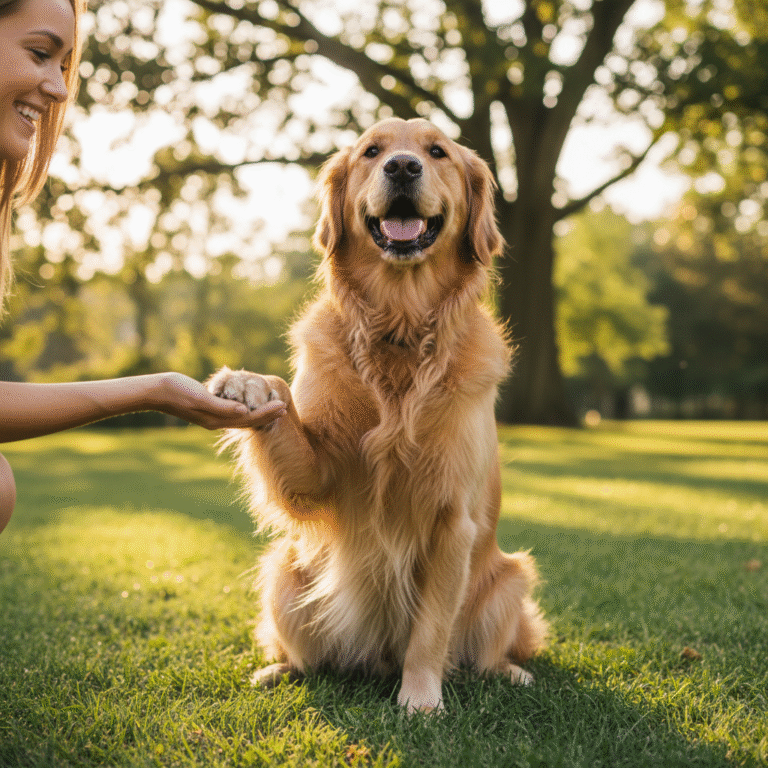
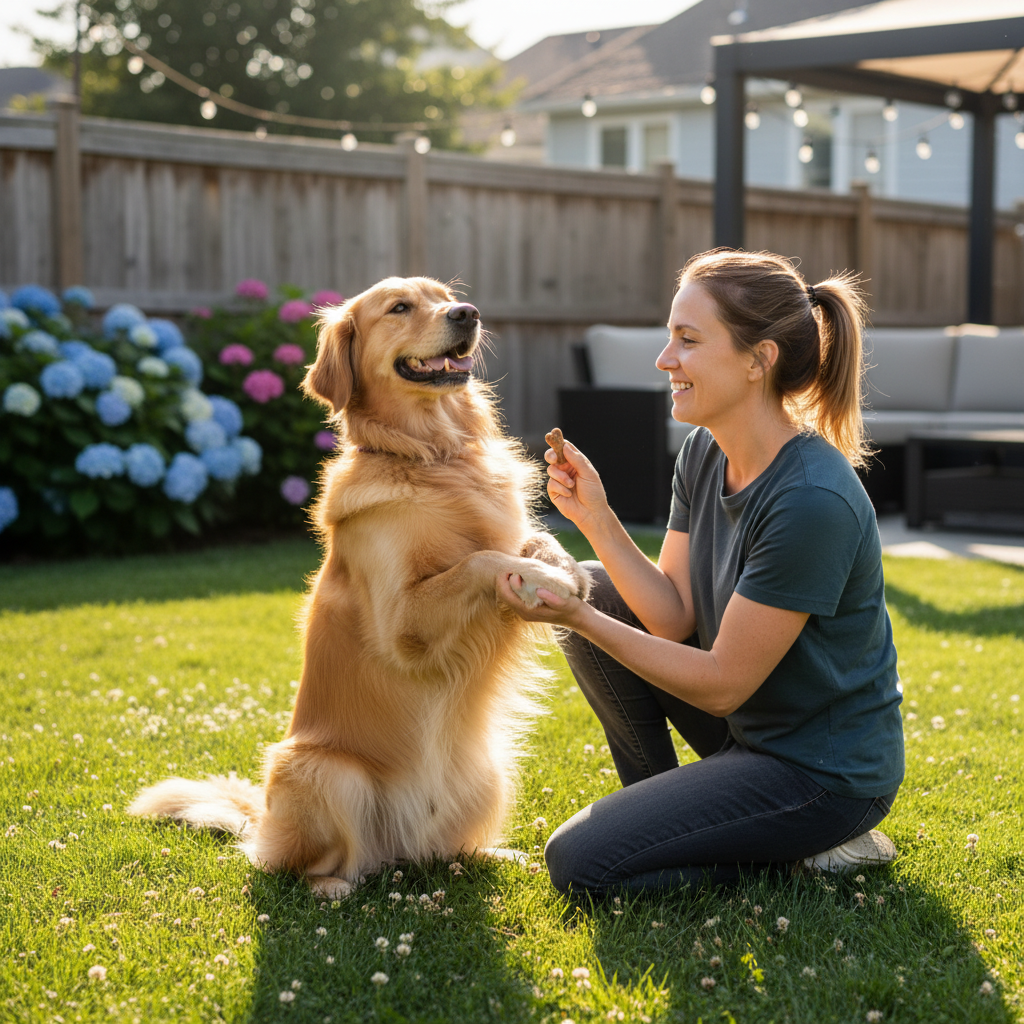
Have you ever seen a dog sitting up on its hind legs, front paws dangling in the air, looking like a little meerkat? That adorable pose is called ‘Sit Pretty,’ and it’s so much more than just a crowd-pleasing trick. It’s one of the best exercises you can teach your furry friend to build a strong core, improve balance, and boost their overall body awareness. Think of it as doggy pilates!
In this guide, we’re going to walk you through everything you need to know to teach your dog this amazing skill. We’ll break it down into simple, fun steps using positive reinforcement. Whether you have a tiny Chihuahua or a goofy Labrador, get ready to unlock a new level of training that’s both fun and incredibly beneficial for your dog’s physical health. Let’s turn trick training into a powerhouse workout!
Why ‘Sit Pretty’ is a Canine Super-Exercise
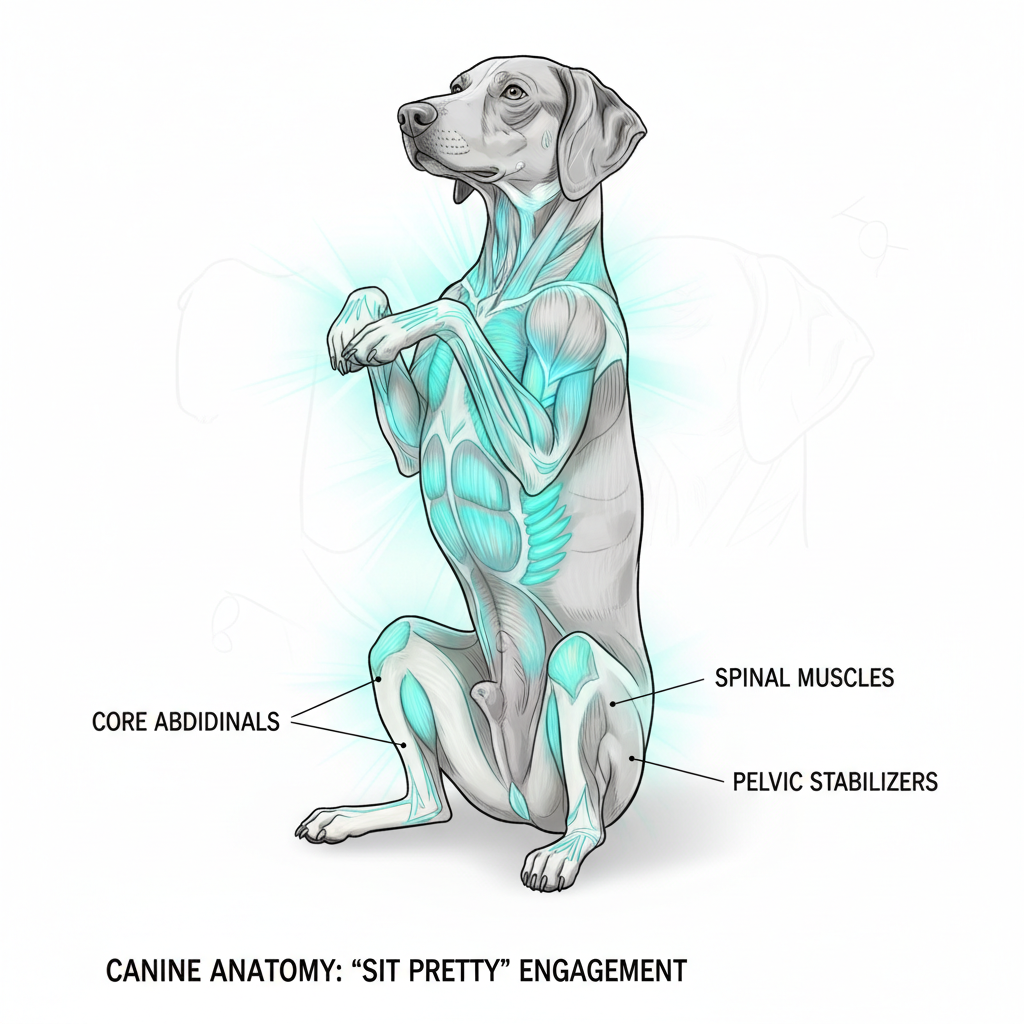
Before we dive into the ‘how-to,’ let’s talk about the ‘why.’ Understanding the benefits can be a huge motivator for you and your pup. While ‘Sit Pretty’ (also known as ‘Beg’ or ‘Meerkat’) looks cute, it’s a serious calisthenics exercise for your dog.
The Core of the Matter
Just like humans, dogs have core muscles—the network of muscles around their abdomen, back, and pelvis. These muscles are crucial for stabilizing the spine, preventing injury, and allowing for powerful, coordinated movements. ‘Sit Pretty’ directly engages these muscles as your dog works to maintain balance without the support of their front paws.
Benefits of a Strong Core:
- Improved Balance and Stability: A strong core is the foundation of good balance. This is especially helpful for senior dogs or breeds prone to joint issues.
- Enhanced Body Awareness: This exercise requires your dog to be very conscious of their body’s position in space, a skill known as proprioception. Better proprioception can lead to fewer clumsy accidents.
- Injury Prevention: Strong, stable core muscles support the spine and joints, reducing the risk of strains and other injuries, particularly during high-impact activities like running and jumping.
- Boosted Confidence: Mastering a complex physical skill like ‘Sit Pretty’ can be a huge confidence booster for a timid or anxious dog. It’s a mental workout as much as a physical one!
Expert Tip: Always consult your veterinarian before starting any new exercise regimen, especially if your dog has pre-existing back or joint problems. This trick requires a healthy spine to be performed safely.
Setting Up for Success: What You’ll Need
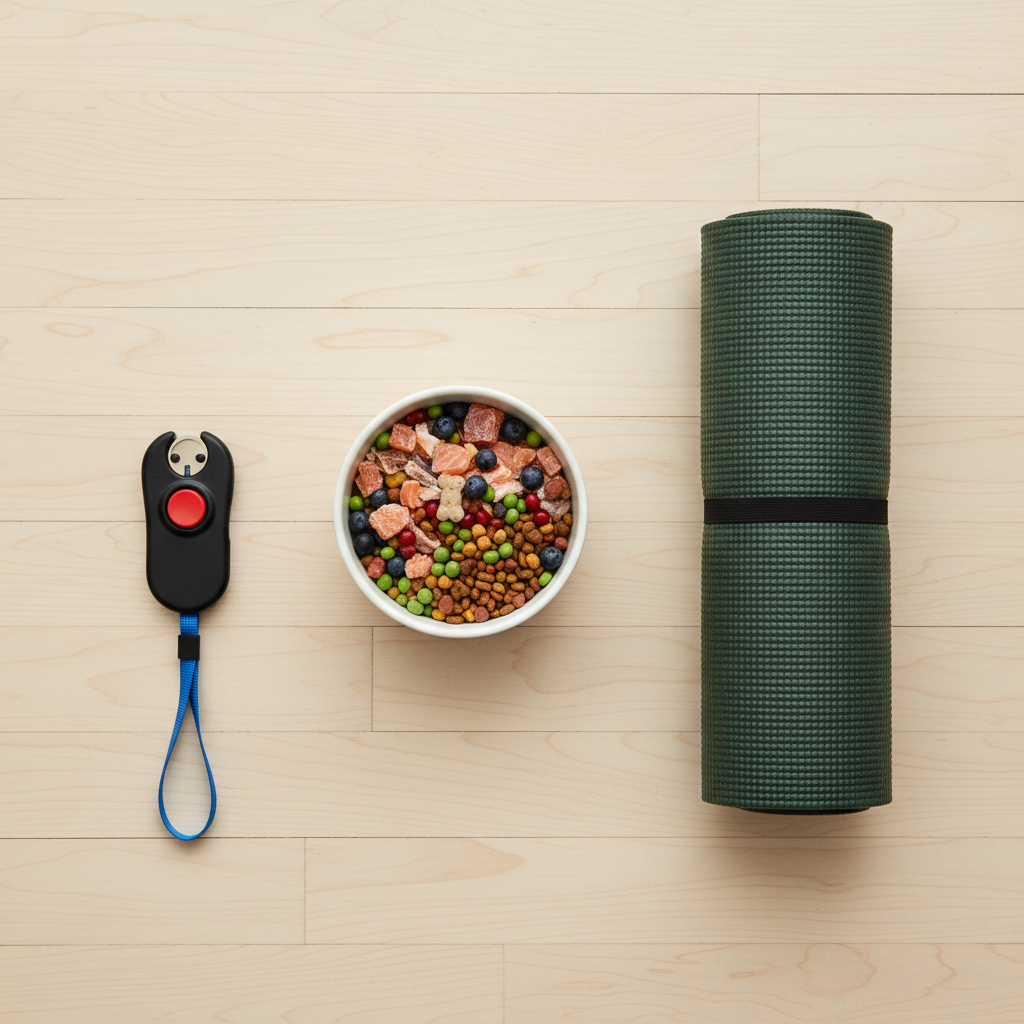
Great news! You don’t need any fancy gym equipment to get started. The key to success is preparation and creating a positive learning environment. Here’s a simple checklist of what to gather before your first training session:
- High-Value Treats: These are the treats your dog goes absolutely wild for. Think small, soft, and smelly morsels like tiny pieces of chicken, cheese, or commercial training treats. Since you’ll be using a lot, make sure they’re pea-sized to avoid overfeeding.
- A Comfortable, Non-Slip Surface: Training on a slippery floor like hardwood or tile can be difficult and even dangerous for your dog as they try to balance. A rug, carpet, or a yoga mat provides the grip they need to feel secure.
- A Quiet Space: Choose a location with minimal distractions. Turn off the TV, put your phone on silent, and find a time when the house is relatively calm.
- A Clicker (Optional): If you use clicker training, have your clicker ready! A clicker is a fantastic tool for precisely marking the exact moment your dog does the right thing, making communication crystal clear. If you don’t use one, a verbal marker like a sharp “Yes!” works just as well.
- Patience and a Positive Attitude: This is the most important tool of all! Every dog learns at a different pace. Keep sessions short (5-10 minutes max), stay upbeat, and always end on a positive note.
The Step-by-Step Guide to Teaching ‘Sit Pretty’
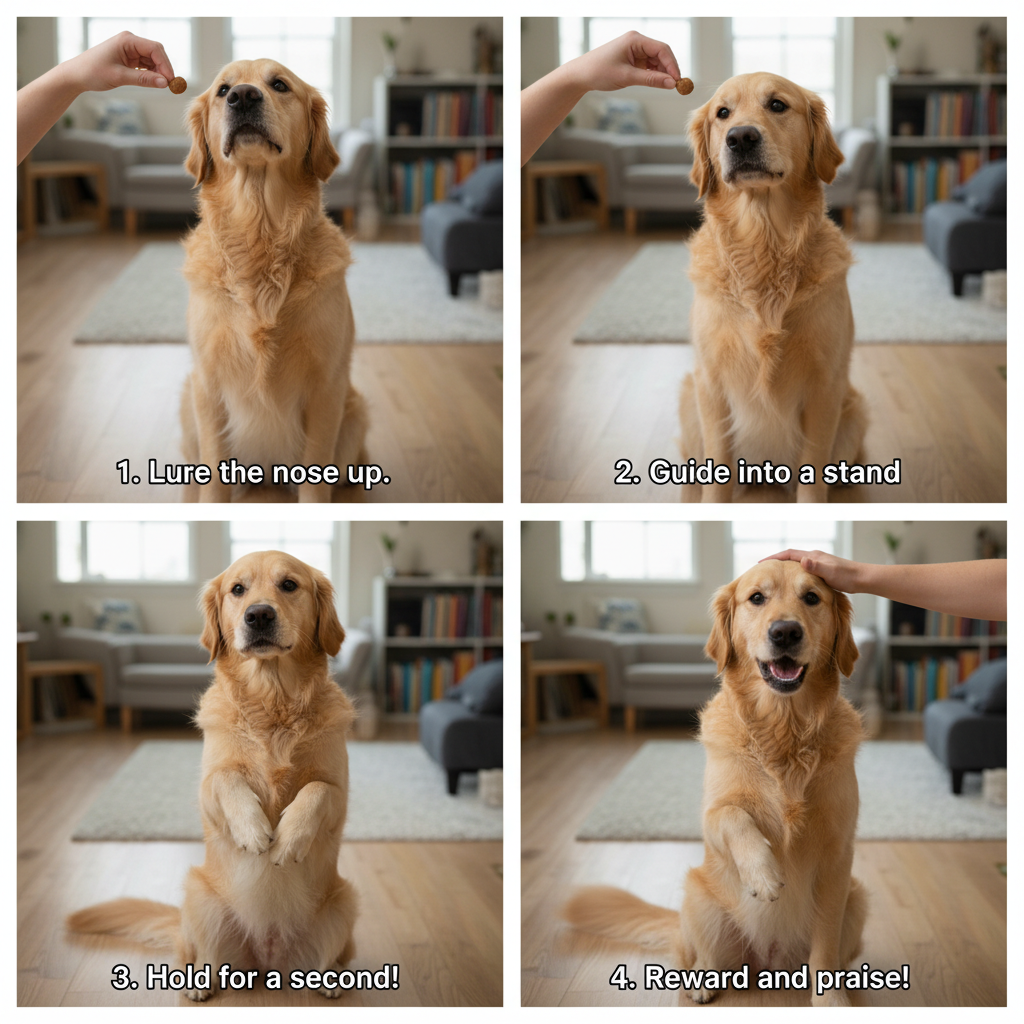
Ready to get started? We’ll use a technique called ‘luring,’ which involves using a treat to guide your dog into the desired position. Remember to keep it fun!
- Start with a Solid ‘Sit’: Ask your dog to sit. They should be calm and focused on you. This is your starting position for every attempt.
- Lure the Head Up: Hold a high-value treat near your dog’s nose. Slowly lift the treat straight up and slightly back over their head. The goal is to get their head to follow the treat, which will cause their weight to shift backward onto their hind legs. As this happens, their front paws should naturally become light or lift off the floor for a split second.
- Mark and Reward: The instant their paws lift off the ground, even just an inch, mark the behavior (with a ‘click’ or “Yes!”) and give them the treat. This is the most critical step! You are rewarding the small beginnings of the final pose. Repeat this several times.
- Build Duration: Once your dog is consistently lifting their paws, start to delay the ‘click’ and treat by a single second. This encourages them to hold the position for a little longer to get the reward. Gradually increase this duration over many training sessions, from one second to two, then three, and so on.
- Fade the Lure: As your dog gets the hang of it, start to make your hand signal smaller. Instead of a full lure, maybe just a slight upward motion with your hand. The goal is to transition from the treat lure to a hand signal.
- Add the Verbal Cue: Once your dog can reliably perform the behavior with just your hand signal, it’s time to add the verbal cue. Just before you give the hand signal, say your chosen cue (e.g., “Sit Pretty,” “Beg,” or “Meerkat”). After a few repetitions, they will start to associate the word with the action. Eventually, you can try using just the verbal cue.
Remember: If your dog gets frustrated or keeps failing, you’re likely moving too fast. Go back a step to where they were successful and build up more slowly. It’s a marathon, not a sprint!
Troubleshooting Common Training Hurdles
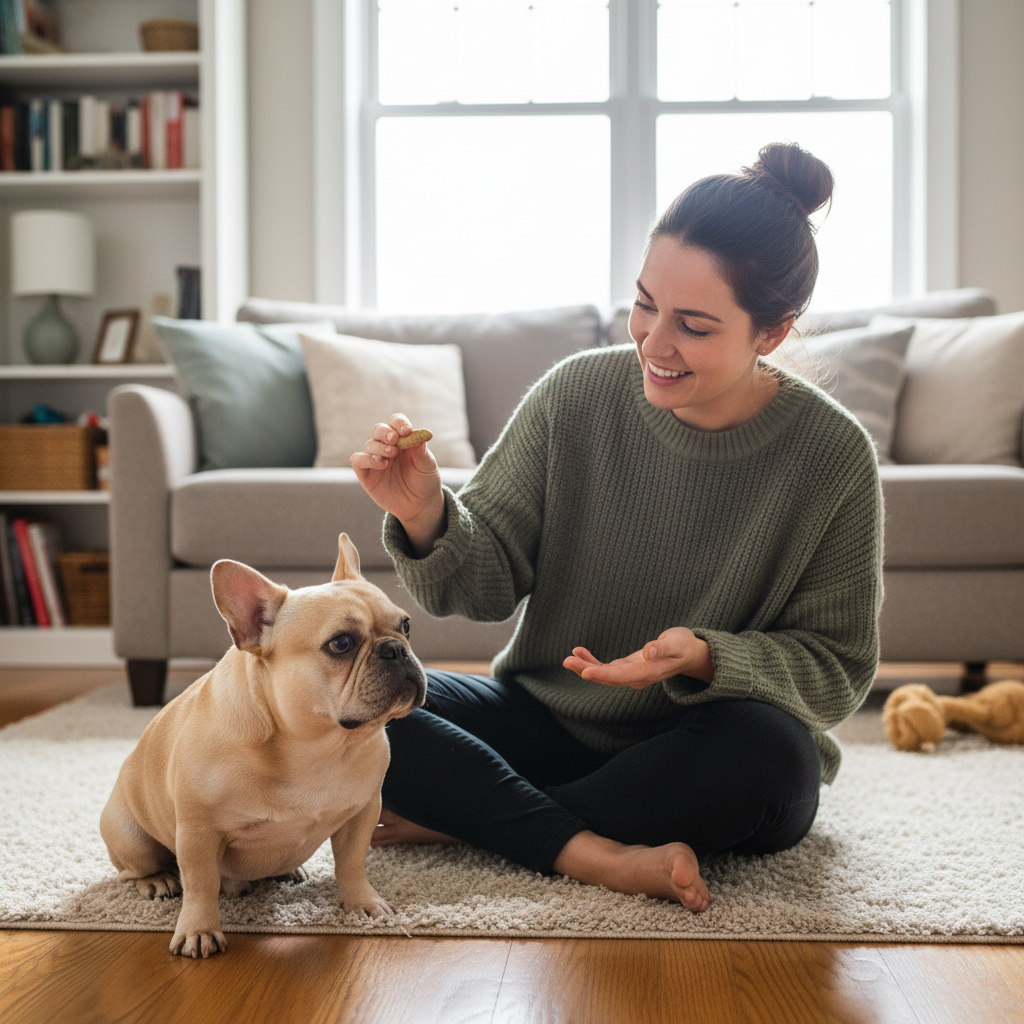
It’s perfectly normal to hit a few bumps in the road. Don’t get discouraged! Here’s how to handle some common challenges you might encounter while teaching ‘Sit Pretty’.
My dog keeps falling over.
This is very common, especially at the beginning! It means their core muscles aren’t strong enough yet to hold the pose. Don’t worry, that’s what we’re here to build! You can offer some support by letting them place their paws on your arm or by training in a corner where the walls can help them balance. Keep the duration extremely short—reward even a split-second of balance.
My dog stands up instead of lifting their paws.
This usually happens if you’re pulling the lure too far forward instead of mostly upward. Make sure the treat’s path is going up and slightly back over their head. If they stand, simply reset them into a ‘sit’ and try again with a more precise lure motion. No big deal!
My dog is pawing at my hand for the treat.
This means your dog is more focused on getting the food than on the exercise. Try holding the treat in a closed fist to lure them, only opening it to reward them after they’ve successfully lifted their paws. This teaches them that pawing doesn’t work, but balancing does.
My dog seems scared or uncomfortable.
Stop immediately. This position can feel vulnerable for some dogs. Never force your dog into the pose. Go back to basics and reward heavily for just shifting their weight back, without their paws ever leaving the floor. Build their confidence very, very slowly. If they continue to show discomfort, this might not be the right trick for them, and that’s okay! There are plenty of other ways to build core strength.
Conclusion
Congratulations! You now have all the tools and knowledge to teach your dog the incredible ‘Sit Pretty’ trick. Remember that this journey is about more than just a cute party trick; it’s a wonderful way to bond with your dog, build their confidence, and give them a fantastic workout that will benefit them for years to come.
Celebrate the small victories, keep your sessions short and joyful, and listen to your dog. Before you know it, your pup will be showing off their impressive core strength and balance with a proud ‘Sit Pretty.’ Happy training!