Homemade Milk Thistle Drops to Detox Your Dog’s Liver
As loving dog parents, we’re always on the lookout for ways to keep our four-legged family members happy and healthy. You’ve probably heard whispers in dog parks or seen articles online about natural remedies, and one that frequently pops up is milk thistle for liver health. The idea of a “detox” is appealing, and making it yourself feels even more wholesome. But before you rush to the health food store, it’s crucial to understand what you’re doing. This guide is here to walk you through the science behind milk thistle, the real meaning of ‘liver support,’ and how to approach a homemade remedy safely. Spoiler alert: Your veterinarian is your most important partner in this journey!
What’s the Big Deal with Milk Thistle, Anyway?

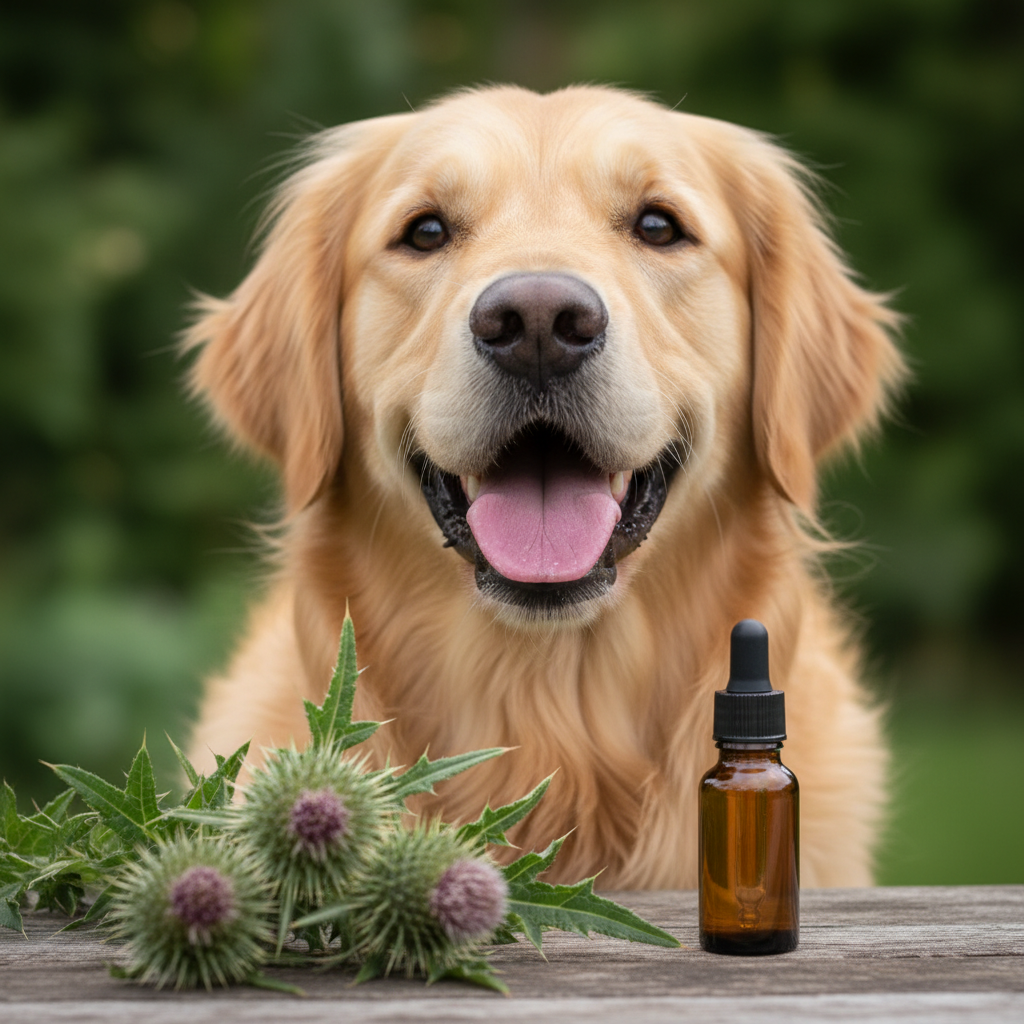
Milk thistle isn’t just a prickly weed; it’s a plant that has been used in traditional medicine for centuries, primarily for liver ailments. The magic ingredient is a group of compounds collectively known as silymarin, which is extracted from the seeds. So, why is it getting so much attention in the canine world?
Silymarin is a powerhouse of an antioxidant. It works by:
- Protecting Liver Cells: It acts like a gatekeeper, helping to prevent harmful toxins from binding to and entering liver cells.
- Fighting Free Radicals: The liver deals with a lot of metabolic waste. Silymarin’s antioxidant properties help neutralize damaging free radicals produced during these processes.
- Stimulating Regeneration: It may help stimulate the regeneration of liver cells, aiding the organ in repairing itself.
- Reducing Inflammation: Silymarin has anti-inflammatory properties, which can be beneficial for a stressed or inflamed liver.
Essentially, milk thistle doesn’t perform a magical ‘flush’ or ‘detox.’ Instead, it provides the liver with powerful tools to help it do its own job more effectively. It’s less of a deep clean and more of a helping hand for the body’s hardest-working janitor.
The ‘Detox’ Myth vs. Liver Support Reality

The word “detox” gets thrown around a lot. It conjures images of flushing out all the bad stuff and starting fresh. However, a healthy dog’s liver is already a master detoxification system. It works 24/7 to filter blood, process nutrients, and neutralize harmful substances.
When we talk about using milk thistle, we’re not kickstarting a process that wasn’t happening. We are providing liver support. Think of it this way: your car’s engine is designed to run on its own, but using high-quality oil helps it run more smoothly and last longer. Milk thistle is like that premium oil for your dog’s liver.
Key Takeaway: Milk thistle doesn’t ‘detox’ your dog. It supports the liver’s natural, ongoing detoxification processes, especially when the liver is under stress from medications, environmental toxins, or disease.
This is a crucial distinction. Believing in a magic detox can lead owners to use herbs to try and ‘fix’ a serious problem, when what the dog really needs is a veterinarian’s diagnosis and treatment plan.
Hold On! The Risks of Playing Mad Scientist in Your Kitchen

The idea of creating a homemade remedy is lovely, but it comes with significant risks if you’re not careful. Your kitchen is not a sterile laboratory, and herbs are not without side effects. Before you start, consider these potential dangers:
- Incorrect Dosing: This is the biggest risk. Too little will be ineffective, and too much can cause gastrointestinal upset (like diarrhea or gas) or other, more serious problems. Dosing is not one-size-fits-all.
- Product Quality and Contamination: Where are you getting your milk thistle seeds? Are they free from pesticides, heavy metals, or mold? Reputable supplement companies perform rigorous testing that is impossible to replicate at home.
- Alcohol-Based Tinctures: Many online DIY recipes call for alcohol to extract the plant compounds. Alcohol is toxic to dogs and should never be used in a homemade remedy for them.
- Drug Interactions: Milk thistle can interact with certain medications, including some anti-anxiety drugs, antibiotics, and anti-inflammatories. Giving it without consulting your vet could make other treatments less effective or cause adverse reactions.
Making a mistake here isn’t like adding too much salt to a soup; it can have real consequences for your dog’s health.
A Safer DIY Recipe: Homemade Milk Thistle Glycerite (No Alcohol!)
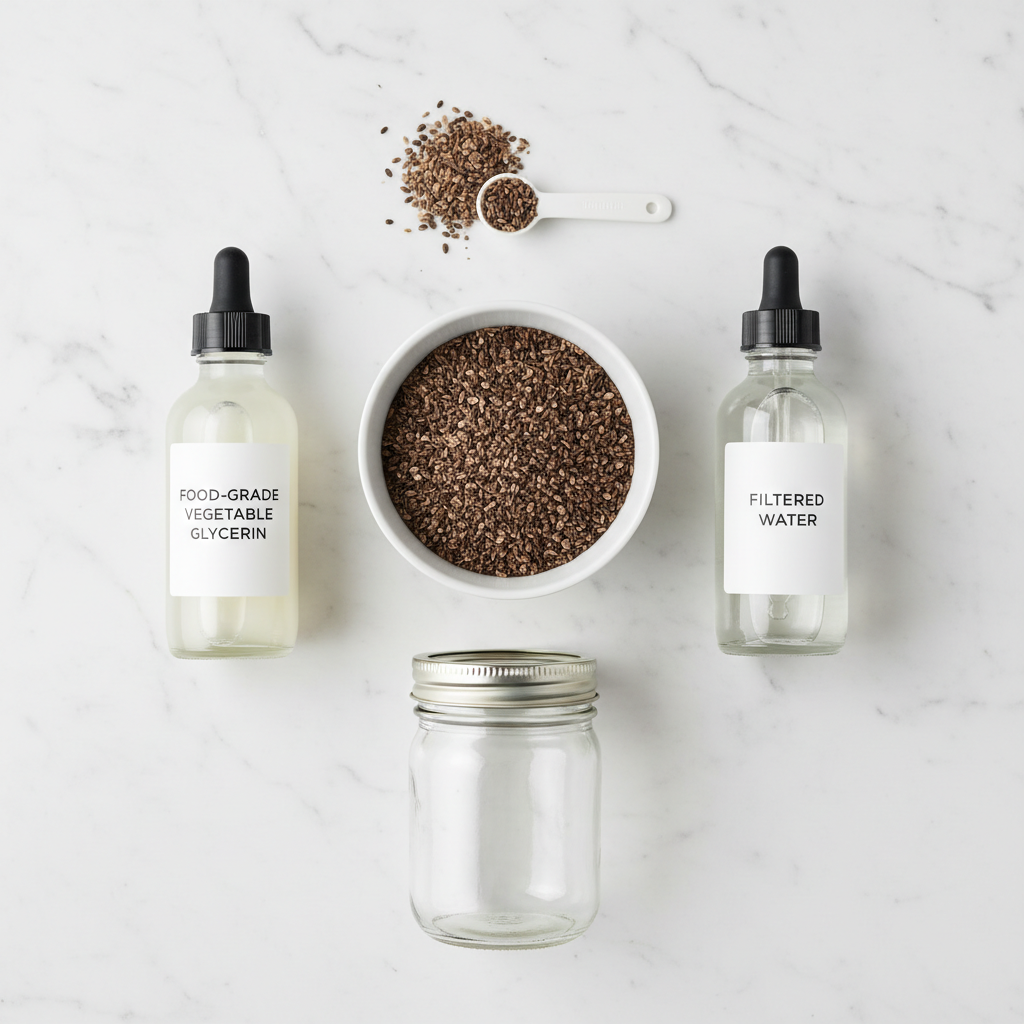
If, after speaking with your vet, you’ve decided to proceed with a homemade supplement, a glycerite is a much safer option than an alcohol-based tincture. Glycerin is a sweet-tasting, non-toxic liquid that can extract the beneficial compounds from herbs.
What You’ll Need:
- 1 part dried, organic milk thistle seeds (crushed or coarsely ground)
- 4 parts food-grade, palm-free vegetable glycerin
- 4 parts filtered water
- A clean glass jar with a tight-fitting lid
- A small saucepan
- Cheesecloth or a fine-mesh sieve
- An amber or blue glass dropper bottle for storage
Step-by-Step Instructions:
- Combine Liquids: In the saucepan, gently heat the glycerin and water together on low heat until they are warm and well combined. Do not let it boil.
- Add the Herb: Place your crushed milk thistle seeds into the clean glass jar.
- Pour and Mix: Pour the warm glycerin-water mixture over the seeds in the jar, ensuring they are completely submerged. Stir well to make sure there are no dry clumps.
- Infuse: Seal the jar tightly. Store it in a cool, dark place for 4-6 weeks. Shake the jar vigorously once a day to help with the infusion process.
- Strain: After the infusion period, strain the mixture through several layers of cheesecloth or a fine-mesh sieve into a clean bowl. Squeeze the cloth tightly to get every last drop of the liquid out.
- Store: Pour the finished glycerite into your dark glass dropper bottle. Label it clearly with the contents and the date. It should be stored in the refrigerator and will last for about 12-18 months.
Dosing Dilemma: This Conversation is For You and Your Vet

We cannot stress this enough: You must discuss dosing with a holistic or integrative veterinarian. They will calculate a safe and effective dose based on your dog’s specific weight, age, health condition, and any other medications they are taking. The information below is for educational purposes only and is not a substitute for professional veterinary advice.
Dosing is often based on the concentration of silymarin, which is difficult to determine in a homemade preparation. This is a major reason why many vets prefer professionally manufactured supplements with guaranteed analysis. For a homemade glycerite like the one above, a vet might suggest a starting point and have you monitor for any effects or side effects.
A vet’s guidance isn’t just a suggestion; it’s a critical safety measure to protect your beloved pet.
Red Flags: When to Skip the DIY and Call the Vet Immediately

Herbal support is for just that—support. It is not a treatment for acute or severe liver disease. If you notice any of the following symptoms in your dog, skip the home remedies and call your veterinarian immediately, as these can be signs of serious liver problems:
- Yellowing of the gums, skin, or whites of the eyes (jaundice)
- Persistent vomiting or diarrhea
- Loss of appetite and weight loss
- Extreme lethargy or depression
- Swelling of the abdomen (ascites)
- Increased thirst and urination
- Unsteadiness or disorientation
Never try to self-diagnose your pet. These symptoms require immediate professional medical attention to determine the underlying cause and begin appropriate treatment.
Conclusion
Milk thistle can be a wonderful, supportive supplement for your dog’s liver, offering protection and aiding its natural functions. While the spirit of creating a homemade remedy comes from a place of love, it’s a path that requires caution, research, and, most importantly, a strong partnership with your veterinarian. They are your best resource for determining if milk thistle is right for your dog and for calculating a safe, effective dose. Whether you choose a carefully crafted homemade glycerite or a high-quality commercial product, putting your dog’s safety first is always the right recipe.