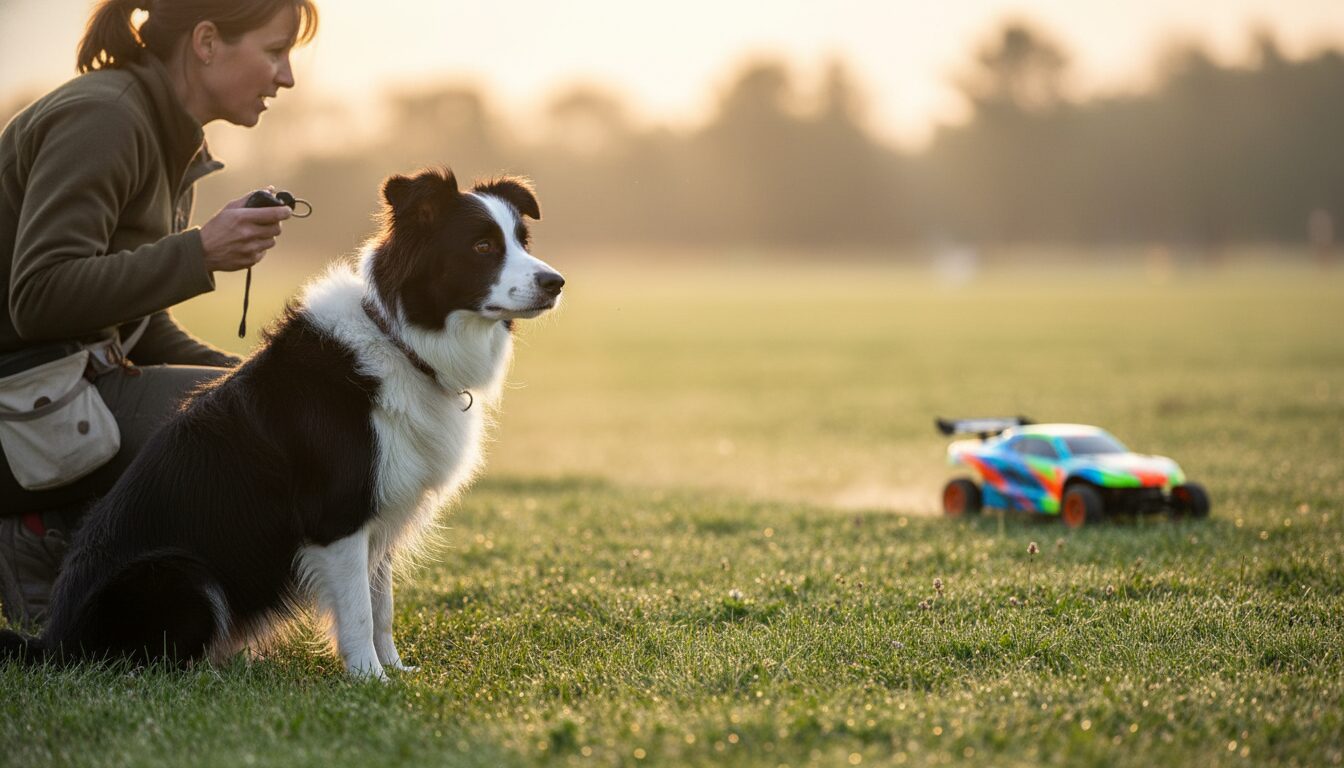
High Prey Drive? How to Stop Your Dog Chasing RC Cars
Remote-controlled (RC) cars are a source of immense fun for hobbyists, but for a dog with a high prey drive, they represent a chaotic, irresistible squirrel on wheels. The erratic movement, the high-pitched whine of the electric motor, and the sudden bursts of speed are perfect triggers for a canine’s predatory instinct. While it might look amusing to onlookers, a dog chasing an RC car poses significant risks. The vehicle can cause dental injuries if caught, leg fractures from impact, or the dog could run into dangerous areas while fixated on the chase.
Stopping this behavior requires more than just shouting commands; it requires a fundamental understanding of prey drive and structured desensitization. As a canine specialist, I approach this issue not by suppressing the dog’s instinct, but by teaching them impulse control and redirection. In this guide, we will walk through a professional, step-by-step protocol to desensitize your dog to RC cars, ensuring safety for your pet and your expensive hobby equipment.
Understanding the Trigger: Why RC Cars?
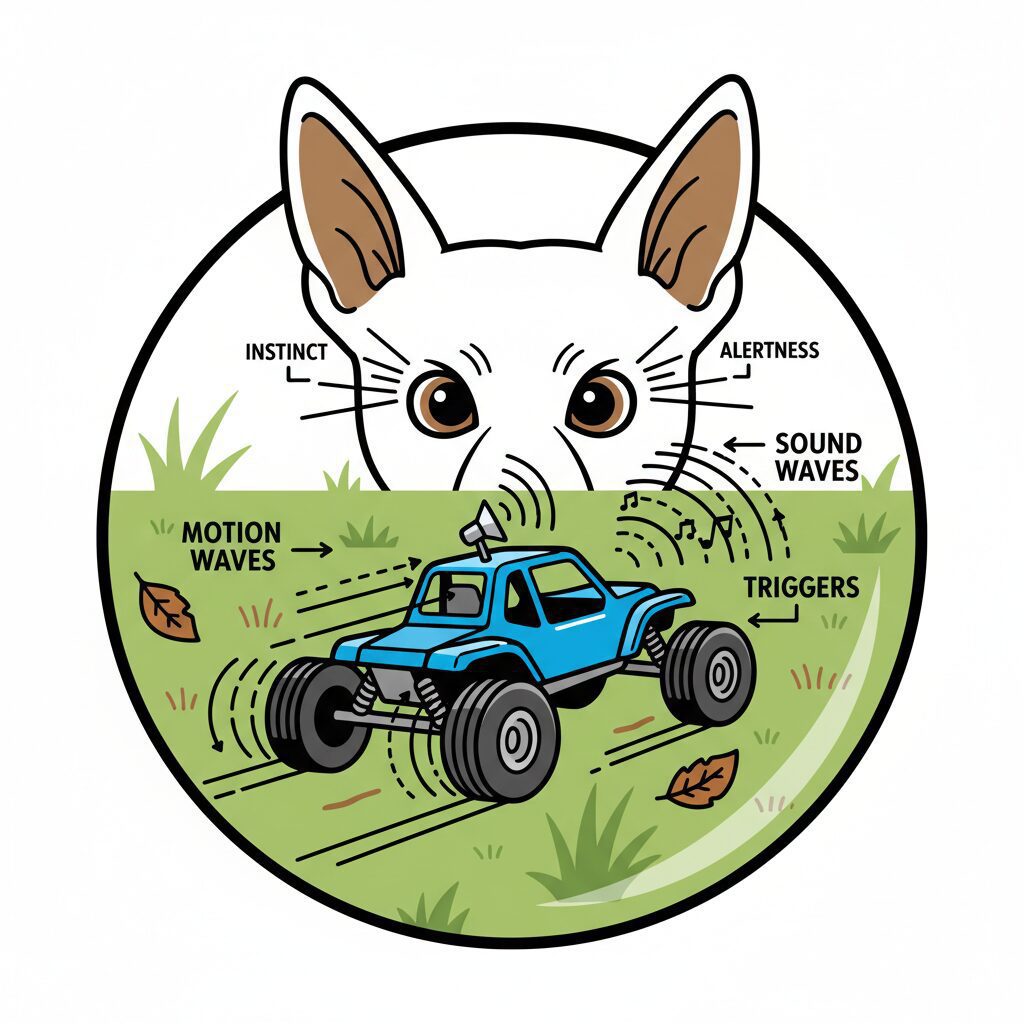
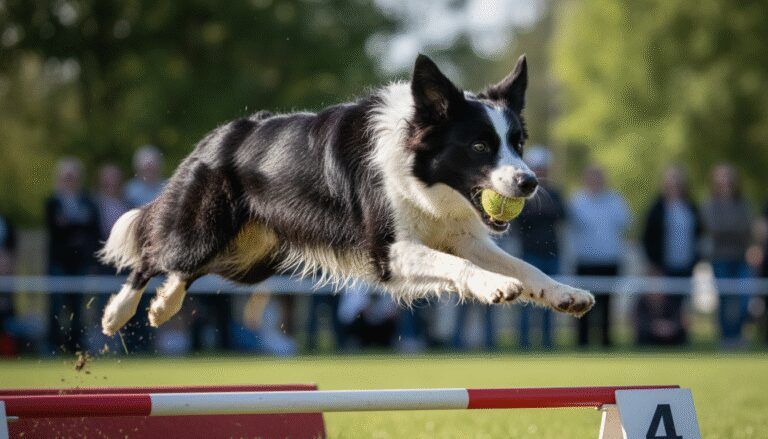
To solve the problem, we must first respect the biology behind it. Dogs, particularly herding breeds (like Border Collies and Shepherds) and terriers, are hardwired to respond to movement. This is known as prey drive. An RC car mimics biological prey in several specific ways:
- Erratic Movement: Unlike a bicycle that moves in a predictable line, RC cars zip, turn, and stop suddenly, mimicking a fleeing rabbit or rodent.
- Sound Frequency: The high-pitched whine of the electric motor can trigger auditory stimulation similar to the distress sounds of small animals.
- Speed: The rapid acceleration triggers a reflex known as the ‘chase reflex,’ which bypasses the dog’s conscious decision-making process.
Understanding that your dog is not being ‘naughty’ but is acting on a biological imperative is the first step. Our goal is to interrupt that neural pathway and replace the chase reflex with a ‘watch and check in’ behavior.
Preparation: Tools and Safety Measures
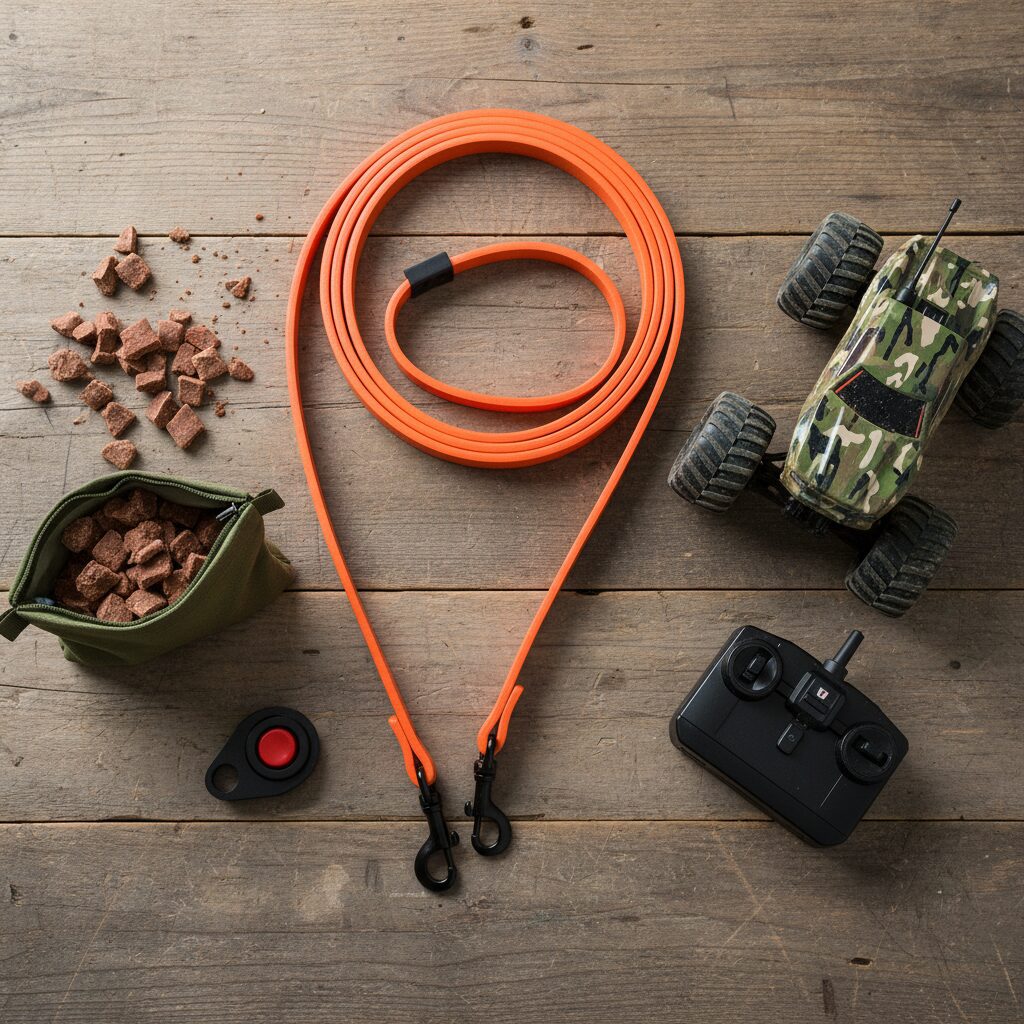
Before you even turn the car on, you need to set up a controlled environment. Attempting to train this behavior while simultaneously driving the car is a recipe for failure. You will likely need a helper to operate the vehicle while you handle the dog.
Essential Equipment
- High-Value Treats: Dry kibble won’t cut it here. You need something that smells stronger than the urge to chase, such as boiled chicken, cheese, or freeze-dried liver.
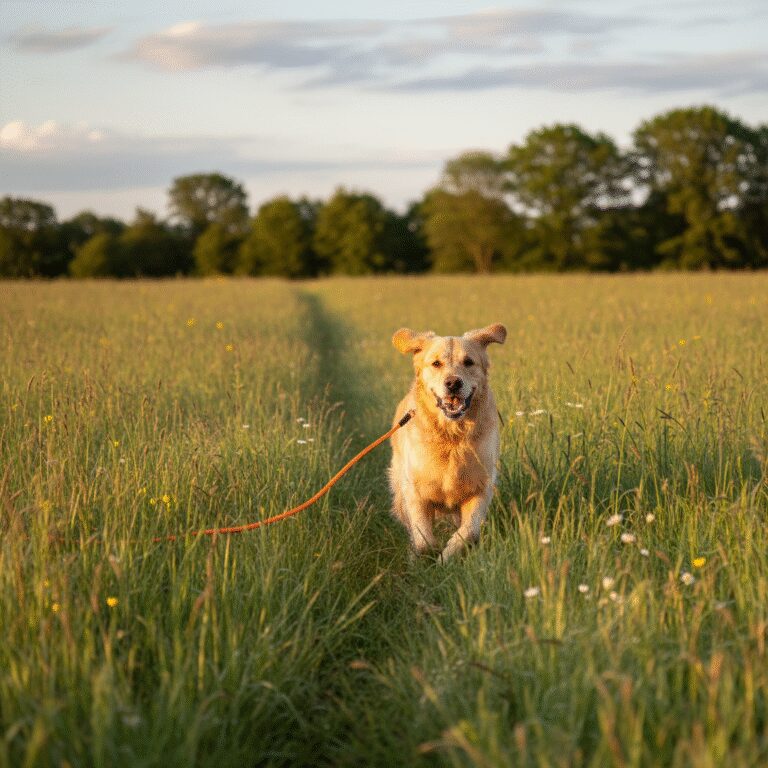
- Long Line (15-30 ft): This allows the dog freedom to move but gives you the ability to stop a chase safely.
- A Helper: You cannot effectively mark behavior and drive the car at the same time during the initial stages.
Safety Warning: Never drive an RC car directly at a dog. These vehicles can travel at speeds exceeding 30-50 mph. An impact can break a dog’s leg, and if the dog bites the car, the spinning gears and hot motors can cause severe mouth injuries.
Step 1: Desensitization to the Object and Sound
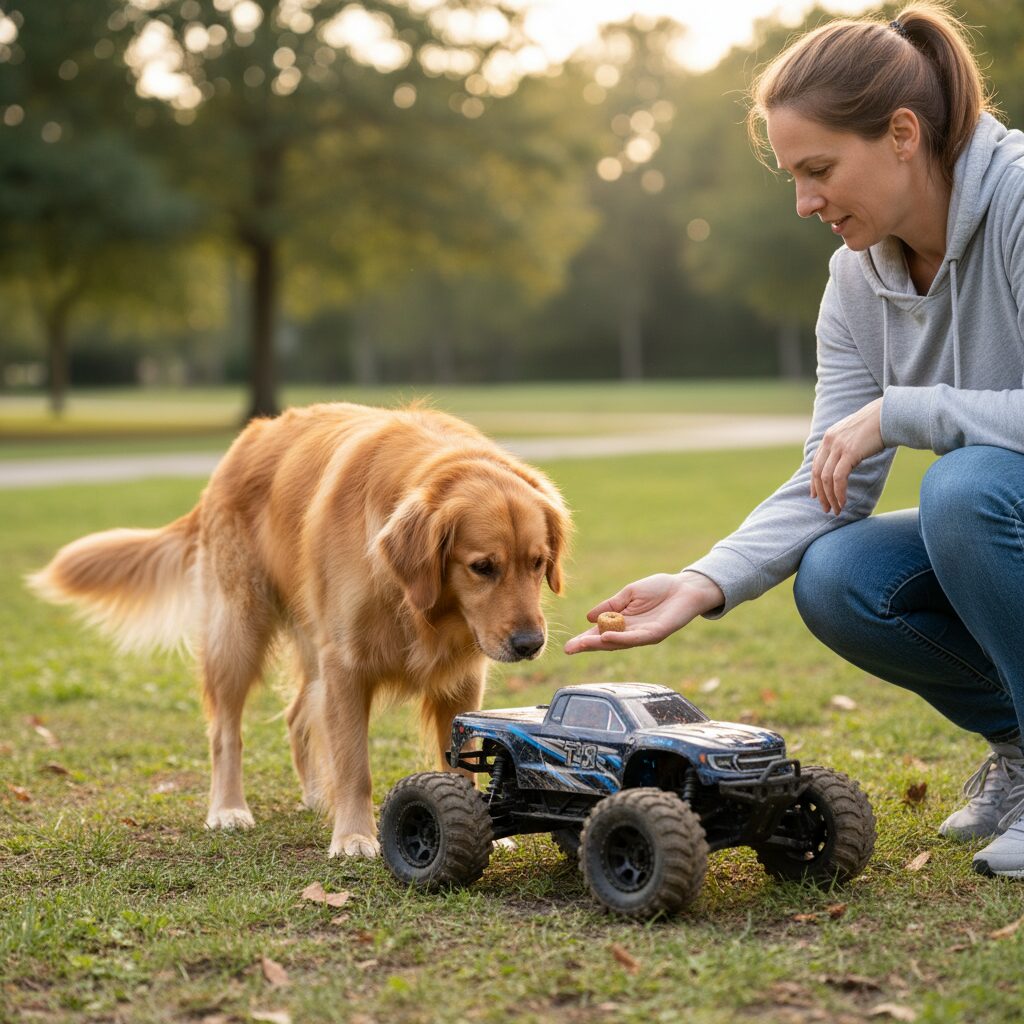
We begin by removing the most stimulating aspect: the movement. If your dog cannot be calm around the car when it is turned off, they will certainly not be calm when it is moving.
- The Sniff Test: Place the RC car on the ground, turned off. Allow your dog to investigate it. Mark (click or say “Yes!”) and reward any calm interaction. If they try to paw at it or bite it, gently remove them and try again when they are calmer.
- The Sound Trigger: hold the car in your hand or place it on a table where the wheels can spin freely without moving the vehicle. Rev the engine briefly. Your dog will likely perk up. Immediately mark and reward the dog for not lunging. We are teaching the dog that the sound of the motor predicts a treat from you, not a chase.
Repeat this step until the dog looks at you expecting a treat whenever they hear the motor whine.
Step 2: The ‘Look at That’ Game (LAT)

Once the dog is comfortable with the stationary object, we introduce motion using the ‘Look at That’ (LAT) protocol. This is a counter-conditioning technique used for reactive dogs.
The Process
- Create Distance: Start with the dog on a leash at a significant distance from the car (e.g., 50 feet).
- Low Intensity Movement: Have your helper drive the car slowly in a small circle. Do not do high-speed passes yet.
- Mark the Look: When your dog looks at the car, immediately say “Yes!” or click.
- The Reward: The dog should turn back to you to collect the reward. If they don’t turn back, you are too close to the stimulus. Move further away.
The goal here is to change the emotional response from “Target acquired! Chase!” to “I see the car, and that means my owner is about to give me chicken.” Gradually decrease the distance over several sessions as the dog remains successful.
Step 3: Impulse Control and the ‘Leave It’ Command

Desensitization changes how the dog feels, but obedience commands tell the dog what to do. The “Leave It” command is your emergency brake.
Practice “Leave It” with the RC car moving at higher speeds. By now, you should be closer to the action. As the car zips by:
- Give the cue “Leave It.”
- If the dog disengages from the car and looks at you, reward heavily (jackpot reward).
- If the dog lunges, simply hold the line firm (do not yank) and wait for them to settle. Do not reward. Move back to a greater distance and try again.
Eventually, you can incorporate a “Place” or “Stay” command while the car is being operated. This is the ultimate test of impulse control: remaining in a stationary position while the prey drive trigger is active.
Consistency is Key to Success
Stopping a dog from chasing RC cars is not an overnight fix. It requires patience, consistency, and a gradual increase in difficulty. Remember that prey drive is a powerful natural instinct; you are asking your dog to ignore thousands of years of evolution. Always prioritize safety by keeping your dog leashed until you are 100% confident in their recall and impulse control. With time and positive reinforcement, your dog can learn to coexist peacefully with your remote-controlled hobbies, keeping both their paws and your vehicle’s suspension safe from harm.