Help! My Dog Is Terrified Of Thunder (The Ultimate Comfort Guide)
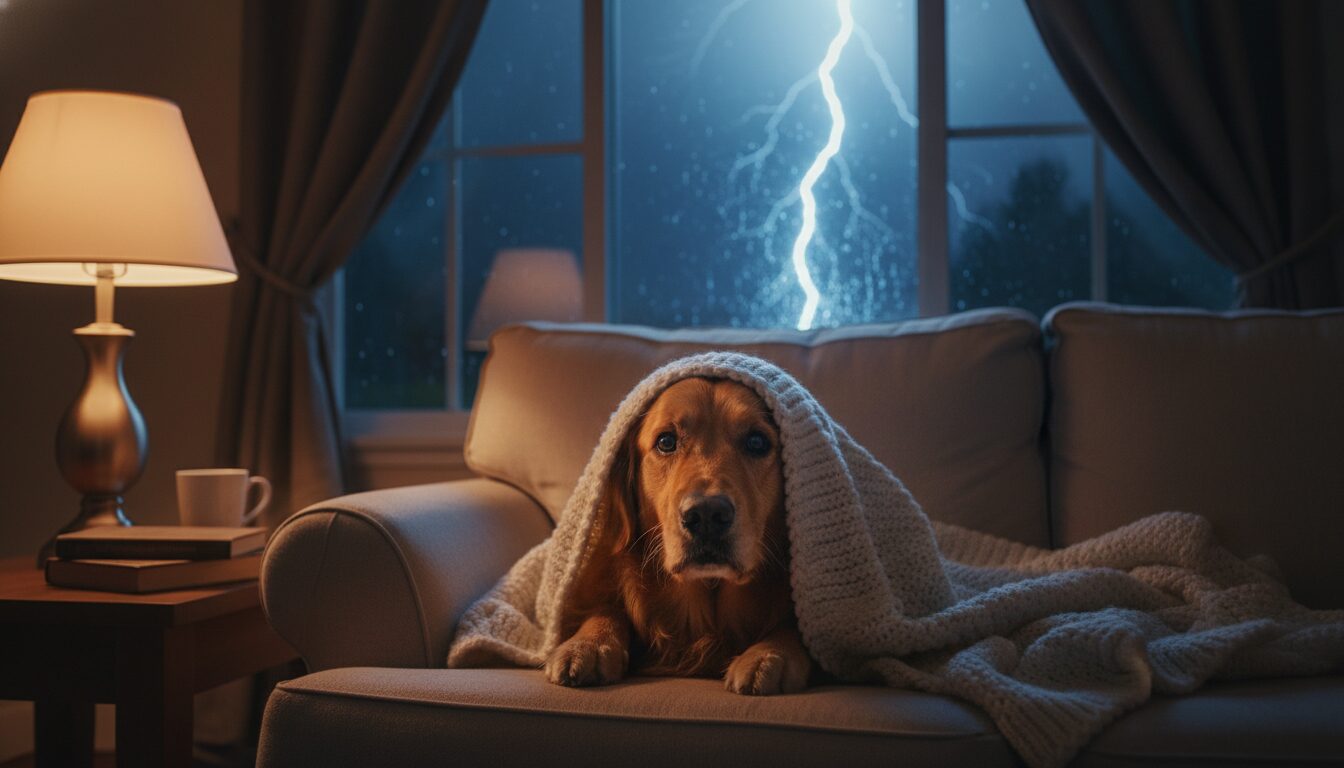
For many dog owners, the rumble of distant thunder signals the beginning of a stressful ordeal. While humans might enjoy the cozy atmosphere of a summer storm, our canine companions often experience sheer terror. If your dog paces, pants, trembles, or attempts to hide the moment the sky turns gray, they are likely suffering from astraphobia, or a fear of thunder and lightning.
This is not merely a behavioral quirk; it is a genuine panic response that can escalate over time if left unaddressed. As a canine specialist, I have worked with countless owners who feel helpless watching their pets suffer during storm season. The good news is that you are not powerless. By understanding the root causes of this anxiety and implementing a multi-faceted approach involving environmental management, behavior modification, and occasionally veterinary intervention, you can significantly reduce your dog’s distress.
In this ultimate comfort guide, we will move beyond simple advice and dive into the science of storm phobia, immediate strategies for tonight’s storm, and long-term training protocols to help your dog find peace amidst the noise.
Understanding the Fear: Why Thunder Triggers Panic
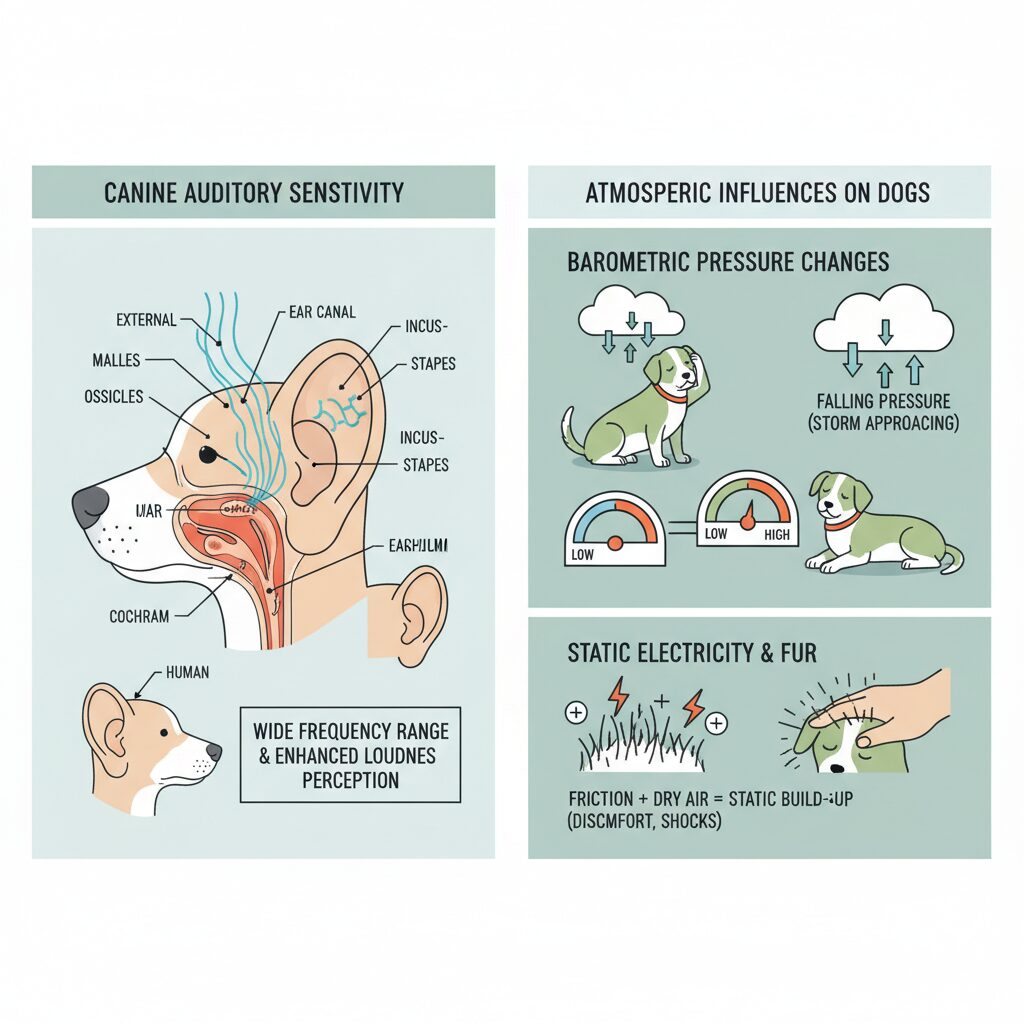
To effectively help your dog, you must first understand that their fear is often multi-sensory. Humans primarily react to the visual of lightning and the sound of thunder, but dogs perceive a storm long before it arrives. Their anxiety is triggered by a combination of factors that we often cannot detect.
The Sensory Overload
- Barometric Pressure Changes: Dogs are highly sensitive to drops in atmospheric pressure. This change can cause discomfort in their ears or joints, serving as a physical warning signal that distress is imminent.
- Static Electricity: This is a frequently overlooked factor. During a storm, static electricity builds up in the air. For double-coated dogs or those with long fur, this can result in uncomfortable static shocks when they touch metal objects or even when their fur bristles. This physical pain reinforces the fear of the storm.
- Low-Frequency Rumbling: Dogs can hear much lower frequencies than humans. The deep, vibrating rumble of thunder can be physically felt by the dog, triggering a primal fight-or-flight response.
Recognizing these triggers helps us understand that the dog is not just ‘acting out’; they are experiencing a sensory assault. Common symptoms include excessive drooling, widening of the eyes (whale eye), destructive chewing, and frantic attempts to escape the house.
Immediate Comfort Strategies: The ‘Right Now’ Fixes
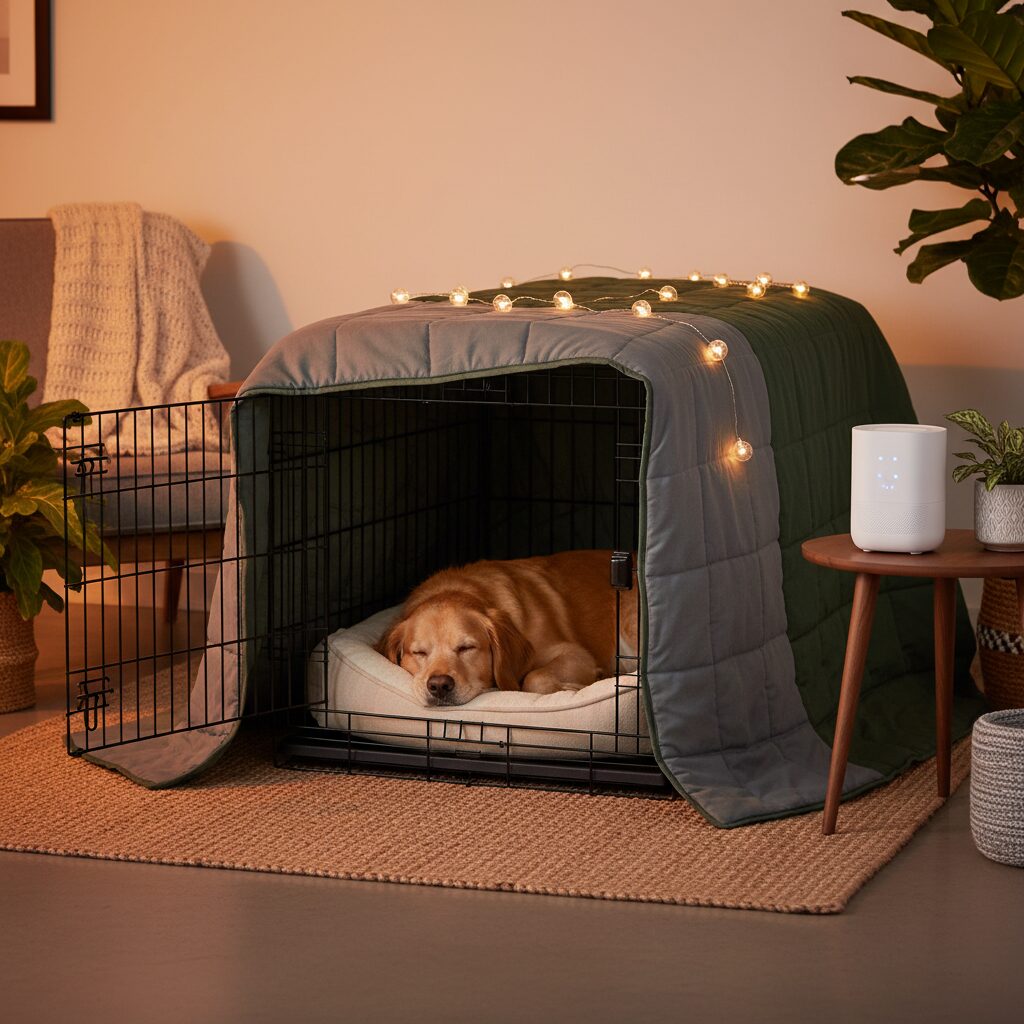
If a storm is approaching right now, you do not have time for long-term training. You need immediate damage control to lower your dog’s cortisol levels. The goal here is environmental management to reduce the intensity of the triggers.
Create a Storm Bunker
Identify a ‘safe zone’ in your home. ideally, this is an interior room with no windows, such as a large closet, a bathroom, or a basement. If your dog is crate-trained, cover the crate with heavy blankets to dampen the sound and block the flashes of lightning. If they are not crate-trained, allow them access to the space they naturally gravitate toward, such as under a bed.
Auditory Masking
Silence is often the enemy during a storm because it makes the thunder cracks more startling. Use white noise, a loud fan, or calming classical music to create a sound buffer. There are specialized playlists available designed specifically to calm canine anxiety (often featuring slow tempos and simple arrangements).
Pressure and Pheromones
Consider using an anxiety wrap or a ‘Thundershirt.’ These apply gentle, constant pressure to the dog’s torso, similar to swaddling an infant, which can release calming endorphins. Additionally, plug in a dog-appeasing pheromone (DAP) diffuser in their safe room. These synthetic pheromones mimic the comforting scent released by a nursing mother dog.
Long-Term Training: Desensitization and Counter-Conditioning

While management helps in the moment, the only way to truly resolve the phobia is through behavior modification. This process, known as systematic desensitization and counter-conditioning (DSCC), changes the dog’s emotional response to the noise.
This training must be done outside of storm season or on sunny days. Do not attempt this during an actual storm.
The Step-by-Step Protocol
- Step 1: Establish a Baseline. Find a recording of thunder sounds. Play it at the lowest possible volume where your dog notices the sound but does not show fear (ears might perk up, but no panting).
- Step 2: Pair with Positives. As the low-volume sound plays, feed your dog high-value treats (boiled chicken, cheese, or hot dogs) or play their favorite game. The equation you are teaching is: Thunder Sound = Delicious Snacks.
- Step 3: Gradual Increase. Over weeks or months, very slowly increase the volume. If the dog shows any sign of stress, you have moved too fast. Stop, lower the volume, and try again the next day.
- Step 4: Generalization. Practice this in different rooms and with different types of storm sounds (rolling thunder vs. sharp cracks).
Consistency is key. This process rewires the brain to anticipate a reward rather than a threat when the noise occurs.
Dietary and Natural Support for Anxiety

Nutrition and natural supplements can play a supportive role in lowering your dog’s overall anxiety threshold. While these are rarely a cure-all for severe phobias, they can make training more effective by taking the edge off the panic.
Calming Ingredients to Look For
- L-Theanine: An amino acid found in green tea that promotes relaxation without drowsiness.
- Alpha-Casozepine: A milk protein hydrolysate (often found in products like Zylkene) that has proven calming effects.
- CBD Oil: Cannabidiol has gained popularity for anxiety relief. Ensure you use a product specifically formulated for pets with zero THC, and consult your vet regarding dosage.
- Melatonin: Often used for noise phobias, melatonin can help calm a dog, though it is more effective for mild anxiety.
Always introduce new supplements gradually to ensure they do not upset your dog’s stomach, and verify with your veterinarian that they do not interact with any existing medications.
When to See a Vet: Medical Intervention

If your dog is injuring themselves trying to escape, breaking teeth on crate bars, or if their recovery time after a storm is prolonged (hours of shaking after the rain stops), natural remedies and training may not be enough. This is a medical welfare issue.
Veterinarians can prescribe situational anti-anxiety medications. Drugs such as Sileo (specifically FDA-approved for noise aversion in dogs), trazodone, or gabapentin can be administered prior to a predicted storm to block the panic response. Using medication does not mean you have failed; it means you are providing necessary chemical support to help your dog cope. In fact, medication often makes desensitization training possible for dogs who are otherwise too stressed to learn.
Weathering the Storm Together
Watching your dog suffer through a thunderstorm is heartbreaking, but it is a condition that can be managed with patience and empathy. Remember that your dog is not being ‘bad’ or ‘stubborn’; they are experiencing a primal fear. By combining immediate environmental changes—like creating a static-free, sound-insulated bunker—with long-term desensitization training and professional veterinary support, you can turn terror into tolerance.
Start preparing now, before the next storm season hits. With the right tools and a calm, consistent approach, you can be the anchor your dog needs when the skies turn dark.