Happy Visits: The Secret To Curing Your Dog’s Vet Anxiety
For many dog owners, a trip to the veterinary clinic is a source of dread. It often begins the moment the carrier comes out or the car pulls into the clinic’s parking lot. The symptoms are heartbreakingly familiar: trembling, excessive panting, drooling, or even defensive aggression. This anxiety not only makes medical care difficult and dangerous for staff but also elevates your dog’s cortisol levels, potentially skewing diagnostic results and delaying healing.
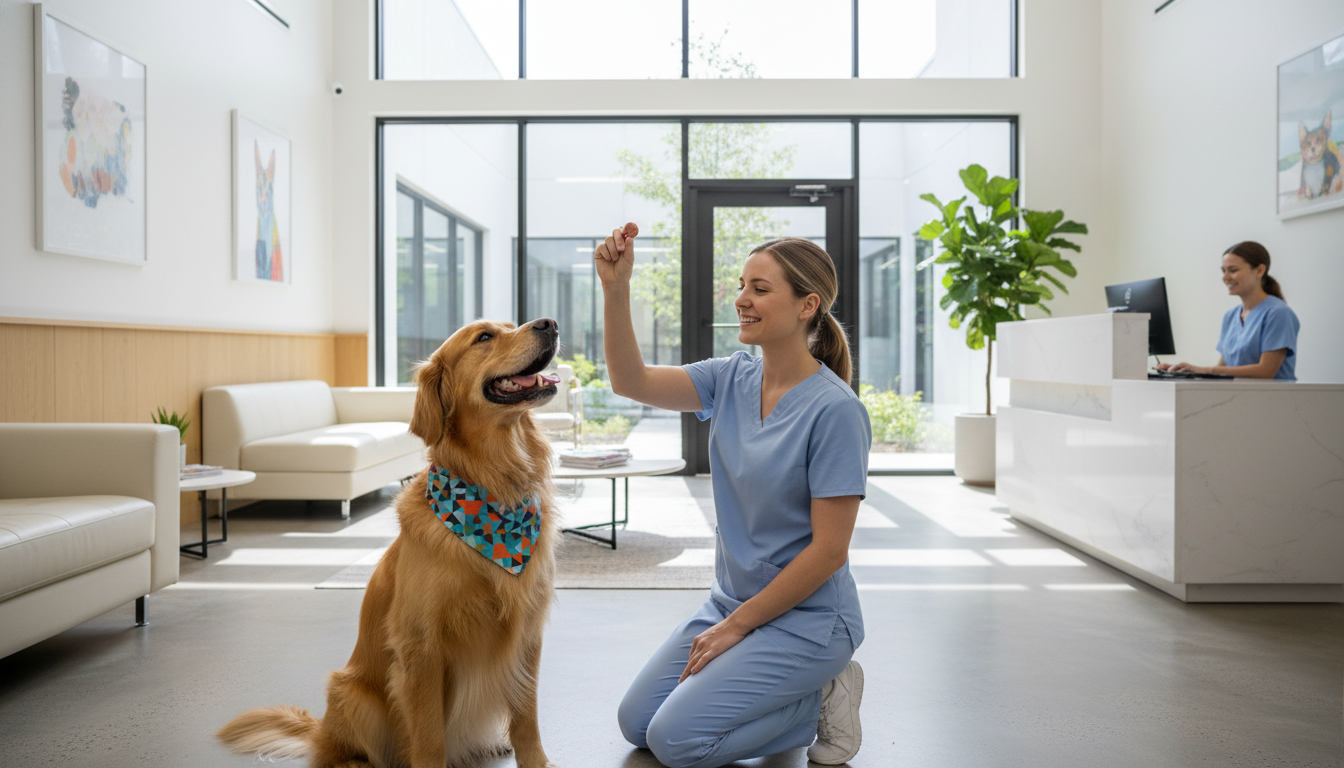
However, veterinary visits do not have to be synonymous with fear. There is a powerful behavioral modification strategy known among canine professionals as Happy Visits (or Victory Visits). These are non-medical visits designed solely to build positive associations with the clinic environment.
By removing the painful or invasive aspects of the appointment and replacing them with high-value rewards and praise, we can rewire the dog’s emotional response to the sights, sounds, and smells of the vet office. In this guide, we will explore the psychology behind vet anxiety and provide a comprehensive, step-by-step protocol for implementing Happy Visits to cure your dog’s fear.
Understanding the Root of Vet Anxiety
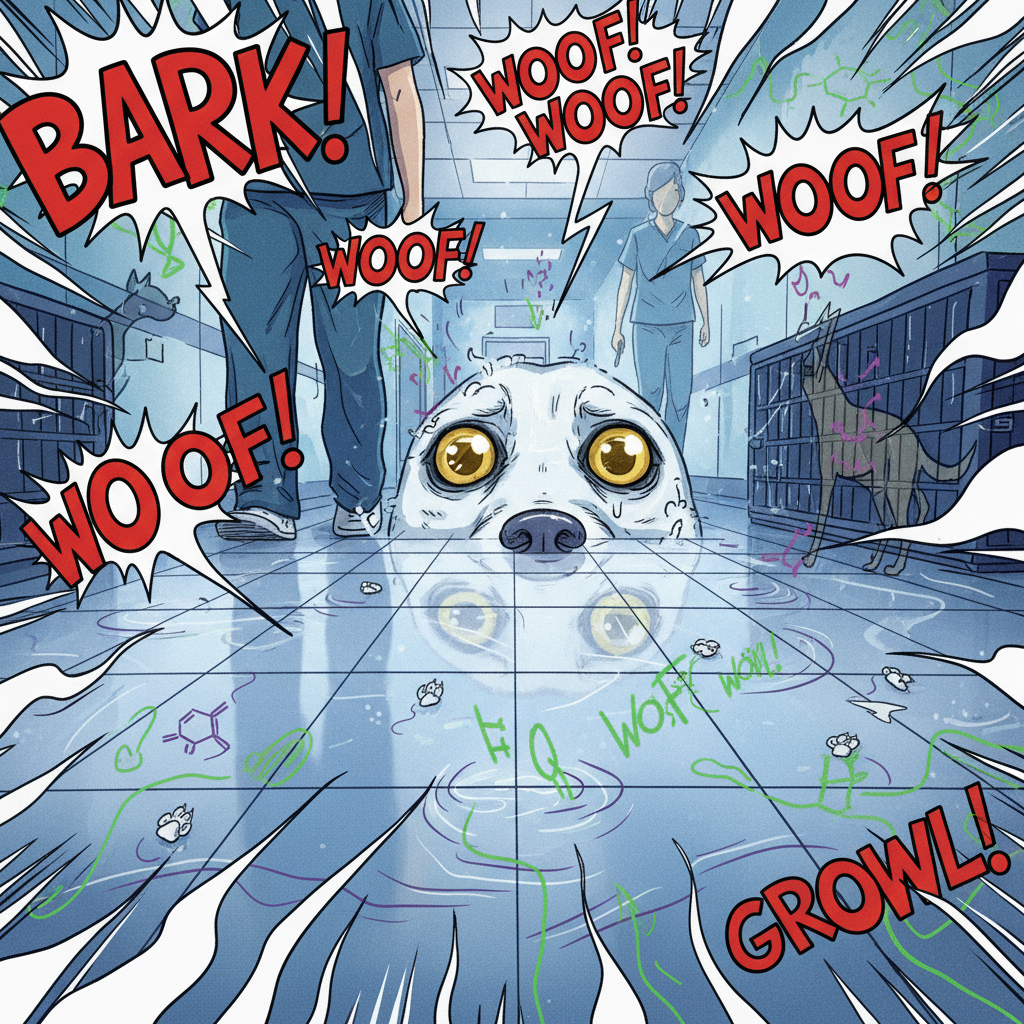
To cure anxiety, we must first understand its origins. From a human perspective, the vet is a place of healing. From a dog’s perspective, it is often a house of horrors. This fear is rarely irrational; it is usually based on associative learning.
Consider the typical canine experience at a clinic:
- Sensory Overload: Clinics smell of antiseptics and the pheromones of other fearful animals. They are often loud with barking dogs and beeping machinery.
- Physical Discomfort: Dogs are often placed on cold, slippery stainless steel tables or scales, which can feel unstable and unsafe.
- Restraint and Pain: Most visits involve being held down (restraint), poked with needles, or having sensitive areas examined.
When a dog only visits the vet for vaccinations or illness, they develop a negative conditioned emotional response (CER). The building itself becomes a predictor of pain or fear. Happy Visits aim to disrupt this pattern by introducing the clinic as a predictor of treats, toys, and praise, rather than discomfort.
Preparation: The Toolkit for Success

Before you attempt your first Happy Visit, you must be equipped with the right tools. You are essentially going into a ‘training battle’ against deep-seated instincts, so your rewards must be powerful enough to override the environment.
High-Value Reinforcers
Dry kibble will rarely suffice in a high-stress environment. You need ‘Grade A’ rewards. These should be soft, smelly, and easily consumed. Excellent options include:
- Boiled chicken breast or turkey
- String cheese or small cubes of cheddar
- Freeze-dried liver
- Squeezy tubes of peanut butter or liver paste
Equipment
Ensure your dog is on a secure, comfortable harness. Avoid slip leads or choke chains, as the sensation of choking will only add to the anxiety. A non-slip mat (like a yoga mat fragment or a bath mat) is also a crucial tool. Bringing a familiar surface for your dog to stand on can provide stability on slippery clinic scales and floors, offering an immediate sense of security.
Step-by-Step Guide to Executing a Happy Visit
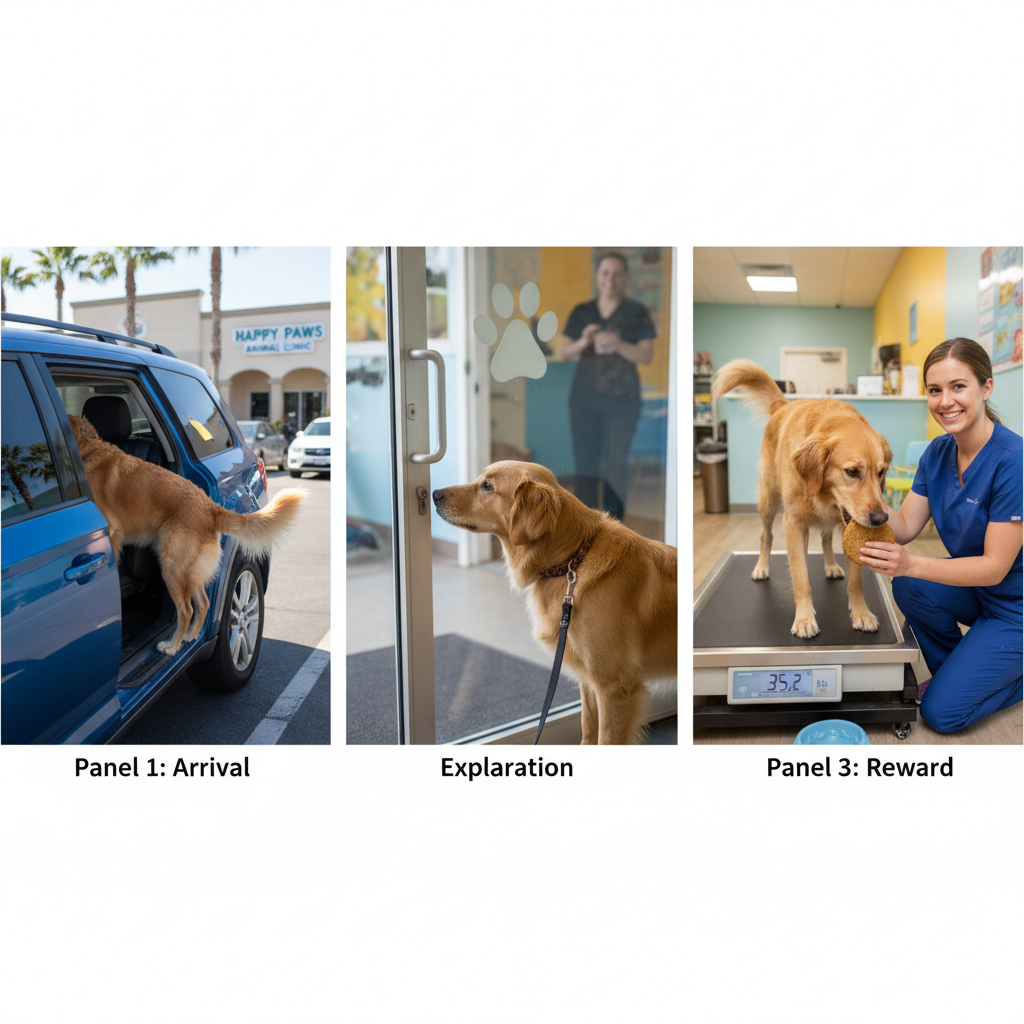
The goal of a Happy Visit is to stay under the threshold. This means your dog should notice the environment but remain relaxed enough to eat treats. If your dog refuses food, they are too stressed, and you must retreat to an easier step.
Phase 1: The Parking Lot
For dogs with severe anxiety, the fear begins in the car. Drive to the clinic, park, and simply hang out in the car. Give your dog a jackpot of treats just for looking at the building. If they remain calm, get out of the car, walk a brief loop around the parking lot while treating, and then leave. Do not even enter the building yet. Repeat this until the dog is happy to pull into the lot.
Phase 2: The Lobby Entry
Once the parking lot is safe, proceed to the lobby. Walk in, scatter a handful of treats on the floor (or your non-slip mat), and immediately walk out. We want the dog to think, ‘We go in, I get chicken, we leave.’ Keep these visits under two minutes. Inform the front desk staff ahead of time so they know you are training and do not try to interact with the dog yet.
Phase 3: The Scale and Staff
As your dog becomes comfortable in the lobby, ask the staff to toss treats to your dog without making eye contact or reaching for them. This teaches the dog that white coats equal snacks. Eventually, lure your dog onto the scale using a trail of treats. Do not force them. If they put two paws on, reward heavily and leave. Build up to four paws over several visits.
Cooperative Care: Training at Home
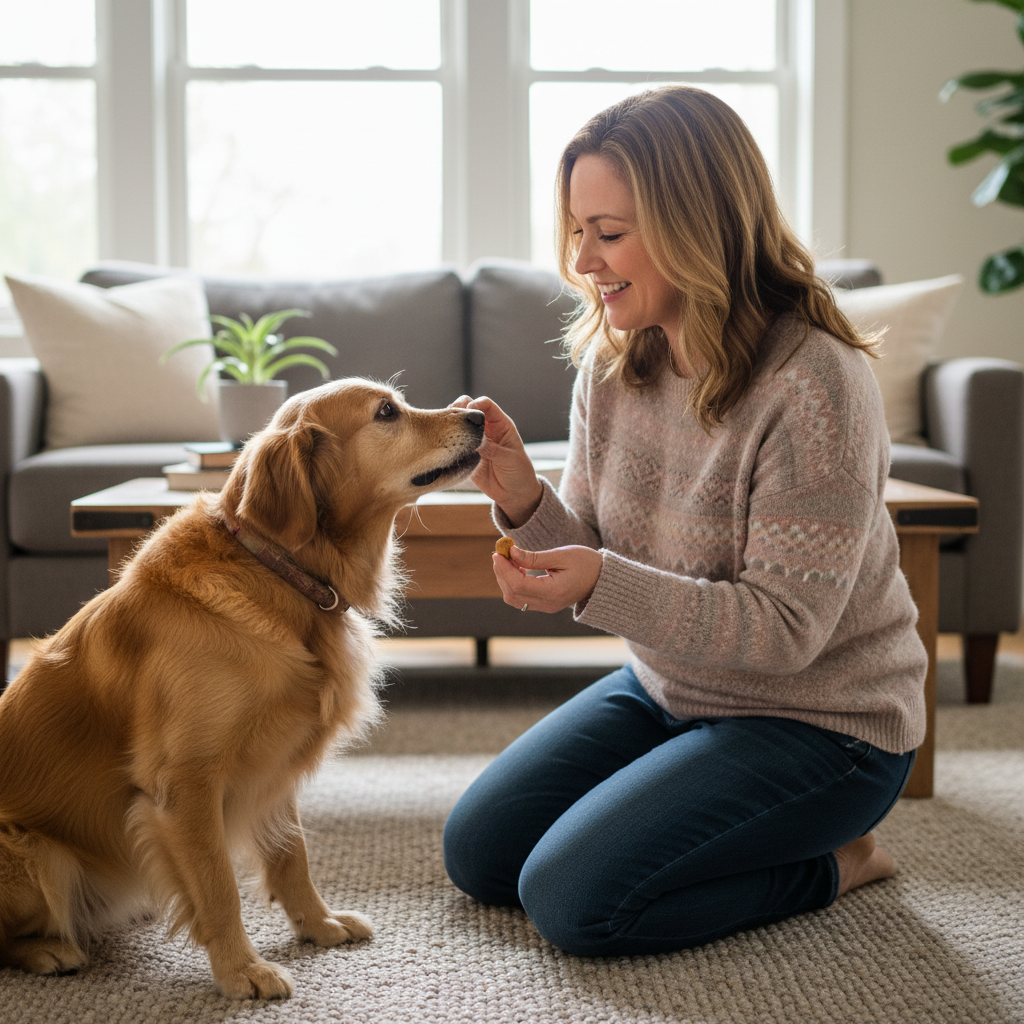
While Happy Visits address the environment, you must also address the handling. Cooperative Care is a training framework where the dog is an active participant in their care rather than a passive subject.
Practice the following handling exercises at home when your dog is relaxed:
- The Ear Check: Lift your dog’s ear flap, say ‘Yes’ (or click), and give a treat. Repeat until the dog leans into the touch.
- Paw Handling: Run your hand down the leg and touch the paw. Reward immediately. Gradually work up to holding the paw and tapping a nail with a spoon to mimic clippers.
- Restraint Desensitization: Gently hug your dog or hold them close for one second, then release and reward. This mimics the restraint used for blood draws.
By normalizing these physical sensations in a safe home environment, the dog will be less startled when a veterinarian performs them during an exam.
Troubleshooting and Professional Intervention

Despite your best efforts with Happy Visits, some dogs may have anxiety that is too profound for training alone to resolve. If your dog shows signs of extreme panic (urination, defecation, frantic escape attempts) or aggression (growling, snapping) even in the parking lot, it is time to consult a professional.
Pharmaceutical Assistance
There is no shame in using better living through chemistry. Talk to your veterinarian about Pre-Visit Pharmaceuticals (PVPs). Medications like Trazodone or Gabapentin can be given hours before a visit to lower the dog’s physiological arousal, making learning possible. A panicked brain cannot learn; a calm brain can.
Veterinary Behaviorists
If the aggression is severe, seek the help of a Board-Certified Veterinary Behaviorist (DACVB) or a Certified Dog Behavior Consultant (CDBC). They can create a tailored desensitization plan that ensures safety for everyone involved.
The Long-Term Payoff of Happy Visits
Investing time in Happy Visits is an investment in your dog’s long-term health and welfare. A dog that is happy to go to the vet is a dog that is easier to diagnose, easier to treat, and less stressed during illness. While it requires patience and consistency, the transformation from a trembling wreck to a confident canine is one of the most rewarding journeys you can take with your pet.
Start small, celebrate the little victories, and remember that you are your dog’s advocate. By changing the narrative from fear to fun, you ensure that your dog receives the best possible medical care throughout their life.