
Freedom At Last! How To Train Any Dog To Use A Doggy Door In One Day
For many dog owners, the role of ‘personal doorman’ is an exhausting reality. The constant scratching at the door, the whining to go out, and the barking to come back in can interrupt your work, your sleep, and your relaxation. Installing a doggy door is the ultimate solution, offering your canine companion the freedom to relieve themselves and explore the yard at their leisure. However, simply installing the door is rarely enough; for many dogs, a swinging flap is a confusing or even terrifying barrier.
As a canine specialist, I often hear owners complain that their dog refuses to use the expensive new door they just installed. The secret to success lies not in force, but in positive reinforcement and desensitization. While every dog learns at their own pace, this comprehensive guide is designed to help you train the vast majority of dogs to master the doggy door in a single, focused training session. By breaking the process down into manageable steps and keeping the experience stress-free, you can say goodbye to door duty and hello to a more independent pet.
Preparation: Setting the Stage for Success

Before you begin the actual training, it is crucial to prepare the environment. Attempting to shove a dog through a closed plastic flap is a recipe for long-term fear. To start, you need to remove the physical barrier while maintaining the visual context of the door.
Essential Tools
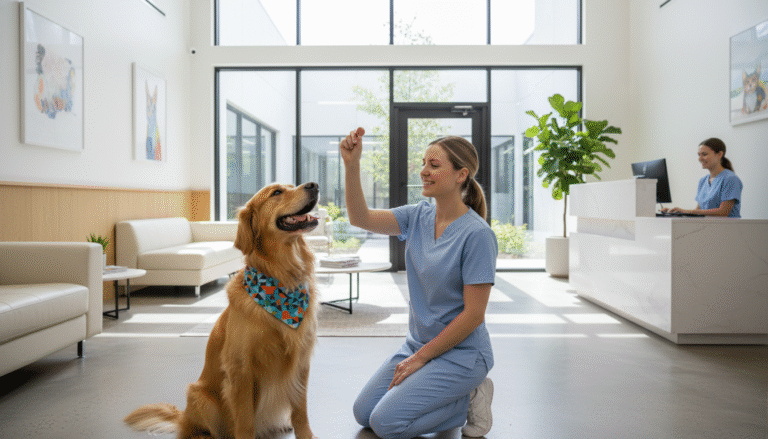
- High-Value Treats: Dry kibble usually won’t cut it. Use small pieces of cheese, hot dogs, or freeze-dried liver.
- Painter’s Tape: You will use this to hold the flap open initially.
- A Helper: While possible to do alone, having one person inside and one person outside makes the process significantly faster.
Start by taping the flap of the doggy door completely open (or removing it temporarily if the design allows). This creates a clear ‘tunnel’ for the dog. Allow your dog to investigate the opening on their own terms without any pressure. If they sniff it, reward them immediately. The goal of this preparatory phase is to establish that this new hole in the wall is a gateway to good things, not a trap.
Step 1: The Open Tunnel Technique

Once the flap is secured open, you are ready to begin the ‘Open Tunnel’ phase. This step teaches the dog the mechanics of passing through the frame without the intimidation of the flap touching their body.
Have your helper stay inside the house with the dog while you stand on the other side of the door (outside). Crouch down so you are at the dog’s eye level; standing over the door can be intimidating. Show the dog the high-value treat through the open hole and call them enthusiastically. Do not drag them through. If they are hesitant, reach your hand through the hole to give them a taste, then pull your hand back to lure them out.
Once the dog steps through, praise them lavishly—throw a mini party! Then, reverse the roles. You go inside, and the helper stays outside. Call the dog back in. Repeat this ‘ping-pong’ game at least 10 to 20 times until the dog is darting through the open hole without hesitation. This builds muscle memory and positive association with the threshold.
Step 2: Introducing the Flap Gradually

This is the most critical stage and where patience is paramount. Now that the dog is comfortable going through the frame, you must introduce the sensation of the flap touching their back. If you drop the flap completely now, the sudden obstruction may startle them.
Lower the tape so the flap hangs down just an inch or two into the opening. Call the dog through again. They will likely duck their head, but the flap might brush their shoulders. Reward heavily when they pass through. After several successful repetitions, lower the flap further so it covers half the opening. The dog will now have to push slightly with their nose or head to get through.
Pro Tip: If the dog refuses to push the flap, go back to the previous stage where the flap was higher. Never force the dog’s head against the plastic; this causes ‘barrier frustration’ and fear. Instead, use your fingers to lift the flap slightly for them, showing them that it moves, then let it rest gently on their back as they pass.
Step 3: Mastering the Closed Door

By now, your dog should be pushing through a flap that is hanging mostly down. The final step is to remove the tape entirely. Show the dog a treat on the other side of the clear window (if the flap is transparent) or call them through the opaque door.
At this stage, the magnet at the bottom of the door might create resistance or a clicking sound that can be startling. You may need to tap the flap with your finger to show the dog it still moves. Encourage them to use their nose or paw to initiate the opening. When they successfully push through the fully closed, magnetized door, give them a ‘jackpot’ reward (a handful of treats at once).
Repeat this process periodically throughout the day. Do not assume the training is done after one success. Randomly call your dog through the door during the evening to reinforce the behavior. If you have an electronic door that clicks before unlocking, spend extra time desensitizing the dog to the ‘click’ sound before asking them to push through.
Troubleshooting and Safety Considerations

Even with the best training, some dogs face hurdles. Here are common issues and safety tips to ensure long-term success:
- The ‘Click’ Fear: Electronic doors make noise. If your dog is noise-averse, spend a day just clicking the door and giving a treat without making them go through it.
- Size Matters: Ensure the door is the correct size. A door that is too small can scrape the dog’s back, causing pain and reluctance. The top of the opening should be at least an inch or two above the dog’s shoulders.
- Security: Remember that a doggy door is a breach in your home’s perimeter. Always use the locking cover at night or when you are away for extended periods to prevent unwanted wildlife or intruders from entering.
- Multi-Dog Households: Often, seeing a confident dog use the door will teach a timid dog faster than you can. Use your trained dog as a demonstrator.
If your dog shows signs of extreme anxiety or aggression near the door, stop training immediately and consult a professional behaviorist. Forcing a fearful dog can lead to bites or severe regression in training.
Embracing the New Freedom
Training your dog to use a doggy door is one of the most liberating gifts you can give both your pet and yourself. While the promise of ‘one-day training’ is achievable for most dogs, always prioritize your individual dog’s comfort level over the clock. With patience, high-value rewards, and a gradual approach, your dog will soon be zooming in and out with confidence. Enjoy the peace of mind that comes with knowing your canine companion has the independence they deserve.