Fluffy Whipped Cottage Cheese Topper for Boring Kibble
We’ve all been there. You scoop out the kibble, place the bowl down, and get… nothing. Just a bored sniff and a slow walk away. It can be frustrating when your furry best friend suddenly becomes a picky eater. Before you rush out to buy expensive new foods, what if the secret to reigniting their mealtime excitement is already in your fridge? Enter the game-changer: fluffy whipped cottage cheese. It’s a simple, affordable, and surprisingly nutritious way to turn that boring bowl of kibble into a five-star canine feast. Let’s dive into how you can safely and easily add this tasty topper to your dog’s diet.
The Pawsitive Perks: Why Cottage Cheese Can Be Great for Dogs
You might think of cottage cheese as a diet food from the 80s, but for our canine companions, it can be a powerhouse of nutrition when served correctly. It’s more than just a tasty treat; it offers some genuine health benefits that can support your dog’s overall well-being.
A Punch of Protein and Calcium
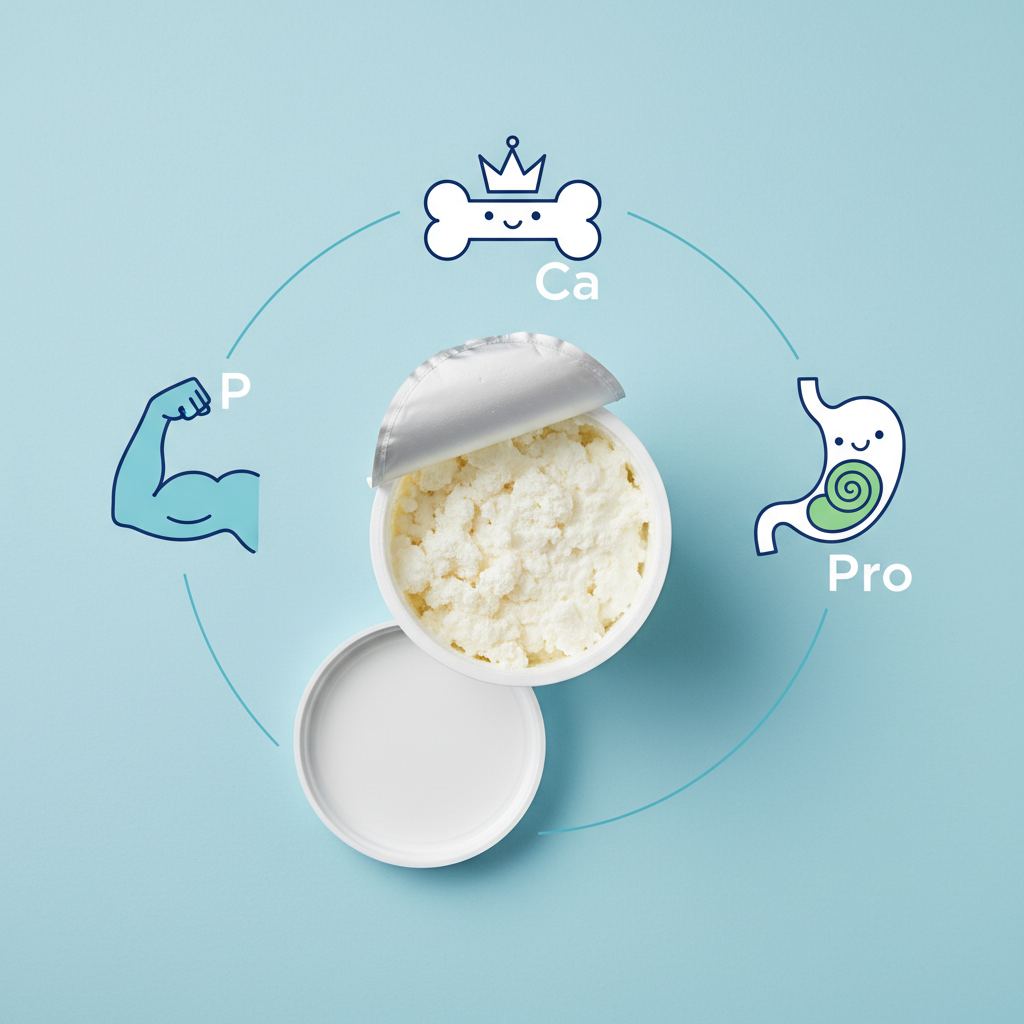
At its core, cottage cheese is an excellent source of animal-based protein, which is essential for building and maintaining strong muscles. It’s also packed with calcium, a critical mineral for healthy bones and teeth. This makes it a fantastic supplement, especially for active dogs who need that extra support for their hardworking bodies.
Gentle on the Tummy (Usually!)
Compared to many other dairy products, cottage cheese is lower in lactose because the fermentation process breaks much of it down. For many dogs, this makes it easier to digest. Some brands even contain live and active cultures (probiotics), which can contribute to a healthy gut microbiome, aiding in digestion and boosting the immune system. Just be sure to check the label for these beneficial bacteria!
Expert Tip: Always choose plain, low-fat, or non-fat cottage cheese for your dog. Avoid flavored varieties, which often contain high levels of sugar, salt, or even toxic ingredients like xylitol.
Hold Your Paws: Potential Risks and What to Watch For

While cottage cheese can be a wonderful addition, it’s not suitable for every dog. Like any new food, it’s crucial to introduce it slowly and be aware of the potential downsides. Your dog’s safety and comfort are always the top priority!
The Lactose Question
Even though it’s lower in lactose, it’s not completely free of it. Some dogs are highly lactose intolerant and can’t produce enough of the lactase enzyme to break it down. If you serve your pup cottage cheese and notice any of the following signs, it’s best to steer clear:
- Gas or bloating
- Diarrhea
- Vomiting
- Stomach cramps or discomfort
Sodium and Fat Content
The biggest red flag with cottage cheese is its sodium content. Many brands made for humans are high in salt. Always, always opt for a low-sodium or no-salt-added version. Similarly, high-fat dairy can lead to an upset stomach or, in more serious cases, contribute to pancreatitis, a painful and dangerous condition. Stick to 1% milkfat or non-fat varieties to be safe.
Don’t Forget the Calories!
Treats and toppers should only make up about 10% of your dog’s daily caloric intake. Cottage cheese does contain calories, and they can add up quickly. Be mindful of portion sizes to prevent unwanted weight gain. If you start adding a daily topper, you may need to slightly reduce the amount of kibble you’re feeding.
The Fluffy Factor: Your Simple Whipped Cottage Cheese Topper Recipe
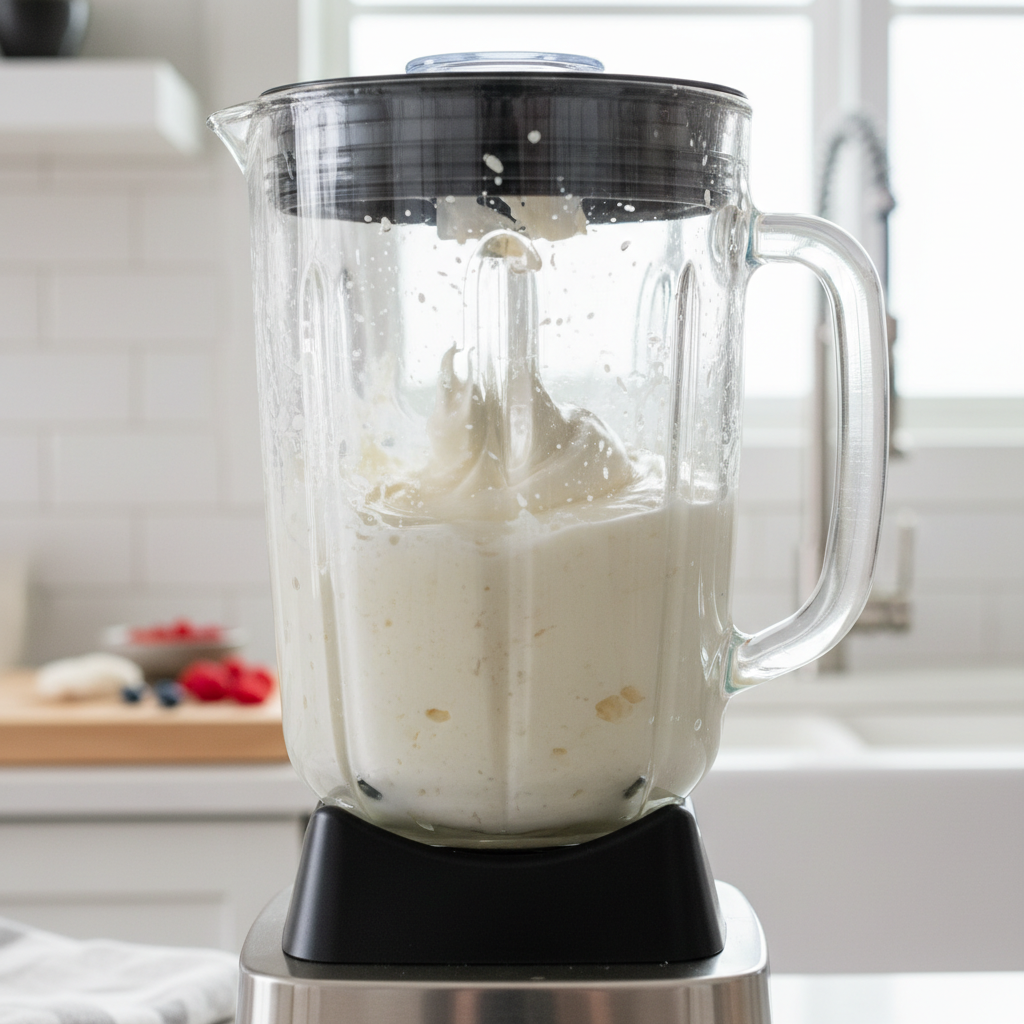
Ready to transform that lumpy cheese into a creamy, dreamy cloud of deliciousness? The ‘whipped’ part is the magic trick that changes the texture, making it more appealing for picky dogs and easier to mix into their food. Here’s how to do it.
Ingredients & Tools
- Ingredient: Plain, low-fat, low-sodium cottage cheese. That’s it!
- Optional Ingredient: A teaspoon of water or unsalted bone broth to help it blend if it’s very thick.
- Tools: A small blender, food processor, or immersion blender.
Step-by-Step Instructions
- Choose Your Cheese: Start with a high-quality, dog-friendly cottage cheese. Double-check that it contains no added sugars, salt, or artificial sweeteners.
- Add to Blender: Scoop your desired amount of cottage cheese into your blender or food processor.
- Whip It Good: Blend on high for 30-60 seconds. You’ll see it transform from lumpy curds into a smooth, light, and airy consistency, similar to Greek yogurt or sour cream. Scrape down the sides if needed and blend again to ensure there are no lumps.
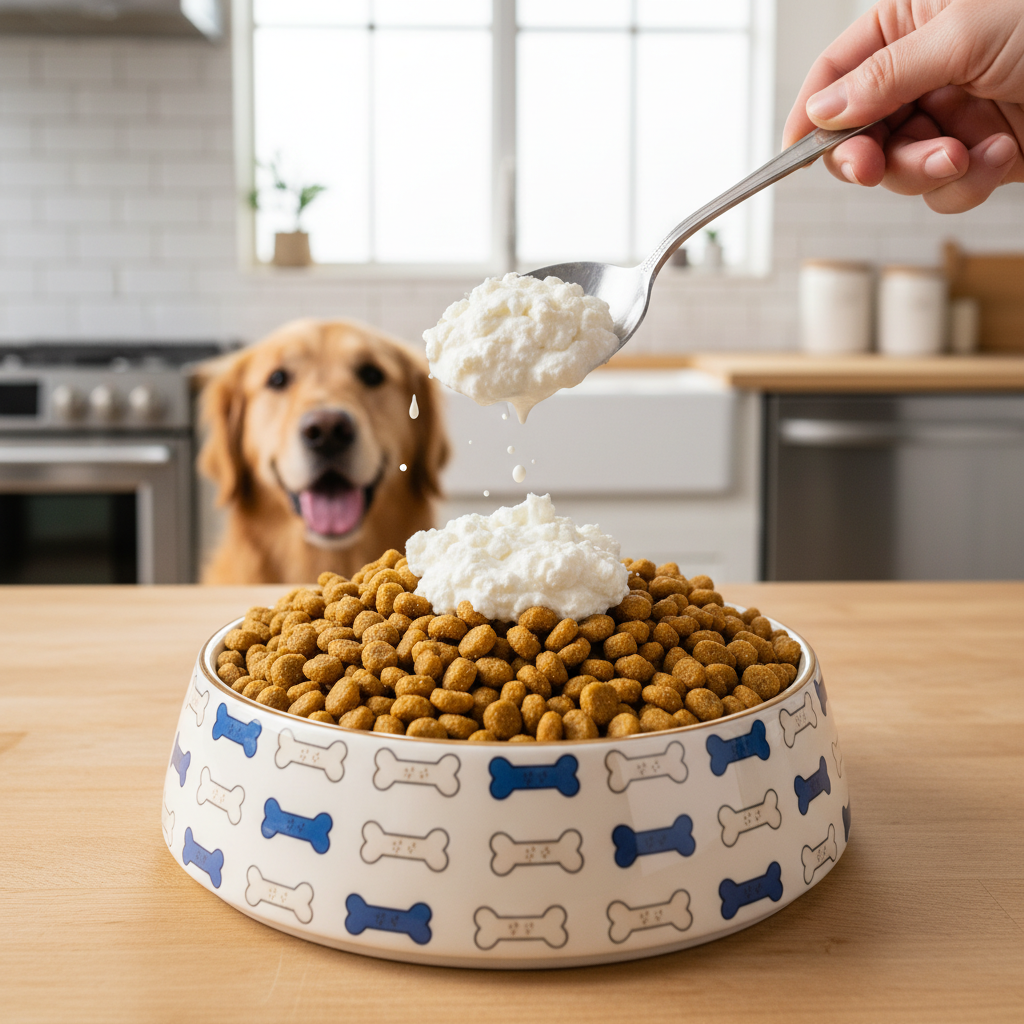
- Serve or Store: You can immediately spoon it over your dog’s kibble! Leftovers can be stored in an airtight container in the refrigerator for up to 3 days.
Serving It Up Right: Portions and Tasty Twists
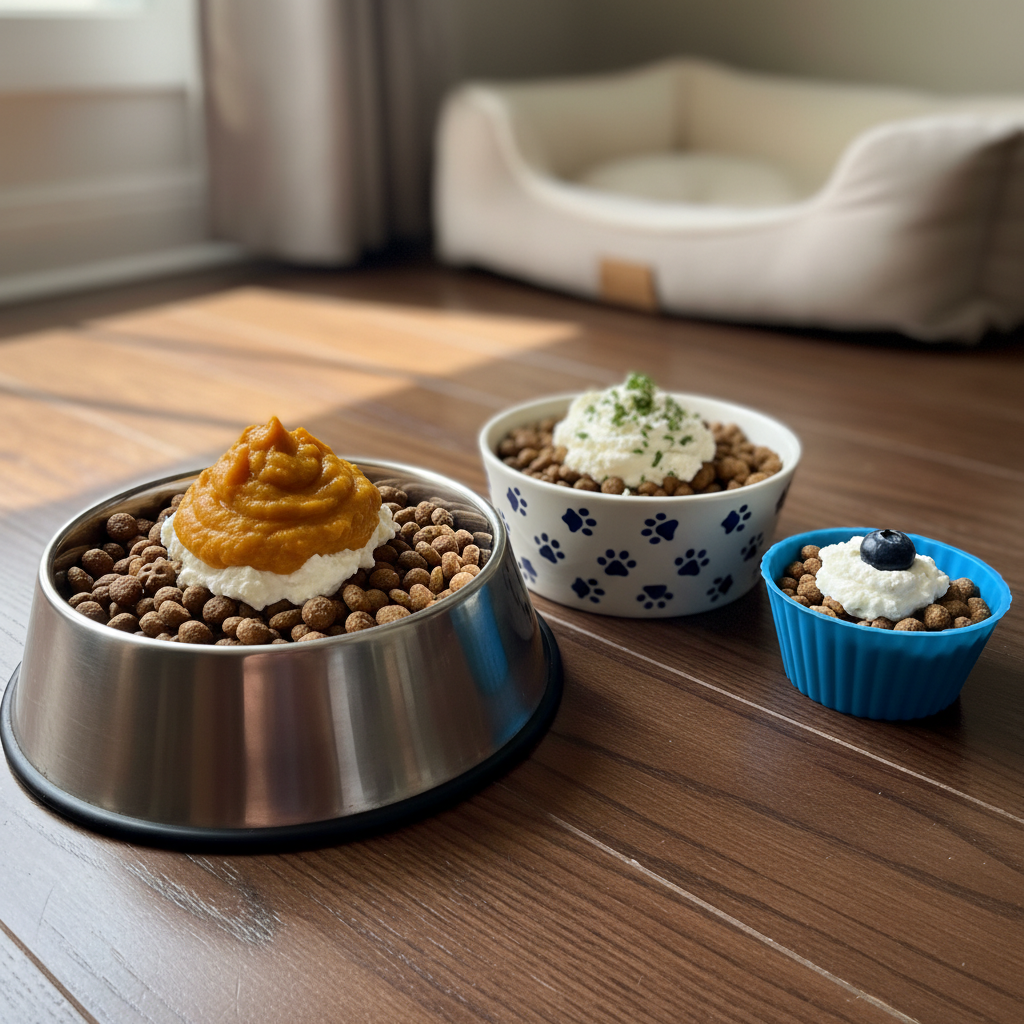
Now for the fun part: serving! The key is moderation. Use this topper as a special treat to enhance their meal, not to replace it. Here’s a handy guide for serving sizes and some fun, dog-safe mix-ins to add even more nutritional value and flavor.
Daily Serving Size Guide
This is a general guideline. Always consult your vet if you have concerns about your dog’s specific dietary needs.
| Dog Size | Weight Range | Suggested Daily Amount |
|---|---|---|
| Small | Under 20 lbs | 1-2 teaspoons |
| Medium | 20-50 lbs | 1-2 tablespoons |
| Large | Over 50 lbs | 2-4 tablespoons |
Fun & Healthy Mix-ins
Want to add an extra boost? Stir one of these into the whipped cottage cheese before serving:
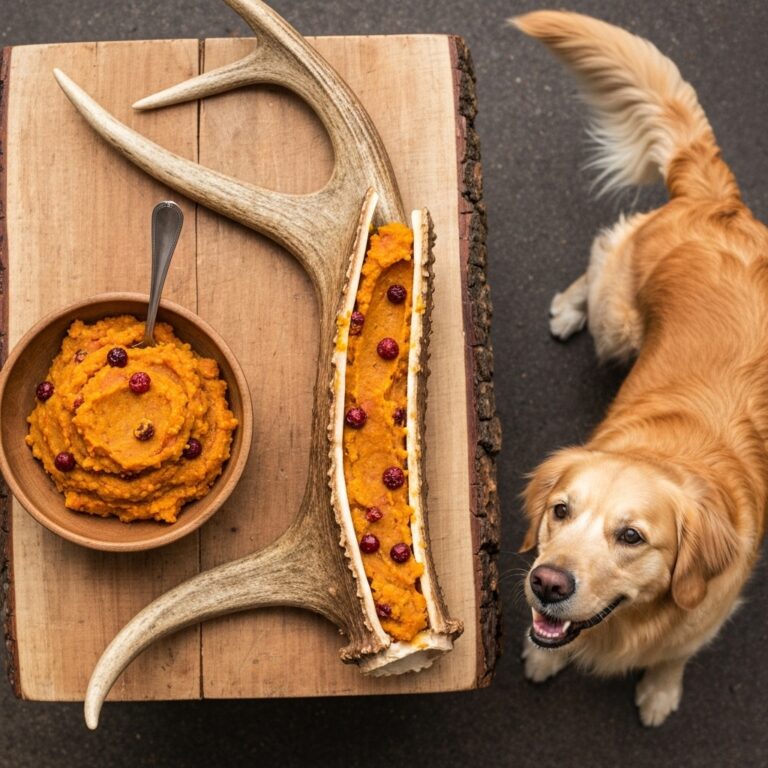
- Pureed Pumpkin: Great for digestive health.
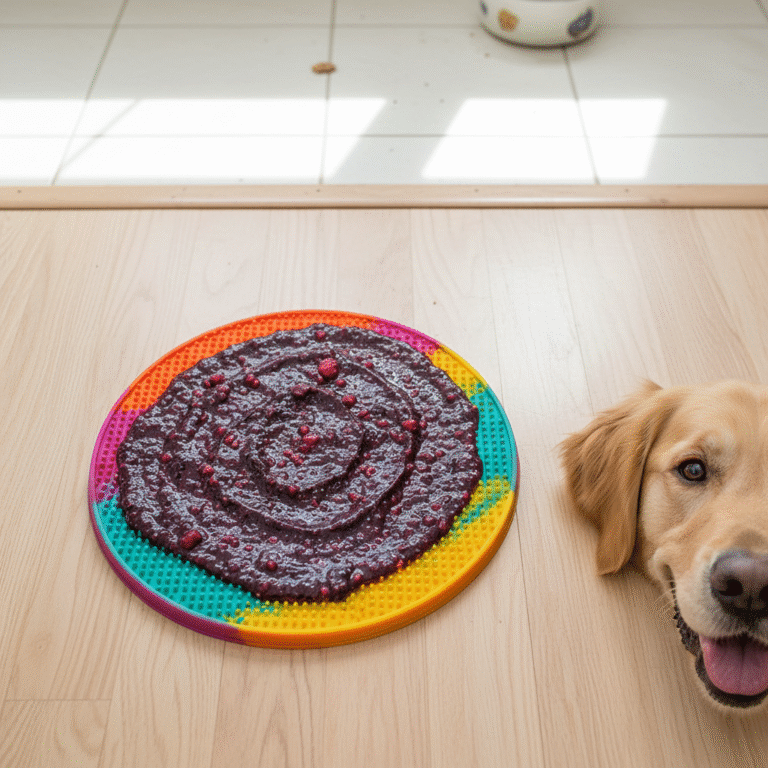
- Mashed Blueberries: Packed with antioxidants.
- Finely Grated Carrots: Excellent for vision and dental health.
- A sprinkle of chopped parsley: Can help freshen breath.
- A tiny drizzle of fish oil: Fantastic for skin and coat health.
Conclusion
Turning your dog’s boring kibble into a drool-worthy meal doesn’t have to be complicated or expensive. With a container of the right kind of cottage cheese and a blender, you can create a fluffy, delicious, and protein-packed topper in seconds. It’s a fantastic way to show your furry friend some extra love while adding a little nutritional boost to their diet. Just remember the golden rules: always choose plain, low-fat, and low-sodium, introduce it slowly, and serve in moderation. Happy tails and happy mealtimes await!