Find The Cash: How To Train Your Dog To Sniff Out Paper Money
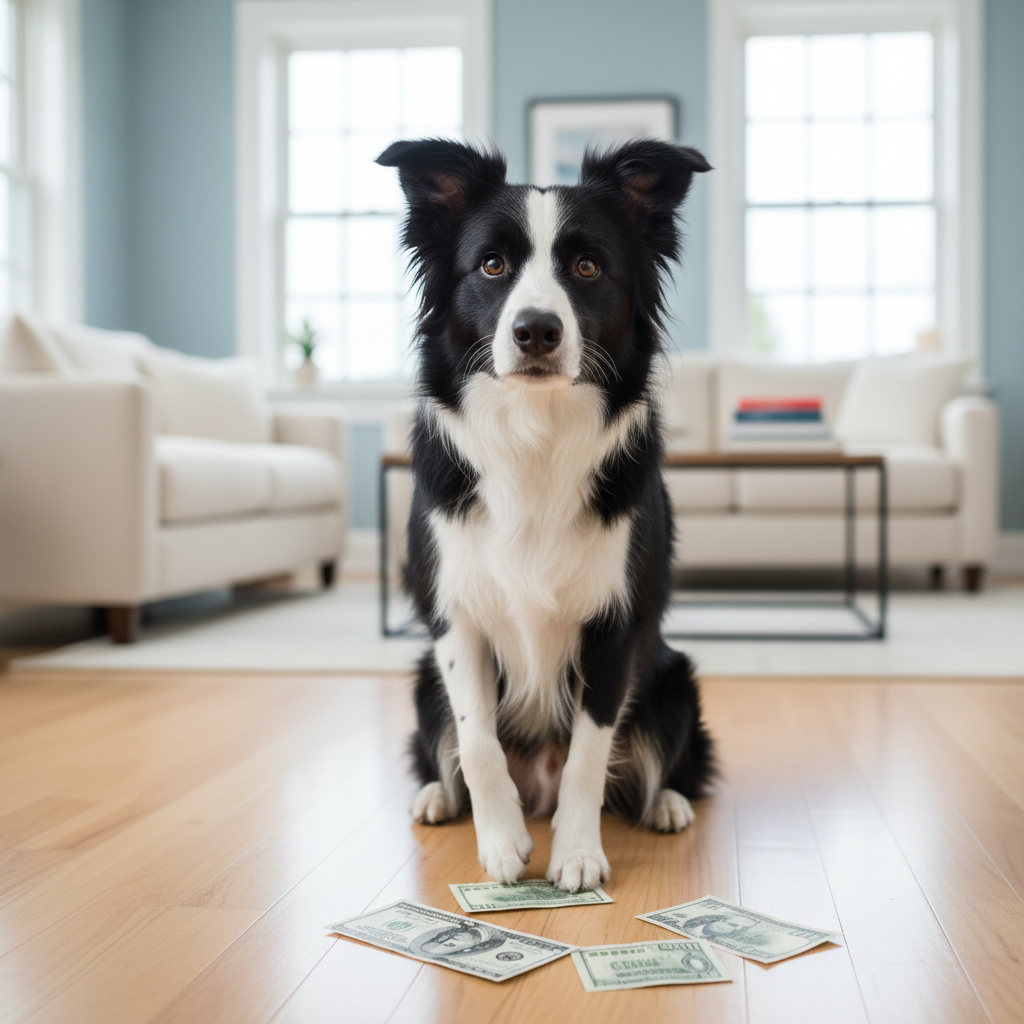
Have you ever joked that your dog needs to start contributing to the household bills? Well, what if they actually could? While Fido might not be getting a 9-to-5 job anytime soon, you can teach them a fun and impressive trick: finding hidden cash! Training your dog to sniff out paper money is a fantastic form of scent work, a game that channels their natural instincts into a mentally stimulating activity. It’s an incredible bonding experience, a great way to burn off mental energy, and let’s be honest, it’s the ultimate party trick. So, grab some treats and a few bills, and let’s turn your talented pup into a four-legged treasure hunter!
Gearing Up for the Treasure Hunt
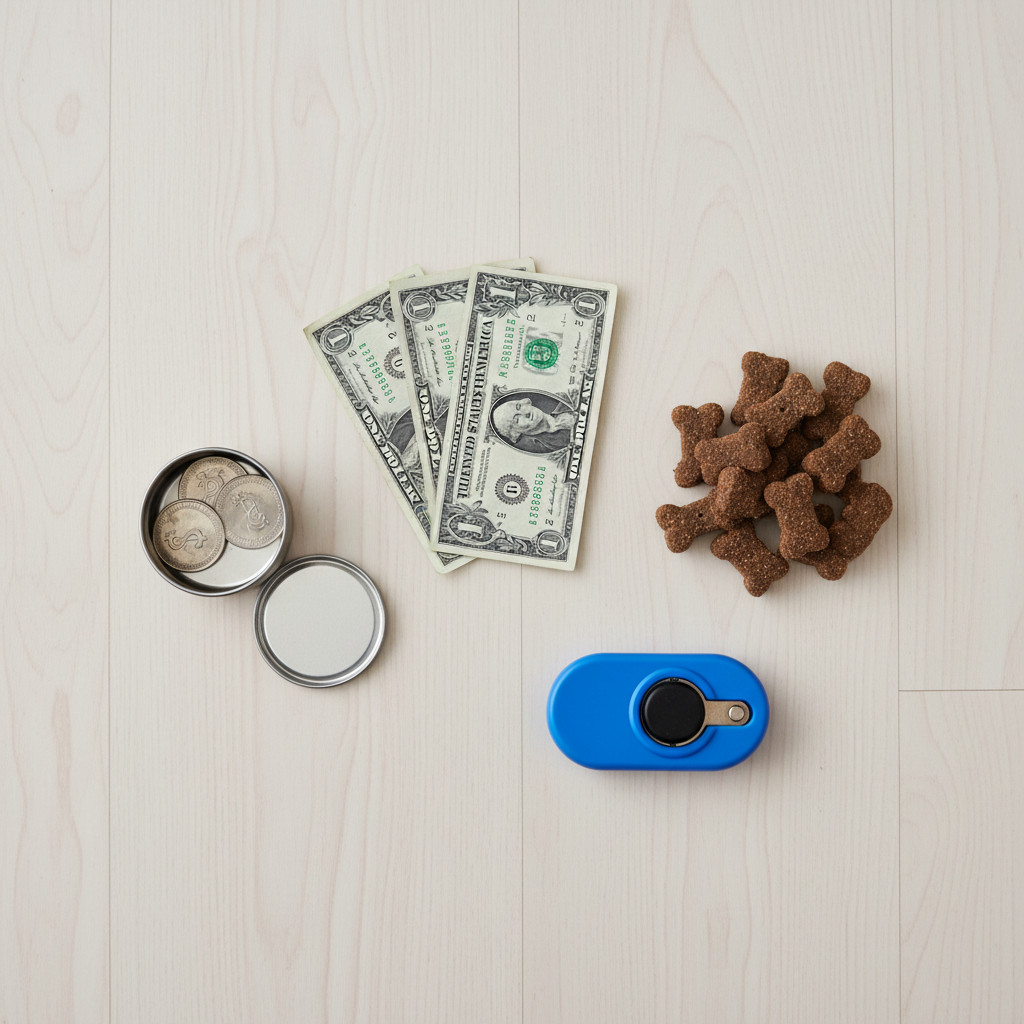
Before you can start minting a new ‘canine currency’, you’ll need to gather a few simple supplies. The key is to make the game clear and exciting for your dog from the very beginning. Here’s your treasure hunting checklist:
- Paper Money: Start with a few single dollar bills. Older, more circulated bills are often better because they carry more human scent, making them easier for your dog to detect initially.
- High-Value Treats: This is the paycheck for your pup! Use extra-special treats that your dog absolutely loves and doesn’t get all the time. Think small pieces of chicken, cheese, or their favorite smelly training treats.
- A Scent Vessel: You need something to hold the money in the beginning. This helps isolate the scent. A small, clean metal tin with holes in the lid (like an Altoids tin) or a small, breathable fabric pouch works perfectly. It’s crucial to only use this vessel for the money-finding game so your dog doesn’t get confused.
- A Clicker (Optional): If you’re familiar with clicker training, it can be a powerful tool for marking the exact moment your dog successfully identifies the scent. If not, a consistent verbal marker like a happy “Yes!” works just as well.
- A Motivated Dog: The most important ingredient! Make sure your dog is well-rested, a little hungry, and ready to play a fun game with their favorite person—you!
The Step-by-Step Guide to Finding the Green
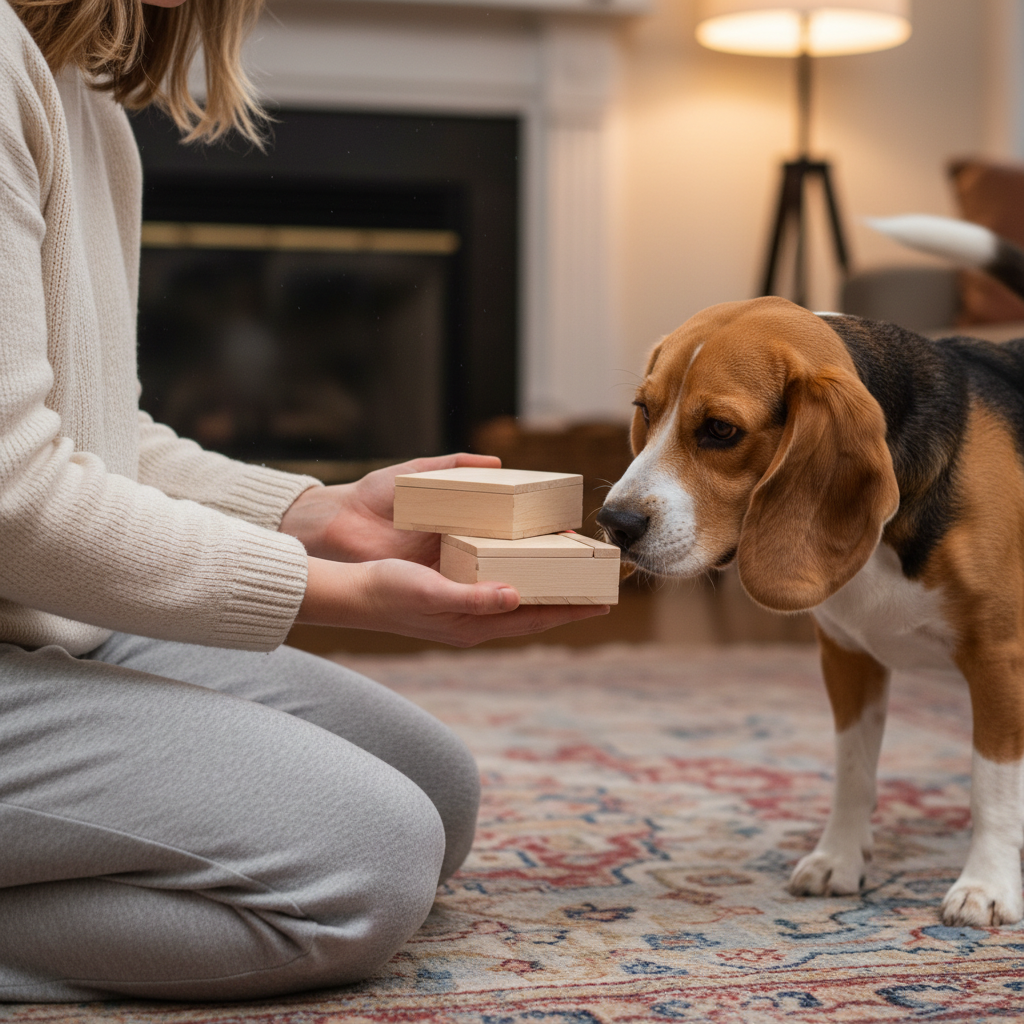
This is where the fun begins! Remember to keep your training sessions short (5-10 minutes is plenty) and always end on a positive note. The goal is to build a fun association with the smell of money.
Step 1: Charge the Scent
First, you need to teach your dog that the smell of money is fantastic. Place one or two bills inside your scent vessel. Hold the open vessel out to your dog. The moment their nose touches or sniffs it, click (or say “Yes!”) and immediately give them a high-value treat. Repeat this 10-15 times. You’re creating a simple equation in their brain: Smell of Money = Awesome Reward.
Step 2: The Shell Game
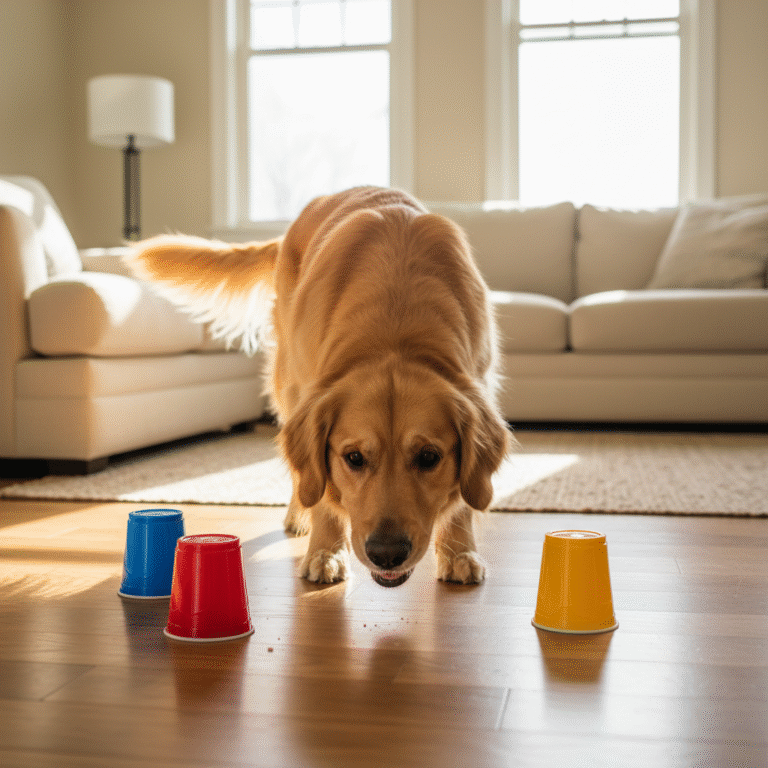
Now, let’s introduce a choice. Get two or three identical scent vessels. Place the money in only one of them. Line them up on the floor a few inches apart. Let your dog sniff them. When they show interest in the correct one (sniffing intently, pawing, or booping it with their nose), click/say “Yes!” and reward them right at the source. If they sniff the wrong one, don’t say anything; just let them keep searching until they find the right one. This teaches them to be selective.
Step 3: Add the Verbal Cue
Once your dog is consistently choosing the correct vessel, you can add a cue. Just as your dog is about to start sniffing, say your chosen phrase in an upbeat tone. Something like, “Find the cash!” or “Where’s the money?” works great. The dog will begin to associate the phrase with the action of searching for that specific scent.
Step 4: Start Simple Hides
It’s time to hide the treasure! At first, make it incredibly easy. While your dog watches, place the scent vessel partially under a pillow or next to a table leg in the same room. Give your cue, “Find the cash!”, and encourage them to search. When they find it, throw a jackpot party—lots of praise and several treats! This builds their confidence and makes the game irresistible.
Making It a Real Challenge: Advanced Hides
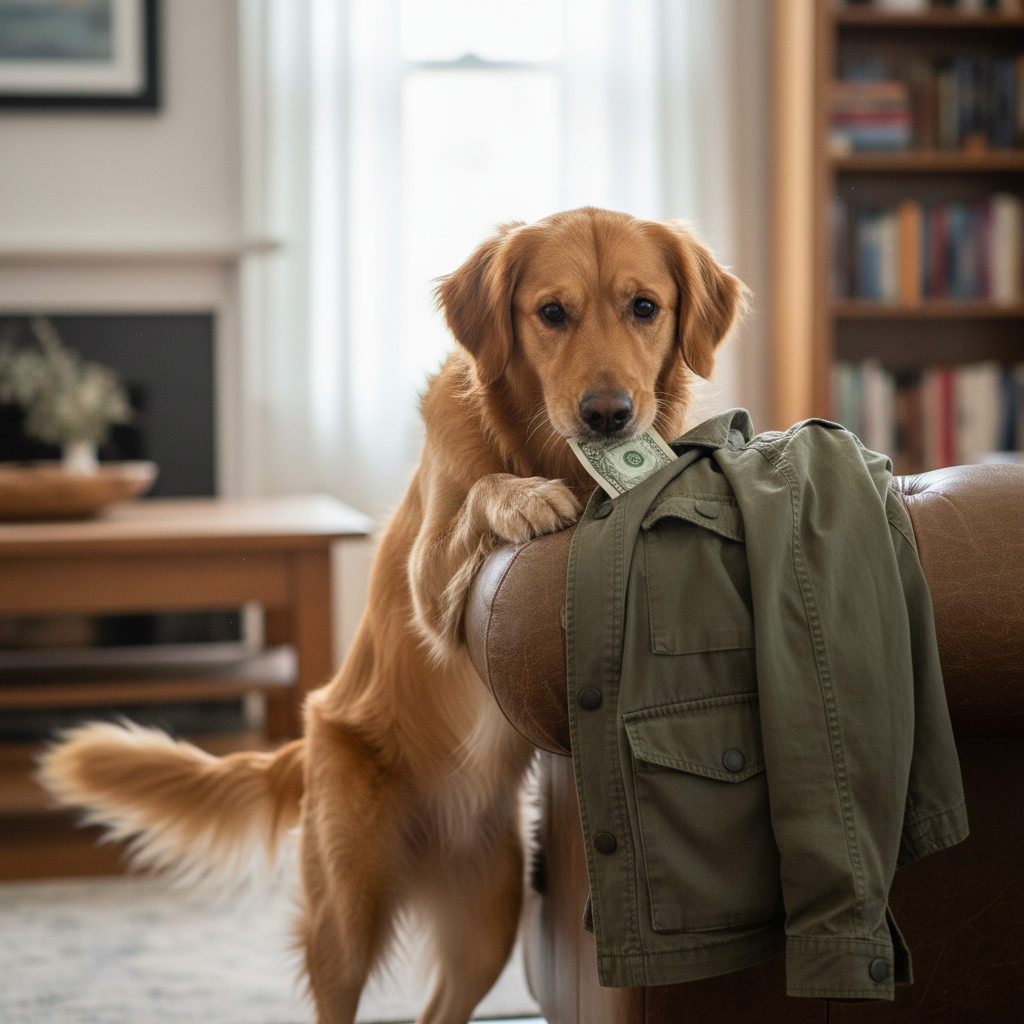
Once your dog is a pro at finding the scent vessel in plain sight, it’s time to level up the difficulty. This is where your dog’s natural abilities will truly shine. Gradually introduce these new challenges:
- Lose the Vessel: Start hiding just the folded-up bill without the container. The scent will be less concentrated, making it a tougher challenge.
- Increase Complexity: Begin hiding the money in other rooms. Start with easy spots, then move to more difficult ones, like under a rug, inside a shoe, or on a low bookshelf.
- Go Vertical: So far, the hides have been on the floor. Start placing the money on slightly elevated surfaces, like a chair seat or a low coffee table, to encourage your dog to search in three dimensions.
- Introduce Distractions: Try hiding the cash in a room with other interesting (but less rewarding) smells, like near their toy basket. This teaches them to focus on the specific scent you’ve trained.
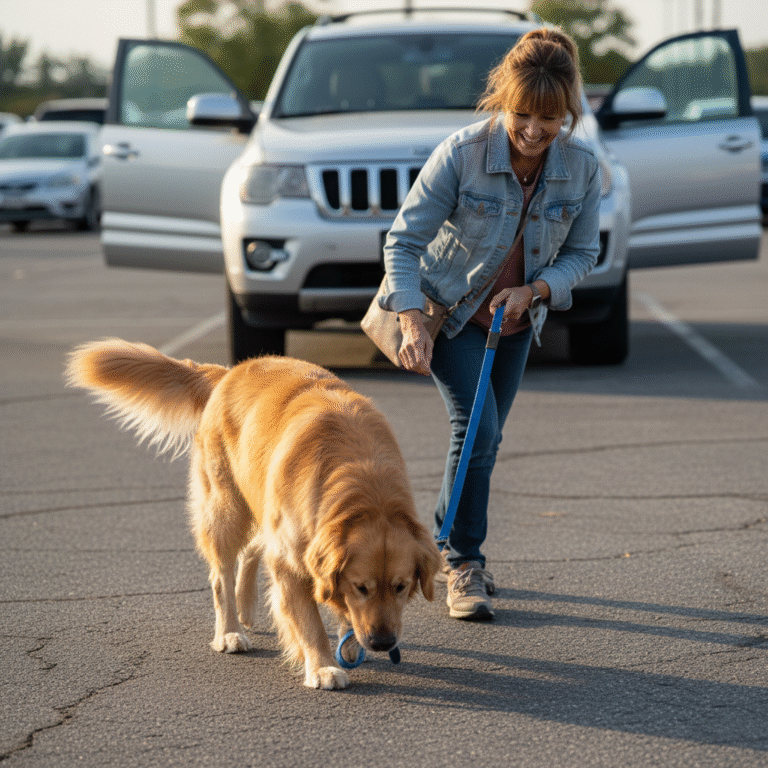
- Take it Outside: The ultimate challenge! Hiding money in the backyard introduces variables like wind and other animal smells. Start with a small, low-distraction area and celebrate big when they succeed!
Oops! Troubleshooting Common Snags
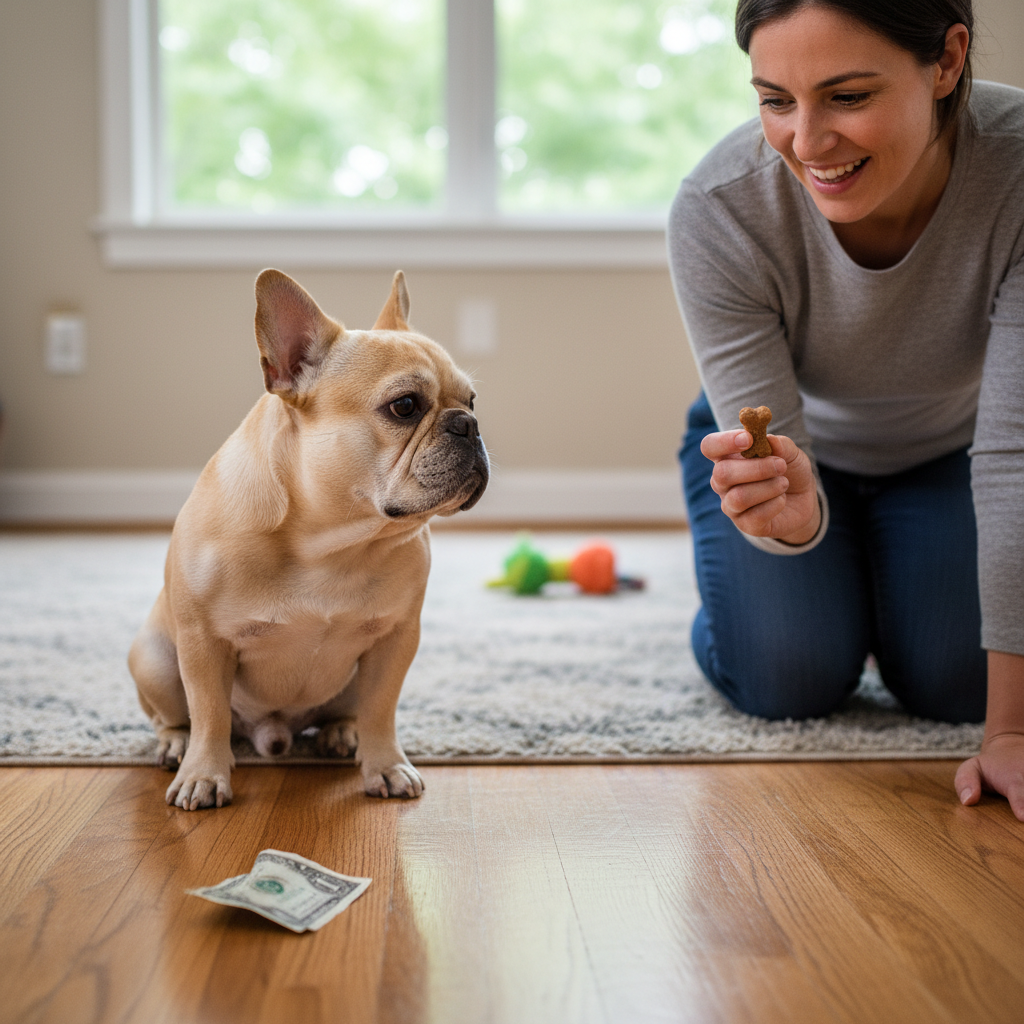
Sometimes, the treasure hunt hits a snag. Don’t worry, it happens to every trainer! Here are some common issues and how to solve them:
- My dog seems bored or uninterested.
This usually means the reward isn’t high-value enough or the sessions are too long. Try using an even more exciting treat and cut your training time down to just a few minutes per session. Always end while your dog is still having fun and wants more! - My dog keeps trying to eat the money!
This is a common one! The goal is to reward the indication, not the retrieval. If your dog picks up the bill, don’t reward them. Instead, wait for them to perform a different behavior, like pawing at it, nosing it, or sitting in front of it. Reward that behavior instead. You are teaching them, “Show me where it is, don’t bring it to me.” - My dog gets frustrated and gives up.
This is a sign that you’ve made the game too hard, too fast. Confidence is key in scent work. Go back a few steps to a level where they were wildly successful. Do several super easy hides to rebuild their confidence and remind them how fun the game is, then slowly increase the difficulty again.
Expert Tip: Always secure your ‘training cash’ after a session. You don’t want your dog to generalize their new skill and start pulling bills out of your wallet or a guest’s purse! This game should only be played when you give the specific cue.
Conclusion
Congratulations, you now have all the tools to teach your dog one of the most unique tricks on the block! Training your dog to find cash is more than just a novelty; it’s a powerful way to enrich their lives, build their confidence, and strengthen the bond you share. It satisfies their innate desire to use their nose and gives them a ‘job’ to do. Remember to always keep it positive and fun. The real treasure, after all, isn’t the dollar bill they find, but the incredible time you spend together on the hunt.