Eat This, No Fleas: The ACV Gummy Hack Vet Techs Love
Flea season can feel like a never-ending battle for dog owners. You’ve tried the collars, the spot-on treatments, and the endless vacuuming, but those pesky critters just keep coming back. It’s frustrating! What if there was a simple, natural trick that could help make your pup less appealing to fleas from the inside out? Well, you might want to listen up, because there’s a little secret that’s been buzzing around vet clinics and dog parks: the Apple Cider Vinegar (ACV) gummy hack.
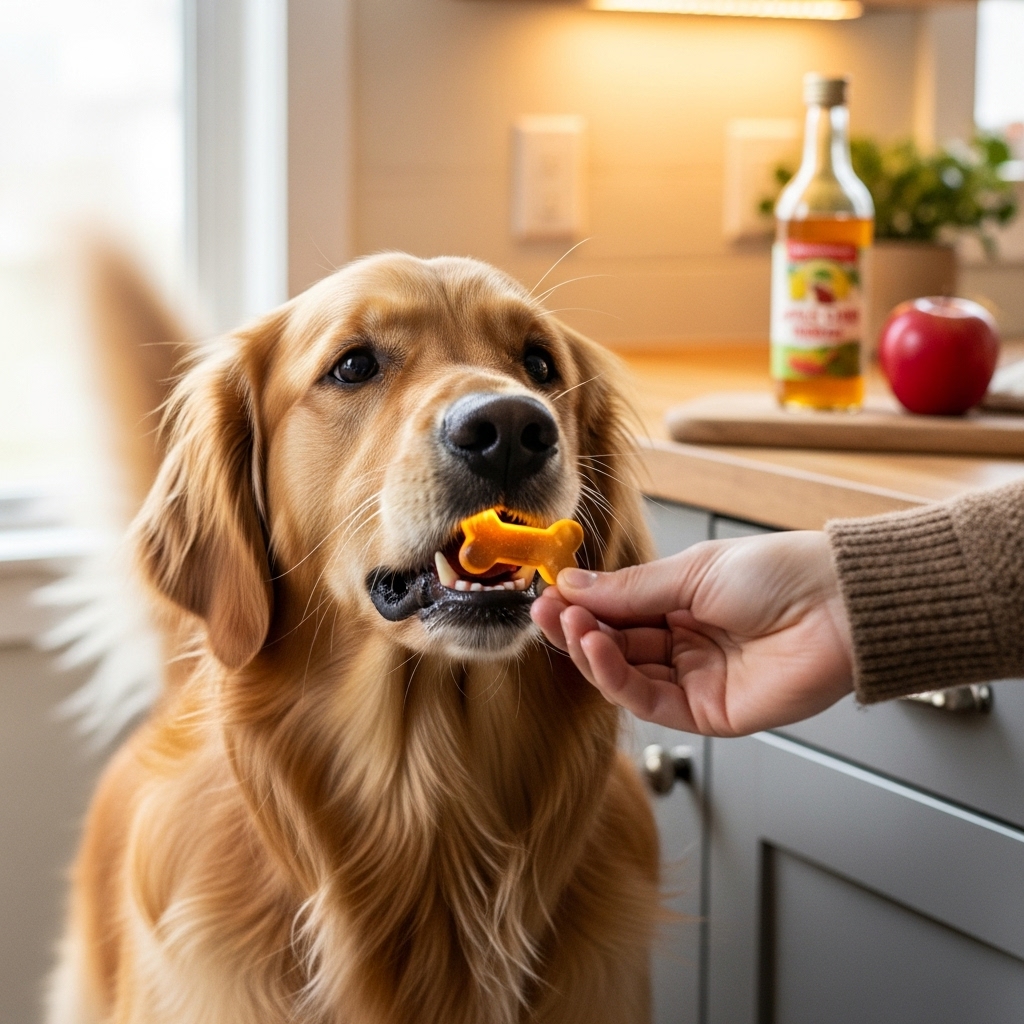
It sounds almost too good to be true, right? A tasty little treat that helps ward off fleas? Many vet techs and holistic-minded pet parents swear by it as part of their flea-fighting arsenal. In this guide, we’re going to dive deep into this popular hack. We’ll explore why it might work, give you a super simple DIY recipe, talk about the crucial safety measures, and give you the real scoop on whether this is a miracle cure or just a helpful sidekick in your pest-prevention plan.
What’s the Buzz About Apple Cider Vinegar for Fleas?

So, how can a kitchen staple like apple cider vinegar possibly help with fleas? The theory isn’t about magic; it’s about chemistry. The idea is that feeding your dog small, safe amounts of ACV can slightly alter the acidity of their skin and blood, making them less tasty and hospitable to fleas and ticks. Think of it like this: you’re turning your dog into a walking ‘No Vacancy’ sign for pests.
It’s important to be realistic about what ACV can and can’t do. Apple cider vinegar is a repellent, not a pesticide. This means it won’t kill existing fleas that are already having a party on your pet. Instead, it works to make your dog an unappealing target for new fleas looking for a home. Many proponents believe that this subtle change in your dog’s scent and skin pH is just enough to make a flea say, ‘Nope, I’ll try the dog next door instead.’
The goal of using ACV is to make your dog’s system less attractive to pests. It’s a proactive measure, not a reactive solution for a full-blown infestation.
When choosing an ACV, always opt for one that is raw, organic, and unfiltered, containing ‘the mother.’ This cloudy substance is a cluster of beneficial bacteria and enzymes, which is where many of the purported health benefits come from.
The Vet Tech ‘Gummy Hack’: A Super Simple DIY Recipe
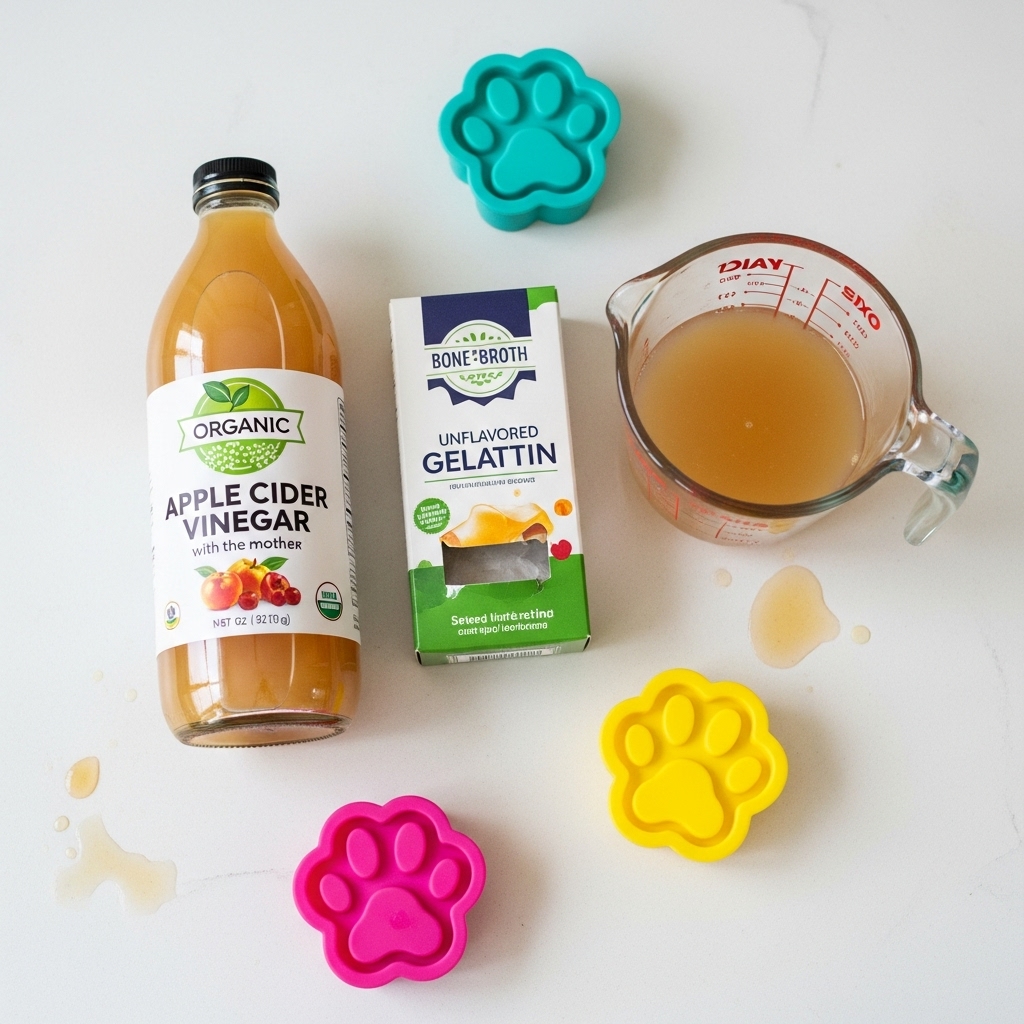
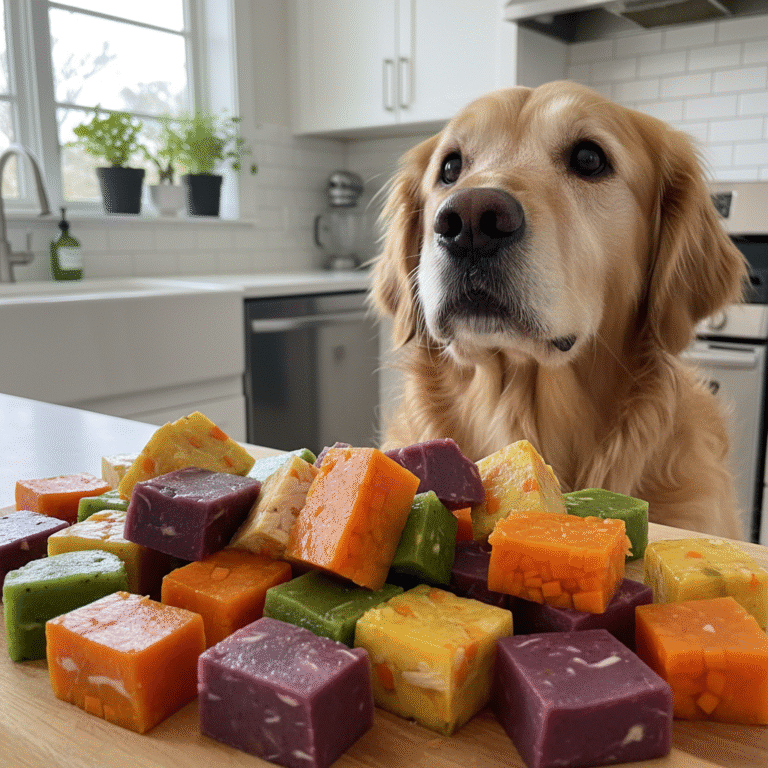
Ready to try making these buzzed-about treats? It’s easier than you think! This recipe uses just a few simple ingredients and is a great way to control exactly what your dog is eating. Plus, turning it into a gummy makes it way more palatable than just adding liquid vinegar to their food.
What You’ll Need:
- Silicone molds (paw prints or small bone shapes are perfect!)
- 1/2 cup of warm water or, for extra flavor, low-sodium chicken or beef bone broth
- 1/4 cup of raw, unfiltered apple cider vinegar (with ‘the mother’)
- 2 tablespoons of unflavored gelatin (make sure it does not contain xylitol or any other artificial sweeteners)
The Steps:
- Bloom the Gelatin: Pour the warm water or bone broth into a small bowl. Sprinkle the gelatin evenly over the top and let it sit for about 5 minutes. It will absorb the liquid and ‘bloom,’ becoming thick and jelly-like.
- Gently Heat: Place the bowl of bloomed gelatin over a small pot of simmering water (like a double boiler) or microwave it in 10-second intervals until the gelatin is completely dissolved and liquid again. Do not let it boil!
- Mix in the ACV: Remove the mixture from the heat and let it cool down for a minute or two. Once it’s no longer piping hot, stir in the apple cider vinegar. This is important—adding it while the mixture is too hot can destroy some of the beneficial properties of the raw ACV.
- Fill the Molds: Carefully pour the liquid mixture into your silicone molds. A small dropper or a measuring cup with a spout can make this process much cleaner.
- Chill Out: Place the molds in the refrigerator for at least 2-3 hours, or until the gummies are completely firm.
- Store ‘Em: Once firm, pop the gummies out of the molds. Store them in an airtight container in the refrigerator for up to two weeks.
Safety First: Potential Risks and What to Watch For
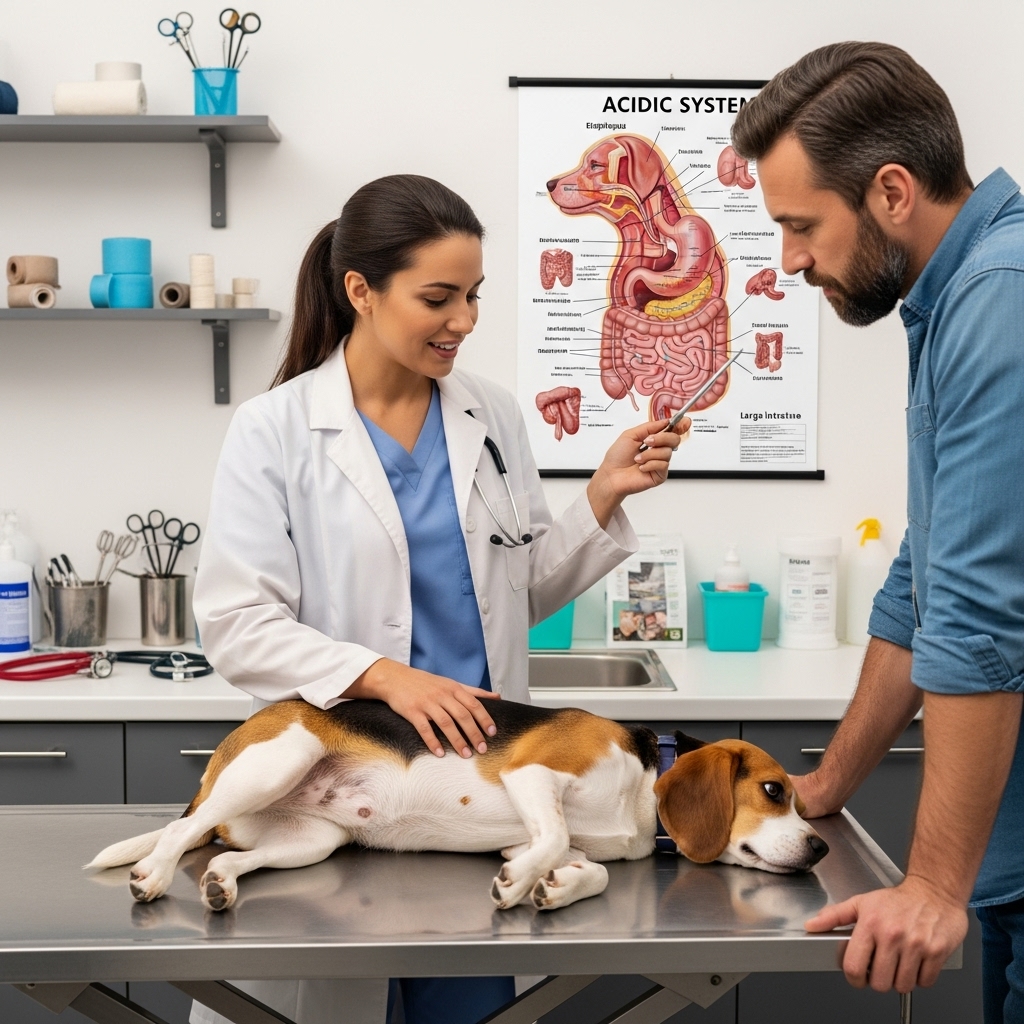
Before you start handing out these gummies like candy, let’s have a serious chat about safety. While ACV is natural, that doesn’t automatically mean it’s risk-free for every dog. The key is moderation and observation.
Apple cider vinegar is acidic, which is the source of its benefits and its potential risks. Too much can lead to a few problems:
- Stomach Upset: The most common side effect is gastrointestinal distress. The acidity can be harsh on your dog’s stomach lining, potentially causing vomiting or diarrhea.
- Tooth Enamel Erosion: Just like with acidic foods for humans, prolonged exposure to ACV can potentially erode tooth enamel over time.
- Interference with Health Conditions: Dogs with kidney disease or chronic bladder issues may not be good candidates for ACV, as it can affect their body’s pH levels. Always consult your vet if your dog has any pre-existing health conditions.
When you first introduce the gummies, start slow. Give your dog just one and watch for any adverse reactions for the next 24 hours. Look for signs of discomfort like:
- Vomiting or diarrhea
- Loss of appetite
- Excessive drooling or lip-licking
- Lethargy
If you notice any of these signs, stop giving the gummies and chat with your vet. This hack isn’t a good fit for every dog, and that’s okay! Their safety is always the top priority.
How Much is Too Much? A Guide to Serving Size
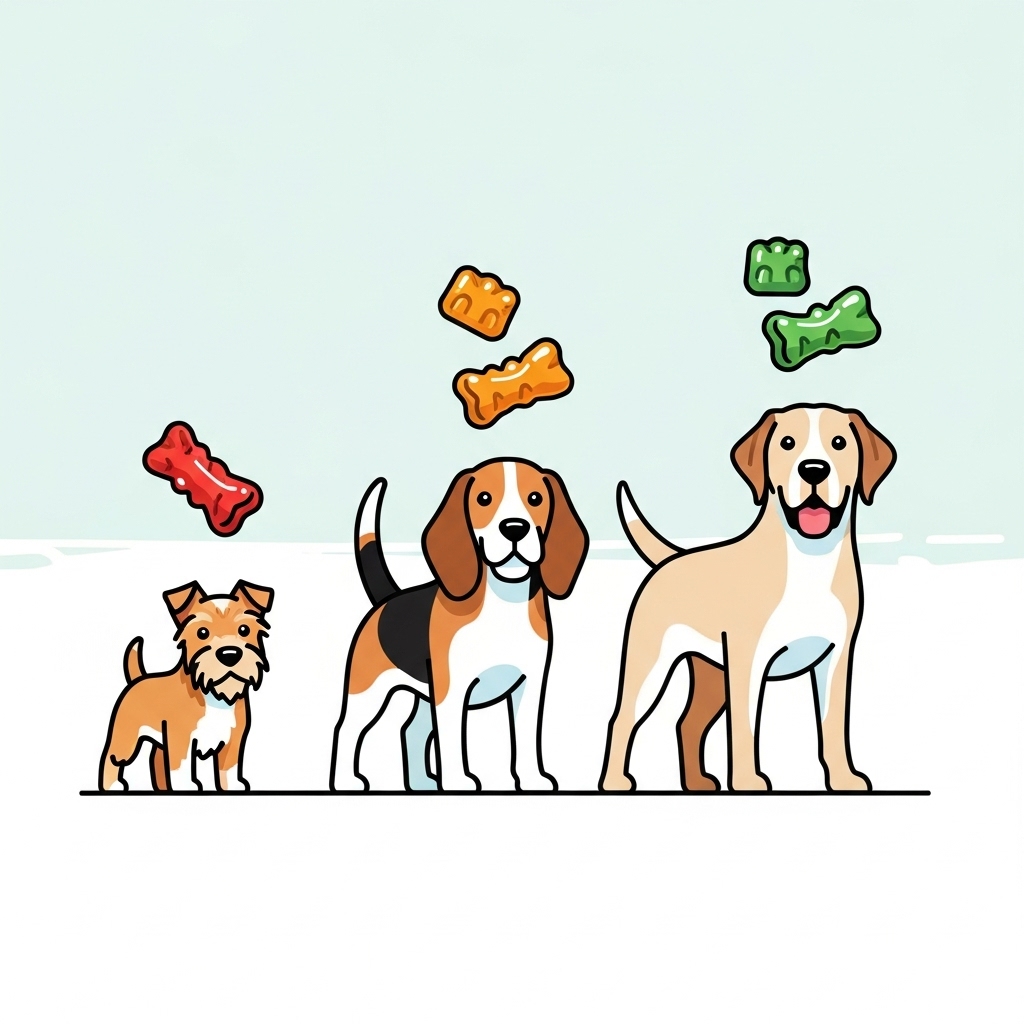
Dosage is everything when it comes to supplements, and ACV is no exception. You don’t want to overdo it. The recipe above creates small gummies, and the right number to give your dog depends entirely on their size. The following is a general guideline, but the golden rule is to start with less and consult your veterinarian.
Here’s a simple chart to help you determine a good starting point:
| Dog’s Weight | Recommended Daily Serving |
|---|---|
| Under 15 lbs (e.g., Chihuahua, Yorkie) | 1/2 gummy per day |
| 15 – 40 lbs (e.g., Beagle, Corgi) | 1 gummy per day |
| 41 – 80 lbs (e.g., Labrador, Boxer) | 2 gummies per day |
| Over 80 lbs (e.g., Great Dane, Mastiff) | 2-3 gummies per day |
Remember, these are treats with a purpose. They shouldn’t be the only treats your dog gets, and they should be factored into their overall daily caloric intake. If you have any doubts, a quick call to your vet clinic can provide peace of mind and a personalized recommendation for your furry friend.
Conclusion
So, is the ACV gummy hack the ultimate flea-fighting superhero? Well, maybe more like a trusty sidekick. While many pet owners have seen great success using these gummies to make their dogs less attractive to fleas, it’s crucial to remember that this is a supplementary tool, not a standalone solution. It’s a fantastic addition to an integrated pest management plan that should still include regular checks, a clean environment, and, most importantly, a reliable, veterinarian-approved flea and tick preventative, especially if you live in a high-risk area.
The ACV gummy hack is a fun, easy, and potentially beneficial way to give your dog an extra layer of natural protection. By following the recipe, paying close attention to safety, and keeping your vet in the loop, you can confidently see if this popular trick works for your beloved companion. Here’s to a happier, healthier, and hopefully, flea-free season!