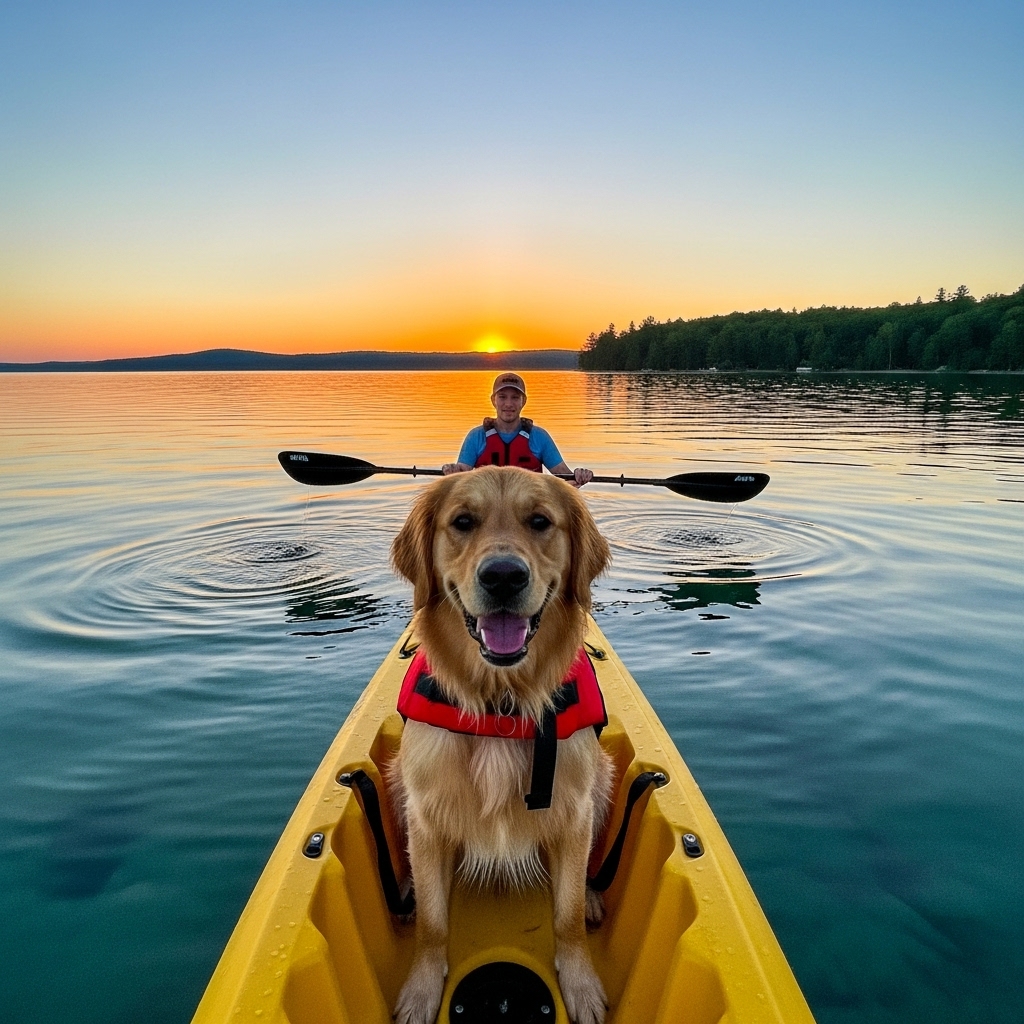
Don’t Capsize! How To Train Your Dog To Sit Still In A Kayak Or Canoe
There’s nothing quite like gliding across a calm lake, paddle in hand, with your best furry friend along for the ride. It’s the picture-perfect moment many dog owners dream of. But the reality can sometimes be… well, a bit more chaotic. A wiggly, excited, or anxious dog in a small watercraft can quickly turn a peaceful paddle into a nerve-wracking balancing act, or worse, an unexpected swim! The good news is that with a little patience and the right approach, you can teach almost any dog to be a fantastic co-pilot. This guide will walk you through, step-by-step, how to train your dog to sit still and enjoy the journey, ensuring your adventures are safe, fun, and capsize-free.
Gearing Up: Your Doggy Paddling Starter Kit
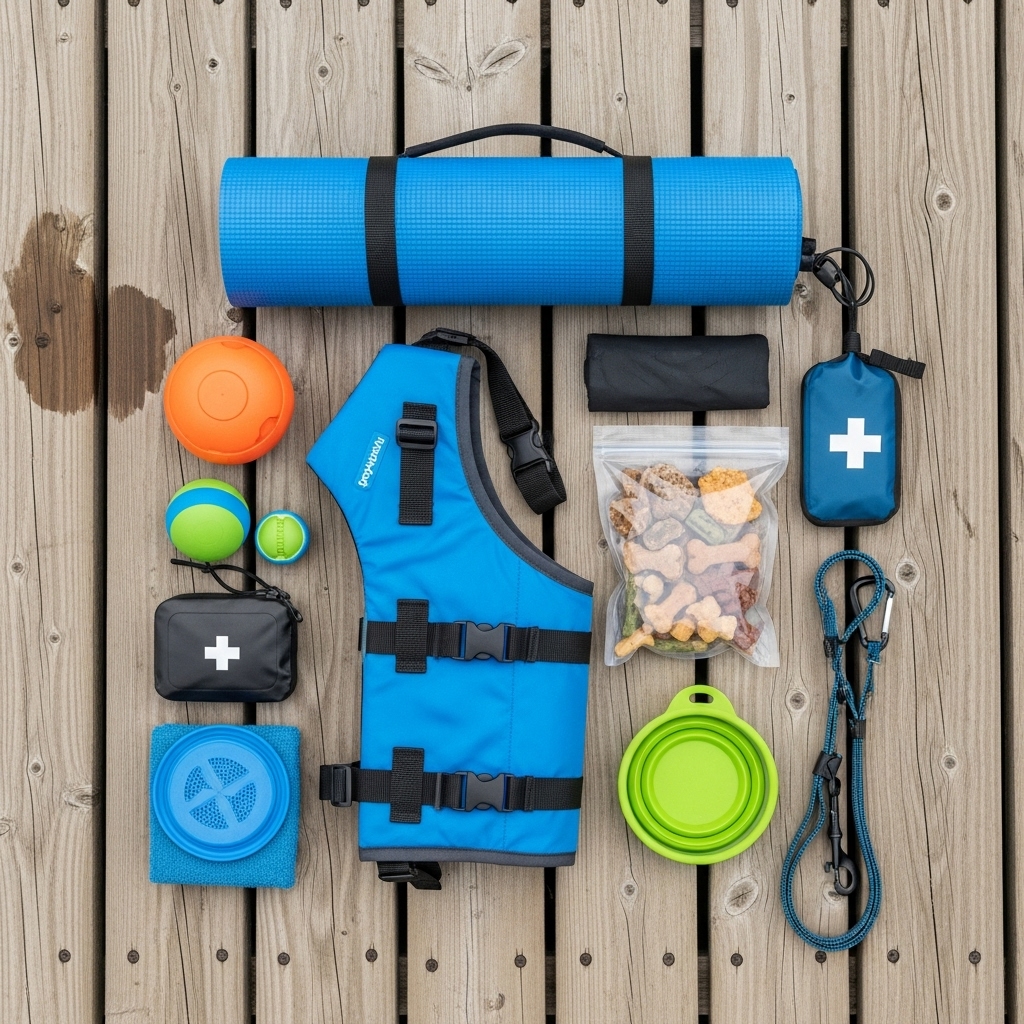
Before you even think about getting near the water, setting you and your pup up for success starts with having the right gear. Safety and comfort are paramount, and these items will make the training process smoother and the actual trips much more enjoyable for everyone involved.
Essential Equipment:
- Canine Personal Flotation Device (PFD): This is non-negotiable. Even strong swimmers can get into trouble if they fall out unexpectedly, become disoriented, or get tired. A well-fitting doggy PFD with a sturdy handle on the back is a lifesaver—literally. The handle makes it much easier to lift your dog back into the boat if they take a plunge.
- Non-Slip Mat: The surface of a kayak or canoe is often slick plastic or fiberglass. A non-slip surface, like a piece of yoga mat, a rubber bath mat, or a specially designed canine traction pad, gives your dog a secure place to sit or lie down without sliding around with every little movement.
- High-Value Treats: Forget the standard kibble. You need extra-special, super-tasty treats to create a strong positive association with the boat. Think small pieces of chicken, cheese, or their absolute favorite training treats.
- Water and a Collapsible Bowl: Paddling is thirsty work! Always bring fresh water for your dog to prevent them from drinking lake or river water, which can contain harmful bacteria or parasites.
- A Leash (but use it wisely): You’ll need a leash for getting to and from the water, but never tie your dog to the boat. If you capsize, a tethered dog can become dangerously entangled. Keep the leash on hand, but not attached to your pup or the boat once you’re on the water.
Expert Tip: Let your dog wear their new PFD around the house for short periods before your first trip. This helps them get used to the feel of it, so it’s not a strange new thing on an already exciting day.
Step 1: Land-Based Training – Making the Boat a Happy Place
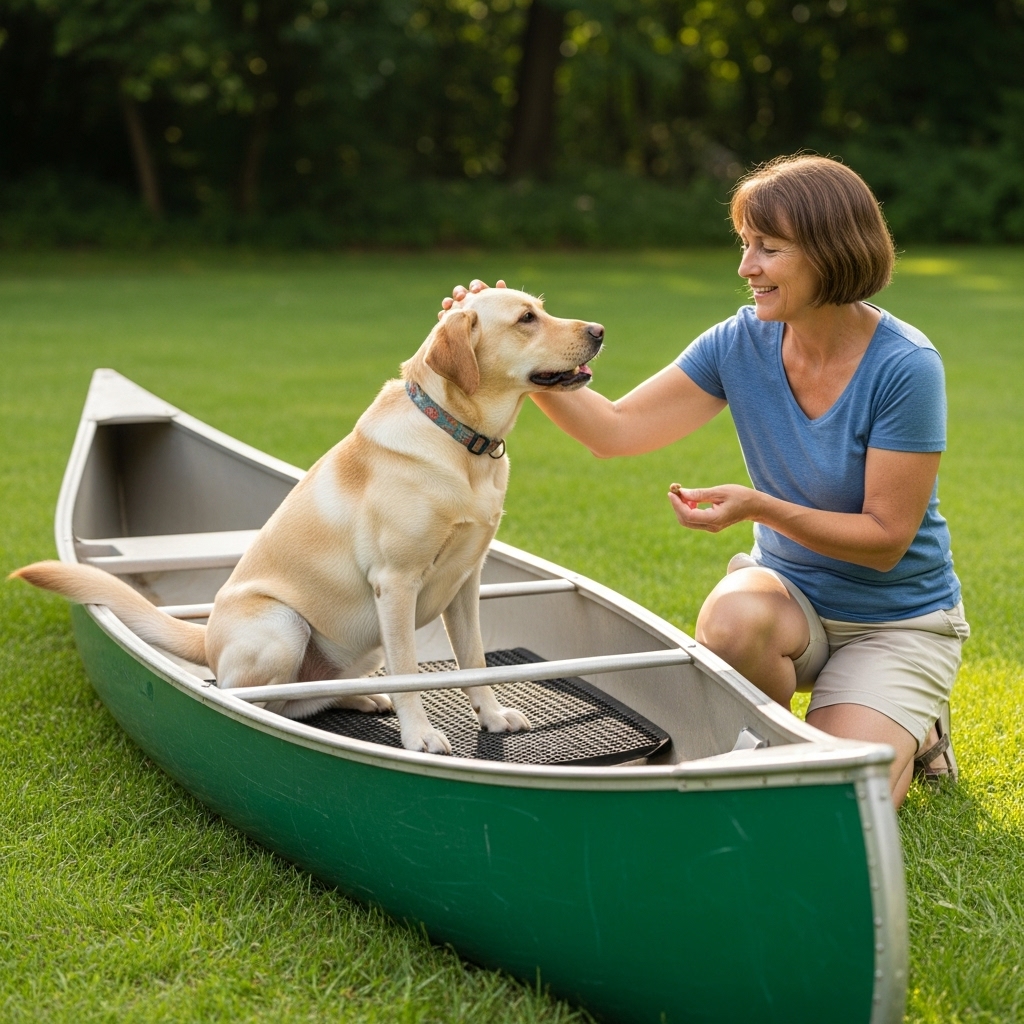
The absolute most important phase of training happens on dry land. The goal here is to introduce the kayak or canoe as a fun, safe, and rewarding place to be, long before water and movement are added to the equation.
Place your boat in a familiar, low-distraction area like your backyard or living room.
- Initial Introduction: Let your dog sniff and explore the boat on their own terms. Don’t force them near it. Drop tasty treats around and inside the boat to encourage them to get closer. The boat should predict wonderful things!
- Getting In and Out: Encourage your dog to hop in. You can use a treat as a lure. The moment they put even one paw inside, praise them enthusiastically and give them a treat. Work up to all four paws. Practice getting in and out on cue.
- The ‘Place’ Command: Once your dog is comfortable getting in the boat, it’s time to teach them where their spot is. Guide them to the non-slip mat and give your ‘place’ or ‘settle’ command. Reward them for sitting or lying down on the mat.
- Building Duration: Start with just a few seconds of them staying in their spot before you reward and release them. Gradually increase the duration. Your goal is to have them stay calmly in the boat for several minutes while you move around it, sit in your own seat, and even pick up a paddle.
Keep these land-based sessions short and positive, just 5-10 minutes at a time. You want to end each session before your dog gets bored or antsy.
Step 2: Introducing Water – From the Shore to the Shallows
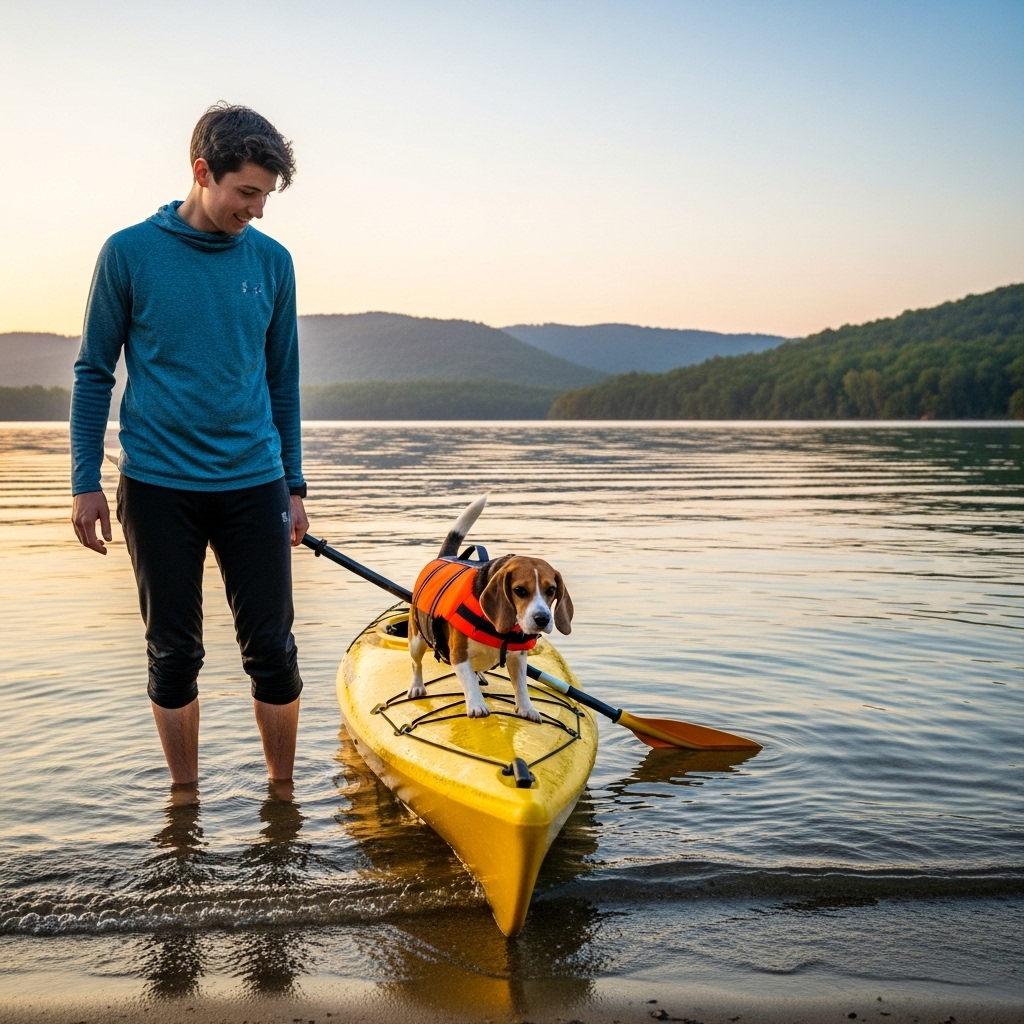
Once your dog is a rockstar at chilling in the boat on land, it’s time to add a little wobble. This step bridges the gap between the stable environment of your backyard and the dynamic environment of open water.
Gradual Water Acclimation:
- Move to the Water’s Edge: Carry your boat down to the shore of a calm body of water, like a small lake or pond. Place it so it’s partially in the water, but still firmly grounded.
- Repeat Land Drills: With the boat at the water’s edge, repeat the training from Step 1. Ask your dog to get in, go to their ‘place,’ and settle. The boat will move slightly, which is a new sensation. Reward them generously for their calmness.
- Push into the Shallows: Once they are comfortable, push the boat into shallow water where you can still stand easily beside it. Hold the boat steady and have your dog practice getting in and settling. Let them feel the gentle rocking motion of the water while you provide stability and reassurance.
- You Get In: While in the shallows, get into your seat while your dog is in their spot. This will create more movement. Praise and reward them for staying calm. Don’t pick up a paddle yet; just sit together and let them get used to the feeling.
Safety Check: This is the point where your dog should be wearing their PFD for every session. It normalizes the gear and ensures they’re safe from the very first moment they’re on the water.
Step 3: The Maiden Voyage – Short, Sweet, and Successful
This is the moment you’ve been working towards! Your dog is comfortable, you have your gear, and you’re ready to paddle. The key to the first real trip is to keep it incredibly short and overwhelmingly positive.
Your First Paddle Together:
- Choose Your Day Wisely: Pick a day with calm weather and calm water. Avoid windy conditions or areas with lots of boat traffic. A quiet morning or evening is often best.
- Launch and Load: Get your dog settled in the boat first while it’s in the shallows, then get in yourself.
- Paddle Out: Push off from shore and paddle just 15-20 feet out. Paddle slowly and speak to your dog in a calm, happy voice. Shower them with praise for staying seated.
- The First ‘Stay’: After a minute or two of gentle paddling, stop, give them a high-value treat for being so good, and then paddle back to shore.
- End on a High Note: The goal is to end the trip before your dog has a chance to get restless or anxious. The entire first ‘voyage’ might only be 5 minutes long, and that’s perfect! You’re building a foundation of calm success.
You can gradually increase the length of your trips as your dog proves they can handle it. A 5-minute trip becomes a 10-minute trip, then a 20-minute trip, and so on. Always watch your dog’s body language and be ready to head back if they seem stressed.
Troubleshooting: When Your Paddling Pup Goes Rogue
Even with the best training, problems can pop up. Here’s how to handle some common challenges you might face on the water.
Common Problems and Solutions:
- My dog won’t stop whining or barking.
This is often a sign of over-excitement or anxiety. If this happens, shorten your trips. You may have progressed too quickly. Bring a special chew toy or a lick mat with frozen peanut butter that they only get in the boat to keep them occupied and build a positive association. - My dog keeps trying to jump out!
This is a major safety concern. It usually means your dog isn’t ready for longer trips yet. Go back to shallow water practice. Practice rewarding heavily for duration ‘stays.’ If they jump out, use the handle on their PFD to calmly and safely guide them back to shore and into the boat. Don’t make a big game out of it. - My dog lunges at ducks, fish, or things on shore.
This is where a solid ‘leave it’ command comes in handy. Practice this command on land until it’s proofed. On the water, be proactive. If you see a potential trigger, get your dog’s attention with a treat or command before they react. If they do lunge, the boat will wobble. Your job is to stay calm, counterbalance, and redirect their attention back to you. - My dog stands up and moves around too much.
This goes back to foundation training. They need a stronger ‘place’ or ‘settle’ command. Don’t be afraid to go back to dry land training to reinforce that their one job in the boat is to stay on their mat. A wobbly boat is often a natural consequence that helps them learn that sitting or lying down is more stable and comfortable.
Conclusion
Training your dog to be a calm and confident paddling partner is a gift you give to both of you. It opens up a whole new world of shared adventures and strengthens your bond. Remember that the key ingredients are always patience, consistency, and a whole lot of positive reinforcement. Every dog learns at a different pace, so celebrate the small victories and don’t get discouraged by setbacks. Start on land, take it slow, keep it fun, and prioritize safety above all else. Before you know it, you’ll be gliding across the water in perfect harmony, creating memories that will last a lifetime. Happy paddling!