Dog-Safe Hummus: The Protein Packed Chickpea Topper
There’s nothing quite like sharing a snack with your best friend. But when that friend has four paws and a tail, sharing your human food can get a little tricky. You see the tub of hummus, and you wonder, ‘Can my dog have a little lick?’ It’s a common question for pet parents who love this creamy chickpea dip. The short answer for store-bought hummus is a firm no. But the great news? You can easily whip up a version that’s not only safe for your pup but also packed with health benefits. Let’s dive into the world of dog-safe hummus and learn how to make a tasty topper that will make mealtime extra special!
Why Traditional Hummus is a Hazard in the Hound House
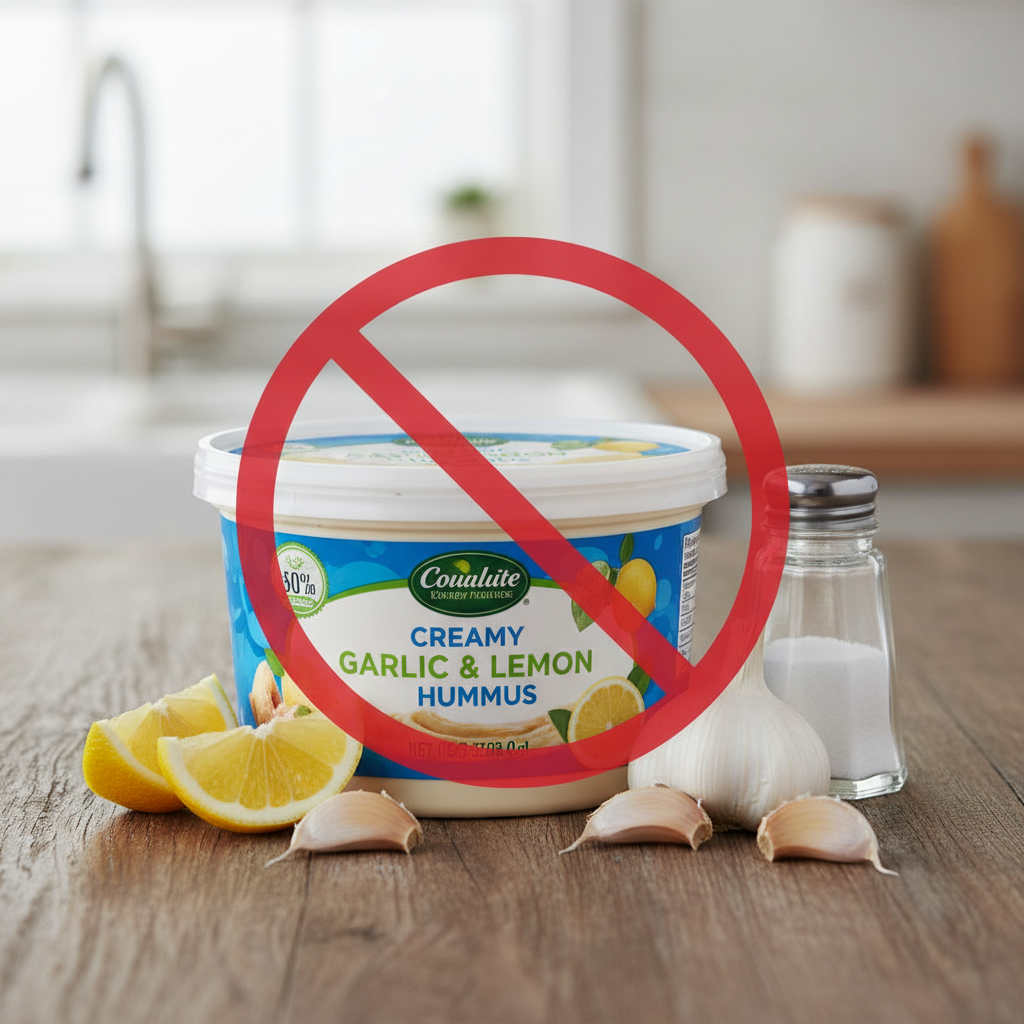
Before we get to the fun part (the recipe!), it’s crucial to understand why the hummus you buy at the grocery store is off-limits for your dog. It’s not the chickpeas that are the problem; it’s all the other ingredients mixed in that can cause serious trouble.
The Problematic Ingredients:
- Garlic: This is a big one. Garlic, along with onions, leeks, and chives, is part of the Allium family, which is toxic to dogs. It can damage their red blood cells, leading to anemia. Even small amounts, especially in powdered form, can be harmful over time.
- Lemon Juice: While a tiny amount might not cause harm, the high acidity of lemon juice can upset your dog’s stomach, leading to vomiting or diarrhea. The psoralen compounds in citrus fruits can also be problematic in larger quantities.
- Tahini: Tahini itself (ground sesame seeds) isn’t toxic, but it’s very high in fat. A high-fat diet can lead to pancreatitis in dogs, a painful and potentially life-threatening condition. It’s best to avoid it.
- High Sodium: Human-grade hummus is often loaded with salt. Too much sodium can lead to dehydration, high blood pressure, and in severe cases, sodium ion poisoning in dogs.
- Preservatives and Oils: Many commercial hummus brands contain preservatives and oils that aren’t ideal for your dog’s digestive system.
Expert Tip: Always read ingredient labels on any human food you consider sharing. If you see garlic, onion, xylitol, or high salt content, keep it far away from your furry friend.
The Power of the Plain Chickpea
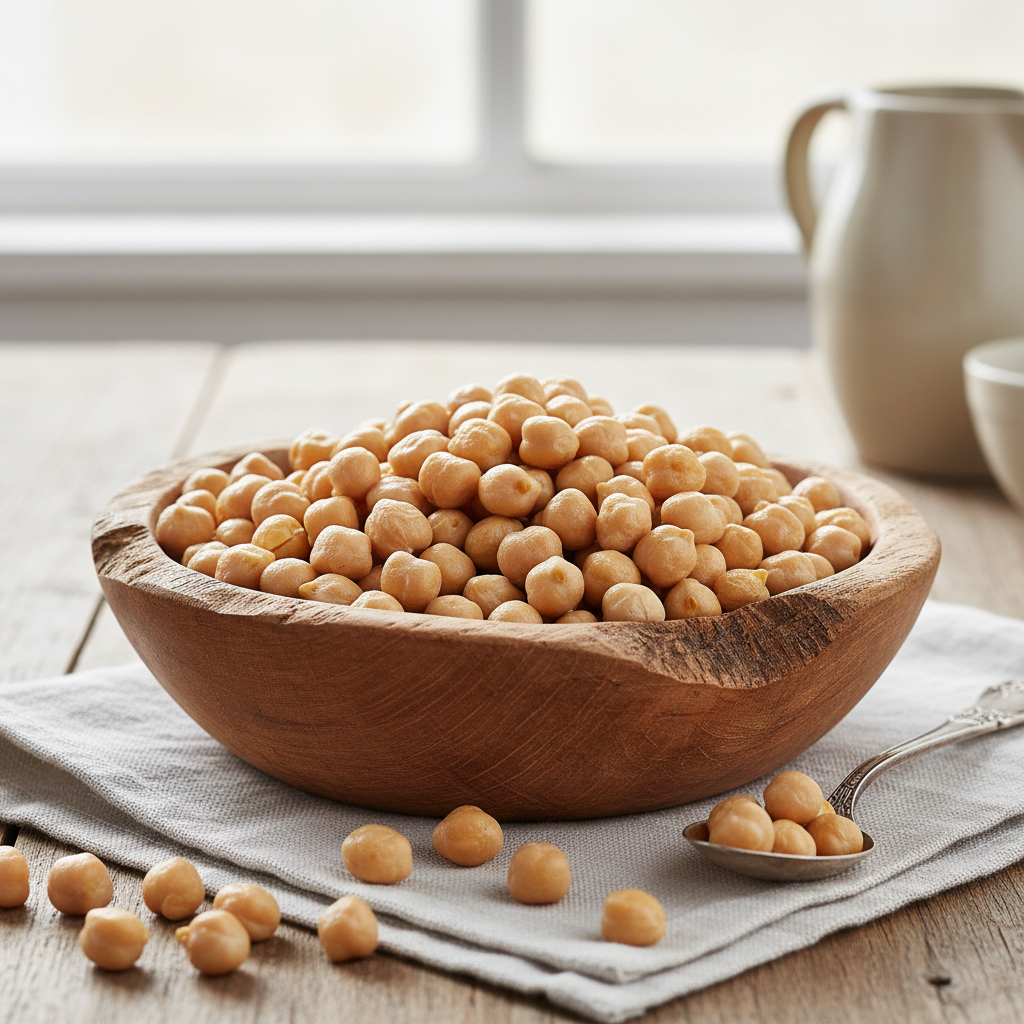
Now for the good news! The star of hummus, the chickpea (or garbanzo bean), is perfectly safe and even healthy for dogs when prepared correctly. These little legumes are a fantastic source of plant-based protein and are packed with beneficial nutrients.
Nutritional Benefits for Your Pup:
- Plant-Based Protein: An excellent source of protein to help maintain and build strong muscles.
- Dietary Fiber: Chickpeas are rich in fiber, which aids in healthy digestion and promotes regular bowel movements. It can also help your dog feel full and satisfied.
- Vitamins and Minerals: They contain essential nutrients like potassium, magnesium, and folate, which support everything from heart health to cell function.
- Low in Fat: Unlike many protein sources, plain chickpeas are naturally low in fat, making them a lean addition to your dog’s diet.
The key is preparation. Chickpeas should always be cooked plain, with no salt or seasonings, and served in moderation. Canned chickpeas are okay, but you must rinse them thoroughly to remove as much of the added sodium as possible. For peace of mind, starting with dry chickpeas and cooking them yourself is the best option.
Recipe: The Ultimate Dog-Friendly Hummus
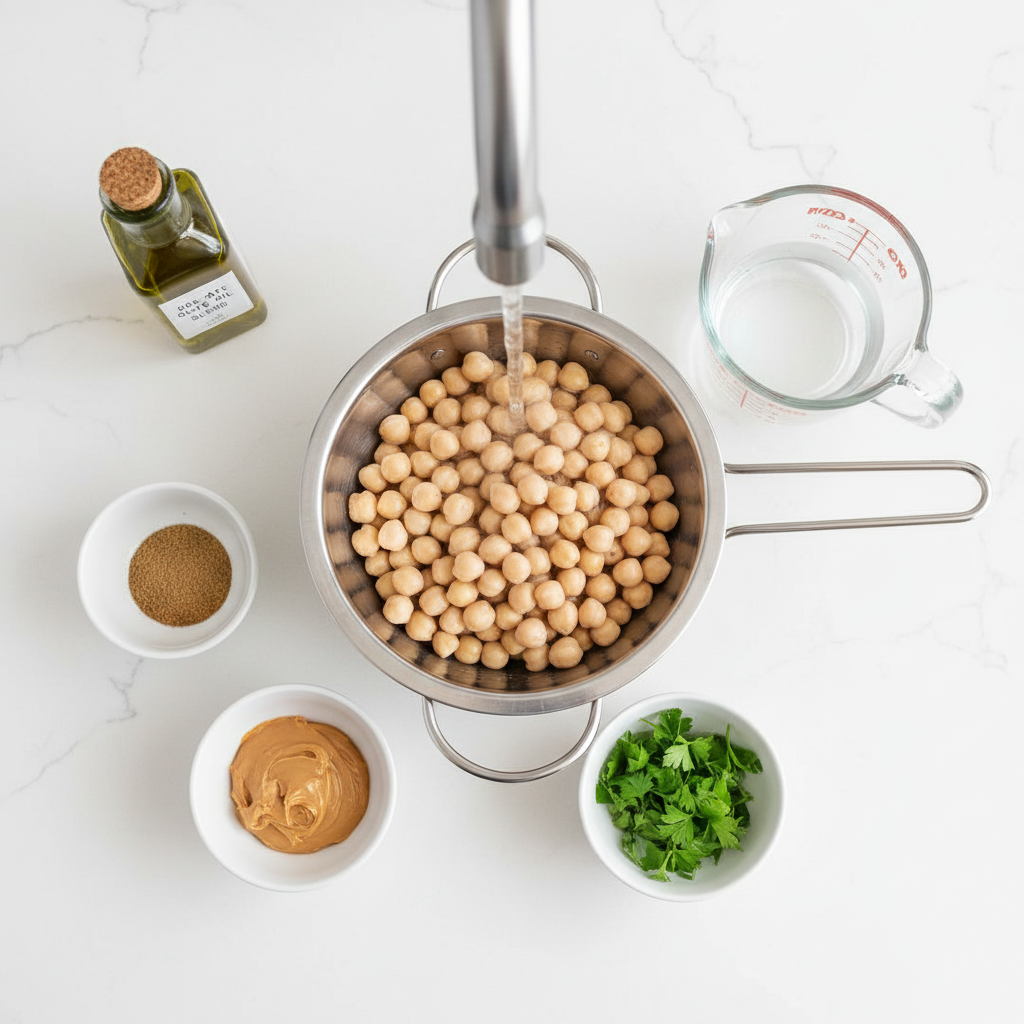
Ready to get cooking? This recipe is incredibly simple and takes just a few minutes to blend together. Your dog will thank you for it!
What You’ll Need:
- 1 (15-ounce) can of chickpeas, no salt added (or low sodium, rinsed and drained very well)
- 1/4 cup of water (or more, for desired consistency)
- 1 tablespoon of olive oil or flaxseed oil (optional, good for coat health)
- A small handful of dog-friendly herbs like parsley (optional, for fresh breath)
Step-by-Step Instructions:
- Rinse Well: If using canned chickpeas, pour them into a colander and rinse them under cool water for at least a minute. This helps wash away the excess sodium from the canning liquid.
- Combine Ingredients: Place the rinsed chickpeas, 1/4 cup of water, and the optional oil and parsley into a food processor or a high-powered blender.
- Blend Until Smooth: Blend the ingredients until they form a smooth, creamy paste. If the mixture is too thick, add more water, one tablespoon at a time, until you reach a consistency similar to traditional hummus.
- Serve or Store: Your dog-safe hummus is ready! You can serve it immediately or store it in an airtight container in the refrigerator for up to 3-4 days.
Serving Suggestions & Safe Portions
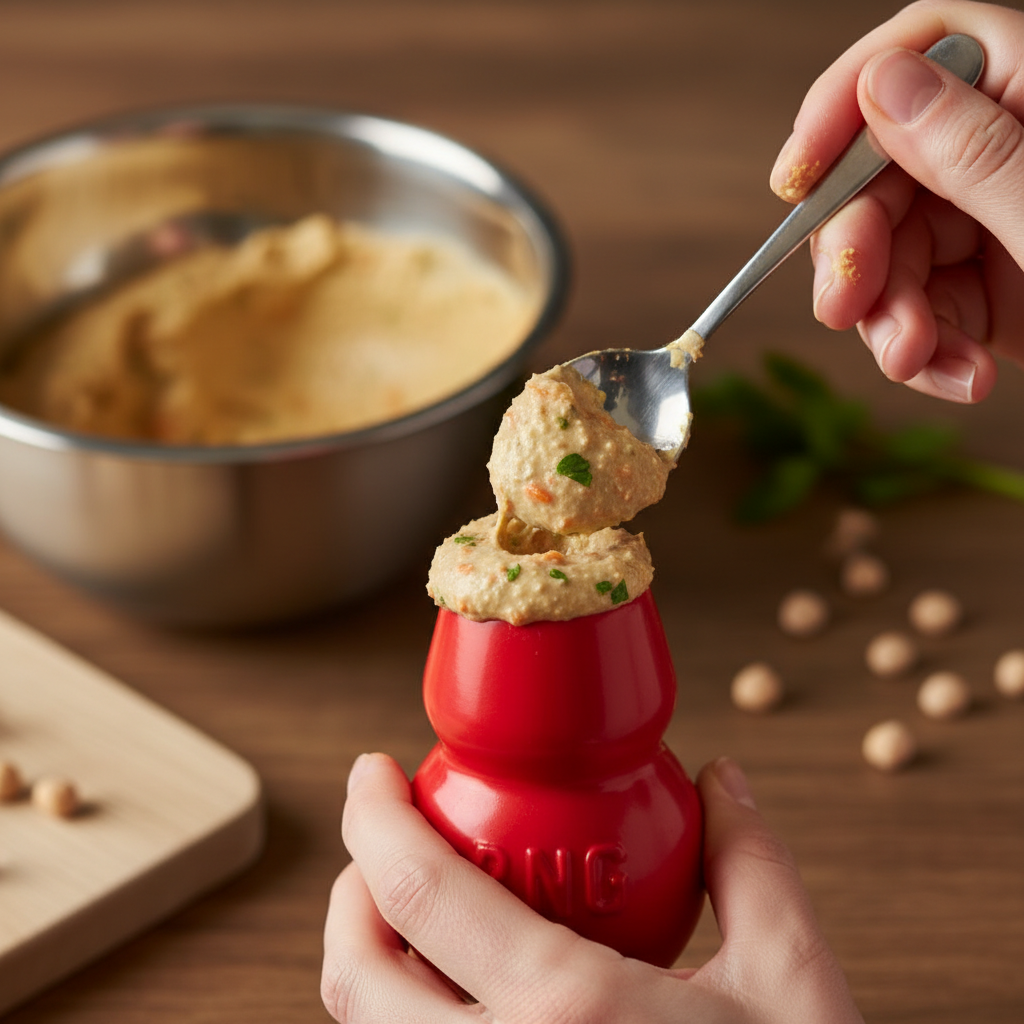
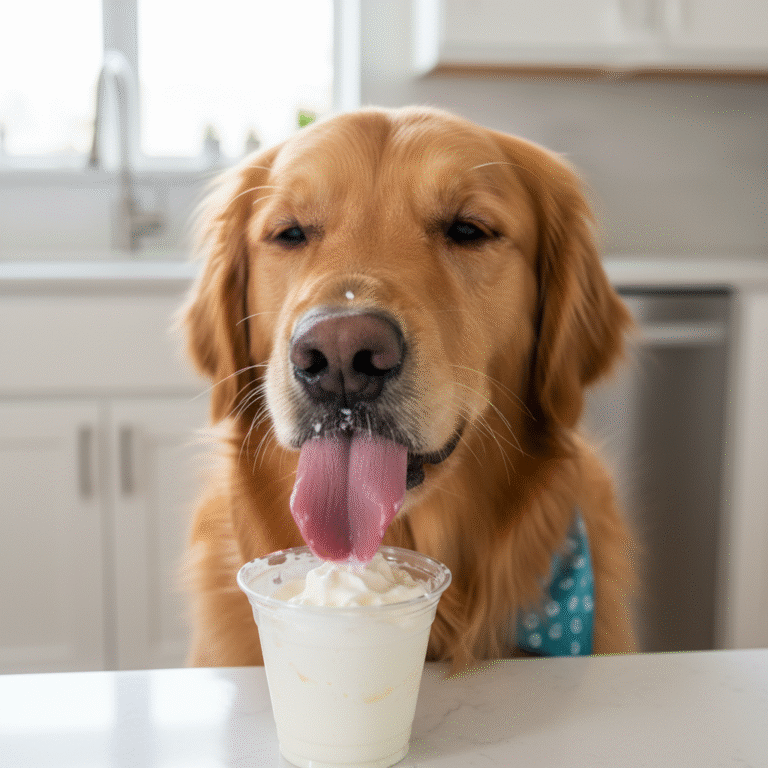
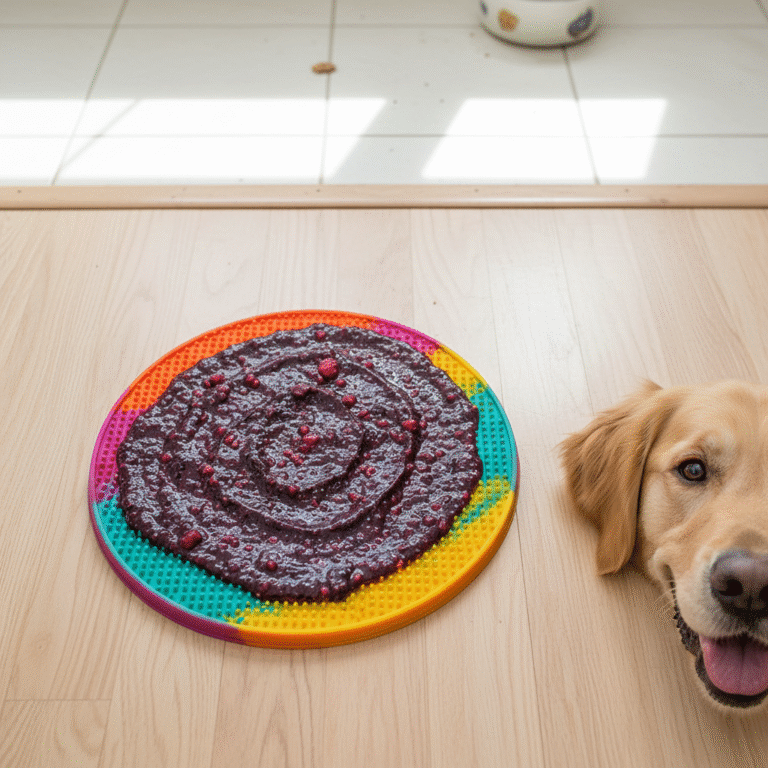
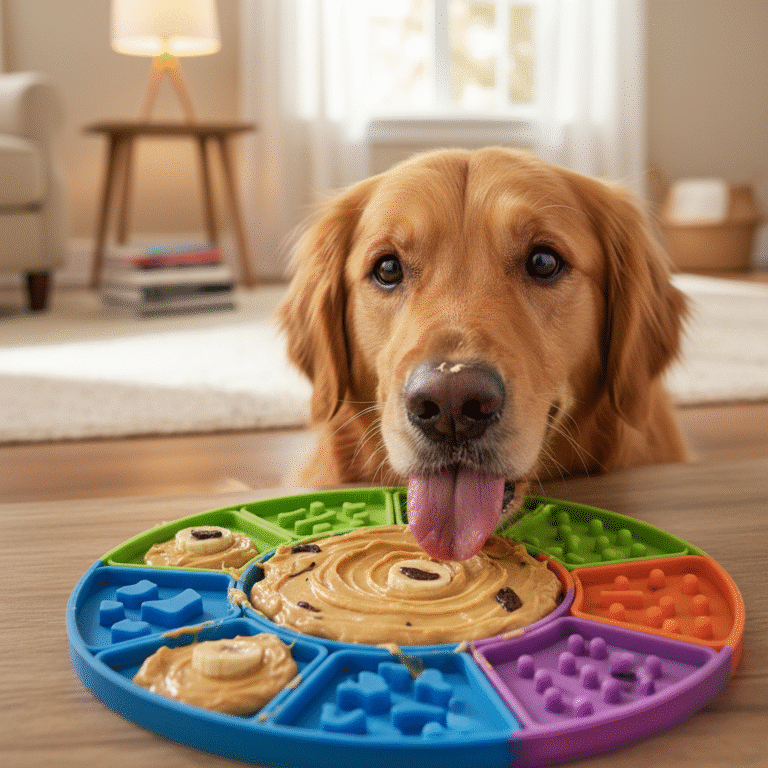
This dog-safe hummus is a treat, not a meal replacement. Moderation is key to keeping your pup healthy and happy. You can use it as a special food topper to entice picky eaters, a fun filling for a puzzle toy like a KONG, or a dip for their favorite crunchy veggie snacks.
Fun Ways to Serve:
- As a Food Topper: Add a dollop on top of their regular kibble to add a boost of protein and flavor.
- In a Puzzle Toy: Fill a KONG or other enrichment toy with the hummus and freeze it for a long-lasting, mentally stimulating treat.
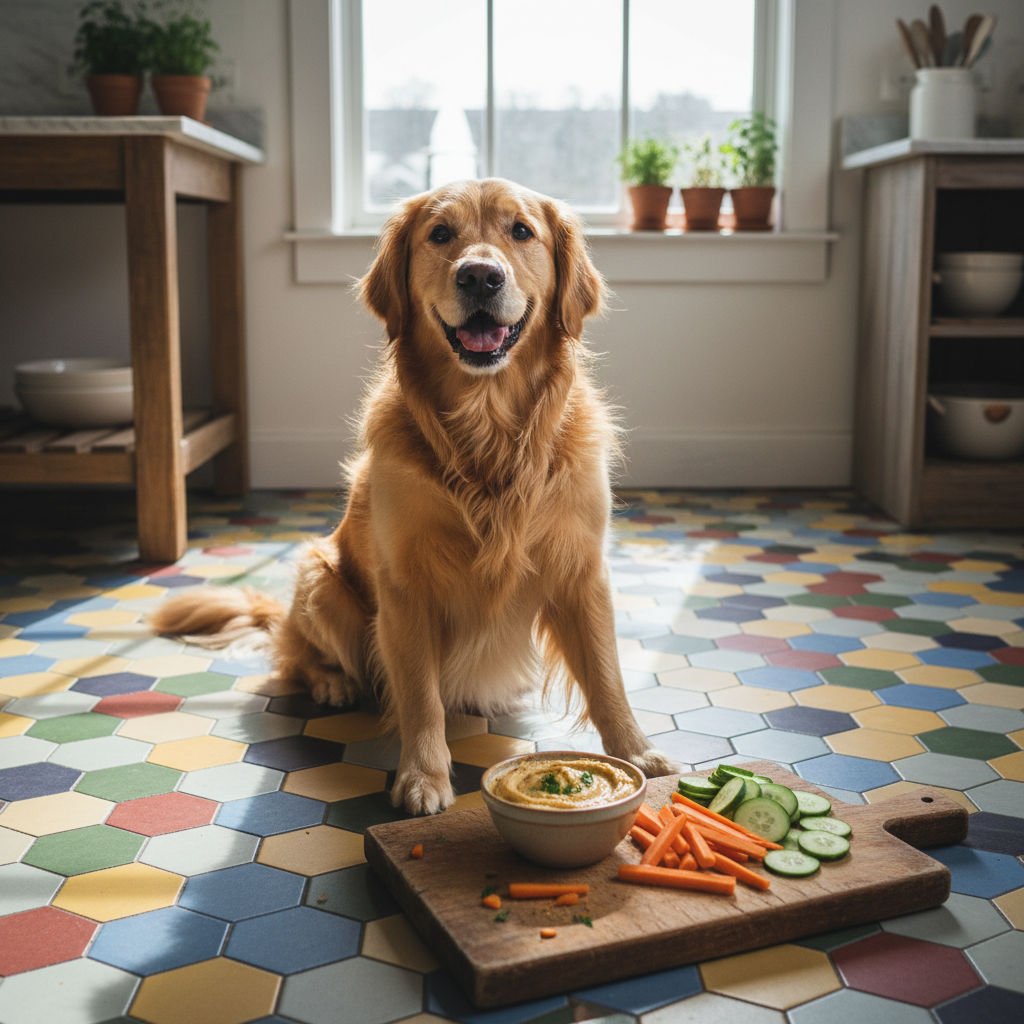
- As a Veggie Dip: Serve a small amount alongside dog-safe veggies like carrot sticks, cucumber slices, or green beans.
Serving Size Guide:
These are general guidelines. Always consult your vet, especially if your dog has specific dietary needs or health issues.
| Dog Size | Recommended Serving (per day) |
|---|---|
| Small (under 20 lbs) | 1 teaspoon |
| Medium (20-50 lbs) | 1-2 teaspoons |
| Large (over 50 lbs) | 1 tablespoon |
Conclusion
So, can dogs eat hummus? While the garlic-laden dip from your favorite deli is definitely off the menu, a simple, homemade version made from chickpeas is a resounding yes! By taking just a few minutes to blend up this dog-safe recipe, you can give your pup a delicious, protein-rich treat that supports their health. It’s a wonderful way to add variety to their diet and share a fun, food-focused moment together—safely. Happy snacking to you and your furry best friend!