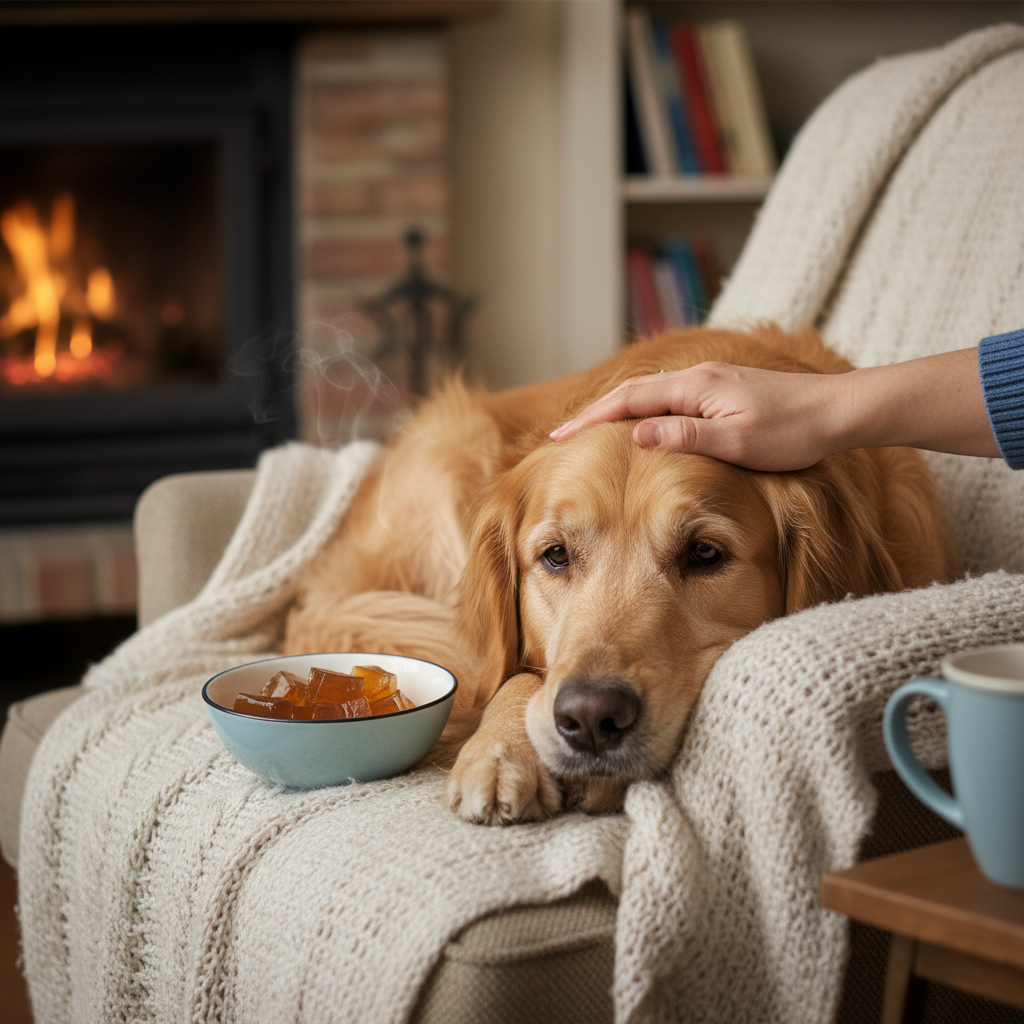
Dog Flu Season? Keep This Electrolyte Jelly in Your Freezer
That little cough. The sudden lack of interest in their favorite squeaky toy. As a pet parent, your heart sinks when you realize your furry best friend isn’t feeling well. During dog flu season, that worry can amplify. Canine Influenza is a real concern, and one of its biggest dangers isn’t the virus itself, but the dehydration that often comes with it.
When your dog has a fever and no appetite, getting them to drink enough water can feel like an impossible task. But what if you had a secret weapon tucked away in your freezer? A tasty, hydrating treat that can help replenish vital nutrients and keep them on the path to recovery. Say hello to Dog-Safe Electrolyte Jelly—your new best friend during the dreaded dog flu season.
What is Dog Flu, and Why is Hydration So Critical?
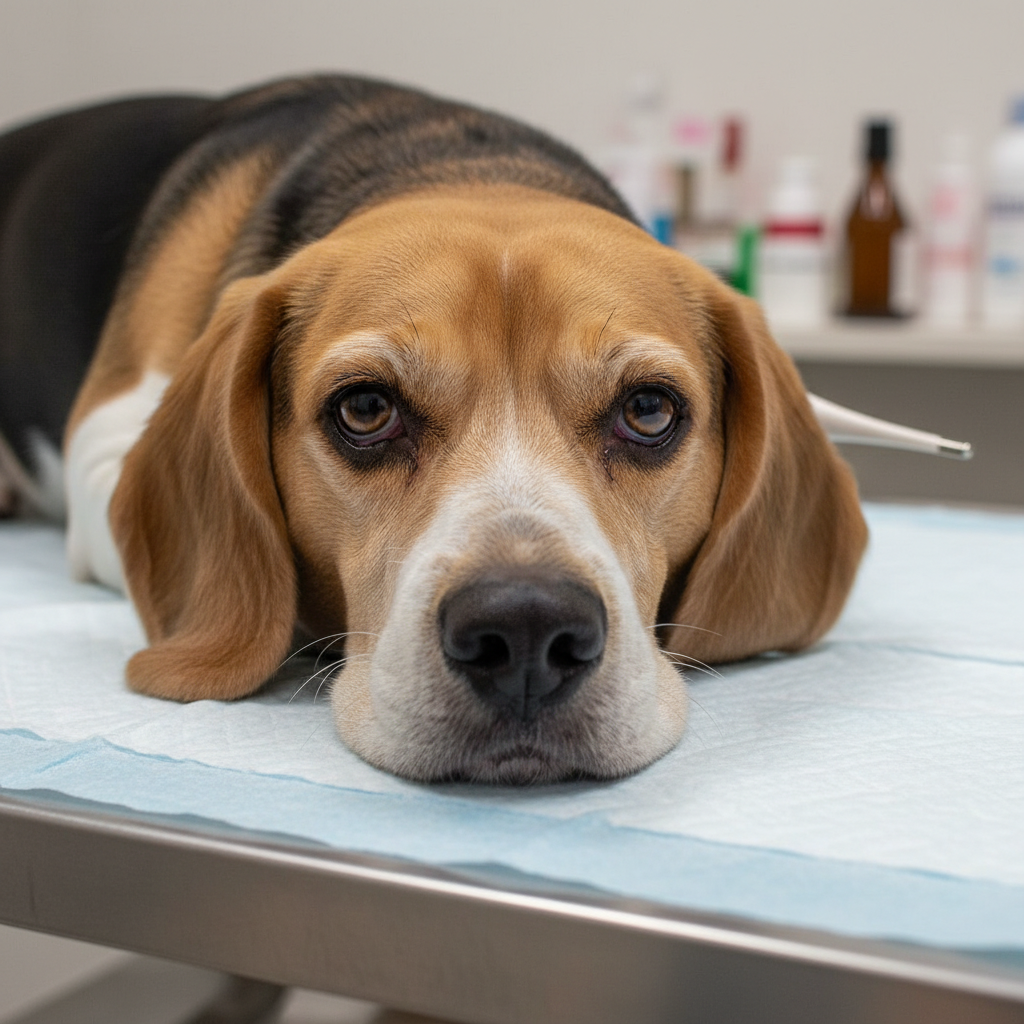
Before we dive into our recipe, let’s talk about the opponent: Canine Influenza, or ‘dog flu.’ It’s a highly contagious respiratory infection caused by specific Type A influenza viruses. Just like the human flu, it spreads through airborne droplets from coughing, barking, and sneezing.
If your pup has been exposed, you might notice a few tell-tale signs. It’s important to be able to recognize them so you can act fast.
Common Symptoms of Dog Flu:
- A persistent cough (it can be dry or moist)
- Sneezing and nasal discharge (clear at first, but can become colored)
- Fever
- Lethargy or general tiredness
- Loss of appetite
- Watery eyes
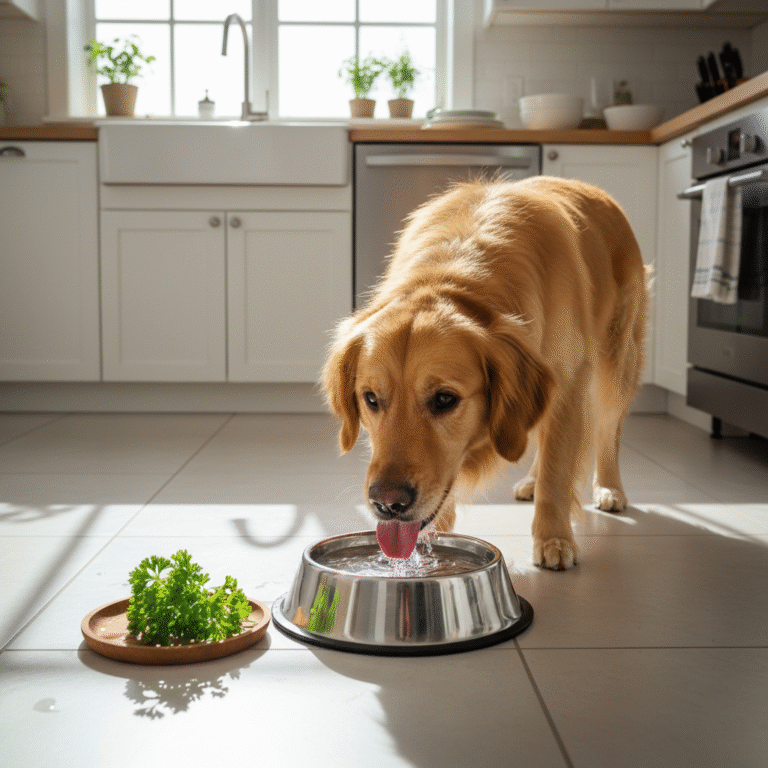
The real danger with these symptoms, especially fever and a lack of appetite, is dehydration. A fever uses up the body’s water reserves, and if your dog isn’t eating or drinking, they can’t replenish them. Dehydration makes them feel even worse, hinders their immune system’s ability to fight the virus, and can lead to serious complications. That’s why maintaining hydration is arguably the most important piece of supportive care you can provide at home.
The Lifesaving Power of Electrolytes for Sick Pups
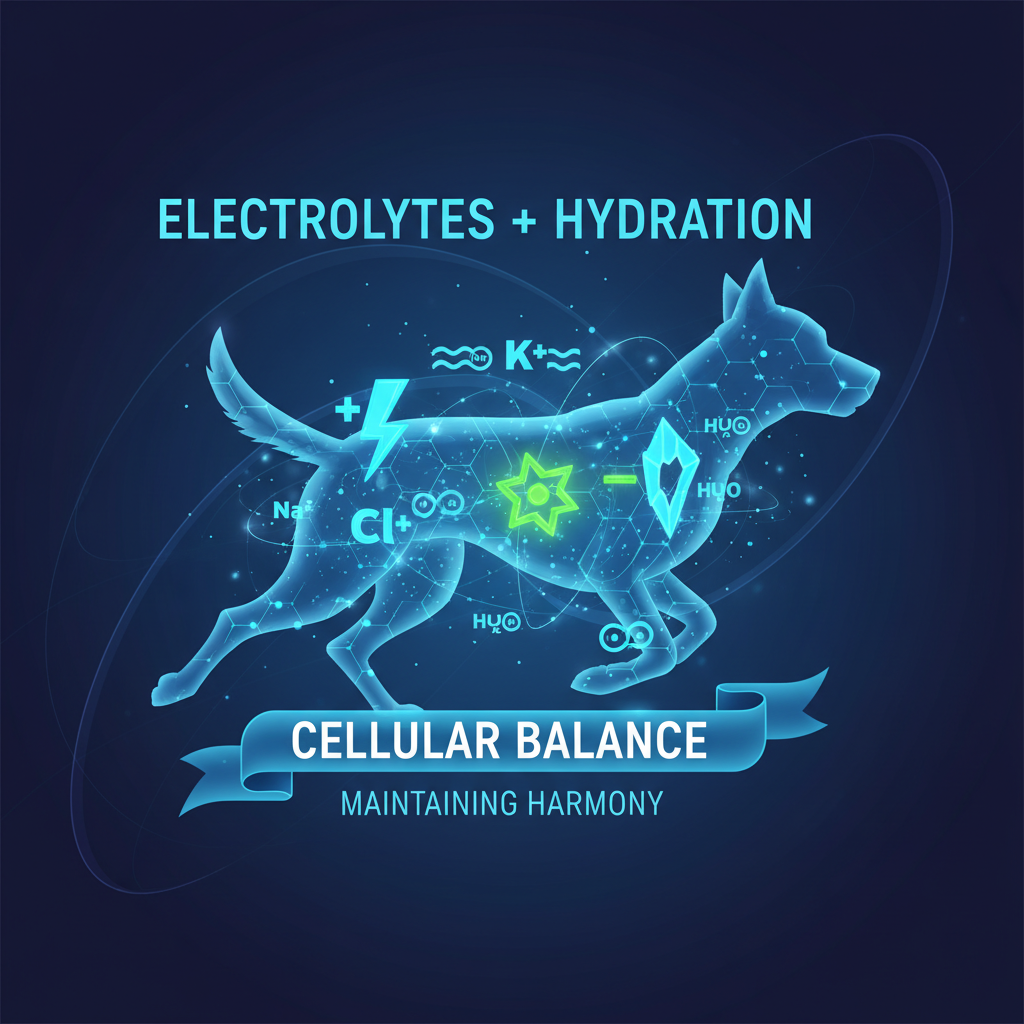
You’ve probably reached for a sports drink after a tough workout to replenish your electrolytes. Well, the same principle applies to your sick dog! So, what are electrolytes, anyway?
In simple terms, they are essential minerals—like sodium, potassium, and chloride—that are vital for your dog’s bodily functions. They help to:
- Regulate nerve and muscle function
- Maintain proper hydration and blood pH
- Help move nutrients into cells and waste out of them
When a dog is sick, especially if they have vomiting or diarrhea along with their flu symptoms, they lose these crucial minerals quickly. Simply giving them plain water doesn’t replace the lost electrolytes. This is where our jelly comes in. By providing electrolytes in an easy-to-digest and appealing form, you’re giving their body the specific tools it needs to rebalance and recover more effectively.
Expert Tip: Never give your dog human sports drinks like Gatorade or Powerade. They are often high in sugar and may contain artificial sweeteners like xylitol, which is extremely toxic to dogs.
The Ultimate DIY Dog-Safe Electrolyte Jelly Recipe
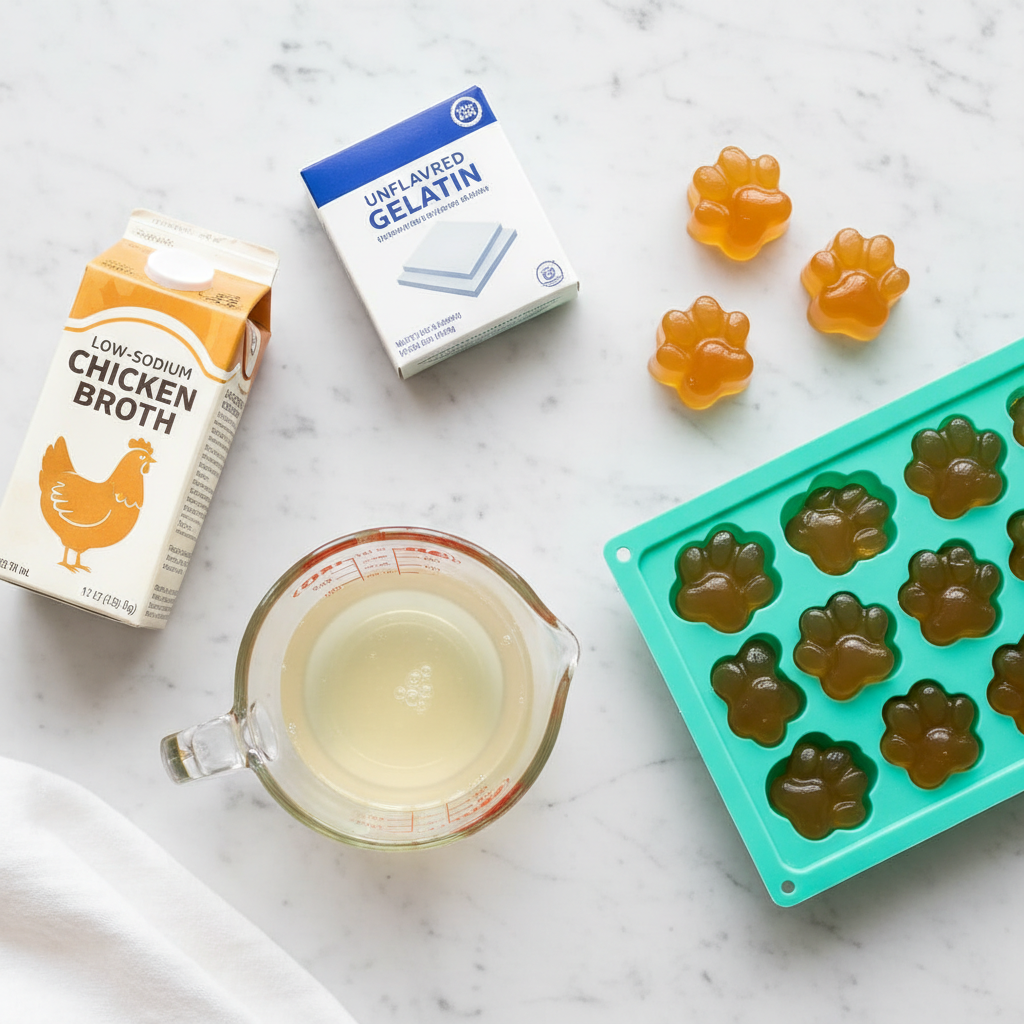
This recipe is incredibly simple and uses just a few key ingredients. You can make a batch ahead of time and keep it in the freezer, so you’re always prepared. Think of it as a first-aid kit for hydration!
Ingredients You’ll Need:
- 1 cup of water
- 1 cup of low-sodium or no-salt-added chicken or beef broth. This is critical as regular broth is too high in sodium.
- 2 packets (or 2 tablespoons) of unflavored gelatin. This gives the jelly its fun, jiggly texture.
- 1/4 cup of unflavored Pedialyte or a pet-specific electrolyte solution. Check with your vet for the best brand and to ensure it’s free of harmful additives.
Step-by-Step Instructions:
- Bloom the Gelatin: Pour 1/2 cup of the cold broth or water into a bowl. Sprinkle the two packets of gelatin over the top and let it sit for about 5 minutes. It will absorb the liquid and get wrinkly—this is called ‘blooming’ and is key to a smooth jelly.
- Warm the Liquid: Gently warm the remaining 1 cup of liquid (the rest of the broth and the water) in a small saucepan over low heat. Do not let it boil! You just want it warm enough to dissolve the gelatin.
- Combine and Dissolve: Once the liquid is warm, remove it from the heat. Add the bloomed gelatin mixture to the saucepan and stir until it is completely dissolved.
- Add Electrolytes: Let the mixture cool down for a few minutes until it’s just warm, not hot. Then, stir in the 1/4 cup of Pedialyte or pet-safe electrolyte solution.
- Pour and Chill: Pour the liquid into a shallow dish or into silicone ice cube trays (paw-shaped ones are extra fun!). Place it in the refrigerator for at least 3-4 hours, or until firm.
Serving and Storage:
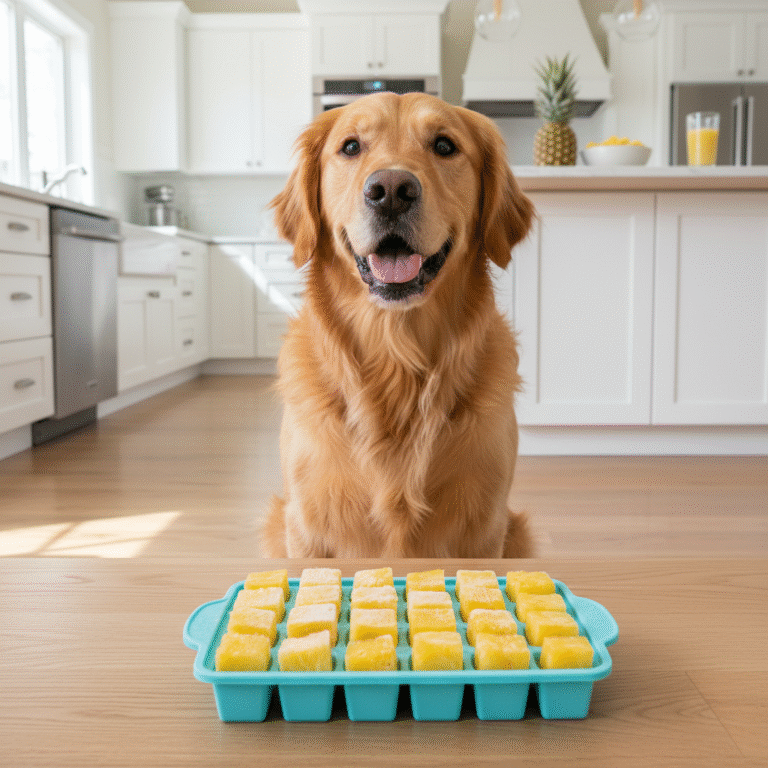
Once firm, you can cut the jelly into small, bite-sized cubes. Offer a few cubes to your dog as a treat. For long-term storage, pop the silicone tray into the freezer. You can serve the cubes frozen on a hot day or let them thaw slightly before offering them to your sick pup. They can be stored in an airtight container in the freezer for up to 3 months.
When to Skip the Jelly and Call Your Veterinarian
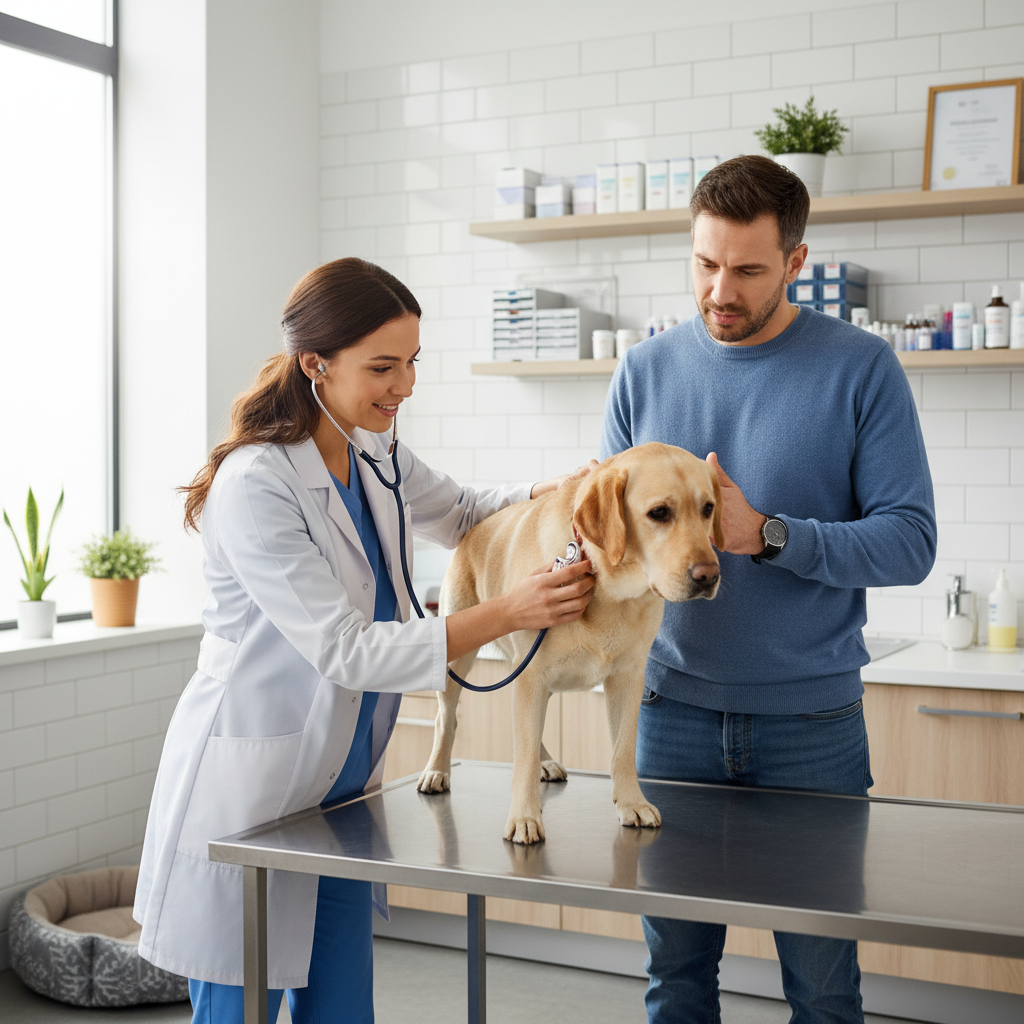
It is absolutely essential to understand that this electrolyte jelly is a tool for supportive care, not a cure or a replacement for professional medical advice. It’s fantastic for mild cases or for helping a dog on the mend, but some situations always require a trip to the vet.
Please contact your veterinarian immediately if you notice any of the following ‘red flag’ symptoms:
- Difficulty Breathing: Any labored breathing, wheezing, or excessive panting is an emergency.
- High or Persistent Fever: A rectal temperature above 103.5°F (39.7°C) that doesn’t improve.
- Extreme Lethargy: If your dog is unresponsive, unable to stand, or seems completely out of it.
- Refusal of All Food/Water: If your dog won’t even lick the jelly or take a sip of water for more than 24 hours.
- Signs of Severe Dehydration: Check for dry, tacky gums or if you gently pull up the skin on their back, it doesn’t snap back into place quickly.
- Worsening Symptoms: If your dog’s cough becomes severe or they seem to be getting sicker instead of better.
Your vet is your partner in your pet’s health. Never hesitate to call them if you are concerned. It’s always better to be safe and get their expert opinion.
Conclusion
Facing any illness with your dog can be scary, but being prepared can make all the difference. The canine flu is a serious condition, and professional veterinary care is always the first and most important step. However, while you’re nursing your pup back to health at home, ensuring they stay hydrated is your top priority.
This simple DIY electrolyte jelly is more than just a recipe; it’s peace of mind in your freezer. It’s an easy, effective, and dog-approved way to provide the essential fluids and minerals they need to fight off illness. So, take 15 minutes this weekend to whip up a batch. Your future self—and your furry best friend—will thank you for it.