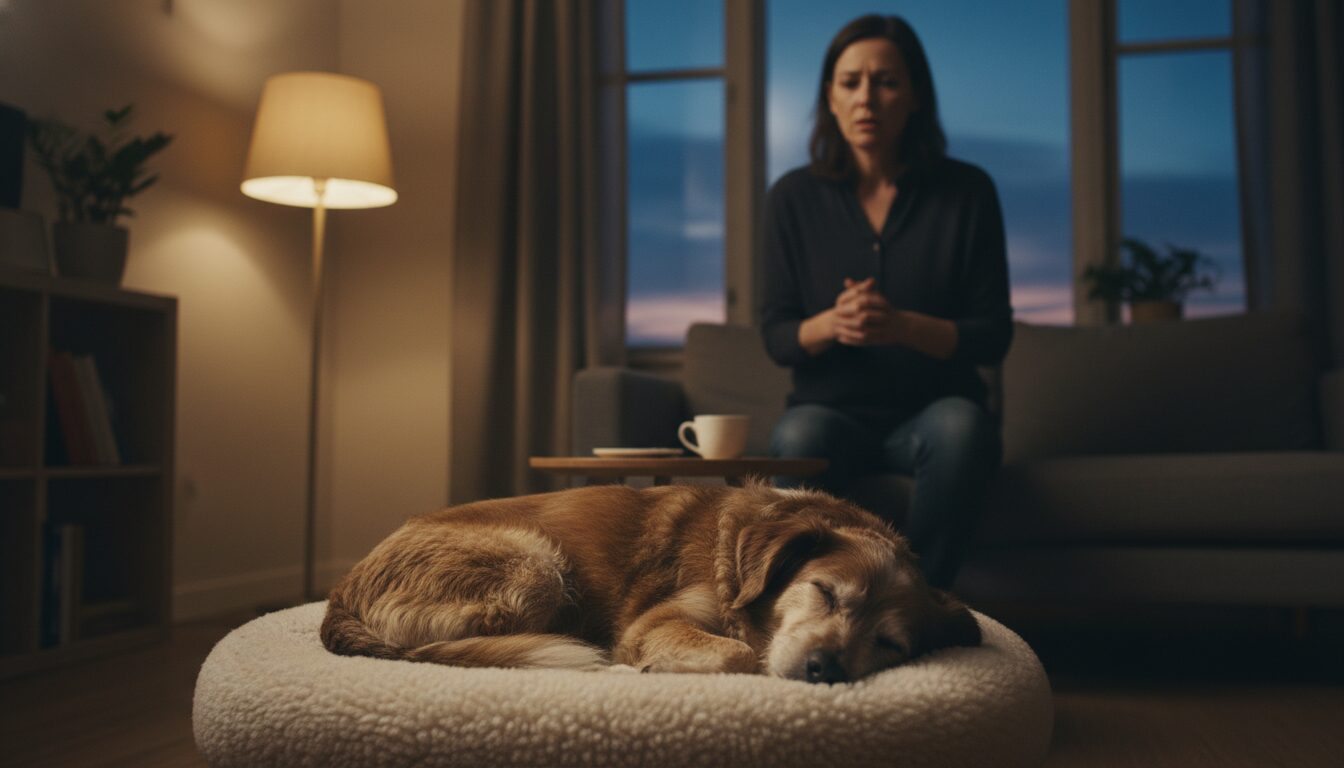
Does Your Dog Wake Up Biting? Understanding Sleep Startle Aggression
It is a scenario that plays out in living rooms across the world, often leaving pet owners shaken, confused, and sometimes injured. You see your beloved companion sleeping peacefully, perhaps twitching as they chase dream rabbits. You reach out to gently stroke their head or nudge them to make room on the sofa. In a split second, the peaceful scene shatters. Your dog snaps, growls, or bites with an intensity that seems completely out of character. Moments later, the dog may look confused, apologetic, or simply go back to sleep as if nothing happened.
This phenomenon is commonly known as Sleep Startle Reflex or sleep aggression. It is crucial to understand that in the vast majority of cases, this is not a sign that your dog is ‘mean’ or dominant. It is a physiological reaction—a survival instinct hardwired into the canine brain. However, just because it is natural does not mean it is safe. Without proper management and understanding, sleep startle can lead to severe bites and a breakdown of trust between owner and pet.
In this comprehensive guide, we will dissect the mechanics of the sleep startle reflex, explore the medical and behavioral root causes, and provide you with actionable, professional strategies to manage the environment and keep your household safe.
The Biology of Sleep Startle: Reflex vs. Aggression
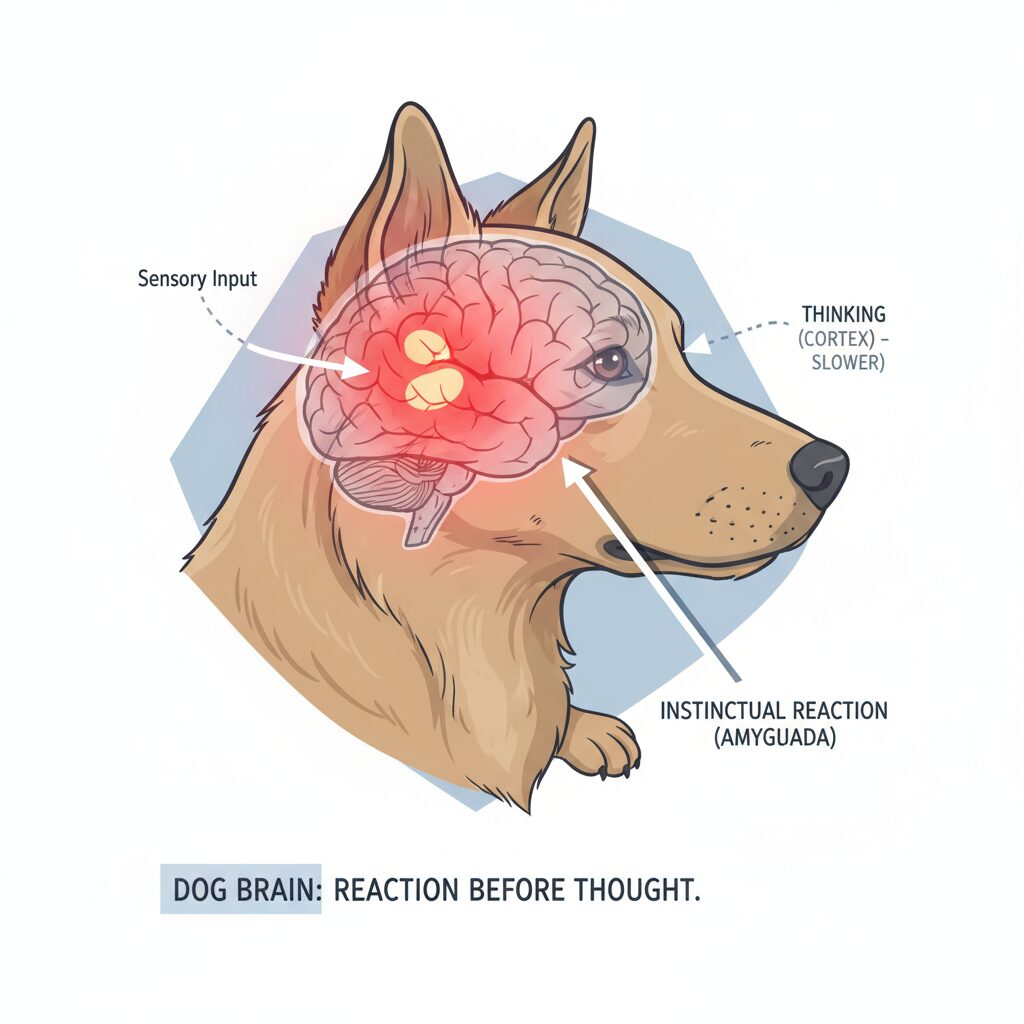
To manage sleep startle, one must first understand that it is fundamentally different from behavioral aggression. When a dog is awake and chooses to bite, there is usually a sequence of events: a trigger, an assessment, a warning (growling, stiffening), and then the bite. Sleep startle bypasses the assessment phase entirely.
When a dog is in a deep sleep, particularly REM (Rapid Eye Movement) sleep, their conscious brain is offline. If they are suddenly touched or startled, the amygdala—the part of the brain responsible for the ‘fight or flight’ response—activates before the conscious cortex can process who is touching them. The dog is not biting you; they are biting a perceived threat in a state of confusion. This is comparable to a human waking up swinging if someone jumps on them in the dark.
Key Characteristics of Sleep Startle:
- Sudden Onset: The reaction is explosive and immediate upon waking.
- Disorientation: The dog often appears confused or ‘glassy-eyed’ immediately after the event.
- Lack of Warning: There is rarely a pre-bite growl; the snap happens simultaneously with waking up.
- Rapid Recovery: Once the dog realizes who you are, the aggression usually dissipates instantly, often replaced by submissive behavior.
Identifying the Root Causes: Medical and Age Factors
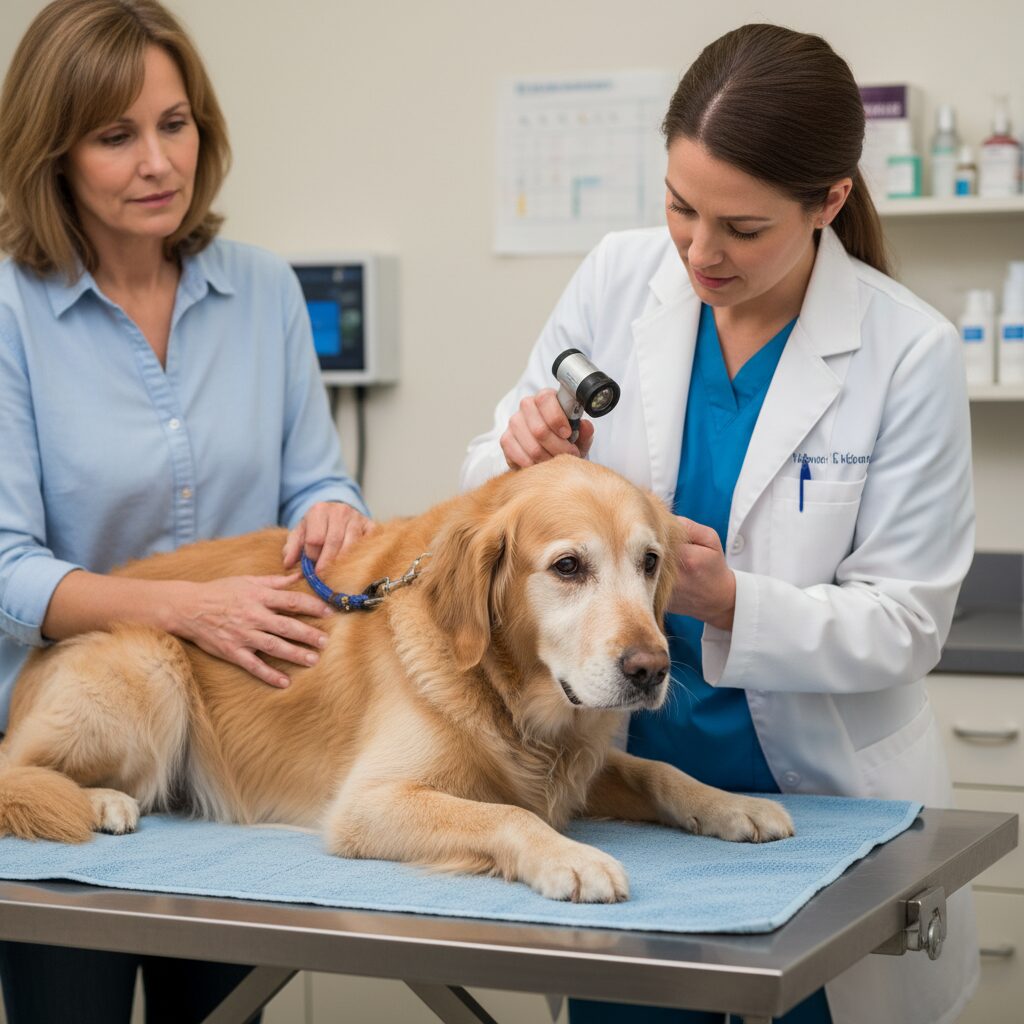
While any dog can exhibit sleep startle, certain factors increase the likelihood of this behavior developing or worsening. Before assuming this is purely a training issue, it is imperative to look at the physiological state of the animal. Pain and sensory decline are the two most common drivers of sleep aggression.
Chronic Pain and Discomfort
A dog suffering from arthritis, hip dysplasia, or spinal issues may be in a low level of pain constantly. When they sleep, their muscles relax. Being touched or startled can cause a sudden flare of pain as muscles tense up reflexively. The bite is a defensive reaction to that sudden spike in physical discomfort.
Sensory Decline in Senior Dogs
As dogs age, they often lose their hearing and vision. A young dog might hear your footsteps approaching and semi-wake before you touch them. A deaf or hard-of-hearing senior dog, however, has no auditory warning. Your touch is their first indication of your presence, resulting in a massive startle response. If you have a senior dog that has suddenly started snapping when woken, a veterinary workup is non-negotiable.
The Golden Rule: Management and Safety Protocols
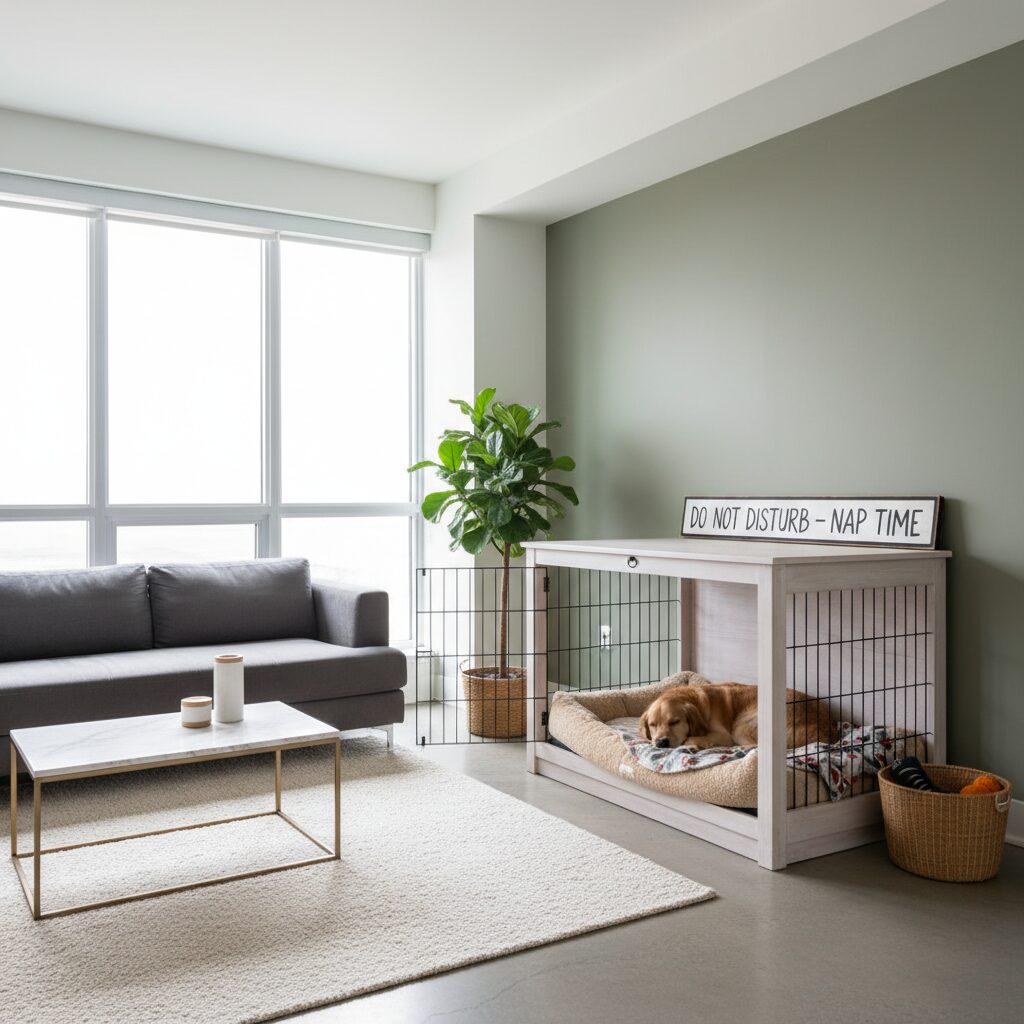
If your dog has a history of sleep startle, the most effective treatment is management. You cannot ‘train out’ a reflex in the traditional sense, but you can change the environment to prevent the reflex from being triggered. The adage ‘Let sleeping dogs lie’ exists for a reason.
Essential Safety Guidelines:
- The ‘No Touch’ Policy: Establish a strict rule in the household: never touch the dog while they are sleeping. This applies to adults, children, and guests.
- Verbal Wake-Ups: If you need to move the dog, use your voice first. Call their name from a distance (at least a few feet away). Wait for them to lift their head and make eye contact before you approach.
- Designated Sleeping Zones: Provide the dog with a crate or a bed in a low-traffic area. If the dog sleeps on the furniture, they should only be allowed to do so when you are not sitting right next to them, or they should be trained to sleep on their own bed to avoid accidental contact.
- Bed Sharing: If your dog has bitten or snapped in bed, they must lose bed privileges immediately. It is unsafe to sleep next to a dog with sleep startle, as you may roll over onto them in the night, triggering a bite to your face or hands.
Behavior Modification: Desensitization Techniques
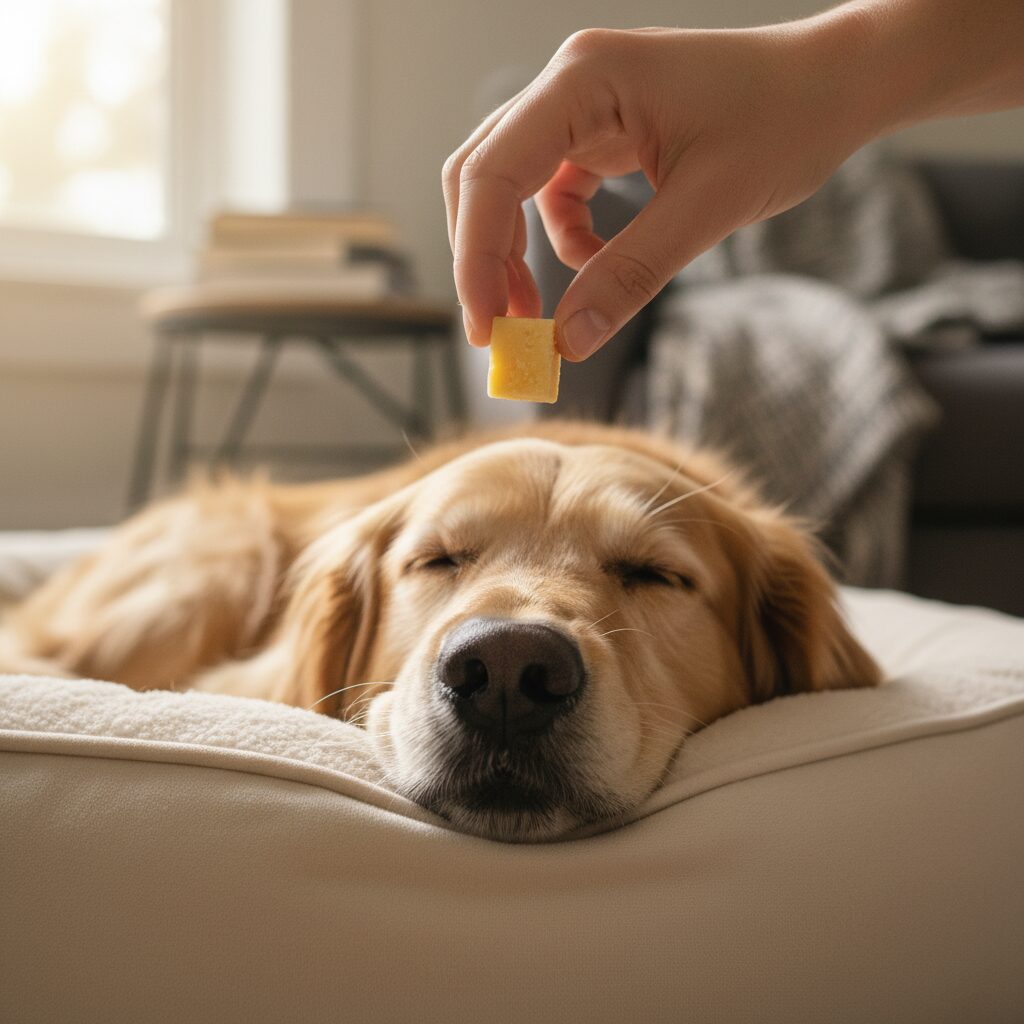
While management is the priority, you can work on modifying the emotional response associated with waking up. This process is known as desensitization and counter-conditioning (DS/CC). The goal is to condition the dog to anticipate good things when they are woken up, rather than perceiving a threat.
The Treat Tossing Protocol
Do not attempt this if your dog has a history of severe bites without professional supervision. The goal is to change the ‘wake up’ trigger from scary to rewarding.
- Step 1: Approach your sleeping dog but stop well outside their strike zone (at least 4-6 feet away).
- Step 2: Say their name softly.
- Step 3: Immediately toss a high-value treat (chicken, cheese) near their nose.
- Step 4: Walk away immediately.
Repeat this randomly. Over time, the dog learns that the sound of your approach or voice while sleeping predicts food, not danger. Eventually, the startle reflex is dampened because the brain begins to anticipate a reward upon waking. However, this does not mean you should return to physically startling the dog; it simply adds a layer of safety.
Living Safely with Sleep Startle
Discovering that your dog has sleep startle aggression can be disheartening, but it is rarely a death sentence for your relationship or the dog. It is a manageable condition that requires a shift in how you interact with your pet during their resting hours. By respecting their need for space while sleeping, ruling out medical contributors, and implementing strict safety protocols, you can live harmoniously.
Remember, this behavior is not a choice your dog is making; it is a biological reflex. If the behavior escalates or if you have children in the home, it is imperative to consult with a Certified Professional Dog Trainer (CPDT) or a Veterinary Behaviorist to create a customized safety plan. Safety must always be the priority.