
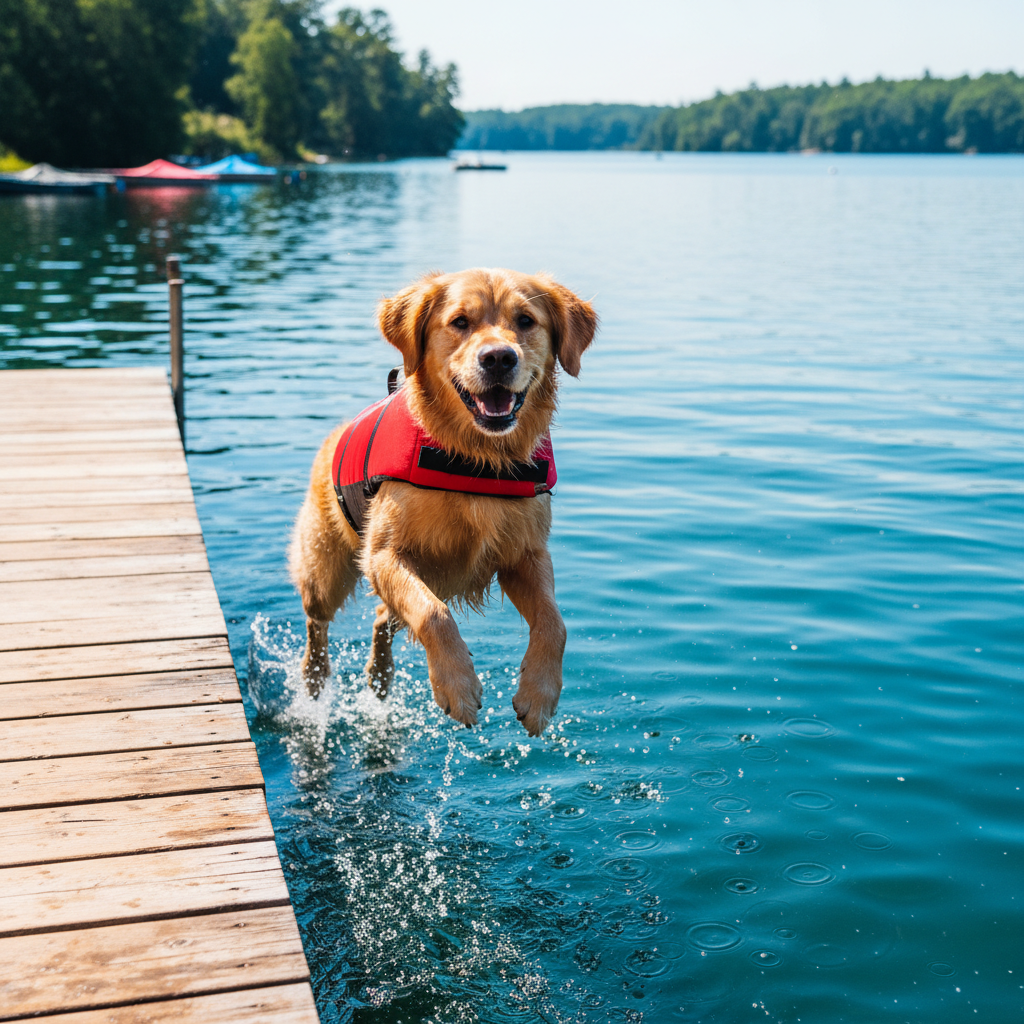
Does Your Dog Need a Life Vest? How to Train Water Safety in 3 Simple Steps
Splashing, swimming, and fetching in the water—these are some of the best parts of summer with our canine companions! But before you and your pup cannonball into the nearest lake or pool, let’s talk about safety. It’s a common myth that all dogs are natural-born swimmers. While some breeds take to water like, well, a duck to water, others can struggle or even be at risk of drowning. That’s where two key things come into play: a good quality life vest and proper water safety training.
You might be wondering, ‘Does my Labrador who loves the water really need a life vest?’ or ‘How can I gently introduce my nervous puppy to the pool?’ You’ve come to the right place! We’re going to dive deep into when a life vest is a non-negotiable safety tool and then walk you through three simple, positive steps to build your dog’s confidence and skills in the water. Let’s get you both ready for a season of safe, splash-tastic fun!
To Vest or Not to Vest? Making the Right Choice for Your Pup
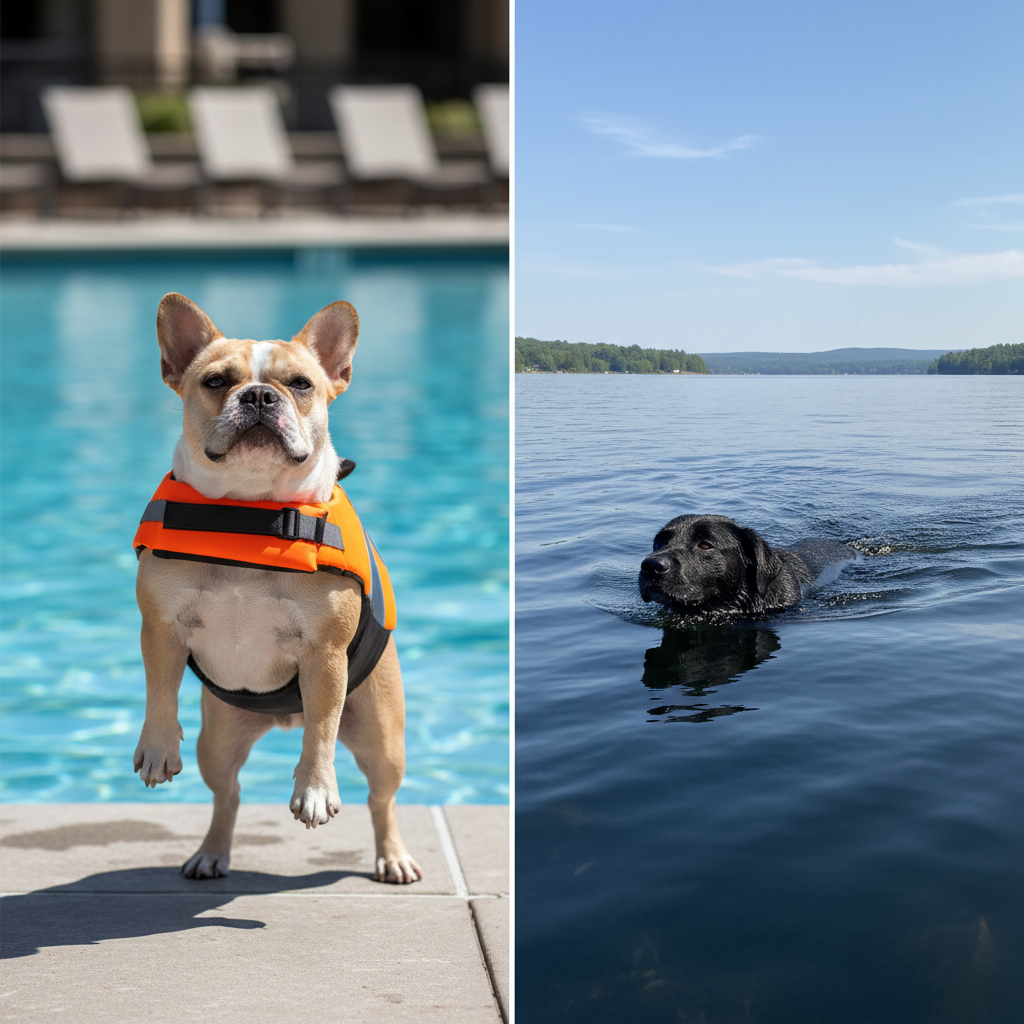
First things first, let’s tackle the big question. The answer to ‘Does my dog need a life vest?’ isn’t a simple yes or no—it depends on your dog, the situation, and your peace of mind. While it’s never a bad idea to use one, some dogs benefit more than others.
Dogs That Should Almost Always Wear a Life Vest:
- Brachycephalic (Flat-Faced) Breeds: Pugs, French Bulldogs, and Boxers have a harder time breathing and their body structure makes it difficult to keep their heads above water. For them, a life vest is essential.
- Top-Heavy Breeds: Bulldogs and Basset Hounds have dense bodies and short legs, a combination that makes swimming a serious challenge.
- Senior Dogs or Dogs with Health Issues: Older dogs may tire easily, and dogs with joint problems or other medical conditions might lack the strength for a long swim.
- Inexperienced Puppies: Young dogs are still learning and can easily become panicked or fatigued in the water.
- Any Dog on a Boat: Just like humans, dogs on boats, kayaks, or paddleboards should always wear a life vest. Accidents can happen quickly, and a vest can be a lifesaver if they fall overboard, especially in choppy or cold water.
What to Look for in a Canine Life Vest:
Not all life vests are created equal. A good one is an investment in your dog’s safety. Here’s what to look for:
- A Secure Rescue Handle: This is arguably the most important feature. A sturdy handle on the back allows you to quickly and safely lift your dog out of the water.
- Bright Colors and Reflective Strips: Visibility is key! A brightly colored vest (like red, orange, or yellow) makes it easy to spot your dog in the water.
- A Good Fit: The vest should be snug but not restrictive. Measure your dog’s chest girth and length to find the right size. It shouldn’t chafe or slip around when they move.
- Neck Support: Look for a floatation flap under the chin. This helps keep your dog’s head above water, which is especially important if they get tired.
Even strong swimmers can benefit from a life vest. It helps conserve their energy, allowing them to enjoy the water for longer periods without becoming exhausted.
The Main Event: 3 Simple Steps to Train Water Safety
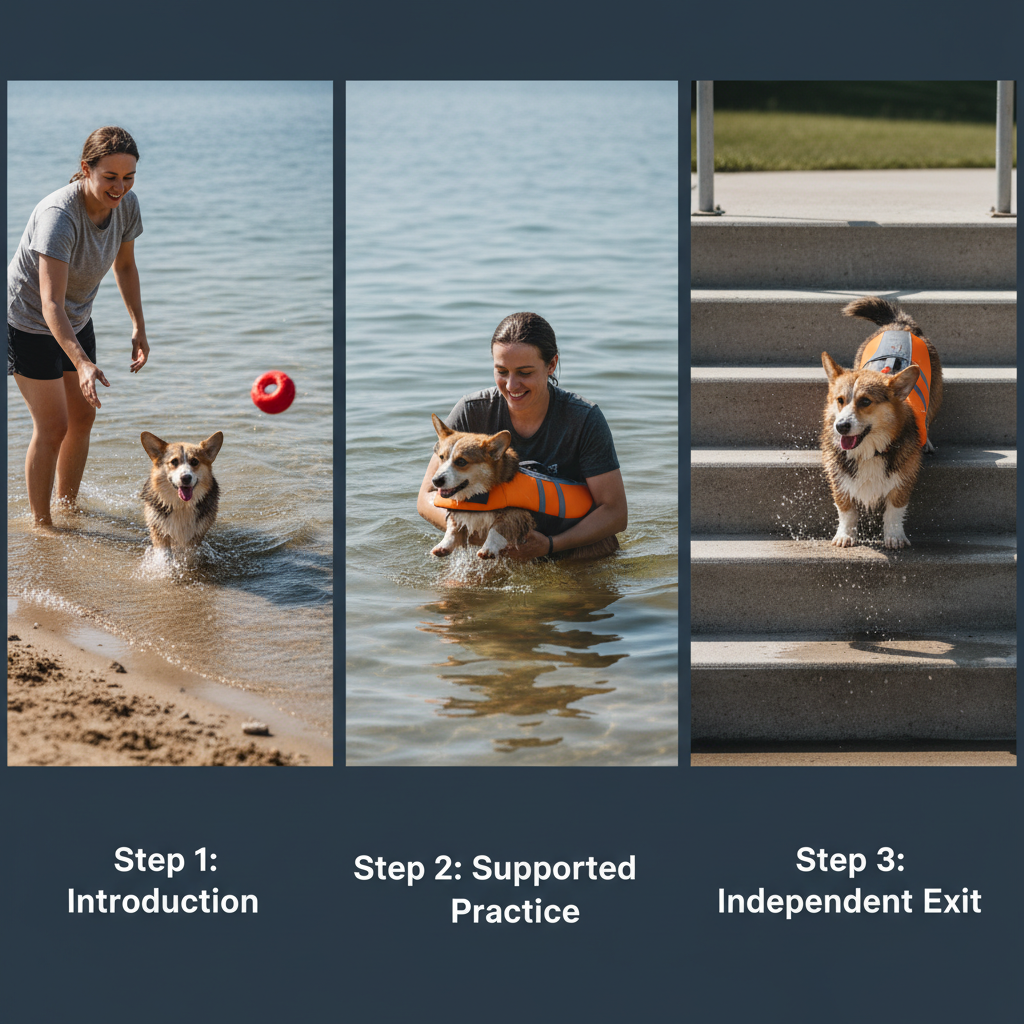
Now that you’ve sorted out the life vest situation, it’s time for the fun part: training! The goal is to make the water a happy, safe place for your dog. This process should always be positive and patient. Never, ever throw or force a dog into the water. This can create a lifelong fear.
Step 1: Make a Positive Splash (Introduction to Water)
The first step is all about association. You want your dog to see the water’s edge as a place where fun things happen. Start in a calm, shallow area like a lake shoreline or the shallow steps of a pool.
- Bring high-value treats and favorite floating toys.
- Start by just playing and rewarding your dog near the water. Keep the mood light and happy.
- Toss a toy or treat just at the water’s edge, encouraging your dog to get their paws wet to retrieve it. Praise them enthusiastically when they do!
- Gradually toss the toy a little further into the shallow water where they can still stand. Let your dog decide the pace. If they seem hesitant, go back a step.
- This phase might take a few minutes or a few sessions. The key is to end each session on a positive note before your dog gets scared or tired.
Step 2: Build Confidence with Guided Swims
Once your dog is comfortable walking in the shallows, you can encourage them to take their first real swim. This is where their life vest becomes an amazing training tool, providing both physical and mental support.
- Put your dog in their life vest. Let them get used to wearing it on dry land first.
- Use a long, floating leash so you always have a connection to your dog without impeding their movement.
- Wade into the water with them, using an encouraging voice. Use a toy to entice them to follow you into deeper water where their feet leave the bottom.
- As they start to paddle, use the life vest’s handle or place a hand under their belly to support their weight. This helps them stay horizontal and learn the proper ‘doggy paddle’ motion using all four legs, not just frantically paddling with the front two.
- Keep these first swims very short—just a few seconds of paddling followed by guiding them back to the shallows. Shower them with praise and treats!
Step 3: Master the Exit (The Most Important Skill!)
This is the most critical and often-overlooked step in water safety. A dog that can’t find its way out of the water is in serious danger, especially in a pool. Panic is the enemy, and knowing the exit route is the solution.
- Whether you’re at a pool, lake, or beach, you must repeatedly show your dog the way out.
- In a pool, guide your dog to the stairs or ramp. Don’t lift them out over the side. Make them use the designated exit. Guide them with the leash and lure them with a toy if needed. Practice this from different spots in the pool, always directing them back to the exit.
- At a lake or river, guide them to a gently sloping part of the shore.
- Make a game of it! Let them swim a short distance, then call them and guide them to the exit, celebrating with a huge party (praise, treats, toys!) when they get out on their own. Repeat this 5-10 times every time you swim. You want this action to become an automatic instinct.
Troubleshooting: When Your Dog’s Swim Doesn’t Go Smoothly

Sometimes, despite our best efforts, things don’t go perfectly. That’s okay! Here’s how to handle a few common bumps in the road.
My Dog Hates the Water
If your dog shows real fear (tucking their tail, trembling, trying to escape), you’ve moved too fast. Go back to Step 1 and spend much more time just having fun near the water’s edge. Don’t push it. For some dogs, just wading is a huge victory. The goal is safety and fun, and for some pups, that might mean staying in the shallows, and that’s perfectly fine.
The ‘Drowning Bug’ Pose
Have you ever seen a dog swimming vertically, with their front paws splashing frantically and their back end sinking? This is a sign of panic and inefficiency. They’re burning energy and not moving effectively. This is where the life vest and your support are crucial. Use the handle to help level them out in the water, encouraging them to kick with their back legs. Short, supported swims will help build the muscle memory for a proper horizontal swimming posture.
They Drank How Much Water?!
It’s common for dogs, especially newbies, to swallow a lot of water while swimming and fetching. This can lead to an upset stomach or, in rare cases, a dangerous condition called water intoxication. Encourage breaks from fetching and watch for signs like bloating, vomiting, or lethargy. If you have a dog that loves to ‘bite’ the water from a hose or sprinkler, be especially mindful of their intake.
Conclusion
Teaching your dog water safety is one of the greatest gifts you can give them. It opens up a world of adventure while giving you priceless peace of mind. Remember that a life vest isn’t just for ‘bad’ swimmers; it’s a smart safety tool for any dog in many situations, providing buoyancy, visibility, and an all-important rescue handle.
By following these three simple steps—making a positive introduction, guiding their first swims, and relentlessly practicing the exit—you build a confident, safe swimmer. Be patient, stay positive, and celebrate every small victory. Now, you’re ready to make some amazing, water-logged memories together. Happy and safe swimming!