DIY Vet Check: How to Prep Your Puppy for Their First Exam
Welcome to the wonderful, whirlwind world of puppy parenthood! Between the cuddles, the playtime, and the house training, one of the first big adventures on your list is the first vet visit. This initial checkup is more than just shots; it’s the foundation of your puppy’s relationship with healthcare for their entire life. A scary first experience can lead to a lifetime of fear and anxiety, but don’t worry! With a little prep work at home, you can turn that first appointment into a positive and even fun outing. This guide will walk you through a simple ‘DIY vet check’ to desensitize your pup to the poking and prodding of an exam, ensuring they see the vet as a friend, not a foe.
Why a Little Prep Goes a Long, Long Way
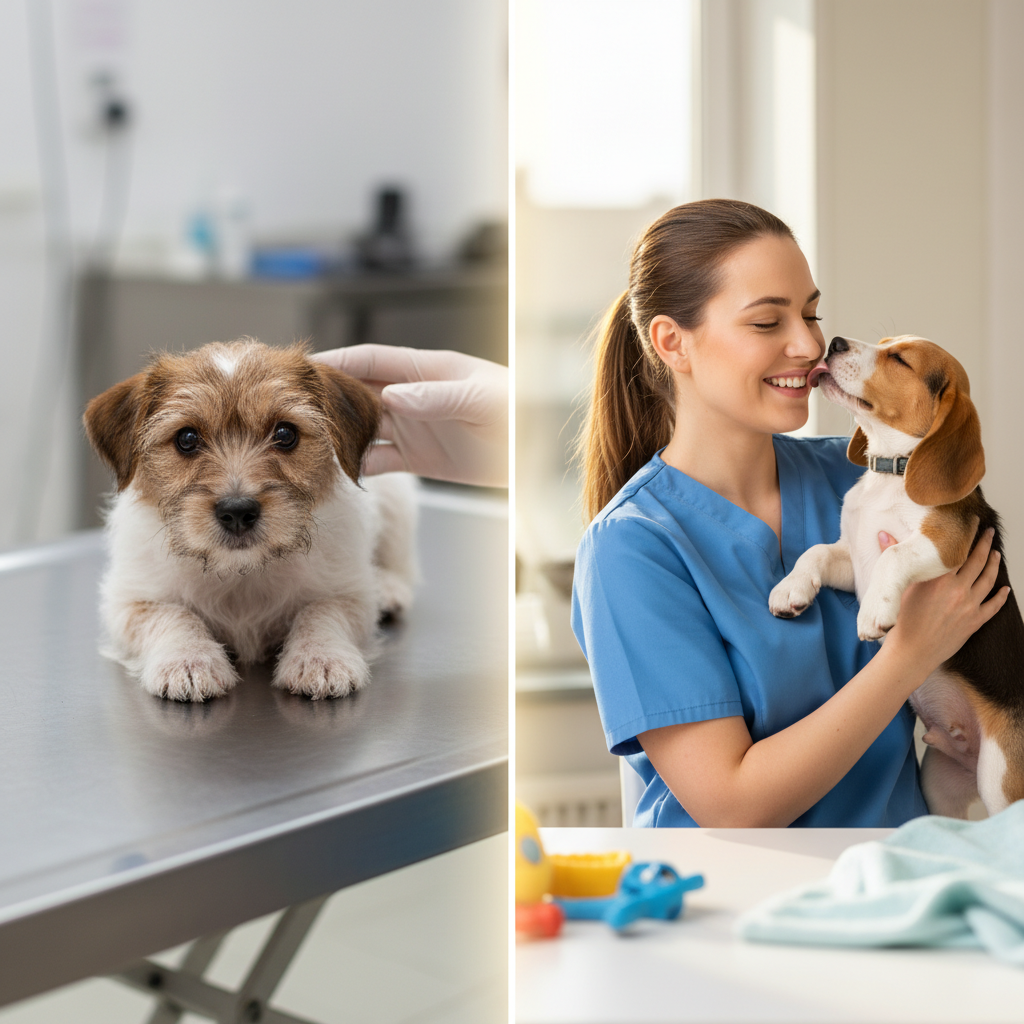
You might be thinking, ‘It’s just one visit, how bad can it be?’ But for a puppy, new environments, smells, and people can be overwhelming. The goal is to build a positive association with the vet clinic from day one. When a puppy learns early on that being handled, weighed, and examined leads to treats and praise, they are far less likely to develop fear, anxiety, and stress (often called FAS) related to vet visits. A calm puppy makes the veterinarian’s job easier, allowing for a more thorough and accurate examination. It also makes your life as a pet parent infinitely less stressful. Investing a few minutes each day in these prep exercises is an investment in your dog’s long-term emotional and physical well-being.
Think of it like this: You’re not just preparing for one appointment; you’re training a brave and confident patient for life.
Step 1: Making Friends with Carriers and Cars
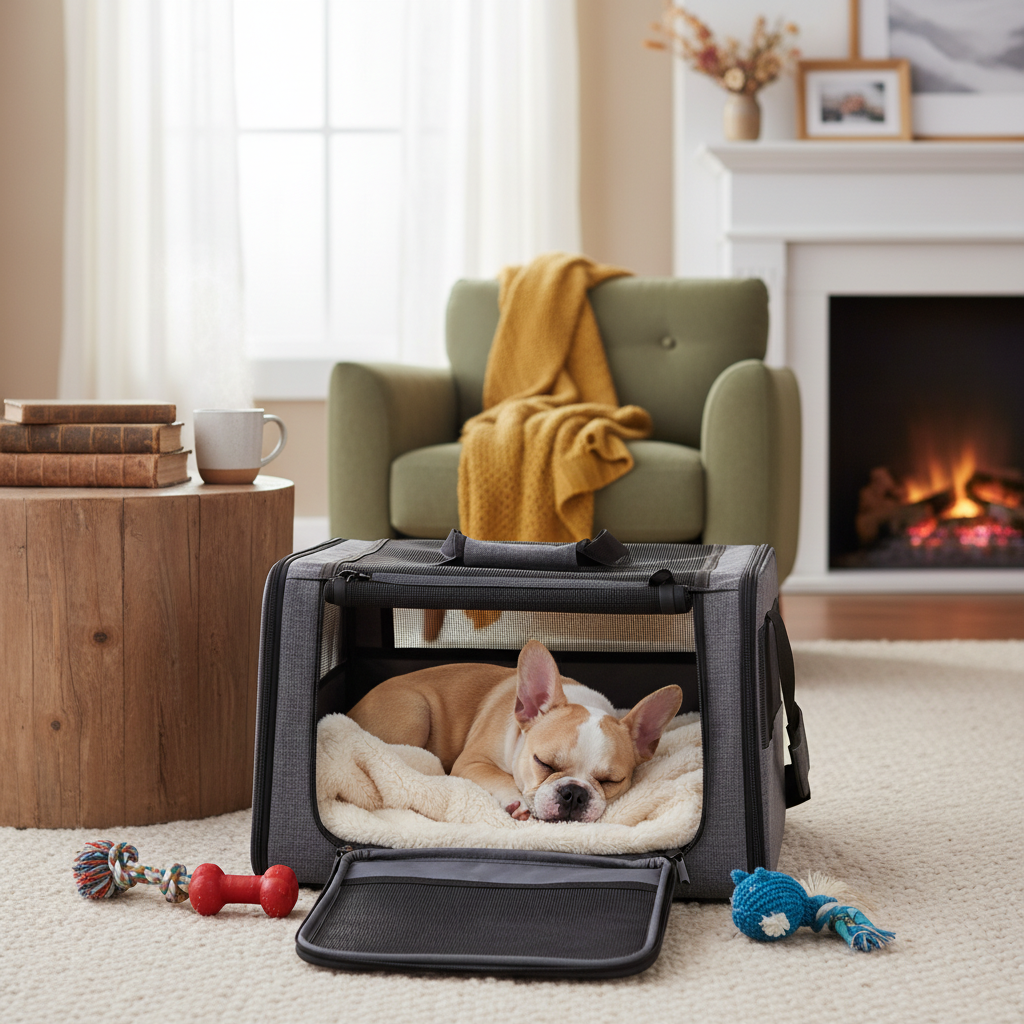
Often, the stress of a vet visit begins before you even leave the house. The sight of the carrier can send a puppy running, and the car ride can be a source of anxiety. Let’s change that narrative!
The Carrier is a Cozy Den, Not a Cage
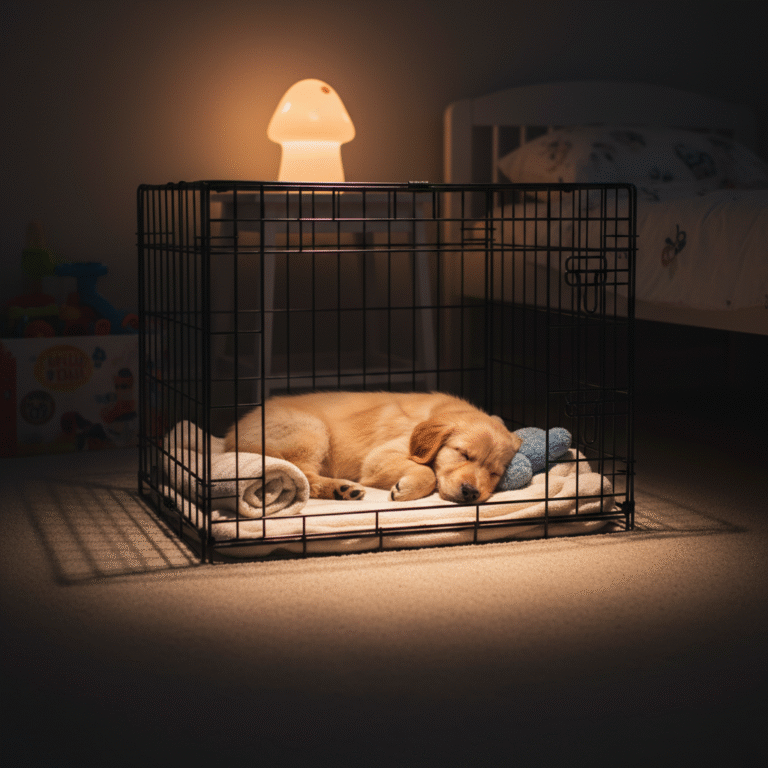
Your puppy’s carrier should be their personal, safe space. Don’t just pull it out on vet day. Leave it in your living room with the door open. Make it inviting:
- Place a soft blanket or a t-shirt with your scent inside.
- Toss high-value treats and fun toys into it throughout the day for your puppy to discover.
- Feed your puppy some of their meals inside the carrier.
The goal is for your puppy to enter the carrier voluntarily and associate it with wonderful things like food and comfort.
Car Rides to Fun Places
If the only time your puppy gets in the car is to go to the vet, they’ll quickly learn to dread it. Mix it up! Take short, fun car rides to the park, a pet-friendly store, or just around the block. Keep the mood light and happy, and reward them with praise and a treat when you get home. This teaches them that the car predicts adventure, not just appointments.
Step 2: The ‘At-Home’ Exam: From Nose to Tail
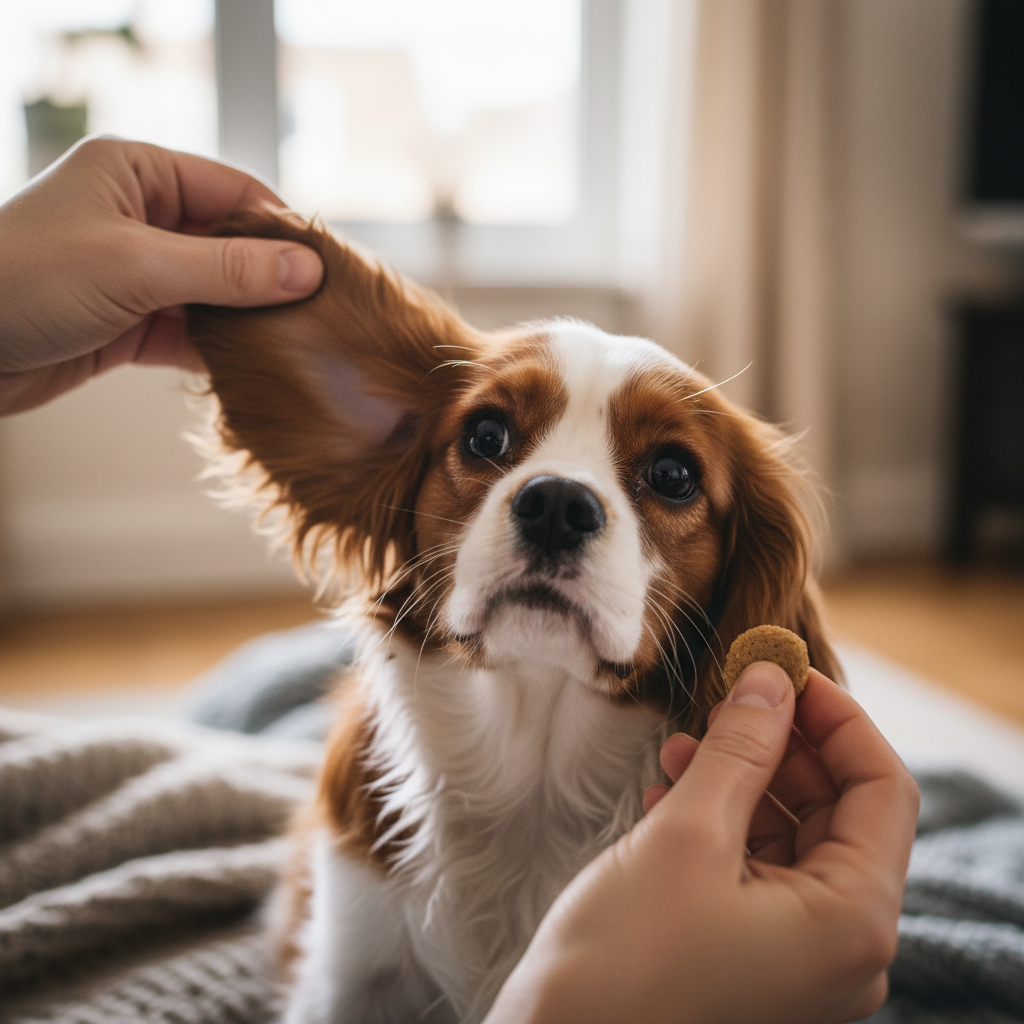
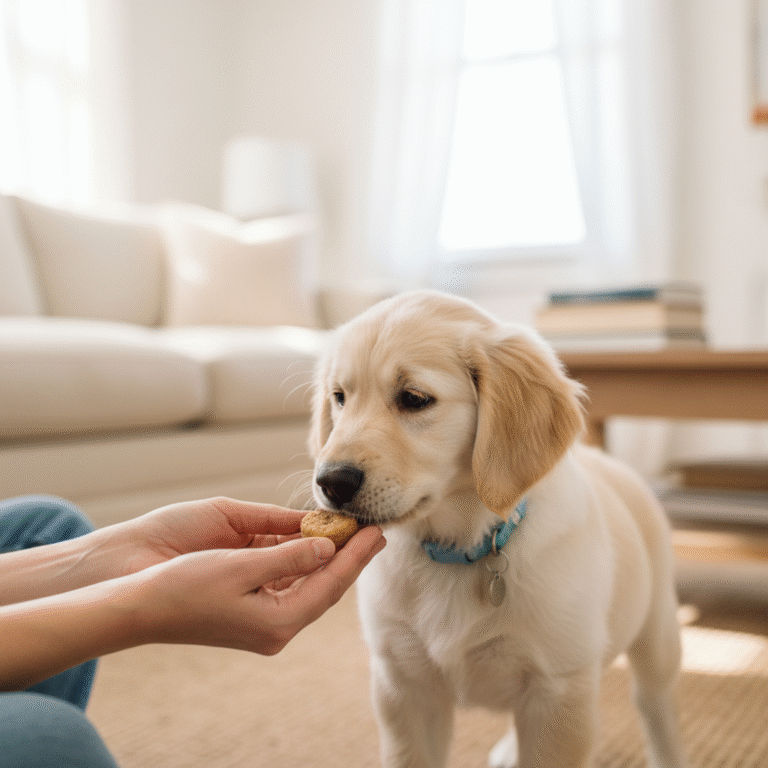
This is the core of your preparation. The idea is to simulate a gentle vet exam in short, happy sessions at home. Keep sessions under five minutes, use lots of praise, and have delicious, pea-sized treats ready to go!
Paws & Nails
Vets and techs need to handle paws to check nails and pads. Many dogs are sensitive about their feet. Start by gently touching your puppy’s leg, then slowly move to their paw. Hold it for a second, say ‘Yes!’, and give a treat. Gradually increase the duration you hold the paw. Touch each individual toe and nail. This will be a lifesaver for future nail trims!
Ears & Eyes
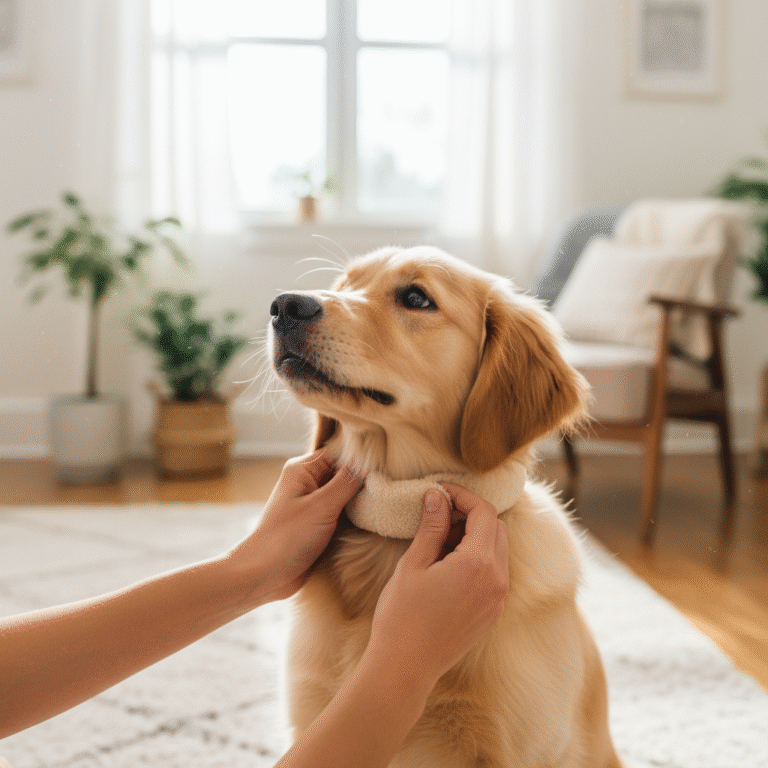
Gently lift your puppy’s ear flap, peek inside, then release and reward. Do the same for the other ear. For the eyes, gently use your thumb to pull down the lower lid for a quick look, just as a vet would to check for irritation, then release and reward. Keep your touch light and confident.
Mouth & Teeth
Getting your puppy comfortable with having their mouth checked is crucial for dental health. Start by just rubbing the outside of their muzzle. Then, gently lift their upper lip for a second to see their teeth, release, and reward. Work up to looking at teeth on both sides and eventually opening their mouth for a quick peek inside.
Full-Body Feel
A vet will run their hands all over your puppy’s body to check for lumps, bumps, or tenderness. Get your pup used to this by giving them slow, gentle massages. Run your hands down their back, along their sides, and on their belly. This not only desensitizes them but is also a wonderful bonding activity.
Step 3: Pack Your Go-Bag and Prep Your Questions
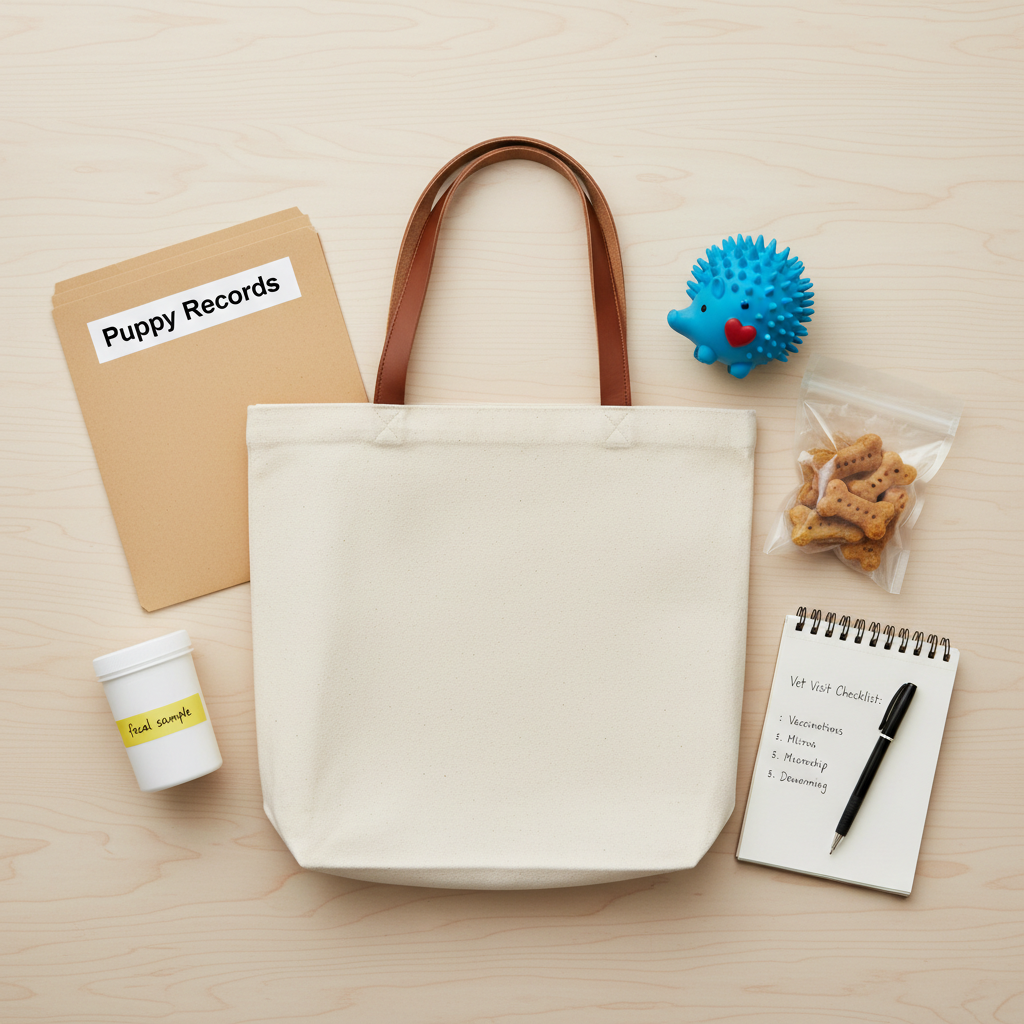
Being organized can help you stay calm, which in turn helps your puppy stay calm. The day before the appointment, get everything ready in a dedicated ‘go-bag’ so you’re not scrambling at the last minute.
What to Pack:
- Health Records: Any paperwork you received from the breeder or shelter, including vaccination and deworming history.
- Stool Sample: Vets will almost always ask for one to check for intestinal parasites. Call ahead to see if they have specific collection instructions.
- High-Value Treats: Bring something extra special that your puppy loves, like small pieces of chicken or cheese, to create a positive experience at the clinic.
- A Favorite Toy: A comforting item from home can help reduce anxiety in the waiting room.
- Leash, Collar/Harness, and Poop Bags: The essentials for any trip out of the house!
- Your List of Questions: It’s easy to forget things in the moment. Write down everything you want to ask about, from feeding schedules and house training to socialization and future vaccine needs.
The Big Day: Tips for a Smooth Clinic Visit
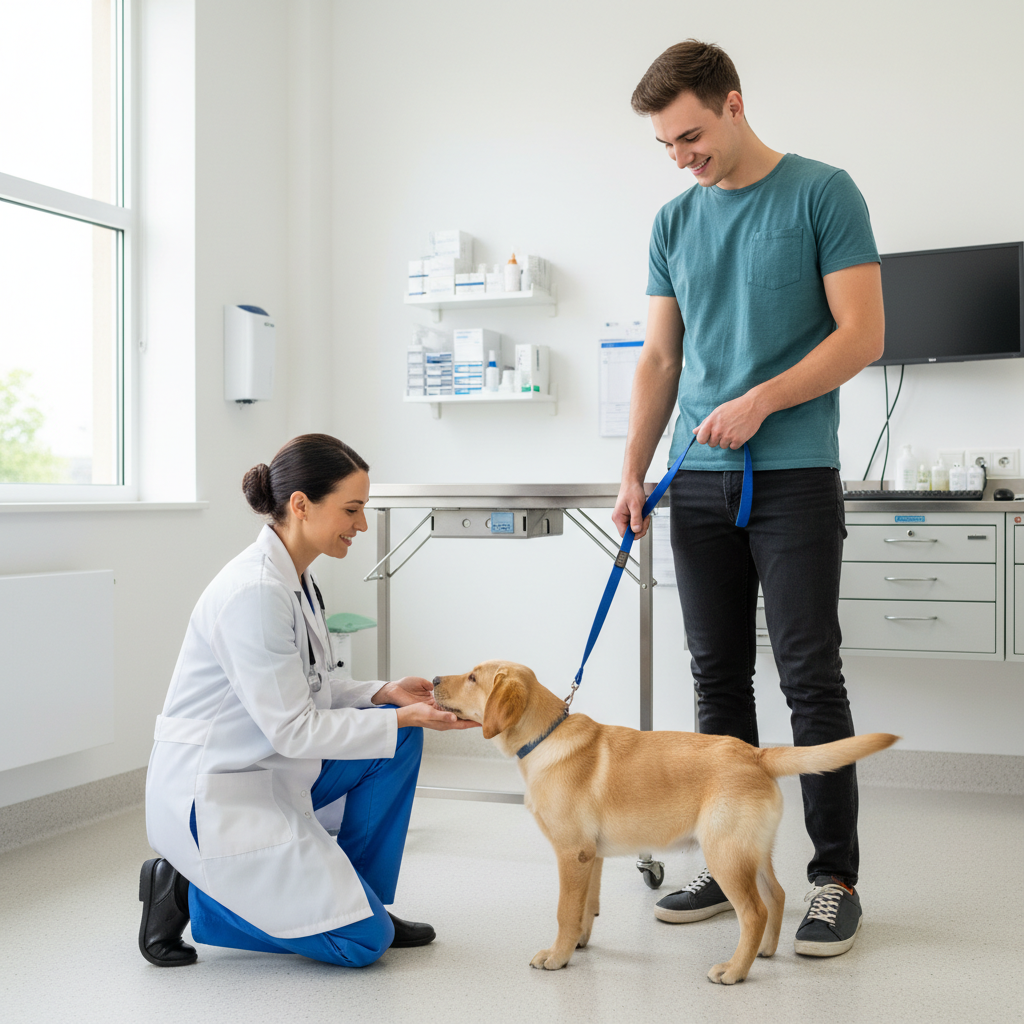
When appointment day arrives, your main job is to be your puppy’s calm and confident leader.
First, try to schedule your appointment during a less busy time if possible, like mid-morning or mid-afternoon on a weekday. A quieter clinic is a less stressful clinic. Plan a long walk or a fun play session before you go to help burn off some excess puppy energy.
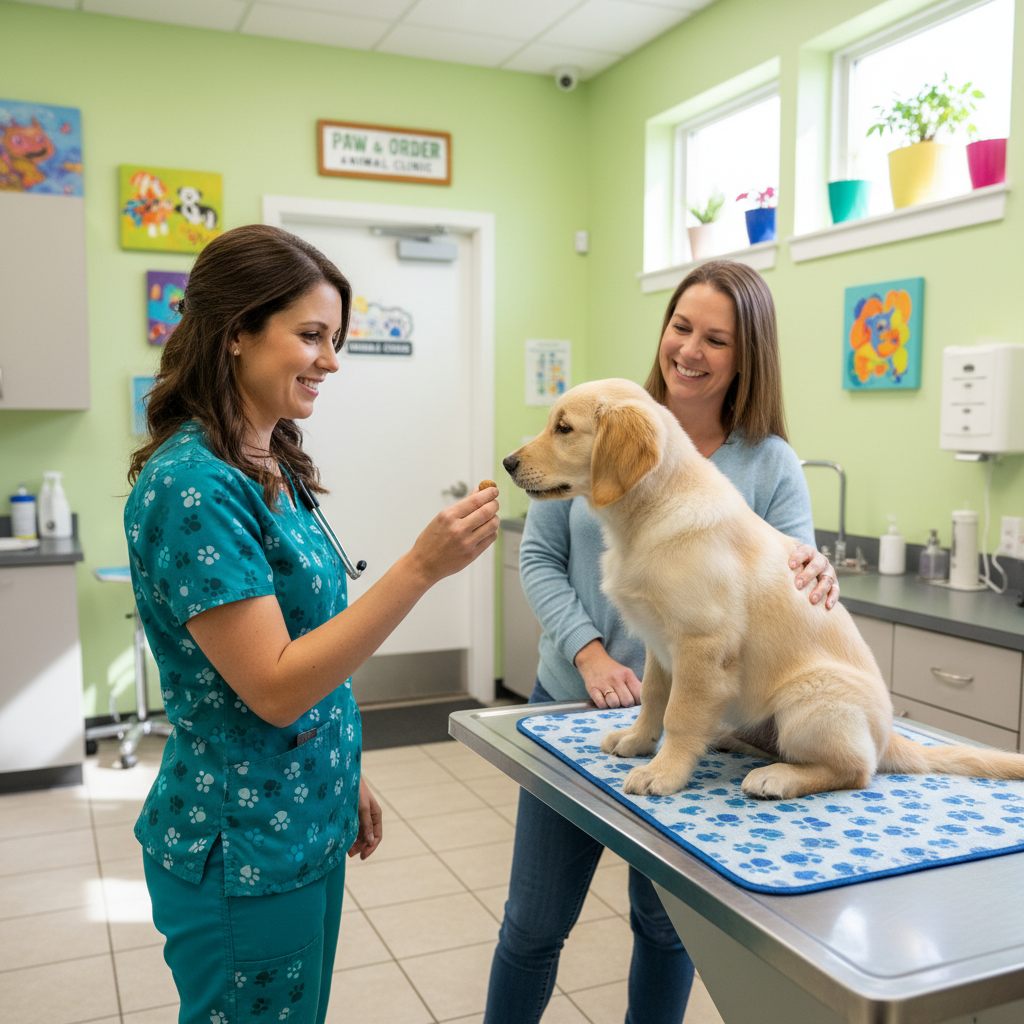
When you arrive, your own demeanor is key. Speak to the vet staff in a happy, upbeat tone. Your puppy is an expert at reading your emotional cues, so if you’re relaxed, they’re more likely to be relaxed, too. While in the exam room, continue to offer those high-value treats and praise your puppy for calm behavior. Let them explore the room and sniff the vet and techs. Don’t be afraid to advocate for your puppy. If a procedure seems too stressful, ask if you can take a short break or try a different approach. A good veterinary team will appreciate your involvement in making the visit a fear-free experience. Finally, once it’s all over, make the trip home a celebration. Lots of praise and maybe a special chew toy are in order!
Conclusion
Your puppy’s first vet visit is the first step in a lifelong journey of health and wellness. By turning handling into a game, making the carrier a safe haven, and staying calm and positive, you are giving your puppy an incredible gift. You’re teaching them that the people who help keep them healthy are friends to be trusted. This early work will pay off for years to come, making every future checkup, vaccination, and vet visit a manageable, stress-free event for you both. Now go enjoy that amazing new puppy!