DIY Nosework: How To Train Your Dog To Find Anise Oil
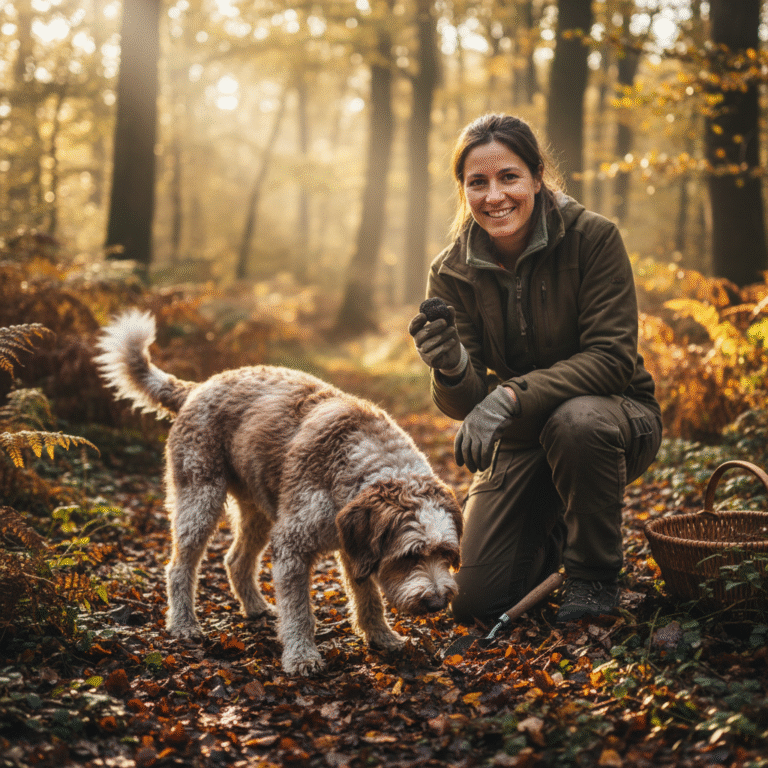
Have you ever watched your dog meticulously sniff a single patch of grass and wondered what fascinating stories they’re reading? A dog’s sense of smell is a superpower, estimated to be 10,000 to 100,000 times more powerful than ours. So, why not give that amazing nose a job to do? Welcome to the world of DIY nosework!
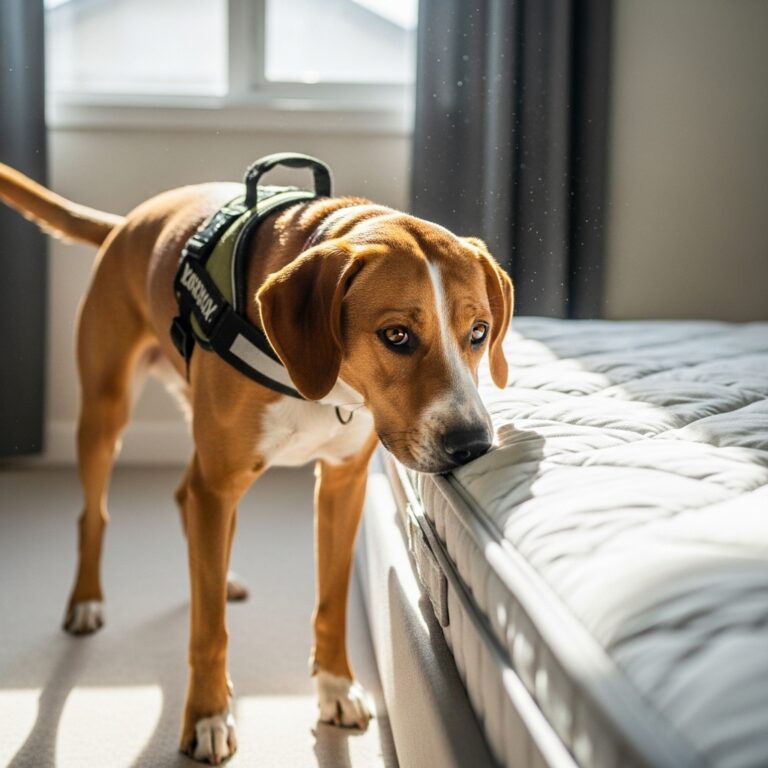
Nosework, or scent work, is a fantastic dog sport that mimics professional detection tasks. It encourages your dog to use their natural hunting instincts to find a specific scent. It’s not just for super-smart Border Collies or highly trained German Shepherds; any dog can play and excel. This activity is a game-changer for building confidence in shy dogs, providing mental stimulation for high-energy pups, and strengthening the bond you share. In this guide, we’ll walk you through everything you need to know to teach your dog to find the scent of anise oil, turning your living room into a fun-filled training ground.
Gearing Up: Your DIY Nosework Starter Kit
Before you and your canine companion can dive into the world of scent detection, you’ll need to gather a few simple supplies. You probably have most of these around the house already! The key is to keep it simple and positive.
What You’ll Need:
- Essential Oil: For this guide, we’re using Anise Essential Oil. Make sure you get 100% pure essential oil, not a synthetic fragrance blend. Other popular beginner scents include birch and clove.
- Cotton Swabs: Standard cotton swabs (like Q-tips) are perfect for holding the scent.
- A Scent Vessel: You’ll need a small, airtight container, like a tiny glass jar or a small metal tin, to store your ‘hot’ (scented) cotton swabs. This prevents the scent from contaminating everything else.
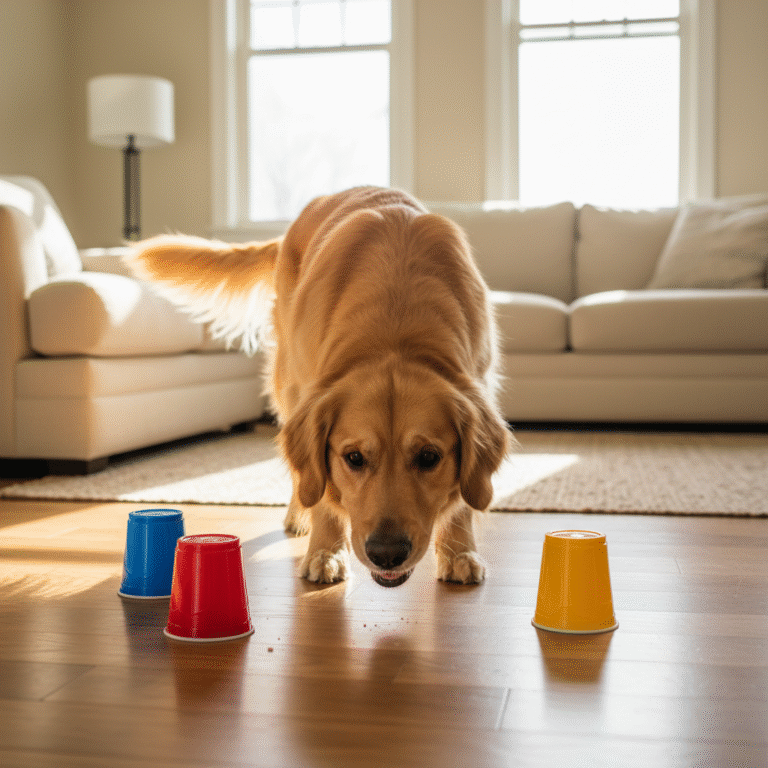
- Search Containers: Start with a few identical containers. Small cardboard boxes, Tupperware with holes punched in the lid, or even clean yogurt cups work great. The goal is to have several containers that look and feel the same, so your dog has to rely on their nose, not their eyes.
- High-Value Treats: This is your dog’s paycheck! Use extra-special treats that your dog goes wild for. Think small pieces of cooked chicken, cheese, or their favorite smelly training treats. The reward needs to be worth the effort.
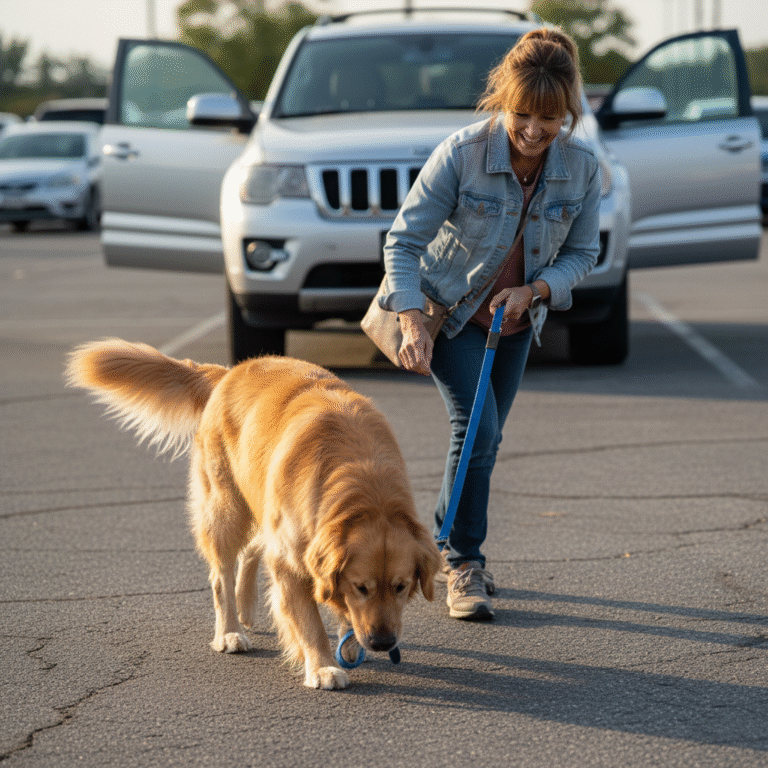
- A Leash and Harness (Optional): Some trainers like to use specific equipment only for nosework to signal to the dog that it’s ‘search time.’ A simple harness and a 6-foot leash can help provide structure.
Expert Tip: Always handle the scented swabs with tweezers or gloves to avoid getting the oil on your hands. This prevents you from accidentally leaving a scent trail and confusing your dog.
Step-by-Step: Teaching the Scent Game
This is where the fun begins! Remember to keep your training sessions short (5-10 minutes max) and always end on a positive note. The goal is for your dog to love this game. Let’s break it down into easy steps.
Step 1: Charging the Scent
First, we need to teach your dog that the smell of anise oil equals a fantastic reward. We call this ‘pairing’ or ‘charging’ the scent.
- Prepare your scent vessel. Using tweezers, place one drop of anise oil on the cotton part of 2-3 swabs and place them inside your small airtight jar. Let them sit for about 20 minutes.
- Take one ‘hot’ swab and place it in one of your search containers (e.g., a cardboard box).
- Bring your dog into the room. Hold the box up to their nose. The second they sniff it, say “Yes!” in an excited tone and immediately give them a high-value treat right at the source (the box).
- Repeat this 5-6 times, then put the supplies away. You’ve just taught your dog: Anise Smell = Party Time!
Step 2: The ‘Which One?’ Game
Now we’ll ask your dog to make a choice. This teaches them to actively search for the scent.
- Set up two identical containers about a foot apart. One is ‘hot’ (with the anise swab inside) and one is ‘cold’ (empty).
- Bring your dog in on a leash and give your search cue, like a happy “Find it!”.
- Let your dog investigate the containers. When they sniff the hot box, praise them enthusiastically and reward them with several treats right at the box. If they sniff the cold box, just stay quiet and let them keep searching.
- Once they find it, celebrate! Then reset the containers, sometimes switching which side the hot one is on.
Step 3: Expanding the Search
Once your dog is confidently choosing the correct container out of two, it’s time to make it a little harder.
- Line up three or four containers in a row, with only one being hot.
- Give your search cue and let your dog work down the line. It might take them a moment, but trust their nose!
- When they signal on the correct box (by pausing, pawing, or booping it with their nose), shower them with praise and treats.
- Practice this until your dog is a pro at searching a line of containers.
Level Up: Making the Game More Challenging
Is your dog acing the container lineup? Awesome! It’s time to increase the difficulty and keep their brain working. The key is to change only one thing at a time. Don’t make it too hard too fast, or your dog might get frustrated.
Increasing Distance and Complexity
Instead of a neat line, start placing the containers randomly around a single room. Scatter three or four boxes (only one hot) a few feet apart. This encourages your dog to cover more ground and really use their nose to hunt for the source of the scent.
Adding Elevation
So far, all the hides have been on the floor. Now, try placing the ‘hot’ container on something slightly elevated. You can put the scent tin (with holes) on the rung of a sturdy chair, on a low bookshelf, or on a step stool. This teaches your dog to think three-dimensionally and search high and low. Safety first: always ensure the hide location is safe and stable for your dog to investigate.
Introducing New Environments
Once your dog is confidently finding hides in one room, try a new one! Move the game to the kitchen, the bedroom, or even a secure garage. New environments have new smells and distractions, which adds a layer of difficulty. You can eventually take the game outside to a calm, fenced-in backyard, but be aware that wind and weather will make it much more challenging!
Troubleshooting Common Nosework Hiccups
Every training journey has its bumps in the road. If you run into a problem, don’t worry! It’s all part of the learning process for both you and your dog. Here are some common issues and how to solve them.
- Problem: My dog isn’t interested or seems bored.
Solution: Your treats might not be exciting enough! Up the ante with something truly irresistible. Also, keep sessions very short and energetic. End the game before your dog gets bored, leaving them wanting more for next time. - Problem: My dog keeps trying to eat or destroy the containers.
Solution: This usually means the dog is frustrated or over-aroused. Go back a step to where they were successful. Reward them for gentle sniffing or nose boops, not for pawing or biting. The reward should come from your hand, delivered right at the source, not from inside the container itself. - Problem: My dog gives ‘false alerts’ on empty containers.
Solution: This can happen if the handler is unintentionally giving clues (like looking at the correct box) or if the scent has accidentally contaminated the other containers. Be mindful of your body language—try to stay neutral. Also, use dedicated ‘hot’ and ‘cold’ containers and wash the cold ones periodically. If it keeps happening, make the game easier again to rebuild their confidence.
Remember the Golden Rule: The dog is never wrong. If they’re struggling, it’s our job as the trainer to make the problem easier to solve. Be patient, stay positive, and celebrate the small victories!
Conclusion
You did it! You’ve officially unlocked one of your dog’s most incredible natural talents and opened the door to a world of fun. DIY nosework is so much more than just a party trick; it’s a powerful tool for building your dog’s confidence, relieving their stress, and deepening your connection. By providing this kind of mental enrichment, you’re giving your dog a fulfilling ‘job’ that satisfies their instincts.
Remember to always keep it fun and go at your dog’s pace. Some dogs will pick it up in a day, while others might take a few weeks. The goal isn’t perfection—it’s about the shared experience and the joy of watching your dog’s tail wag with pride when they exclaim, “I found it!” So grab your anise oil, a few boxes, and get ready to be amazed by your brilliant canine detective.