
Ditch the Wheat: Why Chickpea Flour Crackers Are the New Super-Snack
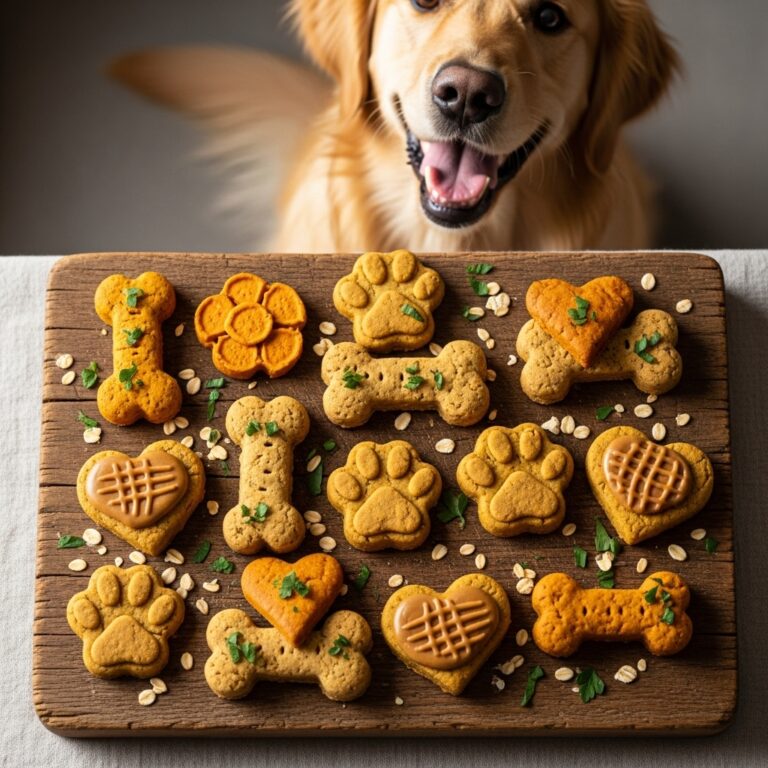
Hey there, fellow dog lovers! We’re all on a mission to give our pups the best life possible, and a huge part of that is what we put in their food bowls… and their treat jars! You’ve probably noticed the buzz around ‘grain-free’ diets, and it can be a little confusing. Many traditional dog treats are packed with wheat, which can sometimes cause tummy troubles for our sensitive companions. But what if there was a delicious, nutritious, and easy-to-make alternative? Enter the humble chickpea!
That’s right, chickpea flour (also known as garbanzo bean flour) is stepping into the spotlight as a fantastic, gluten-free base for dog treats. These aren’t just a trendy snack; they’re a powerhouse of nutrients that can support your dog’s health from the inside out. So, let’s ditch the wheat and dive into why chickpea flour crackers might just become your dog’s new favorite super-snack.
The Nutritional Powerhouse: Benefits of Chickpea Flour for Your Pup
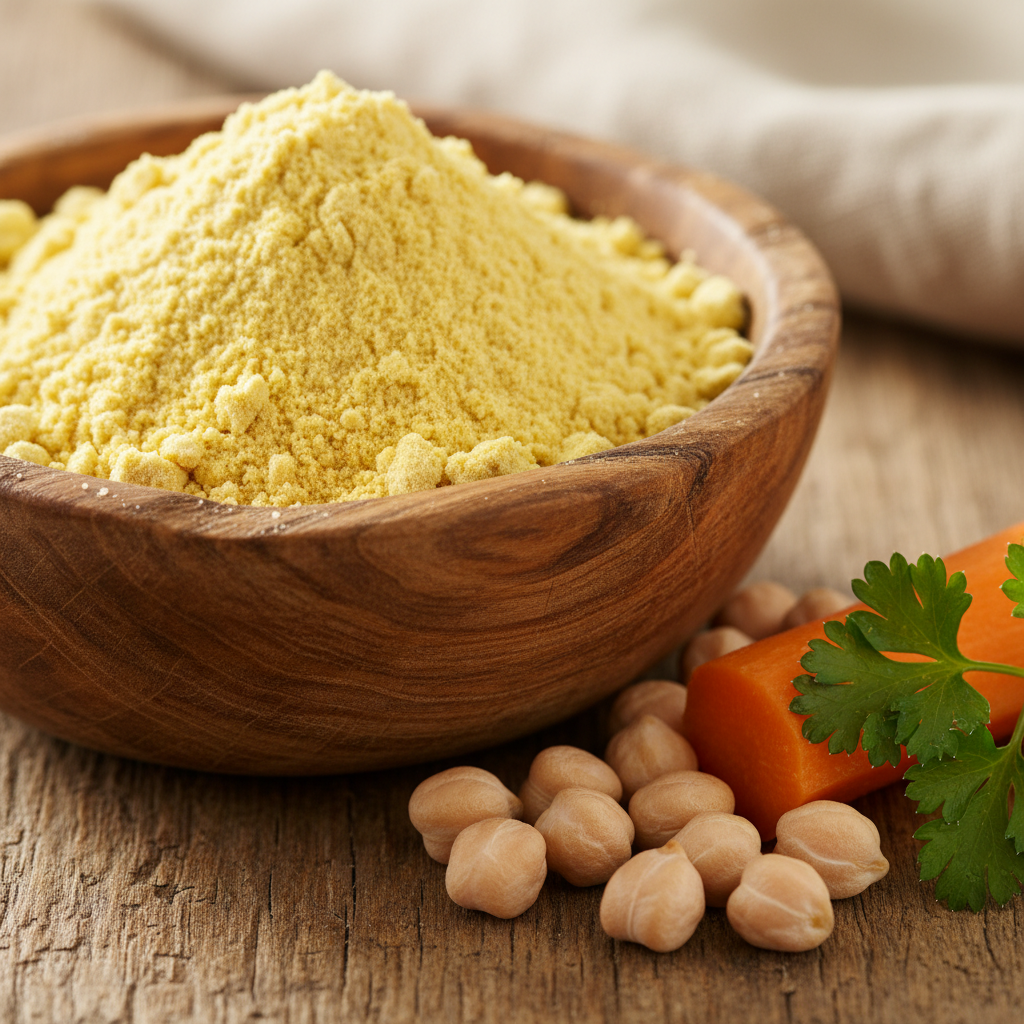
So, what makes chickpea flour so special? Unlike regular white flour, which can be heavily processed and low in nutrients, chickpea flour is a whole-food ingredient that packs a serious nutritional punch. It’s naturally gluten-free, making it a perfect choice for dogs with wheat sensitivities or allergies.
Here’s a breakdown of the good stuff:
- Protein Power: Chickpeas are a fantastic source of plant-based protein, which is essential for building and repairing muscles, especially for our active, playful pups. More protein helps keep them strong, energetic, and ready for the next game of fetch.
- Fiber for Fullness: This flour is rich in dietary fiber. Fiber is a superstar for digestive health, helping to keep your dog regular and promoting a healthy gut. It also helps your dog feel full and satisfied, which can be a great tool for weight management.
- Vitamins and Minerals Galore: Chickpea flour is loaded with important micronutrients. It contains a good amount of folate, which is vital for cell growth, and iron, which helps carry oxygen in the blood. It’s also a source of magnesium and potassium, which support heart health and nerve function.
- Low-Glycemic Goodness: It has a lower glycemic index compared to wheat flour. This means it doesn’t cause a rapid spike in blood sugar, providing a more stable and sustained source of energy. This is particularly beneficial for diabetic dogs or those needing to maintain steady energy levels.
Expert Tip: When you’re swapping out traditional treats for healthier alternatives like chickpea crackers, you’re not just avoiding potential allergens; you’re actively adding beneficial nutrients to your dog’s diet. It’s a win-win!
Are There Any Downsides? What to Watch For
While chickpea flour is generally a fantastic and safe option for most dogs, it’s always smart to be aware of potential considerations. Like any new food, the key is moderation and proper introduction.
The main thing to watch out for is digestive upset. Chickpeas are high in fiber, and a sudden increase can sometimes lead to gas or a bit of a rumbling tummy. To avoid this, introduce chickpea-based treats slowly. Give your dog just one or two crackers and see how they react over the next 24 hours. If all is well, you can gradually incorporate them into their regular treat rotation.
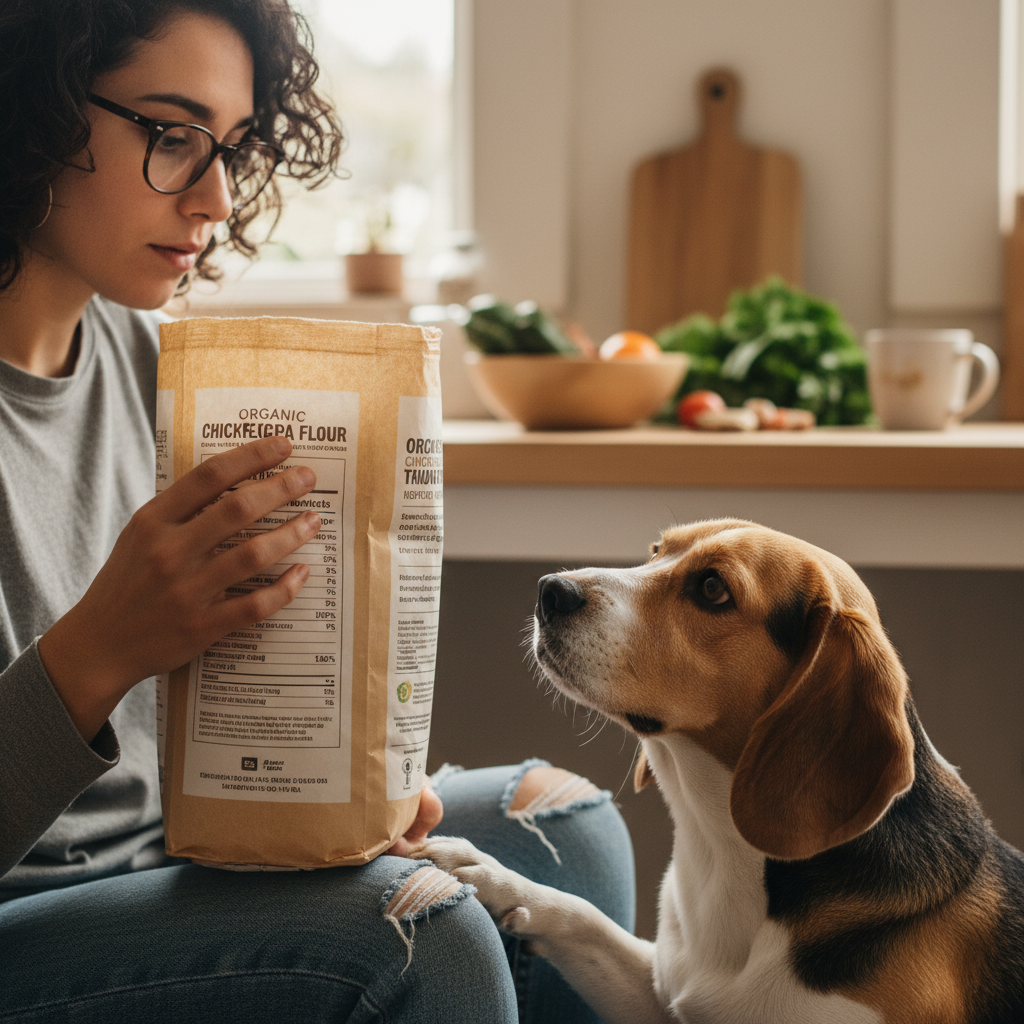
Another crucial point is to always use plain, 100% chickpea flour. Some flour blends intended for humans contain spices like onion or garlic powder, which are toxic to dogs. Always, always check the label to ensure you’re only getting ground-up chickpeas and nothing else.
Finally, remember that treats are treats! Even healthy, homemade ones should not replace your dog’s main meals. They are meant to be a supplement to a complete and balanced diet, used for training, rewards, or just a little extra love.
Serving Suggestions: How Much is Too Much?
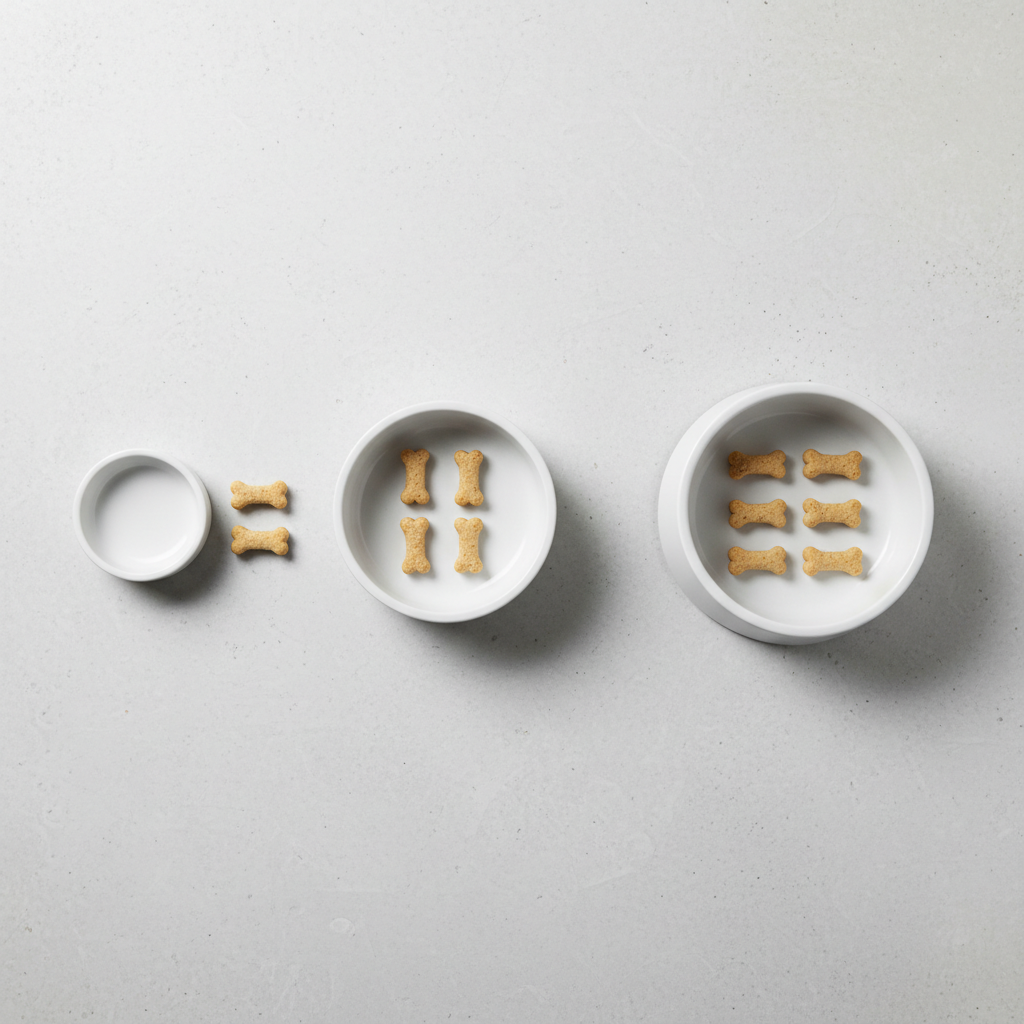
One of the most common questions I get is, “How many treats can I give my dog?” It’s a great question! The golden rule in the veterinary and training world is the 10% rule. This means that treats should make up no more than 10% of your dog’s total daily caloric intake.
Of course, calculating that exactly can be tricky. So, here are some general, easy-to-follow guidelines for serving homemade chickpea crackers (assuming a cracker is about 1-2 inches in size):
- Small Dogs (under 20 lbs): 1-2 crackers per day. Think Chihuahuas, Dachshunds, or Shih Tzus.
- Medium Dogs (20-50 lbs): 3-4 crackers per day. This is your range for Beagles, Border Collies, and Corgis.
- Large Dogs (over 50 lbs): 5-6 crackers per day. Perfect for Golden Retrievers, German Shepherds, and Labradors.
These are just starting points, of course. If your dog is particularly active, they might be able to handle a little more. If they are on a weight management plan, you might need to give a little less. When in doubt, it’s always a fantastic idea to have a quick chat with your veterinarian. They can give you personalized advice based on your dog’s specific age, weight, and health needs.
Let’s Get Baking! A Simple Chickpea Flour Cracker Recipe
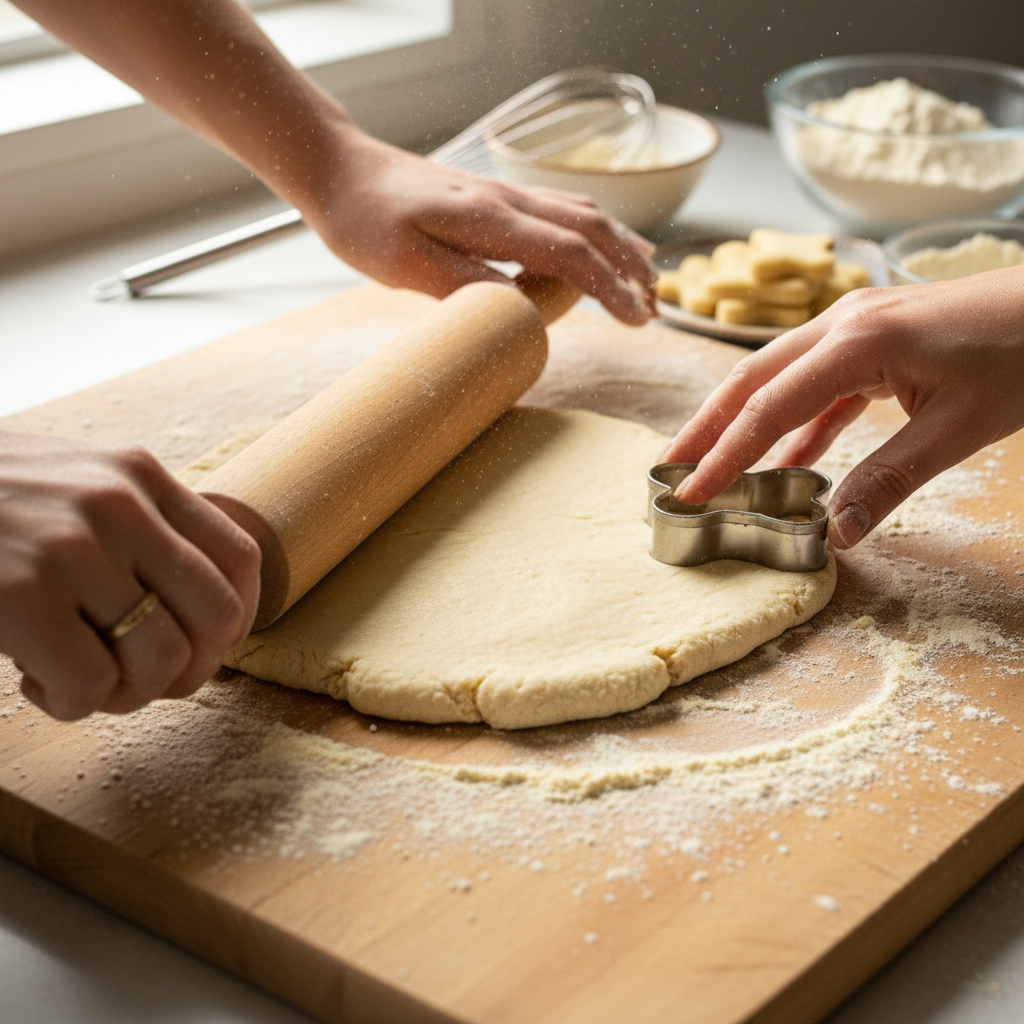
Ready to roll up your sleeves and spoil your pup? This recipe is incredibly simple and uses just a few dog-safe ingredients. Your kitchen will smell amazing, and your dog will be your new best friend (if they aren’t already!).
What You’ll Need:
| Ingredient | Amount | Notes |
|---|---|---|
| Chickpea Flour | 2 cups | Ensure it’s 100% pure chickpea flour. |
| Unsweetened Applesauce or Pumpkin Purée | 1/2 cup | Make sure it’s plain, with no added sugar or xylitol. |
| Water | 1/2 cup | Add more if needed to get the right dough consistency. |
| Optional Add-in: Peanut Butter | 2 tablespoons | CRITICAL: Must be xylitol-free. |
The Steps:
- Preheat Your Oven: Get your oven preheating to 350°F (175°C). Line a baking sheet with parchment paper for easy cleanup.
- Mix It Up: In a large bowl, combine the chickpea flour, your chosen purée (applesauce or pumpkin), and peanut butter if you’re using it. Mix until it’s crumbly.
- Form the Dough: Slowly add the water, mixing as you go, until a firm dough forms. You should be able to handle it without it being too sticky. If it’s too dry, add a tiny bit more water; if too sticky, a sprinkle more flour.
- Roll and Cut: On a lightly floured surface (using more chickpea flour), roll the dough out to about 1/4-inch thickness. Use a cookie cutter (bone shapes are always a hit!) or a pizza cutter to create your cracker shapes.
- Bake to Perfection: Place the crackers on your prepared baking sheet. Bake for 20-25 minutes, or until they are golden and firm. For an extra crunchy cracker, turn off the oven and let them cool inside with the door cracked open.
- Cool and Store: Let the crackers cool completely before treating your pup. Store them in an airtight container at room temperature for up to a week, or in the fridge for two weeks.
Conclusion
Making the switch from traditional wheat-based treats to something as wholesome and nutritious as chickpea flour crackers is a simple yet powerful way to boost your dog’s health. You get peace of mind knowing exactly what’s in their snacks, and your dog gets a delicious, satisfying crunch that’s packed with benefits. It’s a fantastic way to show your love and keep their tails wagging for years to come. So go ahead, give that recipe a try—your furry sous chef is waiting!