Danger in the Yard: How To Stop Your Dog From Chewing Dangerous Sticks
For many dog owners, the image of a happy canine trotting through the yard with a large stick in their mouth is the epitome of dog ownership. It seems natural, playful, and harmless. However, as canine specialists and veterinary professionals often witness, this innocent activity harbors significant risks that can lead to severe medical emergencies. The phrase "nature’s toy" is a misnomer when it comes to sticks found in the yard, as they pose threats ranging from oral splinters to life-threatening intestinal blockages.
Understanding why your dog is drawn to wood and knowing how to effectively intervene is crucial for their long-term health. This article moves beyond simple advice; we will explore the physiological dangers of stick chewing, the behavioral drives behind it, and provide you with a structured, professional approach to extinguishing this behavior. By implementing specific management strategies and mastering essential commands like "Leave It," you can transform your yard from a potential minefield into a safe haven for your companion.
The Veterinary Reality: Why Sticks Are Dangerous
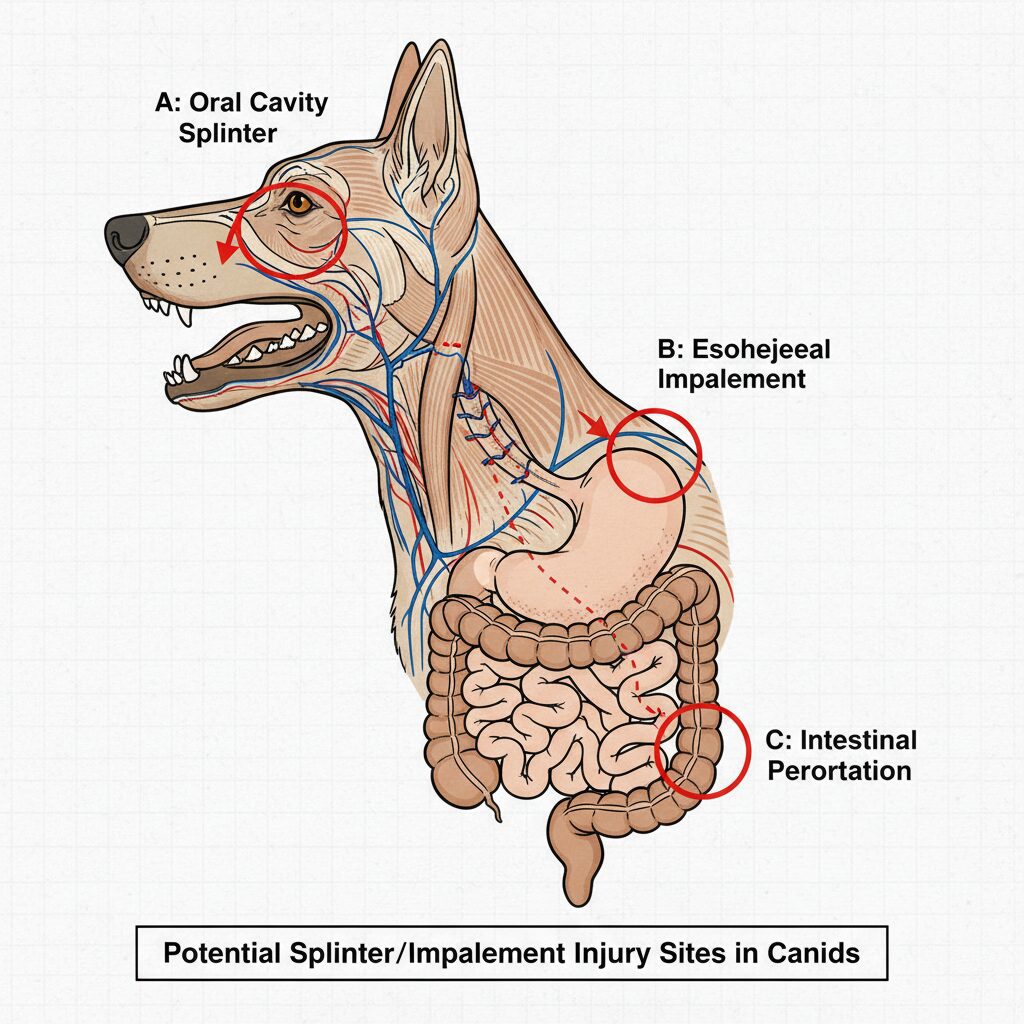
Before addressing behavior modification, it is imperative to understand the medical gravity of the situation. Sticks are not merely dirty; they are brittle and unpredictable. When a dog chews on a stick, the wood does not break cleanly. Instead, it splinters into sharp shards that can cause extensive damage. Veterinary emergency rooms frequently treat injuries directly related to stick ingestion or impalement.
Common Injuries and Health Risks
- Oral Trauma: Splinters can easily become wedged between teeth or embed themselves in the soft tissue of the gums and tongue, causing abscesses and severe pain.
- Impalement: Perhaps the most terrifying risk is the "stick injury," where a dog runs with a stick that jams into the ground, impaling the back of the throat or the soft palate.
- Choking and Obstruction: Small pieces of wood can lodge in the trachea (windpipe) or the esophagus. If swallowed, these pieces can cause gastrointestinal blockages that often require surgical intervention.
- Toxicity: Not all wood is benign. Trees such as Black Walnut, Yew, and Red Maple can be toxic to dogs if ingested, leading to systemic poisoning.
Recognizing these dangers is the first step in prioritizing a stick-free lifestyle for your pet.
Decoding the Behavior: The Drive to Chew

To stop the behavior, we must understand the motivation. Dogs do not chew sticks to be naughty; they do so to satisfy innate biological and psychological needs. Chewing is a self-soothing behavior that releases endorphins, helping to alleviate stress and boredom. The texture of wood—crunchy and resistant—mimics the sensation of cracking bone, which appeals to a dog’s predatory ancestry.
Furthermore, sticks are often covered in interesting scents from the outdoors, making them highly attractive to a dog’s olfactory senses. For puppies, the urge is often driven by teething discomfort. For adult dogs, it may be a sign of under-stimulation or simply a learned habit where they associate grabbing a stick with a game of chase. Identifying whether your dog is chewing for comfort, play, or exploration will help tailor your training approach. If the behavior is driven by boredom, increasing physical and mental enrichment is a necessary component of the solution.
Environmental Management and Prevention
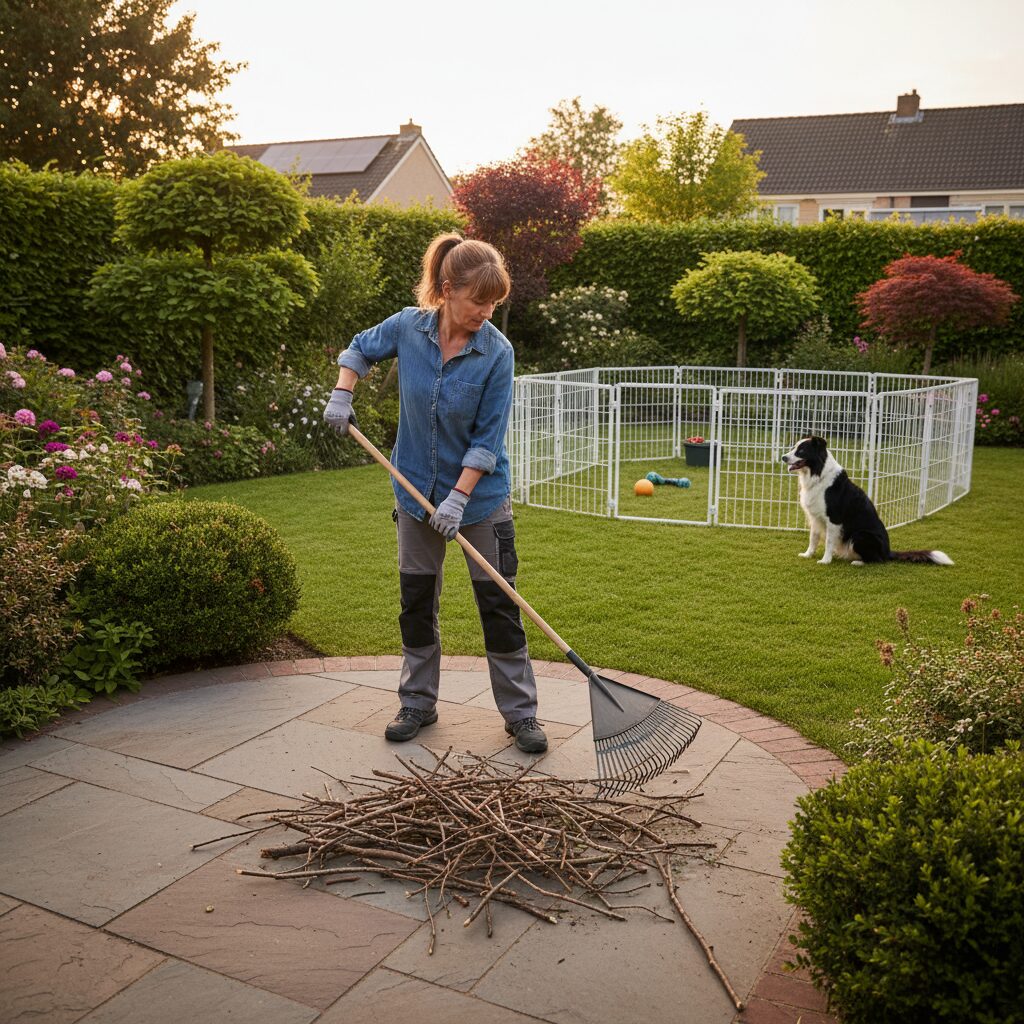
Training takes time, but safety must be immediate. The most effective way to stop your dog from chewing dangerous sticks in the short term is through rigorous environmental management. If the opportunity is removed, the behavior cannot occur. This is often referred to in professional training circles as "antecedent arrangement."
Steps for a Stick-Free Zone
- Yard Maintenance: Regularly patrol your yard, especially after storms or windy days, to remove fallen branches and debris. A clean yard reduces temptation.
- Supervision: Do not leave a stick-obsessed dog unattended in a yard with trees. Active supervision allows you to intervene before the dog engages with the wood.
- Physical Barriers: If you have wooded areas on your property, consider using temporary fencing or long-lines to prevent your dog from accessing areas where sticks are abundant.
- Muzzle Training: For extreme cases where a dog compulsively eats wood (pica), a properly fitted basket muzzle can be a humane and effective safety tool during walks while training is ongoing.
Training Protocol: The ‘Leave It’ and ‘Drop It’ Commands
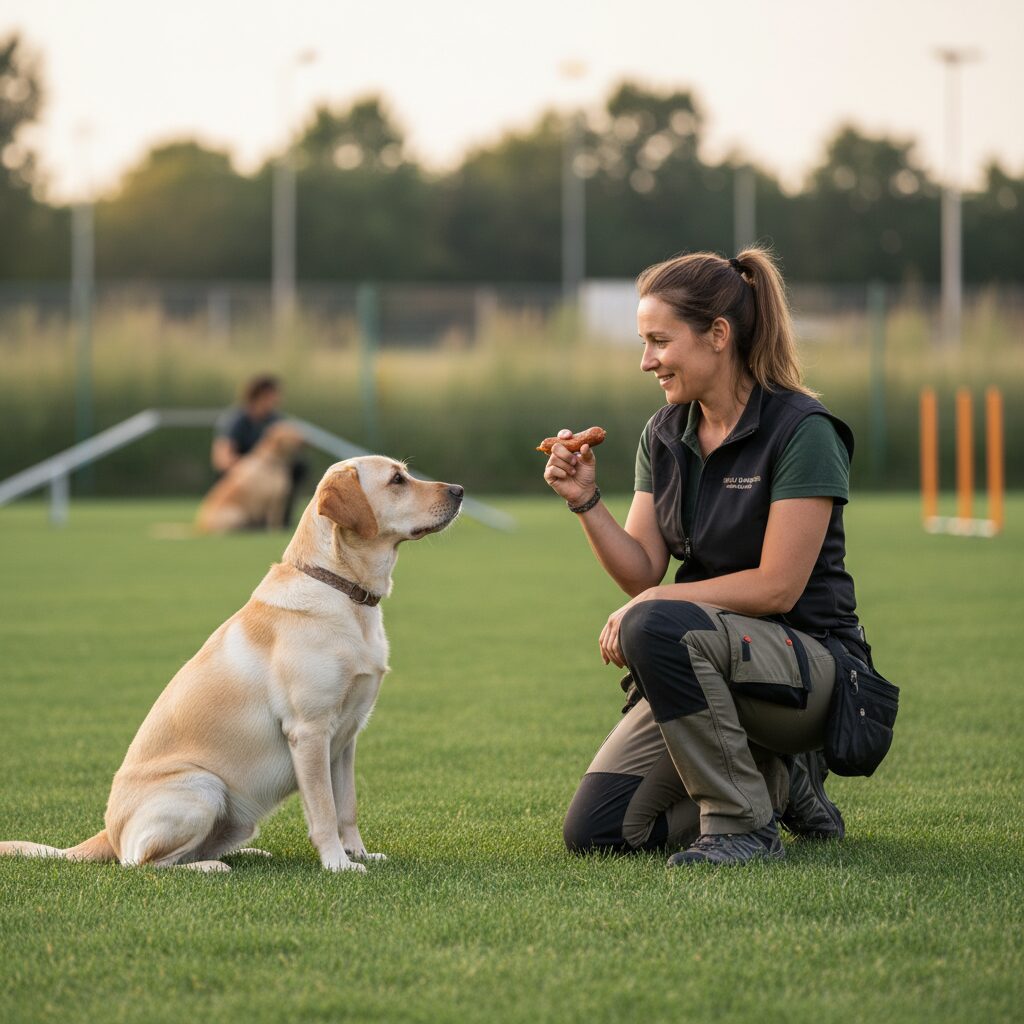
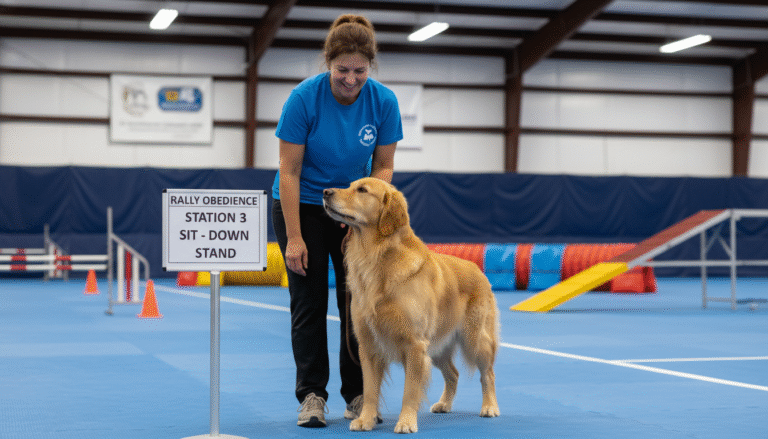
Active training is the long-term solution. You need two critical commands in your arsenal: "Leave It" (preventing the dog from picking up the stick) and "Drop It" (getting the dog to release the stick if they have it).
Mastering ‘Leave It’
The goal of "Leave It" is to teach your dog that ignoring the item yields a better reward than the item itself.
- Step 1: Start indoors with a low-value item (like a piece of kibble) on the floor and a high-value treat (like chicken) in your hand. Cover the floor treat with your foot or hand.
- Step 2: Wait for the dog to stop sniffing or pawing at the covered treat. The moment they look away or back at you, mark the behavior (say "Yes!" or click) and reward them from your hand, not the floor.
- Step 3: Add the cue "Leave It" right before you cover the treat. Gradually practice with the treat uncovered, and then move the training outdoors using sticks as the distraction.
The Emergency ‘Drop It’
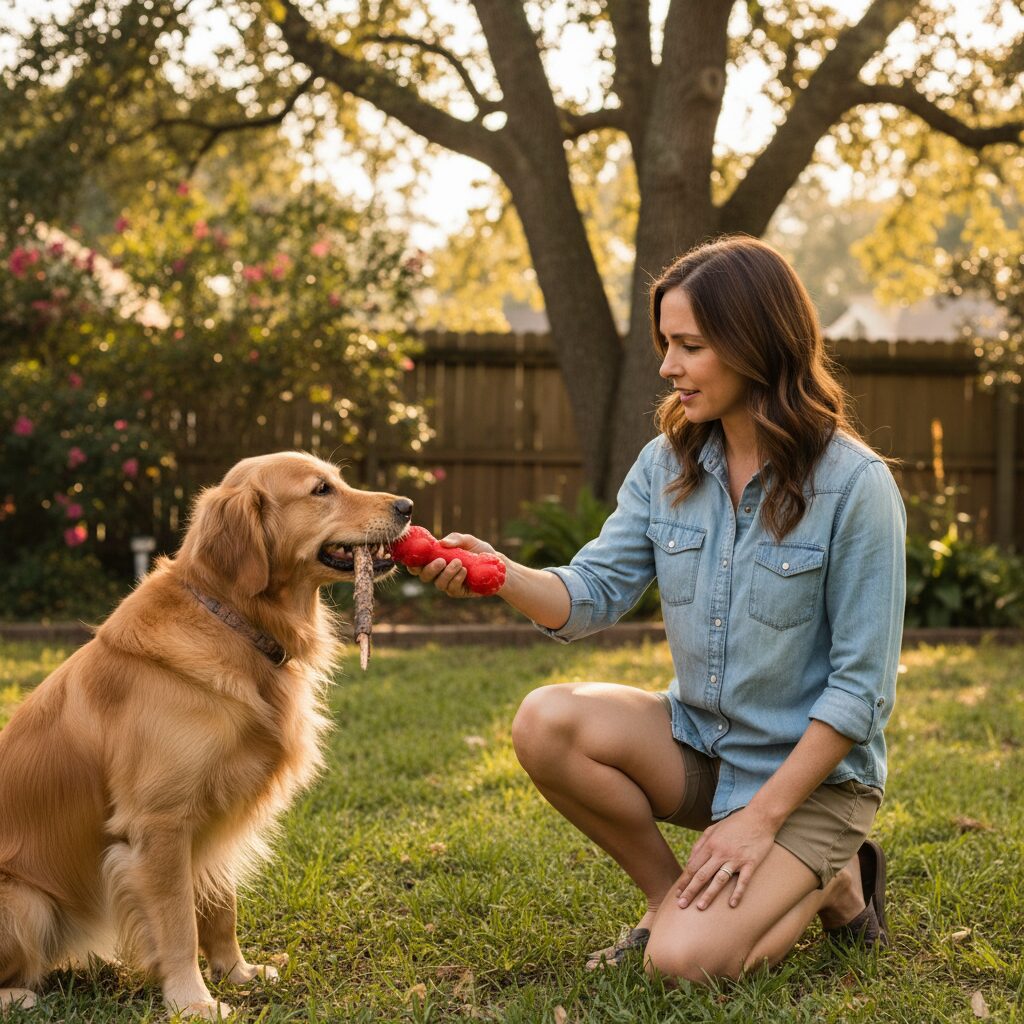
Never chase a dog with a stick; this turns danger into a game. Instead, trade up. Offer a high-value reward right at their nose. When they open their mouth to take the treat, the stick will fall out. Mark this with "Yes!" and give the treat. Practice this frequently with toys so the command is reliable when it matters.
Safe Alternatives: Satisfying the Chewing Need
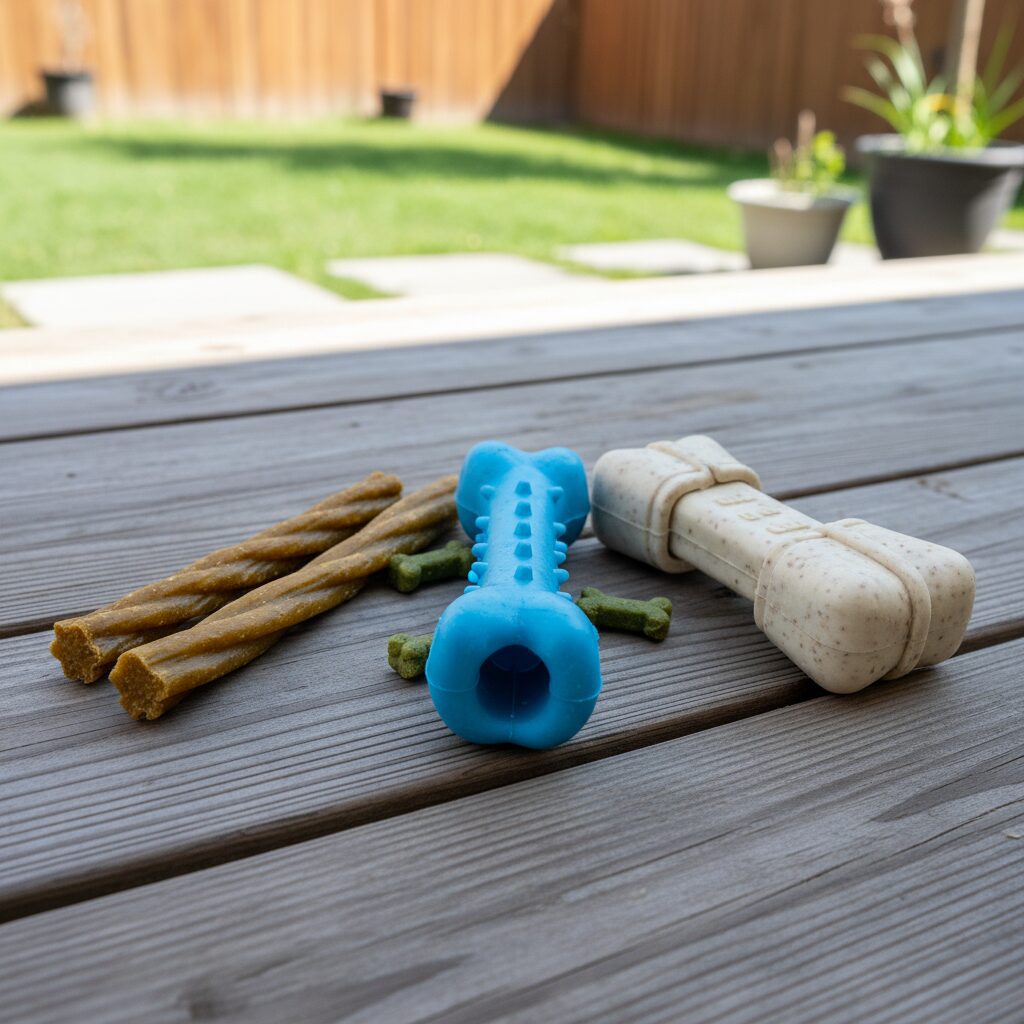
Since chewing is a natural need, you cannot simply suppress it; you must redirect it. Providing safe, appealing alternatives is essential for success. If your dog enjoys the texture of wood, look for products specifically designed to mimic that sensation without the risk of splintering.
- Rubber Stick Toys: Many reputable pet brands manufacture rubber toys shaped like sticks. These float, bounce, and are safe for teeth, providing the fetch utility without the impalement risk.
- Coffee Wood Chews: For dogs that crave real wood, coffee wood chews are a safer natural option. They are dense and, when chewed, break down into soft fibers rather than sharp splinters. However, supervision is still required.
- Bully Sticks and Yak Chews: These digestible chews provide the resistance and duration that many dogs seek when gnawing on wood.
Always rotate these toys to keep them novel and exciting. When you see your dog heading for a stick in the yard, immediately redirect them to one of these high-value alternatives and praise them lavishly for making the correct choice.
Creating a Safer Environment for Your Companion
Stopping a dog from chewing dangerous sticks requires a combination of vigilance, management, and consistent training. By understanding the severe health risks involved, you can find the motivation to enforce strict boundaries. Remember that this is not about denying your dog fun, but rather about channeling their natural instincts into safer outlets. With patience and the right tools—specifically the "Leave It" command and durable alternatives—you can protect your dog from hidden dangers in the yard. Your proactive approach today ensures your dog remains healthy, happy, and injury-free for years to come.