
Dancing With Dogs: 7 Canine Freestyle Moves for Beginners
Canine Musical Freestyle, often simply called ‘dancing with dogs,’ is a rapidly growing sport that combines obedience training, trick training, and dance. It is a fantastic way to improve the bond between you and your canine companion while providing essential mental and physical stimulation. Unlike rigid obedience competitions, freestyle allows for creativity and fun, making it accessible to dogs of all breeds and ages.
However, entering the world of freestyle requires more than just turning on the radio. It demands a solid foundation of trust, communication, and safety. As a canine specialist, I approach this discipline not just as an art form, but as a structured training regimen that enhances a dog’s proprioception (body awareness) and focus. In this guide, we will cover the essential preparations and walk you through seven beginner-friendly moves that serve as the building blocks for a dazzling routine.
Preparation: Safety and Equipment
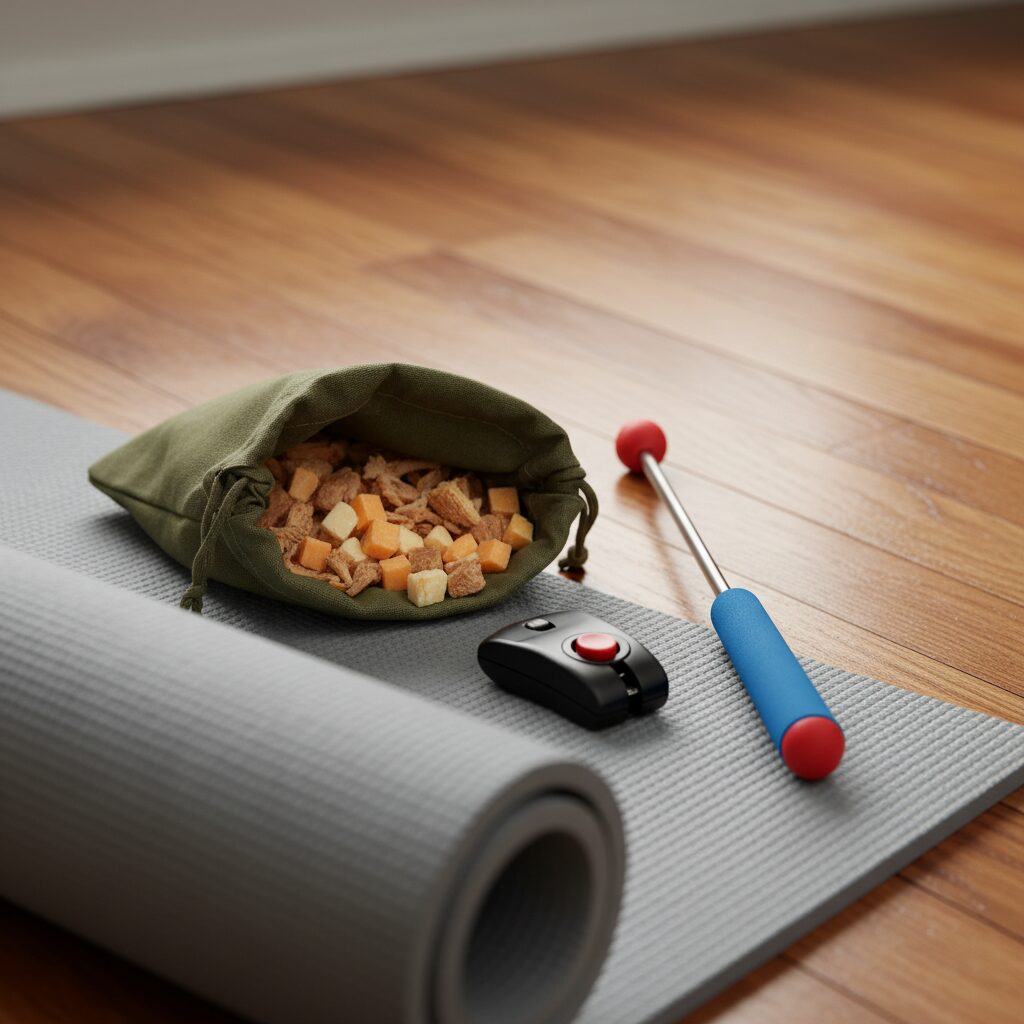
Before attempting any dynamic movements, it is crucial to establish a safe training environment. Canine freestyle involves twists, turns, and jumps that can put stress on a dog’s joints if performed on slippery surfaces. Always train on a non-slip surface, such as rubber matting, carpet, or grass, to prevent injury.
You will also need the following tools:
- High-Value Treats: Soft, pea-sized treats that can be eaten quickly without crumbling.
- A Clicker or Marker Word: To mark the exact moment your dog performs the correct action.
- Target Stick (Optional): Useful for guiding your dog into specific positions without bending over.
Furthermore, ensure your dog is physically cleared for activity. If you have a puppy, a senior dog, or a breed prone to back or joint issues, consult your veterinarian before starting high-impact moves.
Moves 1 & 2: The Spin and The Twist
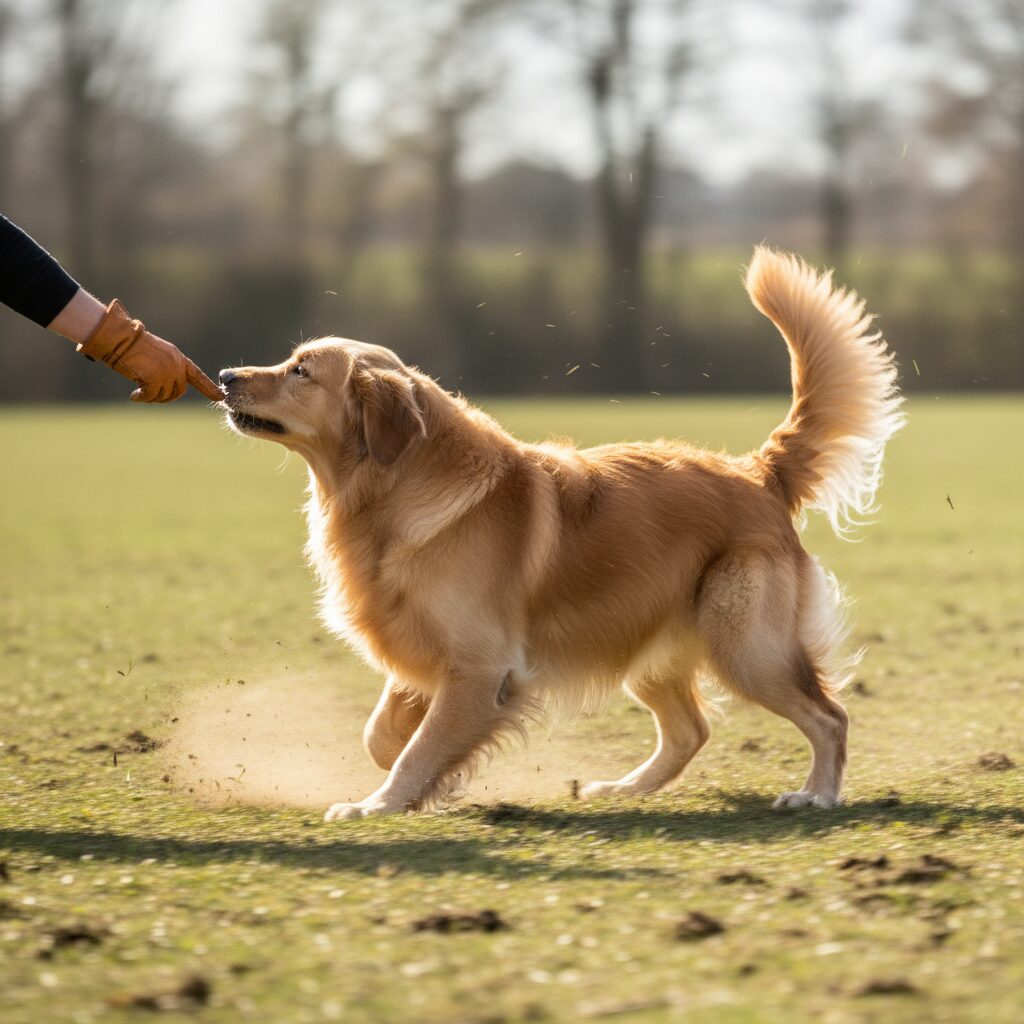
The foundation of almost every freestyle routine involves the dog turning in a circle. In the world of dog dancing, we distinguish the direction of the turn with specific cues: ‘Spin’ usually refers to a clockwise turn, while ‘Twist’ refers to a counter-clockwise turn.
How to Train It:
- Luring: Hold a treat at your dog’s nose level. Slowly lure their nose toward their tail in a tight circle.
- Mark and Reward: As soon as they complete the circle, click (or say ‘Yes!’) and reward.
- Adding the Cue: Once the dog follows the lure fluidly, add the verbal cue ‘Spin’ or ‘Twist’ just before you start the hand motion.
- Fading the Lure: Gradually reduce the food lure until a simple hand gesture or finger swirl prompts the behavior.
Moves 3 & 4: The Leg Weave and The Figure Eight
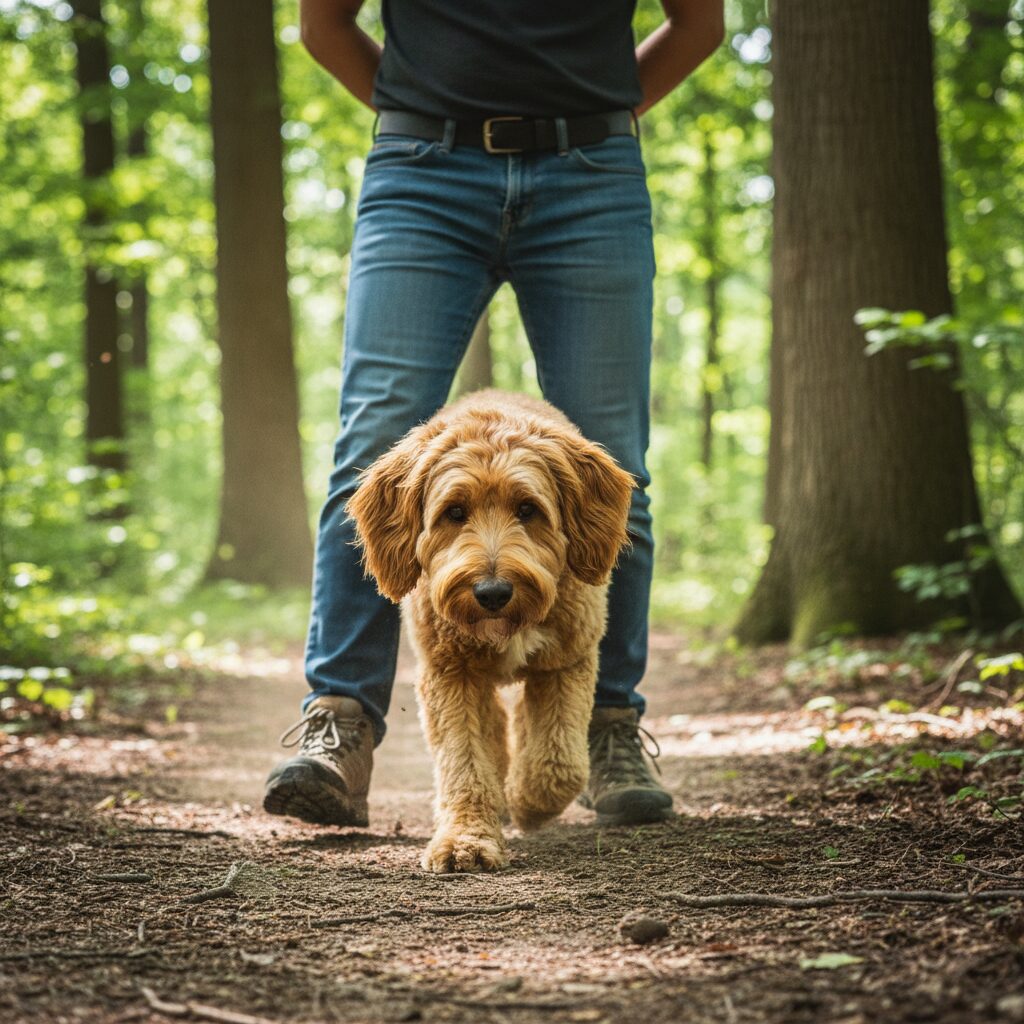
Leg weaves are visually impressive and demonstrate excellent handler focus. This move involves the dog passing between your legs as you walk forward (The Weave) or while you stand stationary (The Figure Eight).
The Walking Weave:
Start with your dog on your left side. Step forward with your right leg. Reach through your legs from behind with a treat in your right hand to lure the dog through. As they come through, step forward with your left leg and lure them through with your left hand. Repeat this rhythmically. This move builds rhythm and requires the dog to synchronize their pace with yours.
The Figure Eight:
Stand with your legs apart. Lure the dog through your legs from front to back, then around the outside of one leg, back through the center, and around the other leg. This creates a continuous ‘8’ pattern on the floor.
Moves 5 & 6: The Bow and The Orbit
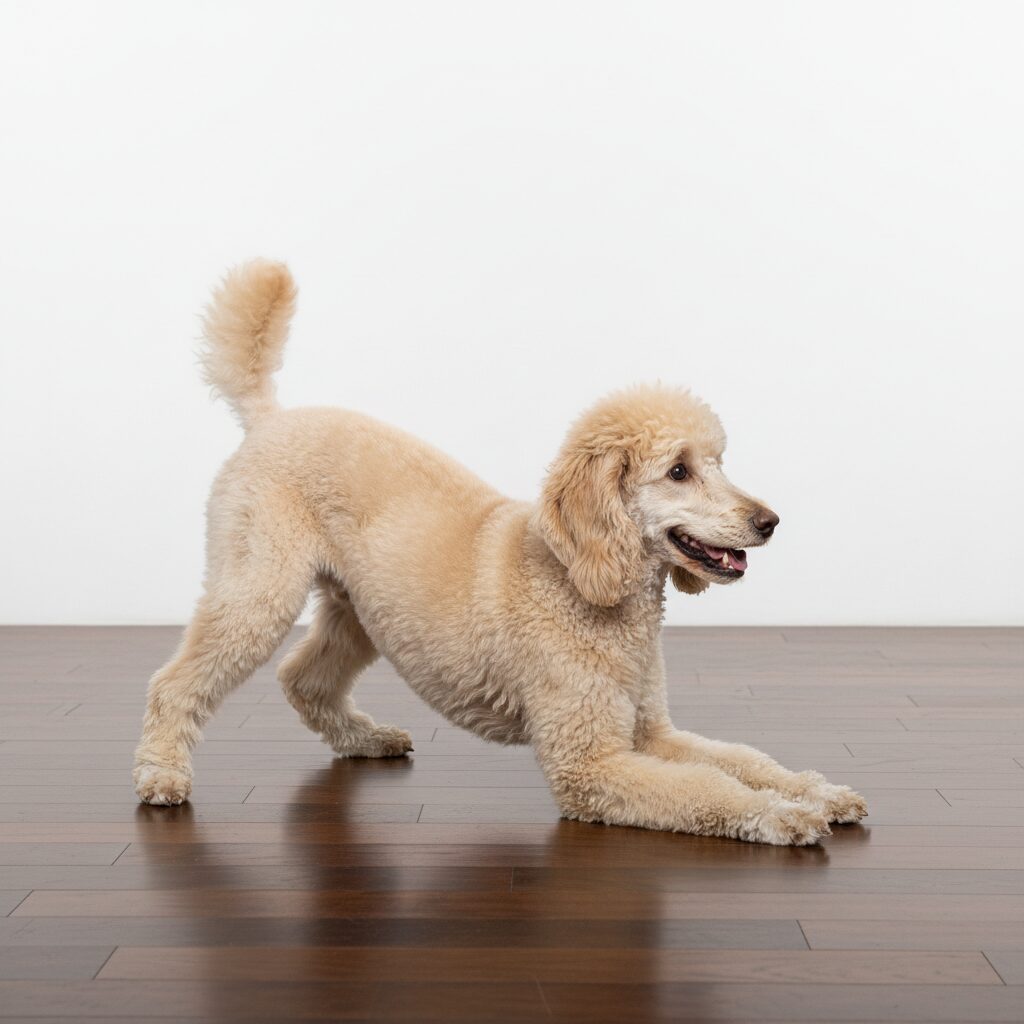
Static poses and distance work add variety to a routine. ‘The Bow’ is a classic trick that mimics a natural play signal, while ‘The Orbit’ involves the dog circling the handler.
The Bow:
To teach the bow, hold a treat at the dog’s nose and move it slowly down towards the floor and slightly back towards their chest. The goal is to get the elbows down while keeping the rear end up. If the dog lies down completely, you have gone too far; reset and try again. Mark the moment the elbows touch the ground.
The Orbit:
This is similar to the spin but on a larger scale. Lure your dog to walk around you. Initially, you may need to pass the treat from one hand to the other behind your back to guide them a full 360 degrees. Eventually, this can be done while you are moving, creating a planetary orbit effect.
Move 7: Backing Up
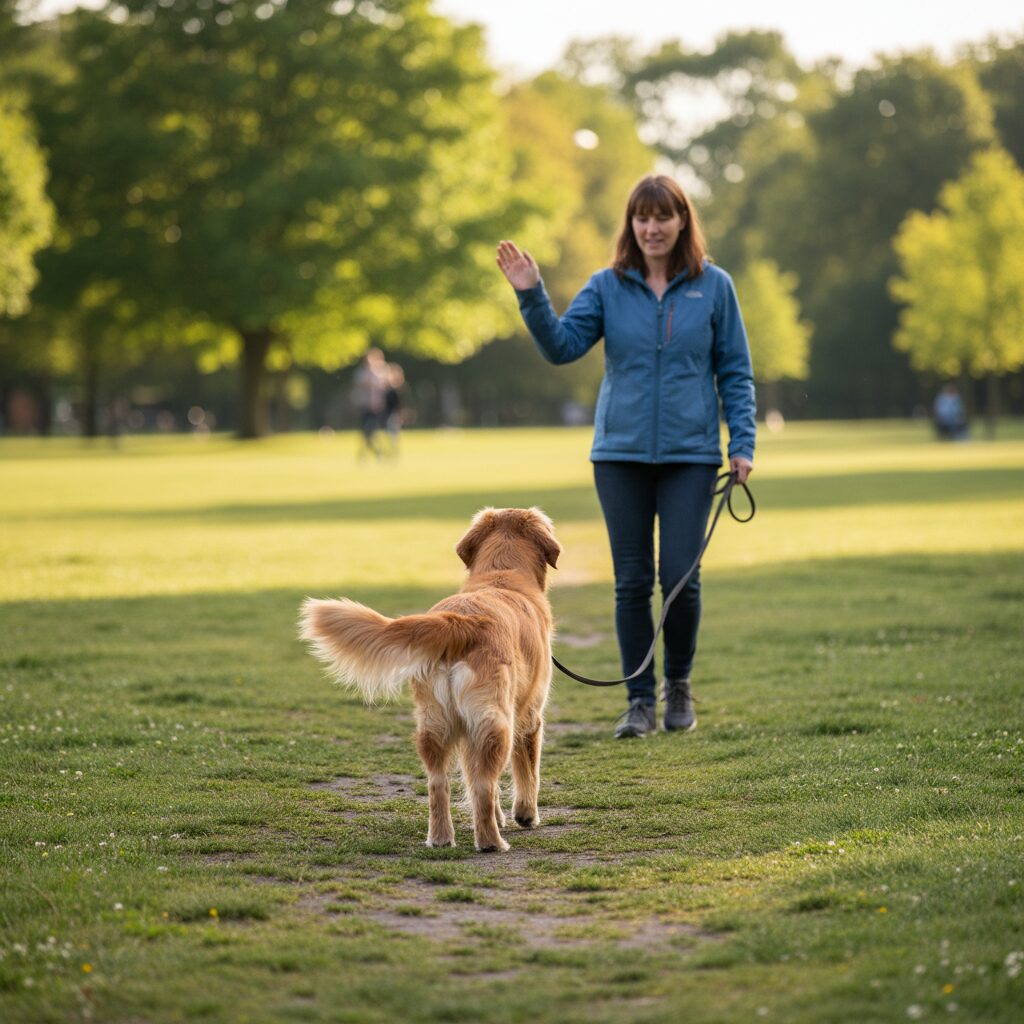
Walking backward is often unnatural for dogs, as they are front-end driven animals. Teaching a dog to reverse is excellent for rear-end awareness and conditioning.
The Training Process:
Start in a narrow hallway or between a wall and a couch to prevent the dog from turning sideways. Stand in front of your dog and step into their space slightly while holding a treat at chest level (too high and they will sit; too low and they will lie down). As they take a single step back to adjust their balance, mark and reward. Gradually increase the number of steps before rewarding. In a routine, this move is often used for dramatic retreats or separating from the handler.
Choreography: Putting It All Together
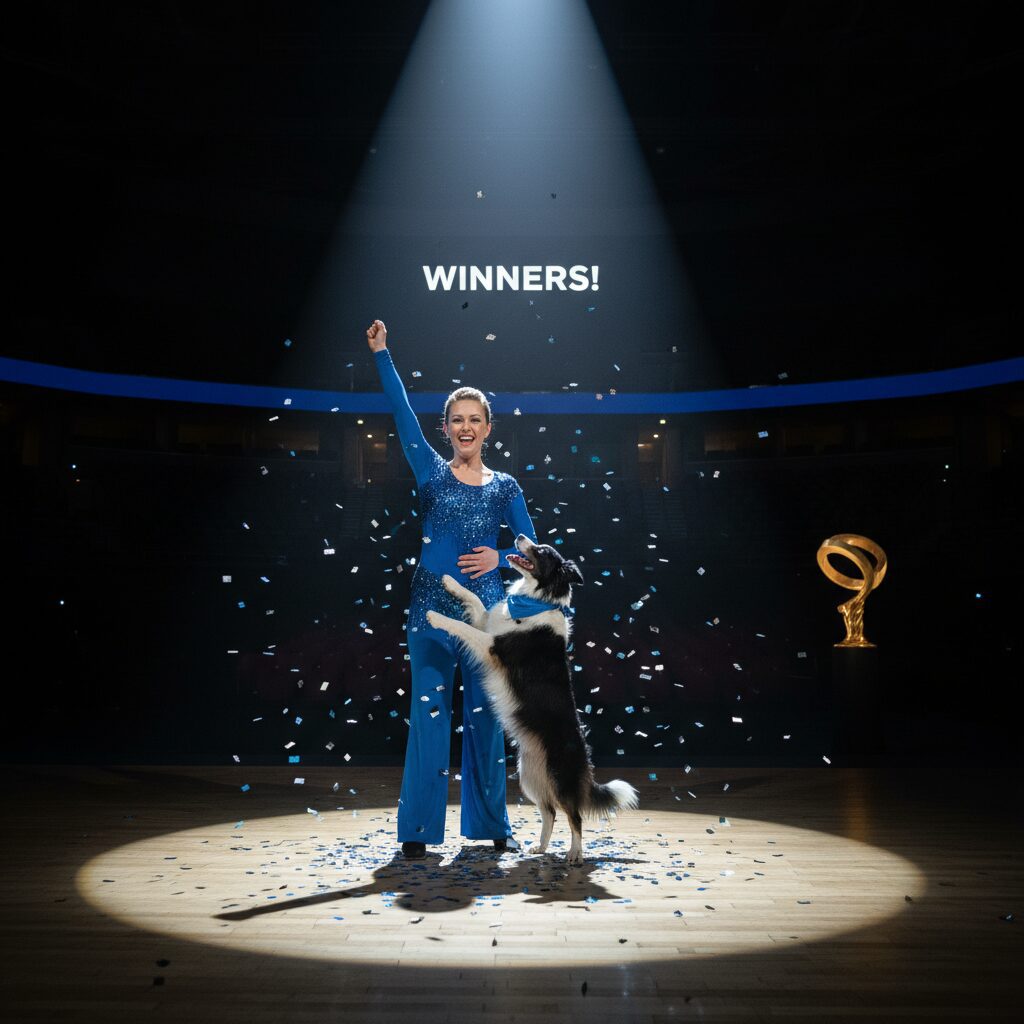
Once your dog has mastered these seven moves, it is time to chain them together into a sequence. When choosing music, select a song with a clear, steady beat that matches your dog’s natural walking pace. Small dogs often look better with faster tempos, while giant breeds suit slower, majestic tracks.
Tips for Success:
- Keep it Short: Beginner routines should be 90 seconds to 2 minutes maximum to maintain the dog’s enthusiasm.
- Transitions: The hardest part of freestyle is the transition between moves. Practice moving from a ‘Spin’ directly into a ‘Heel’ or a ‘Weave’.
- Positive Association: If your dog gets confused, stop the music, ask for a simple command they know well (like ‘Sit’), reward heavily, and try again. The goal is for the dog to view the routine as a giant game.
Final Thoughts on Canine Freestyle
Dancing with your dog is a journey of partnership. While the seven moves outlined here—Spins, Twists, Weaves, Figure Eights, Bows, Orbits, and Backing Up—are the technical components, the true essence of the sport lies in the joy you share with your animal. Be patient, keep training sessions short, and always end on a high note. With consistency and positive reinforcement, you will not only have a dog that can dance but a companion who is deeply tuned in to your every movement.