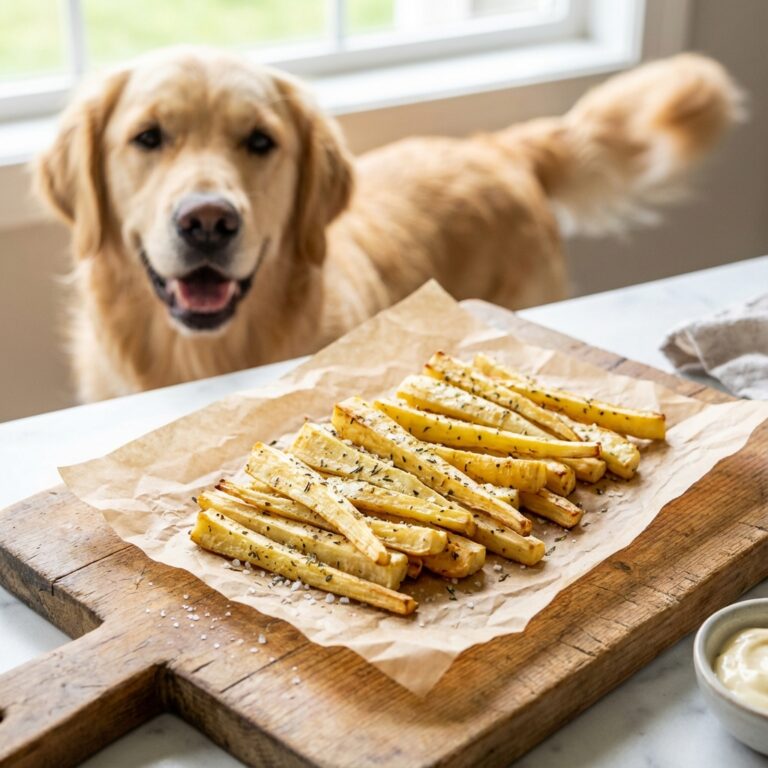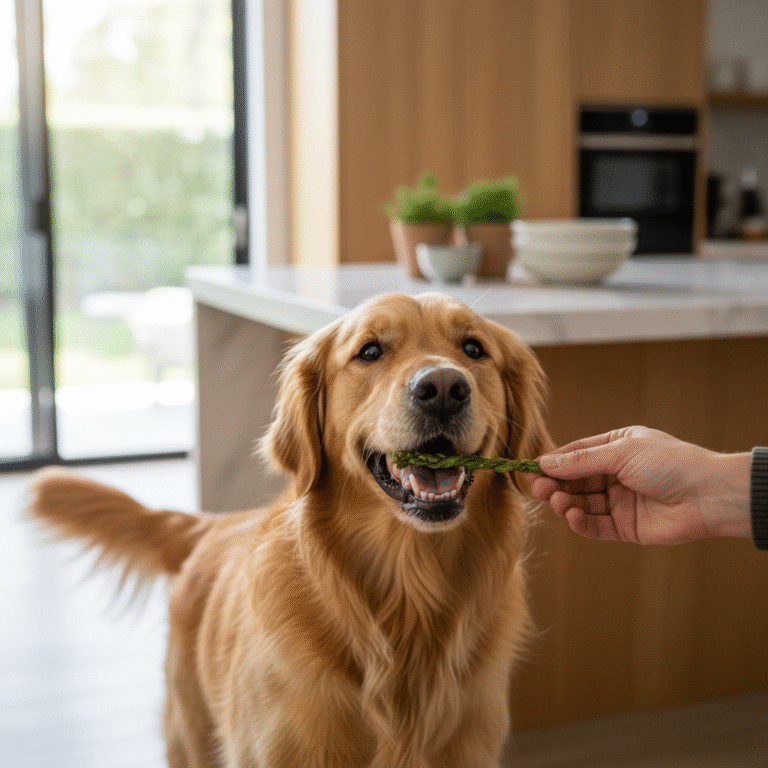

Crispy Baked Butternut Squash Fries (Healthy Dog Treat)
Hey there, fellow pet parent! We all love to spoil our pups, don’t we? That little head tilt or those big puppy-dog eyes can make us want to share everything we’re eating. But while sharing is caring, not all human foods are safe for our four-legged family members. That’s where the magic of homemade dog treats comes in! You get to control every single ingredient, ensuring your pup gets a snack that’s not only delicious but also genuinely good for them.
Enter the humble butternut squash. This vibrant, sweet, and nutty winter squash is more than just a fall favorite for humans; it’s a nutritional powerhouse for our dogs, too. In this guide, we’re going to walk you through everything you need to know about this amazing veggie, from its health benefits to any potential risks. And, of course, we’ll share our favorite, super-simple recipe for Crispy Baked Butternut Squash Fries that will have your dog doing zoomies for more!
The Nutritional Power of Butternut Squash for Dogs

Why Butternut Squash is a Superfood for Your Pup
So, what makes butternut squash such a fantastic addition to your dog’s treat rotation? It’s not just about its yummy taste. This gourd is packed with vitamins and minerals that can support your dog’s overall health from nose to tail. Let’s break down the good stuff:
- Vitamin A: This is a big one! Butternut squash is rich in beta-carotene, which a dog’s body converts into Vitamin A. This essential vitamin is crucial for maintaining healthy vision, supporting immune function, and promoting good skin and coat health. A shiny coat isn’t just for looks; it’s a sign of good health!
- Vitamin C: Just like for us, Vitamin C is a powerful antioxidant for dogs. It helps reduce inflammation and combat harmful free radicals, which can contribute to aging and disease. It’s a fantastic immune system booster.
- Potassium: This mineral is vital for your dog’s muscle health, helping with muscle contraction and nerve function. It also plays a role in maintaining a healthy heart and kidney function.
- Fiber: Butternut squash is an excellent source of dietary fiber. This is wonderful for your dog’s digestive system! Fiber helps promote regular bowel movements, can aid in preventing constipation, and contributes to a feeling of fullness, which can be helpful for dogs on a weight management plan.
- Low in Calories: Compared to many commercial, grain-heavy treats, butternut squash is relatively low in calories, making it a guilt-free option for a special snack.
Expert Tip: Always cook butternut squash before giving it to your dog. Raw squash is very hard and can be a choking hazard or cause digestive upset. Steaming or baking is the way to go!
Hold On! Are There Any Risks to Consider?

Playing It Safe: What to Watch Out For
While butternut squash is generally very safe and healthy, as with any food, moderation is key. There are a few things to keep in mind to ensure this treat remains a healthy one.
Go Plain or Go Home
The most important rule is to never feed your dog butternut squash that has been prepared for humans. We love to add butter, salt, sugar, onions, garlic, or fancy spices, but these ingredients can be harmful, and in some cases, toxic to dogs. Onions and garlic, in particular, are big no-nos.
The Seeds and Skin
While the seeds aren’t toxic, they can be difficult for dogs to digest and could potentially cause a blockage if consumed in large quantities. It’s best to scoop them out and discard them. The skin is also very tough and fibrous, making it hard to chew and digest. Always peel the squash before cooking and serving it to your pup.
Too Much of a Good Thing
Remember all that wonderful fiber we talked about? Well, a sudden increase or a very large amount can lead to digestive upset, like gas or diarrhea. It’s crucial to introduce any new food slowly and to keep portion sizes reasonable. We’ll cover specific serving sizes in a later section!
Sugar Content
Butternut squash does contain natural sugars. While it’s much better than the processed sugars in many commercial treats, it’s still something to be mindful of, especially for diabetic dogs or dogs that are overweight. Always consult your vet before introducing new foods if your dog has a pre-existing health condition.
The Ultimate Crispy Baked Butternut Squash Fries Recipe

Time to Get Cooking!
Alright, let’s get to the fun part! This recipe is incredibly easy and requires minimal ingredients. Your kitchen will smell amazing, and your dog will likely be supervising your every move from the floor.
What You’ll Need:
- 1 medium-sized butternut squash
- 1 tablespoon of melted coconut oil or olive oil
- A pinch of cinnamon (optional, but many dogs love it and it has anti-inflammatory properties!)
Tools:
- A sharp knife or vegetable peeler
- A cutting board
- A large bowl
- A baking sheet
- Parchment paper
Step-by-Step Instructions:
- Preheat Your Oven: Get your oven preheating to 400°F (200°C). Line a large baking sheet with parchment paper for easy cleanup.
- Prep the Squash: Carefully cut the top and bottom off the butternut squash. Use a sharp vegetable peeler or a knife to remove all of the tough outer skin. Cut the squash in half lengthwise and use a spoon to scoop out all the seeds and stringy bits.
- Cut into Fries: Now, cut the squash into fry-shaped sticks. Aim for about 1/4 to 1/2 inch thick. Try to keep them as uniform in size as possible so they cook evenly.
- Coat the Fries: Place the squash sticks in a large bowl. Drizzle the melted coconut oil over them and add the pinch of cinnamon, if using. Use your hands to toss everything together until each fry is lightly coated.
- Arrange on Baking Sheet: Spread the fries out on the prepared baking sheet in a single layer. Make sure they aren’t touching or overlapping too much. This is the secret to getting them crispy instead of steamy! You might need two baking sheets if you have a lot.
- Bake to Perfection: Place the baking sheet in the preheated oven and bake for 20-30 minutes, flipping the fries halfway through. They’re done when they are tender on the inside and golden brown and slightly crispy on the outside.
- Cool Completely: This is the hardest part! You must let the fries cool down completely before serving them to your eager pup. Hot food can burn their mouth.
Serving Size Savvy: How Much is Too Much?

Portion Control for Pups
Treats are just that—treats! They should only make up about 10% of your dog’s daily caloric intake. Overfeeding, even with healthy foods, can lead to weight gain and unbalance their diet. The right amount of butternut squash fries depends entirely on the size of your dog.
Here’s a general guideline to help you serve responsibly. Remember, one ‘fry’ is about a 3-inch long, 1/2-inch thick stick.
| Dog Size | Weight Range | Recommended Serving (per day) |
|---|---|---|
| Extra Small / Toy | Under 10 lbs | 1-2 small fries |
| Small | 11-25 lbs | 2-3 fries |
| Medium | 26-50 lbs | 4-5 fries |
| Large | 51-90 lbs | 6-7 fries |
| Extra Large / Giant | Over 90 lbs | A small handful (about 8-10 fries) |
Always start with a smaller amount to see how your dog’s system handles it. If you notice any digestive upset, reduce the quantity.
Fun Variations & Other Safe Veggie Fries

Mixing It Up in the Kitchen
Once you’ve mastered the basic butternut squash fry, you can get creative! Or maybe your pup isn’t a huge fan of squash. No worries! The same baking method works beautifully for other dog-safe vegetables.
Healthy Alternatives to Butternut Squash:
- Sweet Potatoes: A classic favorite! They are also packed with Vitamin A and fiber. They tend to get a bit crispier than squash.
- Carrots: Carrot fries are a fantastic, low-calorie option that’s great for your dog’s teeth and eyes. They have a satisfying crunch when baked.
- Zucchini: These are a great source of vitamins and minerals, but they contain a lot of water, so they’ll result in a softer, less ‘crispy’ fry. Still delicious!
- Pumpkin: Just like its squash cousin, plain, cooked pumpkin is excellent for digestive health. Cutting it into fries can be a fun seasonal treat.
Fun Toppers (Use Sparingly!):
Want to add a little something extra? After the fries are cooked and cooled, you can sprinkle them with a tiny amount of:
- Parsley: Can help freshen your dog’s breath.
- Turmeric: Known for its powerful anti-inflammatory properties. A very small pinch is all you need.
- Plain, Unsweetened Yogurt or Kefir: You can use a small dollop as a ‘dip’ for a probiotic boost.
Remember to always introduce new ingredients one at a time to monitor for any potential allergies or sensitivities. Happy baking!
Conclusion
Making homemade treats for your dog is a wonderful way to show them you care. These Crispy Baked Butternut Squash Fries are more than just a tasty snack; they’re a little bundle of nutrition that you can feel great about giving your best friend. By controlling the ingredients and the portion sizes, you’re providing a treat that supports their health and happiness.
So next time you’re at the grocery store, grab a butternut squash and give this simple recipe a try. The sight of your dog’s happy, wagging tail as they crunch on their delicious, homemade fries will be the best reward. Happy treating!