Chewy Baked Turkey Gizzards: A Natural Toothbrush For Your Dog
Let’s be honest, brushing our dog’s teeth can sometimes feel like a wrestling match. You get out the toothbrush, and suddenly your furry best friend becomes a master of evasion. But what if there was a way to help scrub their pearly whites that they would actually love? Enter the humble turkey gizzard!
It might not sound glamorous, but this powerhouse organ meat, when prepared correctly, becomes a chewy, delicious, and incredibly effective natural toothbrush for your dog. It’s a single-ingredient treat that satisfies their instinct to chew while actively working to scrape away plaque and tartar. In this guide, we’ll explore everything you need to know about turning this simple treat into a cornerstone of your dog’s dental hygiene routine.
The Dental Magic: How Chewing Gizzards Cleans Teeth
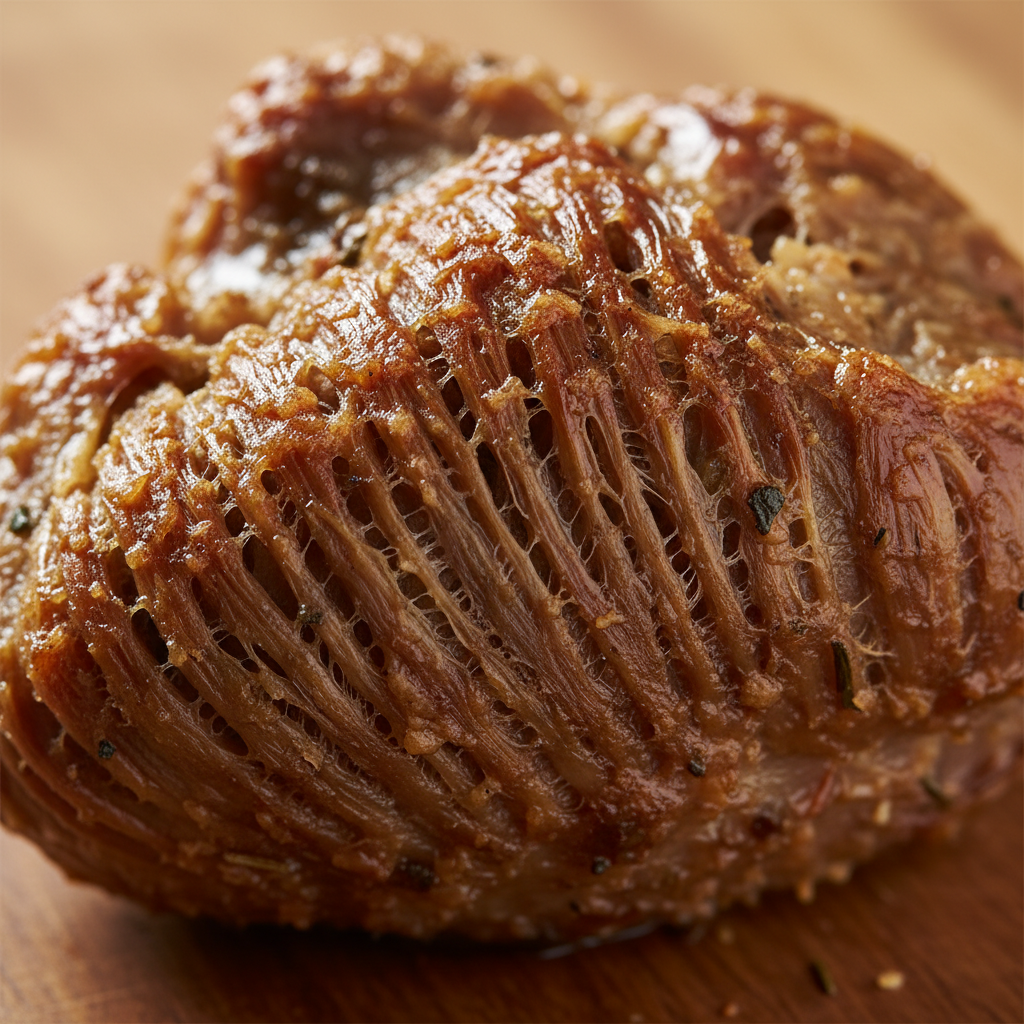
The secret to the turkey gizzard’s dental prowess lies in its unique texture. Unlike crunchy biscuits that shatter on impact, dehydrated turkey gizzards are tough, fibrous, and chewy. This is where the magic happens!
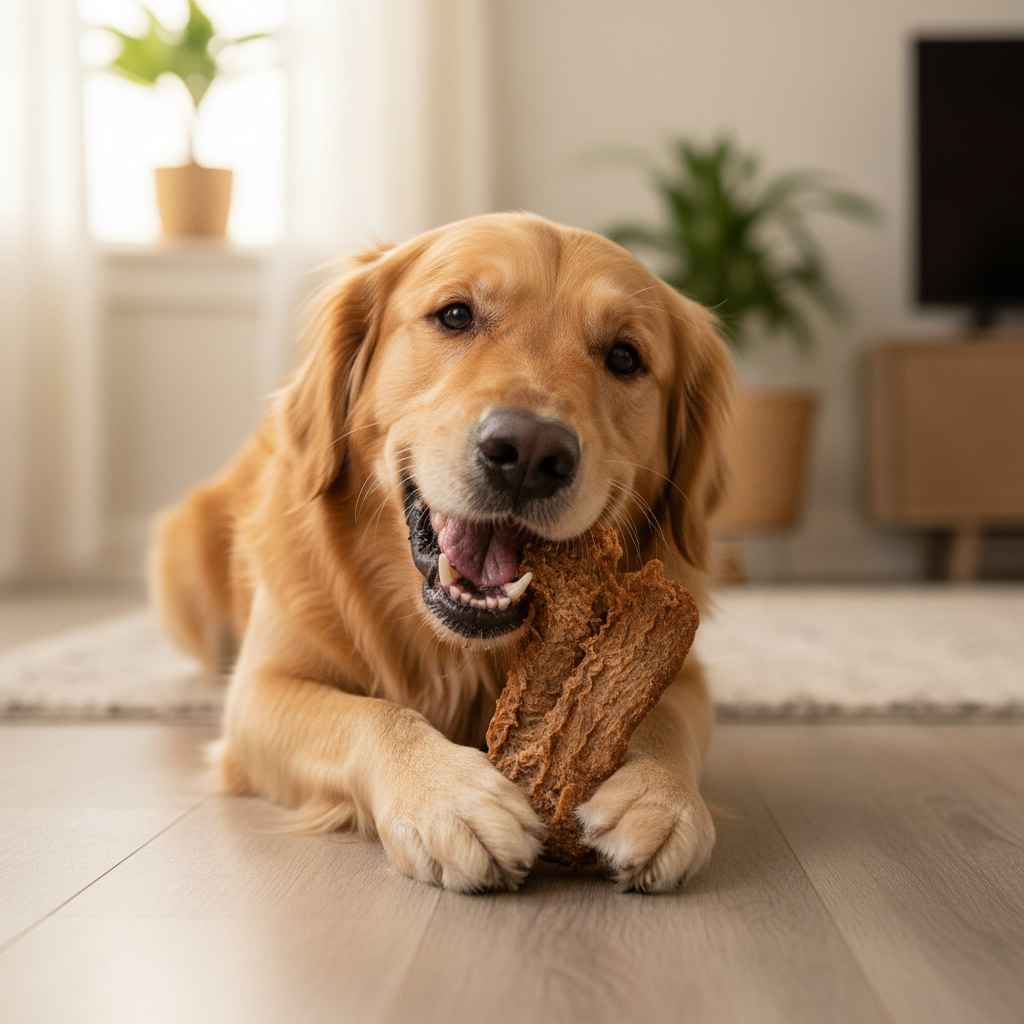
When your dog gnaws on a chewy gizzard, they have to work at it, using their teeth to tear and grind. This mechanical action creates friction against the tooth surface. Think of it like a tough, edible scrub brush for their teeth. This process helps to:
- Scrape Away Plaque: The tough texture physically removes the soft, sticky film of plaque before it has a chance to harden.
- Reduce Tartar Buildup: By tackling plaque, you prevent the formation of tartar (calculus), the hard, yellow-brown deposit that can lead to serious dental issues.
- Stimulate Gums: The act of chewing massages the gums, which promotes healthy blood flow and contributes to overall oral health.
- Freshen Breath: By removing plaque and leftover food particles, you’re also tackling a primary source of bad doggy breath.
Expert Tip: While chews like turkey gizzards are fantastic for maintenance, they don’t replace professional veterinary dental cleanings, especially if significant tartar has already formed. Think of them as the daily ‘brushing’ between your dog’s annual ‘dental check-up’.
More Than Just a Toothbrush: The Nutritional Benefits
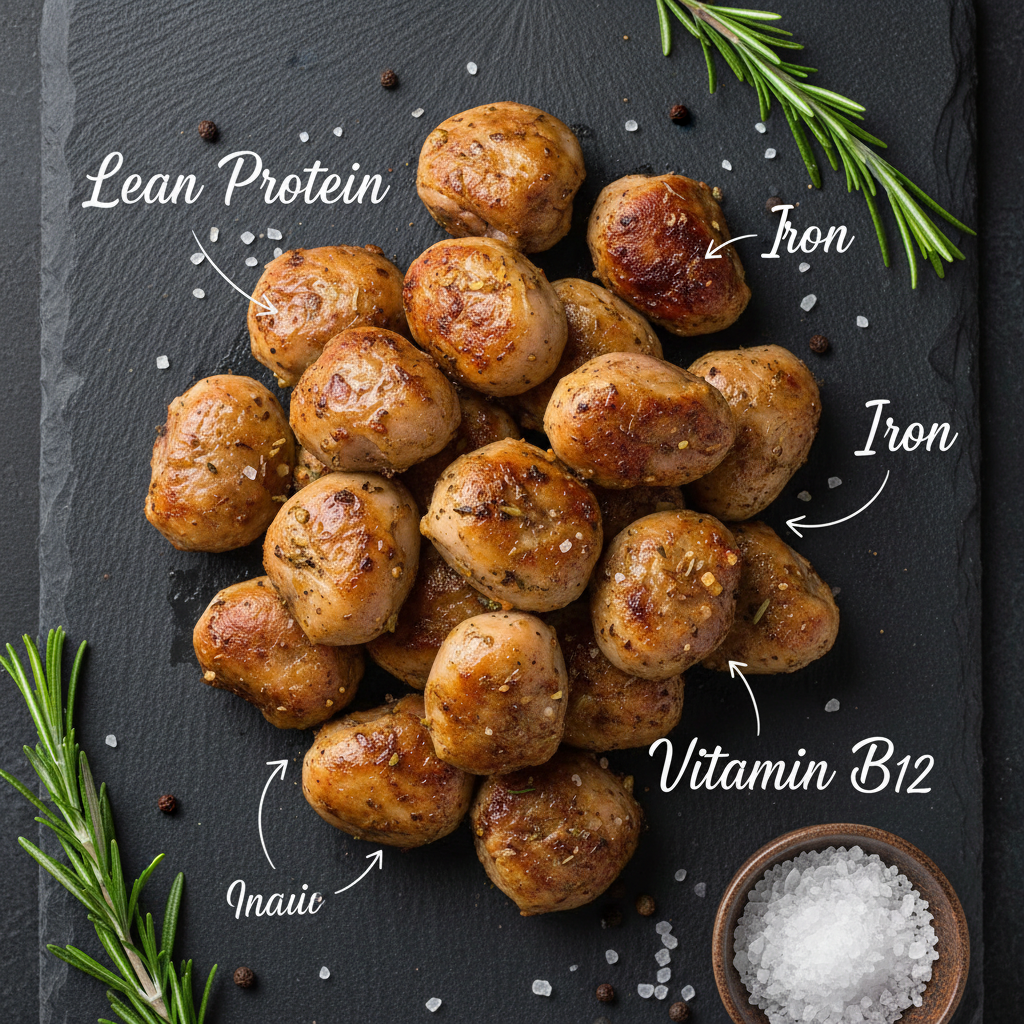
While we’re celebrating their dental benefits, let’s not forget that turkey gizzards are also a nutritional goldmine for our canine companions. They are what’s known as a ‘superfood’ in the dog world. As a muscular organ, they are packed with high-quality nutrients.
A Nutrient-Dense Powerhouse
Here’s a breakdown of what makes them so great:
- Lean Protein: Gizzards are an excellent source of lean protein, which is essential for muscle development, tissue repair, and overall energy.
- Essential Vitamins: They are rich in B vitamins, especially Vitamin B12, which is vital for brain function and the formation of red blood cells.
- Rich in Minerals: Turkey gizzards provide important minerals like iron (for energy and oxygen transport), zinc (for immune function and healthy skin), and phosphorus (for strong bones and teeth).
- Glucosamine: Gizzards naturally contain glucosamine, which can help support joint health and mobility, making them a great treat for active and senior dogs alike.
By giving your dog a turkey gizzard, you’re not just cleaning their teeth; you’re providing a treat that contributes positively to their overall health and well-being.
Safety First: Potential Risks and How to Avoid Them

As with any chew or treat, safety is paramount. While turkey gizzards are generally very safe, there are a few things every pet parent should keep in mind to ensure a positive and risk-free experience.
1. Choking Hazard
The biggest risk is choking, especially for dogs who are ‘gulpers’ and try to swallow things whole. The chewy nature helps, but it’s still a possibility.
- Solution: Always choose a gizzard size that is appropriate for your dog. For smaller dogs, you might want to slice the gizzard into thinner strips before baking. Most importantly, always supervise your dog when they are enjoying any chew. Never leave them unattended.
2. Digestive Upset
Turkey gizzards are a rich organ meat. For dogs not accustomed to them, introducing too many at once can lead to an upset stomach, gas, or loose stools.
- Solution: Start slow! Offer a small piece first and see how your dog’s system reacts. Gradually increase the amount as they get used to the new treat.
3. Calorie Count
Treats should only make up about 10% of your dog’s daily caloric intake. Gizzards are nutritious, but they still contain calories.
- Solution: Factor them into your dog’s daily food allowance. If they get a gizzard chew, you might need to slightly reduce the amount of kibble in their dinner bowl to maintain a healthy weight.
DIY Chewy Gizzards: A Simple Homemade Recipe
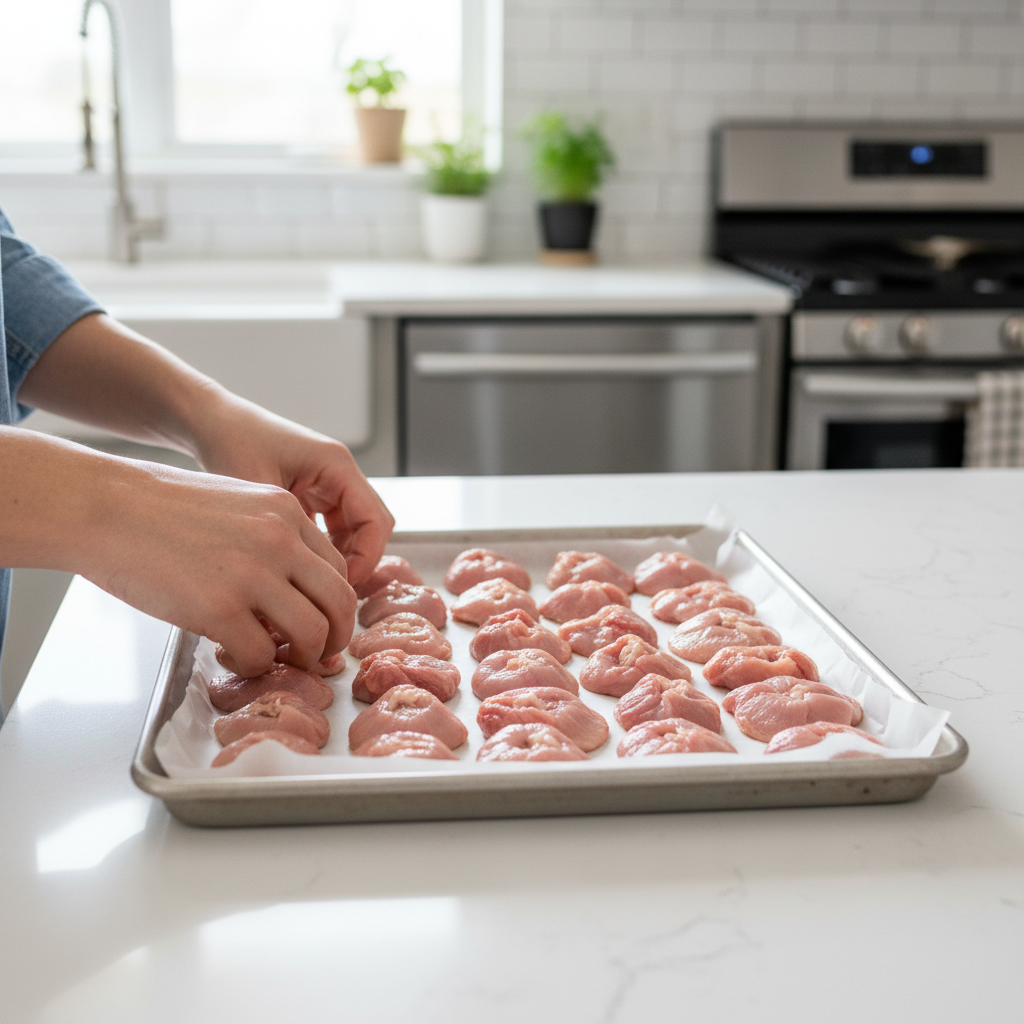
Making your own chewy turkey gizzards at home is incredibly easy, cost-effective, and allows you to control exactly what your dog is eating—no preservatives, no additives, just 100% turkey! You can use an oven or a dehydrator.
What You’ll Need:
- Fresh or thawed raw turkey gizzards
- A cutting board and sharp knife
- Baking sheets
- Parchment paper
The Steps (Oven Method):
- Preheat Your Oven: Set your oven to its lowest temperature, typically around 170-200°F (75-95°C).
- Prep the Gizzards: Rinse the gizzards under cool water. You’ll notice a silvery membrane and potentially some fatty bits. Trim off any excess fat, as too much can cause digestive upset. You can leave the membrane on, as it adds to the chewiness.
- Slice (Optional): For smaller dogs or to create thinner ‘jerky’ strips, you can slice the gizzards in half or into thirds lengthwise. For larger dogs, leaving them whole provides a longer-lasting chew.
- Arrange on Baking Sheet: Line a baking sheet with parchment paper for easy cleanup. Place the gizzards on the sheet in a single layer, making sure they don’t touch. This ensures they dry evenly.
- Bake Low and Slow: Place the baking sheets in the oven. The goal is to dehydrate them, not cook them. This will take anywhere from 2 to 4 hours, depending on their thickness and your oven’s temperature. They are done when they are dry to the touch and tough, but still slightly pliable—not brittle.
- Cool and Store: Let them cool completely on the baking sheet. Once cool, store them in an airtight container in the refrigerator for up to two weeks.
How Much is Enough? Serving Size Guide
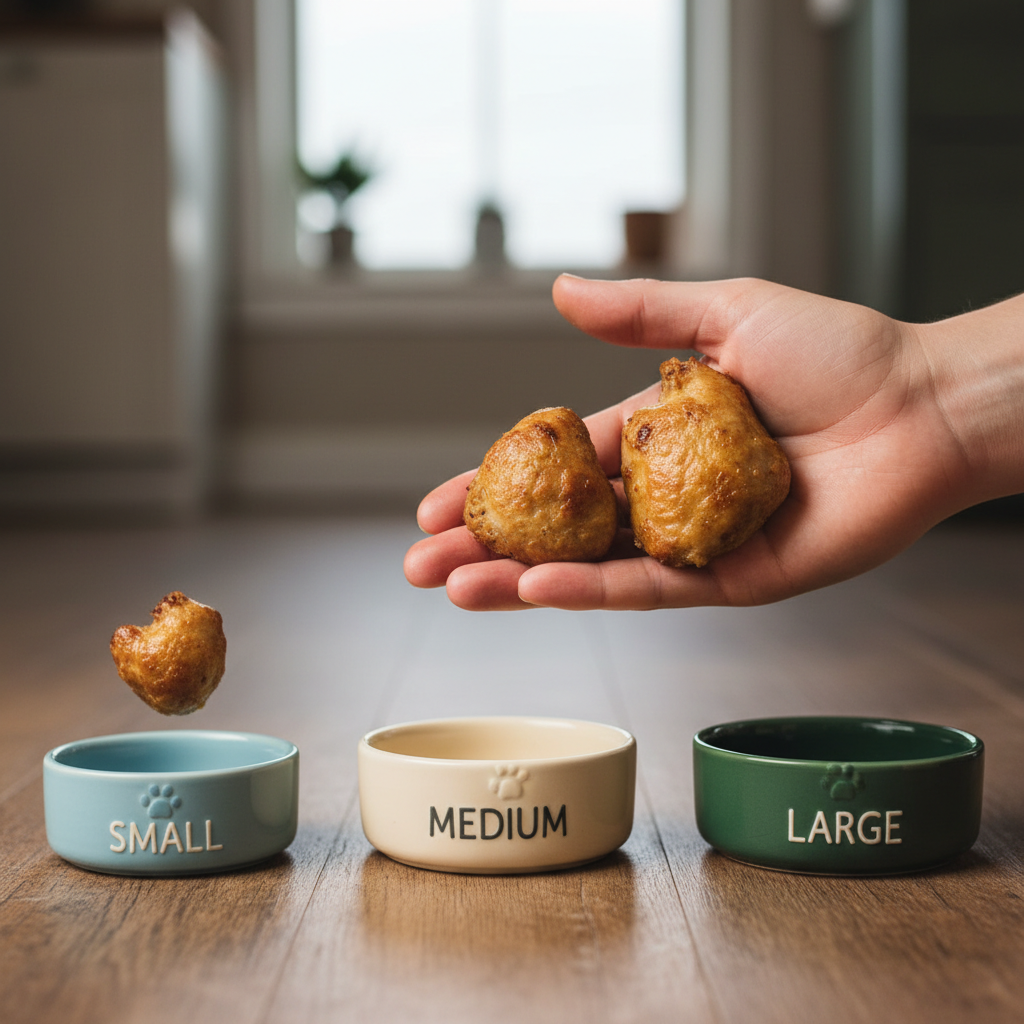
Moderation is key to incorporating any treat into your dog’s diet successfully. Overdoing it can lead to weight gain or an unbalanced diet. Here are some general guidelines for serving baked turkey gizzards, but always monitor your own dog’s weight and condition.
Remember, these are meant to be a special, functional treat, not a meal replacement. The frequency can be a few times a week, rather than every single day, to keep them as a high-value reward.
| Dog Size | Serving Suggestion | Frequency |
|---|---|---|
| Small (Under 20 lbs) | 1/2 to 1 small gizzard (or a few thin strips) | 2-3 times per week |
| Medium (20-50 lbs) | 1 whole gizzard | 3-4 times per week |
| Large (Over 50 lbs) | 1-2 whole gizzards | 3-4 times per week |
Important Note: Always provide access to fresh, clean water when your dog is enjoying a chew treat, as the dehydrating process removes most of the moisture content from the gizzard.
Conclusion
Improving your dog’s dental health doesn’t have to be a chore. With a simple, natural, and delicious chew like a baked turkey gizzard, you can give your dog a treat they’ll be excited about—one that actively works to keep their teeth clean and their body healthy. By preparing them at home, you ensure a safe, single-ingredient snack that satisfies their natural urge to chew.
So, next time you’re at the grocery store, consider picking up a pack of turkey gizzards. It’s a small step that can make a big difference in your dog’s oral hygiene, overall health, and happiness. Happy chewing!