Can Dogs Play Board Games? Teaching Your Dog to Play Connect 4
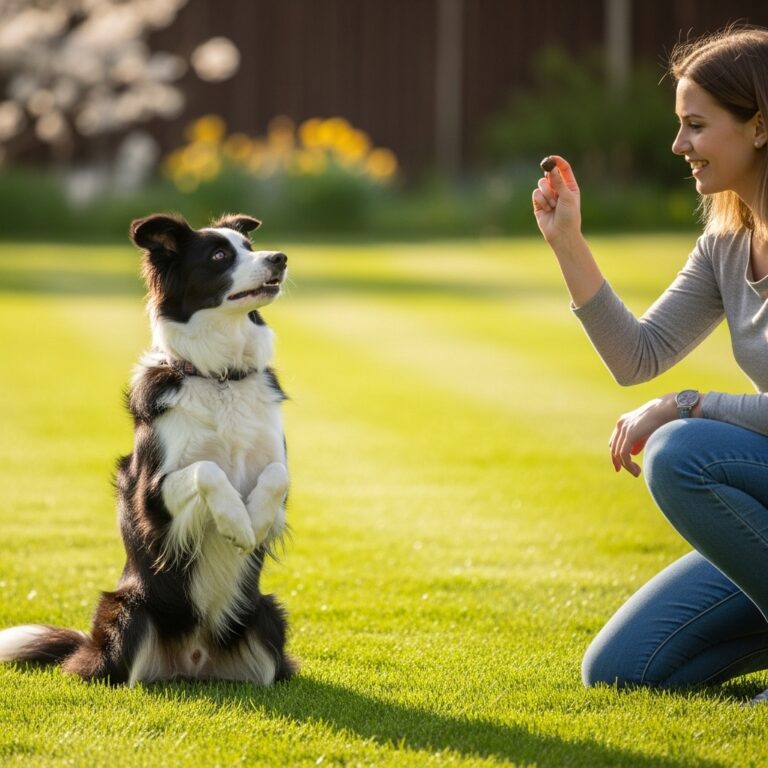
Have you ever finished a game of Monopoly and thought, ‘You know who would be great at this? The dog.’ Okay, maybe not Monopoly (those little metal pieces are a definite no-go), but what about other games? It sounds a little out there, but the answer is a resounding YES! Dogs can absolutely learn to play modified board games, and it’s one of the most rewarding and fun activities you can do together. Forget fetch for a minute; we’re leveling up your playtime. In this guide, we’re going to walk you through exactly how to teach your four-legged friend to play a classic: Connect 4. Get ready to unlock a new level of bonding and witness some serious canine cleverness!
More Than Just a Party Trick: The Benefits of Brain Games
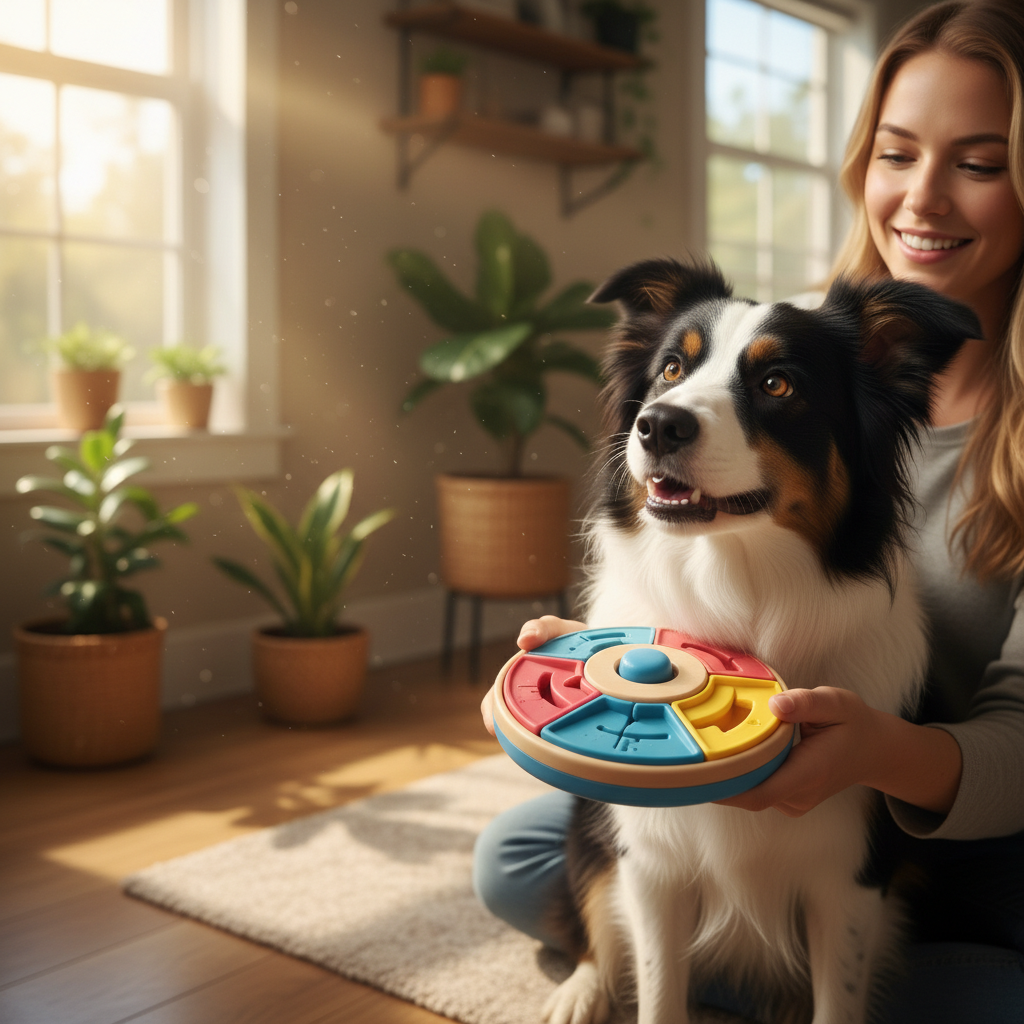
Teaching your dog to play Connect 4 isn’t just about creating the ultimate viral video (though that’s a fun bonus!). It’s a powerful form of canine enrichment that offers a ton of benefits for your pup’s well-being. A bored dog is often a destructive dog, and mental exercise is just as important as physical exercise in tiring them out and keeping them happy.
Think of it this way: you wouldn’t want to do the same crossword puzzle every single day, and your dog doesn’t want to just chase the same ball in the same yard, either. Introducing a novel challenge like a board game stimulates their brain in new ways.
Key benefits include:
- Boredom Buster: It provides a fantastic outlet for mental energy, reducing the chances of problem behaviors like chewing, digging, or excessive barking.
- Confidence Builder: As your dog successfully learns each step of the game, their confidence will soar. This is especially helpful for timid or anxious dogs.
- Strengthens Your Bond: Working together on a fun project builds trust and deepens your connection. It’s quality time that goes beyond a simple belly rub.
- Improves Focus and Impulse Control: The game requires your dog to think, wait for their turn, and perform specific actions, all of which are great for honing their self-control.
- It’s Just Plain Fun! Seeing the gears turn in your dog’s head and celebrating their success is an incredibly joyful experience for both of you.
Playing games like this taps into your dog’s natural problem-solving abilities. You’re not just teaching a trick; you’re teaching them how to learn.
What You’ll Need: Gearing Up for Game Night
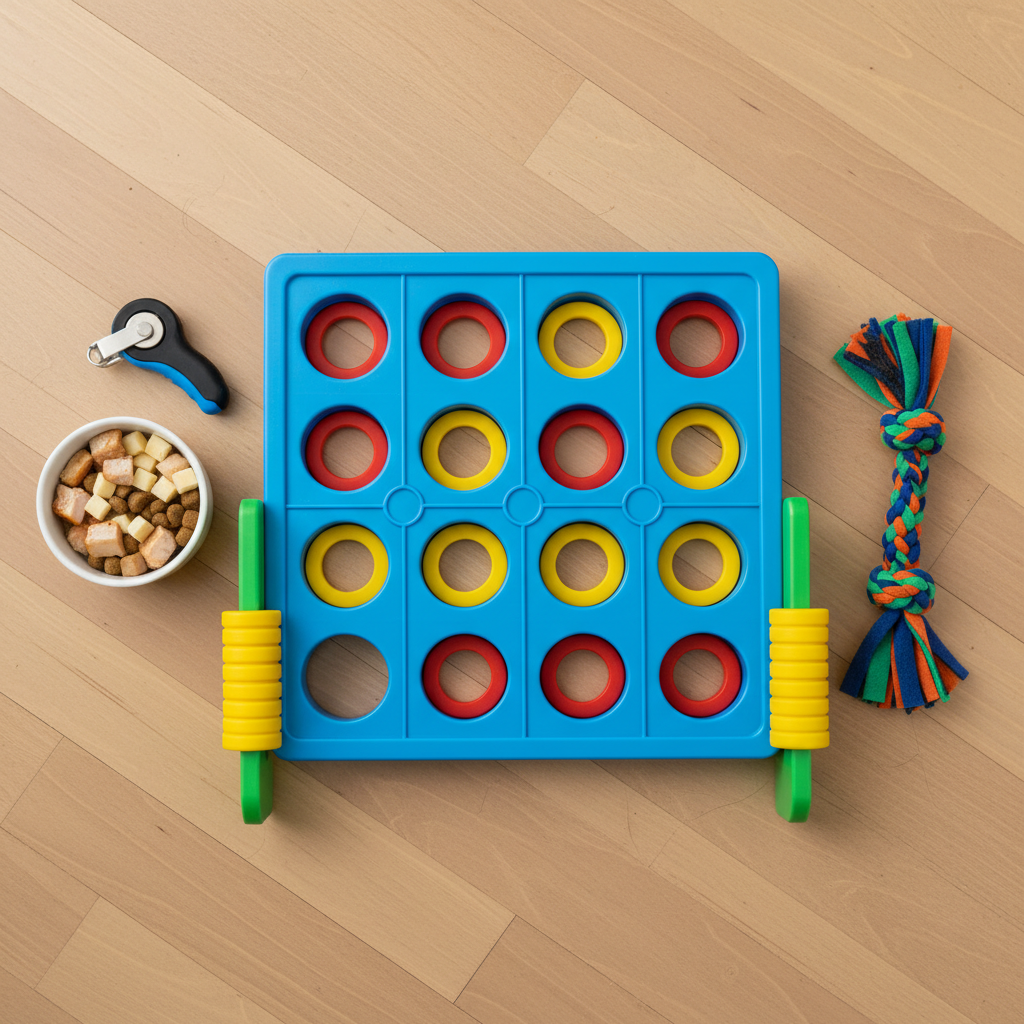
Before you dive into training, you’ll need to gather a few essential supplies. The key here is safety and setting your dog up for success. You can’t just pull out the family’s vintage Connect 4 set from the closet—the pieces are too small and could be a serious choking hazard.
Your Game Night Toolkit:
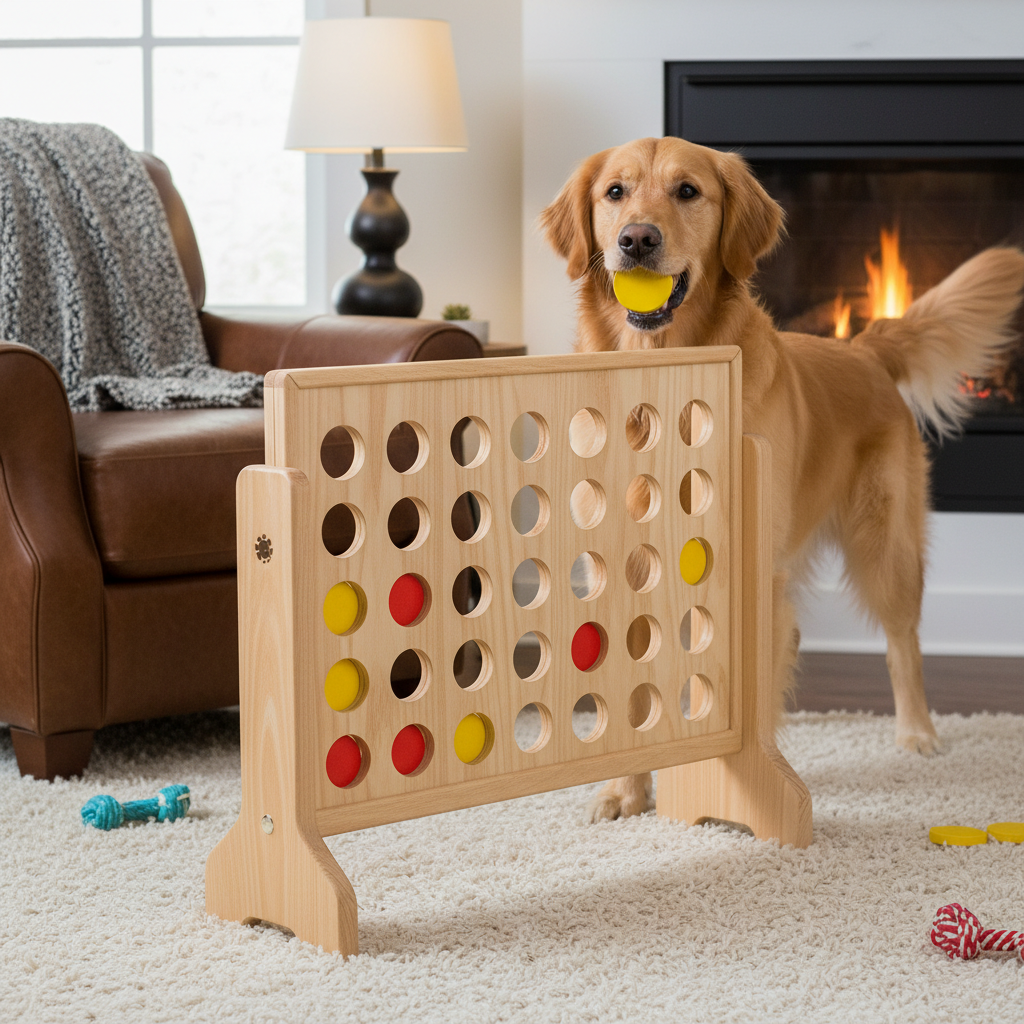
- A Dog-Safe Game Board: Your best bet is to find a ‘Giant’ version of Connect 4. These are often made for outdoor use and have large, sturdy checker pieces that are safe for a dog to hold in its mouth. If you’re handy, you could even build your own out of wood!
- High-Value Treats: This is not the time for boring old kibble. You need the good stuff! Think tiny pieces of cooked chicken, cheese, hot dogs, or their absolute favorite store-bought training treats. The reward needs to be exciting enough to make learning worthwhile.
- A Clicker (Optional but Recommended): A clicker is a fantastic tool for marking the exact moment your dog does something right. This precision makes communication clearer and can speed up the learning process significantly. If you don’t use a clicker, a consistent verbal marker like a sharp “Yes!” will work too.
- Patience and a Positive Attitude: This is the most important item on the list! Training should always be fun. Keep sessions short (5-10 minutes max) to prevent frustration, and always end on a positive note.
Remember to inspect the game pieces regularly for any signs of wear and tear, and never leave your dog unsupervised with the game.
Let the Games Begin: Your Step-by-Step Training Guide
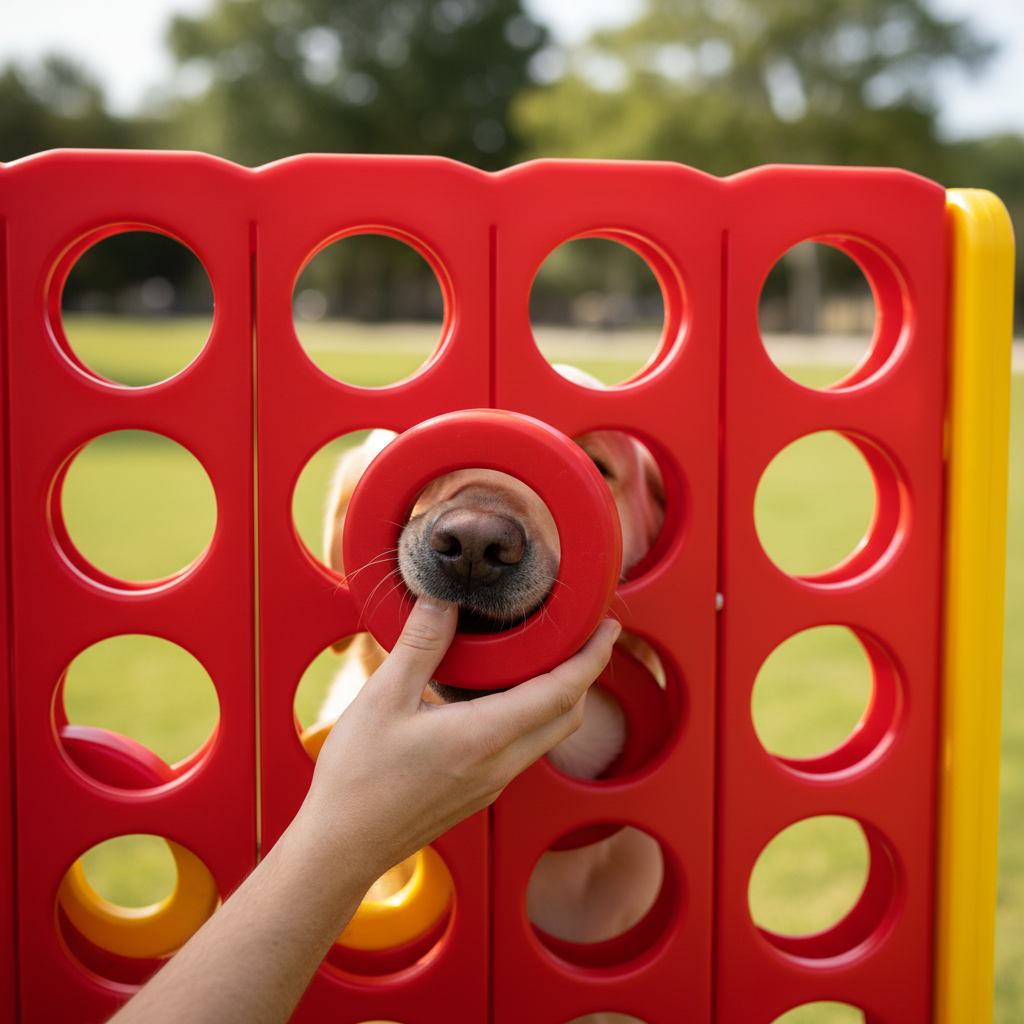
Alright, let’s get down to business! This process is all about breaking down the final action—dropping a checker in a slot—into tiny, achievable steps. This is a training method called ‘shaping.’ Be patient, celebrate every small success, and keep it fun!
- Step 1: Introduce the Checker. Place one of the large checkers on the floor. The moment your dog shows any interest in it—sniffing it, nudging it, looking at it—click (or say “Yes!”) and give them a treat. Repeat this until your dog is eagerly interacting with the checker. Then, raise the criteria: only click and treat for the dog touching the checker with their nose or paw.
- Step 2: Teach ‘Take It’. Once they’re comfortable with the checker, hold it out in your hand. Say “Take it” in an encouraging voice. The instant their mouth touches the checker, click and treat. Gradually work up to them gently holding the checker in their mouth for a split second before you click and treat.
- Step 3: Master ‘Drop It’. This is crucial. With the checker in their mouth, hold your open palm underneath and say “Drop it.” The moment they release the checker into your hand, click and give them a treat from your other hand. This teaches them that dropping the item gets them the reward. Practice this until their ‘drop it’ is reliable.
- Step 4: Combine ‘Take It’ and ‘Drop It’. Now, place the checker on the floor, ask them to “Take it,” and then immediately ask them to “Drop it” into your hand. You’re starting to build the sequence of actions!
- Step 5: Introduce the Board. Lay the Connect 4 board flat on the ground at first. Ask your dog to take the checker and then hold your hand over one of the slots. Ask them to “Drop it.” When they do, and it falls through the slot, throw a jackpot of treats! Make a huge, excited fuss. They just scored their first point!
- Step 6: Go Vertical! Once they reliably drop the checker through the horizontal board, stand it up. Start by holding the checker right above a slot and guiding them. Gradually, you can start placing the checker a little further away, encouraging them to pick it up and bring it to the board themselves. This is the final step, and it takes the most practice, so be patient!
Oops! Troubleshooting Common Game-Day Glitches
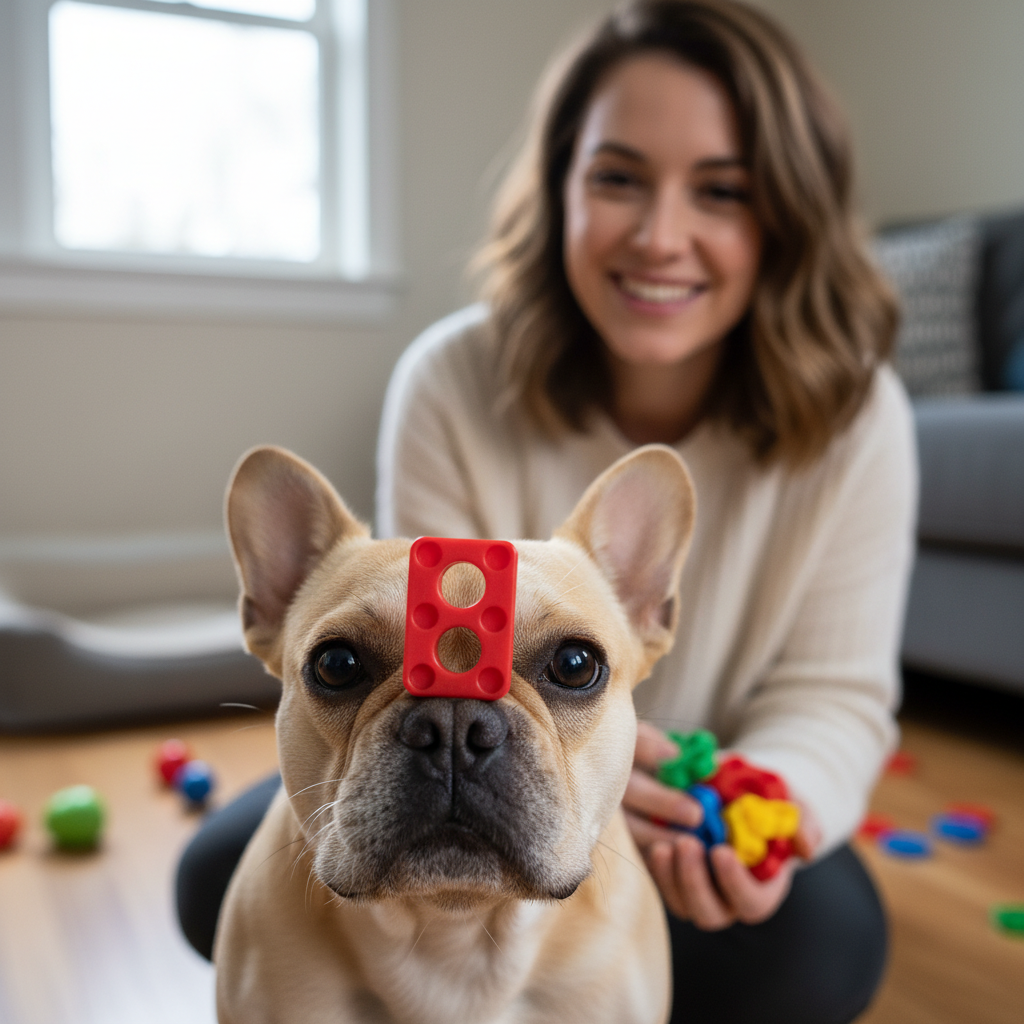
Training is never a straight line; there will be bumps along the way. Don’t get discouraged! Here’s how to handle a few common issues that might pop up during your Connect 4 training sessions.
The Checker Chewer
The Problem: Instead of holding the checker gently, your dog starts gnawing on it like a chew toy.
The Solution: This usually means the ‘drop it’ command needs more work. Go back to Step 3 and practice quick ‘take it’ and ‘drop it’ exchanges. Reward only for a gentle hold and a quick release. If the chewing is persistent, the training session might be going on for too long, or your dog might be getting frustrated. End the session with an easy win and try again later.
The Frustrated Gamer
The Problem: Your dog gets overwhelmed, starts barking, or just walks away from the game.
The Solution: You’ve likely asked for too much, too soon. Frustration is a sign that the step is too big. Break it down even further. For example, if they won’t bring the checker to the vertical board, go back to dropping it through the board while it’s lying flat. Keep sessions short and upbeat. If you sense frustration, end the session by asking for a simple command they know well (like ‘sit’), rewarding them for it, and then stopping. Always end on a high note!
The Butter-Mouth
The Problem: Your dog tries to pick up the checker but keeps fumbling and dropping it.
The Solution: The checker might be an awkward shape or texture for your dog. You can try wrapping it in a bit of vet wrap or fabric to make it easier to grip. Also, make sure you’re celebrating the effort, not just the perfect execution. Click and treat even for a clumsy attempt to pick it up to keep their motivation high.
Conclusion
Congratulations, you’re now equipped with the knowledge to turn your pup into a board game partner! Remember, the real goal here isn’t to raise a Connect 4 world champion. It’s about spending quality, engaging time with your best friend, challenging their mind, and strengthening your incredible bond. Every dropped checker, every clumsy attempt, and every moment of breakthrough is a victory. So grab your treats, set up the board, and get ready to make some truly unique and wonderful memories. Happy training, and may the best dog (or human) win!