Boost Confidence: How to Train Your Dog to Walk Over Tarps
Have you ever noticed your dog put on the brakes when faced with a shiny floor, a metal grate on the sidewalk, or a puddle? It’s common for dogs to be wary of new or strange surfaces. Their paws tell them a lot about the world, and anything that feels or sounds weird can be a little scary. That’s where a simple, unassuming plastic tarp comes in! It might just look like something you’d use to cover patio furniture, but it’s actually one of the best secret weapons in a dog trainer’s toolkit for building confidence.
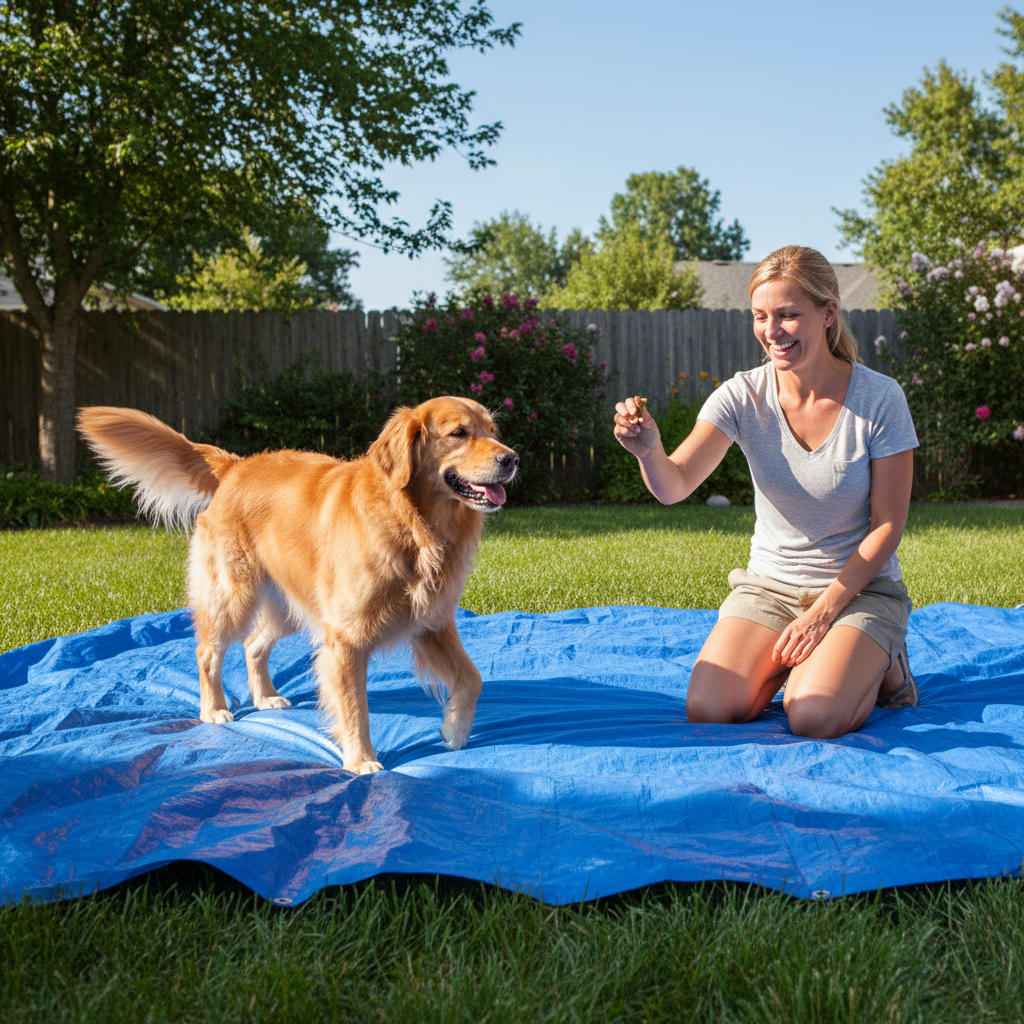
Teaching your dog to walk over a tarp isn’t just a quirky party trick. It’s a powerful exercise in desensitization and trust-building. It teaches your dog to problem-solve, to trust your guidance, and to realize that new things aren’t always scary. This single skill can translate into a more resilient, brave, and well-adjusted companion who is ready to face the world with a wagging tail. Ready to turn a crinkly sheet of plastic into a confidence-building game? Let’s get started with this fun and easy guide!
Why Bother with a Tarp? More Than Just Plastic
Before we dive into the ‘how,’ let’s talk about the ‘why.’ Why spend time teaching your dog to walk on a tarp? The benefits go far beyond conquering a piece of plastic.
Sensory Exploration and Desensitization
Dogs experience the world heavily through their paws. A tarp introduces a whole new world of sensations:
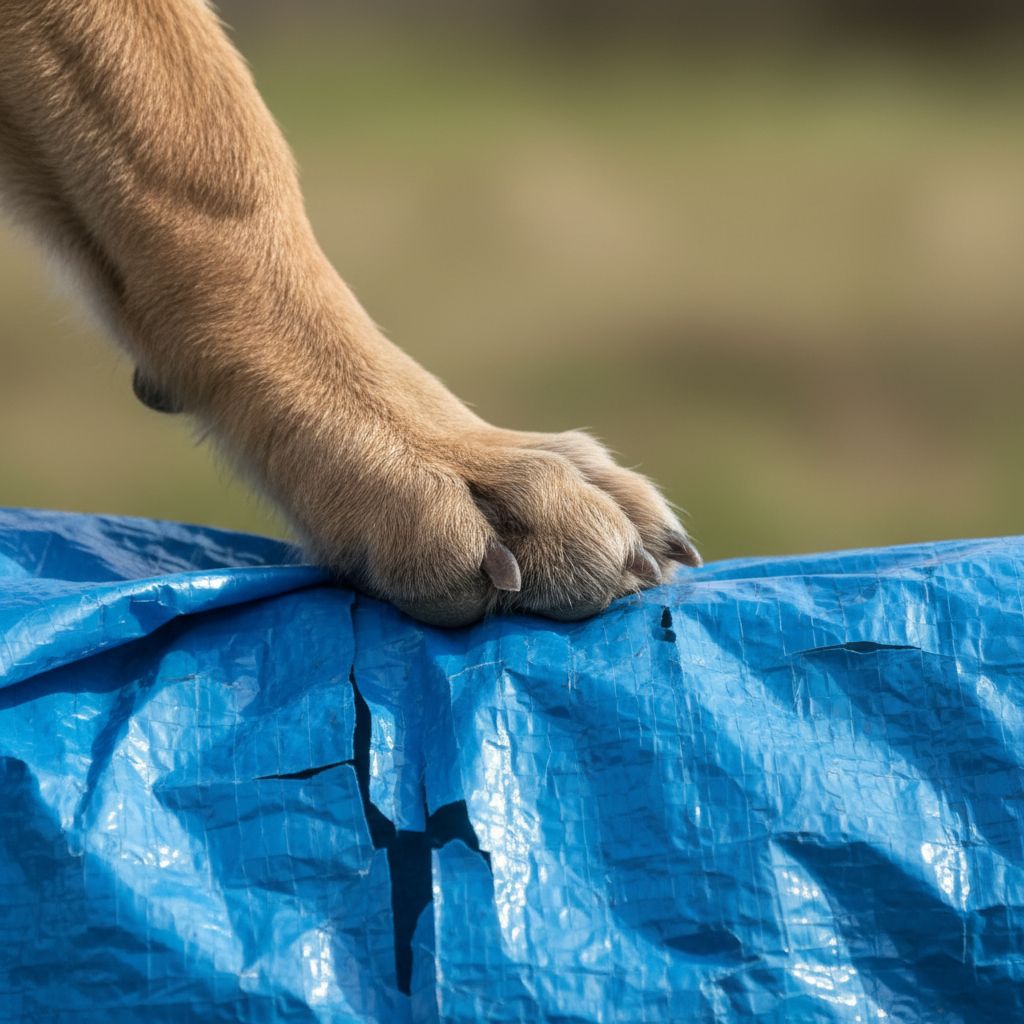
- Unusual Texture: It’s smooth, sometimes slippery, and completely different from grass, carpet, or pavement.
- Strange Sounds: The crinkling, rustling sound a tarp makes can be intimidating. By associating this sound with positive things (like treats!), you’re teaching your dog to handle unexpected noises in stride.
This process, called desensitization, helps your dog generalize their confidence. A dog who is brave enough to walk on a noisy tarp is more likely to be brave when walking past a loud construction site or into a vet’s office with slick floors.
Building a Rock-Solid Bond
Training is about communication and trust. When you guide your dog through a challenge like this, you’re not just giving commands; you’re being their trusted leader. You’re showing them, ‘Hey, I know this is weird, but I’m here with you, and we can do it together.’ Every successful step, no matter how small, reinforces their trust in you. This shared experience strengthens your bond in a way that basic obedience sometimes can’t.
Boosting Problem-Solving Skills
This exercise encourages your dog to think. They have to assess the situation, overcome their initial hesitation, and figure out how to get the reward. This mental stimulation is just as important as physical exercise. It keeps their minds sharp and prevents boredom, which can often lead to destructive behaviors. You’re teaching them to approach a novel challenge with curiosity instead of fear.
Gearing Up for Success: What You’ll Need
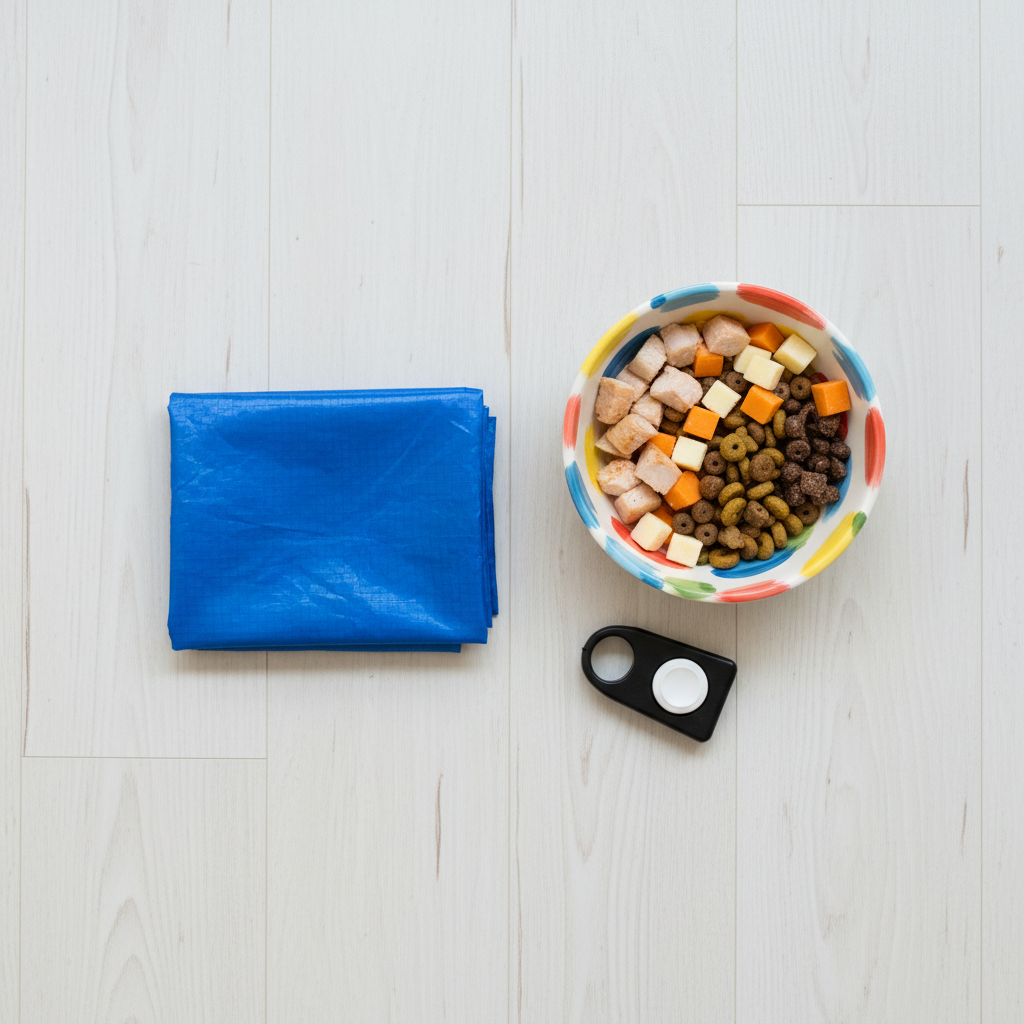
The great news is that you don’t need a lot of fancy equipment for this training game. Simplicity is key! Here’s your short checklist to get started:
- A Tarp: Start small! A 4×6 foot tarp is perfect. You can always get a bigger one later. If it has a strong plastic smell, let it air out outside for a day or two before you begin.
- High-Value Treats: This is crucial. Your dog’s everyday kibble might not be motivating enough for this new challenge. Think of extra-special goodies they don’t get all the time. Small pieces of cheese, cooked chicken, hot dogs, or smelly, soft training treats work wonders. The goal is to make the reward more appealing than the tarp is scary.
- A Clicker (Optional): If you’re familiar with clicker training, this is a fantastic tool to use here. The ‘click’ marks the exact moment your dog does something right (like sniffing the tarp or putting a paw on it), followed immediately by a treat. It provides crystal-clear communication.
- Patience and a Positive Attitude: This is the most important item on the list! Your dog will feed off your energy. If you are relaxed, happy, and encouraging, they are much more likely to be successful. Never force, pull, or scold your dog. This is a game, not a test.
Expert Tip: Cut your treats into tiny, pea-sized pieces. You’ll be using a lot of them, and this keeps the training session from turning into an excessive meal. It also allows for more repetitions without your dog getting full too quickly.
The Step-by-Step Tarp Training Game Plan
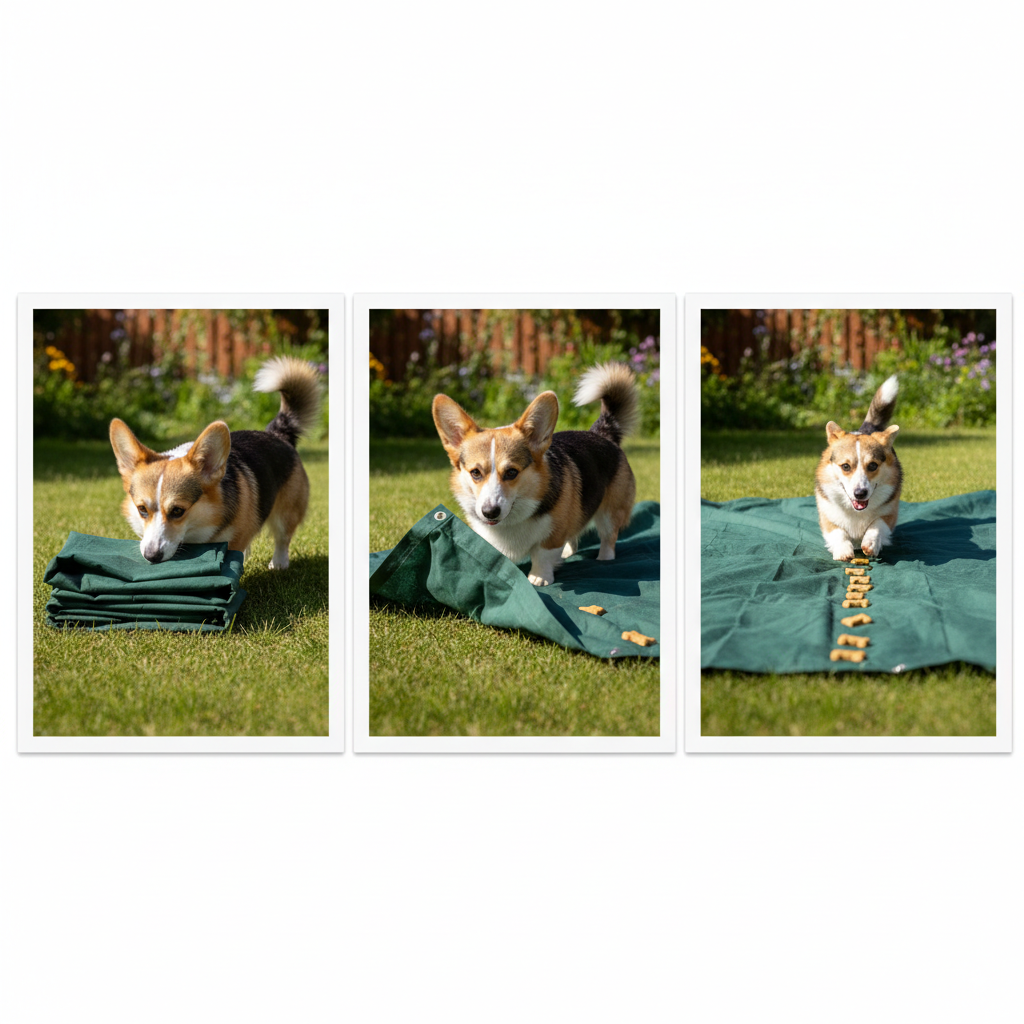
Alright, you’ve got your gear and your game face on! Find a quiet space with minimal distractions, like your living room or a fenced-in yard. Keep your first few sessions short and sweet—just 5-10 minutes is plenty. End on a positive note, even if you only made a tiny bit of progress. Here’s how to play the tarp game:
- Step 1: The Introduction. Don’t even unfold the tarp yet. Just place the small, folded square on the floor. Let your dog approach it on their own terms. The second they sniff it, look at it, or show any calm curiosity, say “Yes!” (or click) and toss a treat near the tarp. Do this a few times until they seem comfortable with its presence.
- Step 2: The Treat Magnet. Now, place a treat directly on the folded tarp. Let your dog eat it. Repeat this several times. You’re building a simple, powerful association: Tarp = Yummy Things.
- Step 3: One Small Step for Pup. Start luring your dog to put just one paw on the tarp to get a treat. The moment a single paw touches the plastic, mark it with “Yes!” or a click and reward them enthusiastically. Once they are doing this consistently, see if you can get two paws on. This is a huge win!
- Step 4: Unfold and Repeat. Now, unfold the tarp just once, making it a little bigger. It will look and sound different, so go back to Step 2. Place treats on this new, larger surface. Reward them for interacting with it. The key is gradual progression. Don’t rush from a tiny square to a giant, scary sheet.
- Step 5: The Golden Path. Once the tarp is fully unfolded and your dog is comfortable taking treats from its surface, create a little path of treats leading from one side to the other. This encourages them to walk the full length of it. Cheer them on as they follow the trail!
- Step 6: Fade the Lure and Add a Cue. As they get more confident, start placing fewer treats on the tarp itself. Lure them across with a treat in your hand, then give it to them when they reach the other side. When they are walking across willingly, you can add a verbal cue like “Tarp!” or “Cross it!” right as they are about to step onto it.
Remember to celebrate every tiny victory with praise, petting, and excitement. Your energy is a huge part of the reward!
Troubleshooting: What If My Dog Says ‘No Way!’?
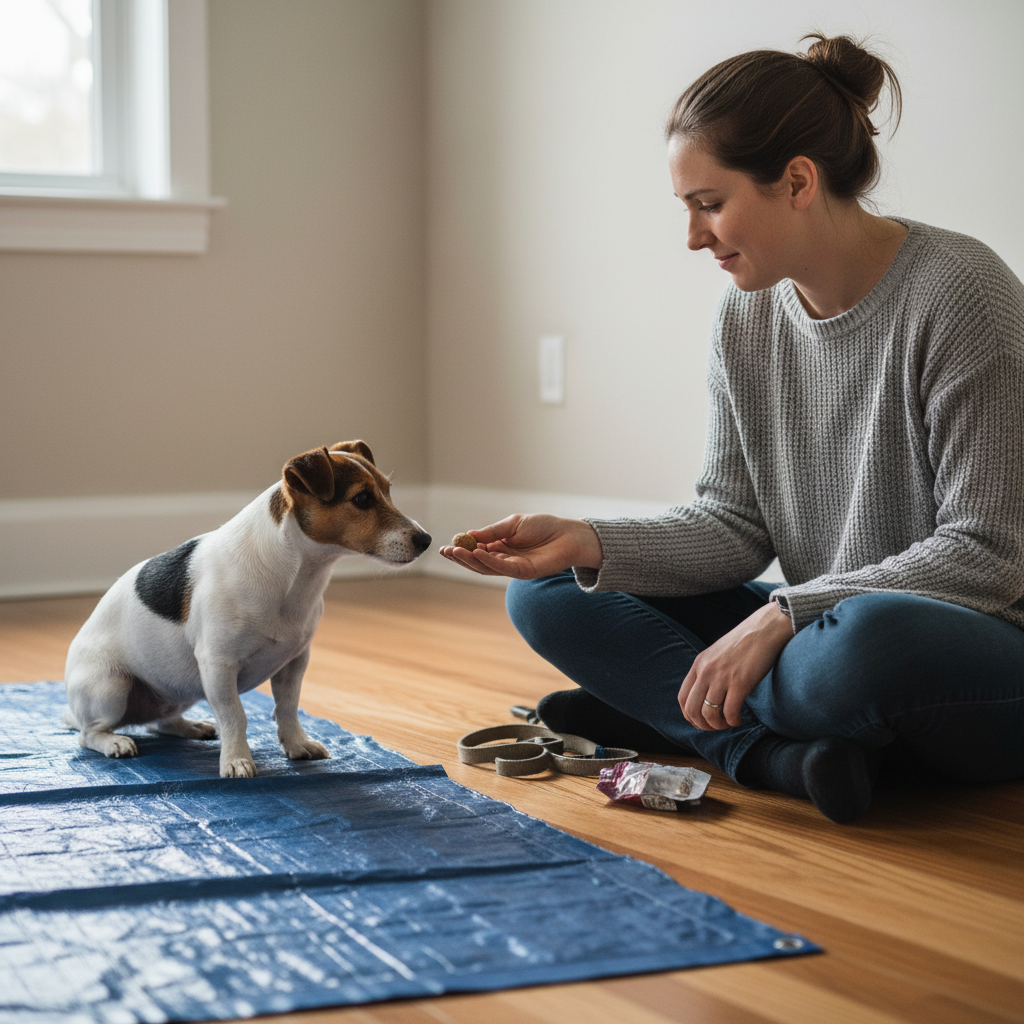
Sometimes, despite our best efforts, our dogs get stuck or scared. That’s completely okay! It’s not a failure; it’s just a sign that we need to adjust our approach. Here are some common roadblocks and how to navigate them.
My Dog Won’t Go Near It.
If the tarp is too scary even to approach, you’ve started too close. Move the tarp to the other side of the room. Reward your dog for simply looking at it from a distance. Then, over several sessions, gradually move it closer, rewarding calm behavior at each new distance. You can also try using a different color or material. Some dogs are spooked by the blue color or the loud crinkle of a standard tarp. A canvas drop cloth or a yoga mat might be an easier starting point.
My Dog Barks at the Tarp.
Barking is often a sign of fear or uncertainty. Your dog is saying, ‘What is that weird thing, and should I be worried?’ Don’t scold them. Instead, calmly toss a high-value treat on the floor a few feet away from the tarp when they are quiet for a split second. You are rewarding the moment of silence, not the barking. This changes their emotional response from ‘bark at the scary thing’ to ‘look for treats when the scary thing is around’.
My Dog Just Walks Around It.
This is a smart dog problem! They’ve figured out the easiest way to get from A to B is to avoid the obstacle. You can make the tarp the only path to something great. Try placing it in a narrow hallway or between two pieces of furniture (with enough space so they don’t feel trapped). This makes going over it the most logical choice. Make sure the reward for crossing is super high to make it worth their while.
The Golden Rule of Troubleshooting: If your dog is struggling, you’ve likely asked for too much, too soon. The solution is almost always to take a step back to where they were last successful and work from there in even smaller increments. Patience is your superpower.
Conclusion
Congratulations! By working through these steps, you haven’t just taught your dog a new trick—you’ve given them a major confidence boost and strengthened the incredible bond you share. You’ve shown them that with you by their side, they can face new and unusual challenges and come out on top. The patience and positive reinforcement you used here are the foundations of all good training and a happy, healthy relationship with your dog.
Now, look for ways to celebrate their newfound bravery in the real world. Do they hesitate less on different surfaces? Are they a little more curious and a little less cautious? Remember to celebrate those moments, too. Keep it fun, keep it positive, and continue finding new ways to show your dog that the world is an exciting place to explore, especially with their favorite person leading the way.