Bombproof Your Dog: The Ultimate Guide To Surviving Firework Season
For many dog owners, the approach of festive seasons brings a sense of dread rather than celebration. While fireworks are a visual spectacle for humans, they can be a source of terror for our canine companions. The loud bangs, flashing lights, and burning smells can trigger a primal flight response, leading to severe anxiety, destructive behavior, and even escape attempts. As a canine specialist, I understand that noise phobia is a serious welfare issue that requires a multifaceted approach involving preparation, training, and management.
To ‘bombproof’ your dog does not mean forcing them to endure fear until they give up; rather, it involves a systematic process of desensitization and counter-conditioning combined with immediate environmental management. This ultimate guide is designed to provide you with professional, actionable steps to help your dog survive—and eventually cope better with—firework season. Whether you have months to prepare or the event is just days away, these strategies will help mitigate stress and keep your dog safe.
The Science of Sound: Why Dogs React and How to Prepare
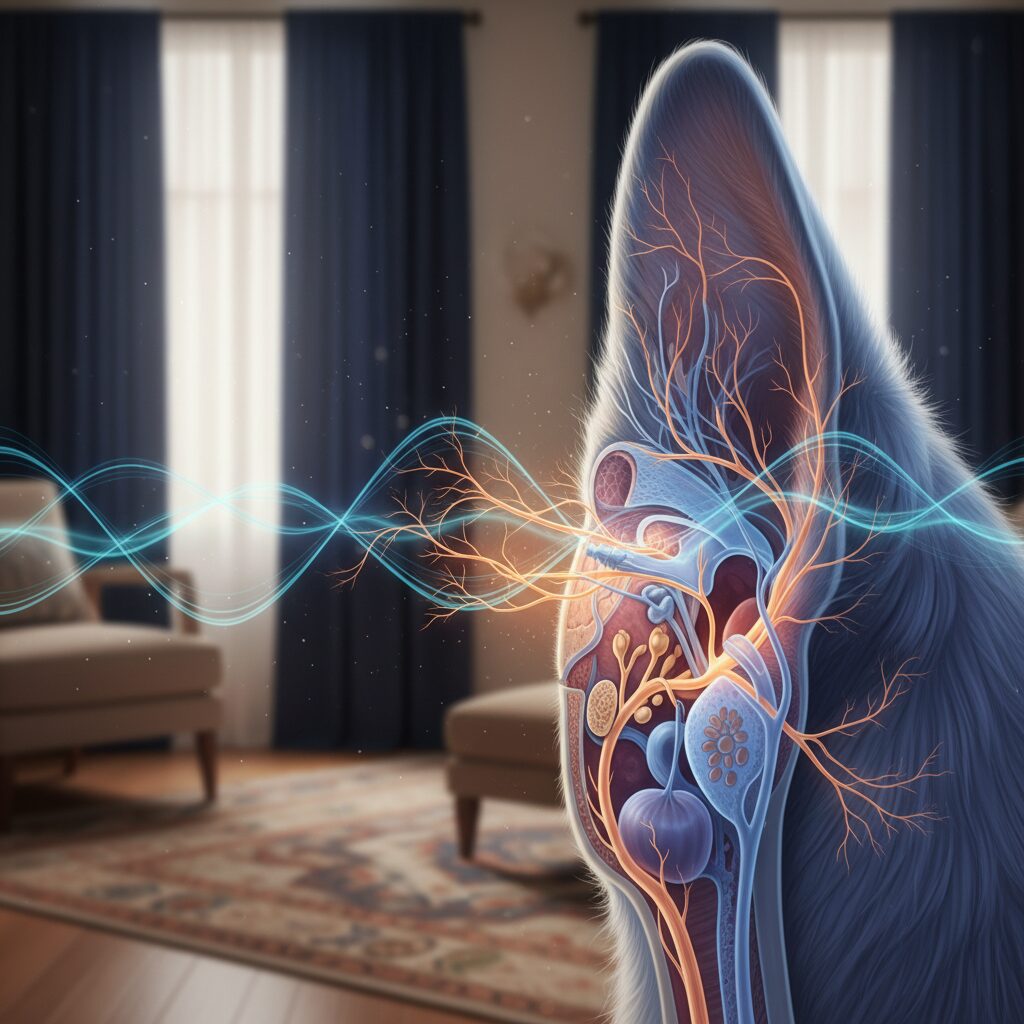
Dogs possess a hearing range significantly superior to humans, capable of detecting higher frequencies and sounds from much greater distances. The unpredictability of fireworks—the sudden acoustic shock combined with ground tremors—activates the sympathetic nervous system, flooding the dog’s body with cortisol and adrenaline. To mitigate this, preparation must begin well before the first sparkler is lit.
Creating a Safe Haven
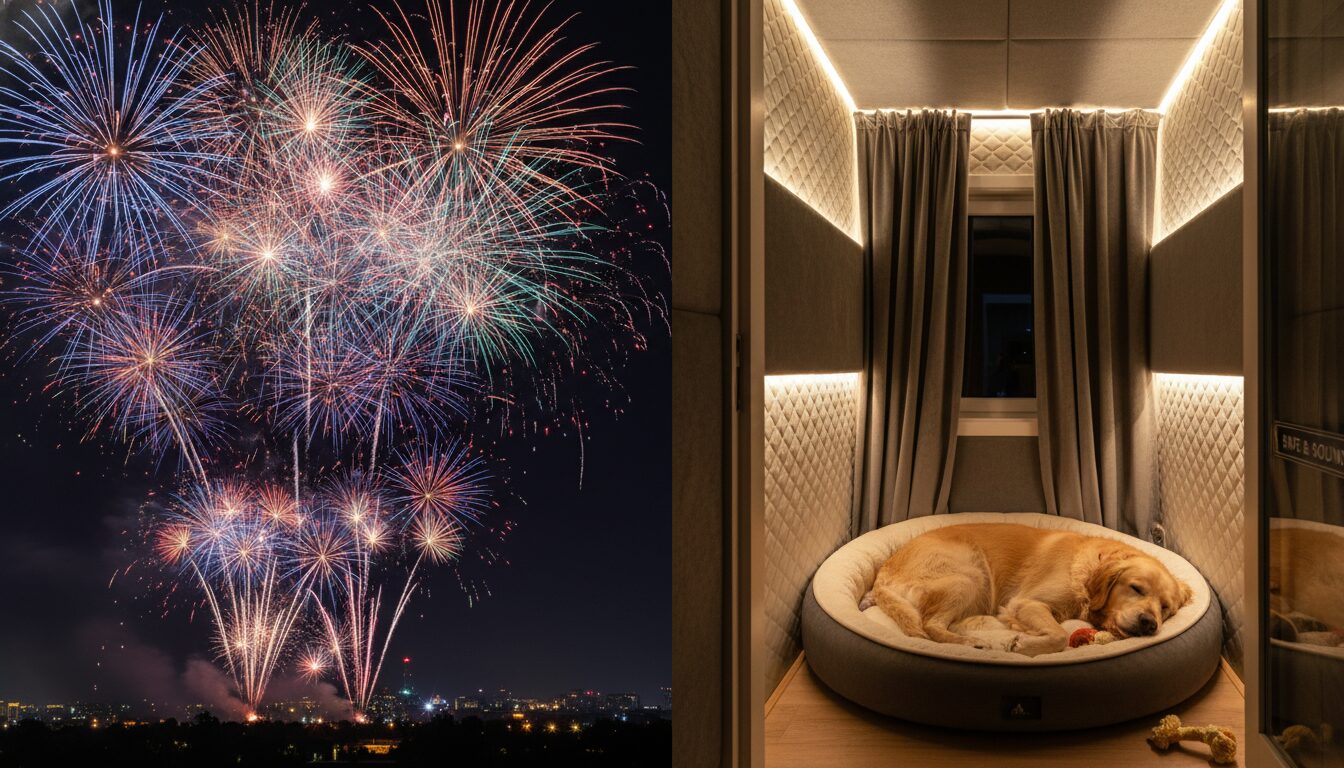
Your first line of defense is environmental modification. You must create a sanctuary where the sensory input of fireworks is minimized. This involves:
- Soundproofing: Close all windows and vents. Heavy curtains or blackout blinds are essential to block out both the noise and the flashing lights, which can be just as triggering as the sound.
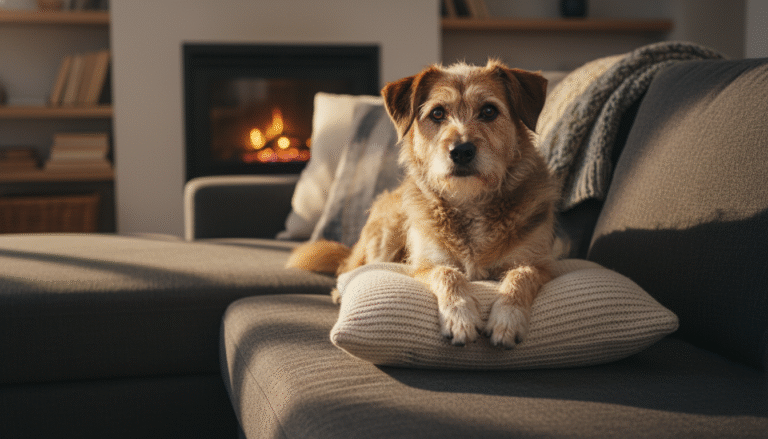
- The Bunker Strategy: Identify an internal room or a basement where sound penetrates the least. Set up your dog’s crate or bed here with familiar blankets that carry your scent.
- Auditory Masking: Silence amplifies sudden noises. Use white noise machines, fans, or classical music (specifically Through a Dog’s Ear playlists) to create a constant auditory backdrop that softens the impact of explosions.
Desensitization Training: The Long-Term Solution

True ‘bombproofing’ is achieved through a behavioral modification technique known as systematic desensitization and counter-conditioning. This process aims to change the dog’s emotional response to the noise from fear to anticipation of a reward. This training requires patience and should ideally start months before firework season.
Step-by-Step Desensitization
- Step 1: Establish a Baseline: Find a recording of firework sounds. Play it at the lowest possible volume where your dog notices the sound but does not show signs of fear (no lip licking, pacing, or panting).
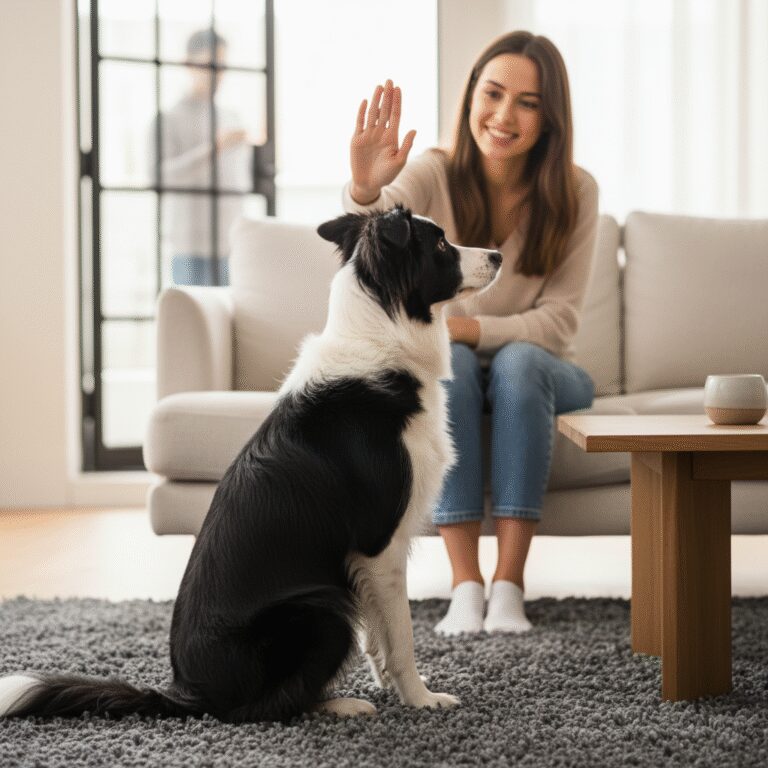
- Step 2: Counter-Conditioning: As soon as the sound starts, feed your dog high-value treats (chicken, cheese, or liver). The food must be better than their regular kibble. When the sound stops, the treats stop. This teaches the dog that loud noise equals delicious food.
- Step 3: Gradual Increase: Over weeks, very gradually increase the volume. If the dog shows any sign of stress, you have moved too fast. Lower the volume immediately and restart at the previous level.
- Step 4: Generalization: Practice this in different rooms and at different times of the day to ensure the training holds under various conditions.
Acute Management: Strategies for the Night of the Event

If training has not been completed, or if the fireworks are particularly intense, you must switch from training mode to management mode. The goal on the night of the event is damage control and safety.
Immediate Coping Mechanisms
On the day of the expected fireworks, ensure your dog has had a long, tiring walk early in the day while it is still light out. Physical exhaustion can help lower anxiety levels. During the event:
- Secure the Perimeter: Ensure all gates are locked and fences are secure. Dogs in a panic state can scale fences they normally wouldn’t attempt. Ensure your dog is wearing a collar with ID tags and that their microchip details are up to date.
- Provide Distraction: Offer long-lasting chews or puzzle toys filled with frozen food. Licking and chewing are self-soothing behaviors that release endorphins.
- Owner Behavior: Your dog looks to you for cues. If you are anxious or overly fussing over them, it validates their fear. Remain calm, upbeat, and act as if the noise is insignificant.
- Pressure Wraps: Consider using an anxiety wrap or ‘Thundershirt.’ These apply gentle, constant pressure to the dog’s torso, which can have a calming effect similar to swaddling an infant.
Veterinary Intervention and Natural Aids

For some dogs, training and environmental changes are not enough to break through the panic. In these cases, medical intervention is a necessary component of animal welfare. It is crucial to consult with your veterinarian regarding the best options for your specific dog.
Supplements and Pheromones
Natural aids can take the edge off mild anxiety. Dog-appeasing pheromones (DAP), available as diffusers or collars, mimic the comforting pheromones a mother dog releases to her puppies. Supplements containing L-theanine, tryptophan, or CBD oil may also provide relief, though efficacy varies by individual.
Prescription Medication
For moderate to severe phobia, prescription medication is often required. Modern veterinary medicine offers situational anti-anxiety drugs (anxiolytics) such as Sileo (specifically FDA-approved for noise aversion), gabapentin, or trazodone. Note: Avoid using Acepromazine (Ace) for noise phobia; it is a sedative that immobilizes the dog but does not reduce fear, potentially making the phobia worse over time by trapping the dog in their terrified body.
Moving Forward with Confidence
Surviving firework season requires a blend of empathy, preparation, and science-based strategy. By creating a secure environment, utilizing desensitization training, and consulting with veterinary professionals when necessary, you can significantly reduce the trauma your dog experiences. Remember that ‘bombproofing’ is a journey, not an overnight fix. Each positive experience builds resilience, helping your dog navigate the noisy world with greater confidence. Start your preparations early, stay calm, and advocate for your dog’s needs to ensure they remain safe and secure when the skies light up.