

Better Than Toothbrushing? These Seaweed Crisps Melt Tartar Away
Let’s be honest: brushing your dog’s teeth can feel like a wrestling match you never signed up for. Between the wiggling, the clamped jaw, and the sheer disdain in their eyes, it’s a chore many pet parents dread and, eventually, skip. But we all know that ignoring dental health isn’t an option. That stinky dog breath is more than just unpleasant; it’s a sign of bacteria that can lead to serious health problems.
What if there was an easier way? Imagine a simple, tasty crisp you could add to their food that works to clean their teeth from the inside out. It sounds almost too good to be true, but that’s the promise of a special type of seaweed supplement. In this article, we’re diving deep into the world of seaweed dental crisps for dogs. We’ll explore the science, weigh the pros and cons, and help you decide if this dental chew is the toothbrushing alternative you’ve been dreaming of.
The Plaque Problem: Why Your Dog’s Dental Health is a Big Deal
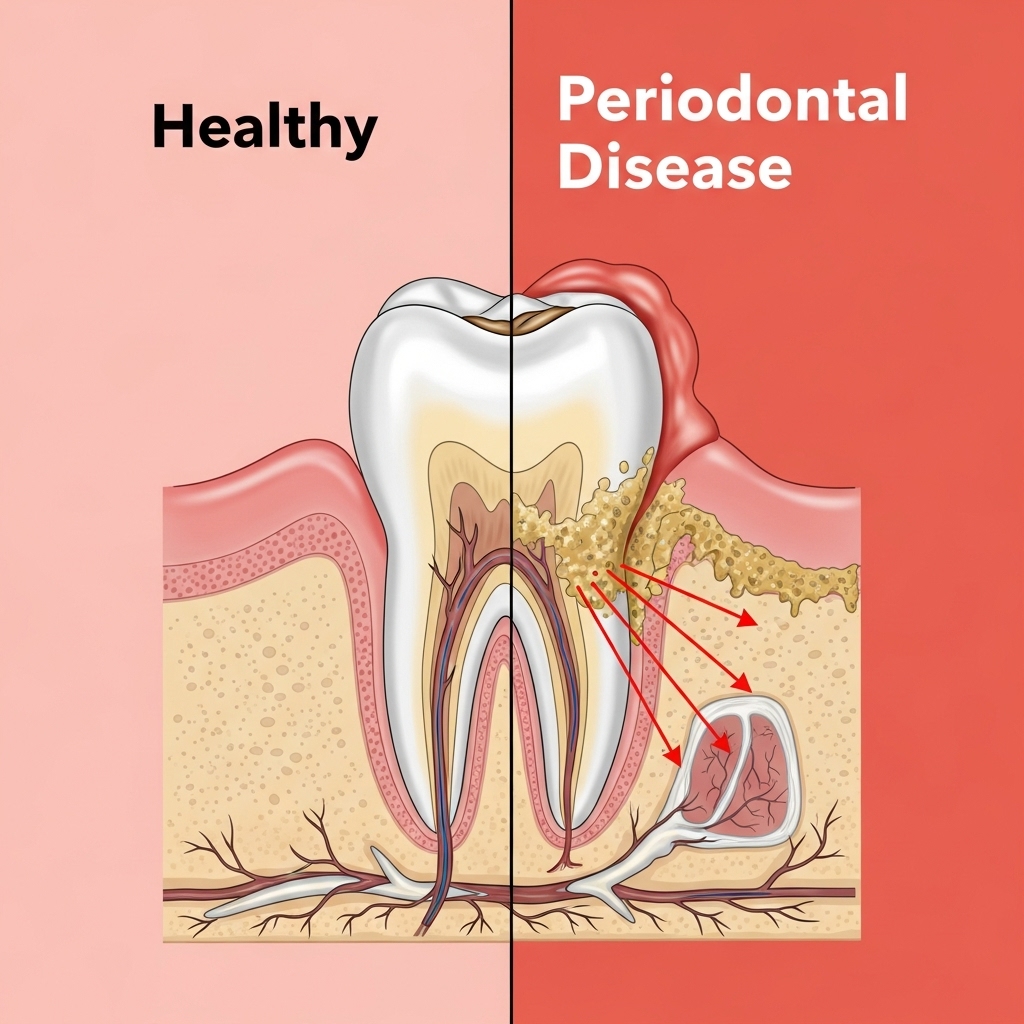
Before we talk about solutions, let’s understand the problem. Just like in humans, every time your dog eats, a sticky film of bacteria called plaque forms on their teeth. If not removed, this plaque hardens into tartar (or calculus) within just a few days. Tartar is a hard, yellowish-brown deposit that irritates the gums, leading to inflammation known as gingivitis.
This is where the real trouble starts. Gingivitis is the first stage of periodontal disease, a painful condition that can cause:
- Bad Breath (Halitosis): That signature ‘dog breath’ is often the first sign of trouble.
- Pain and Discomfort: Inflamed gums hurt, which might make your dog reluctant to eat or play with their favorite chew toys.
- Tooth Loss: As the disease progresses, it can destroy the tissues and bone supporting the teeth, leading to loose or lost teeth.
- Systemic Health Issues: This is the scariest part. The bacteria from your dog’s mouth can enter their bloodstream and travel to vital organs like the heart, liver, and kidneys, potentially causing serious, life-threatening infections.
Seeing dental care as a cornerstone of your dog’s overall health is crucial. It’s not just about a pretty smile; it’s about preventing pain and protecting their long-term well-being.
The Secret Ingredient: How Does Seaweed Fight Tartar?
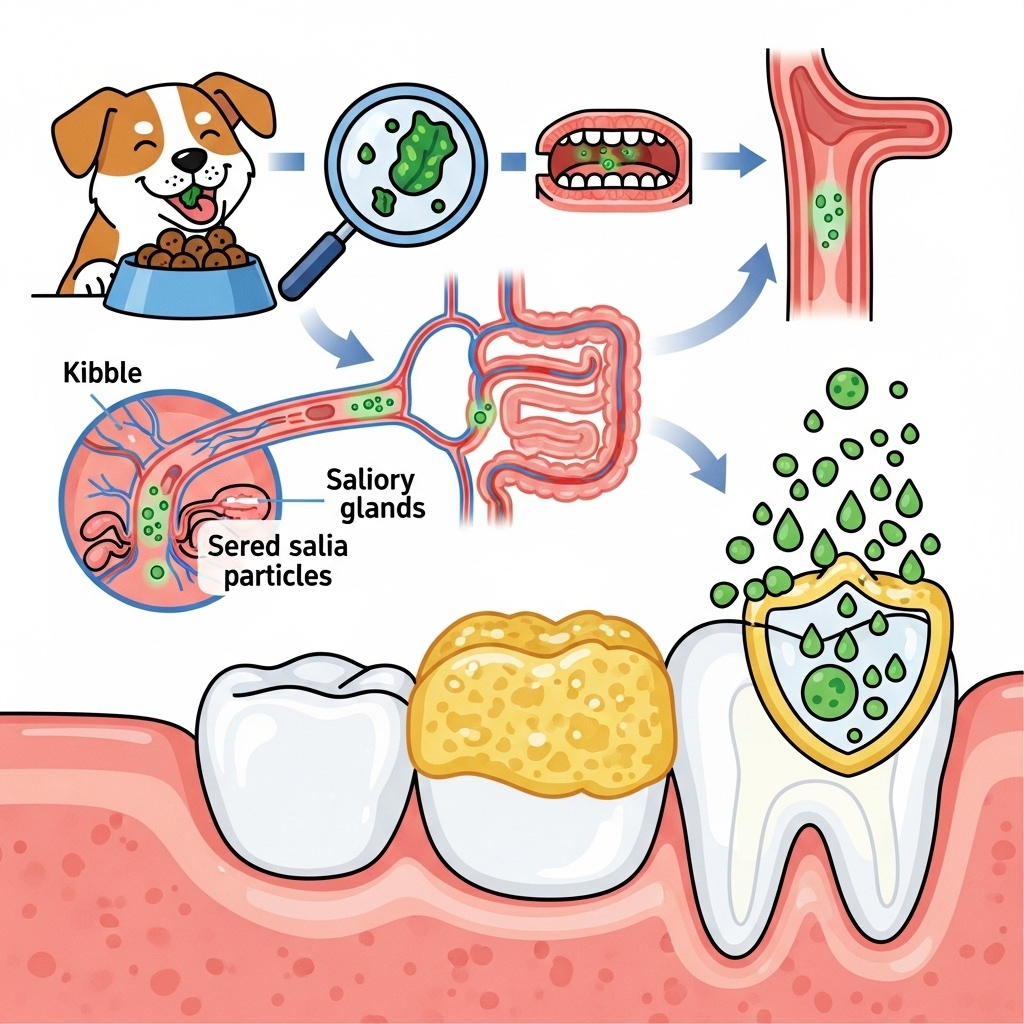
The magic behind these dental treats isn’t just any seaweed you’d find at the beach. The star player is a specific type of North Atlantic kelp called Ascophyllum nodosum. This isn’t a new fad; its benefits have been studied for years. But how does it work?
Unlike a toothbrush or a dental chew that works by scraping plaque off the teeth, Ascophyllum nodosum works systemically. Here’s the breakdown:
- Ingestion: Your dog eats the seaweed crisp or powder, which is mixed into their food.
- Absorption: The natural compounds in the seaweed are absorbed into the bloodstream during digestion.
- Saliva Secretion: These compounds are then released into your dog’s saliva, changing its composition.
- Plaque Breakdown: The enzyme-rich saliva works around the clock, breaking down the bacterial biofilm that makes up plaque. This prevents new plaque from sticking to the teeth and, crucially, softens existing tartar.
Once the tartar is softened, it can be broken off more easily through normal chewing on kibble, toys, or dental chews. It’s a gentle, continuous cleaning action that happens with every lick and every bite. This systemic approach is what makes it such a fascinating alternative to purely mechanical methods of cleaning.
Seaweed Crisps vs. The Toothbrush: A Head-to-Head Comparison
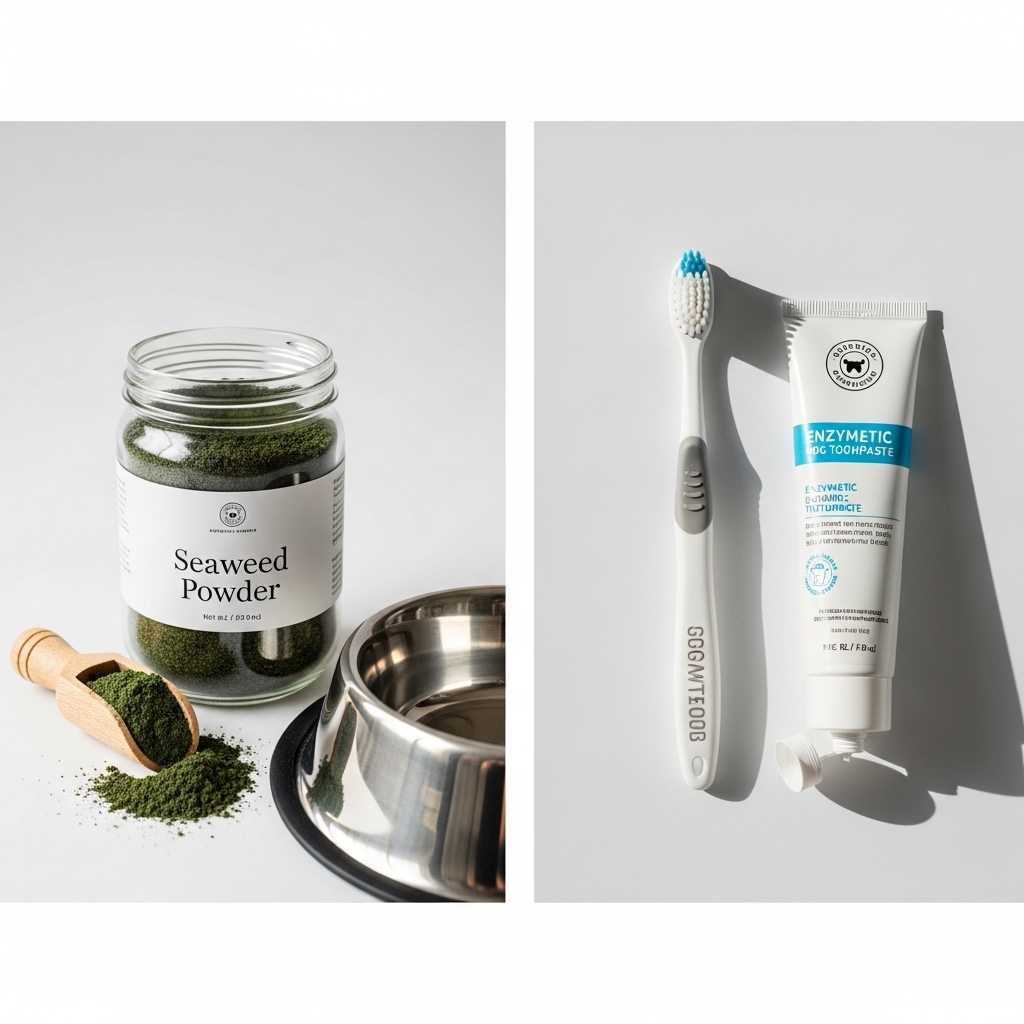
So, is it time to toss the toothbrush? Not so fast. While seaweed supplements are a powerful tool, it’s important to see how they stack up against the gold standard of canine dental care. Let’s compare them side-by-side.
Key Differences at a Glance
| Feature | Seaweed Crisps/Powder | Toothbrushing |
|---|---|---|
| Mechanism | Systemic (works via saliva) | Mechanical (abrasive action) |
| Ease of Use | Extremely easy – just add to food. | Can be very difficult; requires training and a cooperative dog. |
| Effectiveness | Good for softening tartar and preventing new buildup. Less effective below the gumline. | Excellent for removing daily plaque and cleaning below the gumline when done correctly. |
| Time Commitment | Seconds per day. | A few minutes daily. |
| Best For | Dogs who hate brushing, as a supplement to other care. | The most thorough at-home cleaning possible. |
Expert Takeaway: Think of seaweed supplements as a fantastic partner to, rather than a replacement for, other dental care. They excel at making the tartar softer and easier to remove, which can make brushing (if you do it) and professional cleanings more effective.
Are They Safe? Potential Risks and What to Watch For

Giving your dog something new always comes with questions, and it should! While Ascophyllum nodosum is generally considered safe for most dogs, there are a few important considerations to keep in mind:
Iodine Content
Seaweed is naturally rich in iodine. While iodine is an essential nutrient, too much can be problematic, especially for dogs with pre-existing thyroid conditions like hyperthyroidism. If your dog has a known thyroid issue or is on thyroid medication, it is absolutely essential to speak with your veterinarian before starting any seaweed supplement. Your vet can help you determine if it’s a safe choice for your individual pet.
Digestive Sensitivities
As with any new food or supplement, there’s a small chance it could cause mild digestive upset, like gas or loose stools. This is why it’s always recommended to start with a smaller dose than the package suggests and gradually increase it over a week or two. This gives your dog’s system time to adjust.
Source and Quality Matter
Not all seaweed products are created equal. Look for brands that are reputable and specifically formulated for pets. They should source their kelp from clean, unpolluted waters and be transparent about their testing for heavy metals and other contaminants. Avoid products meant for human consumption, as they may contain other ingredients like salt or spices that aren’t good for dogs.
How to Add Seaweed Crisps to Your Dog’s Routine
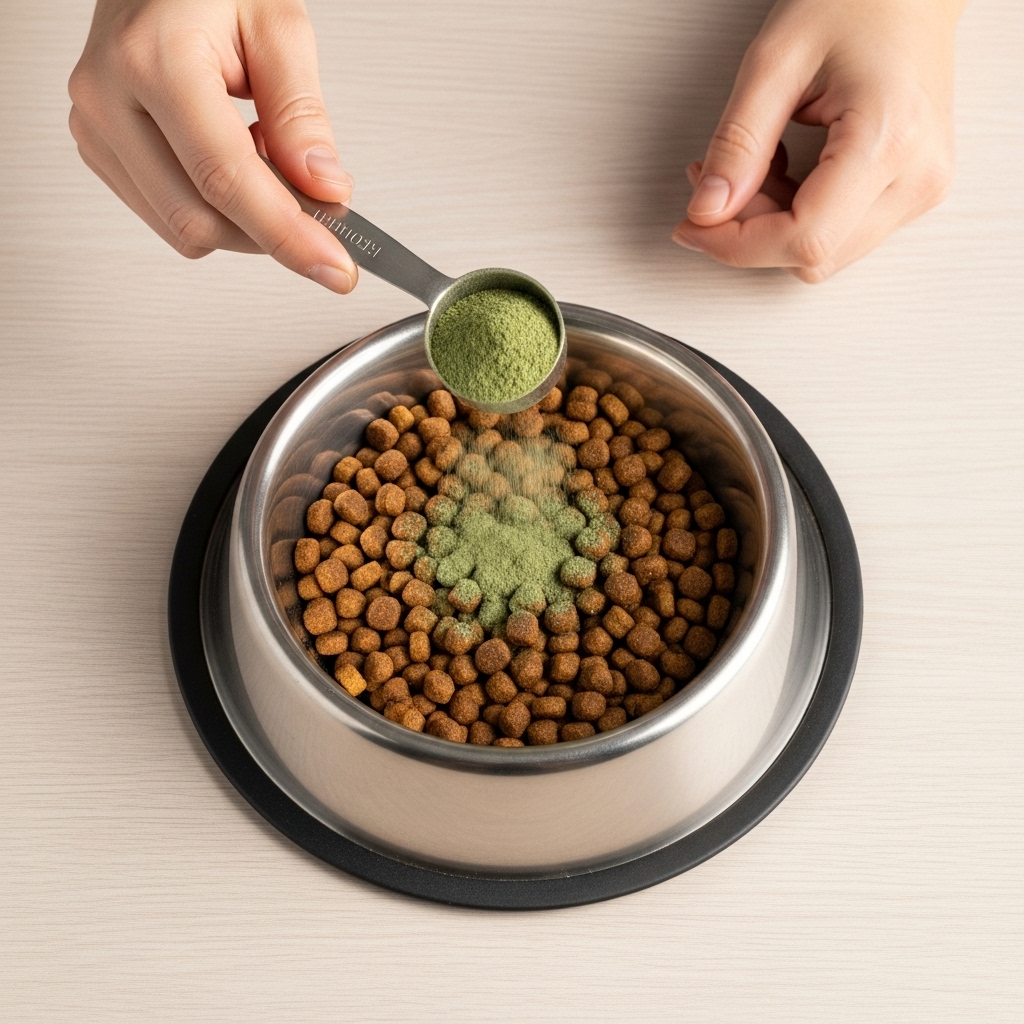
Ready to give it a try? Introducing seaweed crisps or powder into your dog’s diet is simple. Here’s a step-by-step guide to get you started on the right paw.
- Choose a High-Quality Product: Select a brand that uses 100% Ascophyllum nodosum and is specifically made for pets. Read reviews and check the company’s reputation.
- Consult Your Vet: Have a quick chat with your veterinarian. A simple phone call can confirm if it’s a good option for your dog’s specific health profile, especially if they have any underlying conditions.
- Start Small: Don’t begin with the full recommended dose. Start with just a quarter or half of the suggested amount for your dog’s weight. This helps prevent any potential tummy upset.
- Mix It In: The easiest way to serve it is to simply sprinkle the powder or crumble the crisps over your dog’s regular food, whether it’s kibble or wet food. Give it a little stir to mix it in. Most dogs don’t mind the slightly salty, ocean-like taste.
- Observe and Increase: After a few days, if your dog is handling it well, you can gradually increase the dose to the recommended amount over the course of a week.
- Be Patient: Remember, this is a systemic product, not an instant fix. It can take anywhere from 3 to 8 weeks to see a noticeable difference in your dog’s breath and the texture of their tartar. Consistency is key!
Conclusion
So, are seaweed crisps better than toothbrushing? The answer is a bit more nuanced than a simple yes or no. For ease of use and passive, long-term tartar softening, they are an incredible innovation that can dramatically improve the dental health of dogs who won’t tolerate brushing. They are a fantastic, low-effort tool in your dental care arsenal.
However, they don’t replace the mechanical action of brushing for removing daily plaque, especially from under the gumline. The ideal dental care routine is a multi-faceted one. Think of seaweed supplements as your ‘dental care assistant.’ They do the hard work of softening stubborn tartar, making it easier for other methods—like dental chews, water additives, and even occasional brushing—to do their jobs more effectively. Ultimately, combining these amazing seaweed supplements with regular vet check-ups is the best recipe for a healthy, happy smile and fresh, kissable breath for years to come.