Beach Ready: Building Your Dog’s Confidence on Sand
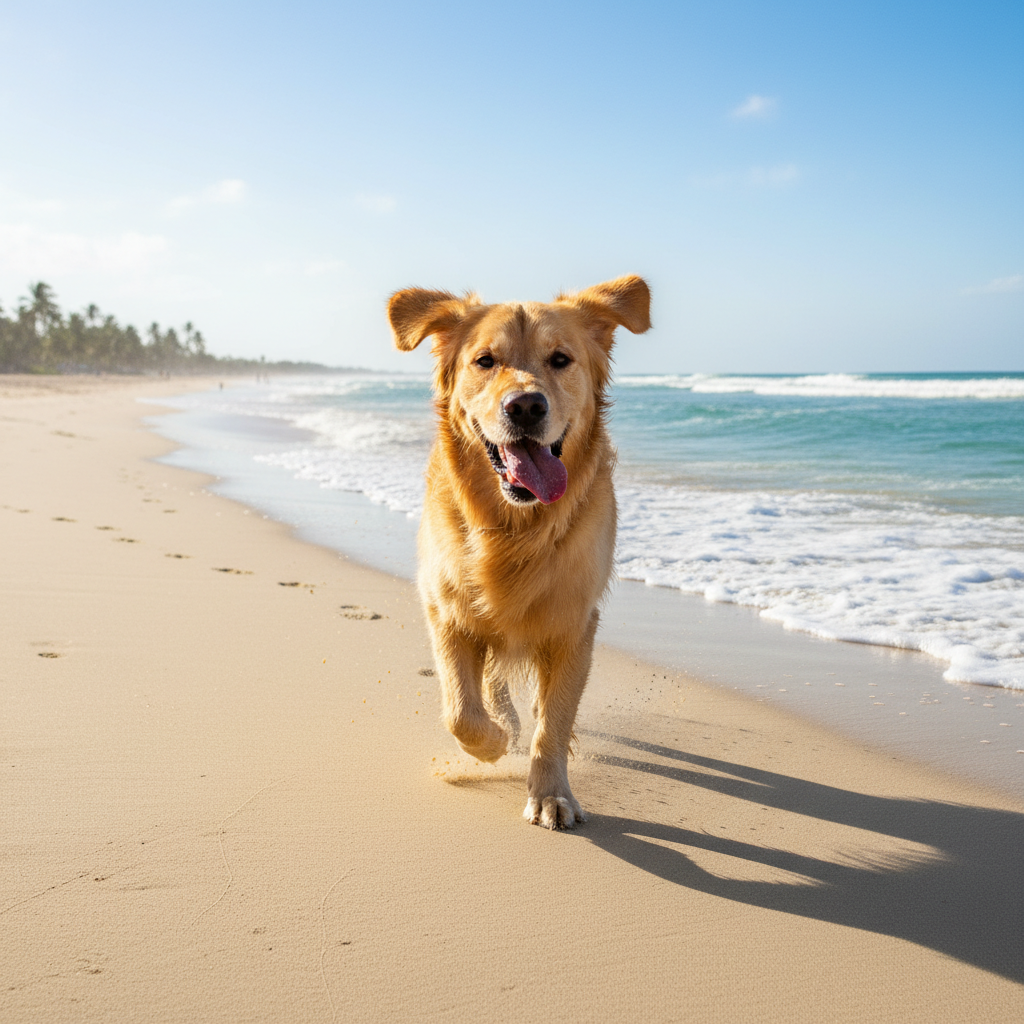
Picture this: a sunny day, a gentle sea breeze, and your dog joyfully bounding across the sand, chasing a ball with pure, unadulterated glee. It’s the perfect picture, right? But for many dog owners, this idyllic scene remains a distant dream. The reality is that the beach, with its strange-feeling sand, loud crashing waves, and vast open space, can be an overwhelming and even frightening experience for a dog.
If your pup puts on the brakes the second their paws touch the sand, you’re not alone. This hesitation is common, but it doesn’t mean you have to give up on your beach day dreams. Building confidence is all about patience, understanding, and making the experience a positive one. This guide will walk you through the process step-by-step, helping you turn your sand-skeptic pup into a true beach bum.
Gearing Up for Success: Your Beach Confidence Toolkit
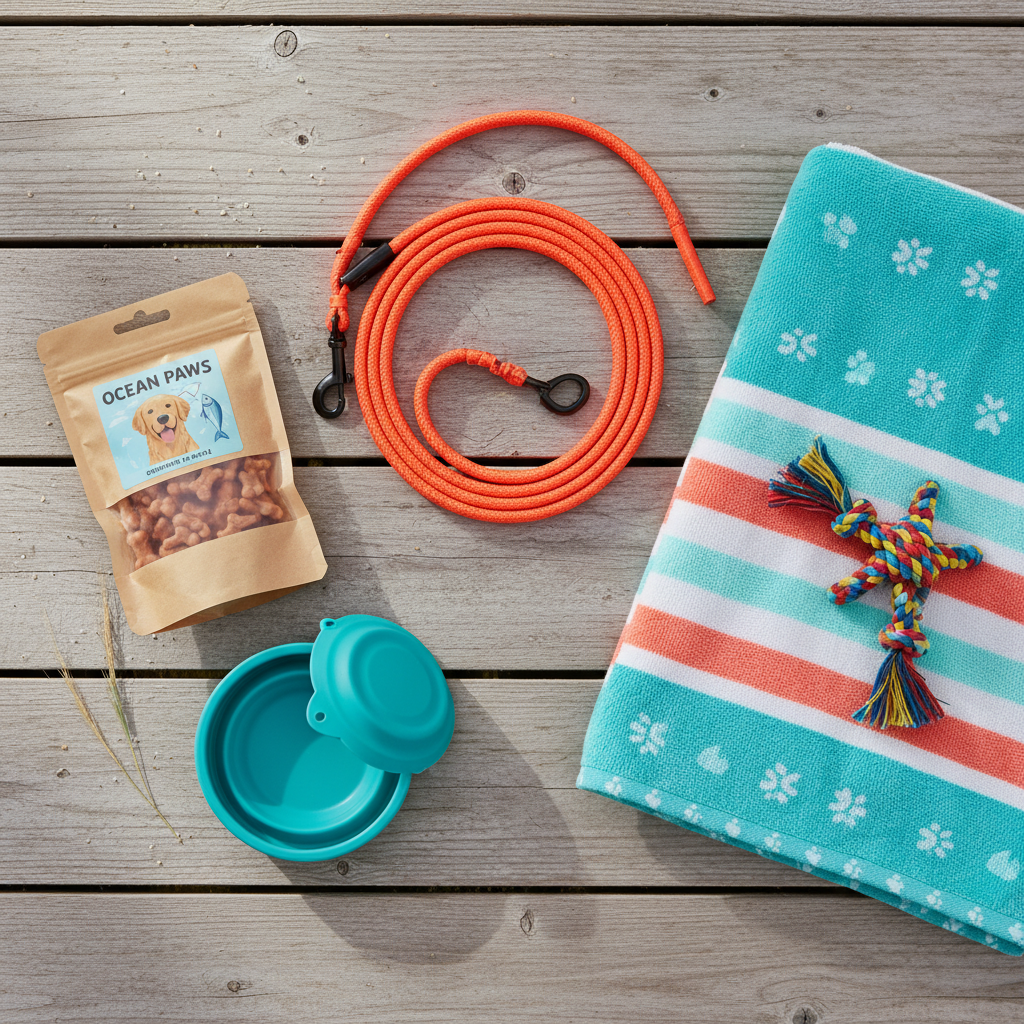
Before you even think about heading to the shore, setting yourselves up for success is key. Having the right gear can make all the difference between a stressful outing and a positive learning experience. Think of this as your dog’s beach-day confidence kit!
What to Pack:
- High-Value Treats: We’re not talking about their everyday kibble. Bring something extra special that your dog absolutely loves, like small pieces of chicken, cheese, or their favorite smelly training treats. These will be crucial for creating positive associations.
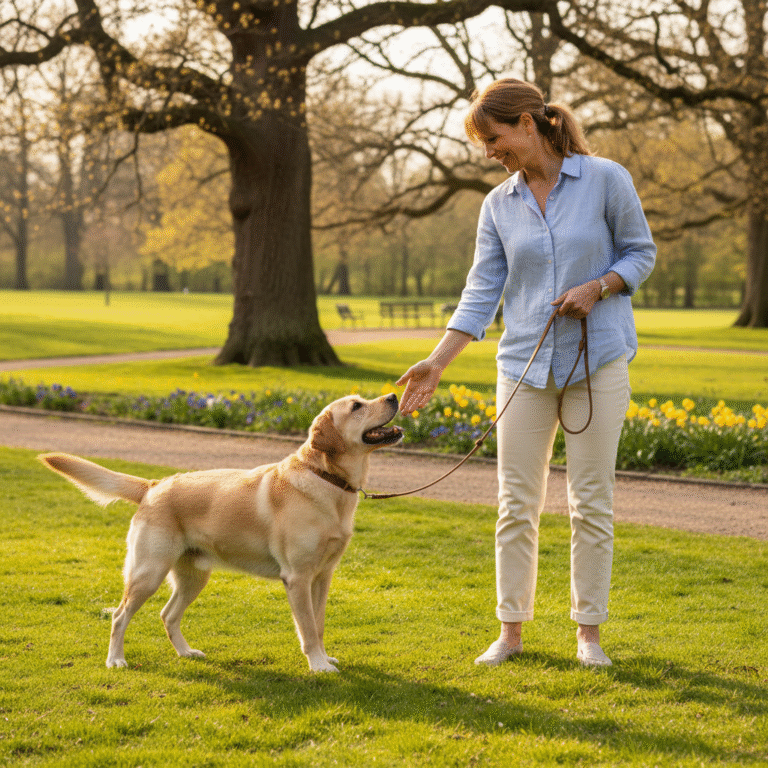
- A Long Leash (15-30 feet): A long line gives your dog the freedom to explore at their own pace without the risks of being completely off-leash in a new environment. It allows them to investigate the sand from a distance they feel comfortable with.
- Fresh Water and a Bowl: The beach is dehydrating! Always have plenty of fresh water on hand to prevent your dog from drinking the salty seawater, which can make them sick.
- Familiar Toys: Bring a favorite fetch toy or tug rope. A familiar object can provide a sense of security and a fun distraction from any anxieties.
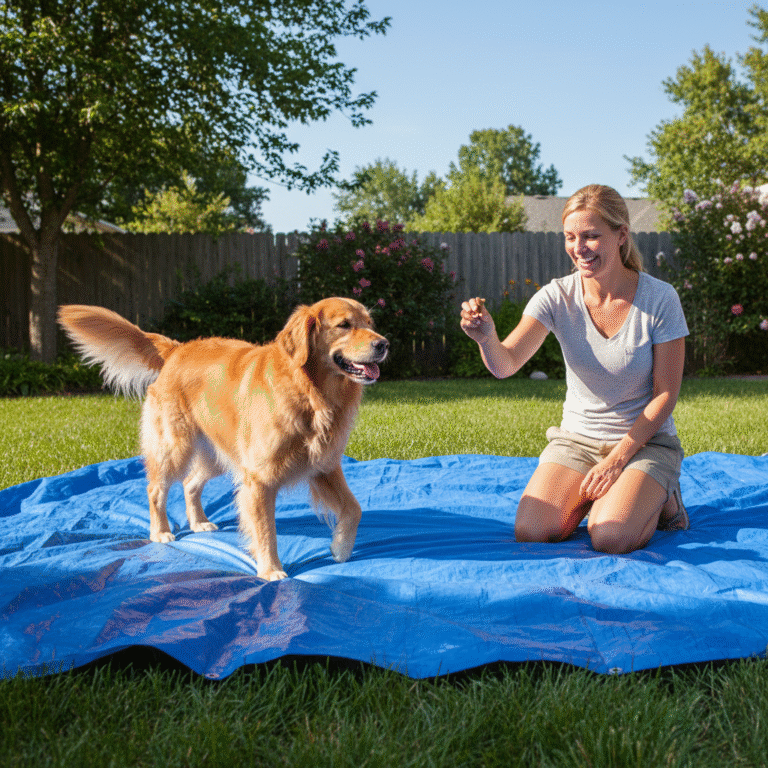
- A Towel or Blanket: This gives your dog a ‘safe spot’ or a home base. It’s a familiar surface where they can relax if the sand becomes too much for them.
- Shade: Whether it’s a beach umbrella or a pop-up tent, providing a shady spot is essential for preventing overheating on a sunny day.
Step 1: Pre-Beach Prep – Sand School at Home
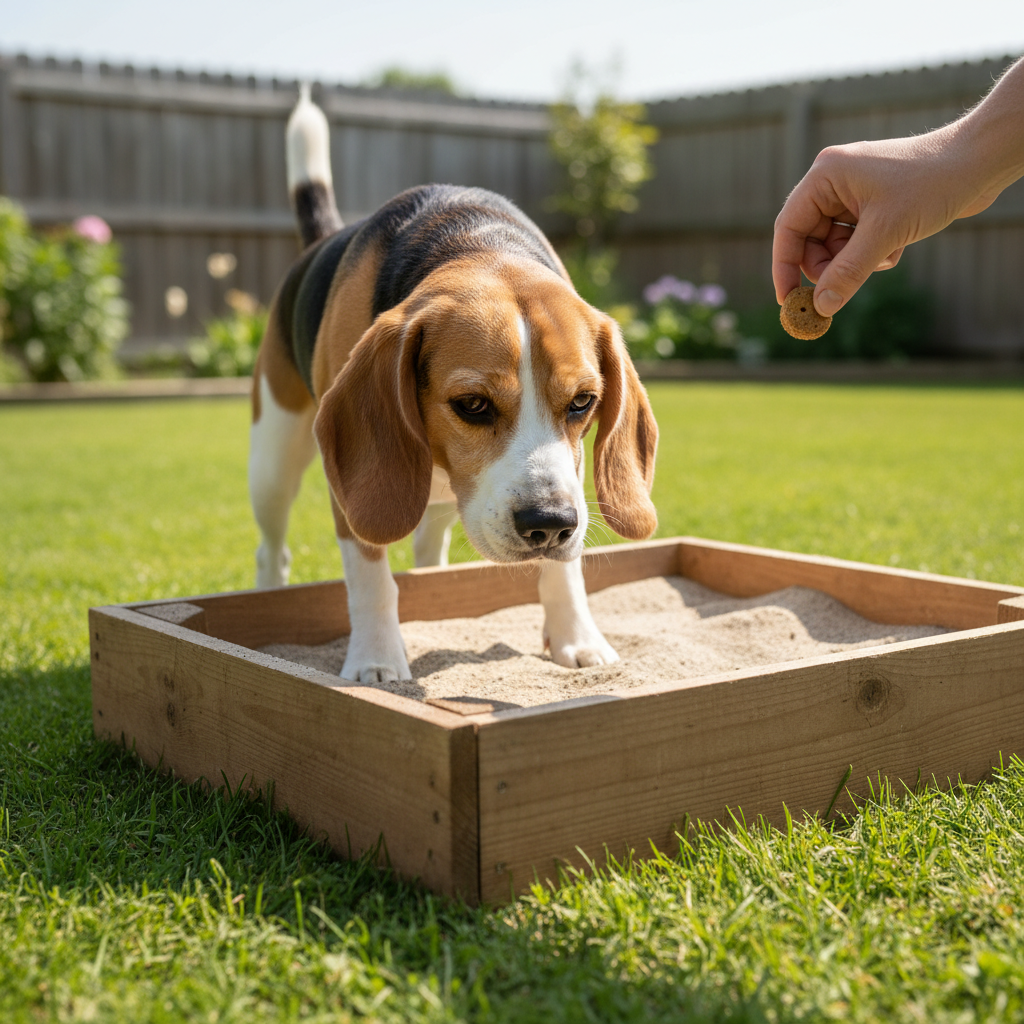
You wouldn’t jump into the deep end without learning to swim, and your dog shouldn’t be thrown onto a vast beach without some preparation. You can start building confidence right from the comfort of your own home or backyard.
The goal here is desensitization—making the unfamiliar familiar. The best way to do this is to introduce sand in a controlled, non-threatening environment. Get a small bag of play sand from a hardware store and put it in a shallow box or a kid’s sandbox.
Let your dog investigate it on their own terms. Don’t force them near it. Simply place the box in the yard and act normally. When they sniff or step on it, praise them calmly and toss a high-value treat onto the sand for them to find. This starts to build the connection: Sand = Awesome Treats!
You can also play sound clips of gentle ocean waves at a very low volume in your house while you’re playing or giving them a meal. This helps them get used to the sound so it’s less startling when they hear it for real.
Step 2: The First Visit – Short, Sweet, and Successful
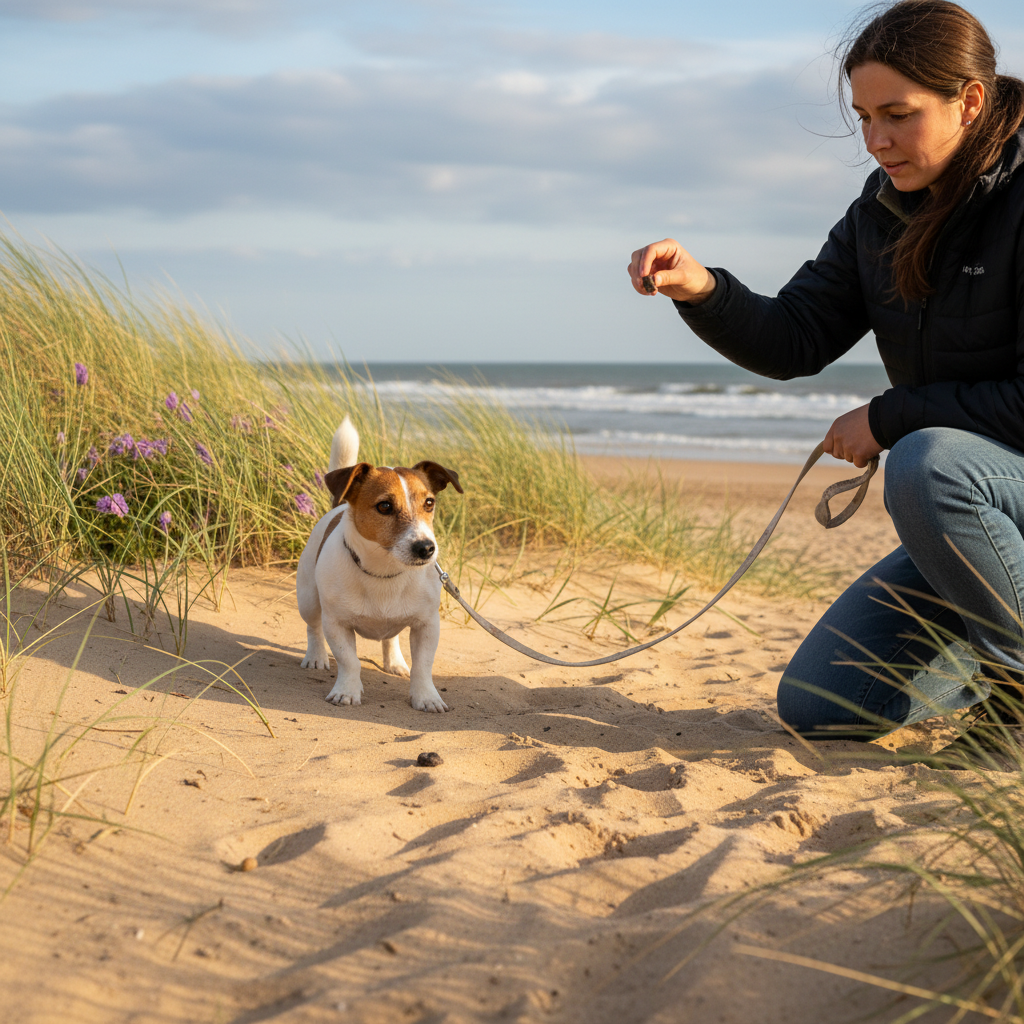
Okay, you’ve done your homework, and it’s time for the real deal! The number one rule for the first beach visit is to keep it short and end on a high note. We’re aiming for a 15-20 minute visit, tops. The goal is not to have a full-blown beach day, but to have a positive first impression.
When you arrive, park a little distance away and walk towards the sand. Use your long leash. As you approach the sand, watch your dog’s body language. Are their ears back? Is their tail tucked? Are they pulling back on the leash? These are signs of stress.
Expert Tip: Don’t drag your dog onto the sand. Stop at the edge where the regular ground meets the sand. Let them observe. Toss a few high-value treats onto the very edge of the sand. Let them make the choice to step on it to get the reward. If they do, praise them enthusiastically! If they don’t, that’s okay. Don’t push it. You can try again for a few minutes before calling it a day. The entire goal is for them to learn that they have a choice and that good things happen near the sand.
During this first visit, don’t even worry about the water. The focus is 100% on the sand. After a few minutes of successful treat-tossing and calm observation, end the session and leave. You want them to leave feeling curious and successful, not overwhelmed.
Step 3: Making Sand Fun – Games and Positive Reinforcement
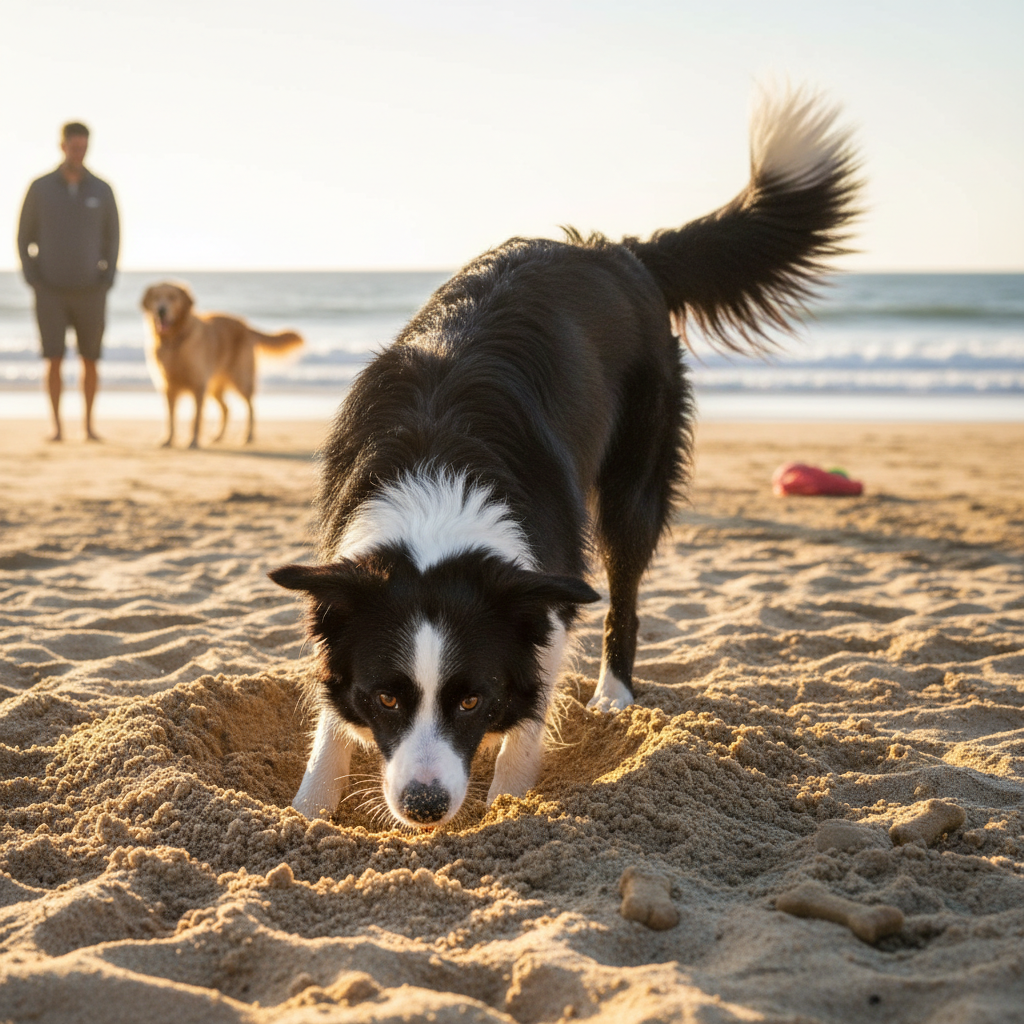
Once your dog is comfortable stepping onto the sand without major hesitation, it’s time to up the fun factor. This phase is all about changing their perception of sand from ‘that weird, scary ground’ to ‘the best playground ever!’
Fun Confidence-Building Games:
- Find It: This is a simple but powerful game. Toss a handful of those smelly, high-value treats onto the sand in a small area and say “Find it!”. Your dog gets to use their nose and dig a little, which are natural and rewarding behaviors. This directly associates the sand with a fun, rewarding activity.
- Toy Time: Bring out that favorite toy you packed. Start a gentle game of fetch or tug-of-war on the sand. The familiar game can help them forget their anxieties about the new surface. Start with short throws and gradually increase the distance as they get more comfortable running on the sand.
- Follow the Leader: Walk in playful patterns on the sand and encourage your dog to follow you, dropping treats behind you as you go. Make it a fun game, not a forced march. Your own relaxed and happy demeanor will show your dog that there’s nothing to fear.
Remember to keep these sessions relatively short and always end while your dog is still having fun. This builds their desire to come back for more.
Troubleshooting: When Your Dog Still Says ‘No Thanks’

Progress isn’t always linear. You might have a great day followed by a day where your dog is hesitant again. That’s completely normal! The key is to never force your dog. Forcing them to confront a fear will only deepen their anxiety and can damage the trust they have in you.
What to do if you hit a snag:
- Take a Step Back: If your dog is showing signs of stress (panting when it’s not hot, whale eye, tucked tail, freezing), you’ve moved too fast. Go back to the previous step where they were successful. Maybe that means just hanging out on the blanket or staying at the very edge of the sand for a session.
- Check the Environment: Is the beach crowded? Is it windy? Are there other dogs barking? Sometimes the fear isn’t just the sand, but the entire sensory experience. Try visiting during off-peak hours (early morning or evening) when it’s quieter and less crowded.
- Rule Out Physical Discomfort: Is the sand too hot for their paws? Always check the sand with the back of your hand. If it’s too hot for you to hold your hand there for 7 seconds, it’s too hot for their paws. Also, some dogs with arthritis or joint issues may find walking on uneven sand uncomfortable. If you suspect a physical issue, a vet check-up is a good idea.
Important Takeaway: Your dog’s comfort and safety are the top priorities. The goal is a happy, confident companion, and that means respecting their boundaries and celebrating small victories. Every paw step onto the sand is a win!
Conclusion
Building your dog’s confidence on the sand is a journey, not a race. It requires patience, empathy, and a pocketful of very tasty treats! By breaking down the experience into small, manageable, and positive steps, you can help your dog overcome their fears and learn to love the beach as much as you do. Remember to celebrate every small success, from the first tentative paw print in the sand to the first joyful, sandy sprint. Before you know it, you’ll be making those picture-perfect beach memories you’ve always dreamed of, together.