Barkour Basics: How To Teach Your Dog To Vault Off Your Body
Dog parkour, often affectionately termed ‘Barkour,’ is a rapidly growing discipline that combines elements of human parkour with dog agility. It transforms the world into an obstacle course, encouraging dogs to interact with their environment in novel and challenging ways. Among the most visually impressive and bonding-intensive tricks in this repertoire is the body vault, or the ‘rebound.’ This advanced maneuver involves your dog jumping towards you, pushing off your body (usually the torso or leg), and landing safely on the ground.
While this trick looks spectacular, it requires a significant foundation of trust, physical fitness, and obedience. As a canine specialist, I must emphasize that safety is paramount. This is a high-impact activity that places stress on a dog’s joints and requires precise timing from the handler. In this guide, we will move beyond the basics of sit and stay, diving into the mechanics of teaching your dog to vault off your body safely and effectively. We will cover the necessary physical prerequisites, the foundational targeting behaviors, and the progressive steps to achieve a fluid, confident vault.
Prerequisites: Safety and Physical Health
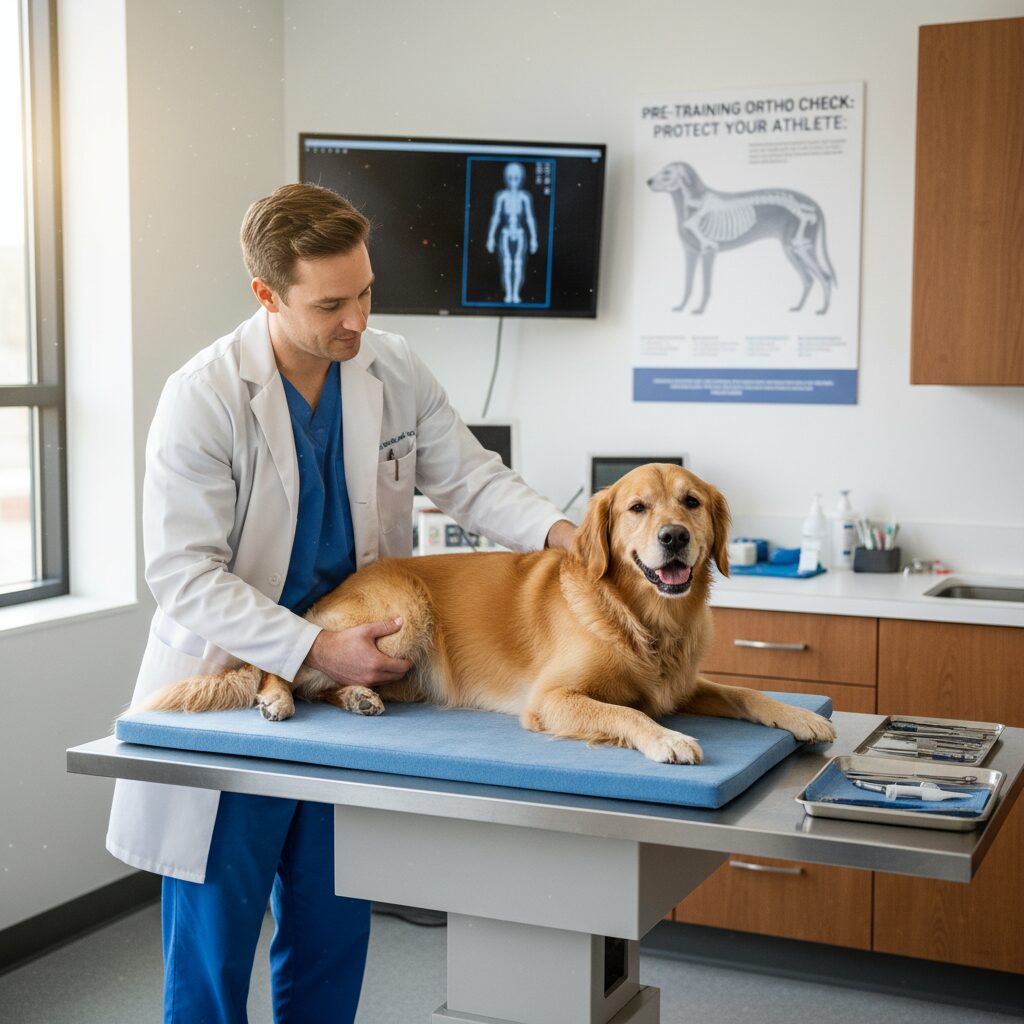
Before attempting any high-impact tricks like the body vault, it is critical to assess your dog’s physical suitability. Barkour is demanding on the musculoskeletal system, particularly the hips, knees (stifles), and shoulders. If your dog is under 18 months old, do not attempt this trick. Their growth plates may not be fully closed, and the impact from vaulting can cause permanent damage to their developing skeletal structure.
Furthermore, this trick is best suited for dogs with a lean, athletic build. Overweight dogs are at a significantly higher risk of injury due to the increased force on their joints upon landing. Before starting, consider the following checklist:
- Veterinary Clearance: Ensure your dog has no history of hip dysplasia, luxating patellas, or arthritis.
- Basic Obedience: Your dog must have a rock-solid ‘stay’ and a reliable recall.
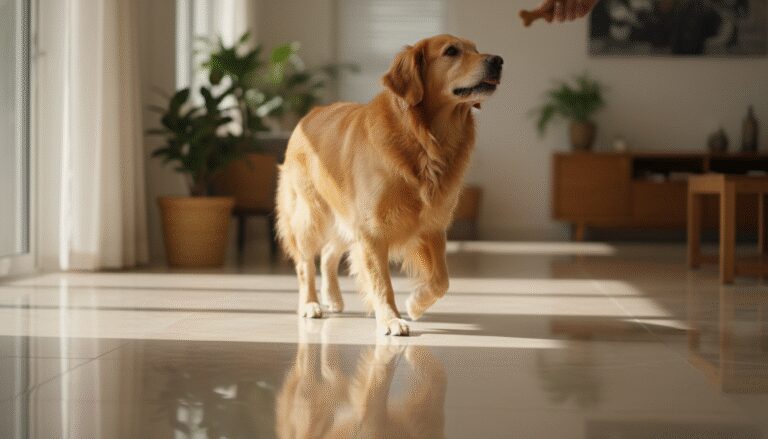
- Surface Safety: Never practice this on slippery surfaces like tile, hardwood, or concrete. Always train on grass, turf, or rubberized agility mats to provide traction and shock absorption.
Phase 1: Building the Foundation with Target Training
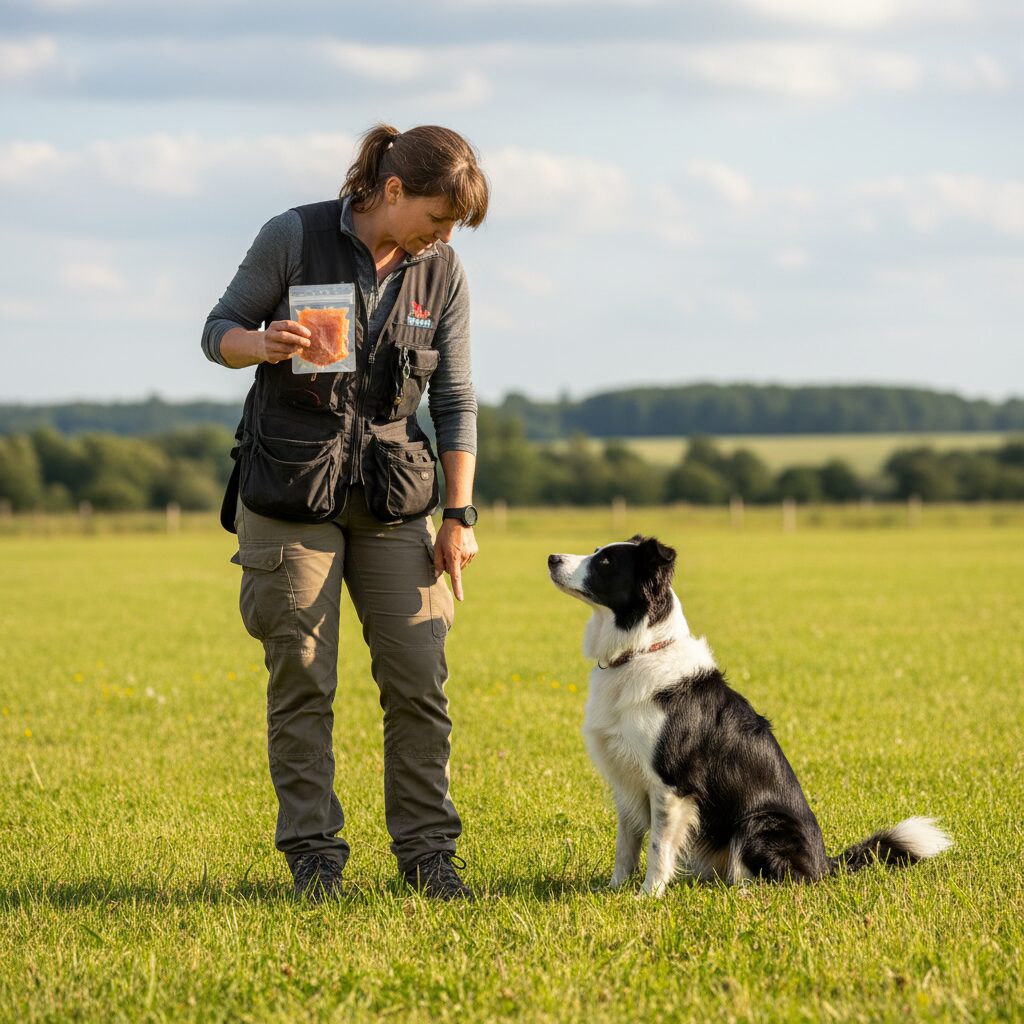
The vault is essentially a complex targeting behavior. Before your dog can jump off you, they must be comfortable touching you on command. We begin by teaching the dog to target your body with their front paws.
Step-by-Step Targeting
Start by kneeling on the ground to lower your center of gravity. This makes you less intimidating and more accessible.
- The Lure: Hold a high-value treat close to your chest or the shoulder you want them to target.
- The Action: Encourage your dog to step up and place their front paws on your thigh or chest to reach the treat.
- The Mark: As soon as their paws make contact with your body, mark the behavior with a ‘Yes!’ or a clicker, and reward them immediately.
- The Cue: Once the dog is reliably placing paws on you, introduce a verbal cue such as ‘Touch’ or ‘Paws Up.’
Repeat this process until your dog enthusiastically places their front feet on you without hesitation. They must understand that your body is a safe and stable platform.
Phase 2: The Rebound Mechanics
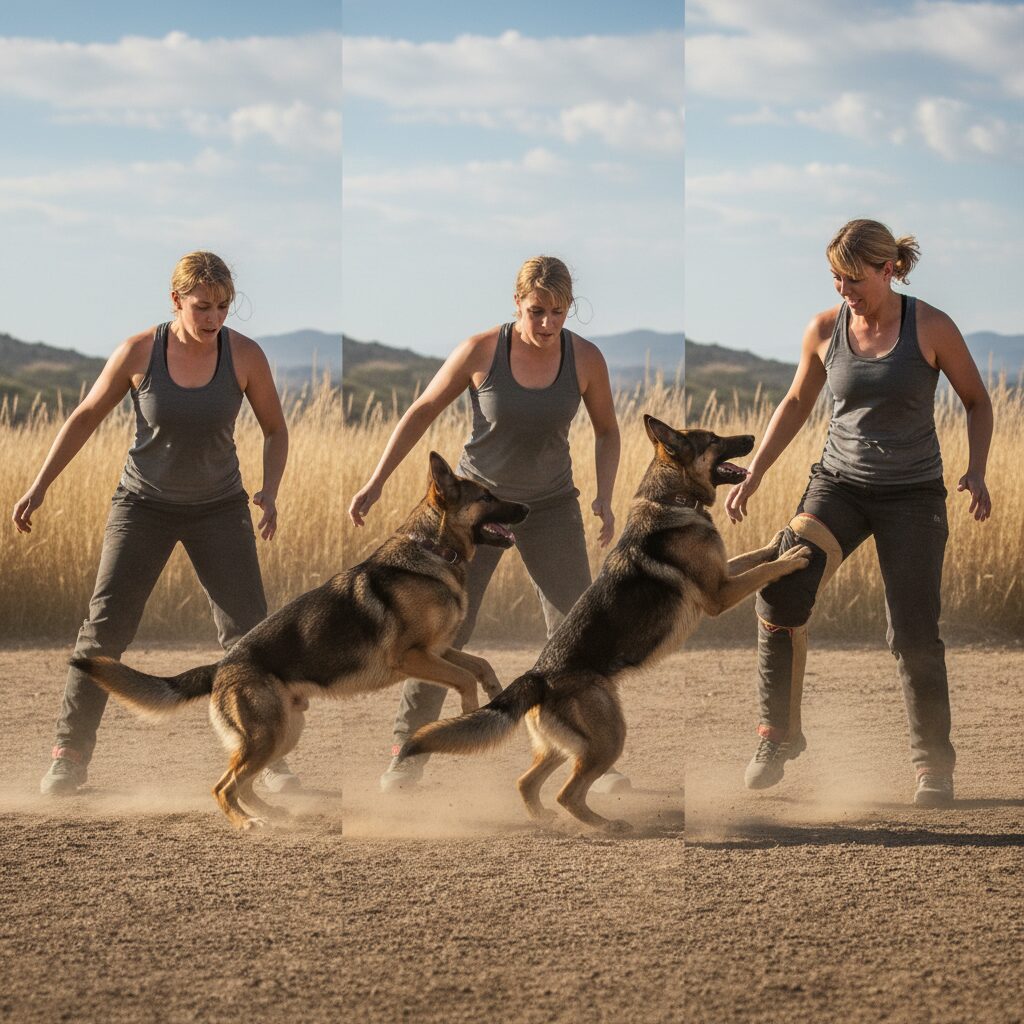
Once the dog is confident with ‘Paws Up,’ we transition to the actual vault mechanics. This is often called a ‘rebound’ because the dog bounces off you rather than climbing on you.
Creating the Arc
Stand with your legs slightly apart and knees bent to brace yourself. You will act as the wall they kick off.
- Positioning: Toss a treat a few feet away to reset the dog. Call them back towards you.
- The Lure Motion: As the dog approaches, use a toy or treat to lure them towards your body and then quickly away in the opposite direction. Imagine drawing a ‘V’ shape in the air: the bottom of the V is your body.
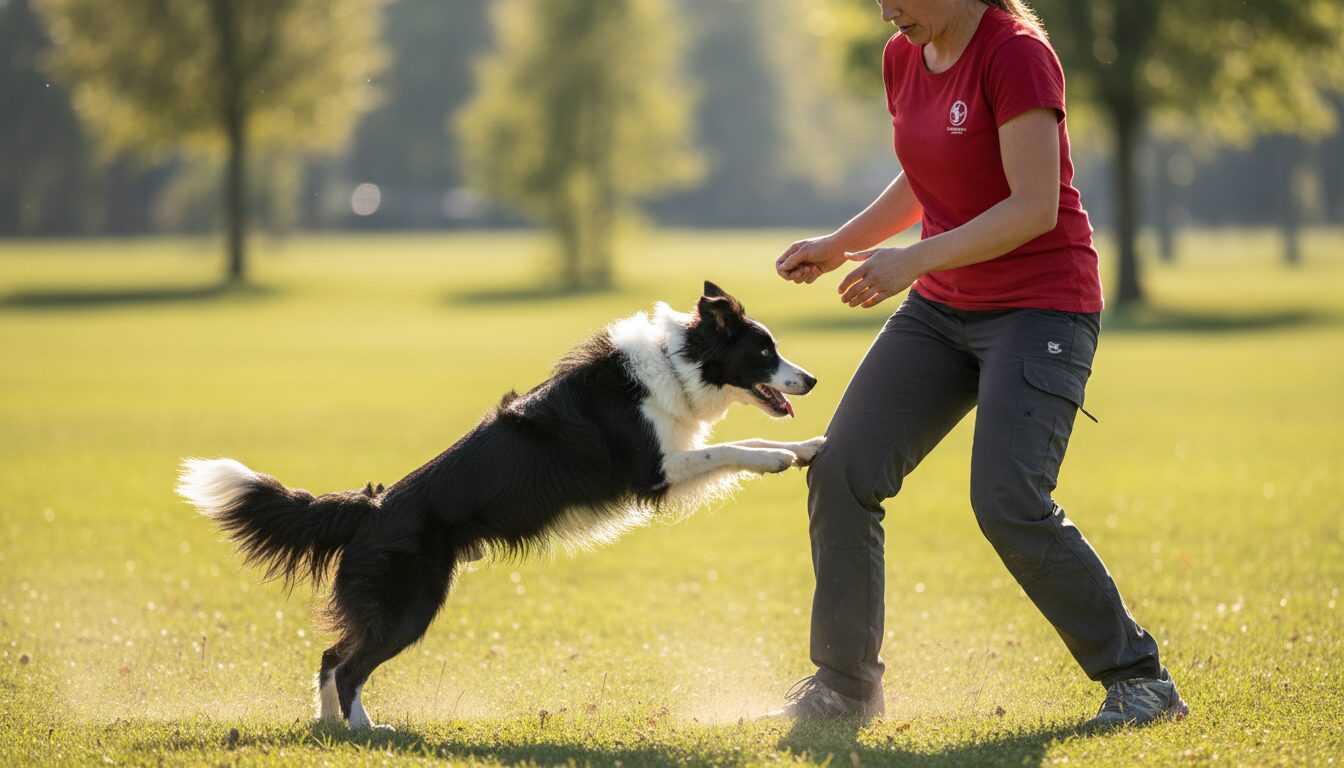
- The Impact: The goal is for the dog to jump up, push off your torso or thigh with their front feet, and turn in the air to land facing away from you.
- Timing the Reward: Throw the reward (toy or treat) away from you as they push off. This encourages the drive to push away rather than cling to you.
Initially, this may look like a small hop. Do not rush height. Reward the intent of pushing off rather than climbing up.
Phase 3: Adding Height and Refining the Vault
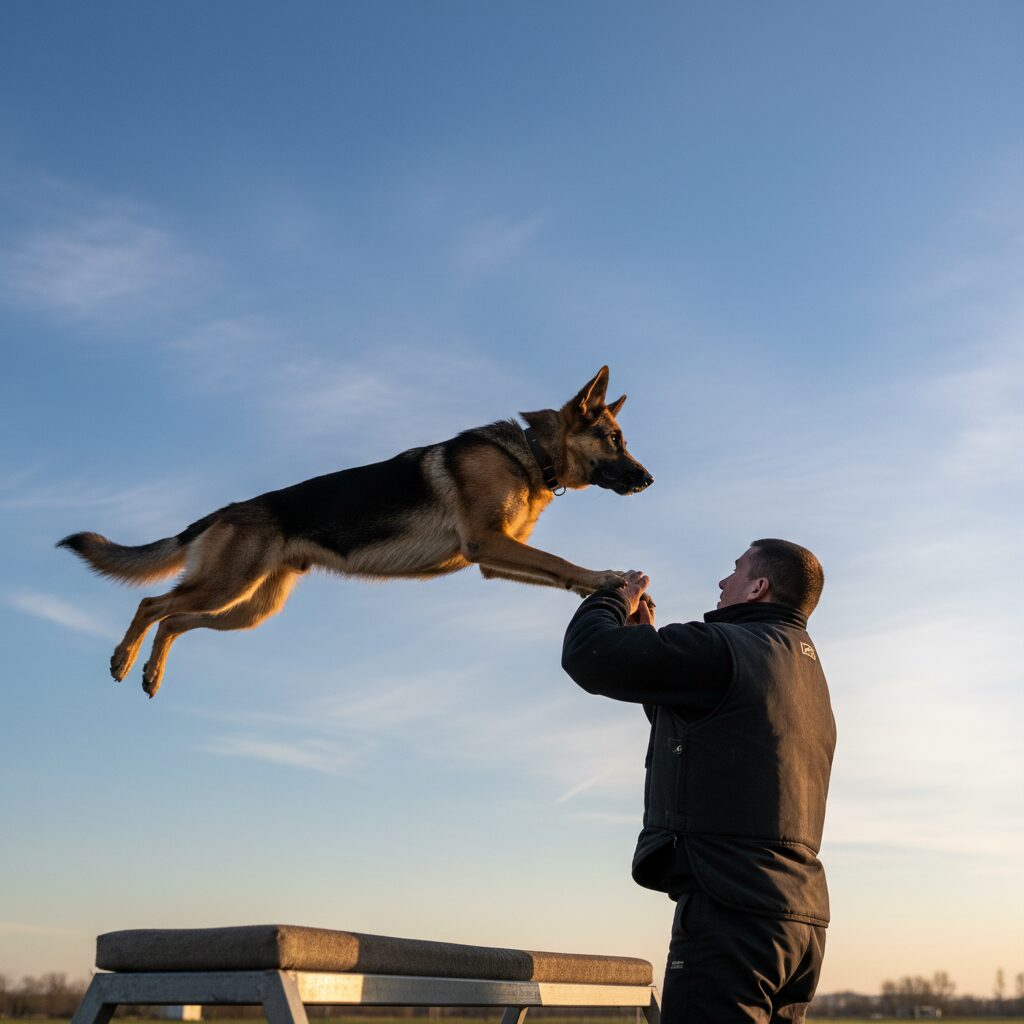
As your dog understands the mechanics of the rebound, you can gradually increase the height and intensity of the vault. This requires the handler to be a stable, active participant.
Stabilizing the Vault
When your dog hits your body, you must brace your core. If you wobble or fall back, the dog will lose confidence. For higher vaults (off the chest or back), consider wearing a protective vest to prevent scratches.
- The Cue: Introduce your final command, such as ‘Vault,’ ‘Rebound,’ or ‘Kick.’
- Fading the Lure: Stop using the hand motion to guide the whole jump. Instead, use the verbal cue and a subtle body dip to signal the move.
- The Catch (Spotting): In the early stages of high vaults, be prepared to assist your dog. However, the goal is for them to clear the space independently. Never force a dog to jump higher than they are comfortable with.
Pro Tip: Always practice vaults in both directions (pushing off to the left and to the right) to ensure balanced muscle development.
Troubleshooting Common Barkour Mistakes
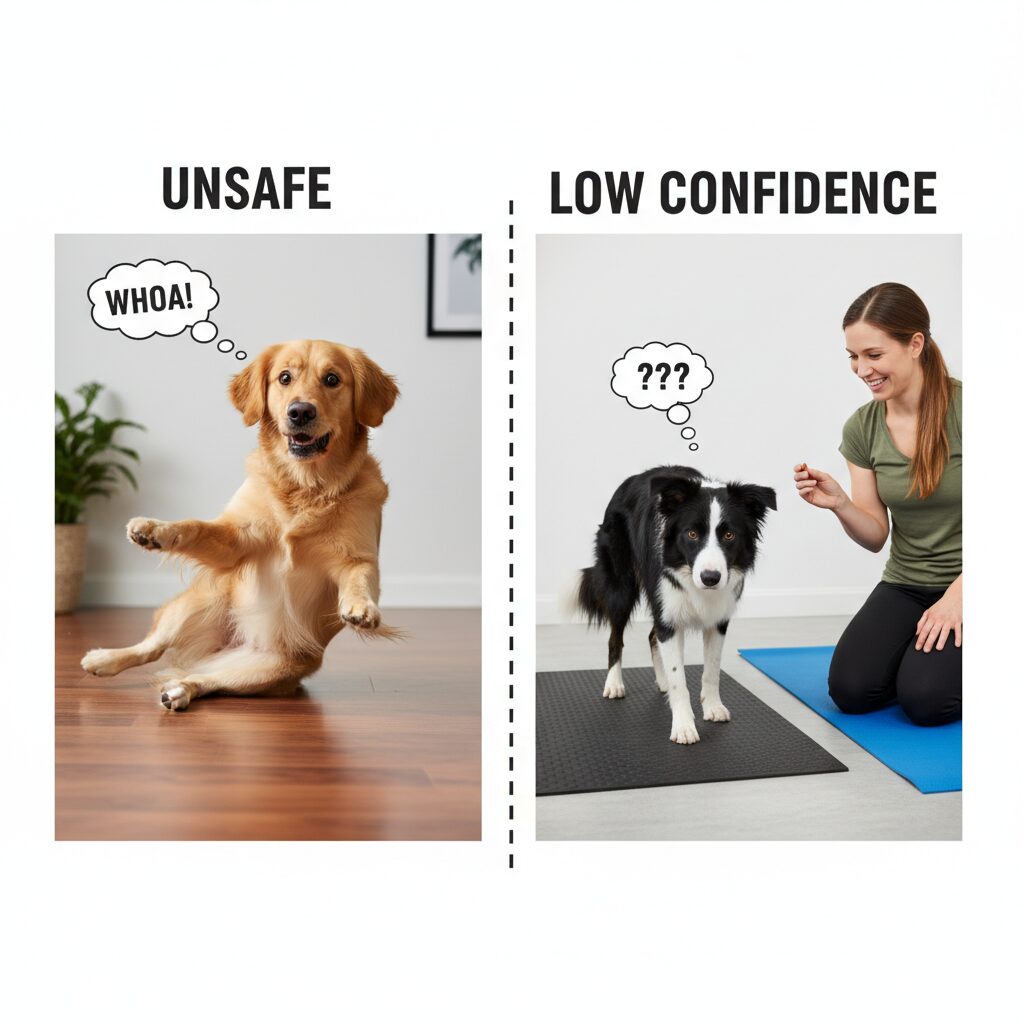
Even with the best training plan, issues can arise. Here are the most common problems and how to solve them:
The ‘Clinger’
Some dogs try to climb or scramble up the handler rather than rebounding off. This usually happens because the reward is being delivered too close to the body. Solution: Throw the toy or treat further away immediately upon contact to encourage the push-off motion.
Lack of Confidence
If your dog approaches but stops short, you may have progressed too quickly. Solution: Go back to Phase 1. Reward simple touches and lower the criteria. Ensure your body language is inviting and not looming over the dog.
Slipping on Landing
If the dog slips upon landing, they will likely refuse to do the trick again due to fear of injury. Solution: Immediately stop training. Check the surface. Ensure the grass is dry or the mats are secure. Never compromise on traction.
Conclusion
Teaching your dog to vault off your body is a testament to the communication and trust you share. It transforms you from a mere observer into an integral piece of the agility equipment, literally supporting your dog’s success. However, the ‘cool factor’ of Barkour should never overshadow safety. Always prioritize proper warm-ups, safe surfaces, and your dog’s physical limitations.
Remember that training is a journey, not a race. Some dogs may master the rebound in a week, while others may take months to build the necessary confidence. Celebrate small victories, keep training sessions short and fun, and enjoy the incredible athleticism of your canine companion. With patience and consistency, you will master the Barkour basics and unlock a new level of dynamic interaction with your dog.