Apartment Living Saver: Training Your Dog to Use an Artificial Grass Patch
For urban dog owners, the logistics of potty time can present a unique set of challenges. The late-night elevator rides, the rush to find a suitable curb during inclement weather, and the lack of immediate backyard access are common hurdles in apartment living. This is where the artificial grass patch becomes a transformative tool for canine management. It offers a sanitary, convenient, and weather-proof solution that mimics a natural environment, bridging the gap between high-rise living and a dog’s instinctual needs.
However, simply placing a patch of synthetic turf on your balcony or in your bathroom is rarely enough to guarantee success. Dogs are creatures of habit and texture; transitioning them from concrete or natural grass to a synthetic surface requires a strategic approach rooted in behavioral psychology. Whether you are potty training a new puppy or retraining an adult dog for indoor convenience, the process demands consistency, patience, and the right methodology.
In this guide, we will explore the professional protocols for training your dog to use an artificial grass patch effectively. We will cover the selection of appropriate equipment, the step-by-step conditioning process, and the critical hygiene standards required to maintain a healthy living space. By following these expert strategies, you can turn a potential sanitation struggle into a seamless part of your daily routine.
Selecting the Right Equipment and Ideal Placement
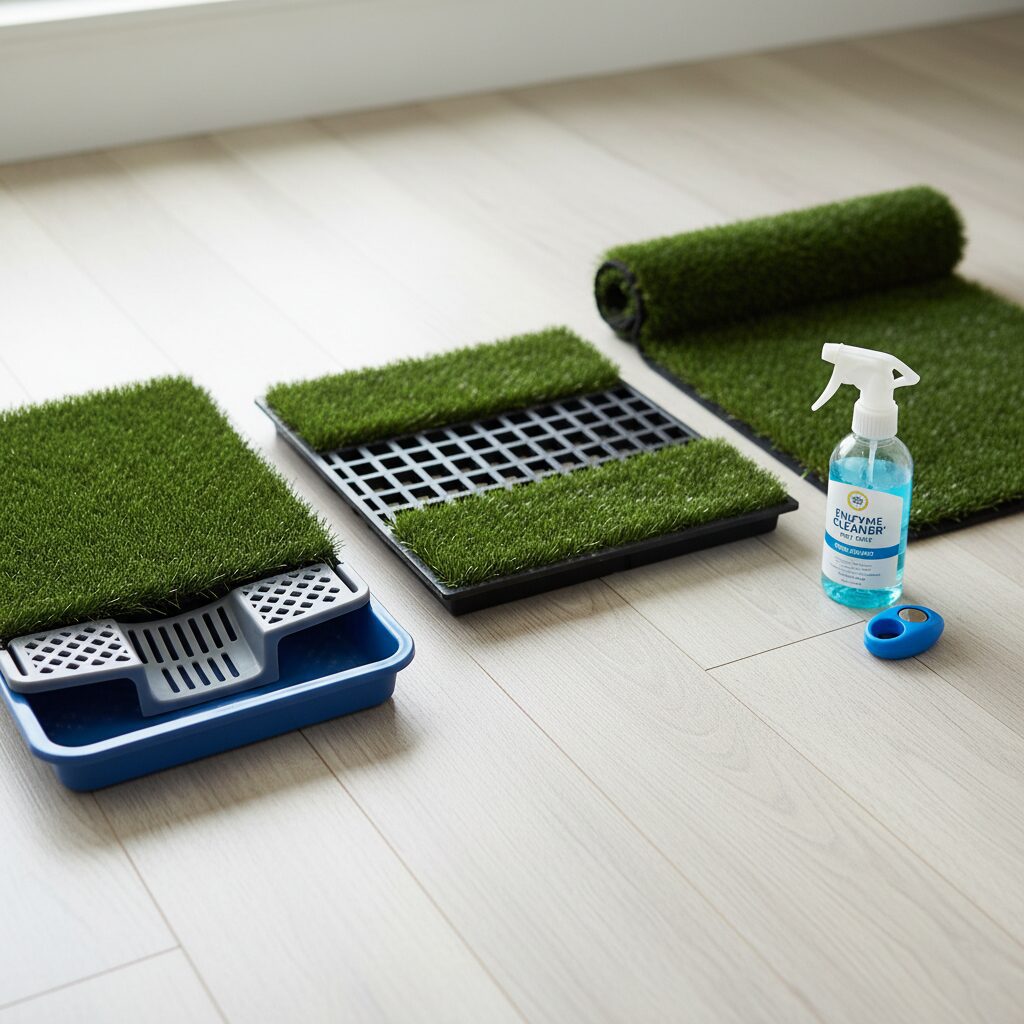
Success begins with proper preparation. Not all artificial grass patches are created equal, and selecting the right model for your dog’s size and gender is the first step toward compliance. For male dogs, who may lift their leg, a patch with a vertical splash guard or a larger surface area is advisable to contain urine. For all dogs, a system that includes a drainage tray or an absorbent pad layer underneath the turf is non-negotiable for hygiene and odor control.
Once you have the equipment, location is paramount. Dogs prefer a degree of privacy and a clear distinction between their living (eating/sleeping) areas and their elimination areas. Key placement strategies include:
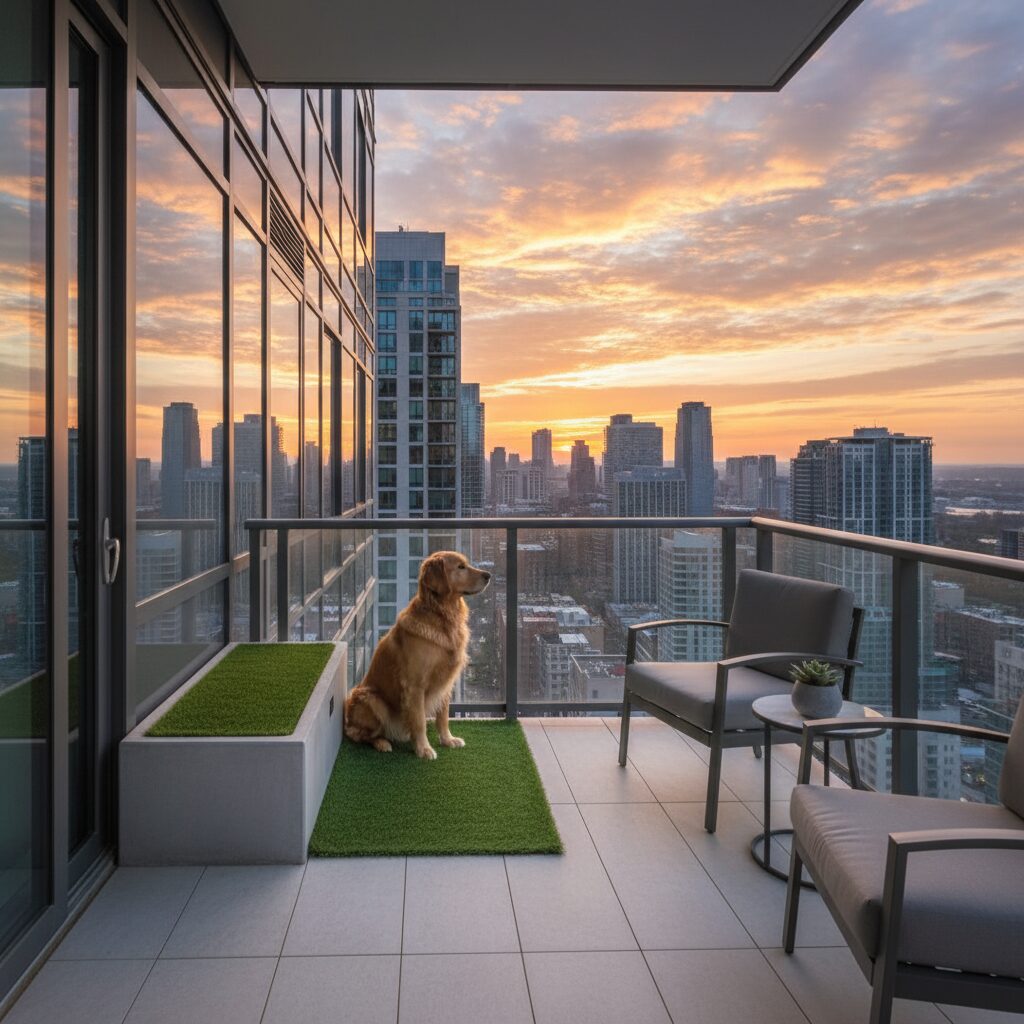
- The Balcony: This is the ideal location as it provides fresh air and helps the dog associate the outdoors with elimination, even if they are technically still within the apartment footprint.
- The Bathroom or Utility Room: If outdoor space is unavailable, choose a tiled area that is easy to clean. Ensure the spot is well-ventilated to prevent odor accumulation.
- Consistency: Once you choose a spot, do not move it. Changing the location of the toilet confuses the dog and can lead to regression in training.
Before introducing the dog, ensure the setup is stable. If the patch slides around when the dog steps on it, the resulting fear or uncertainty can create a negative association that is difficult to reverse.
The Acclimation Phase: Creating Positive Associations
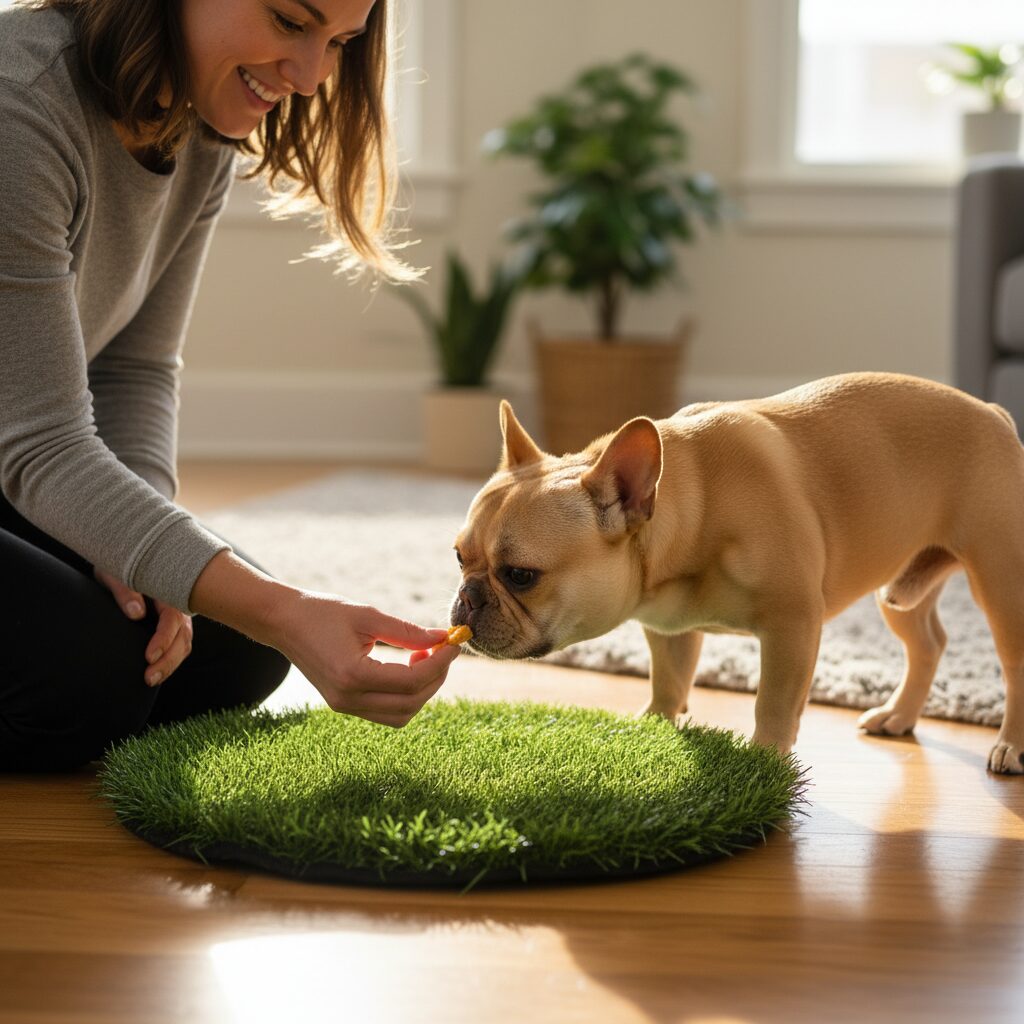
Before asking your dog to use the patch for elimination, they must feel comfortable standing and walking on it. Synthetic grass has a texture that feels different from natural sod, and some dogs may initially find it prickly or strange. The goal of the acclimation phase is to make the patch a place of high value.
Start by leading your dog onto the patch using a leash or a lure. When all four paws are on the grass, mark the behavior with a verbal “Yes!” or a clicker, and immediately deliver a high-value treat. Repeat this process multiple times a day without any expectation of them using the bathroom. You want the dog to think, “Good things happen when I stand on this green mat.”
Crucial Tip: If your dog attempts to lie down or sleep on the patch, gently encourage them to move off. It is vital that they distinguish this area as a toilet, not a bed. If they confuse the two, they will be reluctant to soil where they sleep, which is a natural canine instinct.
Step-by-Step Potty Training Protocol
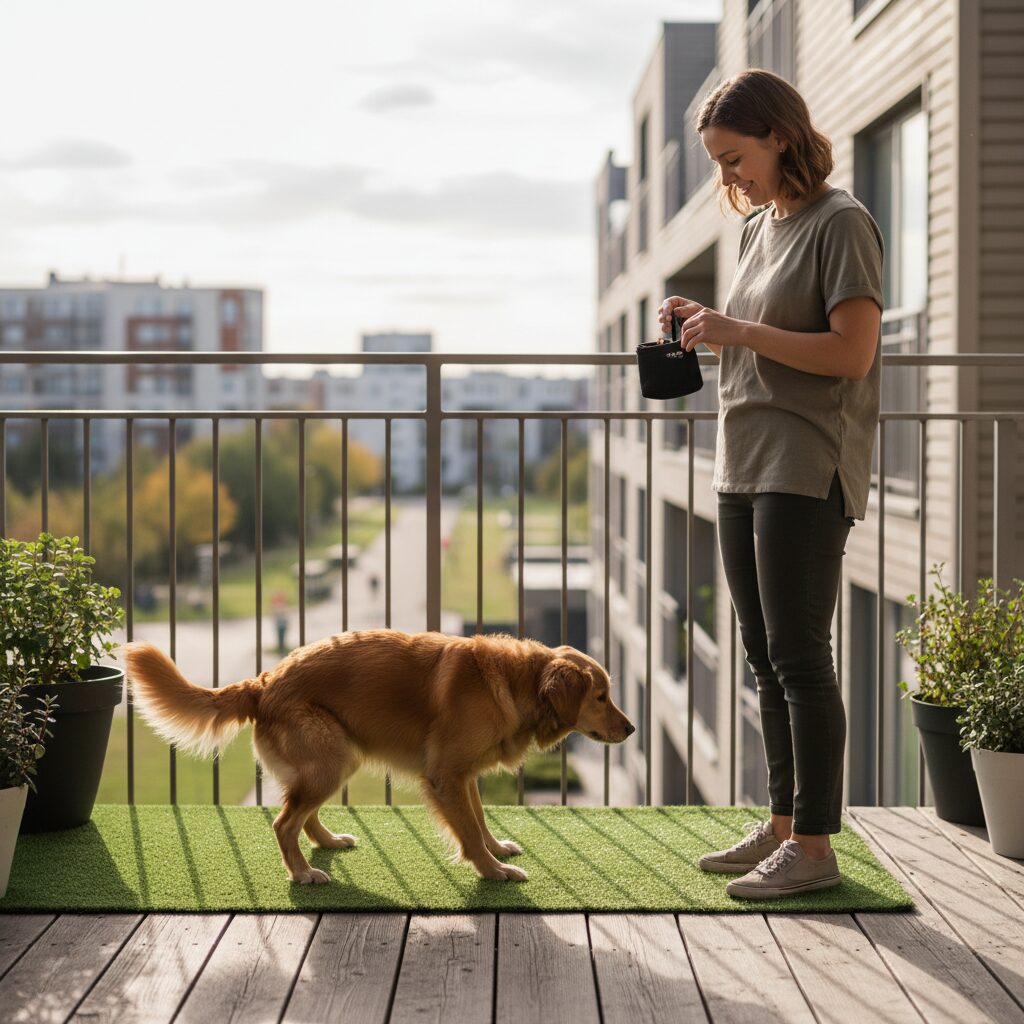
Once the dog is comfortable with the texture, you can begin the active training phase. This requires strict supervision and adherence to a schedule. The most effective times to take your dog to the patch are immediately after waking up, shortly after eating or drinking, and after vigorous play.
The Execution Strategy
- Leash Up: Even if the patch is inside your apartment, put your dog on a leash. This signals that it is “business time,” not play time.
- Use a Cue Word: As you approach the patch, use a specific command such as “Go Potty” or “Hurry Up.” Say this in a neutral, encouraging tone.
- Wait and Watch: Stand quietly near the patch. Do not distract the dog with petting or excessive talking. Allow them to sniff and circle. If they do not go within 5 to 10 minutes, remove them from the patch and try again in 15 minutes.
- The Reward Event: The moment your dog begins to eliminate, wait quietly. The second they finish, immediately praise them enthusiastically and deliver a premium treat. The reward must be instantaneous to reinforce the connection between the act and the location.
If you are transitioning a dog who is used to natural grass, you can aid the process by placing a small piece of soiled paper towel or a pheromone spray on the artificial patch. This olfactory cue triggers their instinct to mark over the scent.
Hygiene and Maintenance: Preventing Odors and Aversion
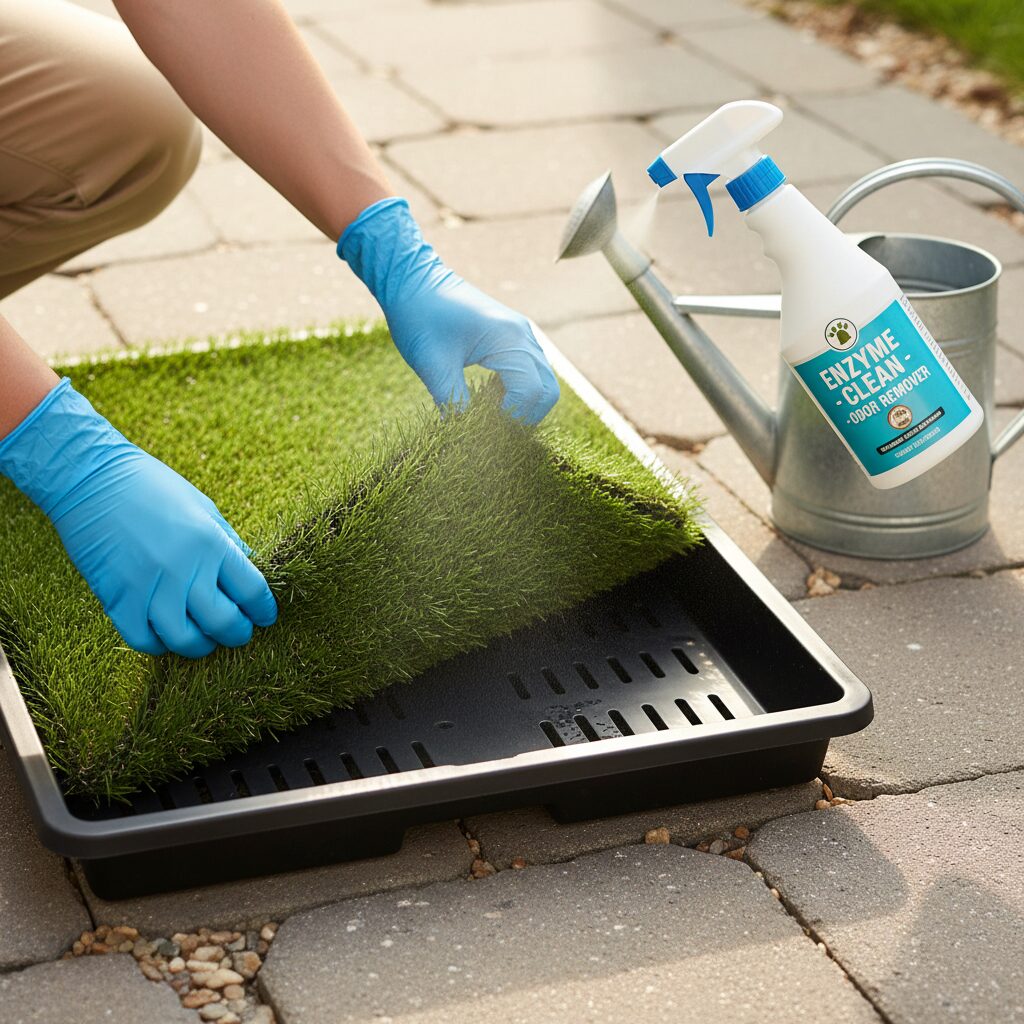
One of the primary reasons a dog will stop using an artificial grass patch is cleanliness. Dogs have a sensitive sense of smell, and if the patch retains the odor of old urine, they may refuse to step on it. Furthermore, in an apartment setting, odor control is essential for your own comfort.
Daily Maintenance: Remove solid waste immediately. Rinse the grass turf with water daily to flush urine into the collection tray or pad. If you are using a tray system, empty and rinse the tray every day.
Weekly Deep Clean: Once a week, the entire unit requires a thorough sanitation. Do not use harsh bleaches or ammonia-based cleaners, as ammonia smells like urine to a dog and may encourage them to mark the spot more. Instead, use an enzymatic cleaner designed specifically for pet waste. These cleaners break down the proteins in urine and feces, eliminating the odor at the molecular level rather than just masking it. Allow the turf to dry completely before reassembling, as a damp patch can harbor bacteria and mold.
Troubleshooting Common Behavioral Obstacles
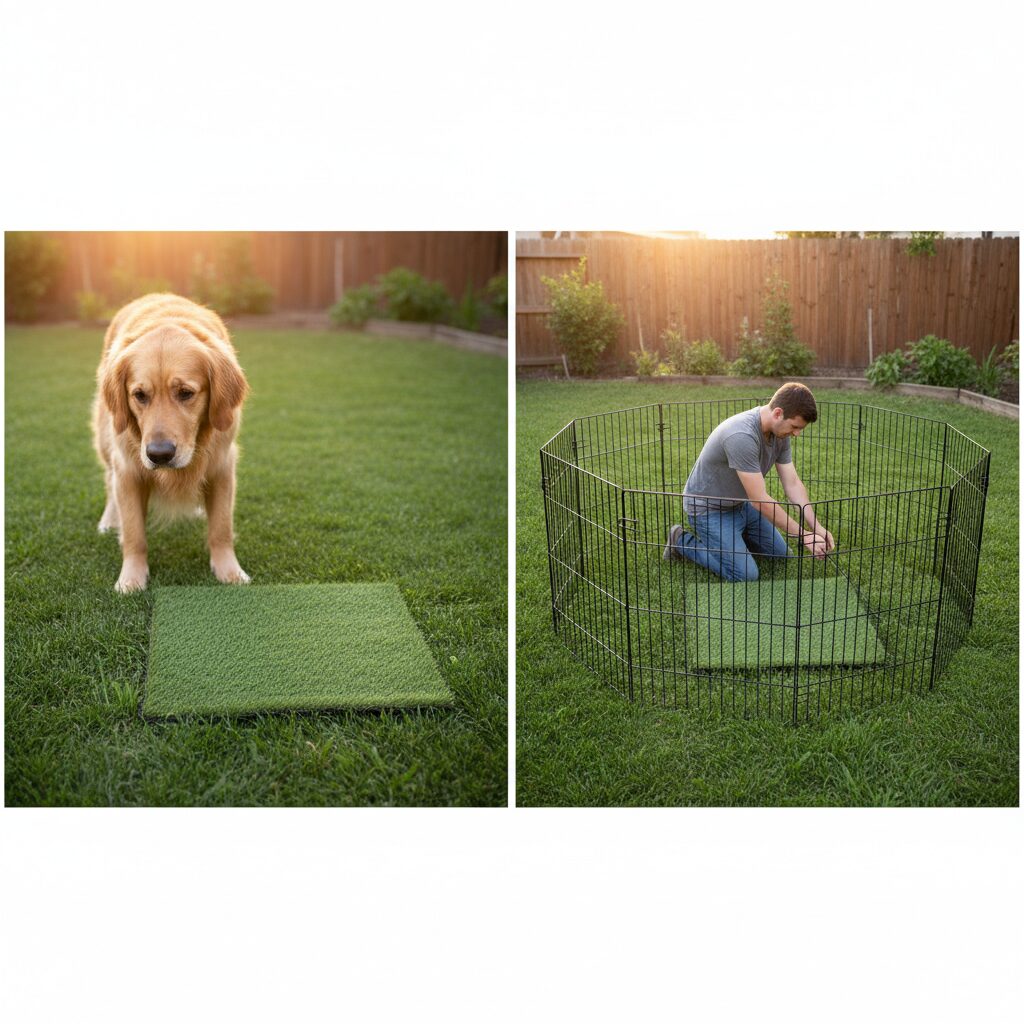
Even with the best training, setbacks can occur. Understanding the root cause of the behavior is the key to correction. Here are solutions to the most common issues:
- The “Near Miss”: If your dog goes potty right next to the patch but not on it, they likely understand the general location but not the specific surface requirement. To fix this, increase the size of the patch if possible, or use a barrier (like an exercise pen) to confine them to the patch area until they go.
- Chewing the Grass: Puppies, in particular, may view the fake grass as a toy. If your dog starts chewing the turf, interrupt the behavior with a “Leave it” command and redirect them to an appropriate chew toy. Never leave a chewing dog unsupervised with the patch, as ingesting synthetic fibers can cause intestinal blockages.
- Refusal to Use It: If a dog absolutely refuses to use the patch, reassess the texture. Some stiff synthetic grasses are uncomfortable for sensitive paws. You may need to try a brand with softer fibers or place a real sod patch on top of the tray temporarily to bridge the transition.
Achieving Long-Term Success
Training your dog to use an artificial grass patch is an investment in your mutual convenience and quality of life. While the initial stages require vigilance and a strict adherence to routine, the payoff is a dog that can relieve themselves comfortably without the stress of elevator waits or inclement weather. Remember that accidents are part of the learning curve. React to them with neutrality rather than punishment, and double down on rewarding the successes. With patience and a clean, consistent environment, your apartment can remain a sanitary sanctuary while meeting all your canine companion’s needs.