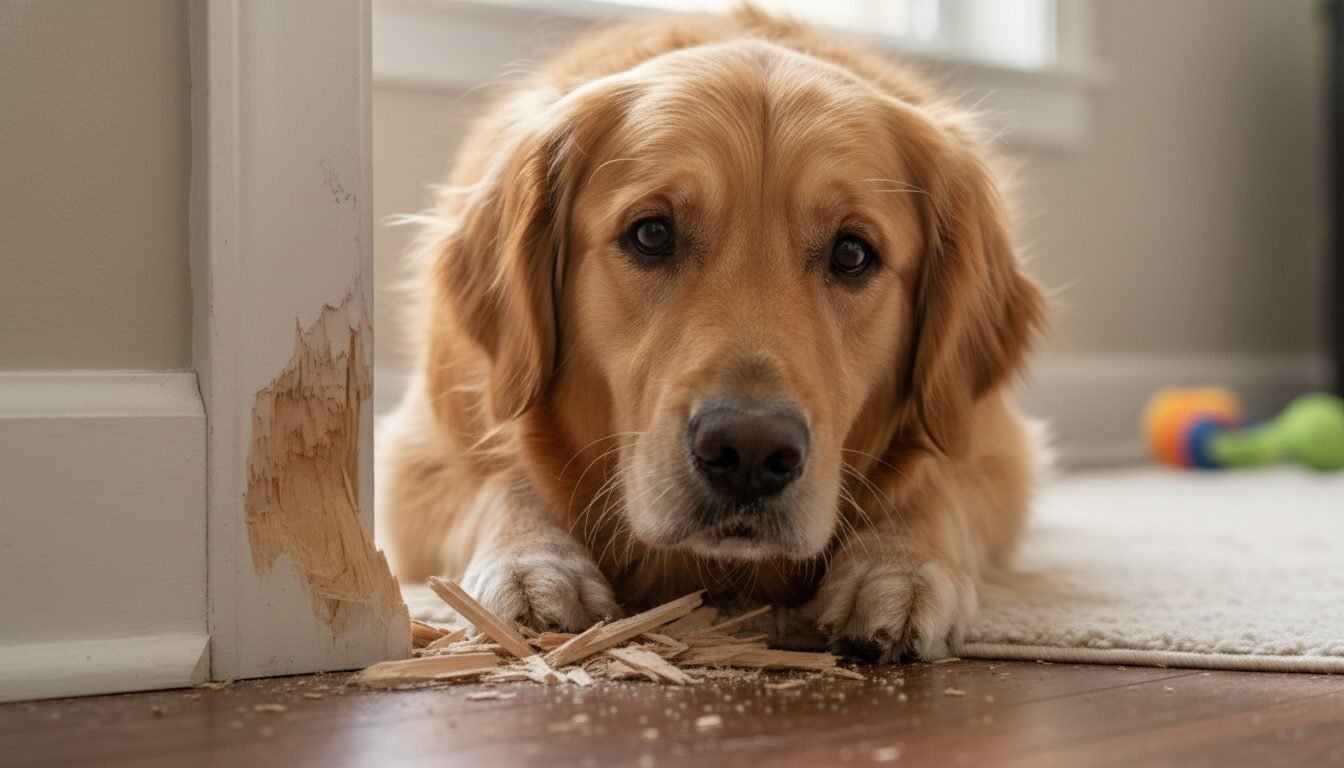
Why Dogs Chew Baseboards And How To Stop It Instantly
Walking into a room to find your pristine baseboards reduced to splintered wood is a frustration many dog owners face. It is not merely a cosmetic issue; it is a significant behavioral signal. Dogs do not destroy their environment out of spite. Instead, chewing is a natural, albeit destructive, mechanism used to communicate needs, alleviate discomfort, or expend excess energy.
To address this behavior effectively, we must move beyond simple discipline and understand the underlying motivation. Whether you are dealing with a teething puppy, an anxious adult dog, or a bored working breed, the solution requires a two-pronged approach: immediate management to protect your home and long-term behavior modification to address the root cause. In this guide, we will explore why dogs target baseboards specifically and provide you with a professional protocol to stop it instantly.
Decoding the Behavior: Why Baseboards?
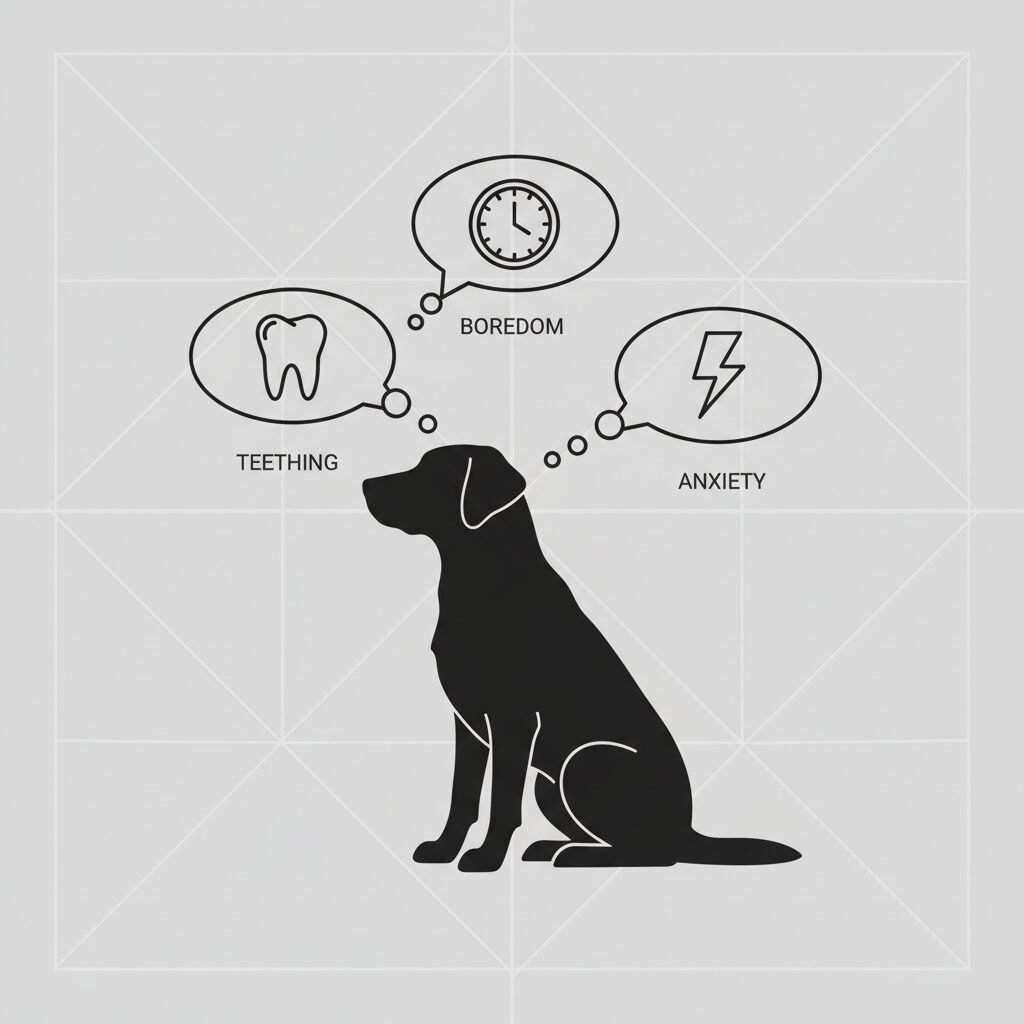
Before implementing a solution, it is critical to diagnose the driver of the behavior. Baseboards are often targeted because they are at the dog’s level, have a satisfying texture (wood or MDF), and are often located near doors or windows where dogs spend time waiting. The primary causes generally fall into four categories:
- Puppy Teething: Puppies between three and six months old experience significant gum discomfort. The hard, unyielding texture of a baseboard provides counter-pressure that relieves pain.
- Boredom and Under-stimulation: A dog with surplus energy will create their own entertainment. Chewing is a self-soothing activity that releases endorphins. If a dog lacks mental or physical outlets, your trim becomes the outlet.
- Separation Anxiety: If the damage is concentrated around exit points like doors or windows, the chewing is likely a panic response to being left alone. This is an attempt to escape or displace anxiety.
- Pica and Nutritional Deficiencies: In rare cases, dogs may crave non-food items due to a dietary imbalance or a condition known as Pica. If your dog is actually ingesting the wood rather than just shredding it, a veterinary consultation is necessary.
Immediate Management: Stopping the Damage Now
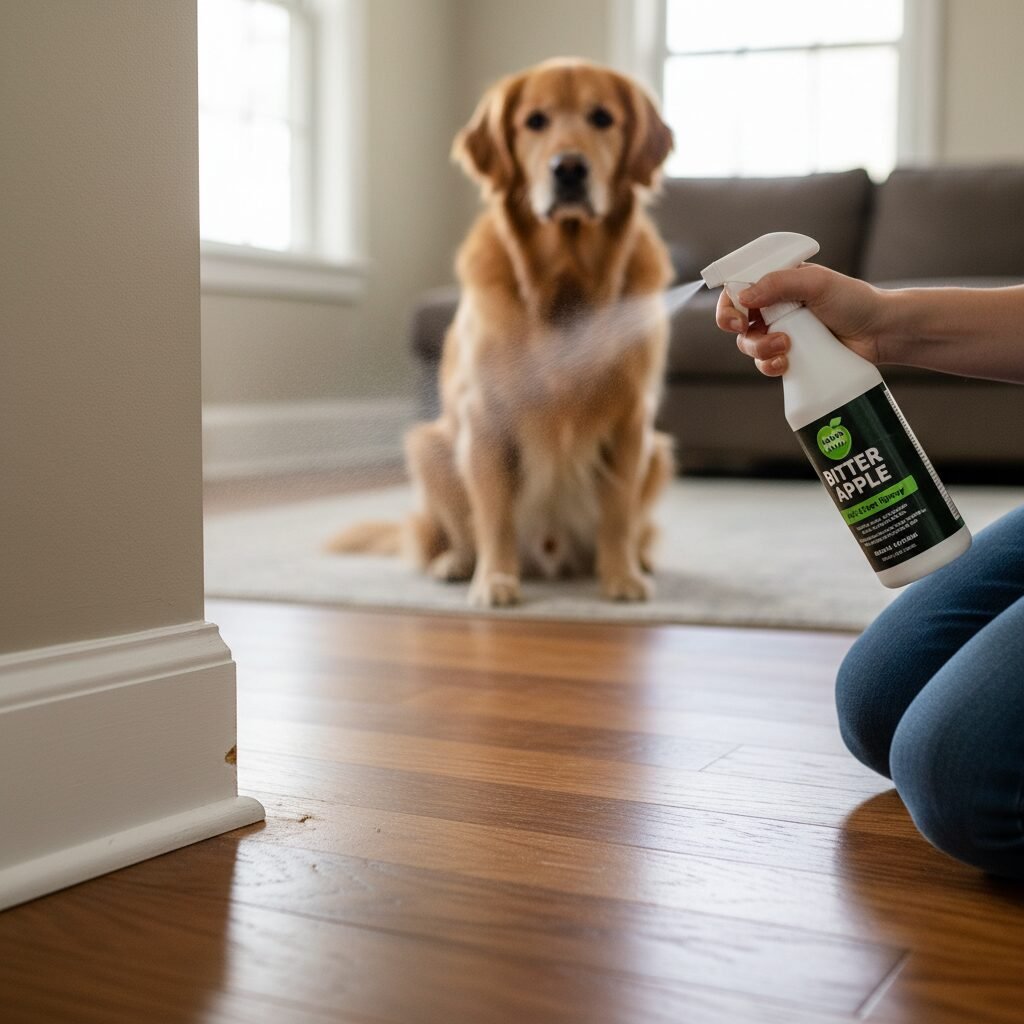
While training takes time, protecting your home requires immediate action. Management strategies prevent the dog from practicing the unwanted behavior, which is essential for extinguishing the habit.
Apply Taste Deterrents
Commercial anti-chew sprays, often containing bitter apple or cherry agents, can make the baseboards unpalatable. Note: You must test the spray on a small area first to ensure it does not stain the paint. Furthermore, simply spraying is not enough; you must associate the smell with the bad taste by gently guiding the dog to sniff it, allowing them to taste it, and letting them retreat.
Physical Barriers
If a dog cannot access the baseboard, they cannot chew it. Utilize exercise pens (x-pens) or baby gates to restrict access to rooms with vulnerable trim. For specific problem spots, temporary furniture placement can physically block the dog until the training phase is complete.
The Training Protocol: Redirection and Reinforcement
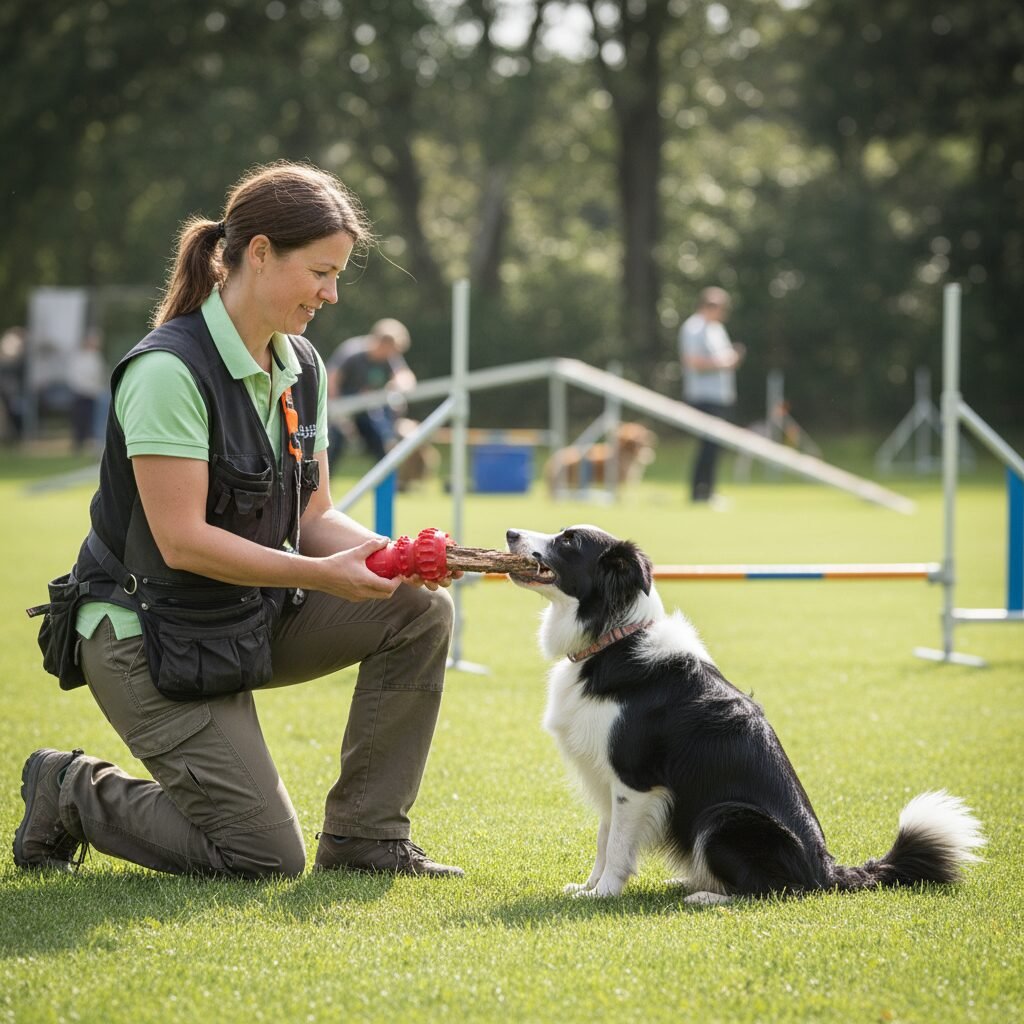
Stopping the behavior requires teaching the dog what they should do instead. We utilize a technique called ‘Redirection’ coupled with Positive Reinforcement.
- Catch Them in the Act: If you see your dog approach the baseboard, issue a calm but firm interrupter cue, such as ‘Ah-ah’ or ‘Leave it.’ Do not yell, as this can increase anxiety.
- Redirect Immediately: Once the dog’s attention shifts away from the wall, immediately offer a high-value chew toy or bone. This teaches the dog that while chewing the wall is forbidden, chewing the toy is permitted and rewarding.
- Reinforce the Choice: When the dog engages with the appropriate toy, praise them verbally or offer a treat. You are reinforcing the decision to chew the correct object.
Consistency is key. If the dog is unsupervised, they should be crated or in a safe zone where baseboards are protected or inaccessible.
Addressing the Root Cause: Enrichment and Exercise

A tired dog is a good dog. Often, baseboard chewing is a symptom of a lifestyle that does not meet the dog’s biological needs. To stop the behavior permanently, you must upgrade their daily routine.
Mental Stimulation
Physical exercise is not enough. Incorporate puzzle toys, snuffle mats, and obedience training sessions into their daily routine. 15 minutes of mental work can be as exhausting as a one-hour walk.
Physical Exercise
Ensure your dog is receiving age-appropriate physical activity. For high-energy breeds, a simple walk around the block may be insufficient. Fetch, flirt poles, or jogging can help burn the energy that would otherwise be directed at your home’s architecture.
When to Consult a Professional

If you have implemented management, training, and enrichment strategies but the behavior persists, it is time to seek professional help. If the chewing is accompanied by self-injury, frantic behavior, or attempts to escape the home, this indicates clinical Separation Anxiety, which often requires a protocol designed by a Certified Applied Animal Behaviorist (CAAB) or a Veterinary Behaviorist. Additionally, if your dog is swallowing large shards of wood, consult your veterinarian immediately to rule out gastrointestinal blockages or nutritional deficiencies.
Patience and Consistency Are Key
Stopping a dog from chewing baseboards is rarely an overnight fix, but with immediate management and consistent training, it is entirely solvable. By understanding that your dog is communicating a need—whether it be for relief, entertainment, or comfort—you can address the root cause rather than just the symptom. Protect your home with barriers and deterrents today, but invest in your dog’s mental and physical well-being for a permanent solution. Remember, a dog who knows what is expected of them and has their needs met is a dog who leaves the woodwork alone.