Boost Your Dog’s Confidence: Training for Slippery Floors and Grates
For many dogs, the world is a navigable terrain until they encounter the dreaded shiny floor or the ominous metal grate. What seems like a simple walk across the kitchen or a stroll down a city sidewalk can turn into a terrifying ordeal for a canine companion. This fear is not merely stubbornness; it is often rooted in a lack of traction or a confusion in visual depth perception. When a dog loses their footing, their instinctual fight-or-flight response is triggered, leading to panic, scrambling, and a potential loss of trust in their environment.
As a responsible owner, helping your dog navigate these surfaces is crucial for their safety and confidence. Whether it is the polished tile at the veterinarian’s office or a storm drain on your daily walk, your dog needs the skills to handle these obstacles without anxiety. This guide will provide you with a professional, step-by-step approach to desensitizing your dog to slippery floors and grates, utilizing positive reinforcement to transform fear into footing.
Why Dogs Fear Shiny Floors and Metal Grates
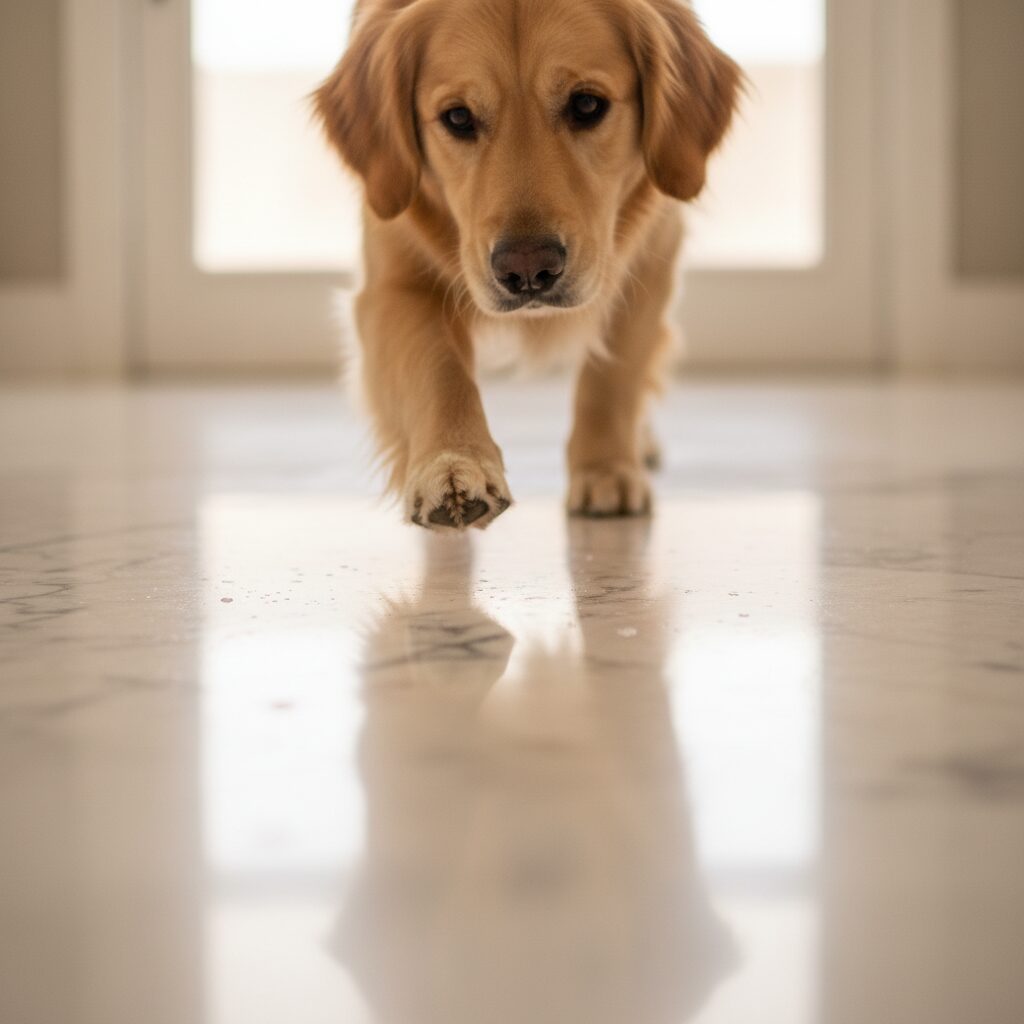
To effectively train your dog, it is essential to understand the root of their anxiety. The fear of slippery surfaces usually stems from two primary issues: proprioception (awareness of body position) and visual confusion.
On slippery floors like hardwood, tile, or laminate, dogs rely heavily on the friction provided by their paw pads. If their nails are too long or the hair between their pads is overgrown, they lose contact with the floor, akin to a human trying to run on ice in socks. This physical instability sends a signal to the brain that the environment is unsafe.
Metal grates present a different challenge. To a dog, a grate often looks like a hole in the ground. The visual depth perception suggests they might fall through, and the strange tactile sensation of metal bars pressing into their pads adds to the sensory overload. Furthermore, the clanging sound a grate makes when stepped on can be startling. Recognizing that this is a natural preservation instinct, rather than disobedience, is the first step in empathetic training.
Essential Tools and Preparation for Success
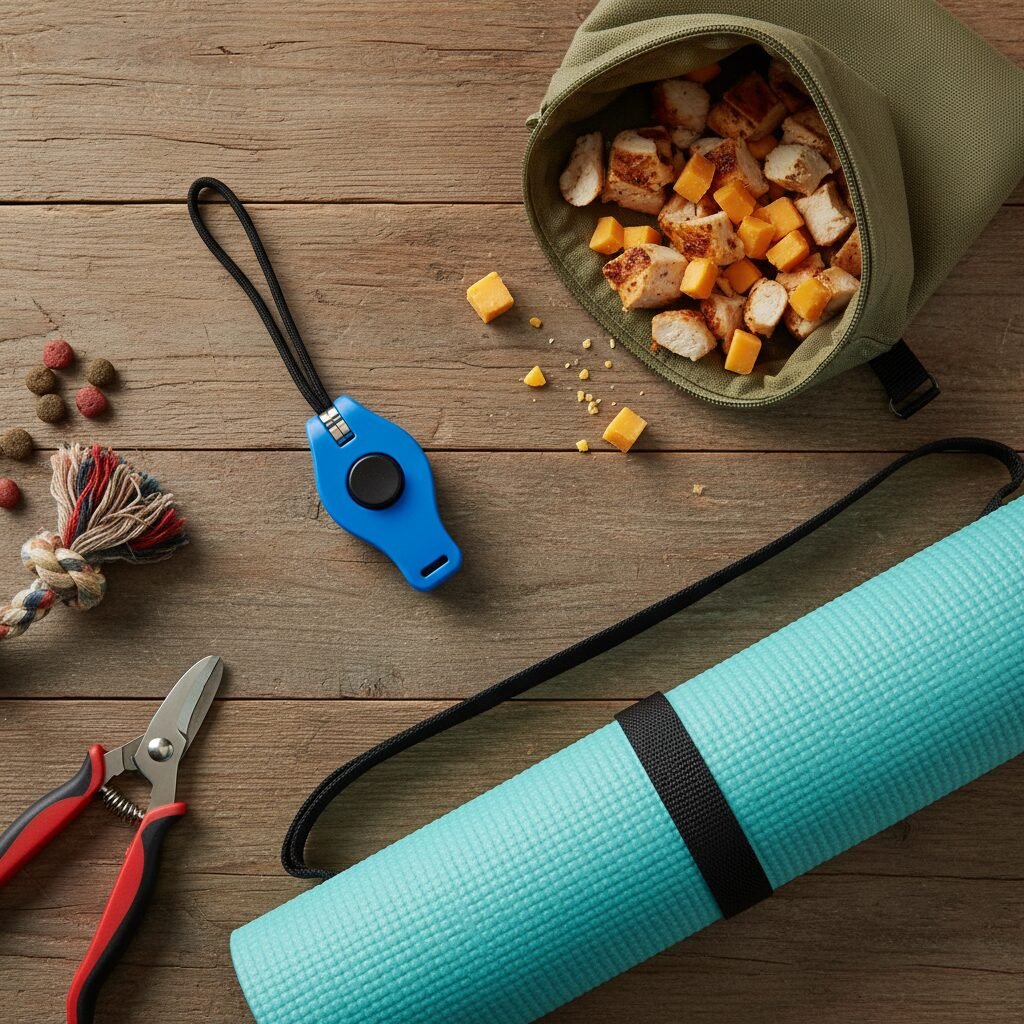
Before beginning the training sessions, you must set the stage for success. Attempting to force a fearful dog onto a slippery surface without preparation will only reinforce the fear. Gather the following tools:
- High-Value Treats: Use something your dog loves but rarely gets, such as boiled chicken, cheese, or freeze-dried liver. The reward must outweigh the fear.
- Non-Slip Mats: Yoga mats, rubber-backed bath mats, or carpet runners are essential for creating ‘safe islands.’
- Paw Maintenance Tools: Nail clippers and blunt-nosed scissors.
Physical Preparation: Start by examining your dog’s paws. Long nails prevent the pads from making full contact with the floor, reducing traction. Similarly, long tufts of fur between the pads act as a barrier, causing the dog to slide. Keep nails trimmed short and carefully trim the fur flush with the pads to maximize natural grip.
Step-by-Step: Conquering Slippery Floors
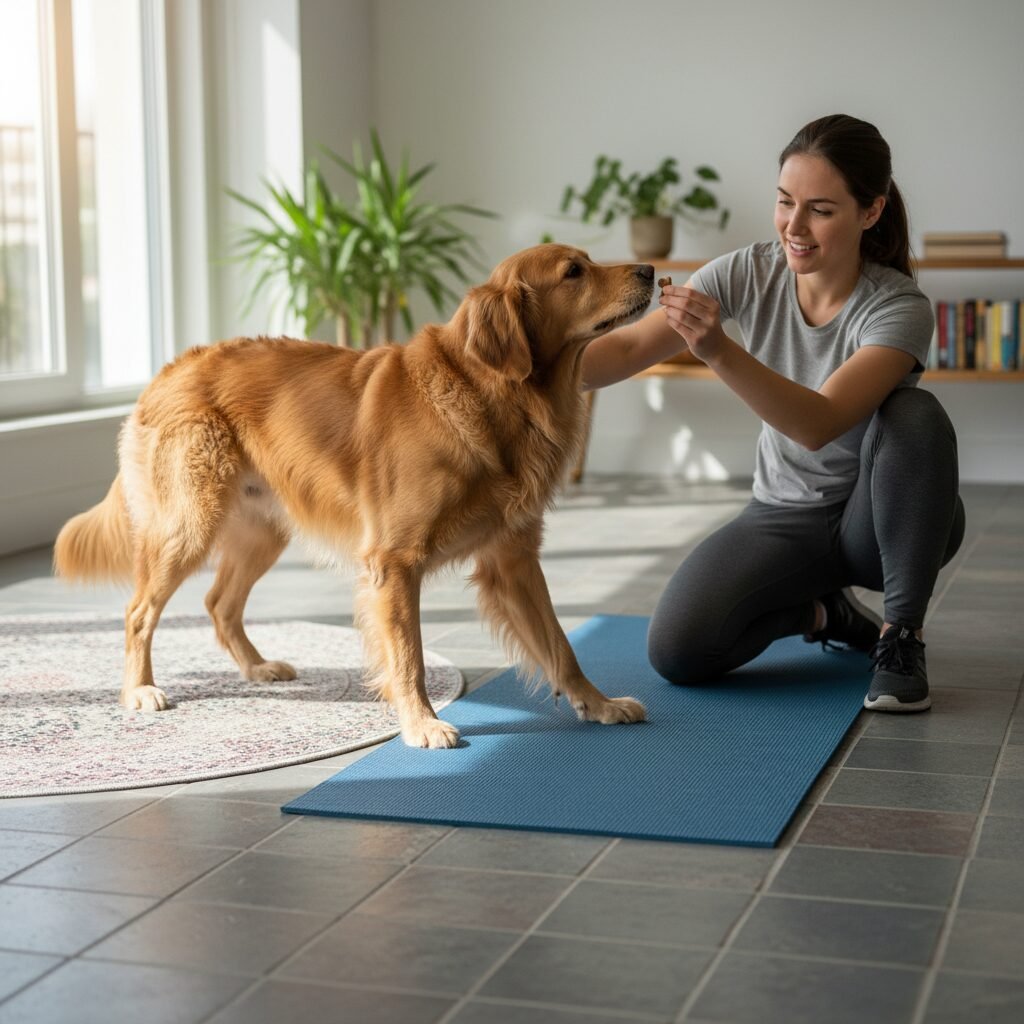
The goal of this training is to change your dog’s emotional response to the floor from fear to anticipation of a reward. We will use a technique called shaping.
1. Create Safe Zones
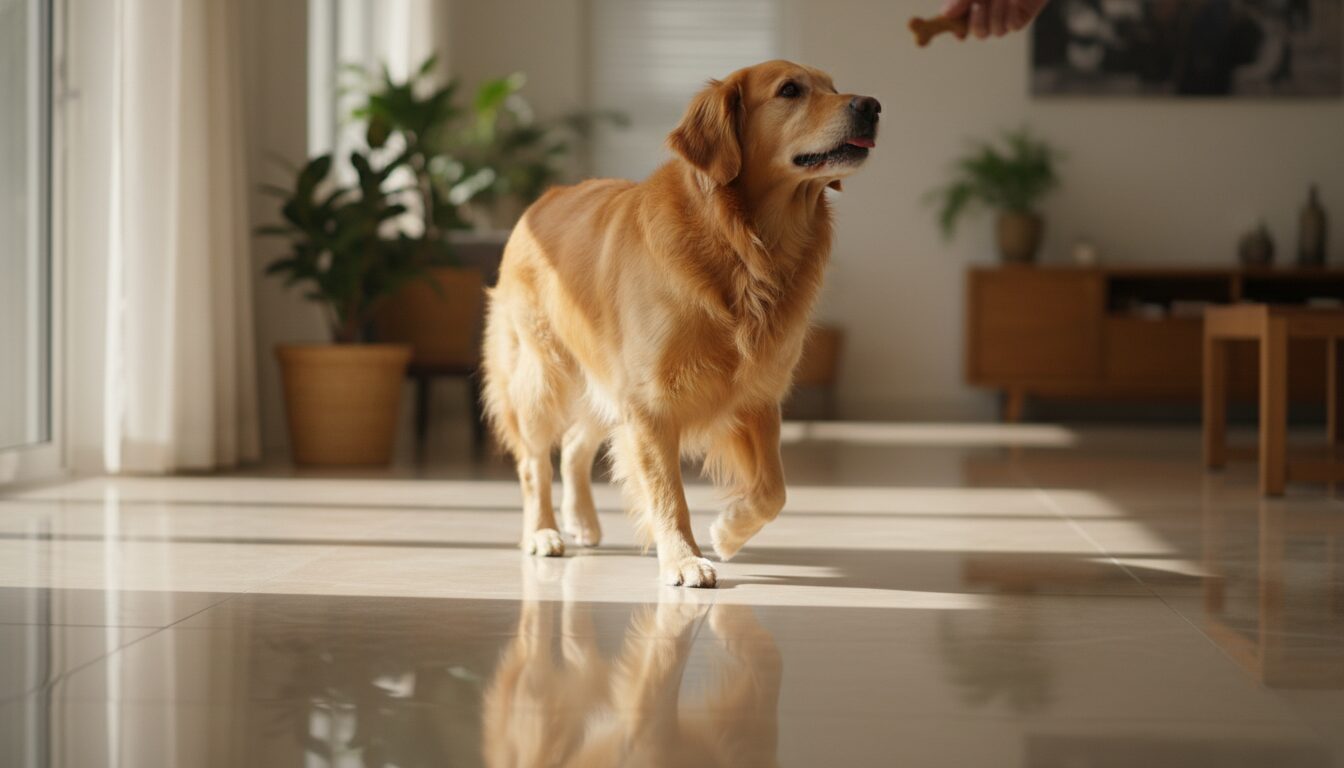
Place a non-slip mat or rug near the edge of the slippery floor. Allow your dog to stand on the secure surface. Reward them heavily for simply being near the scary floor without showing signs of panic.
2. The ‘Island’ Method
Place a second non-slip mat a few feet away from the first one, creating a small gap of slippery floor in between. Encourage your dog to step from the safe zone to the new ‘island.’ If they hesitate, do not pull the leash. Instead, lure them with a treat. The moment a paw touches the slippery floor to cross the gap, mark the behavior (with a clicker or a verbal “Yes!”) and reward immediately.
3. Increase the Distance
As your dog gains confidence moving between mats, gradually increase the distance between them. This forces the dog to take more steps on the slippery surface to reach safety. Always keep the mood upbeat and end the session if the dog shows signs of stress, such as panting, drooling, or tucking their tail.
Mastering Metal Grates and Uneven Surfaces
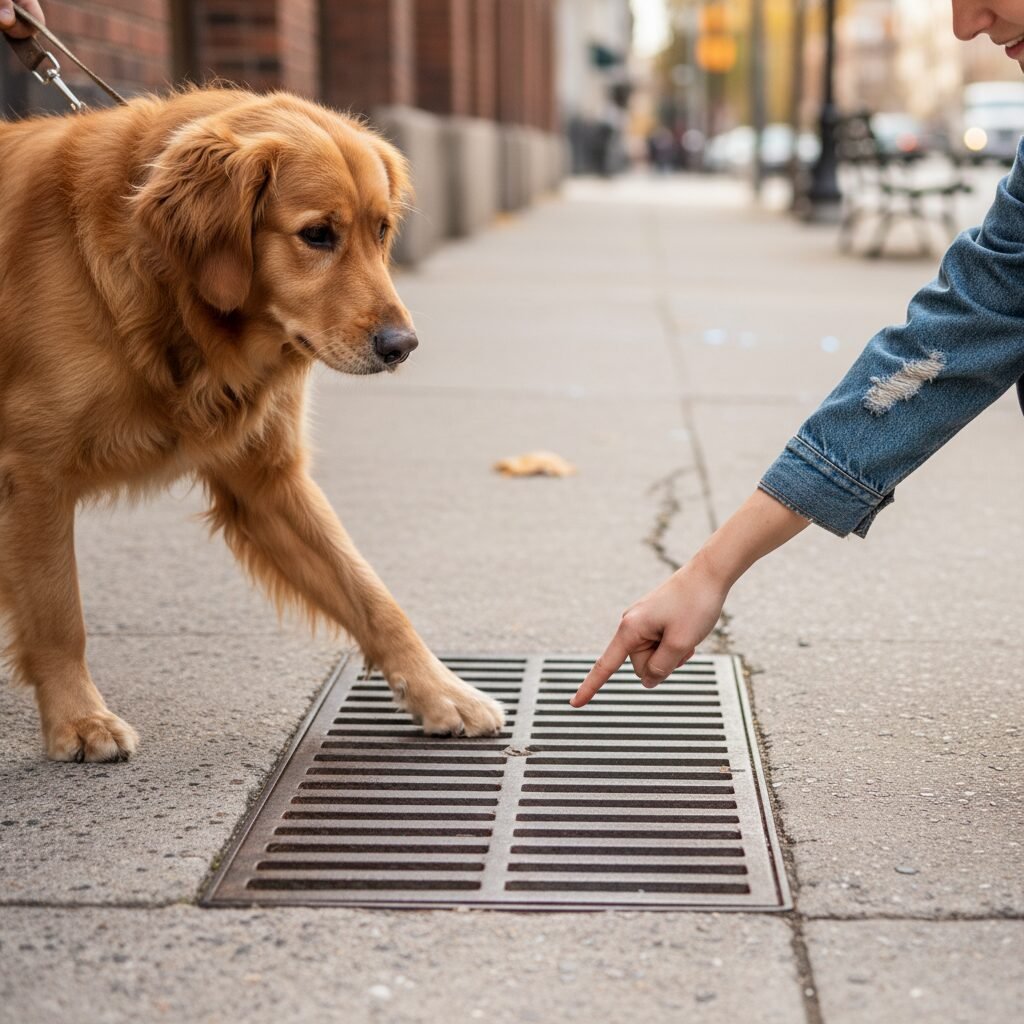
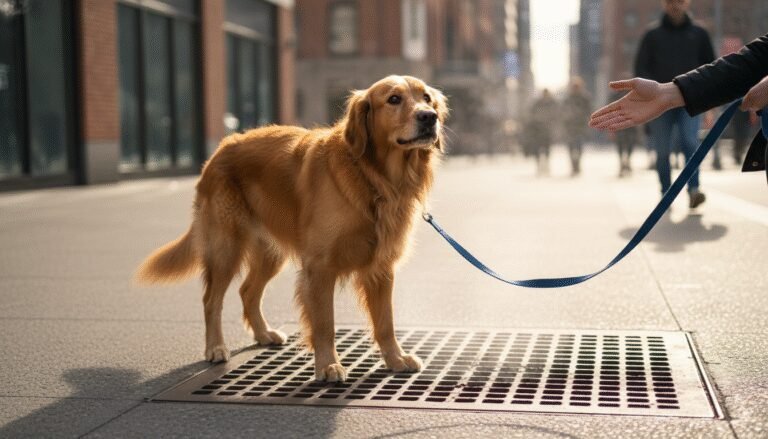
Training for grates requires a similar approach but focuses more on tactile desensitization. Find a grate in a low-traffic area where you can practice without distractions.
- The Approach: Walk your dog toward the grate but stop before they panic. Reward them for looking at the grate calmly. This is known as ‘counter-conditioning.’
- The Touch: Encourage your dog to sniff the grate. Place a high-value treat on the solid rim of the grate (not the bars initially). Allow them to take the treat and retreat to safety.
- Paw Placement: Ask for a “paw” or “touch” command if your dog knows it, targeting the grate. If they place even one paw on the metal, reward profusely. Gradually work up to two paws, then four.
Pro Tip: Never force a dog to walk over a grate that is hot from the sun or has wide gaps that could trap a small paw. Safety is paramount. If a grate is dangerous, teaching your dog to calmly walk around it is also a valid confidence-building skill.
Troubleshooting Common Setbacks
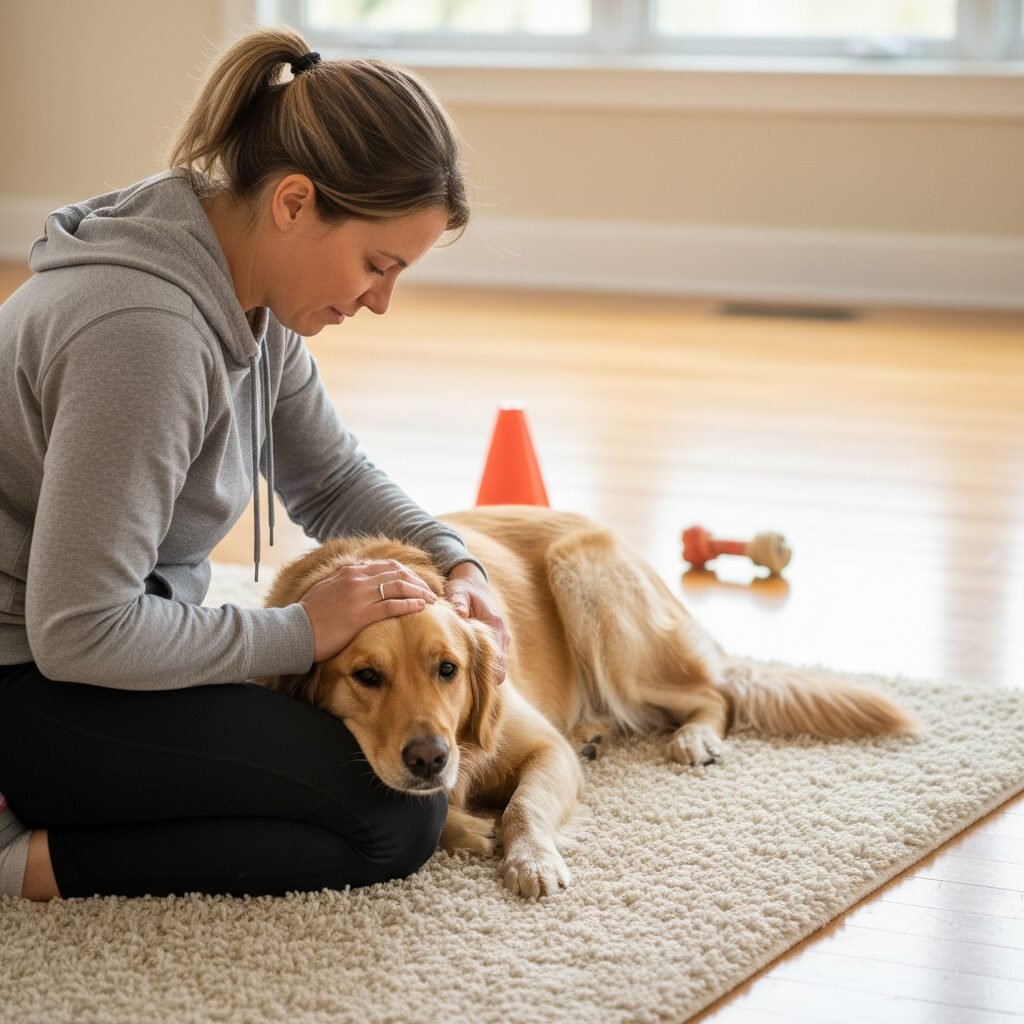
Even with the best training plan, setbacks can occur. If your dog slips and panics, it is vital to remain calm. Do not coddle the fear with excessive soothing, but do not scold them. Simply retreat to a non-slippery surface and ask for a simple command they know well, like “sit” or “shake,” to reset their brain to a thinking state.
If your dog is older, consider that their fear may be pain-related. Arthritis or hip dysplasia can make slipping incredibly painful. In these cases, training alone may not be enough. Consult your veterinarian about pain management. Additionally, consider using toe grips or anti-slip paw wax. These products provide mechanical traction that can give a senior dog the instant confidence boost they need to participate in training.
Building Long-Term Confidence
Boosting your dog’s confidence on slippery floors and grates is a marathon, not a sprint. It requires patience, consistency, and a deep understanding of your dog’s physical and emotional limits. By maintaining their paws, utilizing high-value rewards, and breaking the challenge down into manageable steps, you empower your dog to navigate the world without fear.
Remember to celebrate the small victories. A single step on a tiled floor or a calm sniff of a metal grate is progress. With time and positive reinforcement, the surfaces that once caused panic will simply become another part of your dog’s walk, mastered with ease and assurance.