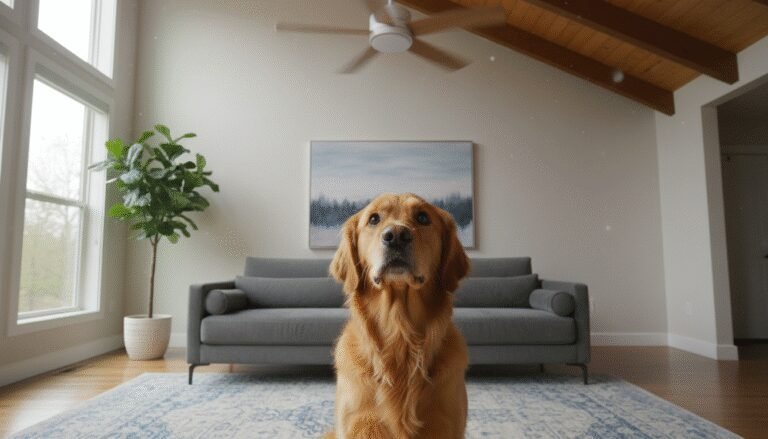

Turn The Volume Down: Teaching Speak” and “Quiet” Controlled Barking”
Excessive barking is one of the most common complaints among dog owners. Whether it is alerting you to a delivery truck, demanding attention, or reacting to a squirrel in the yard, a dog that does not know when to stop can create significant stress in the household. As a canine specialist, I often encounter owners who have tried shouting, spray bottles, or ignoring the behavior, only to find the noise persists. The solution, however, is often counter-intuitive: to stop the barking, you must first teach the dog how to bark.
This concept relies on a behavioral principle known as stimulus control. By putting the behavior (barking) on a specific cue, you gain control over when it starts and, more importantly, when it ends. Teaching the "Speak" and "Quiet" commands in tandem changes barking from an uncontrollable emotional reaction into a conscious, operant behavior. This guide will walk you through the professional methodology for turning the volume down on your dog’s vocalizations using positive reinforcement and clear communication.
The Psychology of Controlled Barking
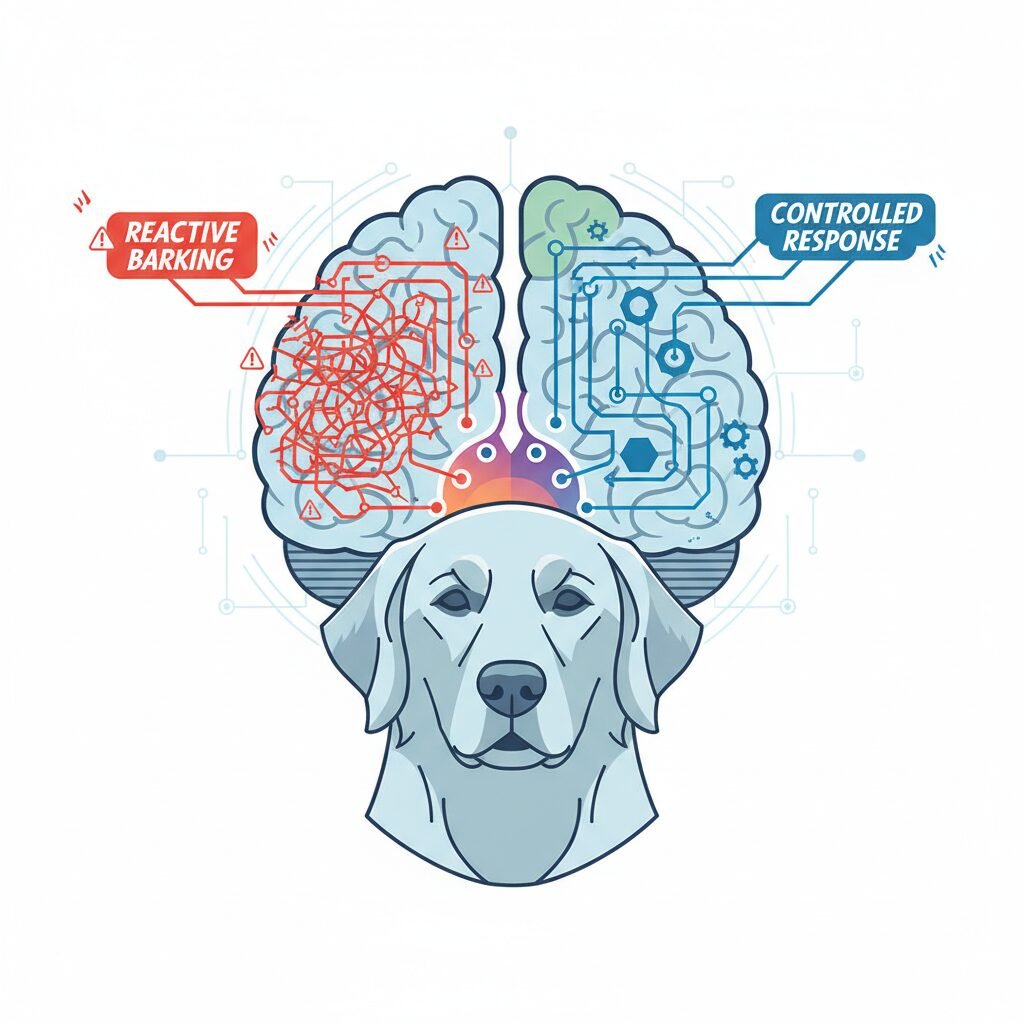
Before picking up the treat bag, it is essential to understand why this method works. Many owners fear that teaching a dog to "Speak" will create a monster that barks incessantly. In reality, the opposite is true. When a behavior is brought under stimulus control, the dog learns that the behavior only pays off (earns a reward) when the specific cue is given.
Without the cue, the barking becomes irrelevant to the dog because it no longer serves a function in earning resources. Furthermore, by teaching "Quiet," we are not just suppressing an urge; we are teaching an incompatible behavior. A dog cannot be barking and silent at the same time. By rewarding the silence immediately following the bark, we increase the value of the quiet state. This dual-command approach provides clarity for the dog, reducing frustration and anxiety-driven vocalization.
Preparation: Tools and Environment
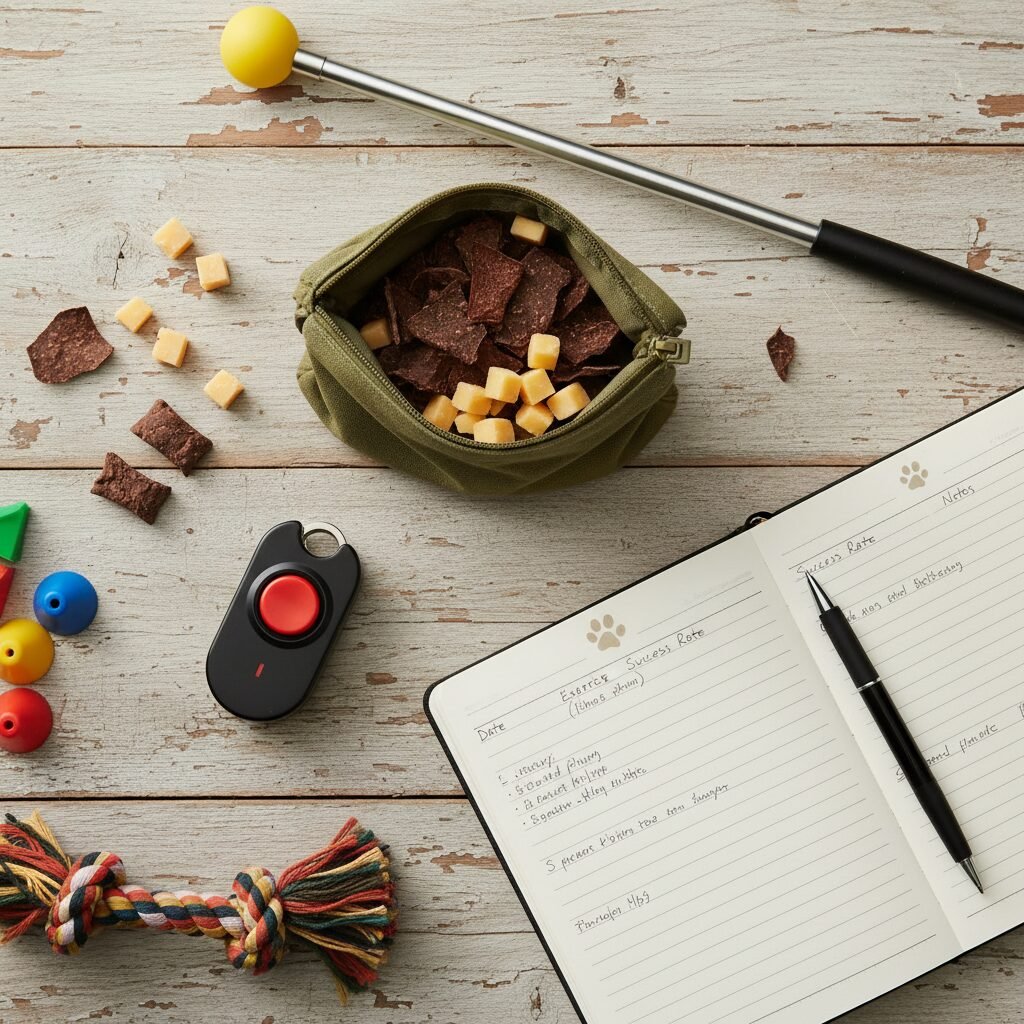
Success in dog training is 80% preparation and 20% execution. To teach these commands effectively, you need to set the stage for success. Attempting to teach "Quiet" when the mail carrier is actually at the door is a recipe for failure because the dog’s arousal levels are too high. You must start in a controlled setting.
Essential Tools
- High-Value Treats: Dry kibble will likely not suffice. Use soft, smelly treats like boiled chicken, cheese, or freeze-dried liver. The reward must be worth the effort.
- A Marker Signal: A clicker or a consistent verbal marker like "Yes!" is crucial to mark the exact millisecond the desired behavior occurs.
- A Trigger (Optional): You may need something that reliably causes your dog to bark, such as a doorbell sound effect on your phone or a knock on the wall.
Begin your sessions in a quiet room with zero distractions. Your dog should be hungry and motivated to work.
Step 1: Teaching the ‘Speak’ Command
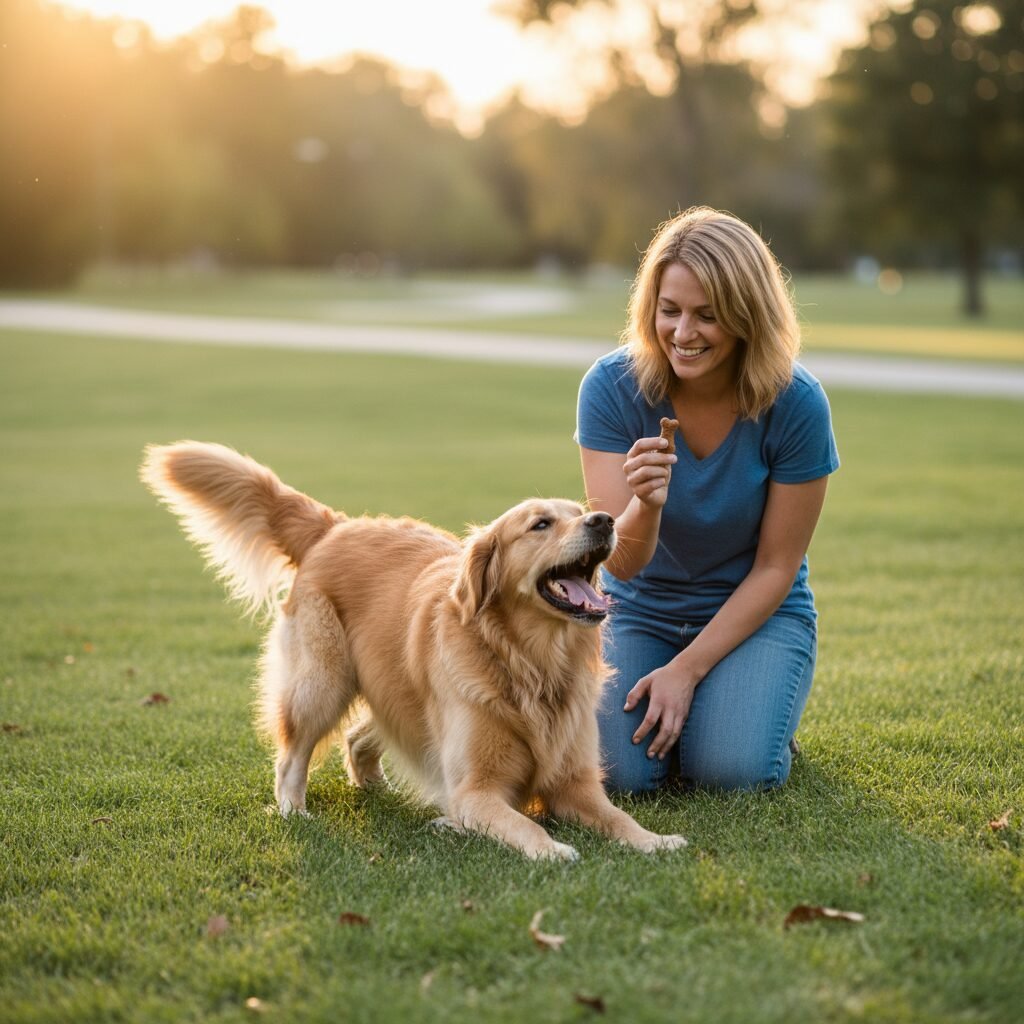
The first phase involves capturing the bark. If your dog is naturally vocal, this may be easy. If your dog is quiet, you may need to build frustration or excitement to elicit the noise.
The Process
- Induce the Bark: Get your dog excited. You can knock on a wall, ring a doorbell app, or wave a toy. Do not use the word "Speak" yet. We want the behavior first.
- Mark and Reward: The moment your dog lets out a single woof, immediately mark (Click or "Yes!") and deliver a treat. Timing is critical. You are marking the noise, not the silence yet.
- Repeat: Repeat this process 10-15 times. The dog will start to realize that making a noise causes the click and treat.
- Add the Cue: Once the dog is reliably barking to get the treat, say "Speak" right before you induce the bark. Eventually, the word alone will trigger the response.
Pro Tip: Only reward single barks initially. We want a controlled "woof," not a barking frenzy.
Step 2: The Transition to ‘Quiet’

Once the dog understands "Speak," you have created the perfect setup to teach "Quiet." You can now turn the barking on, which gives you the opportunity to turn it off.
The Process
- Cue ‘Speak’: Ask your dog to speak. Mark and reward the bark.
- The Pause: Ask for "Speak" again. But this time, after the dog barks, hold a very high-value treat in front of their nose (but do not give it yet).
- The Sniff: The dog will stop barking to sniff the treat. This creates silence.
- Mark the Silence: As soon as the barking stops and the dog is investigating the scent quietly, say "Quiet" (or "Hush"), wait one second, then mark and give the treat.
- Increase Duration: Gradually increase the time the dog must remain silent before getting the treat. Move from 1 second to 3 seconds, then 5 seconds.
The goal is for the word "Quiet" to mean: "Stop vocalizing and orient toward me for a reward."
Proofing and Generalization

Dogs are contextual learners. Just because they know "Quiet" in your living room does not mean they know it in the front yard or when the doorbell rings for real. You must "proof" the behavior by practicing in increasingly difficult scenarios.
Gradual Progression
- Change Rooms: Practice the sequence in the kitchen, the hallway, and the backyard.
- Add Distractions: Have a family member walk by or bounce a ball while you practice.
- Real-World Application: When the doorbell rings in real life, acknowledge the alert (the dog’s job is done), give the "Quiet" cue, and reward heavily for compliance.
If the dog fails to stop barking, you have likely moved too fast. Go back to a less distracting environment and reinforce the foundation.
Troubleshooting Common Challenges
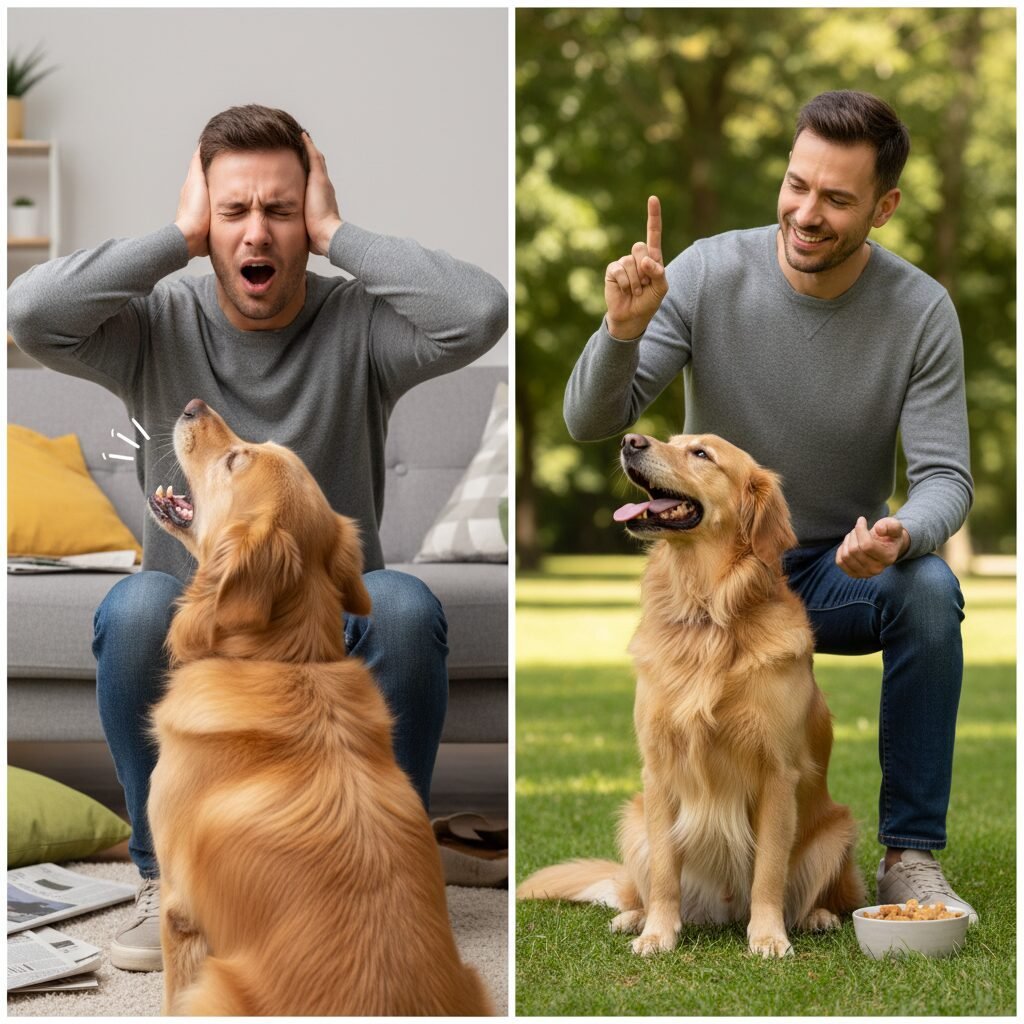
Even with the best techniques, training hiccups occur. Here are solutions to common issues encountered during this protocol.
The ‘Chain’ Behavior
Some smart dogs learn that the sequence is Bark -> Quiet -> Treat. They might start barking just so you will tell them to be quiet so they can earn a reward. To break this chain, separate the commands. Ask for "Quiet" randomly throughout the day when the dog is already silent, and reward them. This teaches that silence is valuable on its own, not just as a post-bark behavior.
Over-Arousal
If your dog gets too excited during the "Speak" training and cannot calm down, switch to lower-value treats or end the session. Training should be calm and structured. If the dog is frantic, they are not in a learning state.
Extinction Bursts
When you first stop rewarding demand barking, the behavior may get worse before it gets better. This is called an extinction burst. Stand your ground, wait for the silence, and capture it. Do not give in to the noise, or you will reinforce a higher intensity of barking.
Mastering the Volume Knob
Teaching "Speak" and "Quiet" is not an overnight fix, but it is a permanent solution to a behavioral issue that plagues many dog owners. By shifting the dynamic from suppression to communication, you empower your dog to understand exactly what is expected of them. Remember that barking is a natural canine behavior; our goal is not to silence them completely, but to ensure that their voice is used appropriately and can be managed when necessary. With consistency, patience, and plenty of rewards, you will successfully install a volume knob on your canine companion, leading to a happier dog and a much quieter home.