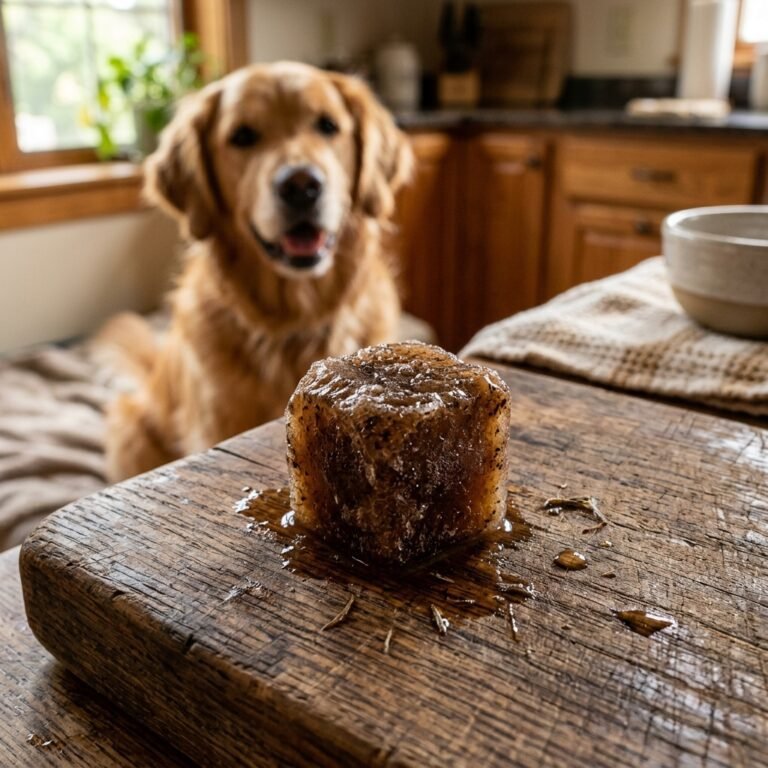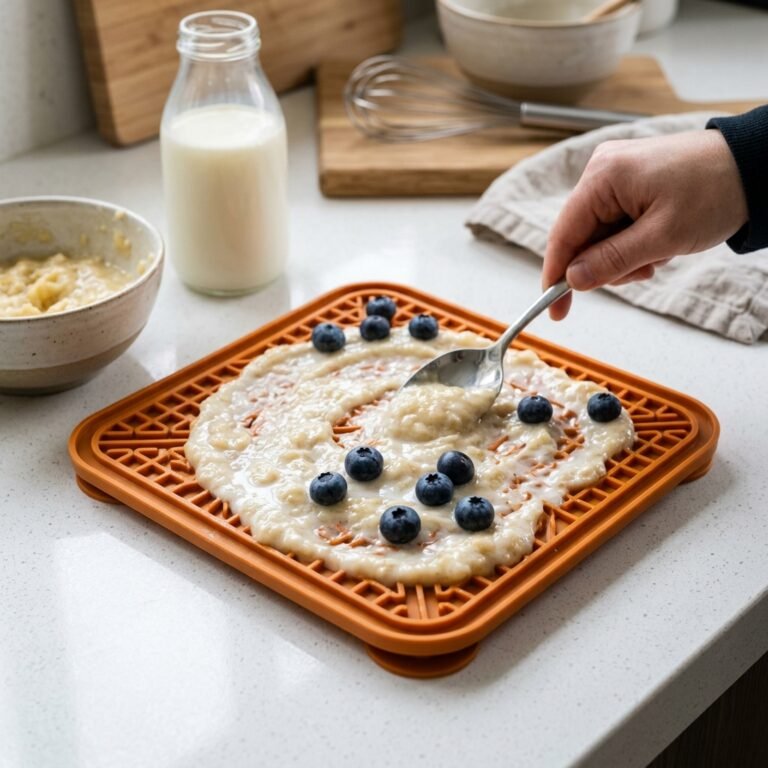
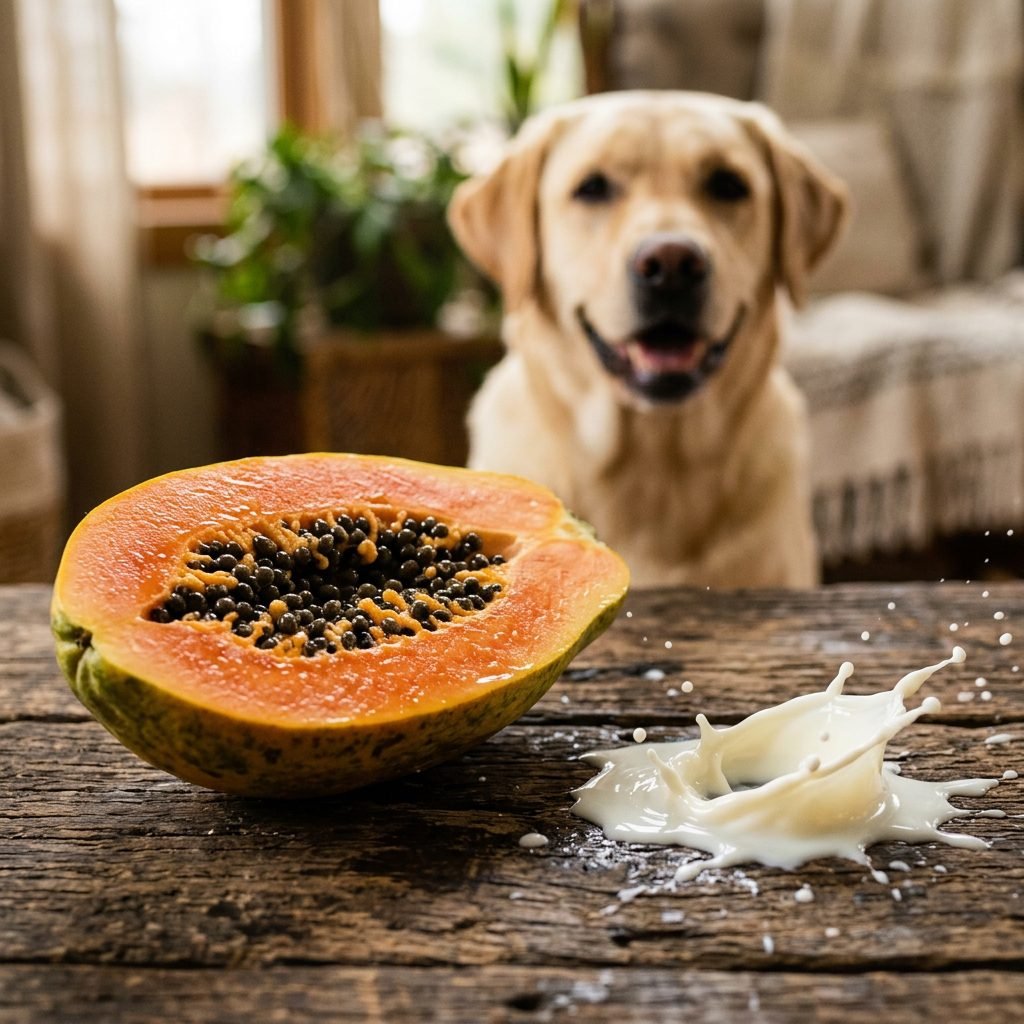
Why Vets Love This Frozen Papaya & Goat Milk Recipe for Bloated Dogs
If you’ve ever sat in your living room and suddenly felt like you were in the middle of a chemical warfare zone, you know the struggle of a bloated dog. We’re not just talking about the occasional ‘dog fart’—we’re talking about that tight, distended belly, the audible gurgling, and the clear discomfort your pup faces after a meal. As the Canine Nutrition Hacker, I’ve spent years looking past the shiny marketing on kibble bags to find what actually works. Most ‘digestive support’ treats on the market are just overpriced biscuits filled with more of the same grain-based fillers that caused the gas in the first place.
Today, we are going into the lab to create something better. This isn’t just a treat; it’s a biological tool. We are combining fresh papaya—nature’s digestive enzyme powerhouse—with raw goat milk, the gold standard of canine probiotics. Vets are quietly obsessed with this combo because it addresses the root cause of bloat: poor enzyme production and an unbalanced gut microbiome. Best of all? You can make a month’s supply for less than the price of a single bag of ‘premium’ prescription treats. Let’s get to work.
The Bloat Crisis: Why Your Dog’s Gut is Working Overtime
Before we mix the ingredients, you need to understand the enemy. Bloat (not to be confused with the life-threatening GDV, though it can lead to it) is often a symptom of incomplete digestion. When your dog eats high-carb kibble or proteins they can’t break down, that food sits in the gut and ferments. Fermentation creates gas. Gas creates pressure. Pressure creates a very unhappy dog.
The ‘Filler’ Culprits
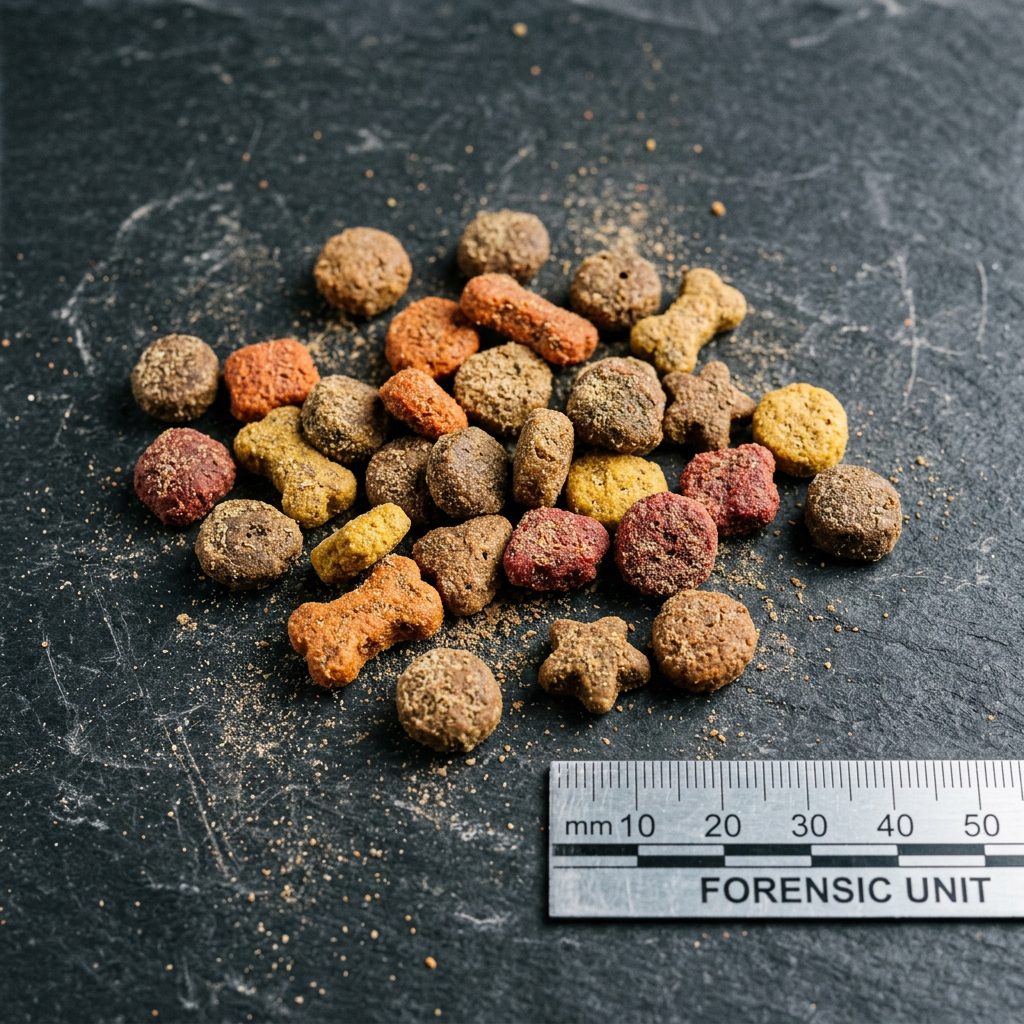
Most commercial dog foods are packed with what I call ‘The Bloat Brigade.’ These are cheap ingredients used to bulk up the bag while thinning out your wallet:
- Corn Gluten Meal: A protein substitute that is notoriously hard for dogs to process.
- Soybean Hulls: Pure fiber filler that often leads to excessive fermentation.
- Wheat Flour: A high-glycemic binder that can spike insulin and disrupt gut bacteria.
Hacker Tip: If the first five ingredients of your dog’s food include more than one grain or ‘by-product meal,’ you aren’t feeding a carnivore; you’re feeding a biological fermentation tank.
Hero Ingredient #1: Papaya (The Enzyme Bomb)
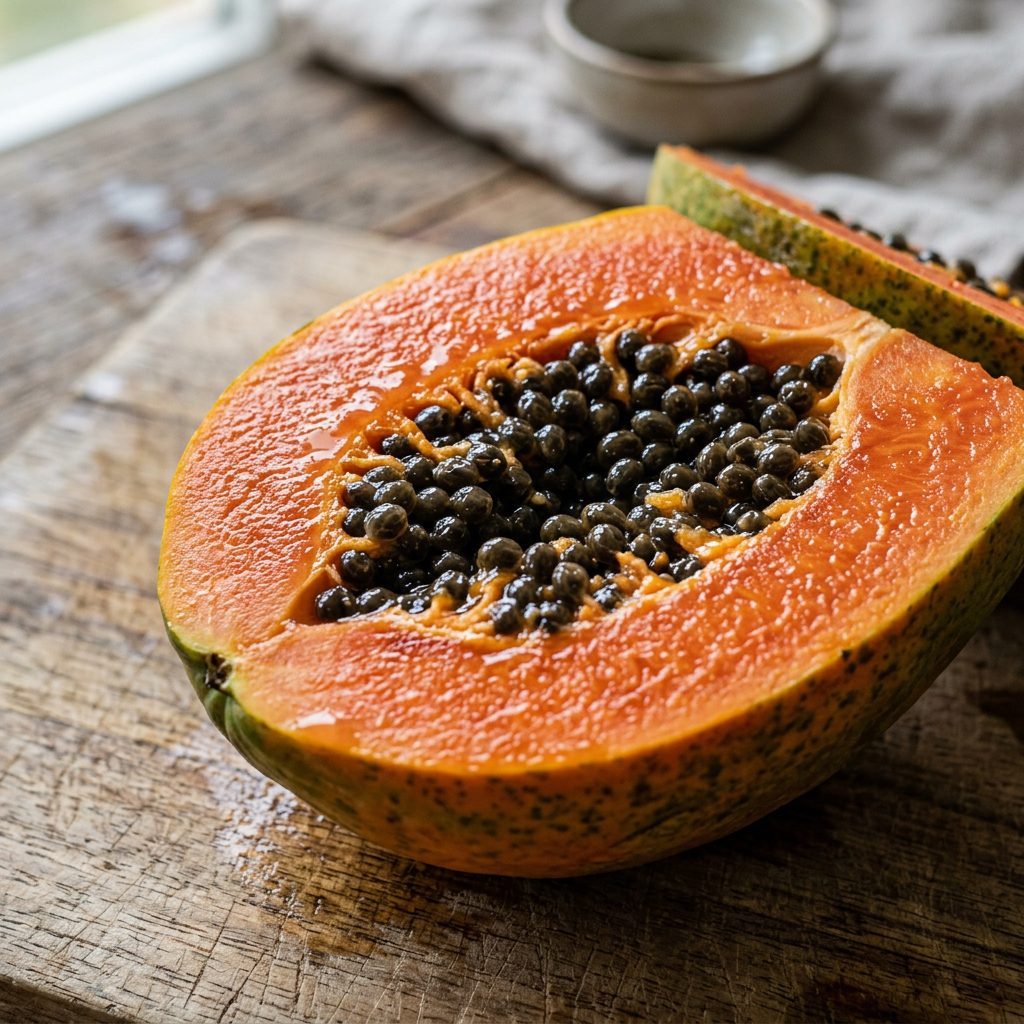
Why papaya? It’s not just because it’s a ‘superfood.’ It’s because of a specific proteolytic enzyme called papain. Papain is a beast at breaking down proteins. In the wild, canines would get these enzymes from the pancreas and stomach contents of their prey. In the modern world of processed brown pellets, those enzymes are cooked off at high temperatures.
By adding fresh papaya, you are essentially pre-digesting the protein in your dog’s stomach. This means the food moves through the small intestine faster, leaving less time for gas-producing bacteria to throw a party. Plus, papaya is loaded with fiber that doesn’t ferment aggressively, helping to move waste along the digestive tract efficiently.
Hero Ingredient #2: Goat Milk (The Universal Donor)
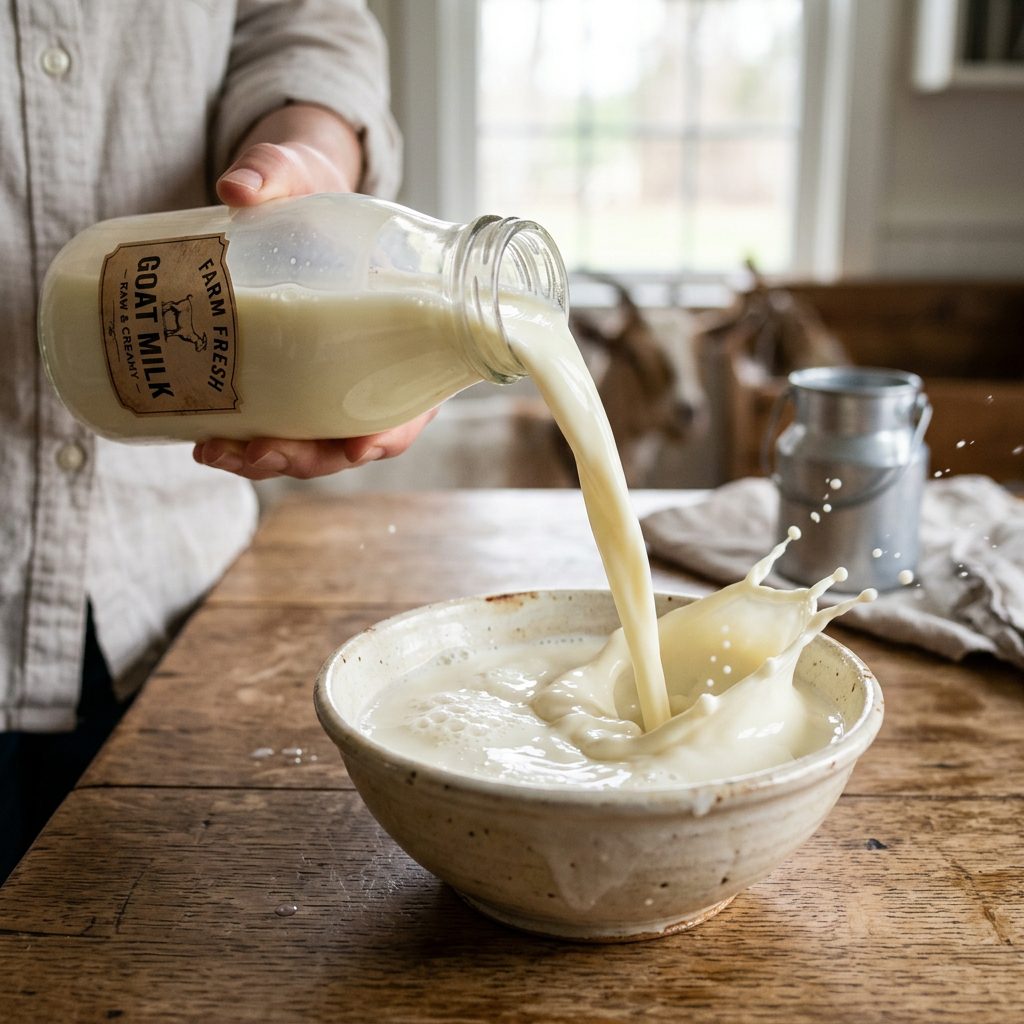
If cow’s milk is a digestive nightmare for dogs, goat milk is a dream. Why? It all comes down to the size of the fat globules and the protein structure. Goat milk contains smaller fat globules and higher levels of medium-chain fatty acids. It also lacks the A1 casein protein found in most cows, which is the primary trigger for dairy sensitivities in dogs.
But the real magic is in the probiotics. Raw goat milk is teeming with over 200 species of ‘good’ bacteria. When these hit your dog’s gut, they act like a peacekeeping force, crowding out the gas-producing bad actors. It’s a liquid gold mine for gut health.
The Safe Chef’s Manifesto: Safety First
Listen up, because this is the ‘no-nonsense’ part. While I’m a nutrition hacker, I’m not a veterinarian. This recipe is a supplemental treat, not a total meal replacement. If your dog is showing signs of acute GDV (distended, hard belly, unproductive retching, pacing), stop reading and go to the emergency vet immediately. That is a surgical emergency.
For chronic ‘gassy’ dogs, this recipe is a game-changer, but always introduce new ingredients slowly. Start with one ‘puck’ a day to ensure their system handles the new enzymes and probiotics without a ‘healing crisis’ (aka, the runs).
The Recipe: Frozen Papaya & Goat Milk ‘Gut-Pucks’
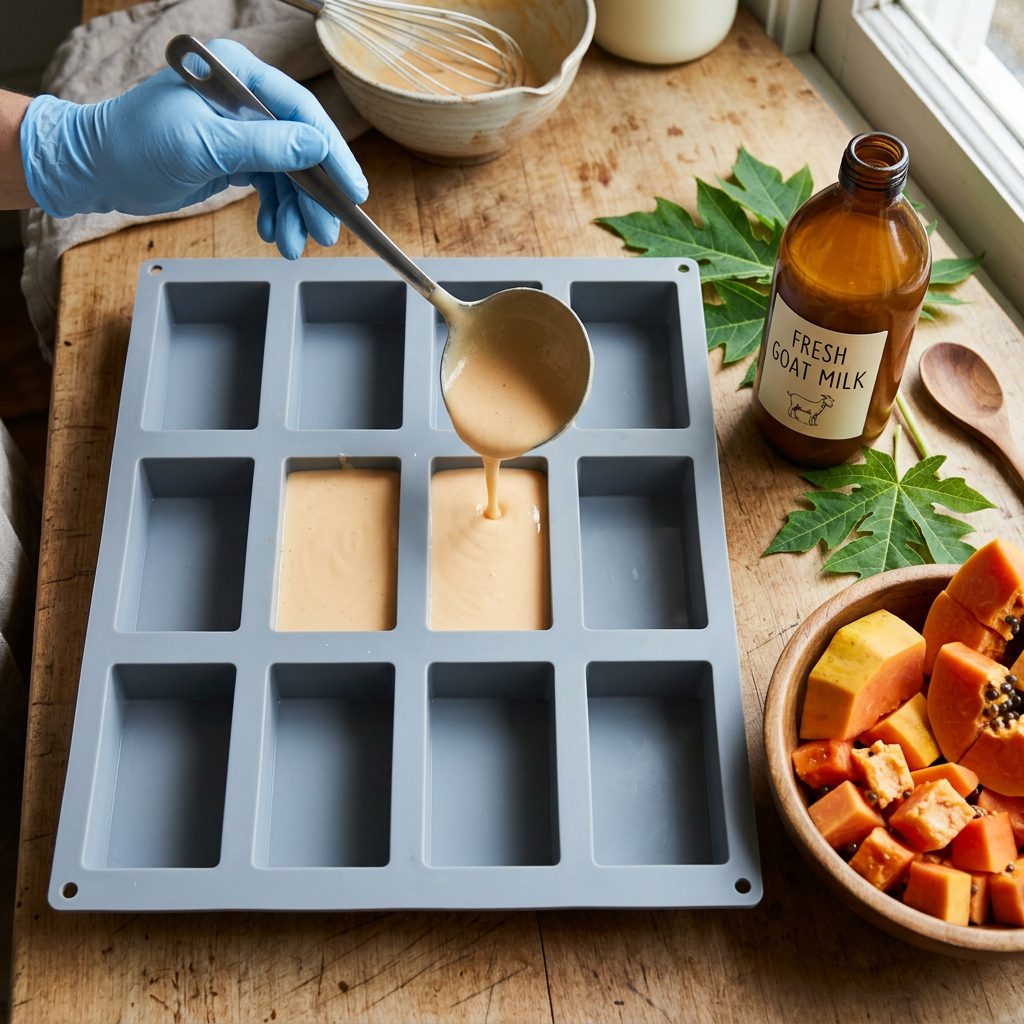
This recipe is designed for maximum efficiency and shelf-life. We use a freezing method because it preserves the delicate enzymes in the papaya and the live cultures in the goat milk that would otherwise be destroyed by heat.
| Ingredient | Quantity | Hacker Reason |
|---|---|---|
| Fresh Ripe Papaya | 1 Cup (Peeled/Seeded) | High Papain content for protein breakdown. |
| Raw Goat Milk | 1.5 Cups | Probiotic powerhouse and hydration. |
| Raw Manuka Honey | 1 Teaspoon (Optional) | Antibacterial properties for gut lining. |
| Fresh Ginger | 1/4 Teaspoon (Grated) | Natural prokinetic to move food along. |
Instructions:
- Prep the Papaya: Peel the skin and remove every single seed. While the flesh is great, the seeds can be a bit too spicy/intense for some dog’s stomachs.
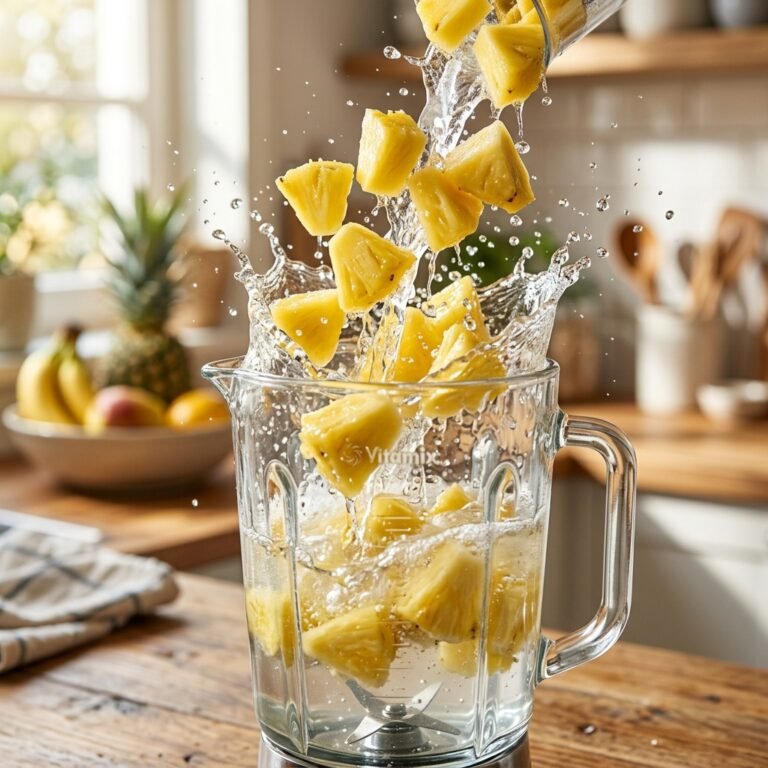
- Blend: Toss the papaya, goat milk, ginger, and honey into a blender. Pulse until smooth. You want a thick, lassi-like consistency.
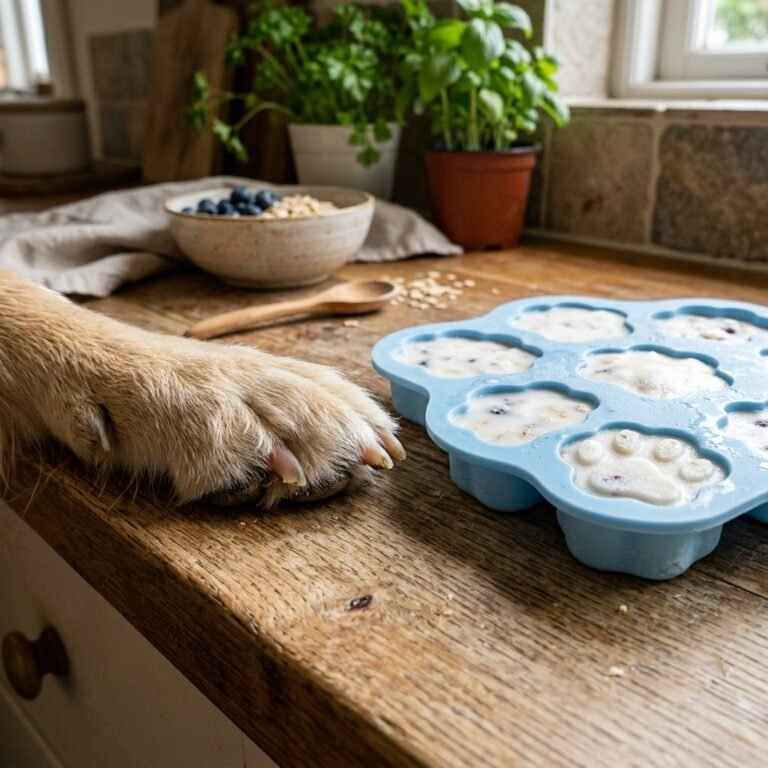
- Pour: Use a silicone mold (bone shapes are cute, but standard ice cube trays work better for portion control).
- Freeze: Freeze for at least 4 hours.
The Hacker’s Ledger: Cost Breakdown
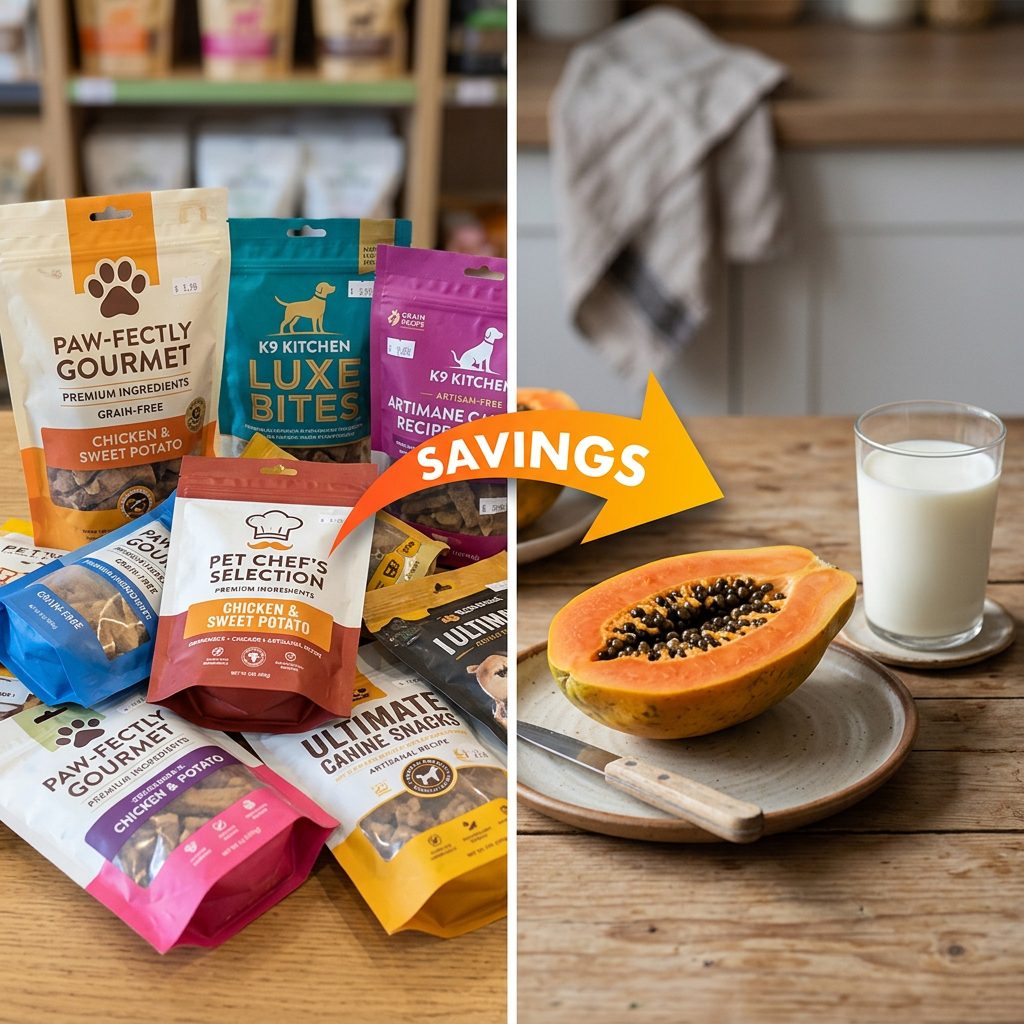
Let’s talk numbers. Big Pet Food wants you to buy their ‘Digestive Support’ treats that cost $15 for a 10oz bag. Those treats are mostly flour and glycerin. Here is how the DIY Gut-Puck stacks up for a 50lb dog.
| Expense Item | DIY Cost (Per Batch) | Store-Bought Premium |
|---|---|---|
| Main Ingredients | $4.50 (Papaya + Milk) | $15.00+ |
| Active Enzymes | High (Fresh) | Low (Processed/Dead) |
| Servings | ~24 Treats | ~20 Biscuits |
| Cost Per Day | $0.18 | $0.75 |
Insider Secret: Buy your papaya at ethnic grocery stores or Mexican markets. They are often half the price of ‘high-end’ organic grocers and usually much riper—which means more enzymes!
Conclusion
At the end of the day, feeding your dog shouldn’t require a degree in biochemistry, but it does require a bit of ‘hacking’ to bypass the marketing fluff. By using frozen papaya and goat milk, you aren’t just giving your dog a treat; you’re giving them the tools they need to process their food without the pain and gas of bloat. You’re saving money, you’re avoiding fillers, and you’re being the advocate your dog needs.
Try this for two weeks. Watch for a flatter belly, less ‘room-clearing’ gas, and a dog that is more comfortable after mealtime. Your dog will thank you, and your nose will too. Stay savvy!