The 3-Ingredient Spearmint Dental Chews That Cure Stinky Dog Breath Instantly!
Let’s be real for a second: dog breath can be absolutely toxic. We’ve all been there—your furry best friend comes in for a sweet morning nuzzle, and you’re suddenly hit with a scent that reminds you of a dumpster in the middle of a July heatwave. It’s not just unpleasant; it’s a sign that the oral microbiome is out of whack. As the Canine Nutrition Hacker, I’ve spent years looking at what the ‘Big Pet Food’ industry pushes as dental health solutions, and frankly, most of it is garbage. They sell us ‘dental sticks’ that are 70% starch and sugar, which—ironically—is exactly what the bad bacteria in your dog’s mouth love to eat. We’re going to stop that cycle today. I’m going to show you how to bypass the overpriced, chemical-laden aisle and whip up a batch of 3-Ingredient Spearmint Dental Chews that don’t just mask the smell—they attack the root cause. We are talking about a total breath transformation for about $0.15 per treat. No fillers, no dyes, and no nonsense. Just pure, functional nutrition that your dog will think is a high-value reward.
The Forensic Review: Why Store-Bought Dental Chews Are Failing Your Dog
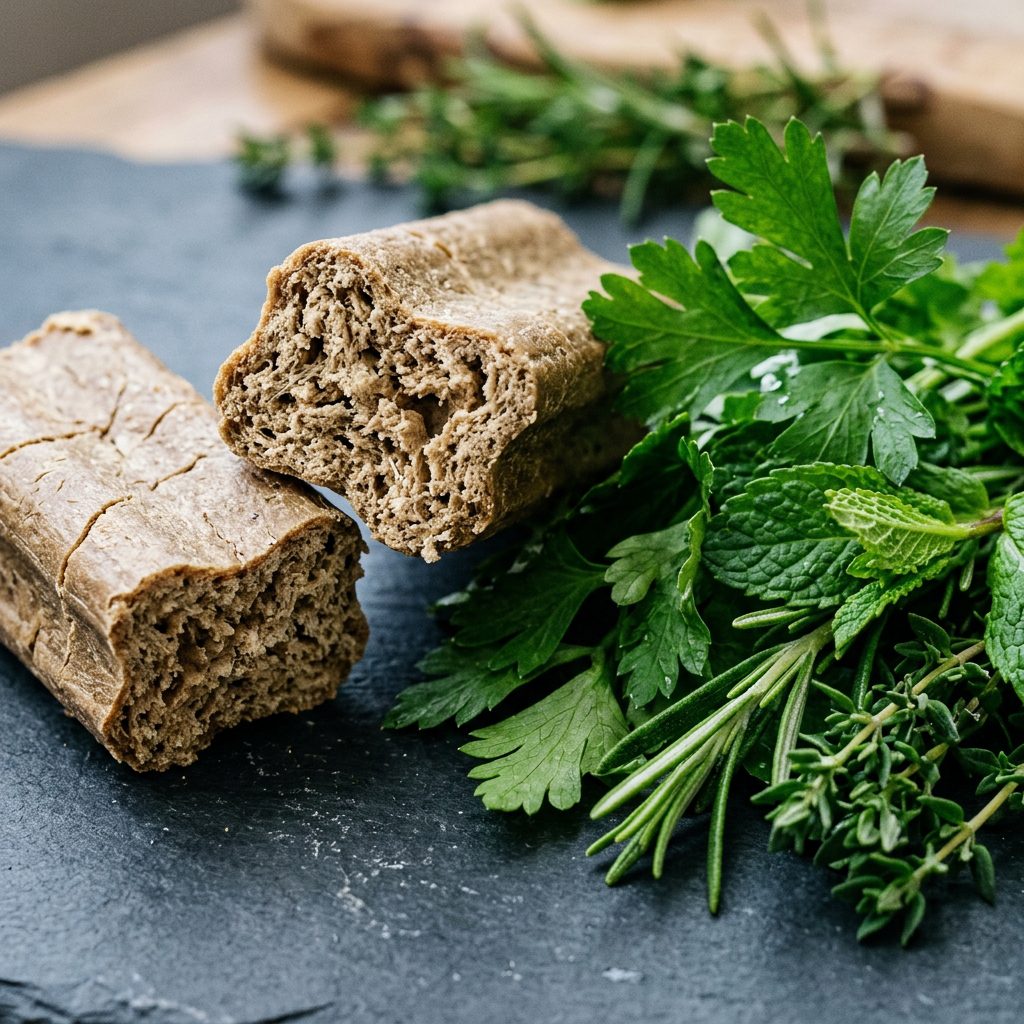
Before we dive into our DIY solution, we need to look at why those ‘green’ sticks in the grocery store aren’t doing the job. If you look at the back of a leading brand of dental chews, you’ll see a list of ingredients that looks more like a chemistry project than a snack. Let’s perform a First 5 Ingredients Truth analysis on a typical ‘Premium’ dental chew:
- Rice Flour: A high-glycemic starch that breaks down into sugar almost instantly.
- Wheat Starch: Another filler that sticks to the teeth, providing a buffet for plaque-causing bacteria.
- Glycerin: Used to keep the treat chewy, but it’s essentially a sugar alcohol.
- Gelatin: A binder that adds little nutritional value in this processed form.
- Gum Arabic: A thickener used to hold the ‘bone’ shape together.
Do you see any actual ‘dental cleaners’ in that top five? No. You see binders and starches. It’s like trying to brush your teeth with a gummy bear. These treats rely on mechanical scraping, but because they are so porous and starchy, they often leave behind a residue that contributes to biofilm (that slimy layer on the teeth). Furthermore, the ‘fresh’ scent in commercial treats is usually ‘Natural Flavor,’ which is a catch-all term for laboratory-created aromatics. We can do better. We can use MCT-rich fats and chlorophyll-dense herbs to create a chemical reaction that actually neutralizes sulfur compounds in the mouth.
Hacker Secret: Most commercial dental treats have a recall history related to mold or choking hazards because they don’t break down easily in the digestive tract. Our DIY version melts at body temperature, making it 100% safe for the gut.
| Feature | Store-Bought “Green” Chews | Hacker Spearmint Chews |
|---|---|---|
| Primary Ingredient | Wheat/Rice Flour (Starch) | Organic Coconut Oil (Healthy Fat) |
| Active Freshener | Artificial Flavors/Copper Proteinate | Fresh Spearmint & Parsley |
| Preservatives | Potassium Sorbate / BHA | None (Natural Antimicrobials) |
| Cost Per Day | $1.50 – $2.50 | $0.18 – $0.25 |
| Verdict | Expensive Sugar Sticks | The Gold Standard |
The Safe Chef Guide: The Magic 3 Ingredients
SAFETY DISCLAIMER: I am a canine nutrition hacker, not a veterinarian. While these ingredients are widely recognized as safe for dogs, always consult your vet before introducing new treats, especially if your dog has a history of pancreatitis or requires a low-fat diet. Always introduce new fats slowly to avoid digestive upset.
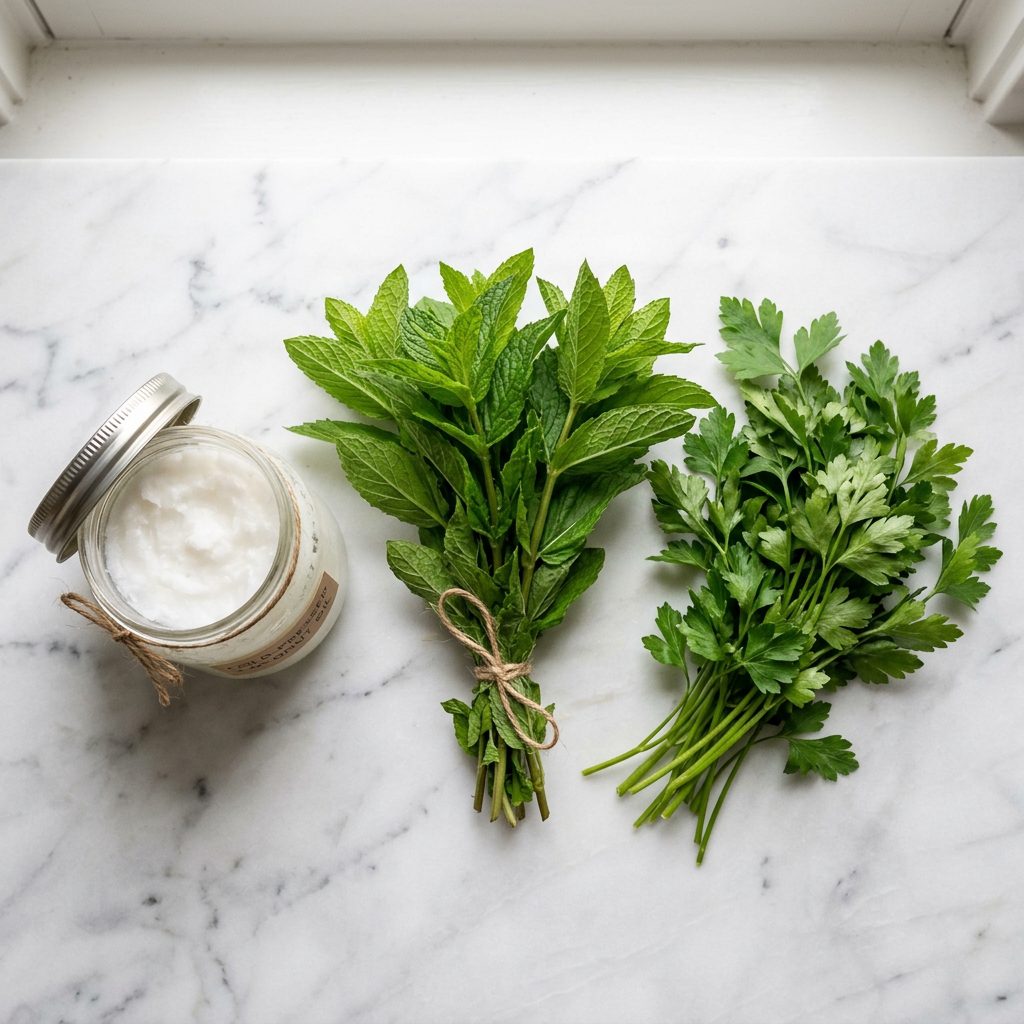
To fix stinky breath, we only need three powerhouses. Each one serves a specific biological purpose. We aren’t just making a treat; we are formulating a bioactive dental supplement.
1. Organic Cold-Pressed Coconut Oil
This is our base. Coconut oil is loaded with Lauric Acid, which has incredible antibacterial, antiviral, and antifungal properties. When your dog chews (or licks) this treat, the coconut oil coats the gums and teeth, disrupting the formation of the biofilm where bacteria hide. It’s also a great source of Medium-Chain Triglycerides (MCTs), which provide a clean energy source and support skin and coat health.
2. Fresh Spearmint
We are using Spearmint (Mentha spicata), not Peppermint. While small amounts of peppermint can be okay, spearmint is generally milder and safer for regular canine consumption. Spearmint contains carvone, a natural compound that gives it that signature fresh scent while acting as a mild antiseptic to kill the microbes responsible for halitosis.
3. Fresh Parsley
Parsley is nature’s deodorizer. It is packed with chlorophyll, which has been used for decades to neutralize odors at the source. It’s also a powerhouse of Vitamin K and Vitamin C, providing an extra boost to the immune system. For this recipe, we use curly parsley or flat-leaf Italian parsley—both work wonders.
The Actionable Recipe: 10 Minutes to Fresh Breath
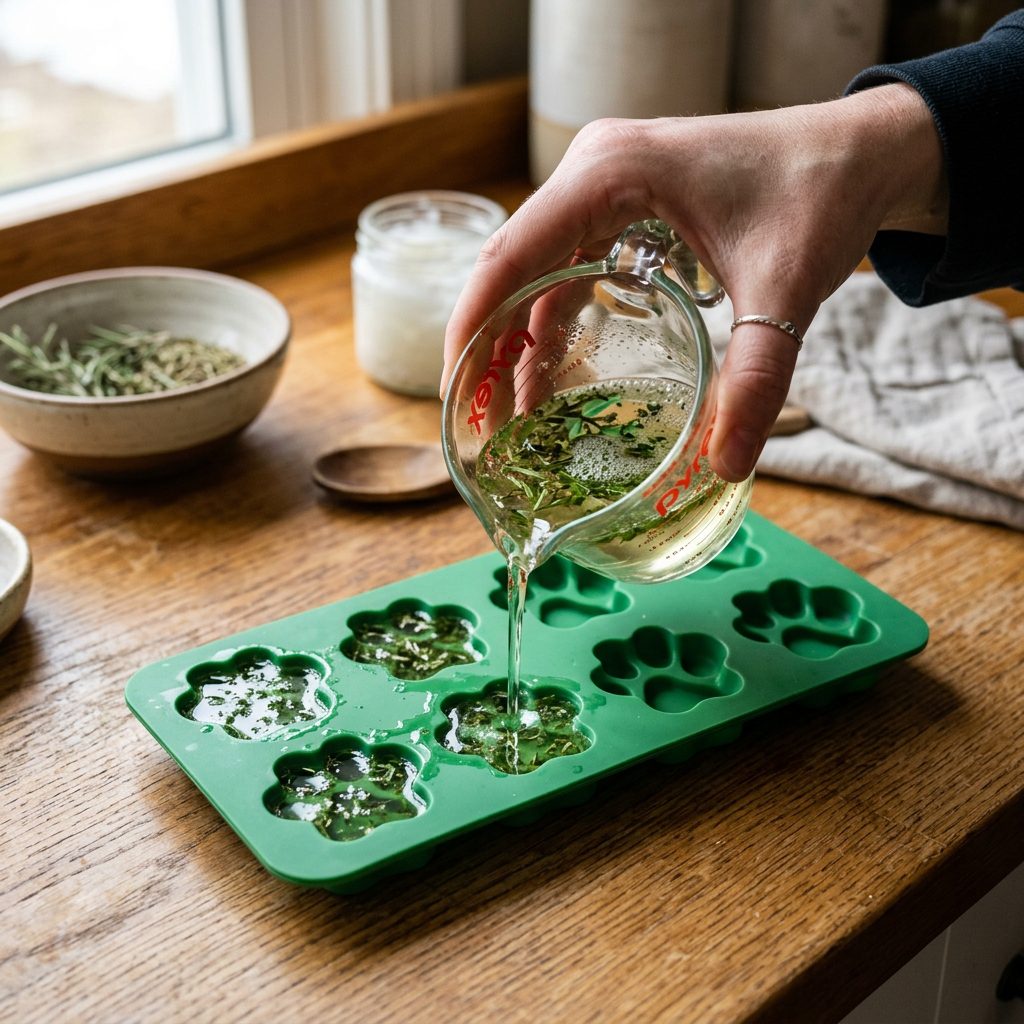
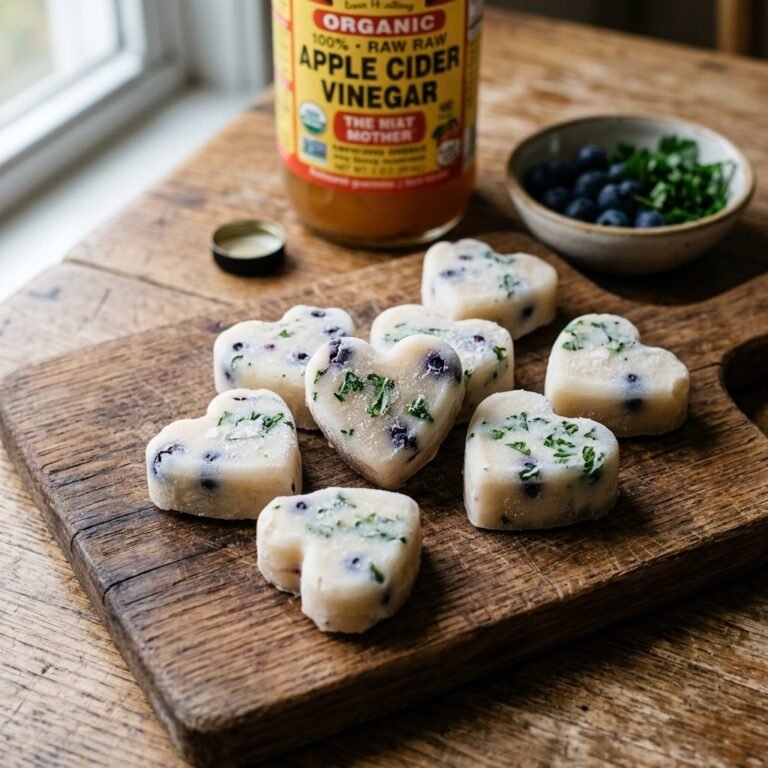
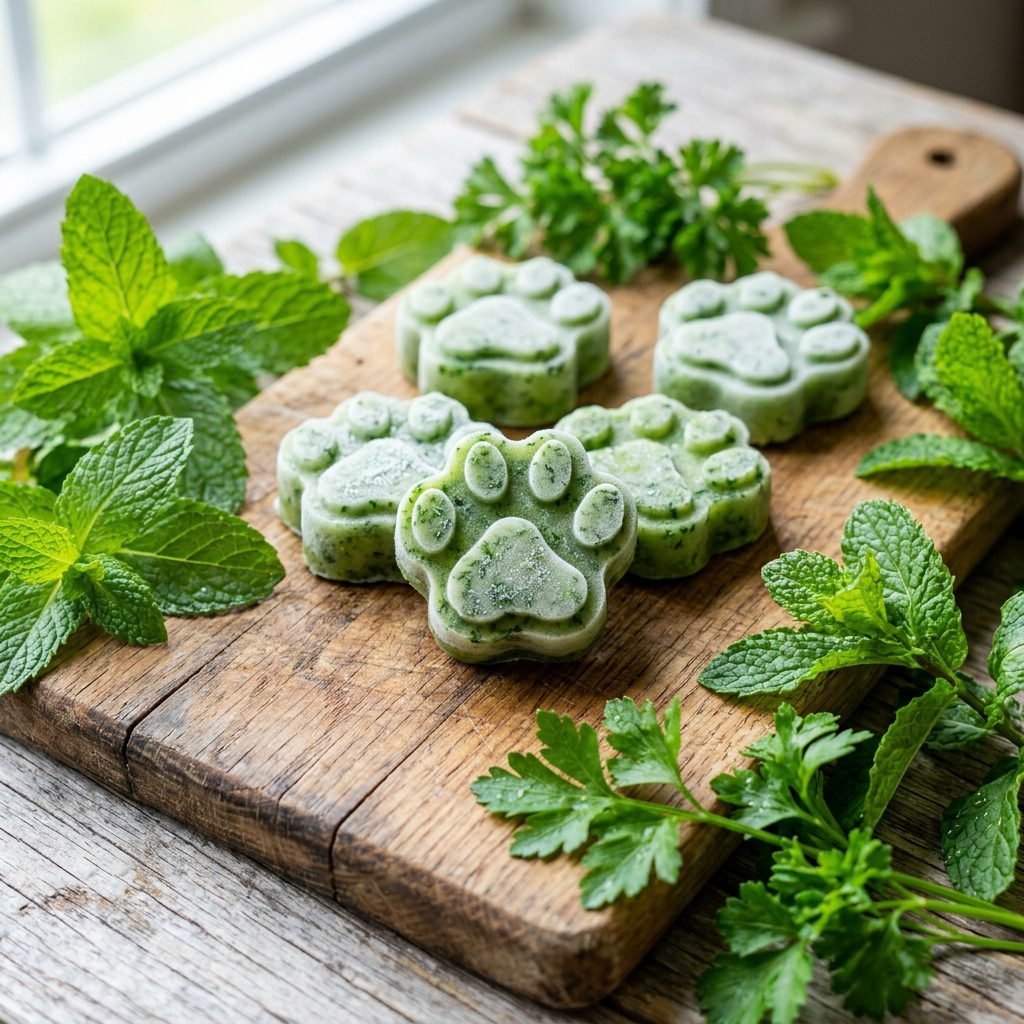
This is where the magic happens. We’re going to use a specific ratio to ensure the treats stay solid in the fridge but melt perfectly in the mouth. This recipe makes approximately 24 small paw-print treats.
The Hacker Ratios:
- 1 Cup Organic Virgin Coconut Oil (Solid state)
- 1/4 Cup Fresh Spearmint Leaves (Finely minced)
- 1/4 Cup Fresh Parsley (Finely minced)
Instructions:
- Prep the Herbs: Wash the spearmint and parsley thoroughly. Pat them dry with a paper towel—any excess water will cause the oil to separate. Strip the leaves from the stems and mince them as finely as possible. You want a ‘confetti’ consistency so the nutrients are easily released.
- Liquefy the Oil: Place the coconut oil in a microwave-safe bowl and heat for 30 seconds until it is a clear liquid. Do not overheat; we want it just barely melted to preserve the bioactive compounds.
- The Infusion: Stir the minced herbs into the liquid oil. Let it sit for about 5 minutes. This allows the essential oils from the herbs to begin infusing into the coconut oil.
- The Pour: Using a spoon or a dropper, pour the mixture into silicone molds. I recommend using small paw or bone shapes. Hacker Tip: Place the silicone mold on a baking sheet before pouring to make it easier to move to the fridge.
- Set and Store: Place the tray in the freezer for 20 minutes or the refrigerator for 1 hour until rock solid.
Batch Cooking & Storage Hacks
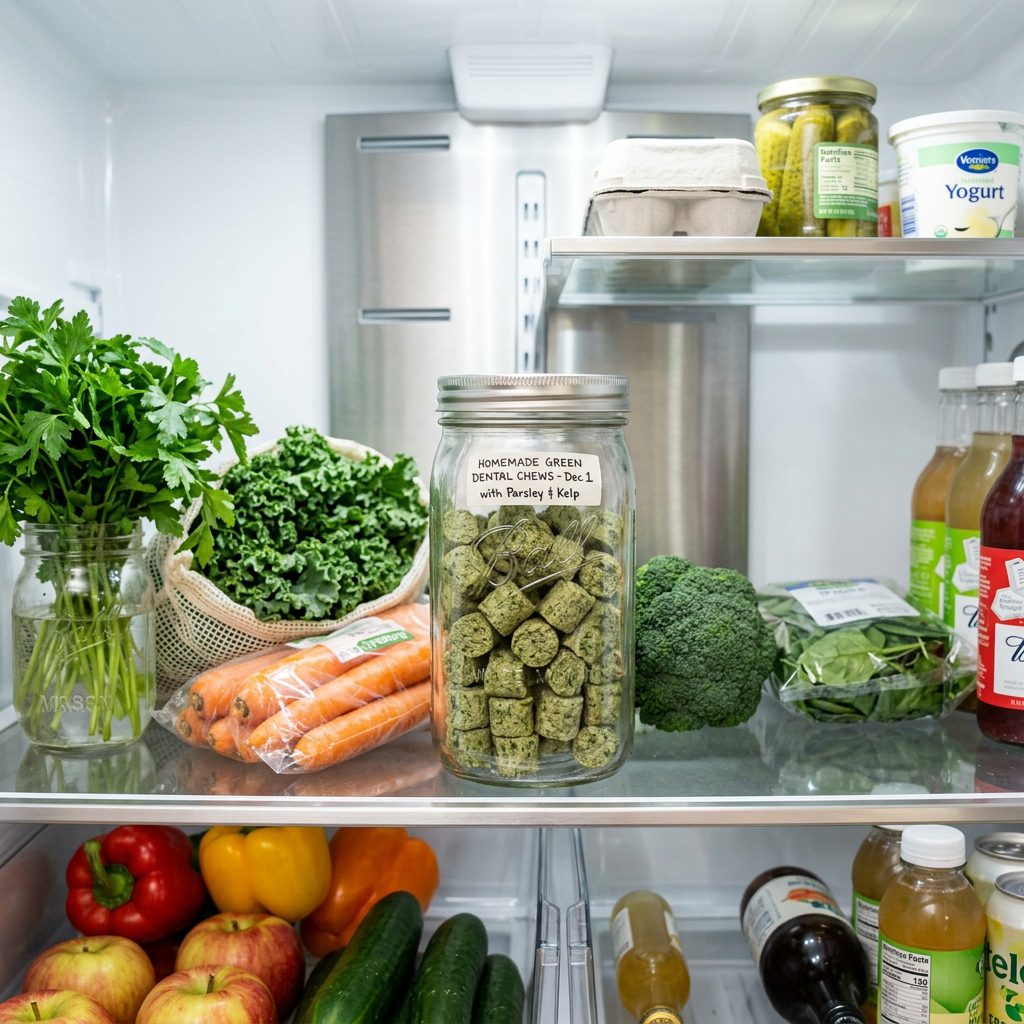
Because these treats are oil-based, they will melt if left on the counter. To keep them ‘Hacker Grade’ fresh, you need a storage strategy. Since we aren’t using chemical preservatives like Potassium Sorbate, we rely on temperature control.
The Freezer Method
I recommend keeping the majority of your batch in a sealed glass airtight container in the freezer. They will stay potent for up to 6 months. When you’re ready to serve, you can give them to your dog straight from the freezer—the cold sensation actually helps soothe inflamed gums, which is a common side effect of plaque buildup.
The Fridge Method
If you have a multi-dog household and go through them quickly, the fridge is fine. They will stay solid as long as your fridge is below 75°F (the melting point of coconut oil). In the fridge, they are good for about 2 weeks. If you notice the herbs turning brown, it’s time to toss them and make a fresh batch.
Insider Secret: If your dog is a ‘picky eater,’ add a half-teaspoon of Manuka Honey to the mixture. It adds even more antibacterial power and makes the treat irresistible to even the most stubborn pups.
The Real Cost Breakdown: DIY vs. Premium Brands
Let’s talk numbers. Savvy owners know that ‘pet tax’ is real—companies charge a premium for anything labeled ‘dental.’ Let’s break down the actual cost of making 100 treats at home versus buying them.
| Item | Bulk Quantity | Cost | Cost Per Batch (24 treats) |
|---|---|---|---|
| TOTAL | – | – | $3.47 |
At $3.47 for 24 treats, you are paying roughly $0.14 per treat. Compare that to a bag of 24 premium dental chews which usually retails for $30.00 ($1.25 per treat). By making these at home, you are saving over $1.10 per day. Over a year, that’s $401.50 back in your pocket. That is money you can spend on higher-quality protein for their main meals or a better harness. This is how we hack the system: better results, lower costs.
Conclusion
Curing stinky dog breath doesn’t require a prescription or a bag of expensive, starch-filled ‘bones.’ It requires a little bit of hacker logic and three powerful ingredients from your local grocer. By using coconut oil, spearmint, and parsley, you are addressing the bacterial load in your dog’s mouth while providing them with healthy fats that support their entire body. Start with one treat a day, ideally after their last meal, and watch (and smell) the difference. Your dog will have cleaner teeth, fresher breath, and you’ll have the satisfaction of knowing exactly what is going into their body. No fillers, no secrets—just real food for a healthier dog. Now go reclaim those morning snuggles!