Go Find Dad! How To Teach Your Dog Everyone’s Name
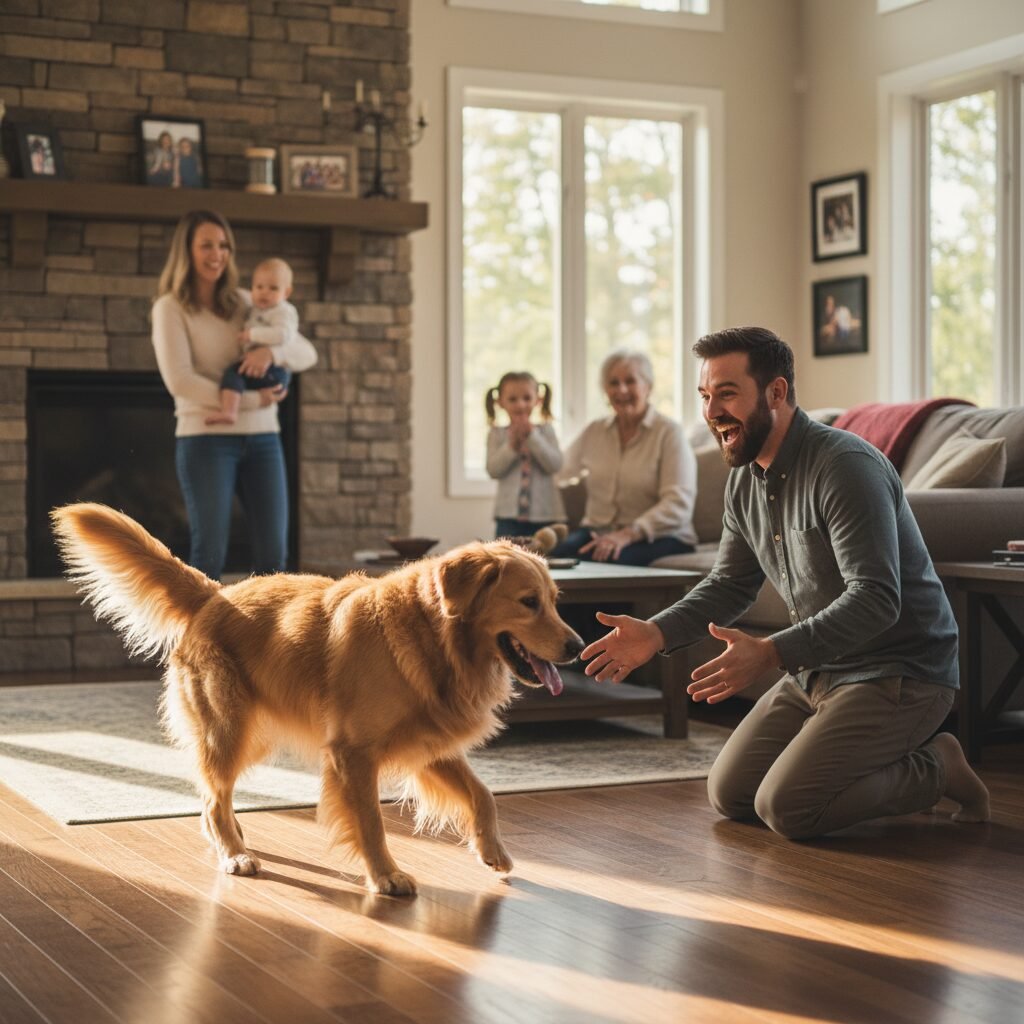
Teaching your dog to identify and ‘find’ specific family members by name is not only a fun and impressive trick but also a highly practical skill. Imagine being able to ask your dog to ‘Go find Dad!’ when you need help, or ‘Go find Lily!’ to alert a child. This command enhances communication, strengthens the bond between your dog and every member of your household, and provides valuable mental stimulation. As a professional dog trainer, I’ve seen firsthand the joy and utility this command brings. This comprehensive guide will walk you through the process, step-by-step, ensuring you and your canine companion achieve success.
Understanding the Behavior/Command

The ‘Go Find [Name]!’ command teaches your dog to associate a specific person’s name with that individual and then to actively seek them out. It’s more than just a simple recall; it involves object permanence (understanding the person still exists even if out of sight) and name recognition. This command can be incredibly useful in various scenarios:
- Safety: If a child wanders off in the house, your dog could help locate them.
- Assistance: Asking your dog to find a family member to bring you something or help with a task.
- Mental Enrichment: It provides a wonderful mental workout for your dog, engaging their scent and sight, and problem-solving skills.
- Bonding: It strengthens the dog’s relationship with all family members, as they become part of the ‘game’.
Before you begin, ensure your dog has a solid understanding of basic commands like ‘sit’, ‘stay’, and a reliable recall. These foundational skills will make the ‘Go Find’ training much smoother.
Tools Needed
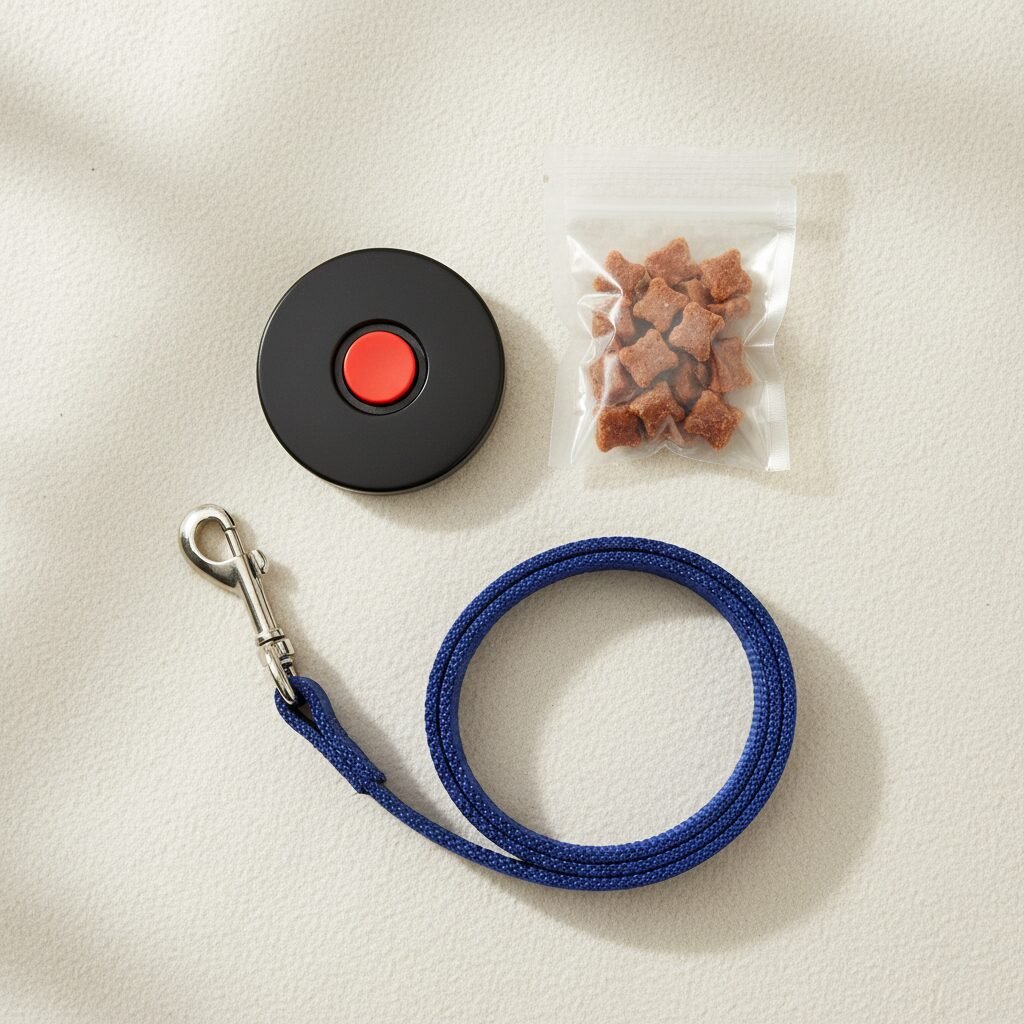
Successful training relies on having the right equipment. Gather these items before you start:
- High-Value Treats: Small, soft, and extremely palatable treats are essential. Think cooked chicken, cheese, or specialized training treats. The higher the value, the more motivated your dog will be.
- Clicker (Optional but Recommended): A clicker is a precise marker that tells your dog exactly when they’ve performed the desired behavior. If you’re new to clicker training, spend a few sessions ‘charging’ the clicker by clicking and immediately giving a treat.
- Leash and Collar/Harness: Useful for initial control, especially in distracting environments or if your dog tends to wander.
- Family Members/Friends: You’ll need the actual people whose names you want your dog to learn. Start with one person, then gradually introduce others.
- A Quiet Training Space: Begin in an area with minimal distractions, such as a living room or a quiet backyard.
Step-by-Step Training Process

This process is broken down into stages, building on success at each step. Patience and consistency are key.
Stage 1: Introducing One Person’s Name (e.g., ‘Dad’)
- The Setup: Have ‘Dad’ (or your chosen first person) sit or stand a short distance away from you and your dog, perhaps 5-10 feet. You should have your dog on a leash initially if they are easily distracted.
- The Lure and Name Association: With your dog’s attention, say ‘Go find Dad!’ in an enthusiastic voice. Immediately point towards ‘Dad’. ‘Dad’ should then call your dog’s name (‘[Dog’s Name], come!’) and show a high-value treat, encouraging the dog to come to him.
- The Reward: As soon as your dog reaches ‘Dad’, ‘Dad’ should immediately give the treat and lavish praise. If using a clicker, ‘Dad’ should click as the dog reaches him, then give the treat.
- Repeat and Fade Lure: Repeat this 5-10 times in a short session. After a few repetitions, start to fade your pointing gesture. Your goal is for your dog to go to ‘Dad’ solely based on the verbal cue ‘Go find Dad!’.
- Increase Distance: Once your dog reliably goes to ‘Dad’ from a short distance, gradually increase the distance between you, your dog, and ‘Dad’.
- Introduce Mild Distractions: Once reliable at a distance, start adding very mild distractions, like ‘Dad’ standing behind a chair or briefly stepping out of sight for a second before calling the dog.
Stage 2: Hiding and Seeking
- Initial Hiding: Once your dog understands ‘Go find Dad!’ when ‘Dad’ is visible, ‘Dad’ can now hide just out of sight in the same room (e.g., behind a door, around a corner).
- The Command: Say ‘Go find Dad!’ Your dog should now actively search.
- The Reward: When your dog finds ‘Dad’, ‘Dad’ gives the treat and praise (and click, if using).
- Gradually Increase Difficulty: Slowly increase the difficulty of the hiding spots. Move to different rooms, then different floors of the house. Always ensure success by starting easy and only progressing when your dog is consistently successful.
- Don’t Let Them Fail: If your dog struggles, make the hiding spot easier or give a verbal hint (‘Dad’ can softly call the dog’s name once).
Stage 3: Introducing More Family Members
- One at a Time: Once your dog is proficient at finding ‘Dad’, introduce ‘Mom’ (or another family member) using the exact same step-by-step process from Stage 1 and 2. Keep ‘Dad’ out of the training area during ‘Mom’s’ initial sessions to avoid confusion.
- Distinguishing Names: Once your dog can reliably find both ‘Dad’ and ‘Mom’ individually, you can start to practice with both present. Have ‘Dad’ and ‘Mom’ stand in different locations. Say ‘Go find Dad!’ and reward when successful. Then, say ‘Go find Mom!’ and reward.
- Randomize: Randomize which person you ask your dog to find. This helps solidify their understanding that each name refers to a specific individual.
- Add More People: Follow the same process for each new family member you wish your dog to learn. Always introduce one new name at a time until that name is solid.
Common Mistakes Owners Make

Even with the best intentions, certain errors can hinder your dog’s progress.
- Moving Too Fast: Rushing through the stages before your dog has fully grasped the concept will lead to frustration for both of you. Ensure mastery at each step before advancing.
- Inconsistent Cues: Using different phrases like ‘Where’s Dad?’ or ‘Find your father!’ can confuse your dog. Stick to one consistent command: ‘Go find [Name]!’.
- Lack of High-Value Rewards: If your dog isn’t highly motivated by the treats, they won’t be as eager to perform the behavior. Experiment to find what truly excites them.
- Punishment for Failure: Never scold or punish your dog if they don’t find the person. This will create negative associations with the game. Instead, make the task easier and end on a positive note.
- Not Ending on a Positive Note: Always try to end training sessions with a successful repetition and a big reward. This keeps your dog enthusiastic for the next session.
- Long Training Sessions: Keep sessions short (5-10 minutes) and frequent. Dogs have short attention spans, and shorter sessions prevent boredom and fatigue.
Troubleshooting Difficult Dogs
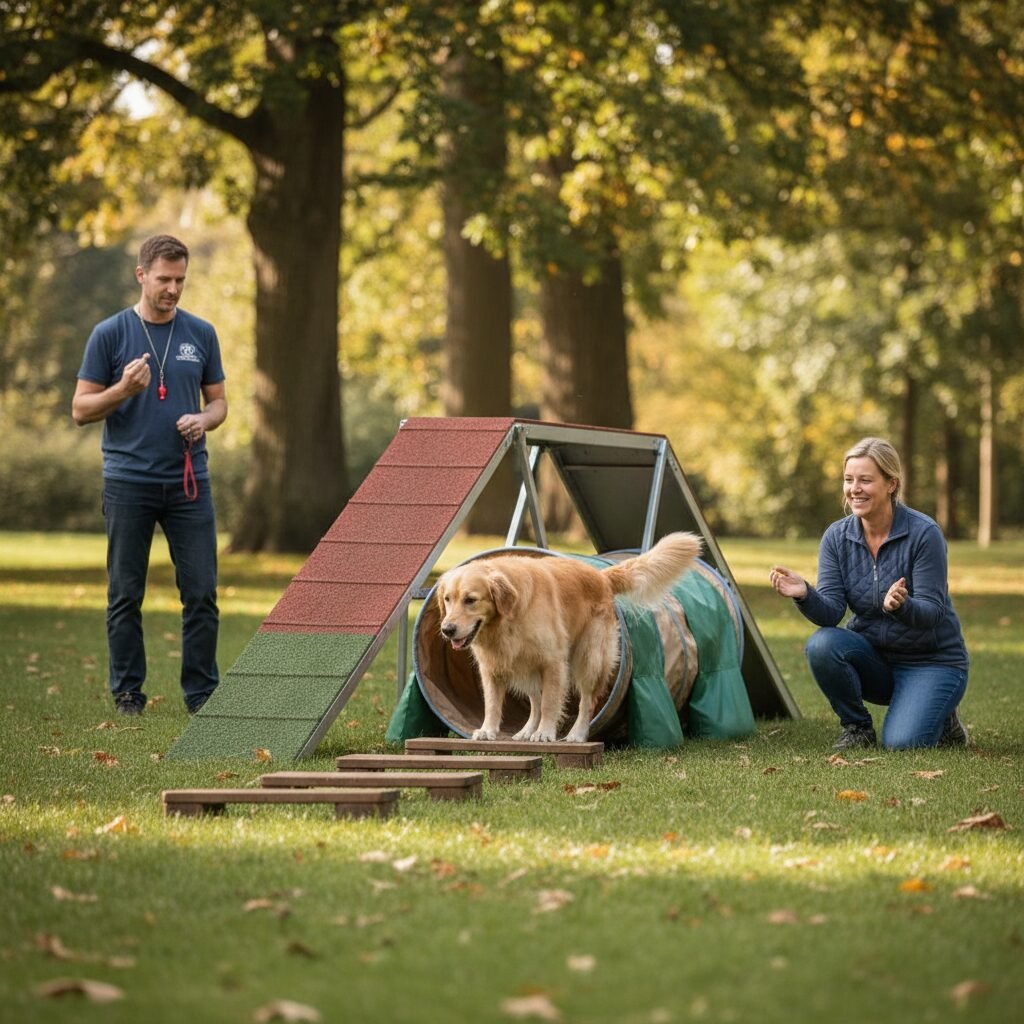
Some dogs might find this command more challenging than others. Here are some strategies for common issues:
- Dog Isn’t Motivated by Treats: Try different types of treats, or use a favorite toy as a reward. Some dogs are more motivated by a quick game of tug or fetch than by food.
- Dog Doesn’t Understand the Name: Go back to basics. Have the person whose name you’re teaching say their name frequently and positively when interacting with the dog, even outside of training. For example, ‘Dad’ can say ‘Hi, I’m Dad!’ when petting the dog.
- Dog Gets Distracted Easily: Start training in an even quieter, more confined space. Gradually introduce very minor distractions only after the dog is consistently successful in the quiet environment. Use a longer leash initially to guide them if needed.
- Dog Just Stares at You: This often means the task is too difficult or the reward isn’t motivating enough. Make the person more visible, closer, and ensure the person is actively encouraging the dog with their voice and a visible treat.
- Dog Finds the Wrong Person: This means they haven’t fully differentiated the names. Go back to training one person at a time until that name is rock solid. Only introduce the second person when the first is mastered, and then practice distinguishing between them in a controlled setting.
- Dog Loses Interest: Keep sessions short and fun! If your dog seems bored, take a break, play a different game, and come back to it later. Always end on a high note.
A Rewarding Journey of Connection
Teaching your dog to ‘Go Find [Name]!’ is a rewarding journey that strengthens bonds and provides practical benefits. Remember that every dog learns at their own pace, so celebrate small victories and maintain a positive, patient attitude. With consistent practice, high-value rewards, and clear communication, your dog will soon be a master at finding every member of your family. Enjoy the process, and cherish the enhanced connection you’ll build with your intelligent canine companion!