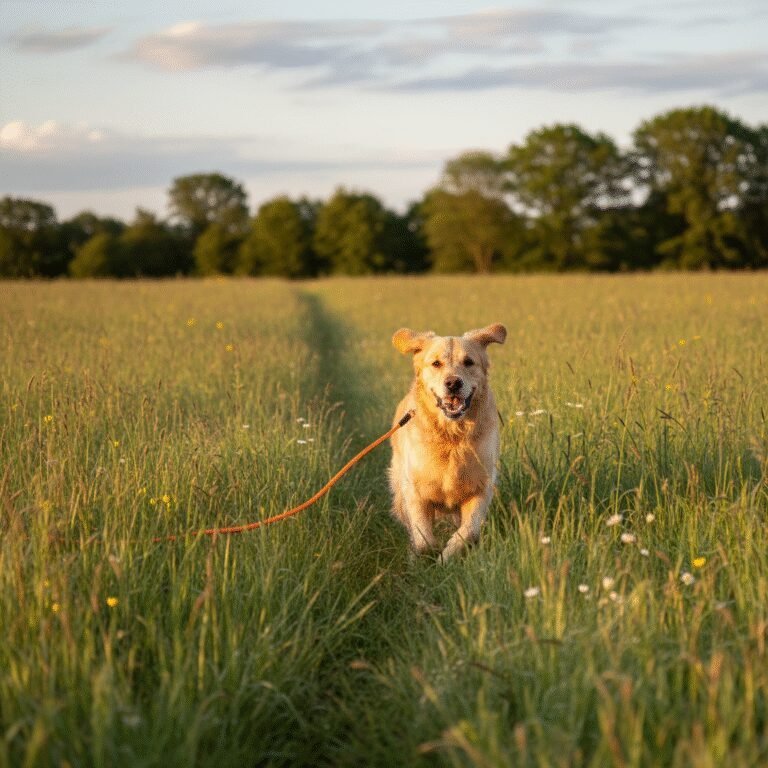
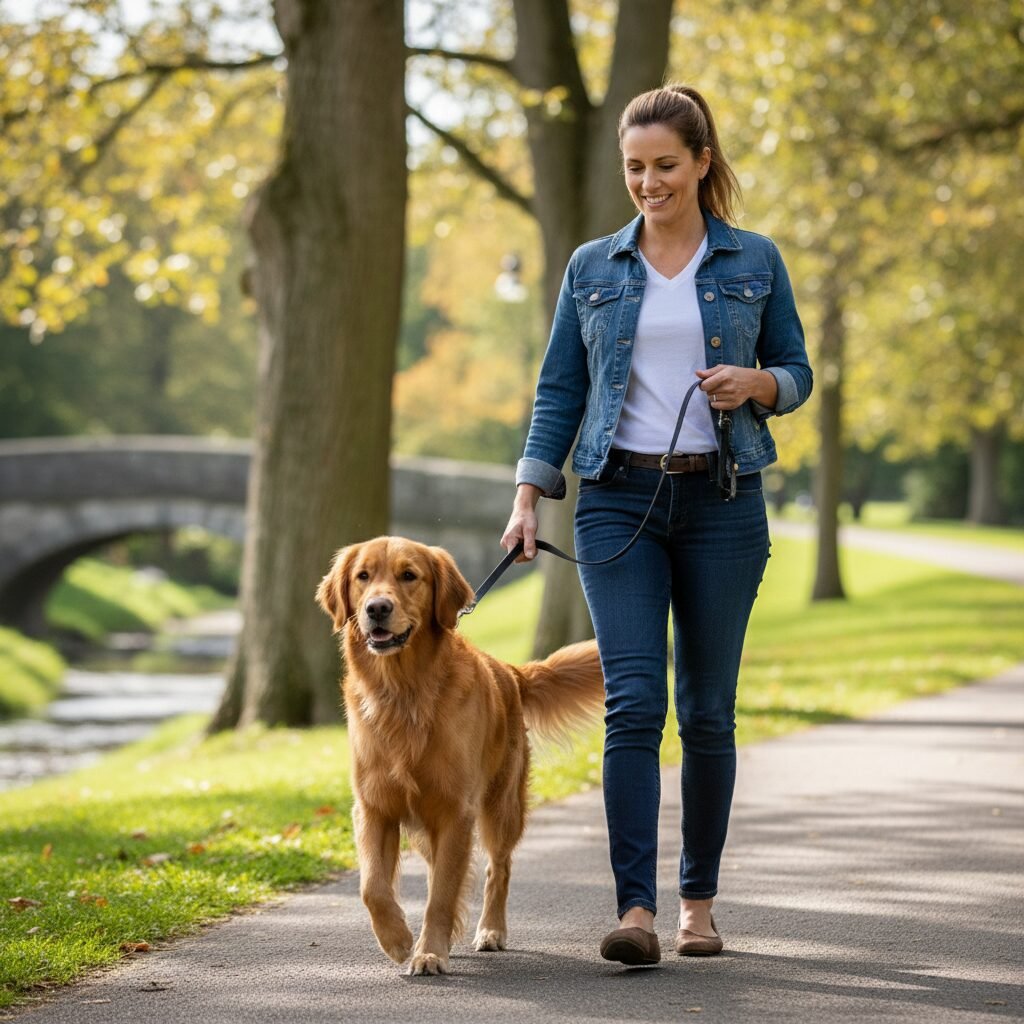
Get Pro-Level Focus: The Cheat Code To A Perfect Heel
Achieving a ‘perfect heel’ with your dog is often considered the pinnacle of leash manners and obedience. It signifies not just a dog walking politely beside you, but a dog that is engaged, focused, and responsive to your every movement. This level of control transforms walks from a potential struggle into a harmonious experience, fostering a deeper bond between you and your canine companion. More than just preventing pulling, a perfect heel ensures safety in busy environments, allows for enjoyable outings, and demonstrates a profound understanding of your leadership. This comprehensive guide, crafted by an expert professional dog trainer, will provide you with the step-by-step methodology, essential tools, and troubleshooting tips to unlock pro-level focus and achieve that coveted perfect heel.
Understanding the Behavior: What is a Perfect Heel?
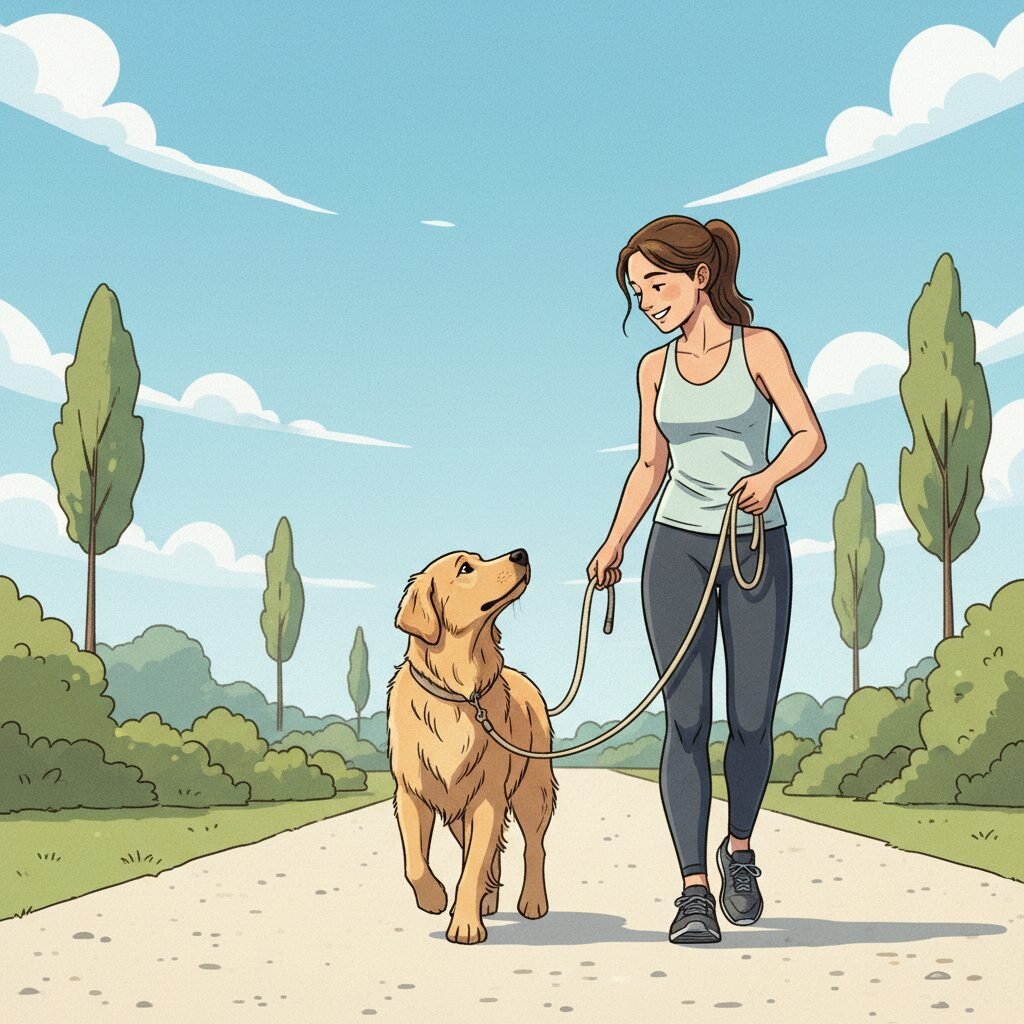
The term ‘heel’ in dog training refers to a specific position and manner of walking. It means your dog walks directly beside you, typically on your left side, with their shoulder aligned with your leg. In a perfect heel, your dog maintains this position whether you are walking straight, turning, stopping, or changing pace. Crucially, a dog performing a perfect heel is not pulling on the leash, lagging behind, or veering off to sniff every interesting scent. Instead, they are attentive to your movements and cues, maintaining focus on you. This isn’t just about physical proximity; it’s about mental engagement. A dog that heels perfectly is actively choosing to stay with you, making eye contact, and anticipating your next action. The benefits extend beyond mere aesthetics; it provides:
- Enhanced Safety: Keeps your dog close and out of harm’s way in crowded or dangerous areas.
- Improved Control: Allows you to navigate any environment with confidence, knowing your dog will respond.
- More Enjoyable Walks: Transforms walks from a chore into a pleasant shared activity.
- Stronger Bond: Builds trust and communication, deepening your relationship with your dog.
- Foundation for Advanced Training: Many advanced obedience commands build upon a solid heel.
Essential Tools for Heel Training
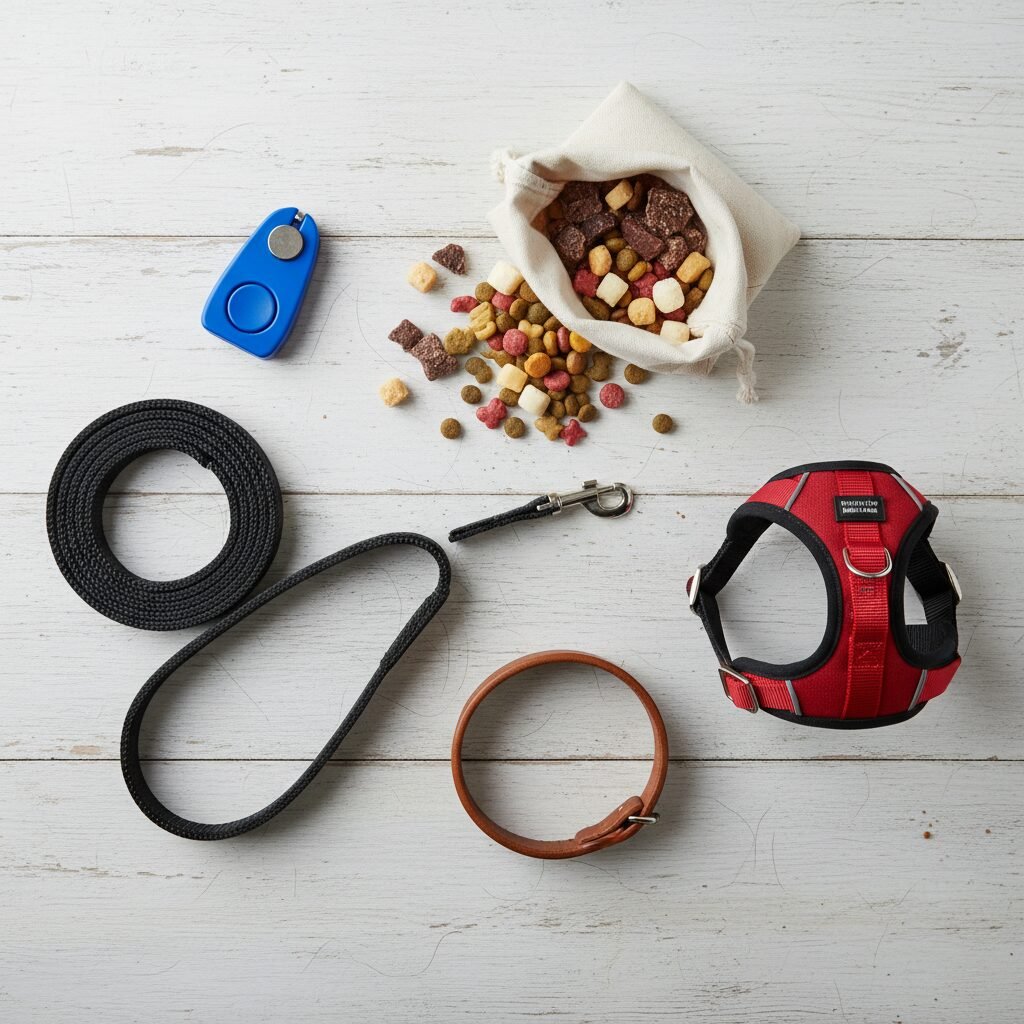
Before embarking on your heel training journey, gathering the right tools is paramount. Having the correct equipment will set you up for success and make the process smoother for both you and your dog. Here are the essential items you will need:
1. High-Value Treats
These are crucial for positive reinforcement. ‘High-value’ means something your dog absolutely loves and rarely gets, like small pieces of cooked chicken, cheese, hot dogs, or specialized training treats. The higher the value, the more motivated your dog will be to work for them.
2. A Clicker (Optional, but Highly Recommended)
A clicker is a precise marker that tells your dog the exact moment they performed the desired behavior. It creates a clear communication bridge, making training faster and more effective. If you don’t use a clicker, a consistent verbal marker like ‘Yes!’ can serve a similar purpose, though it’s often less precise.
3. A Standard 6-Foot Leash
Opt for a sturdy, non-retractable leash made of nylon or leather. Retractable leashes teach dogs to pull and offer little control, making them unsuitable for heel training. A 6-foot leash provides enough slack for comfortable walking while allowing you to maintain control.
4. A Flat Collar or Front-Clip Harness
- Flat Collar: A basic flat buckle or snap collar is often sufficient. Ensure it fits snugly but comfortably, allowing two fingers to slip underneath.
- Front-Clip Harness: For dogs that tend to pull, a front-clip harness can be an excellent aid. It redirects your dog’s momentum back towards you when they pull, making it physically uncomfortable for them to forge ahead. Avoid back-clip harnesses for heel training, as they can inadvertently encourage pulling.
5. A Quiet Training Environment
Begin your training in a low-distraction area, such as your living room, backyard, or a quiet park during off-peak hours. Gradually introduce more distractions as your dog progresses.
6. Patience and Positive Attitude
These are perhaps the most important ‘tools’ you possess. Training takes time, consistency, and a positive approach. Frustration will hinder progress, so always approach sessions with patience and a willingness to celebrate small victories.
Step-by-Step Training Process: The Cheat Code to a Perfect Heel
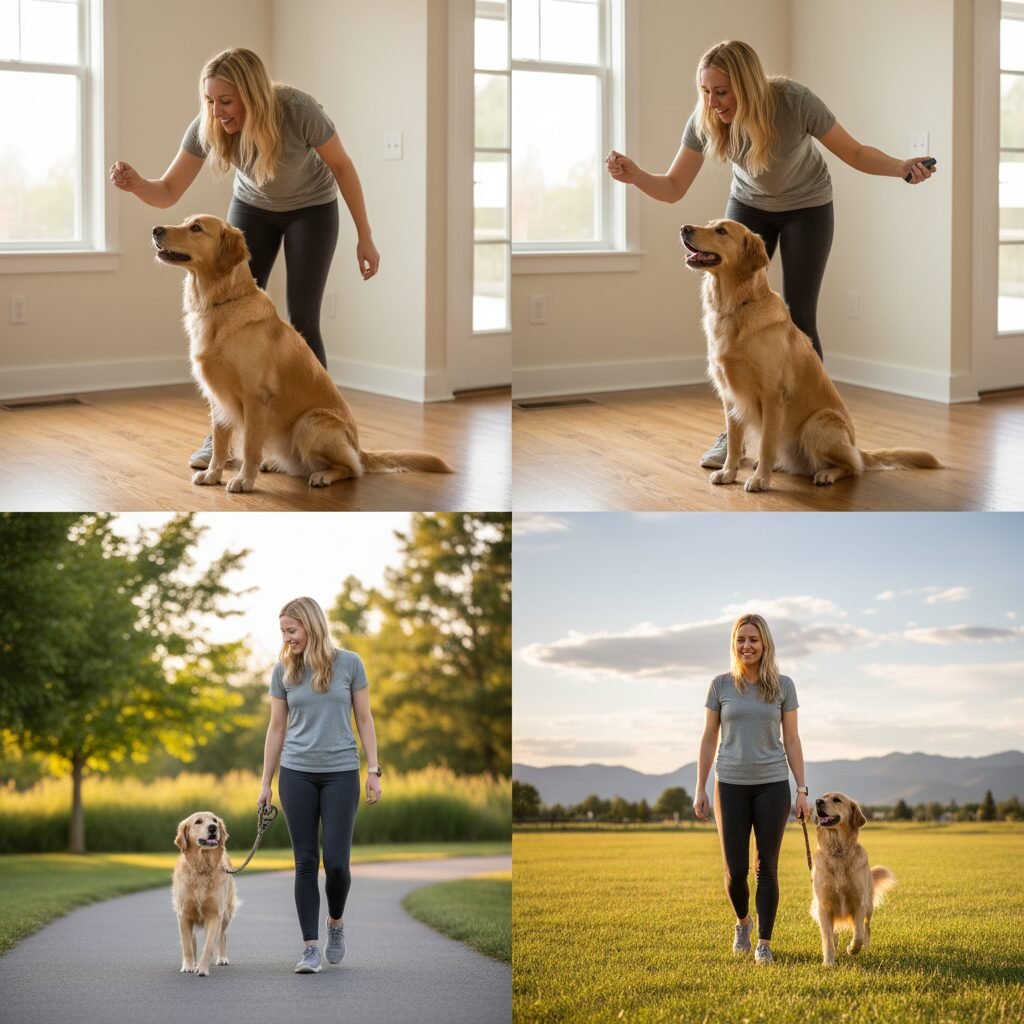
This step-by-step guide will walk you through building a perfect heel, from foundational luring to proofing in distracting environments. Remember to keep sessions short (5-10 minutes), positive, and consistent.
Phase 1: Foundation and Luring (Indoors, Low Distraction)
- Step 1: Lure to Position. With your dog on a leash (even indoors), hold a high-value treat in your hand. Lure your dog to your left side, with their shoulder aligned with your leg. As soon as they are in position, mark the behavior with your clicker (or verbal ‘Yes!’) and immediately reward them with the treat. Repeat this 5-10 times.
- Step 2: Add the ‘Heel’ Cue. Once your dog consistently moves into position with the lure, start saying ‘Heel’ just as you begin to lure them. Lure, say ‘Heel’, click/mark, reward.
- Step 3: Take a Single Step. With your dog in the heel position, take one step forward. If your dog moves with you, click/mark and reward. If they don’t, reset and try again. Gradually increase to two steps, then three, always clicking and rewarding for maintaining position.
Phase 2: Short Walks and Duration (Indoors/Quiet Outdoors)
- Step 4: Short Heel Walks. Begin walking a short distance (e.g., 5-10 feet) in a straight line. Click and reward frequently while your dog is in the correct heel position. Don’t wait for the end of the walk; reward every few steps initially.
- Step 5: Introduce Stops. As you walk, randomly stop. The moment your dog stops with you and maintains the heel position, click/mark and reward. Practice this frequently.
- Step 6: Introduce Turns. Practice right turns, left turns, and U-turns. As you initiate the turn, use your body language and a slight lure if needed to guide your dog. Click/mark and reward for staying in position through the turn.
Phase 3: Adding Distractions and Proofing (Outdoors)
- Step 7: Gradually Increase Distractions. Move your training sessions to slightly more distracting environments, such as a quiet park, then a busier park, and eventually urban settings. Start with short sessions and low expectations, rewarding heavily for any focus.
- Step 8: Vary Rewards and Reinforcement. As your dog becomes more proficient, you can start to vary the frequency of rewards. Don’t stop rewarding entirely, but transition to intermittent reinforcement. Sometimes reward with a treat, sometimes with praise, sometimes with a quick game of tug.
- Step 9: Practice ‘Automatic Sits’. When you stop, encourage your dog to automatically sit in the heel position. Lure them into a sit if necessary, then click/mark and reward. Eventually, they will offer this behavior automatically.
- Step 10: Fading the Lure and Clicker. Gradually reduce your reliance on the lure. Your verbal ‘Heel’ cue and body language should be enough. Similarly, you can start to phase out the clicker once the behavior is well-established, relying more on verbal praise and occasional treats.
Common Mistakes Owners Make

Even with the best intentions, owners can inadvertently make mistakes that hinder heel training progress. Recognizing and correcting these can significantly improve your results:
- Inconsistency: This is perhaps the biggest pitfall. If you sometimes allow your dog to pull and sometimes demand a heel, your dog will become confused. Be consistent with your expectations every time the leash is on.
- Lack of Patience: Training takes time. Expecting instant results or getting frustrated when your dog doesn’t immediately grasp a concept will only create a negative association with training.
- Using Punishment: Yelling, jerking the leash, or using harsh corrections can damage your bond and make your dog fearful or resistant to training. Focus on positive reinforcement.
- Not Using High-Value Rewards: If your dog isn’t motivated by the treats you’re offering, they won’t be as engaged. Experiment to find what truly excites them.
- Practicing in Overly Distracting Environments Too Soon: Introducing too many distractions before your dog has a solid foundation will lead to failure and frustration for both of you. Build up gradually.
- Long Training Sessions: Dogs have short attention spans. Keep sessions brief (5-10 minutes) to maintain their engagement and prevent burnout.
- Not Rewarding Often Enough: Especially in the early stages, you need to reward frequently for correct behavior to solidify the association.
- Failing to Proof the Behavior: Only training in one environment means your dog won’t generalize the behavior. You must practice in various locations with different distractions.
Troubleshooting Difficult Dogs
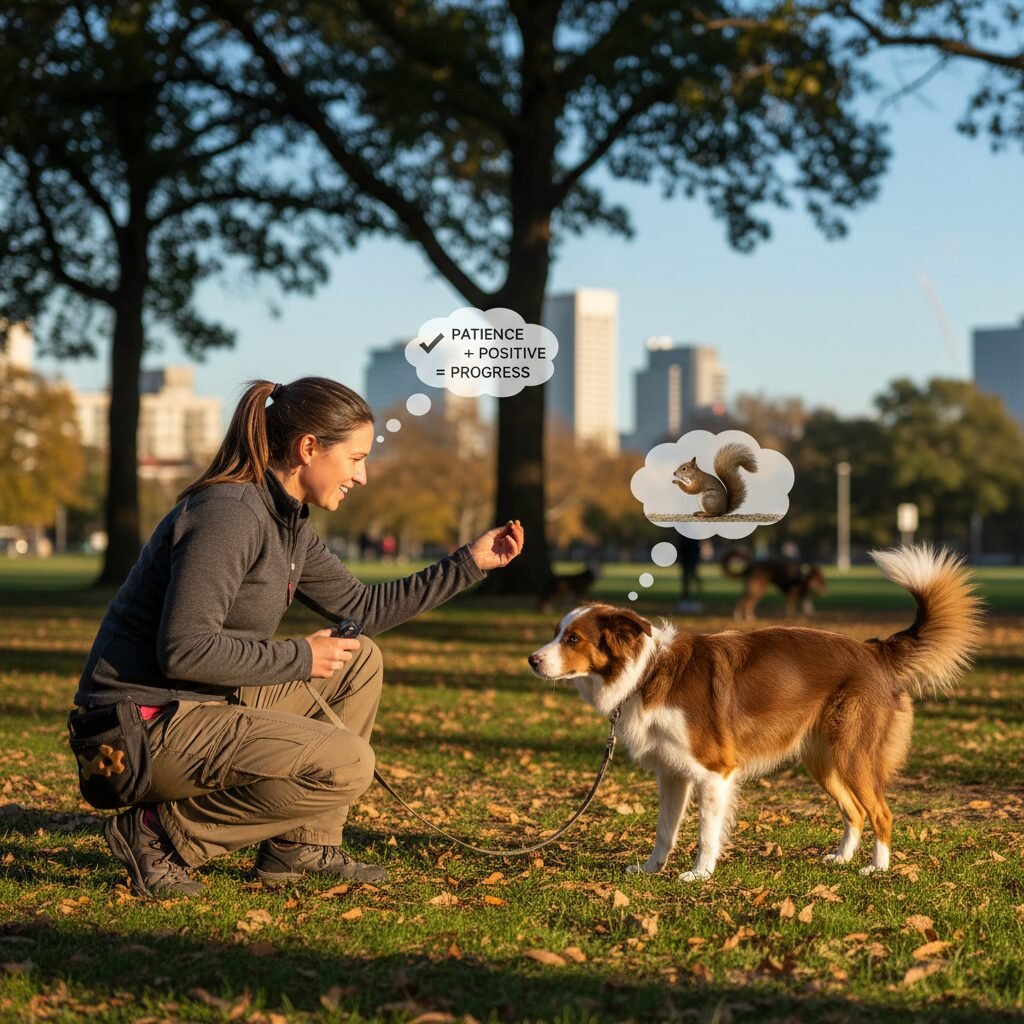
Some dogs present unique challenges during heel training. Don’t despair; with the right approach, even the most ‘difficult’ dogs can learn to heel beautifully.
1. The Constant Puller
- Change Direction: Every time your dog pulls, immediately change direction without a word. This makes pulling unrewarding and teaches them to pay attention to you.
- Stop and Go: If your dog pulls, stop dead in your tracks. Only resume walking when the leash is loose.
- Front-Clip Harness: As mentioned, this tool can be invaluable for managing pulling while you teach the desired behavior.
2. The Lagging Dog
- Encouragement and Pace: Use an upbeat tone, quick steps, and enticing treats to encourage your dog to keep up.
- ‘Let’s Go!’ Cue: Pair a ‘Let’s Go!’ cue with a quick, happy pace and reward when they move with you.
- Short Leash: Keep the leash shorter initially to prevent them from falling too far behind.
3. The Easily Distracted Sniffer
- ‘Leave It’ Command: Teach a strong ‘Leave It’ command separately. When your dog goes to sniff, use ‘Leave It’ and redirect their focus to you with a treat.
- Higher Value Rewards: Ensure your treats are more enticing than the smells on the ground.
- Engagement Games: Play short games like ‘find it’ with treats or quick tug sessions during walks to keep their focus on you.
4. Lack of Focus/Eye Contact
- Engagement Games: Practice ‘watch me’ exercises. Hold a treat to your nose, say ‘watch me’, and reward when your dog makes eye contact.
- Reduce Distractions: Go back to a very quiet environment. Build focus there before moving on.
- Shorter Sessions: Keep training sessions extremely brief to prevent mental fatigue.
5. Leash Reactivity
If your dog barks, lunges, or growls at other dogs or people on leash, this is a more complex issue that requires a specialized approach beyond basic heel training. Seek guidance from a certified professional dog trainer or veterinary behaviorist. While working on reactivity, focus on management (avoiding triggers) and counter-conditioning (changing your dog’s emotional response to triggers) in conjunction with heel work in very controlled environments.
Mastering the Perfect Heel: A Journey of Focus and Connection
Achieving a ‘pro-level’ heel is a rewarding journey that transforms your relationship with your dog and enhances your shared experiences. It’s more than just a command; it’s a testament to your dog’s focus, your consistent training, and the strong bond you’ve built together. Remember that consistency, patience, and positive reinforcement are your most powerful tools. Start in low-distraction environments, gradually introduce challenges, and always celebrate every small victory. By following these step-by-step instructions and troubleshooting common issues, you’ll equip yourself with the ‘cheat code’ to unlock your dog’s full potential for focus and control. Enjoy the journey, and soon you’ll be enjoying perfectly harmonized walks with your well-behaved and attentive canine companion.