This Secret 1-Ingredient Organ Meat Jerky Will Make Your Dog Do Backflips
The Dirty Secret in the Treat Aisle
Let’s be real for a second: the pet treat industry is pulling a fast one on you. You walk down the aisle, see a bag with a picture of a pristine farm and a happy puppy, and you shell out $15 for a four-ounce bag of ‘natural’ treats. But when you flip that bag over and put on your forensic scientist hat, what do you actually see? Glycerin, pea starch, ‘natural flavors’ (which is often just code for MSG), and sugar. Yes, sugar for dogs.
As the Canine Nutrition Hacker, I’m here to tell you that your dog doesn’t want pea starch. Your dog wants the stuff that makes their primal instincts kick into overdrive. They want organ meat. I’m talking about the nutrient-dense powerhouse that most humans are too squeamish to touch, but dogs would literally do backflips for. Today, I’m giving you the keys to the kingdom: a 1-ingredient jerky recipe that is 100% nutrition, 0% filler, and costs about 75% less than those ‘premium’ boutique bags. Get ready to become your dog’s favorite person—and your wallet’s best friend.
The Safe Chef Guide: Respecting the Power of Organs
SAFETY DISCLAIMER: I am a canine nutrition enthusiast and hacker, not a veterinarian. While organ meat is incredibly healthy, it is also very rich. Beef liver, for example, is packed with Vitamin A. In excess, this can lead to toxicity. Always introduce new treats slowly and ensure they do not exceed 10% of your dog’s daily caloric intake. If your dog has specific medical conditions like kidney disease, consult your vet before adding high-protein organs to their diet.
Why are we using organs instead of muscle meat like chicken breast? Because organs are nature’s multivitamins. While a piece of chicken is fine, a piece of beef liver or heart is loaded with iron, B-vitamins, phosphorus, and essential fatty acids. It’s the highest-value reward you can possibly give. If you’re training a stubborn pup or working on recall, this jerky is your secret weapon. It smells ‘dog-great’ (which means it smells slightly metallic and pungent to us) and provides a biological ‘hit’ of nutrition that muscle meat just can’t match.
The Sourcing Hack: How to Get ‘Gold’ for Pennies
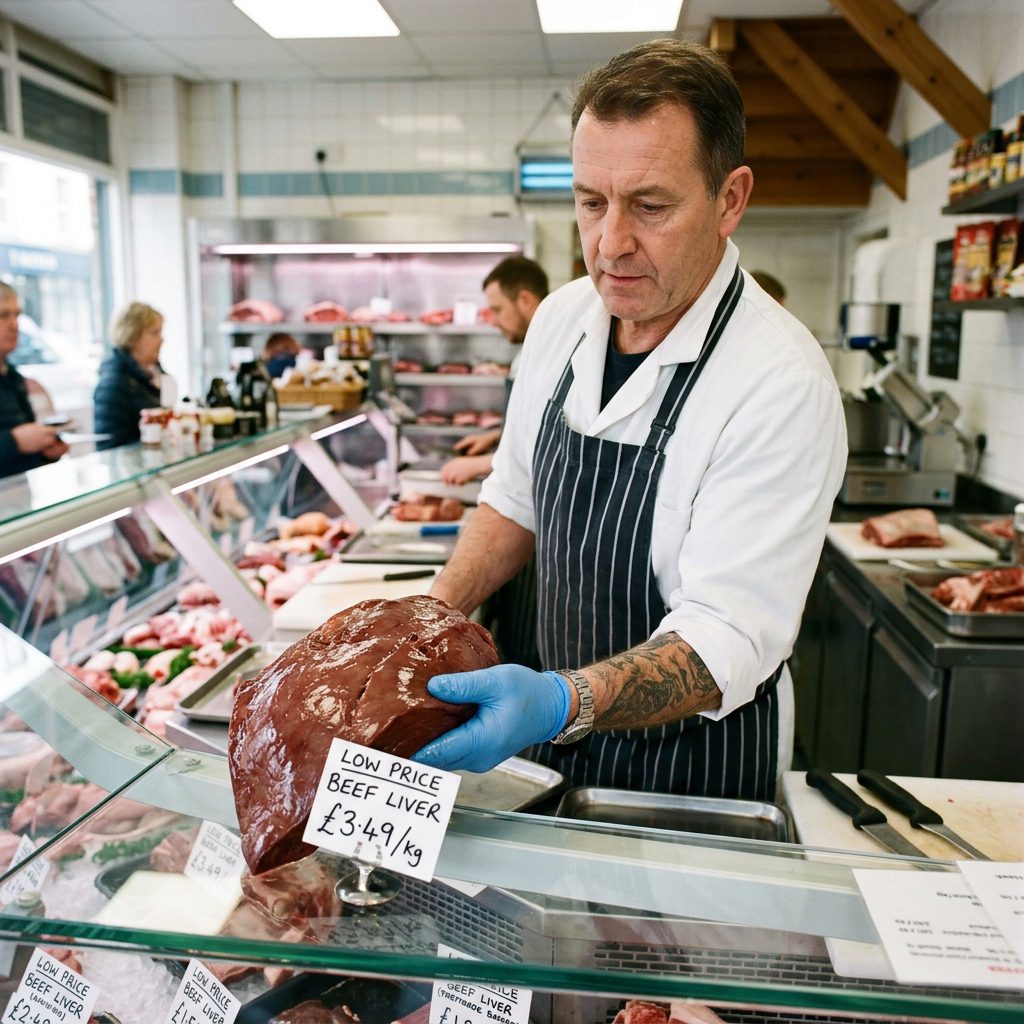
The Grocery Store Secret
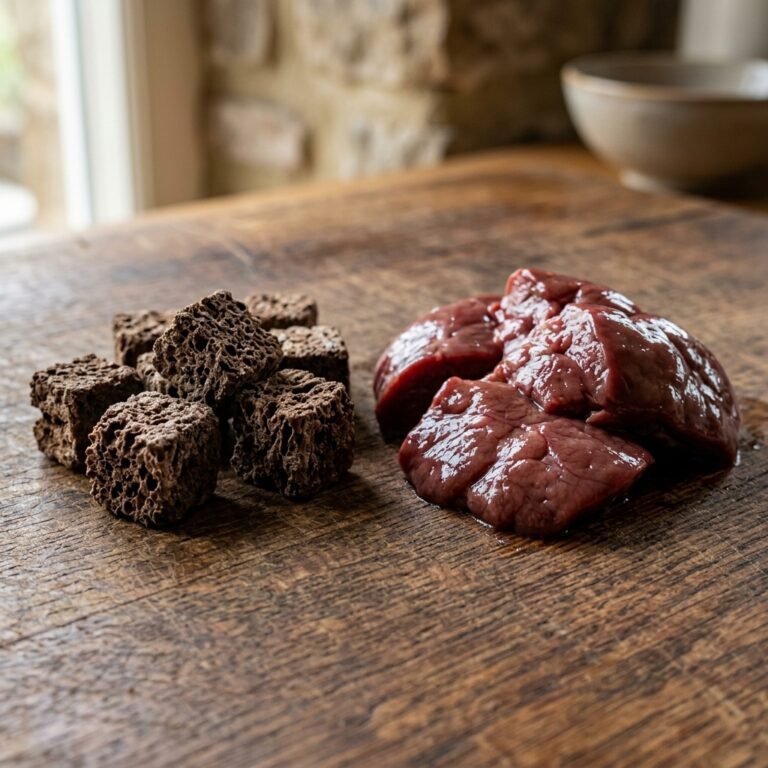
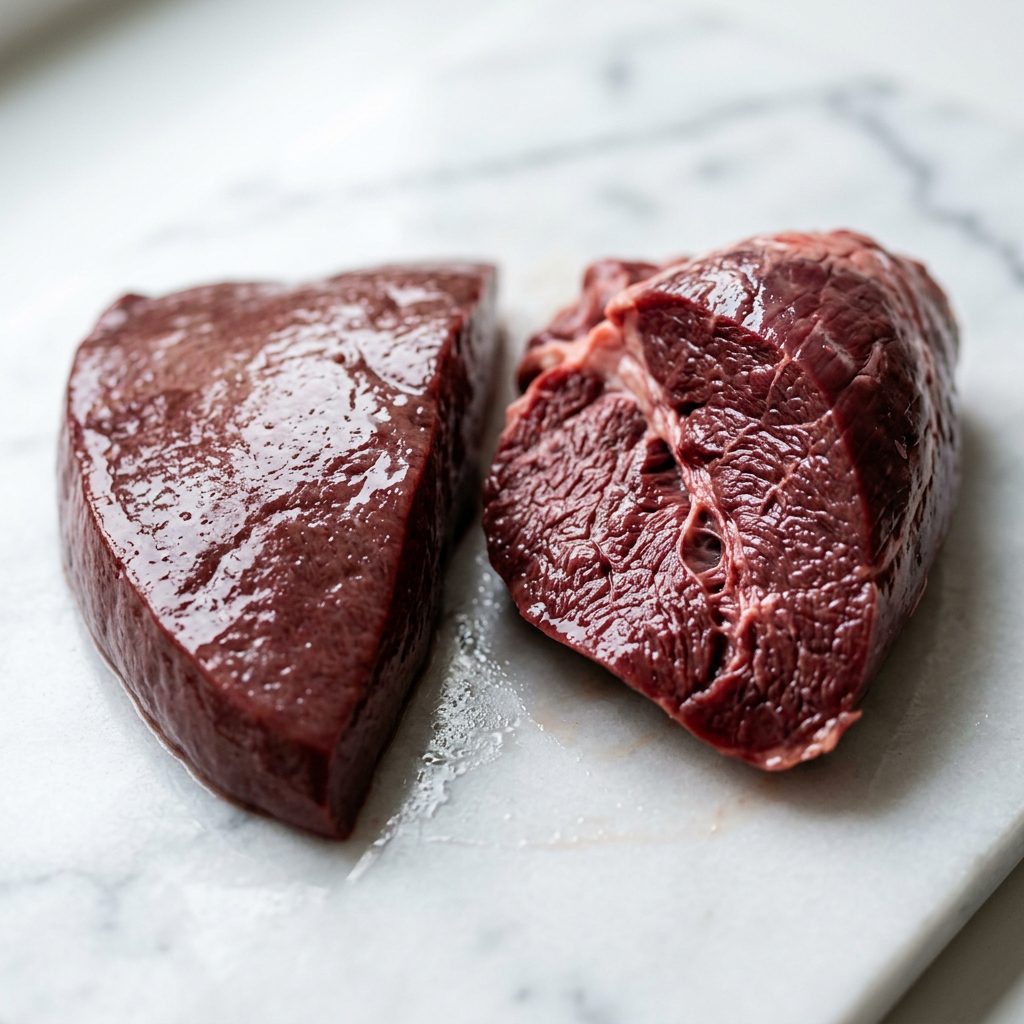
Most people walk right past the most valuable items in the meat case. Look for the ‘odd bits.’ Beef liver is often priced at $2.00 to $3.00 per pound. Compare that to the ‘premium’ dried liver treats at the pet store which often retail for $40.00 to $60.00 per pound when you calculate the weight. You are literally paying a 2000% markup for someone else to put meat in a dehydrator.
The Local Butcher Advantage
If you want to level up, find a local butcher or a farm-to-table shop. Often, they have trouble moving organs like kidneys, spleens, or hearts. If you show up and ask for ‘dog scraps,’ you can sometimes get these items for even less, or even for free if you’re a regular customer. Pro Tip: Always look for grass-fed options if possible, as organs are where animals store toxins, and grass-fed animals generally have a cleaner nutritional profile.
The Secret 1-Ingredient Recipe: Low and Slow
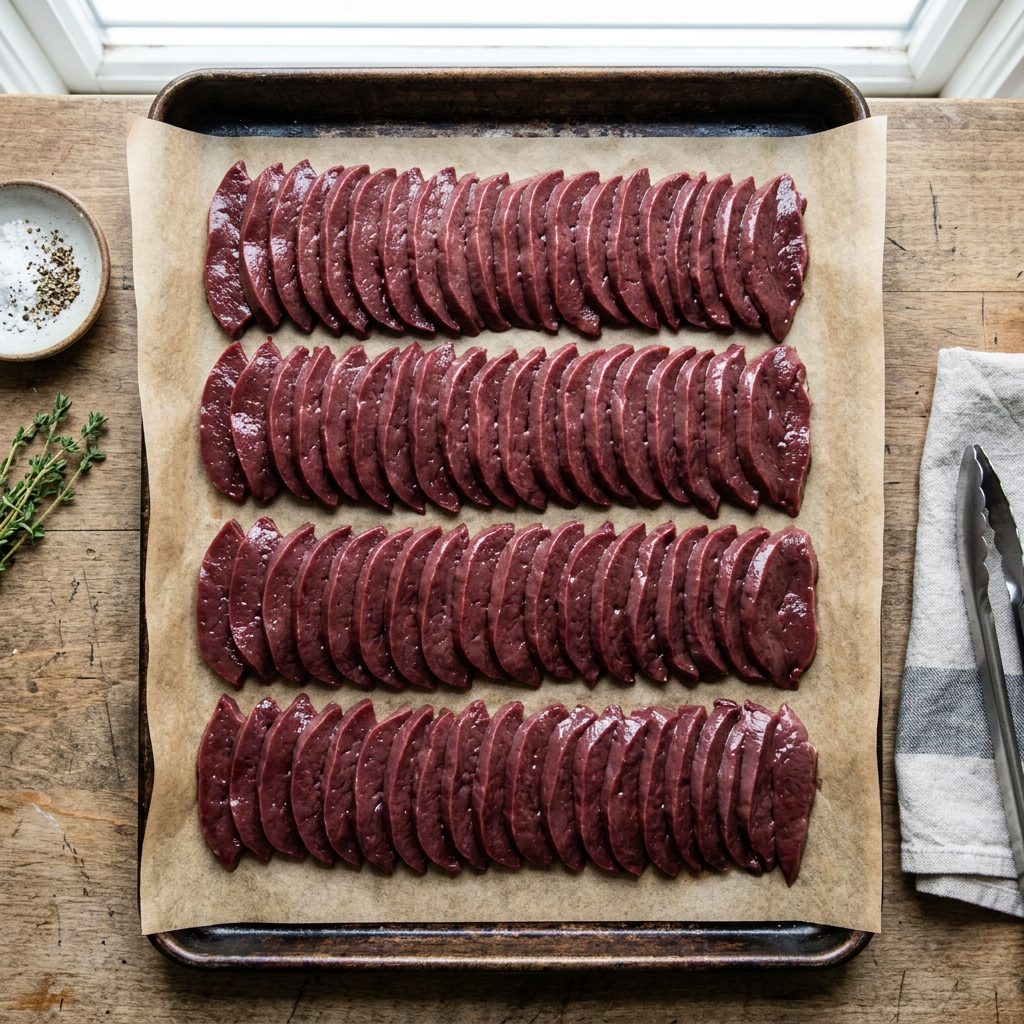
This is the ‘Safe Chef’ method. No additives, no preservatives, just pure heat and air. You don’t even need a fancy dehydrator (though they are great); a standard kitchen oven works perfectly.
The Preparation
- Step 1: The Par-Freeze. Raw liver is slippery and hard to cut. Put it in the freezer for 45-60 minutes until it’s firm but not rock-hard. This allows you to get those paper-thin slices.
- Step 2: The Slice. Slice the meat into 1/8-inch thick strips. The thinner they are, the crunchier they’ll be. Thick slices stay chewy, which is fine, but they won’t last as long in storage.
- Step 3: The Layout. Line a baking sheet with parchment paper or a silicone mat. Lay the slices out so they aren’t touching. Airflow is your friend here.
The Cook
Set your oven to its lowest possible setting—usually around 170°F (75°C). Bake for 3 to 5 hours. You’re not ‘cooking’ the meat in the traditional sense; you’re removing the moisture. When the jerky is brittle and snaps when bent, it’s done.
The Forensic Math: DIY vs. Store-Bought
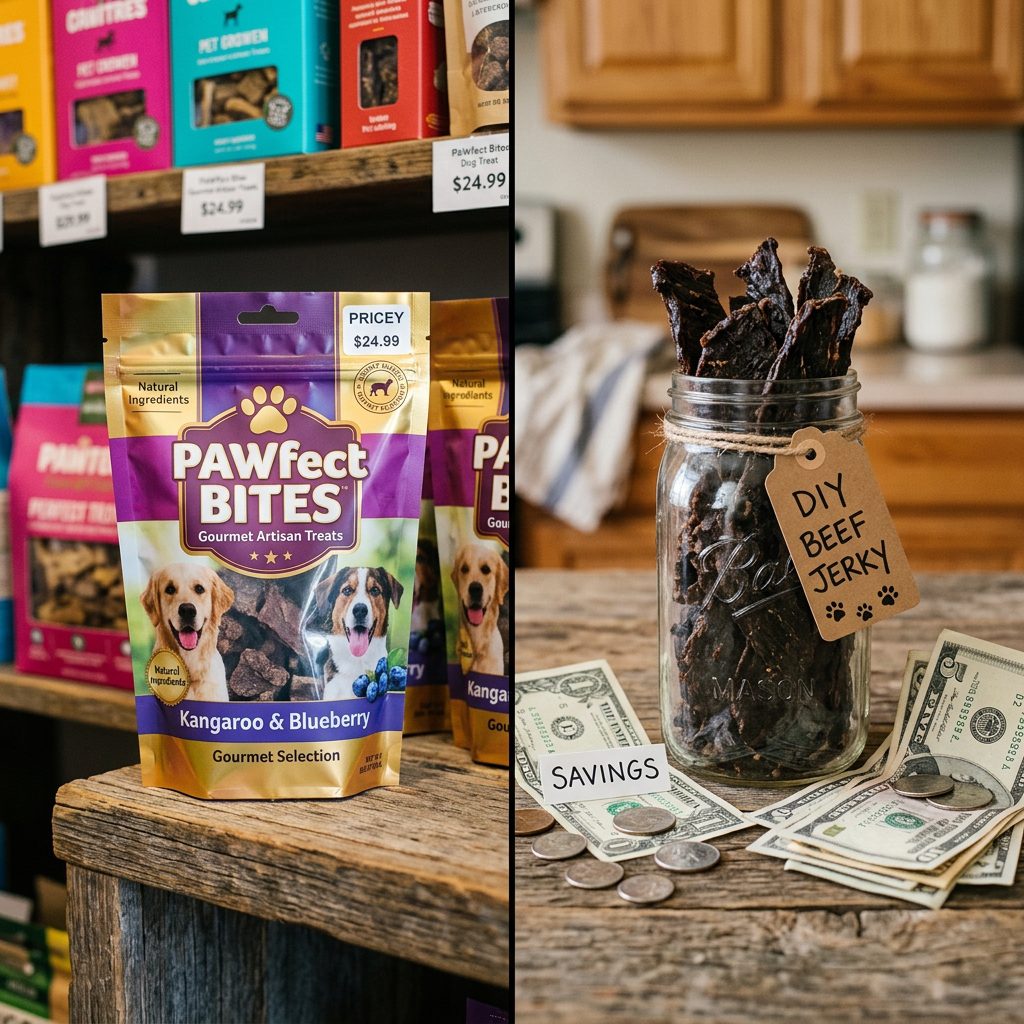
Let’s look at the numbers. As a savvy owner, you know that ‘value’ isn’t just about price—it’s about what you get for that price. Commercial treats are often ‘puffed’ with air or filled with cheap starches to make the bag look bigger.
| Feature | Boutique ‘Natural’ Jerky | Hacker’s DIY Organ Jerky |
|---|---|---|
| Main Ingredient | Chicken/Beef + Fillers | 100% Pure Beef Liver/Heart |
| Preservatives | Glycerin, Salt, Citric Acid | None (Dehydration only) |
| Price Per Lb | $45.00 – $65.00 | $2.50 – $4.00 |
| Nutritional Density | Moderate | Extreme (High Vitamin/Mineral) |
| The ‘Backflip’ Factor | Low to Medium | Maximum |
By switching to DIY organ jerky, you are saving approximately $40 per pound of treats. If you use one pound of treats a month, that is $480 back in your pocket every year. That’s enough to pay for a high-end vet checkup or a very fancy new dog bed.
Batch Cooking and The ‘Forever Fresh’ Storage Hack
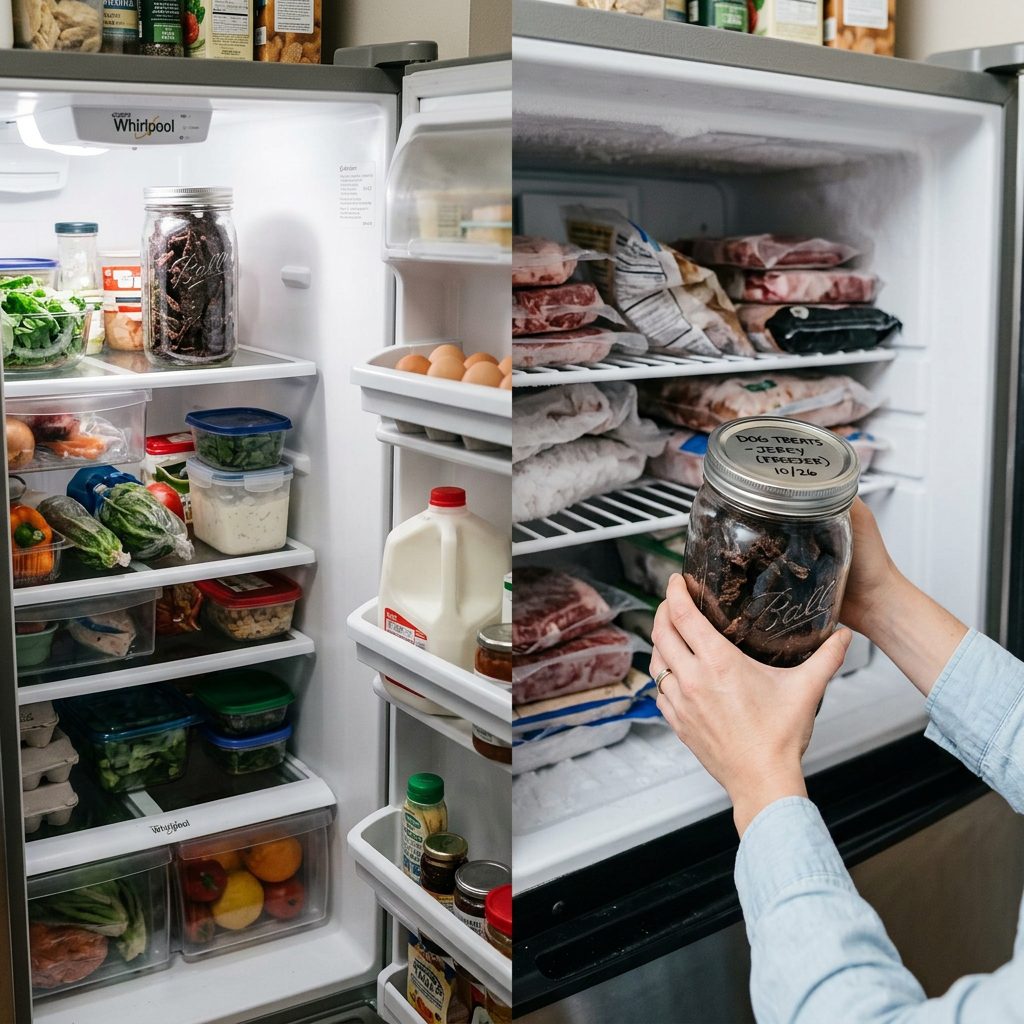
Since we aren’t using chemical preservatives like potassium sorbate, we have to use science to keep these treats fresh. Moisture is the enemy. If your jerky is ‘bendy,’ it still has water in it and will mold at room temperature within days.
The Storage Protocol
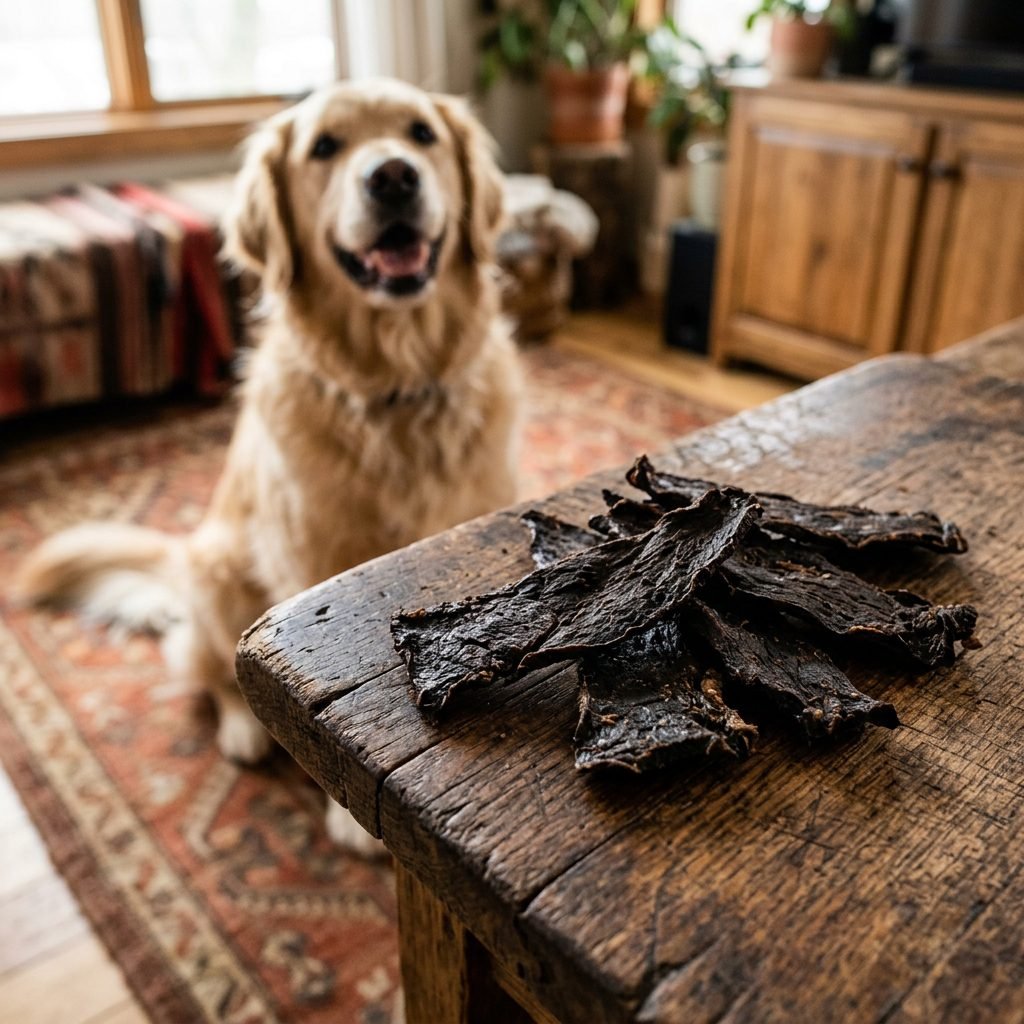
- The Counter Test: If the jerky is ‘snap-dry,’ it can stay in an airtight glass jar for about 5-7 days.
- The Fridge Hack: Keep a small ‘working jar’ in the fridge for daily rewards. This lasts about 2 weeks.
- The Freezer Vault: This is the pro move. Organ meat is cheap, so I buy 5 lbs at a time, make a massive batch, and freeze 80% of it. Dehydrated jerky stays perfect in the freezer for 6+ months. You can give them to your dog straight from the freezer for a cold, crunchy snack.
Hacker Tip: Toss a food-grade silica gel packet (the kind you find in seaweed snacks or new shoes—but make sure it’s clean/new!) into your storage jar to suck up any residual moisture. Just make sure your dog never gets a hold of the packet!
Conclusion
Final Verdict: Stop Buying, Start Hacking
Your dog doesn’t care about fancy packaging, celebrity endorsements, or ‘grain-free’ marketing buzzwords. They care about the smell of real, honest-to-goodness meat. By taking 10 minutes to slice some liver and letting your oven do the work while you sleep, you are providing a level of nutrition that 99% of dog owners will never achieve. You’re cutting out the middleman, exposing the ‘filler’ scam, and giving your pup a treat that actually improves their health.
Remember, the goal of a Canine Nutrition Hacker isn’t just to save money—it’s to use that saved money to buy better quality ingredients. Now go to the store, find those ‘odd bits,’ and get ready to see those backflips. Your dog is waiting.