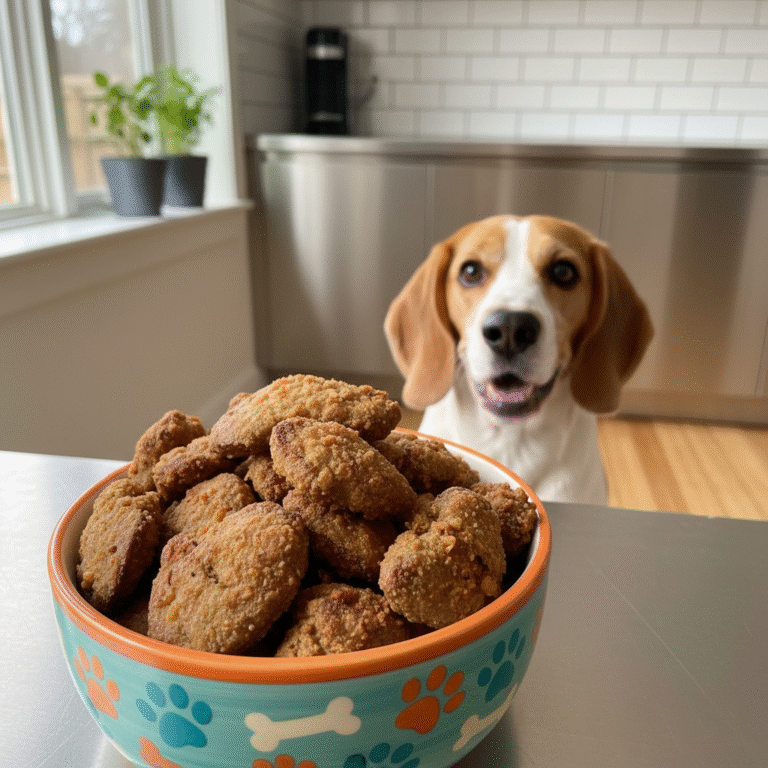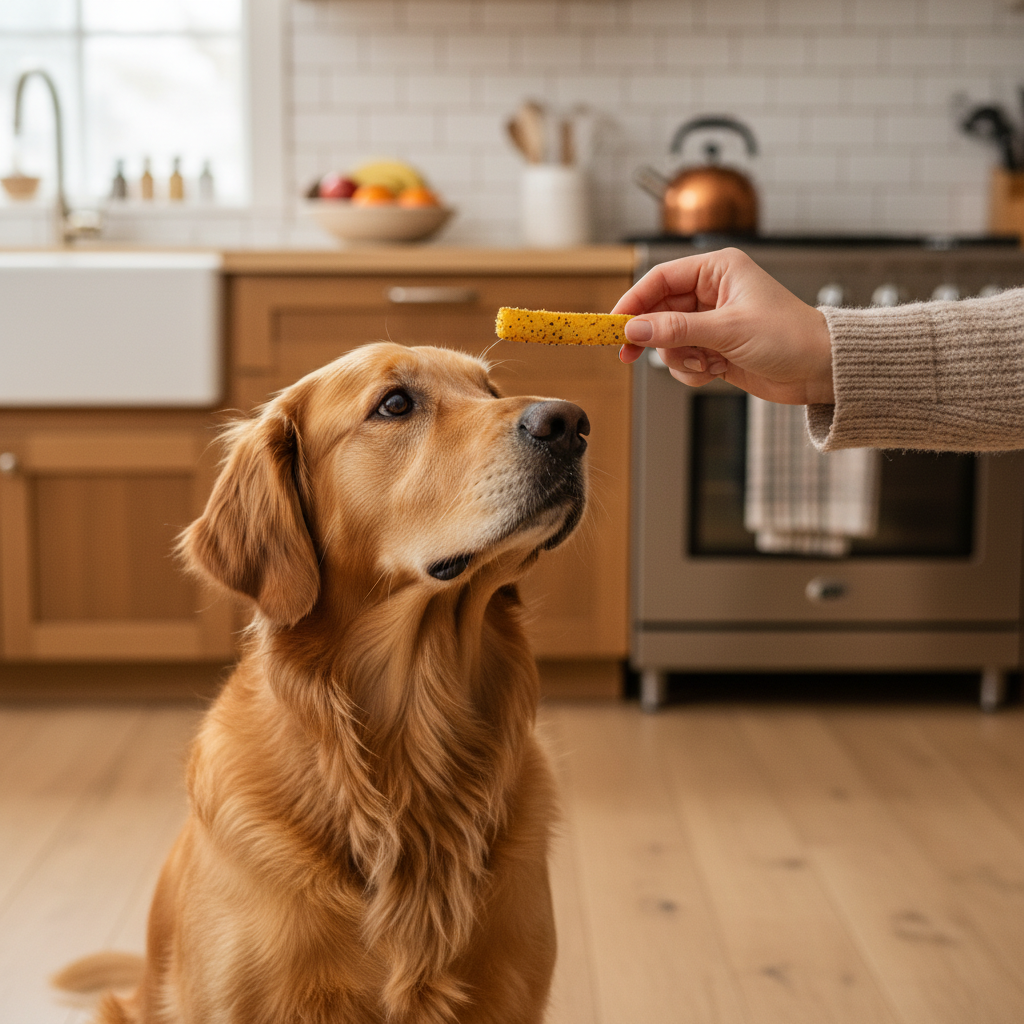
Crispy Polenta Fries: The Human Food Dupe Dogs Love
There’s a special kind of joy that comes from sharing our lives—and sometimes, our snacks—with our four-legged family members. When you’re settling in for a movie night with a bowl of something delicious, it’s almost impossible to ignore that furry face peeking over the edge of the couch, nose twitching. One snack that’s been gaining popularity in human circles is the crispy, savory polenta fry. It’s a fantastic gluten-free alternative to potato fries, but what about for our dogs? Can they get in on this culinary trend?
The short answer is a happy one: yes, in many cases, they can! But, as with any human food, the devil is in the details. The polenta fries you grab from a restaurant or the frozen aisle are almost certainly a no-go for your pup, loaded with salt, oils, and seasonings that can cause trouble. The good news is that plain, homemade polenta can be a wonderful, safe, and even beneficial treat for your dog. In this guide, we’ll slice into the topic of polenta fries for dogs, covering everything from the nutritional benefits to the potential risks, and even give you a super simple, dog-approved recipe to whip up at home. Let’s get cooking!
First Things First: What Exactly Is Polenta?
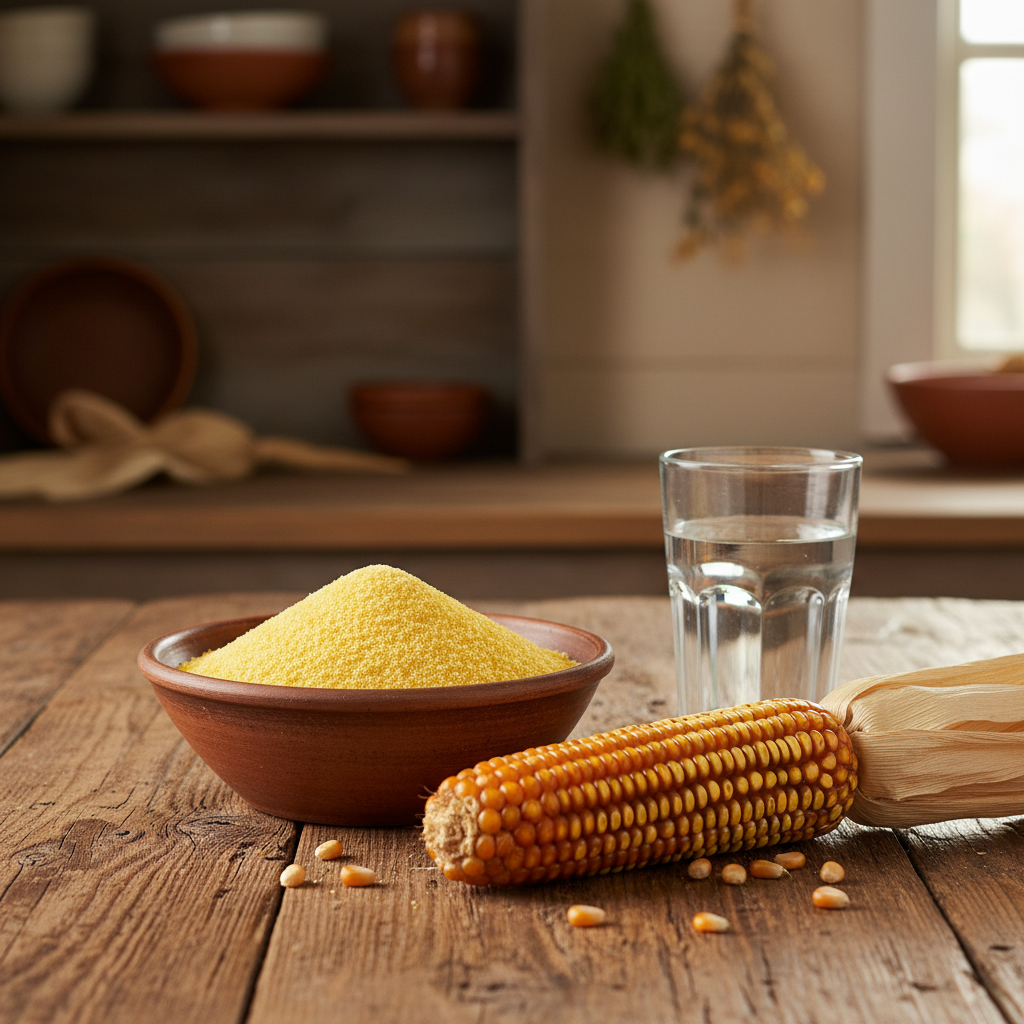
Before we decide if it’s good for our dogs, let’s clear up what polenta actually is. You might see it on fancy restaurant menus or in different forms at the grocery store, but at its core, polenta is incredibly simple. Polenta is nothing more than ground cornmeal. That’s it! It’s a staple dish from Northern Italy, traditionally made by boiling coarse-ground yellow or white cornmeal in water or broth until it becomes a thick, creamy porridge.
Once cooked, this versatile cornmeal mush can be served warm and creamy, or it can be cooled until it becomes firm. This solid block of polenta can then be sliced into shapes—like fries!—and baked, grilled, or pan-fried. The kind you find in a tube at the supermarket is simply pre-cooked, solidified polenta, ready for you to slice and heat. So, when we talk about polenta, we’re really just talking about corn. This is a crucial first step, because many high-quality dog foods already use corn as a key ingredient. It’s a source of energy, protein, and fiber that’s been a part of canine diets for a long time. However, the way it’s prepared for our dogs makes all the difference.
The Nutritional Scoop: Are There Benefits for Your Pup?
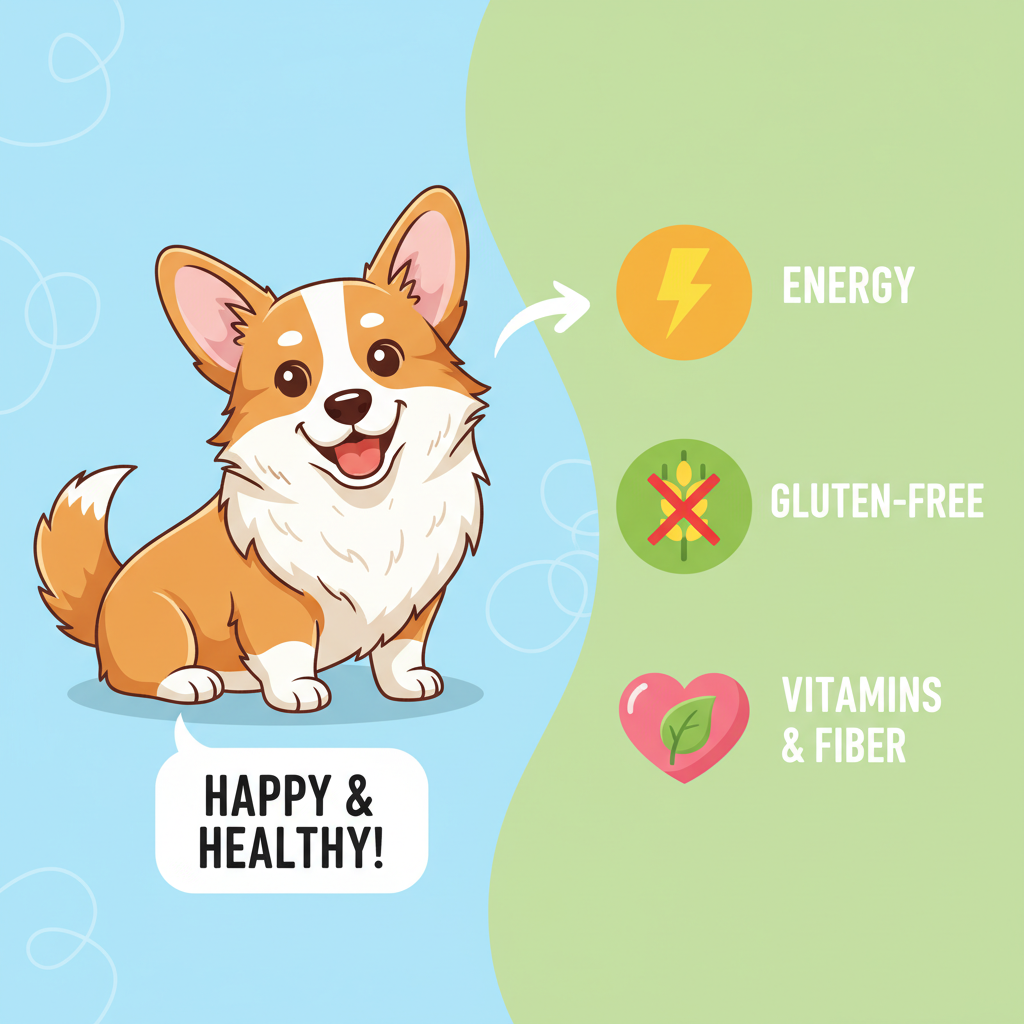
So, we’ve established that plain polenta is just corn. But is it actually good for your dog? When prepared correctly (meaning, plain and without harmful additives), polenta can offer some nice nutritional perks as an occasional treat. It’s not a superfood, but it’s certainly not just empty calories.
Key Nutritional Benefits:
- Energy Boost: Polenta is rich in complex carbohydrates, which provide a steady release of energy. This can be great for active dogs who need to refuel after a long walk or a vigorous play session at the park.
- Good Source of Fiber: The cornmeal in polenta contains dietary fiber, which is essential for healthy digestion. Fiber helps regulate bowel movements and can contribute to a feeling of fullness, which is helpful for dogs who are always hungry.
- Vitamins and Minerals: Corn contains several important micronutrients. It’s a source of B vitamins, which are vital for metabolism and nervous system function, as well as antioxidants like Vitamin A and beta-carotene. It also provides essential minerals like iron, magnesium, and phosphorus.
- Gluten-Free Goodness: For dogs with sensitivities or allergies to wheat or other grains, polenta is a fantastic gluten-free carbohydrate alternative. It’s gentle on the stomach for most dogs.
Expert Tip: While polenta offers some benefits, it should always be considered a treat. It’s a supplement to, not a replacement for, a complete and balanced dog food diet that provides all the essential proteins, fats, and nutrients your dog needs to thrive.
The Watch-Outs: Potential Risks and What to Avoid
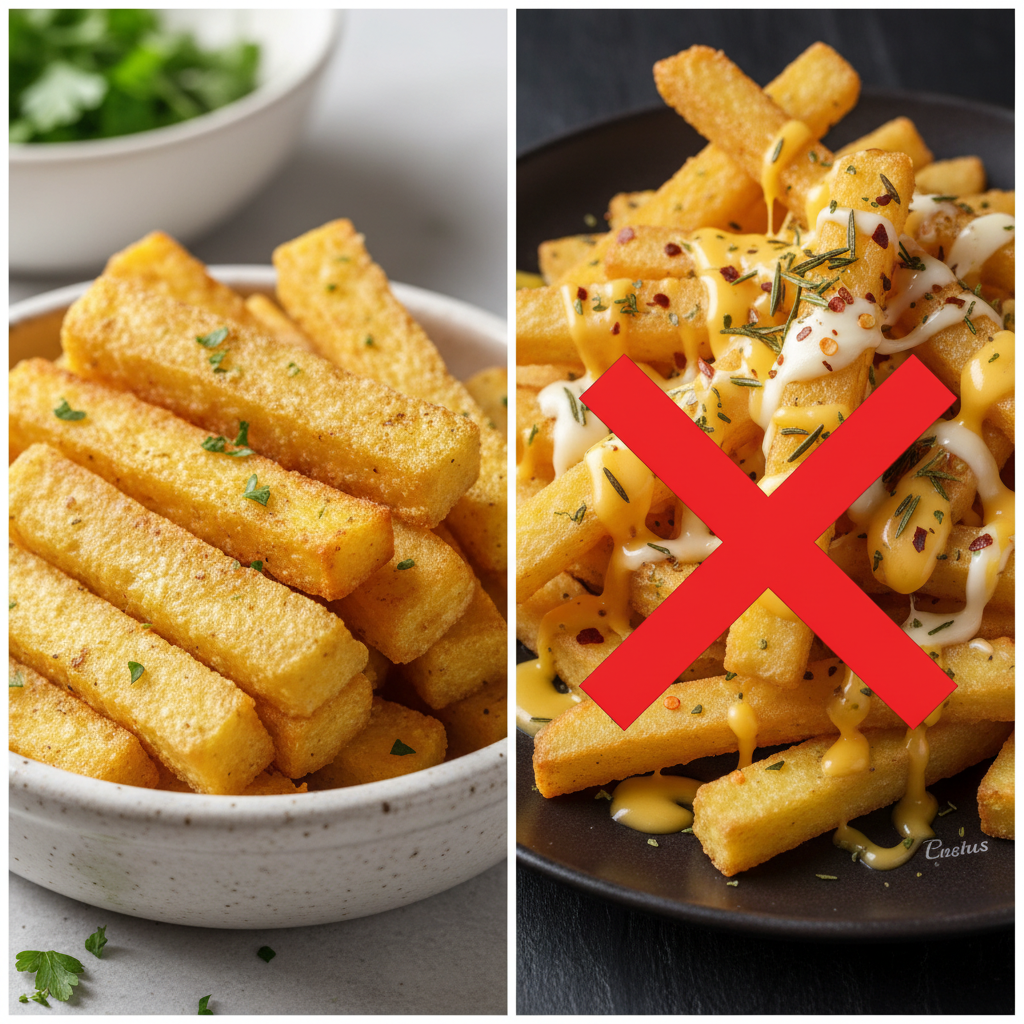
This is the most important section for any responsible pet parent. While plain polenta is safe, the way it’s often prepared for humans can be downright dangerous for dogs. The crispy, golden fries you love are usually loaded with ingredients that can cause everything from a mild tummy ache to serious health issues.
The No-Go List: Ingredients to ALWAYS Avoid
Never, ever give your dog polenta fries that have been prepared with the following:
- Salt: Dogs are much more sensitive to sodium than we are. High amounts of salt can lead to dehydration, vomiting, and in severe cases, sodium ion poisoning. The fries you buy are almost always heavily salted.
- Garlic and Onions: These are staples in human cooking but are toxic to dogs. Garlic, onions, chives, and leeks are all part of the Allium family and can cause damage to a dog’s red blood cells, leading to anemia. This includes garlic powder and onion powder!
- Excessive Oil or Butter: Polenta fries are often fried in a lot of oil. High-fat foods can cause pancreatitis, a painful and potentially life-threatening inflammation of the pancreas. They also contribute to unnecessary weight gain and obesity.
- Cheese and Dairy: While some dogs tolerate cheese, many are lactose intolerant. Adding cheese can lead to digestive upset, including gas, bloating, and diarrhea.
- Spicy Seasonings: Ingredients like chili powder, cayenne pepper, or other hot spices can irritate your dog’s mouth and digestive system, causing discomfort and pain.
Is a Corn Allergy a Concern?
While true corn allergies in dogs are not as common as allergies to proteins like chicken or beef, they do exist. If your dog has a known grain sensitivity or you notice symptoms like itchy skin, ear infections, or digestive upset after they eat something with corn, it’s best to avoid polenta altogether.
Safe vs. Unsafe Polenta Fries: A Quick Comparison
| Feature | Dog-Safe Homemade Fries | Human-Style Restaurant/Frozen Fries |
|---|---|---|
| Cooking Method | Baked or air-fried with no oil | Deep-fried in oil |
| Seasoning | None, or a pinch of dog-safe herb like parsley | Heavy salt, garlic powder, onion powder, other spices |
| Added Ingredients | Just polenta and water/plain broth | Often includes cheese, butter, and unknown preservatives |
Recipe: DIY Crispy & Dog-Safe Polenta Fries
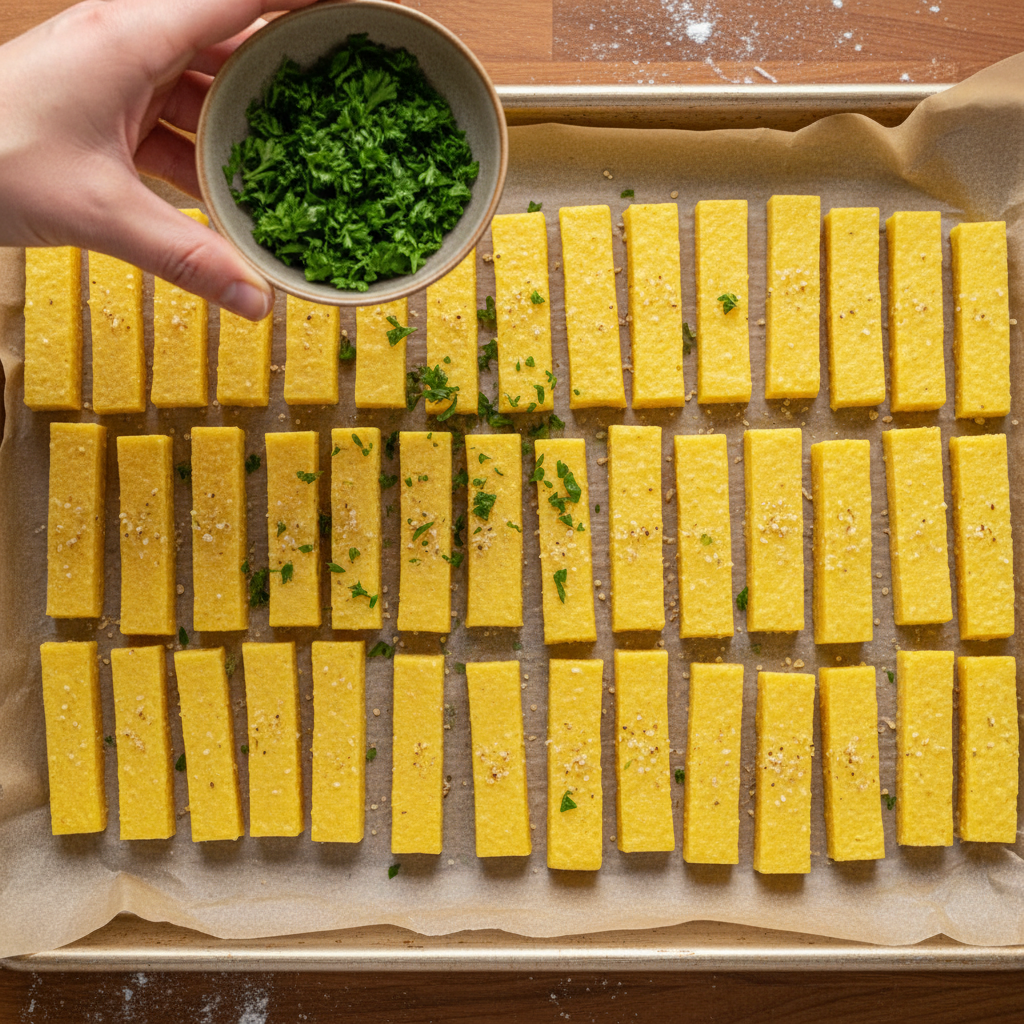
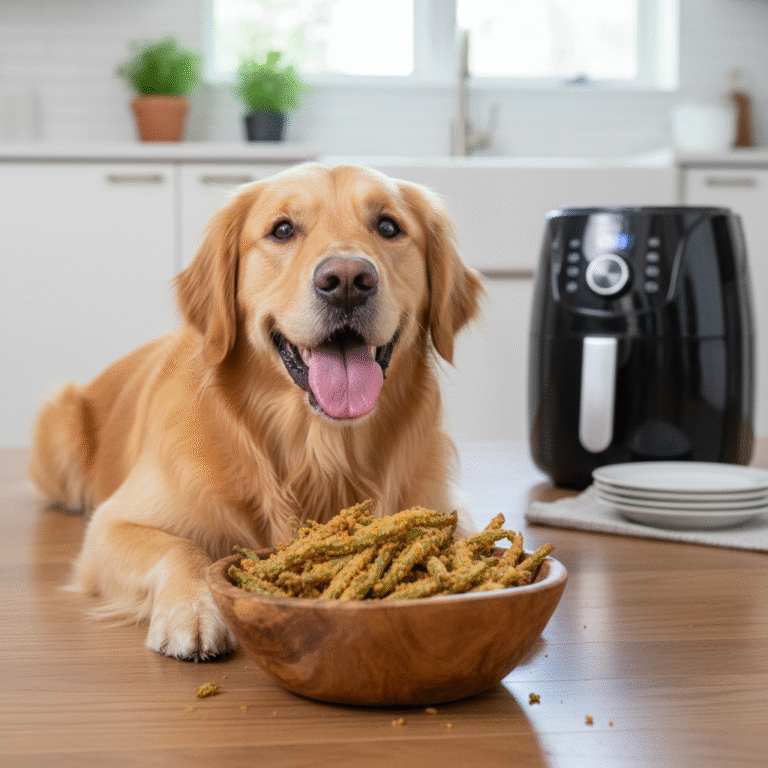
Ready to make a treat your dog will go crazy for? This recipe is incredibly simple and ensures you control every single ingredient, making it perfectly safe for your furry best friend. The key is to bake or air-fry the polenta sticks, not deep-fry them, to achieve that satisfying crispiness without the dangerous fats.
Ingredients You’ll Need:
- 1 cup of coarse-ground yellow cornmeal (polenta)
- 4 cups of water or low-sodium/no-salt-added chicken or beef broth
- Optional: 1 tablespoon of finely chopped fresh parsley (a dog-safe herb for fresh breath!)
Step-by-Step Instructions:
- Cook the Polenta: In a medium saucepan, bring the water or broth to a rolling boil. Slowly whisk in the cornmeal, pouring it in a steady stream to prevent lumps from forming.
- Simmer and Stir: Reduce the heat to low and continue to stir frequently with a wooden spoon or whisk. The polenta will start to thicken. Let it simmer for about 15-20 minutes, or until it’s very thick and pulls away from the sides of the pan. If you’re adding parsley, stir it in during the last minute of cooking.
- Let It Set: Pour the hot polenta into a greased (with a tiny bit of coconut oil) 8×8 inch baking dish or a small loaf pan. Use a spatula to spread it into an even layer.
- Chill Out: Let the polenta cool on the counter for about 30 minutes, then cover it and place it in the refrigerator for at least 2 hours, or until it’s completely firm and solid.
- Slice into Fries: Once firm, turn the block of polenta out onto a cutting board. Cut it into fry-shaped sticks, about 1/2-inch thick.
- Time to Bake: Preheat your oven to 400°F (200°C). Arrange the polenta fries in a single layer on a baking sheet lined with parchment paper. This prevents sticking without needing extra oil.
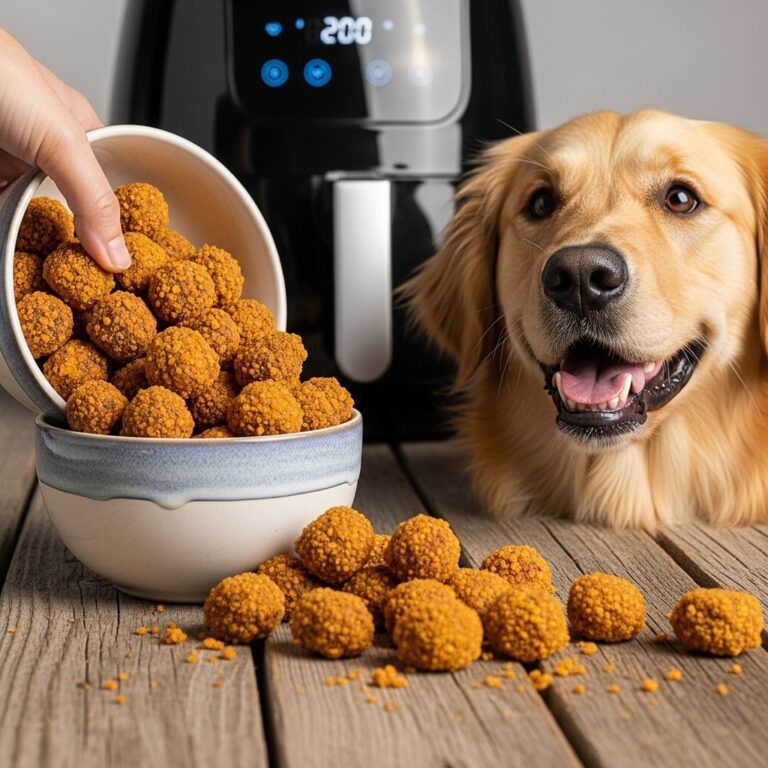
- Get Crispy: Bake for 25-35 minutes, flipping them halfway through, until the fries are golden brown and crispy on the outside. For extra crispiness, you can use an air fryer set to 380°F (190°C) for about 15-20 minutes, shaking the basket occasionally.
- Cool and Serve: Let the fries cool completely before serving them to your eager pup. This is a critical step to avoid any burns to their mouth.
Portion Patrol: How to Serve Polenta Fries Safely
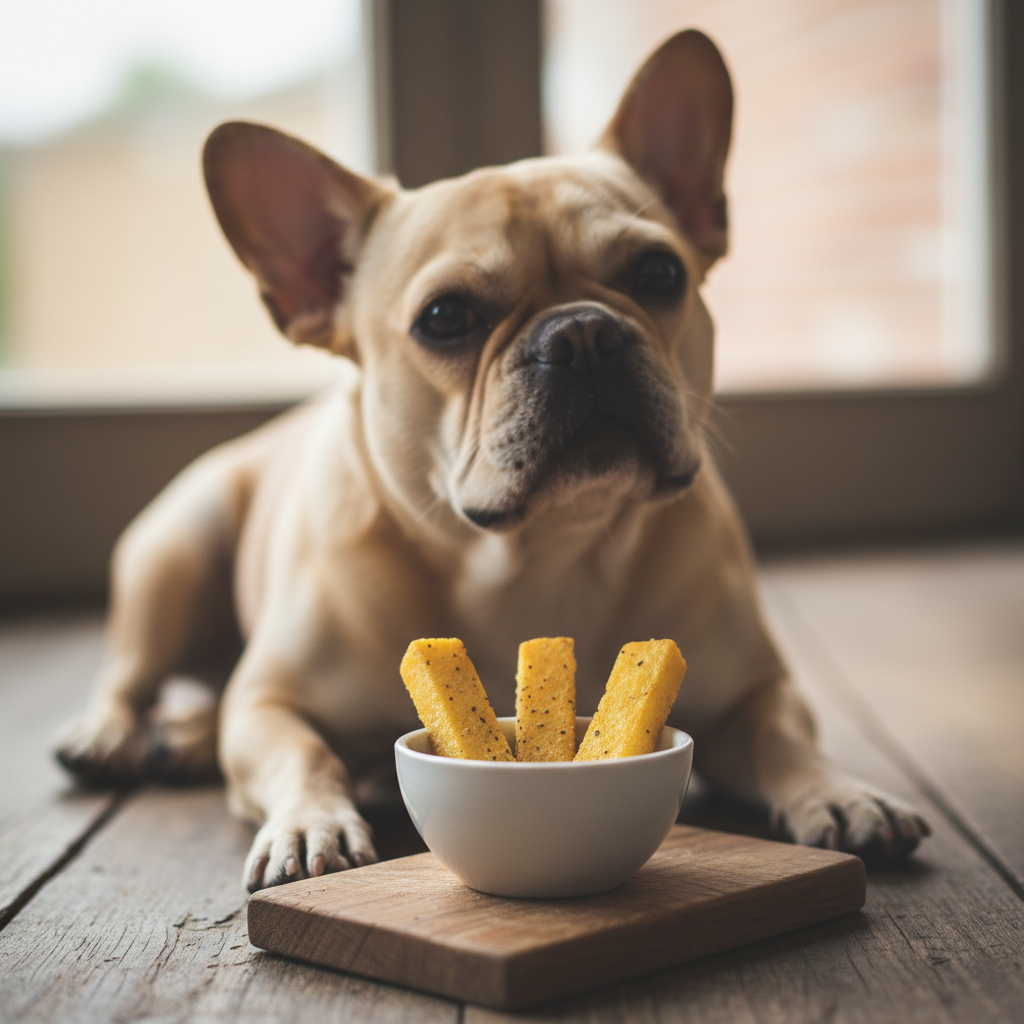
Even though our homemade polenta fries are safe, they are still a treat. And just like with any treat, moderation is key to keeping your dog healthy and happy. Treats should make up no more than 10% of your dog’s total daily calorie intake. Polenta is a carbohydrate, and too much can lead to weight gain over time.
Remember the 10% Rule: All treats combined—including polenta fries, training rewards, and dental chews—should not exceed 10% of your dog’s daily calories.
Use the fries as a high-value reward for training or just as a special snack to show your love. Never use them as a substitute for a meal. Here’s a general guideline for serving sizes, but always consider your dog’s individual size, activity level, and overall health.
Suggested Serving Size Guide
| Dog Size | Example Breeds | Recommended Treat Amount |
|---|---|---|
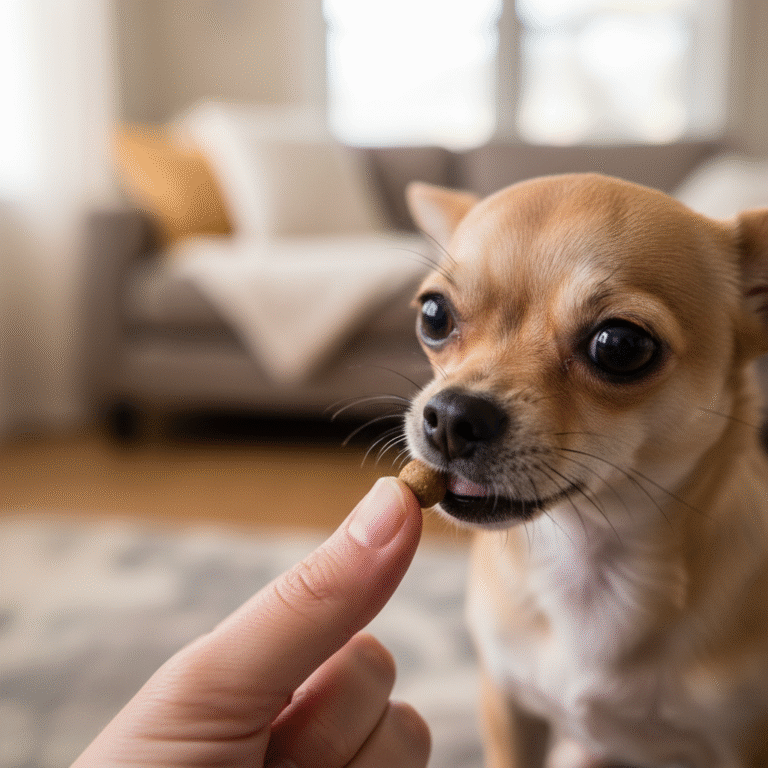
| Small (under 20 lbs) | Chihuahua, Yorkie, Pug | 1-2 small fries per day |
| Medium (20-50 lbs) | Beagle, Cocker Spaniel, Border Collie | 3-4 fries per day |
| Large (over 50 lbs) | Golden Retriever, German Shepherd, Labrador | 5-6 fries per day |
Always introduce any new food slowly to watch for any signs of digestive upset. If you notice any issues, it’s best to discontinue the treat and stick to what you know works for your pup’s tummy.
Conclusion
So, can dogs eat crispy polenta fries? The answer is a resounding yes—as long as you’re the chef! By making them at home, you can skip the salt, oil, and dangerous seasonings, creating a wholesome, delicious, and crunchy treat that’s a perfect dupe for the human version. It’s a wonderful way to include your best friend in your snack time rituals without compromising their health.
Remember the golden rules: always prepare them plain, bake or air-fry them, serve in moderation according to the 10% rule, and let them cool completely. Sharing food is a way we show love, and preparing a special, safe version of your favorite snack is one of the best ways to do it. Happy snacking to you and your pup!
As always, if you have any concerns about your dog’s diet or introducing new foods, it’s best to have a quick chat with your veterinarian.