Why Trainers Are Obsessed With These ‘Airy’ High-Value Treats
You’re at the park, trying your best to practice recall with your furry best friend. You call their name, armed with their favorite cookie-style biscuit. They look at you, look at the squirrel scaling a nearby tree, and make their choice… the squirrel wins. Again. It’s a frustratingly common scenario for so many pet owners. You’re not alone! But what if the secret to capturing your dog’s undivided attention wasn’t about training harder, but training smarter with your rewards?
Enter the world of high-value treats. Specifically, a category that professional trainers are increasingly obsessed with: the ‘airy’ treats. Think freeze-dried, puffed, and dehydrated morsels of pure deliciousness. These aren’t your average, crumbly biscuits. They’re lightweight, intensely aromatic, and disappear in a single gulp, making them the perfect tool for rapid-fire rewards. In this guide, we’ll dive deep into why these airy wonders are a game-changer, what makes them so effective, and how you can use them to unlock your dog’s full potential and build an even stronger bond.
What Makes a Treat ‘High-Value’ in Your Dog’s Eyes?
Before we get into the magic of ‘airy’ textures, let’s first decode the term ‘high-value.’ It’s a phrase you hear a lot in training circles, but what does it actually mean? Simply put, a treat’s value isn’t determined by its price tag, but by how much your dog desires it in a particular moment.
The Treat Value Spectrum
Imagine a reward hierarchy:
- Low-Value: This is often your dog’s regular kibble. They’ll work for it at mealtime, but it’s probably not exciting enough to convince them to ignore that fascinating smell on the sidewalk.
- Medium-Value: These are your everyday dog biscuits or crunchy treats. They’re great for reinforcing known commands in a low-distraction environment like your living room.
- High-Value: This is the good stuff! The crème de la crème of rewards. These are typically treats that are intensely smelly, have a unique texture, and are reserved for the most challenging training situations. Think real meat, fish, or cheese.
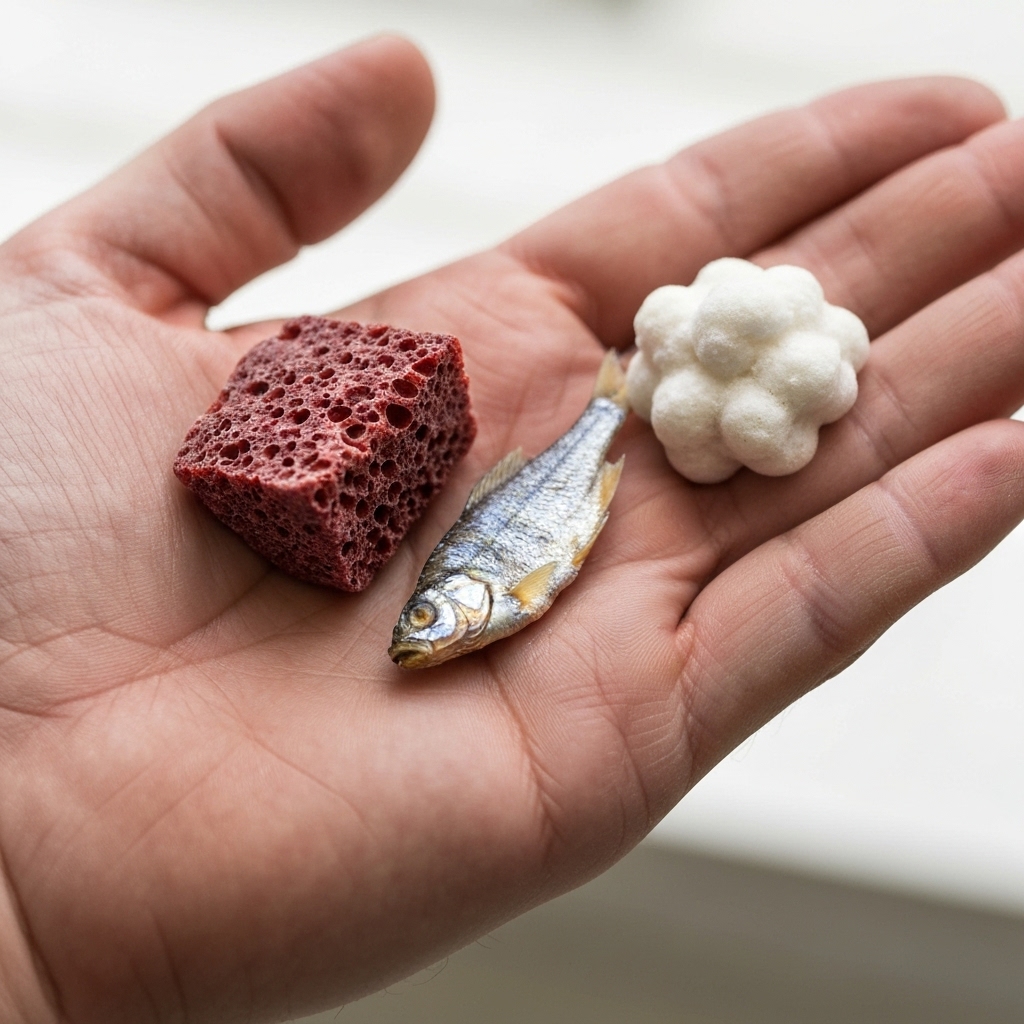
Now, where do ‘airy’ treats fit in? They almost always fall into the high-value category. The term ‘airy’ refers to their physical properties—they are incredibly lightweight and often have a porous texture. This is usually achieved through processes like freeze-drying or puffing.
Why the ‘Airy’ Texture is a Trainer’s Secret Weapon
So, why the obsession with texture? It comes down to pure training efficiency.
- Quick to Eat: An airy treat, like a piece of freeze-dried liver, dissolves or is swallowed almost instantly. There’s no time wasted on chewing, which means you can deliver the reward and immediately move on to the next repetition. This is crucial for building momentum in a training session.
- Lightweight & Non-Greasy: You can fill your pocket or treat pouch with them without creating a heavy, greasy mess. This makes them perfect for long walks or extended training classes.
- Intense Aroma: The freeze-drying process removes water but locks in the natural scent and flavor of the main ingredient, making the treats incredibly aromatic and enticing, even from a distance.
- Easy to Portion: Most airy treats can be broken into tiny pieces with zero effort, allowing you to deliver many rewards without overloading your dog with calories.
A high-value treat should be so good that it makes your dog think, ‘Whatever I just did, I need to do it again, right now!’ The airy texture just makes delivering that powerful message faster and cleaner.
The Nose Knows: Unpacking the Science Behind Aromatic Rewards
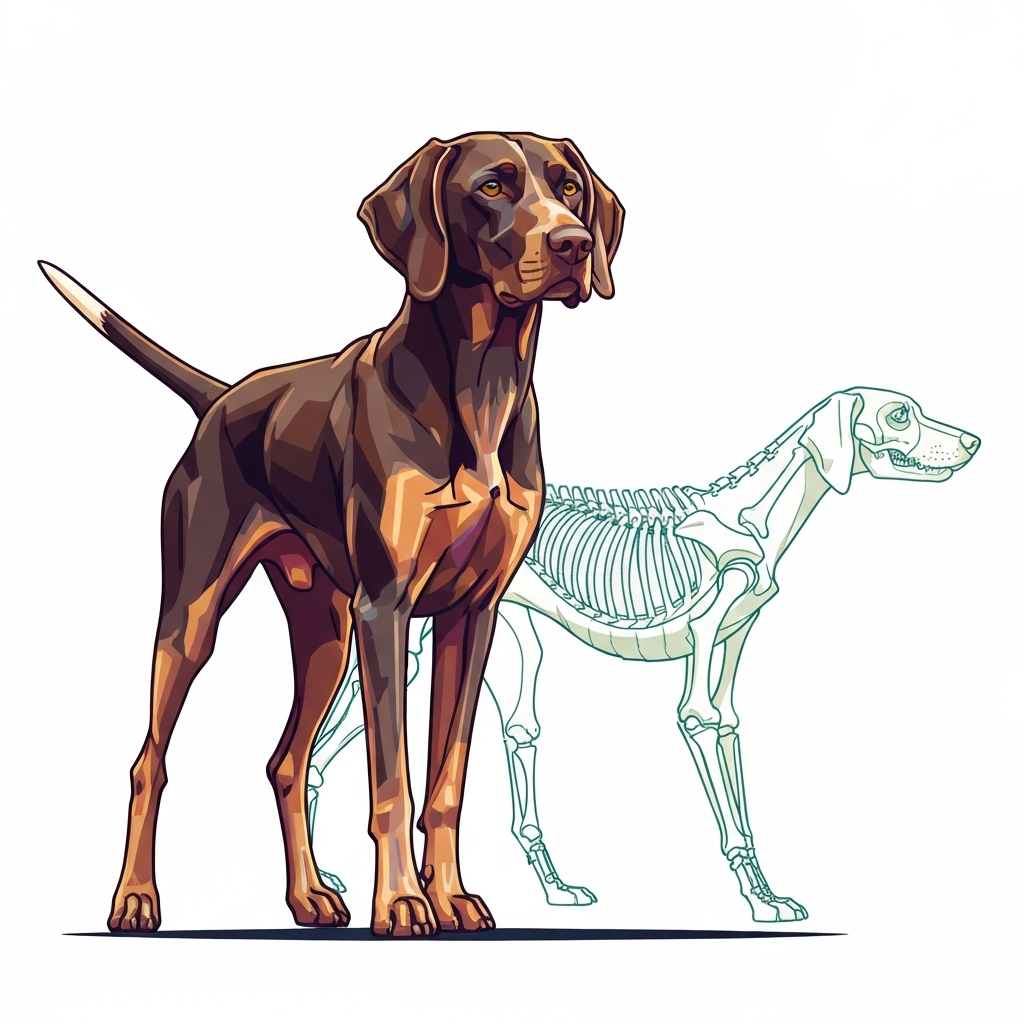
To truly understand why these treats work so well, we need to think like a dog. And for a dog, the world is experienced primarily through scent. A dog’s sense of smell is estimated to be 10,000 to 100,000 times more acute than ours. They possess up to 300 million olfactory receptors in their noses, compared to our paltry 6 million. This is why a powerful scent is the most effective way to cut through distractions.
Concentrated Scent, Maximum Impact
The processes that create airy treats—particularly freeze-drying—are key to this aromatic power. Freeze-drying is a low-temperature dehydration process that involves freezing the product, lowering pressure, and then removing the ice by sublimation. In simple terms, it sucks out all the water while leaving the cellular structure, and most importantly, the concentrated scent and nutritional value, intact.
When you open a bag of freeze-dried salmon, that potent fishy smell that hits your nose is a million times more powerful to your dog. In a distracting environment like a busy park or a group training class, that intense aroma acts like a laser beam, cutting through competing smells and keeping your dog’s focus squarely on you. It’s the olfactory equivalent of shouting their name in a quiet library.
Motivation and Brain Chemistry
This isn’t just about getting their attention; it’s about motivation. When a dog smells and then tastes an incredibly desirable food, their brain releases dopamine, a neurotransmitter associated with pleasure and reward. This creates a powerful positive association with the training exercise.
By using a super high-value treat for a difficult task (like coming back when called away from other dogs), you are essentially telling their brain: ‘Ignoring those other dogs and returning to my human is the most wonderful, rewarding thing you could possibly do!’ Over time, this helps build a reliable, enthusiastic response, even when the treats aren’t present every single time.
A Trainer’s Toolkit: Popular Types of Airy, High-Value Treats
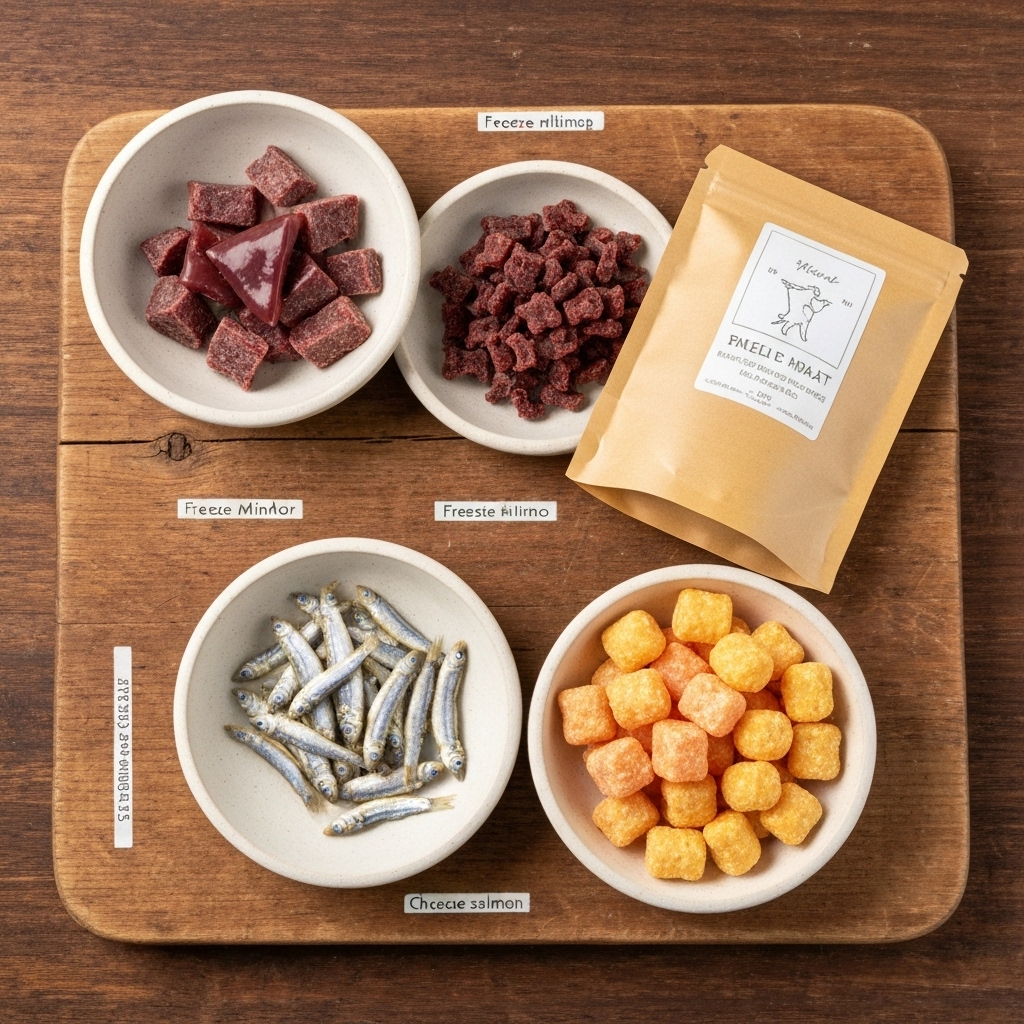
Ready to stock your treat pouch like a pro? The market for these types of treats has exploded, which is great news for pet owners! You have tons of options to find what truly motivates your dog. Here are some of the most popular types that trainers consistently rely on.
Below is a quick-glance table comparing some of the top choices. Remember to always introduce new treats slowly and check ingredients for any potential allergens for your specific dog.
Comparison of Popular Airy High-Value Treats
| Treat Type | Primary Ingredient(s) | Best For… | Trainer’s Tip |
|---|---|---|---|
| Freeze-Dried Liver | Beef, Chicken, or Lamb Liver | Picky eaters; dogs needing an iron boost. | The classic for a reason. Its strong smell is almost universally loved. Breaks into perfect tiny training bits. |
| Freeze-Dried Minnows | Whole Minnows or Smelt | Dogs who love fish; adding Omega-3s. | Don’t be put off by the idea! Dogs go crazy for them. Excellent for dogs with poultry allergies. |
| Freeze-Dried Salmon | Chunks of Salmon | Boosting skin and coat health. | Can be a bit pricier, so save it for ‘jackpot’ moments when your dog does something truly amazing. |
| Puffed Cheese Bites | Cheese (e.g., Cheddar) | Dogs without dairy sensitivities. | Incredibly light and crunchy. A great non-meat option to add variety and keep things interesting. |
| Dehydrated Sweet Potato | Sweet Potato | Dogs needing a low-fat, single-ingredient plant-based option. | While often less aromatic than meat, the chewy-to-crispy texture is very satisfying for some dogs. |
The key is to experiment and rotate! Don’t let your dog get bored. Having two or three different types of high-value treats on hand can keep them guessing and maintain that high level of motivation.
How to Use Your Secret Weapon Strategically
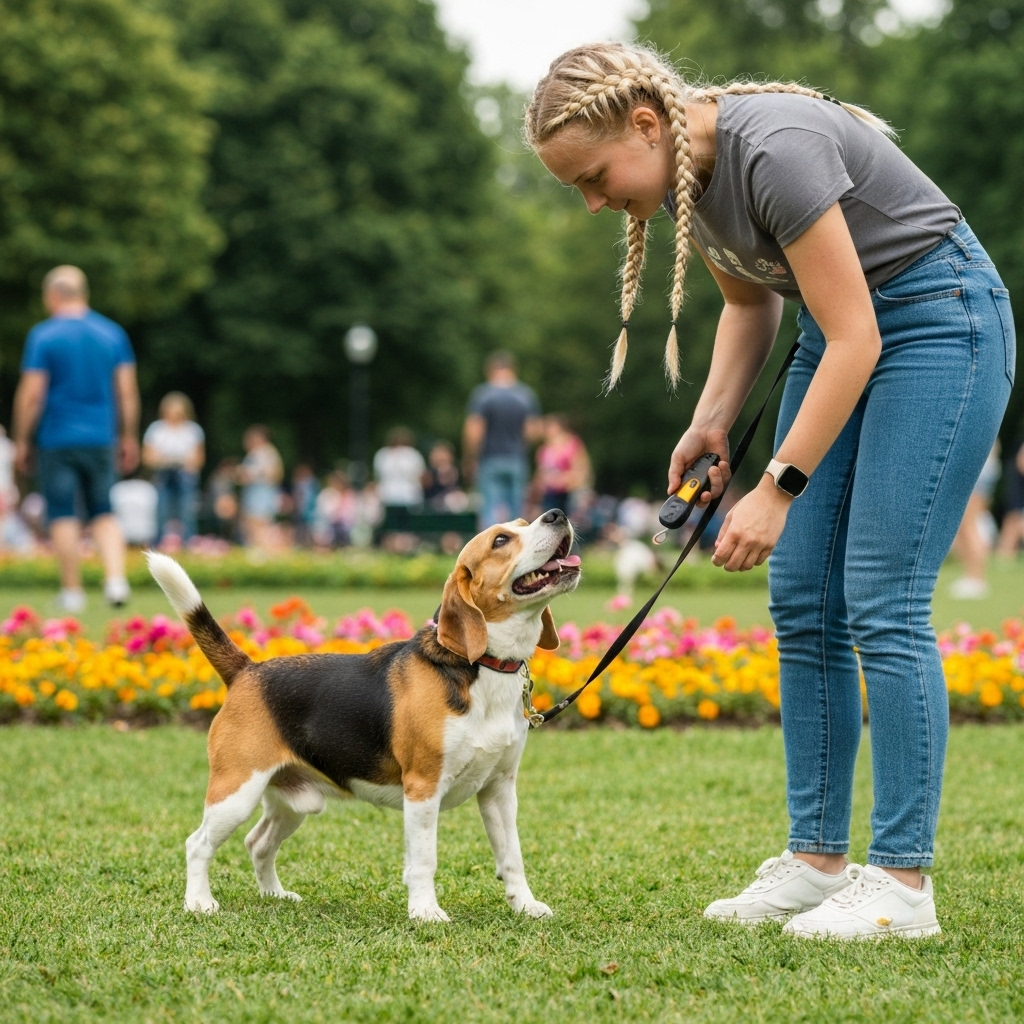
Having the world’s best treats won’t do you any good if you don’t use them effectively. Tossing your dog a piece of freeze-dried liver for a simple ‘sit’ in the kitchen is like using a sledgehammer to crack a nut. The power of high-value treats lies in their strategic deployment.
Reserve the Best for the Hardest Tasks
The number one rule is to match the value of the reward to the difficulty of the task. Your dog’s kibble is for the easy stuff. The high-value airy treats are for the major leagues.
- New or Difficult Behaviors: When you’re first teaching a complex skill like ‘stay’ with duration or a fancy trick, a high-value reward builds enthusiasm and helps your dog understand they’re on the right track.
- High-Distraction Environments: This is their primary role! At the park, in a pet-friendly store, or during a group class, you need something that out-competes all the other exciting sights and smells.
- Counter-Conditioning: For fearful or reactive dogs, high-value treats are essential for changing their emotional response to a trigger. You’re creating a new, positive association (e.g., seeing another dog = delicious chicken!), which requires a powerful reward.
The Art of the ‘Jackpot’
A ‘jackpot’ is when you reward your dog with a sudden, large quantity of treats for a particularly stellar performance. Did your dog have a lightning-fast recall away from a squirrel? Don’t just give one treat—give them a small handful, one after another, with lots of praise. This creates a memorable event and makes a huge impression, significantly increasing the likelihood they’ll repeat that amazing behavior in the future. Airy treats are perfect for this as you can deliver a handful without it being a massive calorie bomb.
Pro Tip: Break treats into pea-sized pieces before you even start your training session. A single piece of freeze-dried liver can become 5-10 tiny rewards. Your dog cares about the frequency of reward, not necessarily the size of each piece. This makes your supply last longer and keeps your training lean and efficient.
DIY Delights: Crafting Your Own High-Value Treats
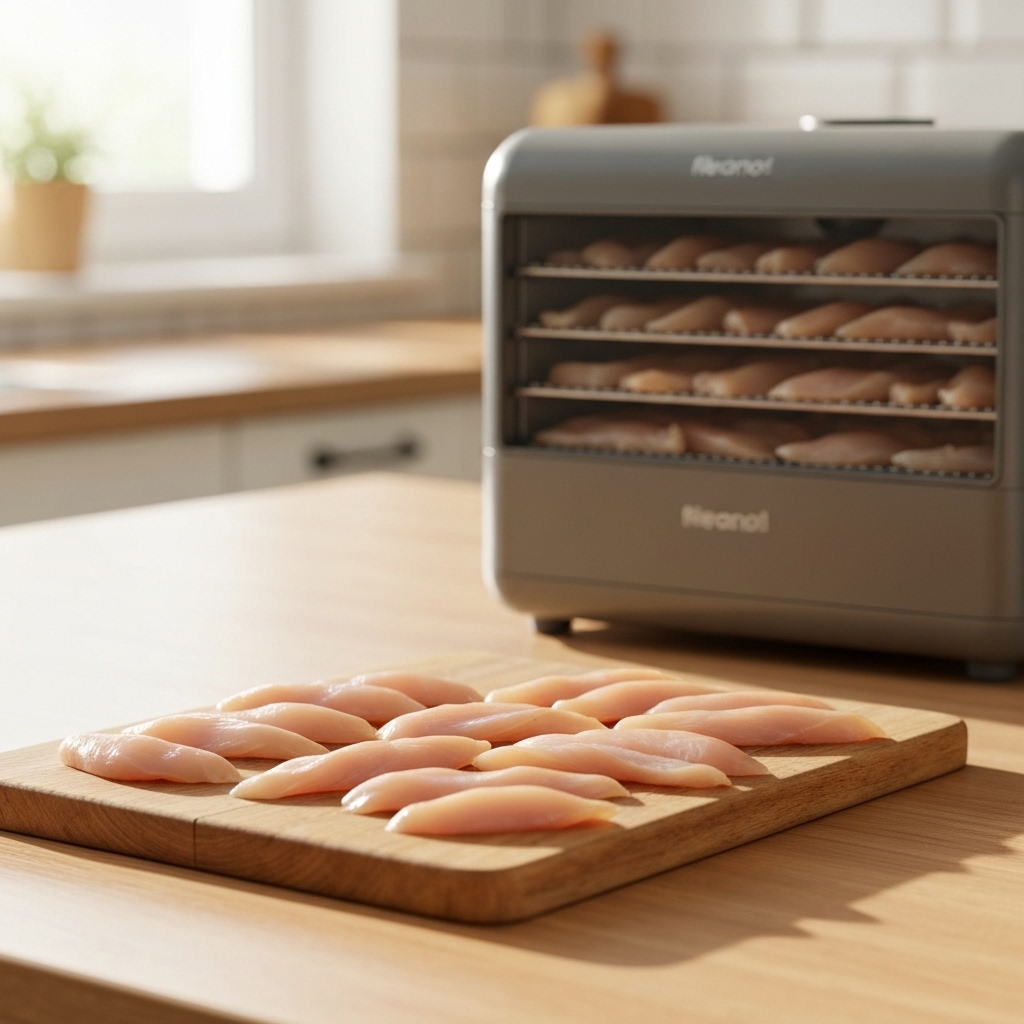
Let’s be honest, high-quality, single-ingredient airy treats can be expensive, especially if you have a big dog or are doing a lot of training. The good news is that you can make some fantastic high-value treats right in your own kitchen! While you probably can’t replicate the exact texture of commercial freeze-dried products without a specialized machine, you can get pretty close with a dehydrator or even just your oven.
Simple Dehydrated Chicken Jerky Recipe
This is a fantastic, cost-effective alternative that dogs adore. It’s not as ‘airy’ as freeze-dried, but it’s lightweight, non-greasy, and packed with flavor.
What You’ll Need:
- 1-2 boneless, skinless chicken breasts
- A sharp knife
- A dehydrator or an oven with a low-temperature setting
The Steps:
- Prep the Chicken: For easier slicing, place the chicken breasts in the freezer for about 30-60 minutes until firm but not frozen solid. This will help you get super thin, even slices. Slice the chicken as thinly as you possibly can (1/8 inch or less is ideal).
- Arrange for Dehydrating: Lay the chicken slices in a single layer on your dehydrator trays or on a wire rack placed on a baking sheet (for oven use). Make sure the pieces aren’t overlapping to allow for even air circulation.
- Dehydrate: If using a dehydrator, set it to the meat setting (usually around 160°F or 70°C) and let it run for 4-8 hours. If using an oven, set it to its lowest possible temperature (ideally under 200°F or 93°C) and prop the door open slightly with a wooden spoon to let moisture escape. The oven method will be faster, likely taking 2-4 hours.
- Check for Doneness: The jerky is done when it’s dry and leathery. It should snap or break when you bend it, with no signs of moisture. Let it cool completely.
- Store: Store the finished jerky in an airtight container in the refrigerator for up to two weeks.
Making your own treats gives you complete control over the ingredients, which is perfect for dogs with allergies or sensitivities. Plus, your dog will love you for it!
Conclusion
The right reward at the right time can feel like a superpower in your training journey. While your dog’s regular biscuits have their place, understanding the immense motivational power of high-value, airy treats is what separates good training from great training. These lightweight, aromatic, and quick-to-eat rewards are more than just a tasty snack; they are a tool for clear communication, a catalyst for enthusiasm, and a bridge to building a more focused and joyful relationship with your dog.
So next time you’re preparing for a training session, take a look in your treat pouch. By swapping out those standard cookies for some freeze-dried minnows or liver, you might just find you’ve unlocked the secret to capturing your dog’s heart, mind, and unwavering attention.