The “Magic” Liver Cake Recipe That Trains Your Dog For You
Let’s be honest, we’ve all been there. You’re in the middle of a training session, trying to teach your furry best friend a new trick, and their attention span suddenly evaporates. The squirrel outside the window, a distant car horn, or even a particularly interesting dust bunny becomes far more fascinating than the dry, boring biscuit you’re offering. It can be frustrating, right? You know your dog is smart, but you just can’t seem to break through the distractions.
What if I told you there’s a secret weapon used by professional trainers to capture even the most distractible dog’s focus? It’s not a fancy gadget or a complicated technique. It’s a simple, savory, and downright irresistible treat: homemade liver cake. This isn’t just any treat; it’s what we call a high-value reward. Its potent aroma and rich flavor are like a magnet for a dog’s senses, making them eager to listen and learn. In this guide, we’ll walk you through everything you need to know about this ‘magic’ training tool. We’ll cover why it works so well, provide a foolproof step-by-step recipe, and show you exactly how to use it to make your training sessions more effective and fun than ever before.
Why Liver Cake is a High-Value Training Superpower
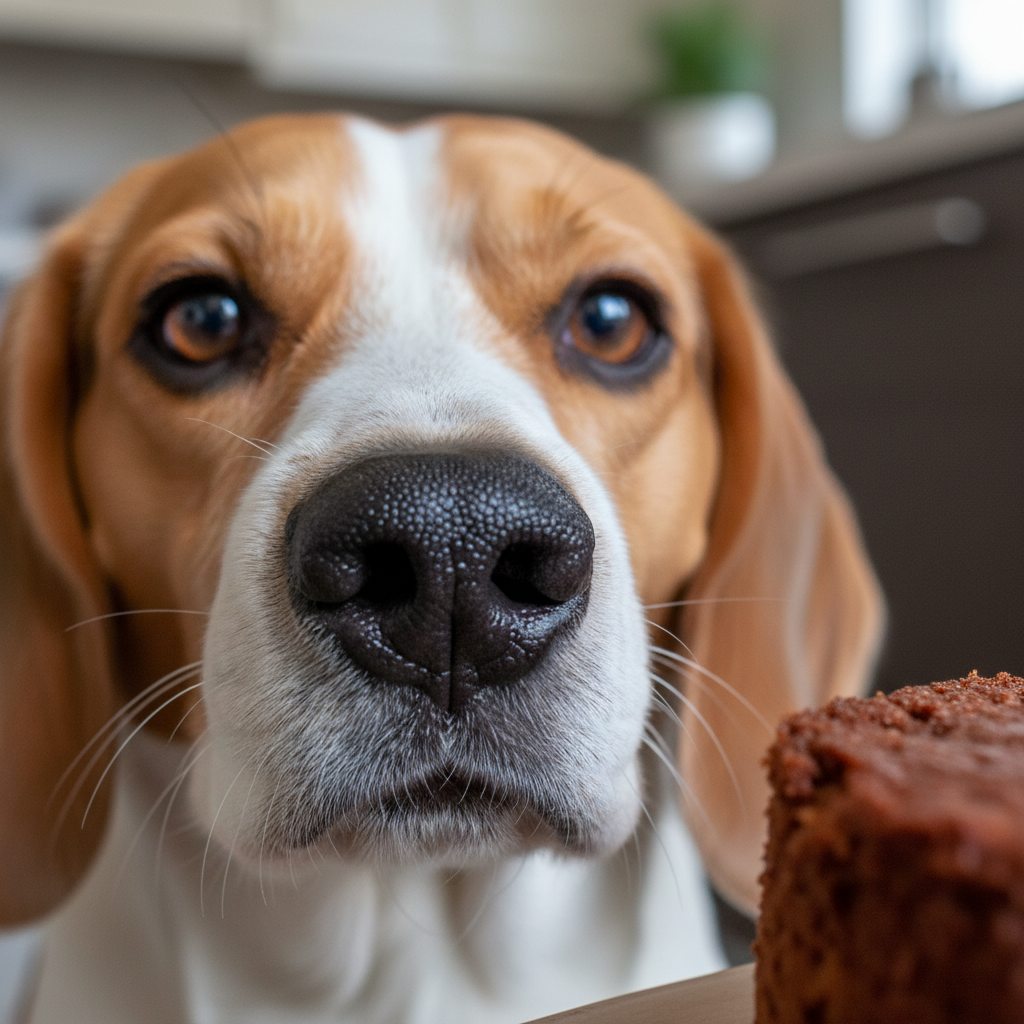
Before we roll up our sleeves and head to the kitchen, let’s talk about the ‘why’. What makes this simple cake so much more effective than the store-bought treats you have in your pantry? It all comes down to the concept of high-value rewards.
Imagine you were offered a choice: a dry cracker or a slice of your favorite gourmet pizza for completing a task. Which one would you work harder for? Your dog’s brain works in a similar way. While they might perform a ‘sit’ for their regular kibble at home, you need something special—the ‘gourmet pizza’ of the dog world—to get their attention in a busy park or during a challenging training class. Liver cake is that pizza.
The Science of Scent and Flavor
A dog’s sense of smell is estimated to be 10,000 to 100,000 times more powerful than ours. Liver has a strong, pungent, and meaty aroma that is intoxicating to them. When you bring out a piece of liver cake, you’re not just offering a snack; you’re creating a powerful sensory event that cuts through distractions and tells your dog, ‘Pay attention! Something amazing is about to happen!’
Expert Tip: The goal of a high-value treat is to be more interesting than anything else in the environment. The powerful scent of liver helps you win that battle for your dog’s focus every time.
Benefits of Using Liver Cake for Training:
- Unmatched Focus: The intense aroma helps keep your dog’s attention squarely on you, even in distracting environments.
- Builds Positive Association: Using such a desirable reward makes training a highly positive and exciting experience for your dog, strengthening your bond.
- Cost-Effective: A single batch costs a fraction of what you’d pay for commercial high-value treats and makes a large quantity.
- Control Over Ingredients: You know exactly what’s going into your dog’s treats—no strange fillers, preservatives, or artificial colors. You can even customize it for dogs with specific allergies.
- Perfect Texture: It’s soft enough to be broken into tiny pieces for rapid-fire rewarding but firm enough that it doesn’t crumble into a mess in your pocket or treat pouch.
Gathering Your Ingredients & Tools: What You’ll Need
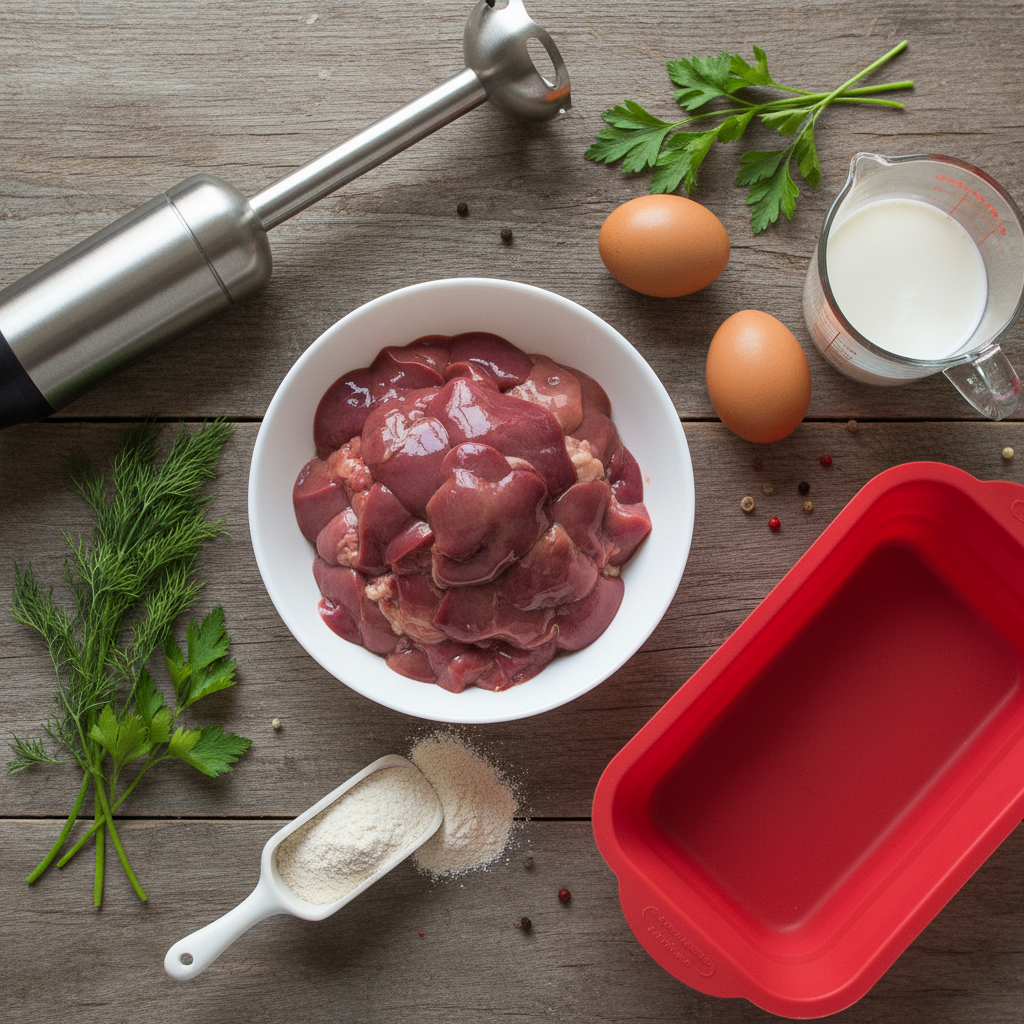
The beauty of this recipe is its simplicity. You don’t need to be a master chef or have a pantry full of exotic ingredients. Here’s a rundown of everything you’ll need to get started.
The Ingredients List
The core recipe is very basic, but we’ll also cover some common and safe variations. Remember to always consider your own dog’s dietary needs and allergies.
- Liver: About 1 lb (450g). Chicken liver is the most common choice as it’s inexpensive and has a milder smell (for your sake!). However, beef, lamb, or pork liver work just as well.
- Eggs: 2 large eggs. These act as a binder to hold the cake together.
- Flour: About 1 cup (120g). Whole wheat flour is a great choice, but you can easily substitute it with oat flour, brown rice flour, or a gluten-free all-purpose blend if your dog has sensitivities.
- Optional Add-ins: A small amount of garlic powder (1/4 tsp) can be added for extra aroma. (Note: While large amounts of garlic are toxic to dogs, a tiny, cooked amount like this is widely considered safe and is used in many commercial dog foods.) A tablespoon of parsley can also be added to help with doggy breath!
Choosing the Right Liver
Not sure which liver to pick? Here’s a quick comparison:
| Type of Liver | Characteristics | Best For |
|---|---|---|
| Chicken Liver | Mild, inexpensive, and readily available. | First-timers and dogs who prefer poultry. |
| Beef Liver | Very rich in nutrients, stronger aroma. | Dogs who need an extra ‘punch’ of flavor to stay focused. |
| Lamb Liver | A good novel protein source. | Dogs with common allergies to chicken or beef. |
Essential Kitchen Tools
No fancy equipment is required here. You probably have everything you need already:
- Blender or Food Processor: This is key to getting a smooth, pourable batter.
- Baking Pan: An 8×8 inch (20×20 cm) or 9×9 inch (23×23 cm) square pan works perfectly. A glass, metal, or silicone pan is fine.
- Parchment Paper or Oil: To prevent the cake from sticking.
- Spatula: For scraping the blender and spreading the batter evenly.
- Measuring Cups and Spoons: For accurate ingredient portions.
- Knife or Pizza Cutter: For dicing the finished cake into training-sized treats.
The Foolproof Step-by-Step Recipe
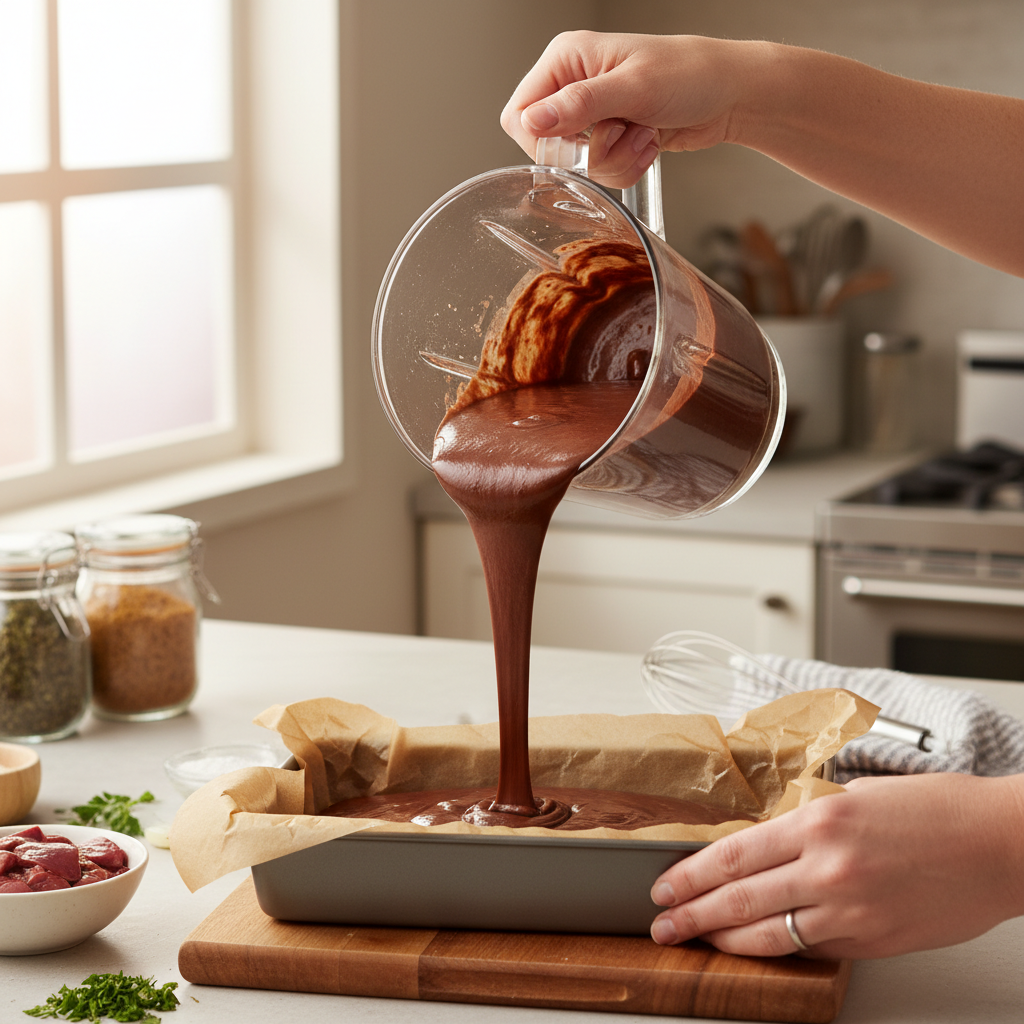
Alright, aprons on! It’s time to create the magic. This process is incredibly simple and quick. Just be prepared—your dog will likely be supervising your every move from the kitchen floor once they get a whiff of what you’re making!
- Preheat and Prep: Start by preheating your oven to 350°F (175°C). Lightly grease your baking pan or line it with parchment paper for easy removal later. This step is a real time-saver during cleanup!
- Blend the Wet Ingredients: Place the raw liver and the two eggs into your blender or food processor. Blend on high for about 30-60 seconds. You’re looking for a completely smooth, liquid consistency with no lumps. It should look like a macabre smoothie.
- Combine with Dry Ingredients: Add the cup of flour (and any optional add-ins like garlic powder or parsley) directly into the blender with the liver puree. Pulse a few times to get it incorporated, then blend for another 15-20 seconds until you have a smooth, thick batter, similar to a pancake or brownie batter.
- Pour and Spread: Pour the batter from the blender into your prepared baking pan. Use a spatula to spread it evenly into all the corners, ensuring a uniform thickness for even baking.
- Time to Bake: Place the pan in the center of your preheated oven. Bake for 20-25 minutes. The cake is done when it’s firm to the touch, has pulled away slightly from the sides of the pan, and a toothpick inserted into the center comes out clean. It will have a springy, sponge-like texture.
- Cool Completely: This is the hardest step because of the delicious smell! Remove the cake from the oven and let it cool in the pan for about 10 minutes before turning it out onto a wire rack to cool completely. Cooling it fully is crucial for getting clean, non-crumbly cuts.
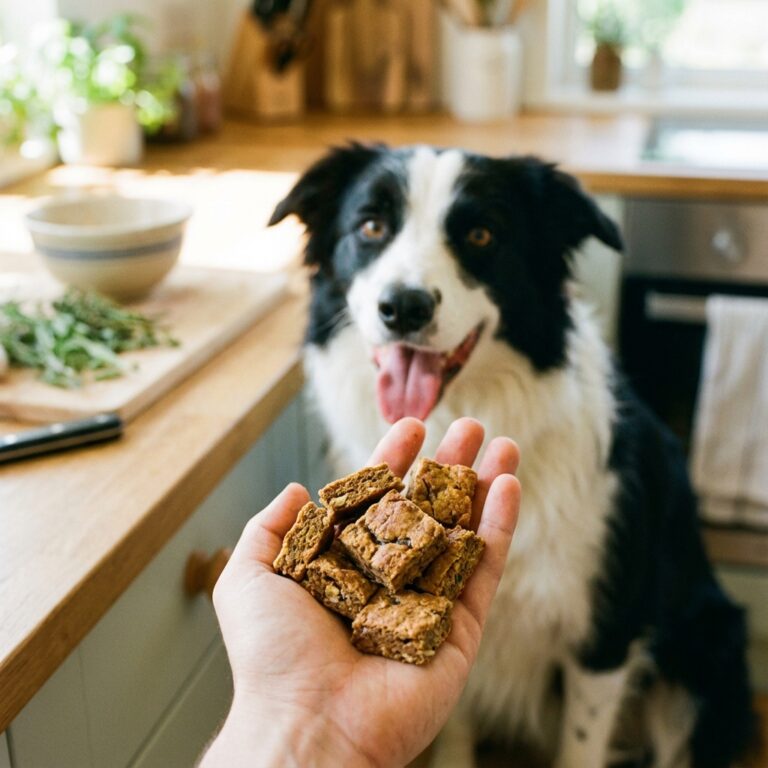
- Dice It Up: Once the cake is completely cool, place it on a cutting board. Using a sharp knife or a pizza cutter (which works brilliantly!), cut the cake into small, training-sized squares. Aim for pieces about the size of a pea or a small die for most dogs. You want a reward that can be swallowed quickly without a lot of chewing.
Putting the Magic to Work: How to Use Liver Cake in Training
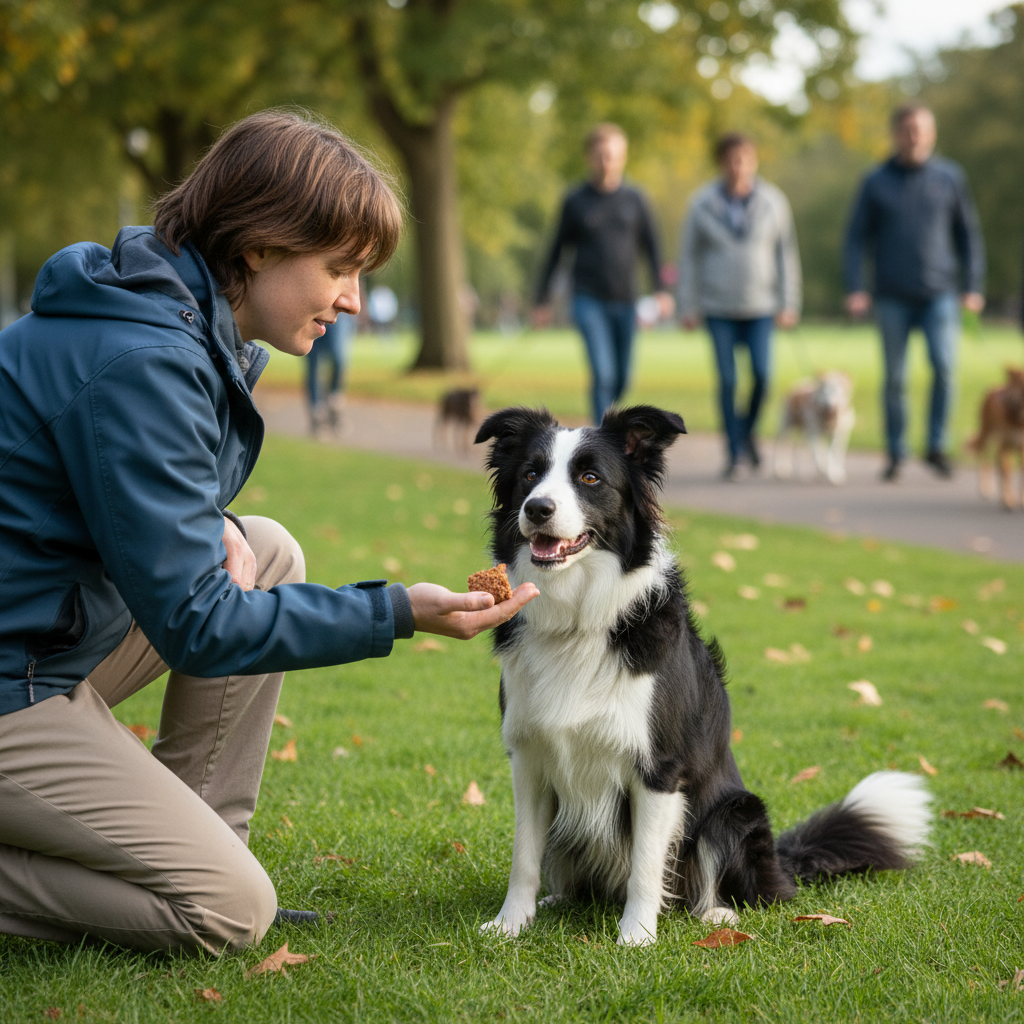
Now that you have a container full of irresistible treats, it’s time to use them effectively. Remember, with great power comes great responsibility! Using high-value rewards correctly can supercharge your training.
When to Use Your High-Value Treats
Liver cake shouldn’t replace your dog’s regular, lower-value treats or kibble. It’s a special tool for specific situations:
- Teaching New, Difficult Behaviors: When you’re introducing a complex command like ‘roll over’ or a life-saving one like an emergency recall, the high value of liver cake keeps your dog motivated and engaged in the learning process.
- In High-Distraction Environments: Practicing ‘heel’ at the park? Working on ‘stay’ when guests are over? This is where liver cake shines, making you more interesting than all the competing sights and smells.
- Counter-Conditioning and Desensitization: For fearful or reactive dogs, liver cake can be used to build positive associations with their triggers (e.g., seeing another dog, hearing the vacuum cleaner).
- As a ‘Jackpot’ Reward: When your dog does something exceptionally well—like the fastest recall they’ve ever performed—rewarding with a few pieces of liver cake (a ‘jackpot’) marks the moment as truly special and worth repeating.
The Rules of Engagement for High-Value Treats
To keep the ‘magic’ alive, follow a few simple rules:
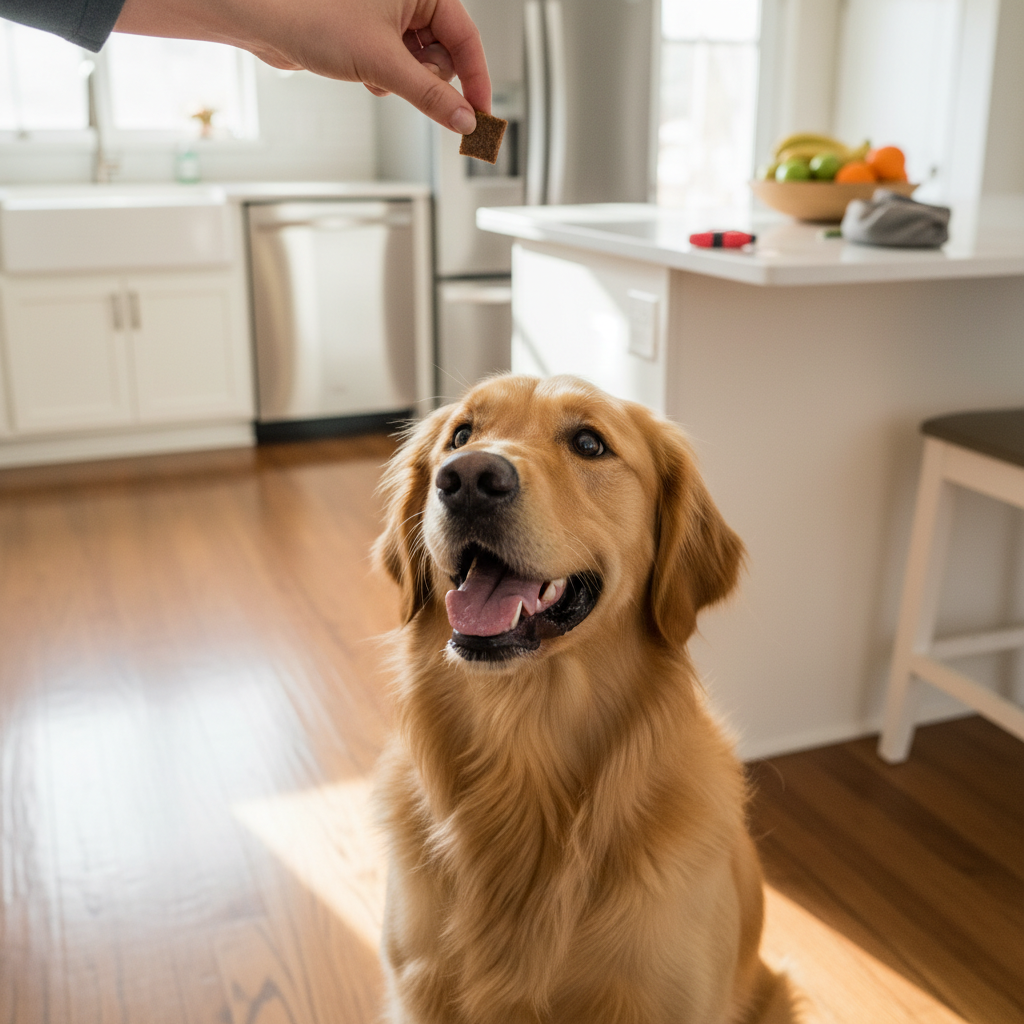
- Keep Pieces Tiny: The goal is a quick taste, not a meal. Small pieces allow for rapid-fire repetition without your dog getting full or spending too much time chewing.
- Don’t Let It Become Expected: Use it strategically. If your dog gets liver cake for every simple ‘sit’ at home, it will lose its special status. Reserve it for when you really need to make an impact.
- Fade the Lure: When teaching a new behavior, you might initially use the treat to lure your dog into position. As soon as they understand the movement, transition to rewarding them after they perform the behavior on a verbal or hand signal alone.
- Store it Out of Sight: Keep your main stash in the fridge or freezer and only bring out what you need for a training session. This builds anticipation and value.
Storage, Safety, and Serving Size: The Important Stuff
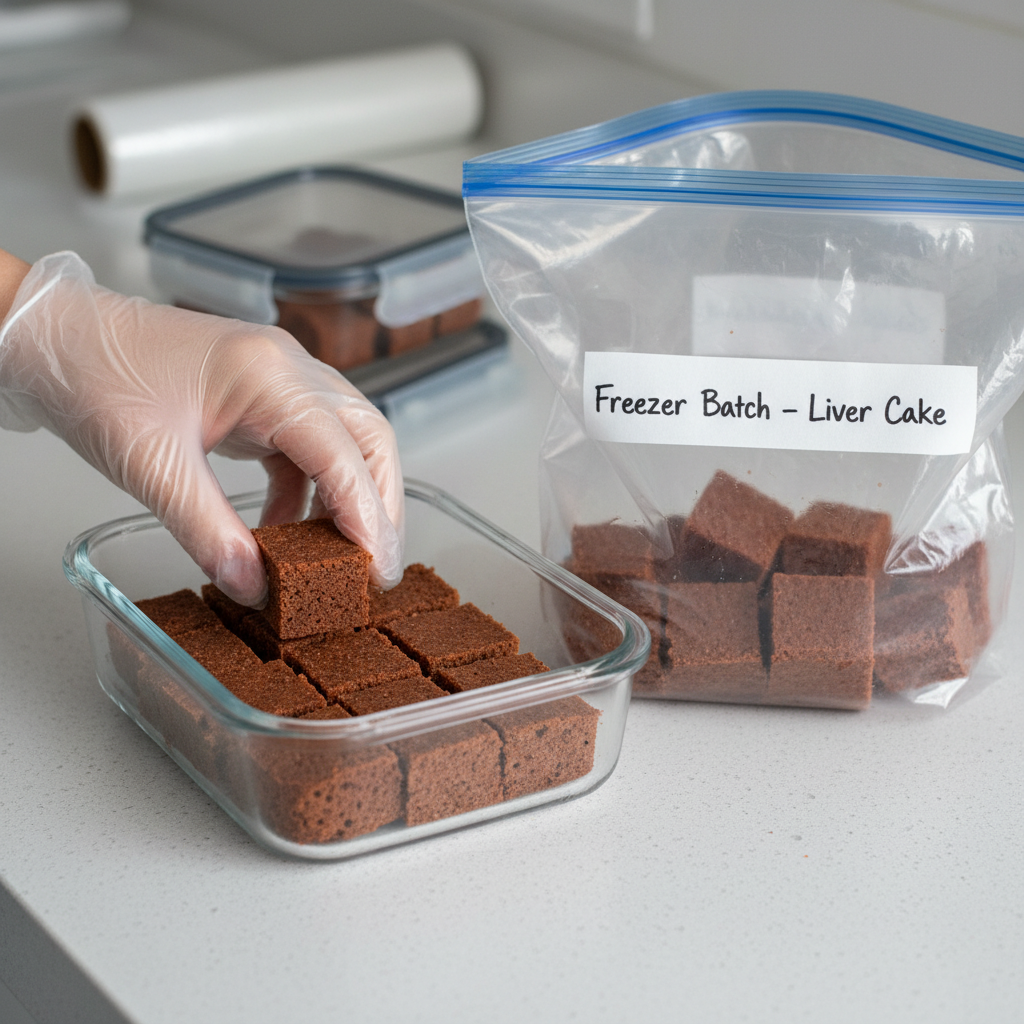
Because liver cake is made with fresh ingredients and no preservatives, proper storage is essential to keep it safe and tasty for your dog. Let’s cover the best practices for storage and how to serve it responsibly.
How to Store Your Liver Cake
Freshness is key. Once diced, you have two main storage options:
- Refrigerator: Place the treats in an airtight container. They will stay fresh in the fridge for 3-4 days. This is perfect for the portion you plan to use for training in the immediate future.
- Freezer: This is the best option for long-term storage. Spread the diced pieces on a baking sheet in a single layer and freeze them for an hour (this prevents them from clumping together). Once frozen, transfer them to a labeled freezer bag or airtight container. They will last for up to 3 months in the freezer. You can grab a handful as needed for your training sessions.
A Critical Note on Safety and Moderation
Liver is incredibly nutritious, packed with protein, iron, and vitamins. However, it’s particularly high in Vitamin A. While Vitamin A is an essential nutrient, too much can lead to a condition called hypervitaminosis A. This is why liver cake should always be treated as a treat, not a meal replacement.
Important Takeaway: Treats, including liver cake, should make up no more than 10% of your dog’s total daily caloric intake. Always feed in moderation.
Serving Size Guidelines
The exact amount depends on your dog’s size, activity level, and overall diet. The goal is to use the smallest piece possible to get the desired training result. Here is a general guideline for a daily maximum, assuming these are the only treats given that day:
| Dog Size | Example Breeds | Approximate Daily Max |
|---|---|---|
| Small | Chihuahua, Yorkie, Dachshund | 2-3 small (pea-sized) cubes |
| Medium | Beagle, Cocker Spaniel, Australian Shepherd | 4-6 small cubes |
| Large | Golden Retriever, German Shepherd, Labrador | 7-10 small cubes |
| Giant | Great Dane, Mastiff, Newfoundland | 10-12 small cubes |
Always consult with your veterinarian if you have specific concerns about your dog’s diet or health.
Troubleshooting & Frequently Asked Questions
Even with a simple recipe, questions can pop up. Here are answers to some of the most common queries and issues you might encounter on your liver cake journey.
My cake turned out too crumbly or too wet. What went wrong?
This is usually an issue of baking time or ingredient balance. If it’s too crumbly, it may be slightly over-baked. Try reducing the bake time by 3-5 minutes next time. If it’s too wet or gummy in the center, it’s likely under-baked. Give it another 5-7 minutes in the oven until a toothpick comes out clean. An imbalance of flour to liquid (liver/egg) can also be a culprit, so stick to the measurements as closely as possible.
Can I use a different kind of flour?
Absolutely! If your dog has a wheat sensitivity, feel free to use alternatives. Oat flour (you can make your own by blending rolled oats), coconut flour, chickpea flour, or a commercial gluten-free blend are all great options. Note that alternative flours can have different liquid absorption rates, so you may need to slightly adjust the amount to get the right batter consistency.
My dog doesn’t seem to like it. Now what?
While most dogs go crazy for liver, every pup is an individual. If your dog turns their nose up, you can try a different type of liver (beef instead of chicken, for example). You could also try adding a tablespoon of peanut butter (ensure it’s xylitol-free) or a splash of low-sodium chicken broth to the batter to change the flavor profile.
Is liver cake safe for puppies?
Yes, in moderation! Liver cake is a fantastic high-value reward for puppy training, especially for crucial skills like potty training and socialization. Just be sure to keep the pieces extra small and factor them into their daily 10% treat allowance to ensure their diet remains balanced for healthy growth.
Can I make this without a blender?
It’s challenging but possible. You would need to mince the liver as finely as you possibly can with a knife, then whisk it vigorously with the eggs until it’s as smooth as you can get it. The final texture might be a bit more rustic and less uniform, but it will still be a tasty treat for your dog.
Conclusion
There you have it—the not-so-secret recipe that can truly transform your training sessions from a chore into a joyous and productive activity. The ‘magic’ of liver cake isn’t just in the ingredients themselves, but in the power they give you to communicate effectively with your dog. By providing a reward that is genuinely exciting and motivating, you’re telling your dog that listening to you is the best, most rewarding thing they can do.
Remember to use this powerful tool wisely, celebrate the small victories, and most importantly, have fun with your dog. Happy baking, and even happier training!