The Ultimate $2 Jerky Alternative Your Dog Will Go Crazy For
Let’s be honest, we’d do anything for our furry best friends, and that often includes spoiling them with tasty treats. A walk down the pet food aisle reveals a dizzying array of jerky options—beef, chicken, salmon, you name it. But a quick glance at the price tag can be enough to make your wallet whimper. Premium jerky treats can cost a small fortune, and when you flip the bag over, the ingredient list can sometimes read like a chemistry textbook.
What if I told you there’s a way to give your dog that chewy, satisfying jerky experience without the high cost or the mystery additives? What if you could make a batch of irresistible, healthy, and safe treats for literally a couple of dollars? Well, get ready to have your mind blown. We’re about to unveil the ultimate $2 jerky alternative that your dog will absolutely go crazy for. It’s simple, it’s nutritious, and it’s a fantastic way to show your pup some extra love.
Why Ditch Store-Bought Jerky? The Hidden Costs and Concerns
Why Ditch Store-Bought Jerky? The Hidden Costs and Concerns
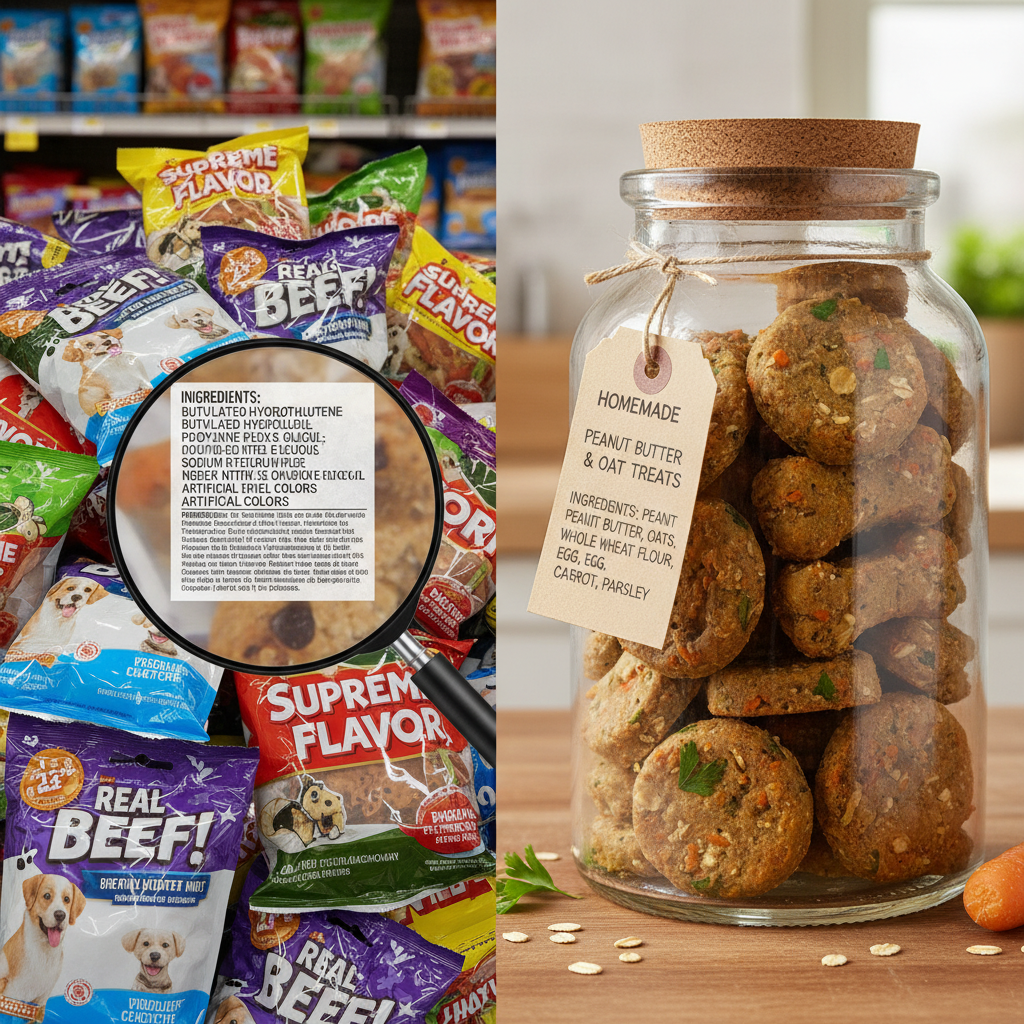
Before we jump into our amazing alternative, let’s talk about why you might want to reconsider that bag of commercial jerky. While convenient, they often come with baggage that isn’t great for your pup or your pocketbook.
The Shocking Price Tag
First and foremost, the cost is a major factor. A small bag of single-ingredient, high-quality jerky can easily set you back $15 to $20. If you have a larger dog or use treats for training, this adds up incredibly fast. You could be spending hundreds of dollars a year just on this one type of snack! This cost is often inflated due to marketing, packaging, and a long supply chain.
The Mystery Ingredient List
Even more concerning for many pet parents are the ingredients. To make jerky shelf-stable and appealing, some manufacturers add a host of things you probably don’t want your dog eating regularly. These can include:
- Preservatives: Chemicals like BHA, BHT, and ethoxyquin are often used to extend shelf life but have been linked to health concerns in some studies.
- Fillers: Ingredients like corn, wheat, and soy are sometimes used to bulk up treats but offer little nutritional value and can be allergens for some dogs.
- Artificial Colors and Flavors: Does your dog really care if their jerky is fire-engine red? These additives are purely for human appeal and can cause digestive upset in sensitive pups.
- Glycerin and Propylene Glycol: These are humectants used to keep treats soft and chewy. While glycerin is generally safe in moderation, propylene glycol (a less-toxic cousin of antifreeze) is a controversial additive that many pet owners prefer to avoid.
The Risk of Recalls
The pet food industry, unfortunately, has a history of product recalls due to contamination with bacteria like Salmonella or Listeria, or issues with ingredients sourced from overseas. Making treats at home gives you complete control over the quality and safety of every single ingredient, offering invaluable peace of mind.
Expert Tip: Always check the country of origin for any pet treat you buy. Treats made and sourced in your own country often adhere to stricter safety standards.
Introducing the $2 Superstar: Homemade Sweet Potato Chews!
Introducing the $2 Superstar: Homemade Sweet Potato Chews!
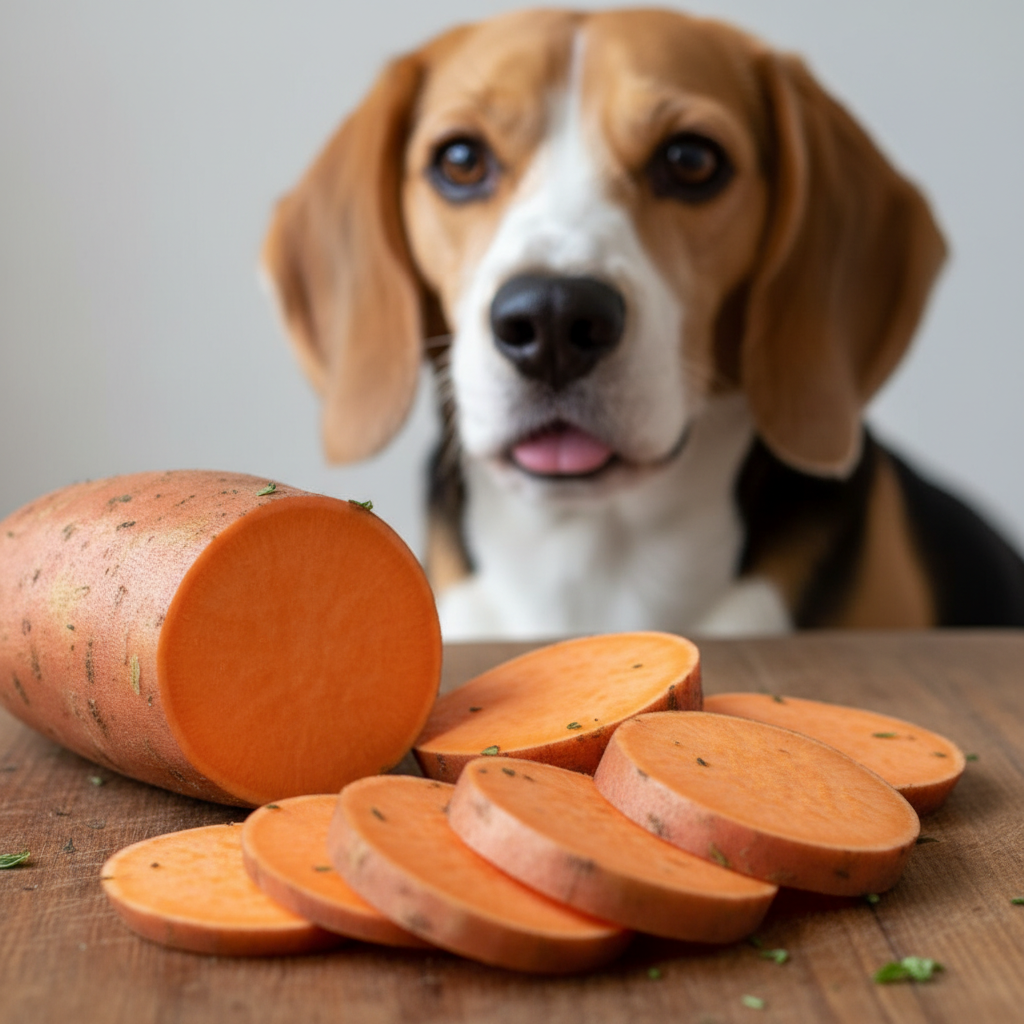
So, what is this magical, budget-friendly alternative? It’s the humble, vibrant, and incredibly nutritious sweet potato! That’s right. For the price of one or two large sweet potatoes (often less than $2), you can create a huge batch of chewy, delicious, and vitamin-packed jerky treats that dogs universally adore.
Why Sweet Potatoes are a Canine Superfood
Sweet potatoes aren’t just a cheap substitute; they’re a nutritional powerhouse for your pup. Swapping out processed jerky for these orange gems gives your dog a major health boost. Here’s why they’re so fantastic:
- Rich in Vitamins: They are loaded with Vitamin A (from beta-carotene), which is crucial for vision, immune function, and skin and coat health. They also contain plenty of Vitamin C and B6.
- Excellent Source of Fiber: The high fiber content is wonderful for your dog’s digestive system, promoting regular bowel movements and a healthy gut.
- Naturally Sweet and Delicious: Dogs are drawn to the natural sweetness of sweet potatoes, meaning you don’t need to add any artificial flavors or sweeteners.
- Low in Fat: Unlike some meat-based jerkies that can be high in fat, sweet potato chews are a lean option, making them perfect for dogs on a weight management plan.
- Great for Sensitive Stomachs: As a single, whole-food ingredient, they are an excellent choice for dogs with food sensitivities or allergies to common proteins like chicken or beef.
By simply slicing and slowly baking them, you transform this simple vegetable into a chewy, jerky-like treat that satisfies your dog’s need to gnaw while delivering a payload of nutrients. It’s the ultimate win-win!
The Ultimate DIY Jerky: Step-by-Step Guide
The Ultimate DIY Jerky: Step-by-Step Guide
Ready to become your dog’s personal chef? The best part about this recipe is its simplicity. You don’t need any fancy equipment or culinary skills. Just a little bit of time and a whole lot of love.
What You’ll Need (The Bare Essentials)
- 2-3 large sweet potatoes: Look for ones that are firm and free of blemishes.
- A sharp knife or a mandoline slicer: A mandoline will give you perfectly uniform slices, which helps them bake evenly.
- Baking sheets: You’ll likely need two to fit all the slices.
- Parchment paper (optional): This makes cleanup a breeze!
The Step-by-Step Process
- Preheat Your Oven: Set your oven to a low temperature, around 225-250°F (about 120°C). The goal is to dehydrate the potatoes slowly, not to cook them quickly.
- Wash and Scrub: Give the sweet potatoes a thorough washing and scrubbing under running water. There’s no need to peel them! The skin contains extra fiber and nutrients. Just be sure to trim off any bruised or stringy ends.
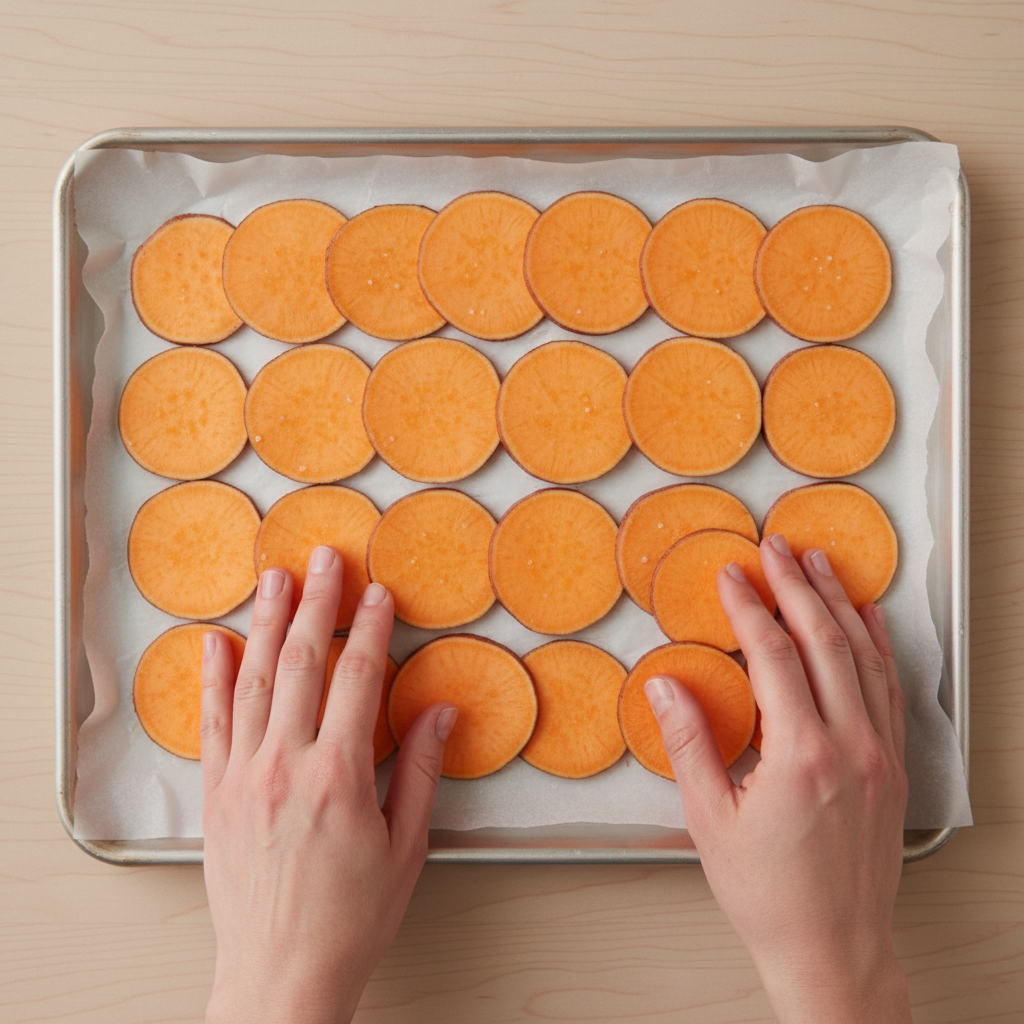
- Slice ‘Em Up: This is the most important step for getting the right texture. Aim for slices that are about 1/4-inch thick.
- For a chewier, more jerky-like treat: Cut them into thicker, 1/4-inch rounds or long strips.
- For a crispier, chip-like treat: Slice them thinner, around 1/8-inch.
Consistency is key, so try to make all your slices the same thickness.
- Arrange on Baking Sheets: Place the sweet potato slices in a single layer on your parchment-lined baking sheets. Make sure they aren’t overlapping, as this will prevent them from drying out properly. Give them a little space to breathe.
- Bake Low and Slow: Place the baking sheets in the preheated oven. The total baking time will be around 2.5 to 3 hours. To ensure they bake evenly, flip the slices over at the halfway point (around 1.5 hours in).
- Check for Doneness: The treats are done when they are dry to the touch and have shrunken in size. They shouldn’t be mushy, but they will still have some flexibility if you cut them thicker. If you made thinner slices, they should be crisp.
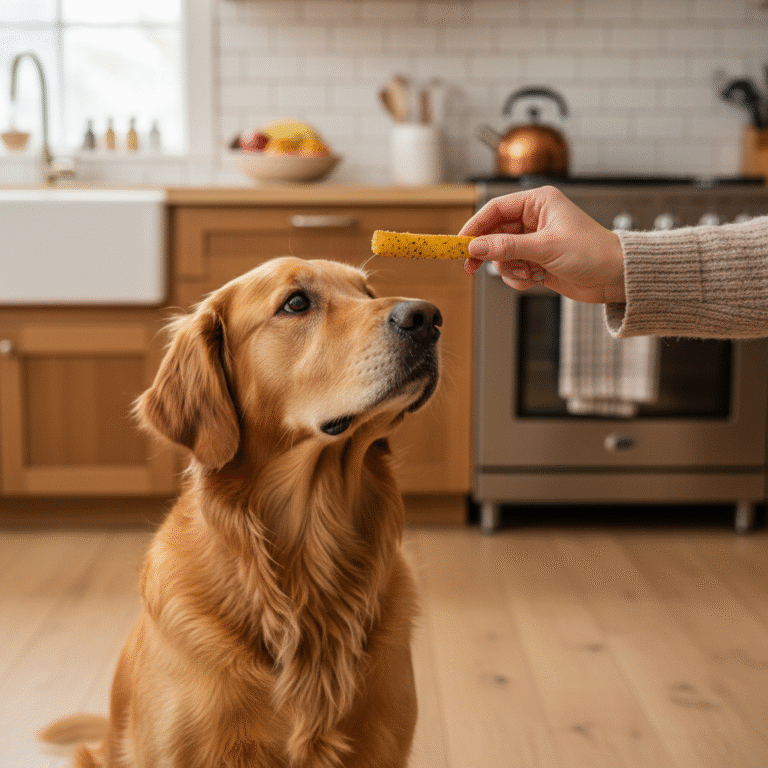
- Cool Completely: Remove the trays from the oven and let the chews cool completely on a wire rack. They will continue to harden and get chewier as they cool down. Don’t be tempted to give one to your eager pup while it’s still hot!
Pro Tip: For an extra dash of flavor and health benefits, you can toss the raw slices in a tiny amount of melted coconut oil and a sprinkle of cinnamon (make sure it’s Ceylon cinnamon and NOT a mix containing xylitol) before baking.
Serving and Storage: Keeping Your Treats Fresh and Safe
Serving and Storage: Keeping Your Treats Fresh and Safe
Congratulations, you’ve just made a batch of the best dog treats on the planet! Now, let’s talk about how to serve them and keep them fresh so your hard work doesn’t go to waste.
Portion Control is Key
Even though sweet potatoes are healthy, they are still treats and contain calories and natural sugars. It’s important to practice portion control. A good rule of thumb is the 10% rule: treats should not make up more than 10% of your dog’s daily caloric intake.
- For small dogs (under 20 lbs): 1-2 small pieces per day.
- For medium dogs (20-50 lbs): 2-3 pieces per day.
- For large dogs (over 50 lbs): 3-4 pieces per day.
Always introduce any new food to your dog’s diet slowly to ensure it doesn’t cause any digestive upset. Start with a small piece and monitor them for a day.
How to Store Your Homemade Jerky
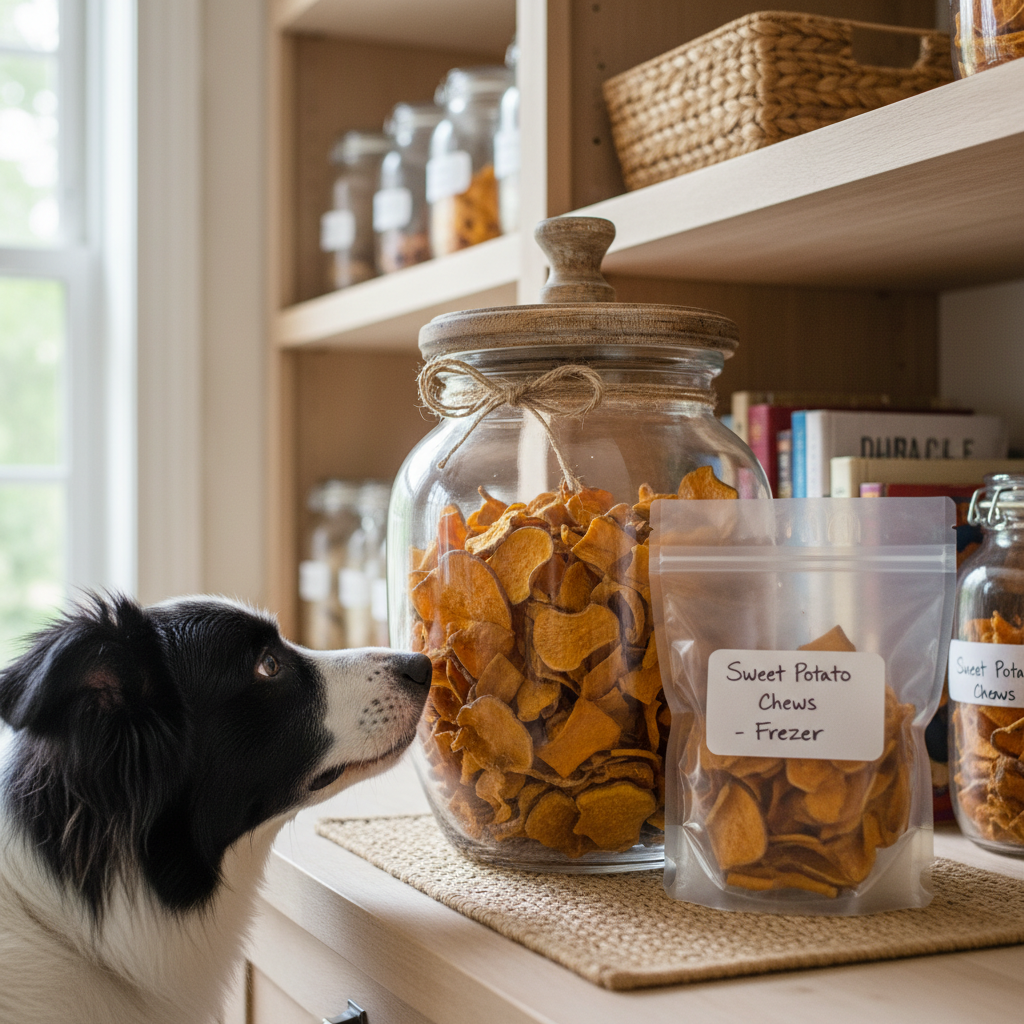
The key to longevity is making sure the chews are thoroughly dehydrated and cooled before storing. Any residual moisture can lead to mold growth. Once they are completely cool, you have a few options:
Here’s a simple breakdown:
| Storage Method | Duration | Best For |
|---|---|---|
| Airtight Container (at Room Temp) | Up to 2 weeks | Ensuring the treats are fully dehydrated and crispy. If they were chewier, they may not last as long. |
| Airtight Container (in the Refrigerator) | Up to 1 month | This is the best option for chewier treats, as the cool temperature helps prevent mold. |
| Freezer Bag (in the Freezer) | Up to 6 months | Making large batches at once. You can pull out a few at a time to thaw. |
If you notice any signs of mold (fuzzy spots, off-smell), discard the entire batch immediately. It’s always better to be safe than sorry!
Are There Any Risks? A Quick Safety Chat

Are There Any Risks? A Quick Safety Chat
While homemade sweet potato jerky is overwhelmingly safe and healthy, a responsible pet parent always considers potential risks. Here are a few things to keep in mind to ensure treat time is always a safe and happy time.
Choking Hazards
Any chew treat can pose a choking risk. To minimize this, consider your dog’s size and chewing style when you slice the potatoes. For smaller dogs, cutting the sweet potatoes into thin, chip-like rounds might be safer. For larger dogs who tend to gulp their food, cutting them into longer, thicker strips encourages them to chew more thoroughly. Regardless of the shape, always supervise your dog while they are enjoying their treat.
Dogs with Specific Health Conditions
While sweet potatoes are healthy, their high fiber and natural sugar content might not be suitable for all dogs in large quantities. If your dog has any of the following conditions, it’s wise to consult your veterinarian before adding sweet potato chews to their diet:
- Diabetes: The natural sugars in sweet potatoes can affect blood sugar levels. Your vet can advise on whether they are appropriate and in what quantity.
- Kidney Disease: Sweet potatoes are high in potassium, which may need to be limited in dogs with kidney issues.
- Pancreatitis or a History of GI Upset: While the fiber is often beneficial, a sudden increase could potentially cause issues for highly sensitive dogs.
Don’t Serve Raw
Never feed your dog raw sweet potato. It can be difficult for them to digest and may cause stomach upset or even a blockage. The slow-baking process not only creates the perfect texture but also makes the nutrients easier for your dog’s system to absorb.
Remember: You know your dog best. Pay attention to how they react to new foods and always consult your vet if you have any concerns about their specific dietary needs.
Conclusion
There you have it—the secret to endless, affordable, and incredibly healthy dog treats is likely sitting in your kitchen pantry right now. By swapping expensive, processed store-bought jerky for homemade sweet potato chews, you’re not just saving a significant amount of money. You’re also taking complete control over your dog’s nutrition, ensuring they get a snack that’s free from fillers, artificial additives, and preservatives.
Making these treats is more than just a frugal choice; it’s a simple act of love. The aroma of them baking will have your dog’s tail wagging in anticipation, and the joy on their face as they crunch into a treat you made just for them is truly priceless. So go ahead, grab a couple of sweet potatoes on your next grocery run. Your dog—and your wallet—will be forever grateful!