Don’t Trash Them! Steamed Broccoli Stalks for Dog Fiber
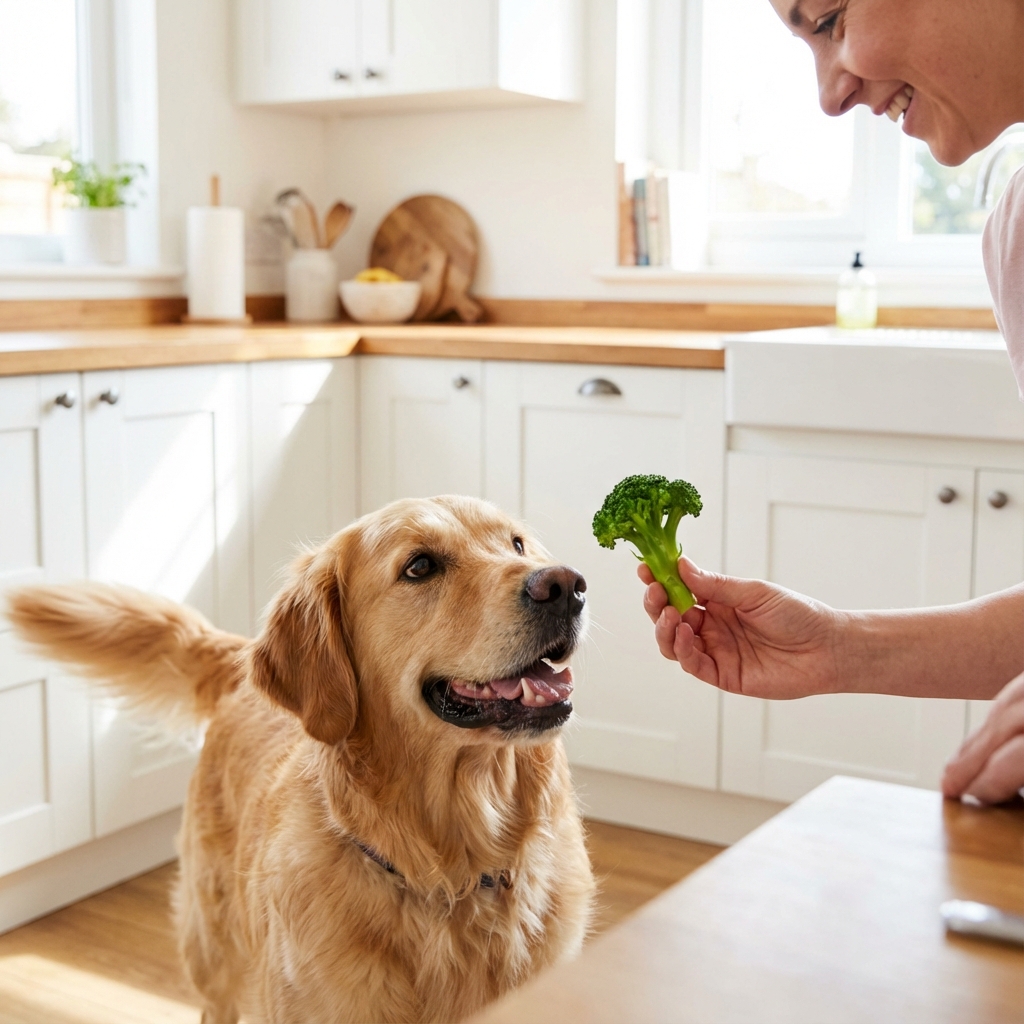
You know the drill. You’re in the kitchen, chopping up some beautiful green broccoli florets for your family’s dinner. You’re left with the thick, woody stalks and your hand hovers over the trash can or compost bin. But wait! Before you toss them, did you know those humble stalks could be a crunchy, nutritious, and fiber-packed treat for your furry best friend? That’s right, those scraps can be a superfood snack.
Fiber is a crucial, yet often overlooked, component of a healthy canine diet. It keeps their digestive system running smoothly, helps manage weight, and supports a healthy gut microbiome. In this guide, we’ll dive deep into the world of broccoli stalks for dogs. We’ll explore the fantastic benefits, uncover any potential risks, and give you the step-by-step instructions to turn this kitchen scrap into a safe and savory snack your pup will love. Let’s get cooking!
The Fiber Powerhouse: Why Broccoli Stalks Are Good for Your Pup
The Fiber Powerhouse: Why Broccoli Stalks Are Good for Your Pup
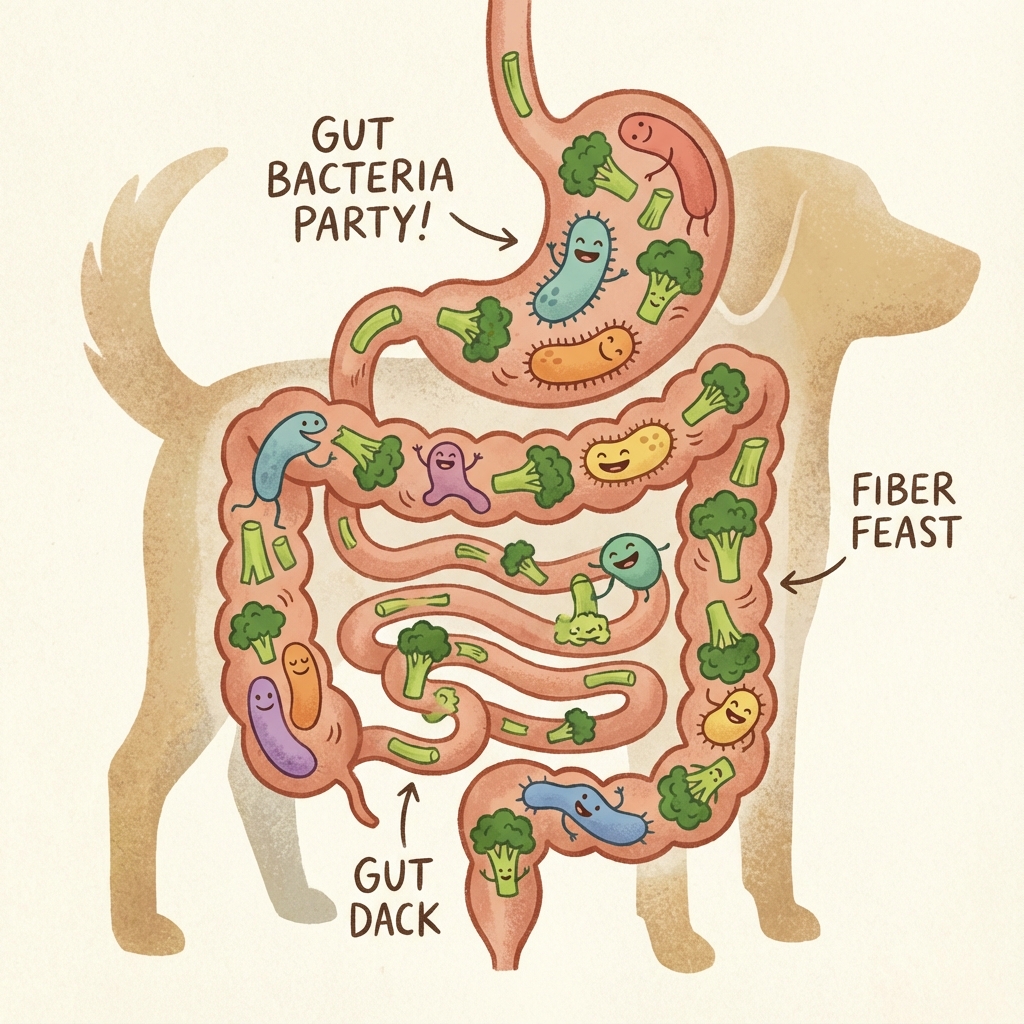
When we think of superfoods, we often picture exotic berries or fancy greens, but the simple broccoli stalk holds its own as a nutritional champion for our dogs. Its main claim to fame is its high fiber content, which plays a starring role in your dog’s digestive health.
Dietary fiber for dogs comes in two forms, and broccoli stalks offer a healthy dose of both:
- Soluble Fiber: This type of fiber dissolves in water to form a gel-like substance. It helps slow down digestion, which can make your dog feel fuller for longer—a great benefit for pups who need to watch their weight. It also acts as a prebiotic, feeding the beneficial bacteria in your dog’s gut.
- Insoluble Fiber: This is the ‘roughage’ that doesn’t dissolve. It adds bulk to your dog’s stool, which is essential for promoting regular, healthy bowel movements and preventing constipation.
But the benefits don’t stop at digestion. Broccoli stalks are also packed with other goodies:
- Vitamin C: A powerful antioxidant that helps reduce inflammation and supports a healthy immune system.
- Vitamin K: Crucial for blood clotting and promoting strong bone density.
- Potassium: An essential mineral that supports healthy heart, nerve, and muscle function.
- Sulforaphane: A compound found in cruciferous veggies that has been studied for its anti-inflammatory and potential cancer-fighting properties.
By adding a small amount of steamed broccoli stalk to your dog’s diet, you’re not just giving them a treat; you’re supporting their overall wellness from the inside out.
Potential Pitfalls: Understanding the Risks of Broccoli for Dogs

Potential Pitfalls: Understanding the Risks of Broccoli for Dogs
While broccoli stalks can be a fantastic addition to your dog’s diet, it’s not a free-for-all. Like any human food, moderation and proper preparation are key to keeping it safe and beneficial. Let’s break down the potential risks.
Isothiocyanates and Tummy Troubles
The main concern with broccoli and other cruciferous vegetables (like cauliflower and cabbage) is a naturally occurring compound called isothiocyanate. In small amounts, this compound is perfectly fine. However, if a dog consumes a very large quantity, it can cause mild to severe gastric irritation, leading to gas, bloating, stomach pain, or diarrhea. This is why it’s so important to follow serving size recommendations.
The general veterinary rule of thumb is that treats, including vegetables like broccoli, should not make up more than 10% of your dog’s total daily caloric intake. For most dogs, this means broccoli will always be served in amounts far too small to cause isothiocyanate issues.
The Choking Hazard
This is perhaps the most immediate risk, especially with the stalks. Raw broccoli stalks are incredibly tough and fibrous. Giving a whole, raw stalk to a dog, especially an eager eater, is a serious choking hazard. The pieces can get lodged in their throat. This is why we always recommend steaming and chopping the stalks into small, manageable, bite-sized pieces before serving.
Gas and Bloating
Let’s be honest, cruciferous vegetables are famous for one thing: gas. The high fiber content can lead to some extra flatulence, especially when first introduced. This is usually harmless (though maybe not for your nose!), but it’s a good reason to follow our advice to ‘start low and go slow’ when introducing any new food to your dog’s diet.
The Safe & Savvy Way: How to Prepare Broccoli Stalks for Your Dog
The Safe & Savvy Way: How to Prepare Broccoli Stalks for Your Dog
Ready to turn that trash into treasure? Preparing broccoli stalks for your dog is incredibly simple, but following these steps is crucial for safety and digestibility. Never serve them raw, and always keep them plain!
- Wash Thoroughly: Just like you would for yourself, rinse the broccoli stalks under cool running water to remove any dirt, pesticides, or debris.
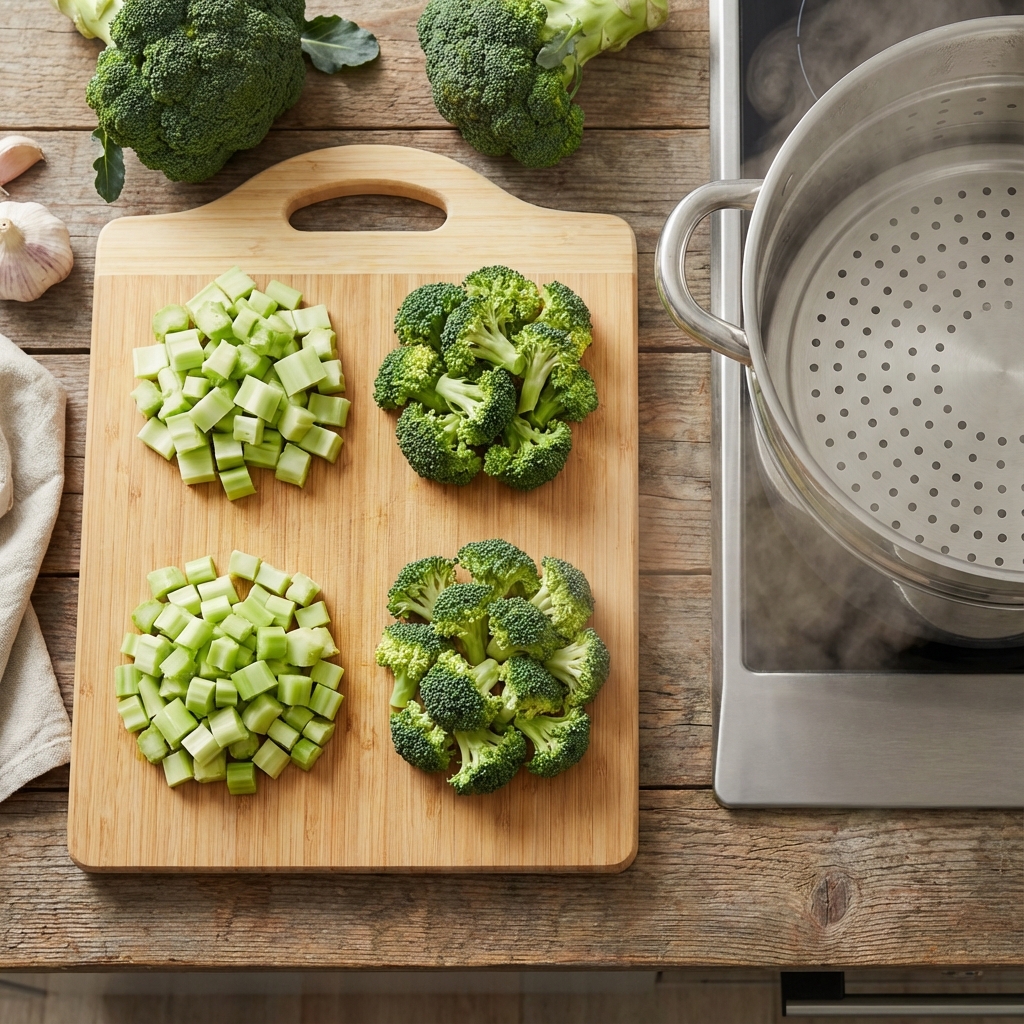
- Peel the Outer Layer: The outermost skin of the stalk is extra tough and fibrous. Use a vegetable peeler to remove this layer. This makes the stalk much easier for your dog to chew and digest.
- Chop, Chop, Chop: This is the most important step for preventing choking. Dice the peeled stalk into small, bite-sized pieces. The right size depends on your dog. For a Chihuahua, pieces should be very small (think the size of a pea). For a German Shepherd, they can be larger (the size of a sugar cube). When in doubt, always err on the smaller side.
- Steam to Perfection: Place the chopped pieces in a steamer basket over boiling water and steam for 5-7 minutes, or until they are tender-crisp (easily pierced with a fork, but not mushy). Steaming is the best cooking method because it softens the fibers for digestion while retaining more of the valuable nutrients compared to boiling.
- Cool Completely: Never serve hot food to your dog. Allow the steamed broccoli pieces to cool down to room temperature before offering them as a treat or mixing them into their food.
- Serve It Plain: This is a non-negotiable rule. Your dog’s snack should be completely plain. Do not add any salt, oil, butter, cheese, garlic, or onions. These additions can be unhealthy or even toxic to dogs.
How Much is Too Much? A Simple Serving Size Guide

How Much is Too Much? A Simple Serving Size Guide
We’ve mentioned the ‘10% rule’ and the importance of moderation, but what does that look like in practice? It’s crucial to remember that every dog is an individual, and tolerance for new foods can vary. Always start with just one or two small pieces to see how your dog’s system reacts over the next 24 hours.
Here is a general guide to help you determine a safe serving size once you know your dog tolerates broccoli well. These are suggestions for a total amount given over a day, not necessarily all at once.
| Dog Size Category | Weight Range | Suggested Max Daily Serving |
|---|---|---|
| Toy Breed | Under 10 lbs (e.g., Yorkie, Chihuahua) | 1-2 teaspoon-sized pieces |
| Small Breed | 10-25 lbs (e.g., Beagle, Pug) | 1-2 tablespoons of chopped pieces |
| Medium Breed | 25-50 lbs (e.g., Border Collie, Basset Hound) | Up to 1/4 cup of chopped pieces |
| Large Breed | 50-90 lbs (e.g., Labrador, Golden Retriever) | Up to 1/3 cup of chopped pieces |
| Giant Breed | Over 90 lbs (e.g., Great Dane, Mastiff) | Up to 1/2 cup of chopped pieces |
Expert Tip: When introducing any new food, especially one high in fiber, ‘start low and go slow.’ Give your dog just a tiny piece on the first day. This gives their digestive system time to adjust and allows you to monitor for any signs of upset like gas or loose stools.
Not a Broccoli Fan? Other Fiber-Rich Veggies for Your Dog

Not a Broccoli Fan? Other Fiber-Rich Veggies for Your Dog
So, you went through all the steps, and your dog turned up their nose at the broccoli. Or maybe their tummy just didn’t agree with it. Don’t worry! There are plenty of other safe and healthy vegetables you can use to give your pup a fiber boost.
Here are some fantastic, dog-approved alternatives:
- Pumpkin Puree: Make sure it’s 100% pure pumpkin, NOT pumpkin pie filling. A spoonful of this is a go-to remedy for both constipation and diarrhea, as its soluble fiber helps regulate the gut.
- Carrots: Served raw (for a crunchy teeth-cleaner) or steamed, carrots are low in calories and high in fiber and beta-carotene. As with broccoli stalks, chop them to an appropriate size to prevent choking.
- Green Beans: A fantastic, low-calorie option for dogs on a diet. Serve them steamed or even frozen (on a hot day) for a crunchy treat. Always use plain beans with no added salt.
- Sweet Potatoes: Cooked and peeled sweet potatoes are an excellent source of dietary fiber and vitamins. Serve them mashed or in small, cooked cubes.
- Apples: A sweet treat that’s also a good source of fiber. Just be absolutely sure to remove the core and all seeds, as the seeds contain small amounts of cyanide.
Variety is the spice of life, even for our dogs. Rotating different dog-safe fruits and veggies can provide a wider range of nutrients and keep treat time exciting for your best friend.
Conclusion
So, the next time you’re prepping broccoli, think twice before you toss those stalks. With a little bit of care—peeling, chopping, and steaming—you can transform a piece of food waste into a hydrating, nutrient-dense, and fiber-rich snack for your dog. It’s a wonderful way to boost their digestive health, add variety to their diet, and be a little more sustainable in the kitchen.
Remember the golden rules: serve in moderation, always cook it plain, and introduce it slowly. By following these simple guidelines, you can safely share the goodness of broccoli with your four-legged family member. Happy snacking!