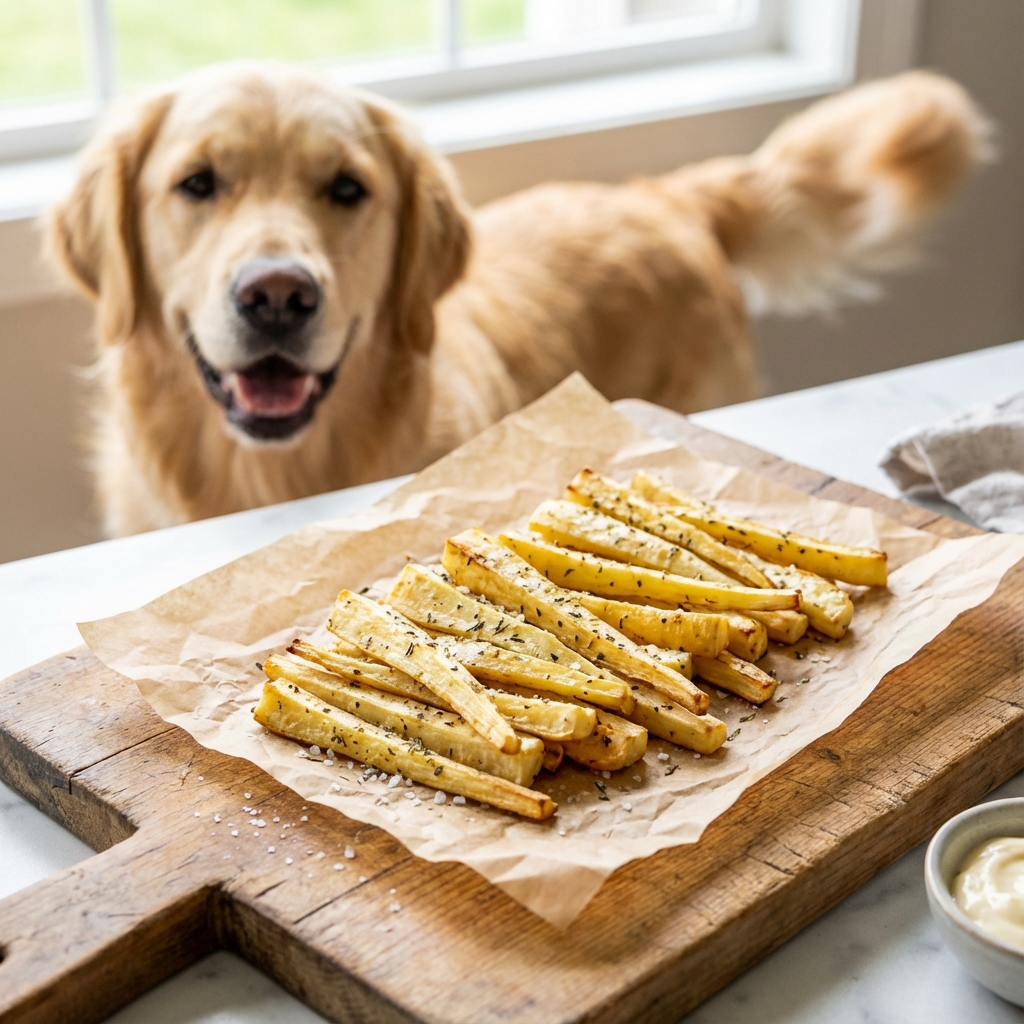
Better Than Potatoes: Sweet Baked Parsnip Fries for Dogs
We’ve all been there. You’re enjoying a nice meal, and you look down to see two big, soulful eyes staring up at you, silently pleading for a taste. It’s so tempting to share, especially something as universally loved as a french fry. But when it comes to our dogs, not all human foods are created equal. While we might think of potatoes as a harmless vegetable, they can pose risks to our pups, especially when raw or prepared with unhealthy fats and seasonings.
But what if you could give your dog a treat that has the satisfying shape and texture of a fry but is packed with goodness? Enter the humble parsnip! This sweet, earthy root vegetable is not only safe for dogs but also loaded with health benefits. In this guide, we’ll dig into why parsnips are a superior choice to potatoes, share a drool-worthy recipe for baked parsnip fries, and cover everything you need to know about serving them safely. Get ready to crown a new king of the veggie treats in your home!
The Great Veggie Debate: Why Parsnips are a Pawsome Pick
Why Parsnips are a Pawsome Pick
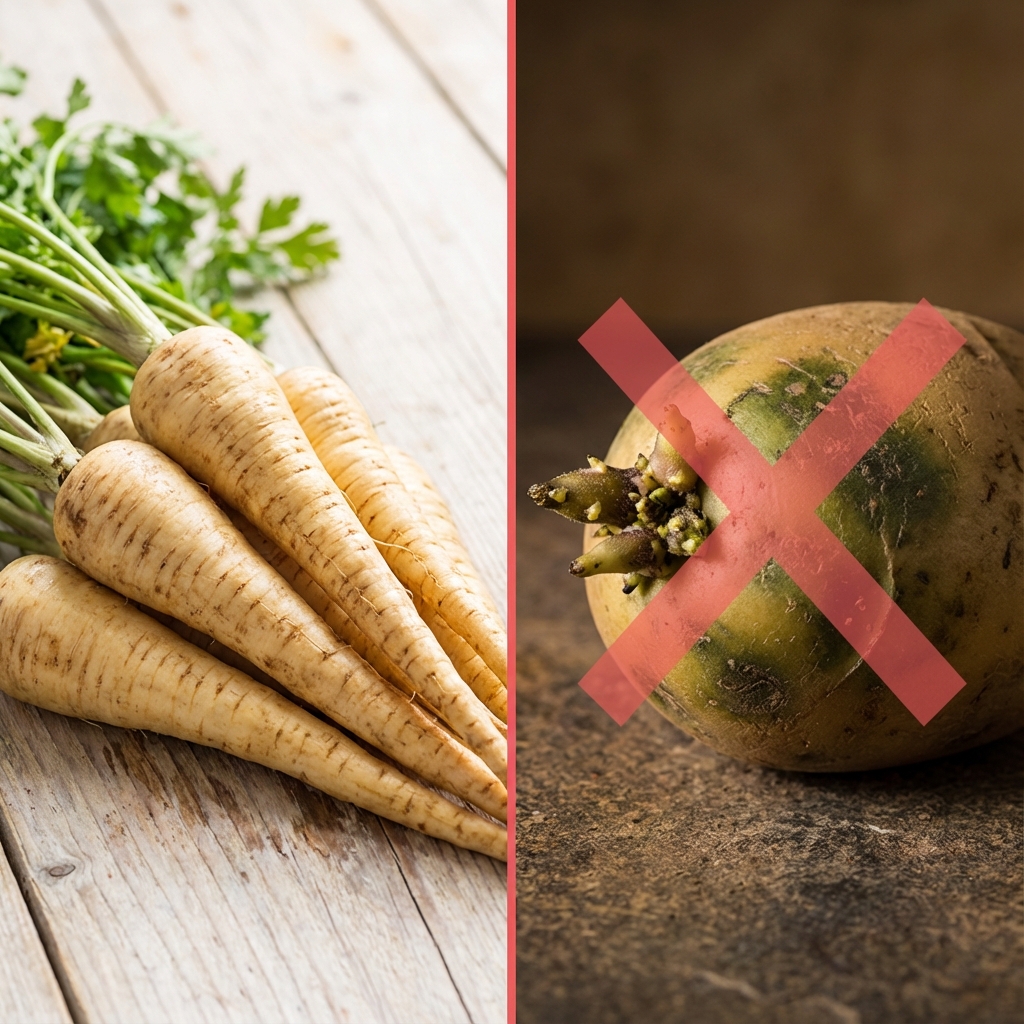
So, what makes this pale, carrot-shaped vegetable such a star player in your dog’s treat rotation? Unlike potatoes, which belong to the nightshade family, parsnips are a safer and more nutritionally beneficial option. Let’s break down the perks:
- Rich in Fiber: Parsnips are an excellent source of dietary fiber, which is fantastic for your dog’s digestive health. Fiber helps regulate bowel movements, promotes a feeling of fullness, and can support a healthy gut microbiome.
- Packed with Vitamins: These veggies are loaded with Vitamin C, an antioxidant that helps reduce inflammation and supports a healthy immune system. They also contain Vitamin K, crucial for blood clotting, and folate (Vitamin B9), which is vital for cell growth and metabolism.
- Full of Healthy Antioxidants: Parsnips contain powerful antioxidants that help fight off free radicals in your dog’s body, which can contribute to cellular damage and aging.
And Why Potatoes Can Be a Problem…
While cooked, plain potatoes in moderation aren’t toxic, they come with some baggage. The biggest concern is a compound called solanine, which is found in raw potatoes, especially in the peels and any green spots. Solanine can be toxic to dogs, causing gastrointestinal upset, lethargy, and weakness. Furthermore, potatoes are very starchy, which can be problematic for overweight or diabetic dogs as it can spike their blood sugar levels. By choosing parsnips, you sidestep these risks entirely.
Nutritional Showdown: Parsnip vs. Potato
Nutritional Showdown: Parsnip vs. Potato
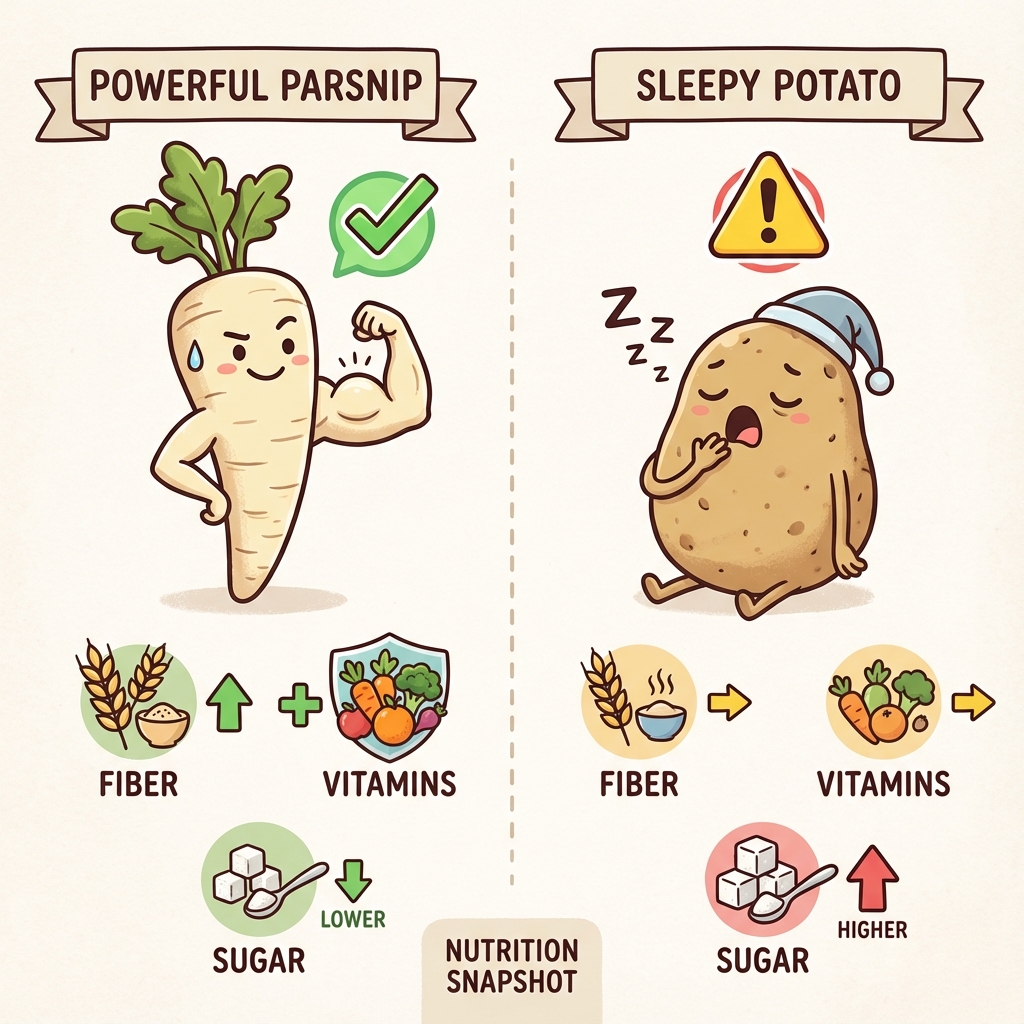
Seeing the numbers side-by-side can really highlight why parsnips are the winner for your pup. While both are root vegetables, their nutritional profiles offer different benefits. Here’s a simplified look at how they compare per 100g serving (cooked, plain).
| Nutrient | Parsnips (Cooked) | White Potato (Cooked) |
|---|---|---|
| Calories | ~75 kcal | ~87 kcal |
| Dietary Fiber | ~4.9 g (Excellent Source) | ~2.2 g |
| Sugars | ~4.8 g (Natural sweetness) | ~0.8 g |
| Vitamin C | High | Moderate |
| Starch Content | Lower | Higher |
| Solanine Risk | None | Present when raw/green |
Expert Tip: The key takeaway here is the higher fiber and lower starch content in parsnips. This makes them a much more gut-friendly and blood-sugar-stable option for your canine companion.
Recipe: Easy & Delicious Baked Parsnip Fries for Dogs
Recipe: Easy & Delicious Baked Parsnip Fries for Dogs
Ready to get cooking? This recipe is as simple as it gets and requires minimal ingredients. Your pup will be drooling in no time!
What You’ll Need:
- 2-3 medium-sized parsnips
- 1 tablespoon of olive oil or coconut oil (melted)
- A pinch of pet-safe herbs like parsley (optional, for flavor and fresh breath!)
The Steps:
- Preheat and Prep: Preheat your oven to 400°F (200°C). Line a baking sheet with parchment paper for easy cleanup.
- Wash and Peel: Thoroughly wash and scrub the parsnips. While the skin is edible, peeling it can reduce the fiber content slightly, which may be better for dogs with sensitive stomachs.
- Chop ’em Up: Cut the parsnips into a ‘fry’ shape. Aim for sticks that are about 1/4 to 1/2 inch thick. Try to keep them uniform in size so they cook evenly.
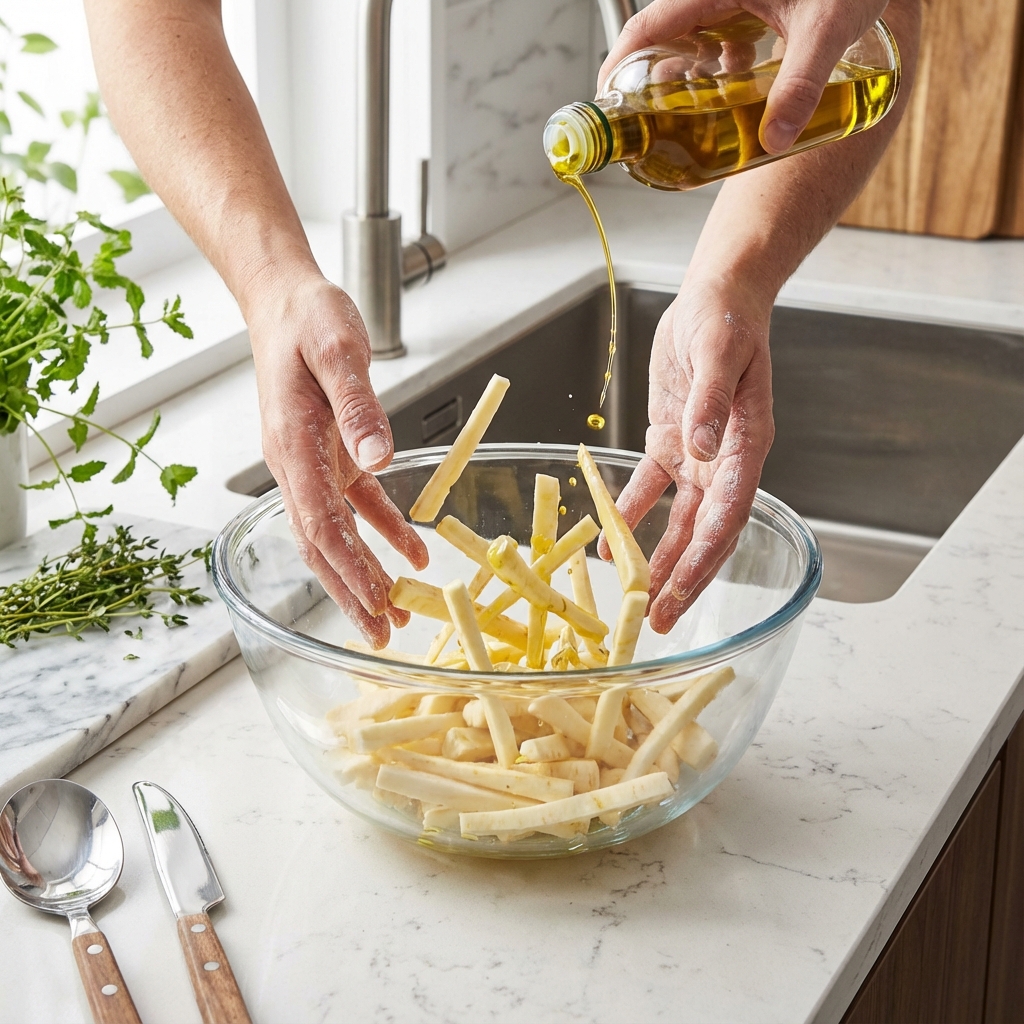
- Toss with Oil: In a bowl, toss the parsnip sticks with the olive or coconut oil until they are lightly coated. If you’re using parsley, sprinkle it on now.
- Arrange and Bake: Spread the parsnip fries in a single layer on your prepared baking sheet. Make sure they aren’t crowded, as this will help them get crispy instead of steaming.
- Cook to Perfection: Bake for 20-30 minutes, flipping them halfway through, until they are tender on the inside and nicely golden brown and slightly crispy on the outside.
- Cool Completely: This is the most important step! Let the fries cool down completely before serving them to your eager pup. Hot food can burn their mouth.
CRITICAL REMINDER: Never add salt, garlic powder, onion powder, or any other common human seasonings. These are harmful and can be toxic to dogs. Keep it plain and simple!
Serving Size Savvy: How Many Fries Are Okay?

Serving Size Savvy: How Many Fries Are Okay?
Even with healthy treats, moderation is key. The golden rule of dog treats is that they should not make up more than 10% of your dog’s daily caloric intake. Parsnip fries are a treat, not a meal replacement.
Here are some general guidelines for serving sizes, but always consult your vet if you have concerns about your dog’s specific dietary needs.
- Small Dogs (e.g., Chihuahua, Yorkie): 1-2 small fries per day.
- Medium Dogs (e.g., Beagle, Cocker Spaniel): 3-4 fries per day.
- Large Dogs (e.g., Labrador, German Shepherd): 5-6 fries per day.
Always introduce any new food slowly to your dog’s diet. Start with just one fry and monitor them for any signs of digestive upset, like gas or loose stools. If they handle it well, you can gradually increase the amount to the recommended serving size. Remember to provide plenty of fresh water, as the fiber in parsnips will need it to do its job properly.
Beyond Parsnips: Other Healthy Veggie ‘Fries’ for Your Pup
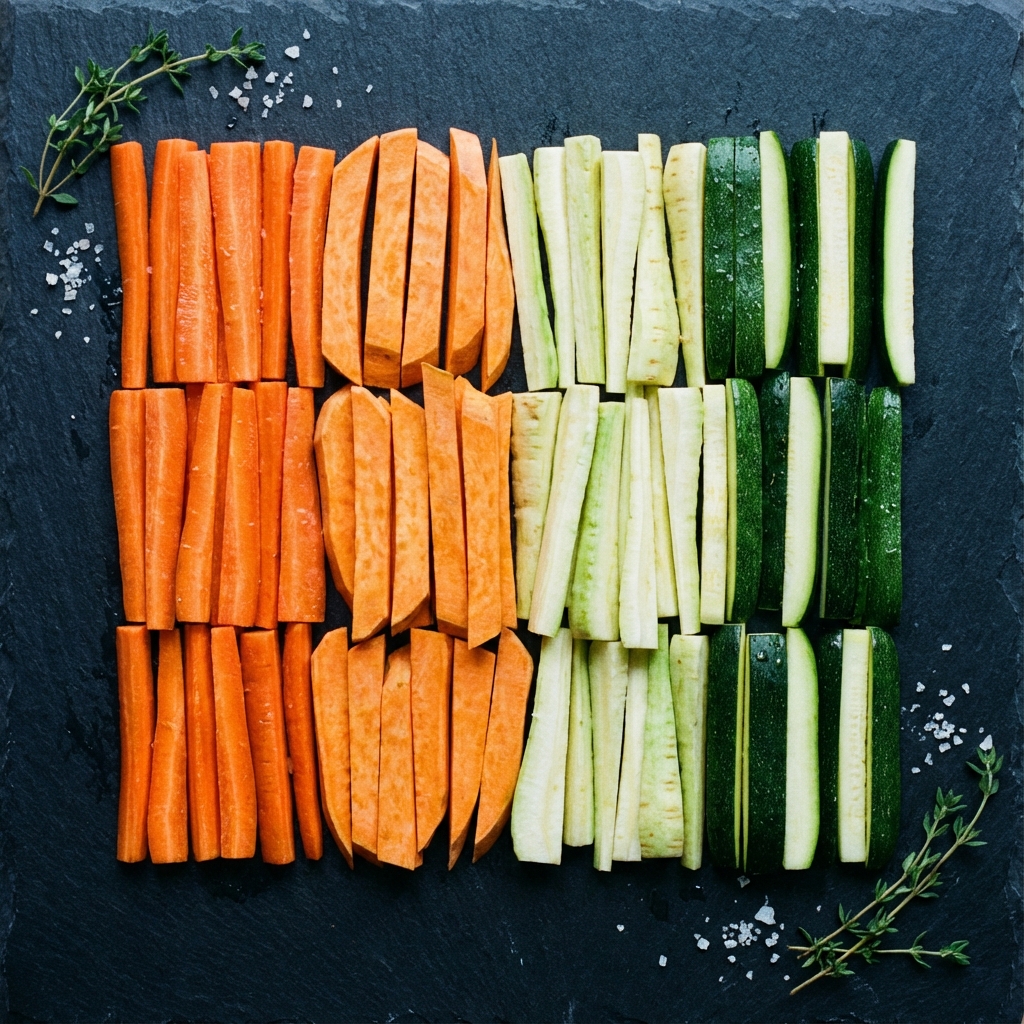
Beyond Parsnips: Other Healthy Veggie ‘Fries’ for Your Pup
Love the idea of veggie fries? Parsnips are just the beginning! Many other vegetables can be prepared in the same way to give your dog a variety of healthy, crunchy snacks. Variety not only keeps things interesting for your dog but also provides a wider range of nutrients.
Here are a few other dog-safe vegetables that make excellent baked fries:
- Carrots: A classic dog favorite! Carrots are low in calories and high in beta-carotene and Vitamin A. They bake up sweet and delicious.
- Sweet Potatoes: Unlike white potatoes, sweet potatoes are a fantastic source of vitamins and fiber. They must be cooked, and their high sugar content means they should be given in moderation, especially to diabetic dogs.
- Zucchini: A great low-calorie option, zucchini is packed with water and nutrients like Vitamin C and potassium. Zucchini fries will be softer than parsnip or carrot fries but are just as tasty.
- Green Beans: While not a traditional ‘fry’ shape, baked green beans can become wonderfully crispy and are a favorite, low-calorie treat for many dogs.
Remember to follow the same rules for these veggies: serve cooked, plain, and in moderation. Always cut them into a size and shape that is appropriate for your dog to prevent any choking hazards.
Conclusion
A Treat You Can Feel Good About!
Swapping out potentially risky table scraps for intentionally made, healthy treats like baked parsnip fries is one of the best ways to show your dog you love them. You get the joy of sharing a special snack, and they get a delicious treat that actually contributes to their well-being. It’s a win-win!
So next time you’re at the grocery store, grab a few parsnips. With just a little bit of prep, you can whip up a batch of these golden goodies that will have your dog’s tail wagging with delight. Happy treating!