Low-Carb Spaghetti Squash Bowls to Help Fat Dogs Slim Down
Seeing our furry best friends carry a few extra pounds can be worrying. We all want them to live long, happy, and active lives, and just like for us, weight plays a big role in their overall health. Canine obesity is a common problem, but the solution doesn’t have to be boring bowls of bland diet food. What if you could offer your pup a delicious, satisfying meal that’s also a secret weapon in the battle of the bulge?
Enter the humble spaghetti squash! This amazing vegetable is a low-carb, low-calorie powerhouse that can help your dog feel full and satisfied while cutting back on calories. In this guide, we’ll explore why spaghetti squash is a fantastic addition to your dog’s diet, share a simple and tasty recipe for a fat-fighting meal bowl, and cover everything you need to know to serve it safely.
Why Spaghetti Squash is a Superfood for Pudgy Pups
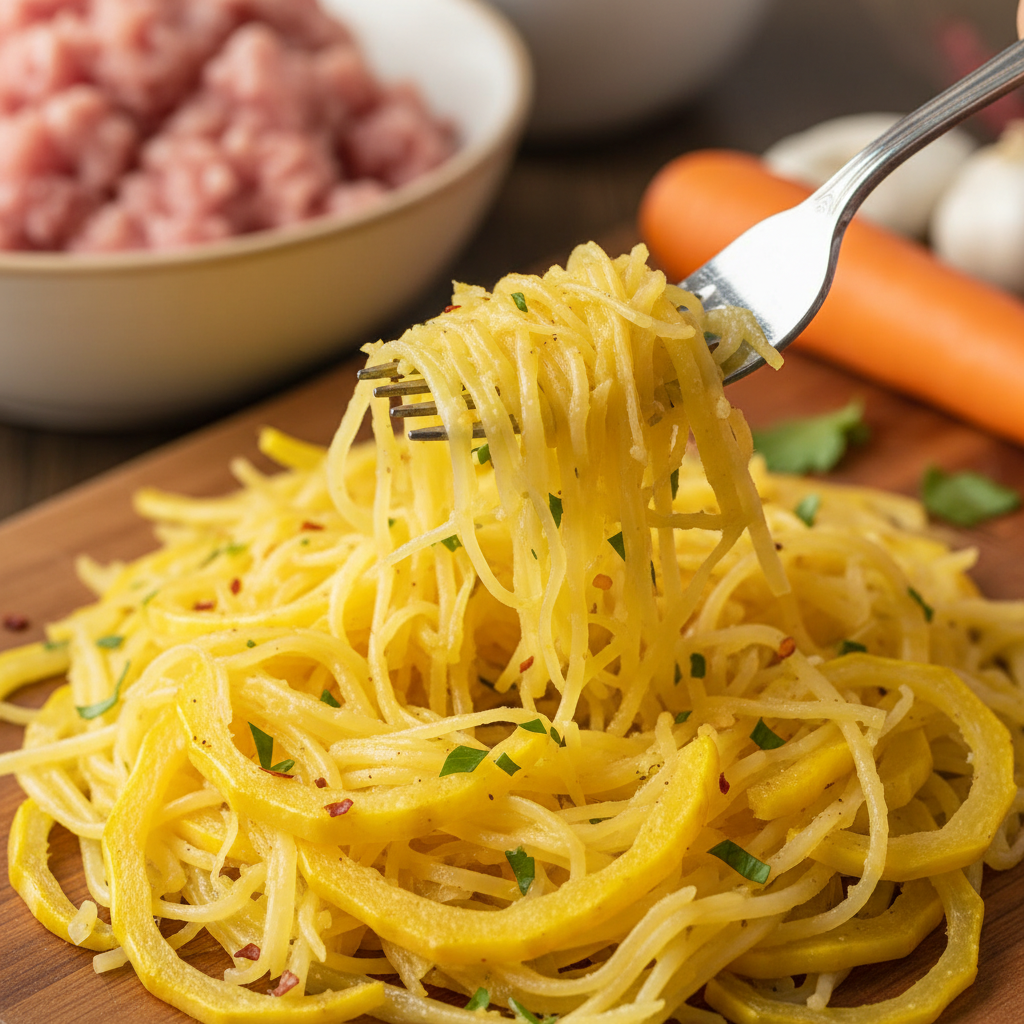
You might love it as a pasta substitute, but spaghetti squash has some incredible benefits for your four-legged friend, too. It’s not just a filler; it’s packed with nutritional goodness that can support their weight loss journey.
Key Benefits for Canine Weight Management:
- Low in Calories and Carbs: This is the main event! Compared to common fillers in dog food like corn or wheat, spaghetti squash is significantly lower in calories and carbohydrates, making it an excellent choice for reducing your dog’s overall caloric intake without shrinking their meal size.
- High in Fiber: Fiber is crucial for weight loss. It helps your dog feel fuller for longer, reducing begging and the urge to overeat. It also aids in healthy digestion and promotes regular bowel movements.
- Rich in Vitamins and Minerals: It’s not empty calories. Spaghetti squash provides essential nutrients like Vitamin C (an antioxidant that supports the immune system), Vitamin B6 (important for nervous system function), manganese, and potassium.
- Hydration Helper: With its high water content, spaghetti squash helps keep your dog hydrated, which is vital for their overall health and metabolism.
By swapping out a portion of your dog’s regular food with spaghetti squash, you can effectively lower the calorie density of their meal, helping them slim down without feeling deprived.
The Ultimate Fat-Fighting Spaghetti Squash Bowl Recipe
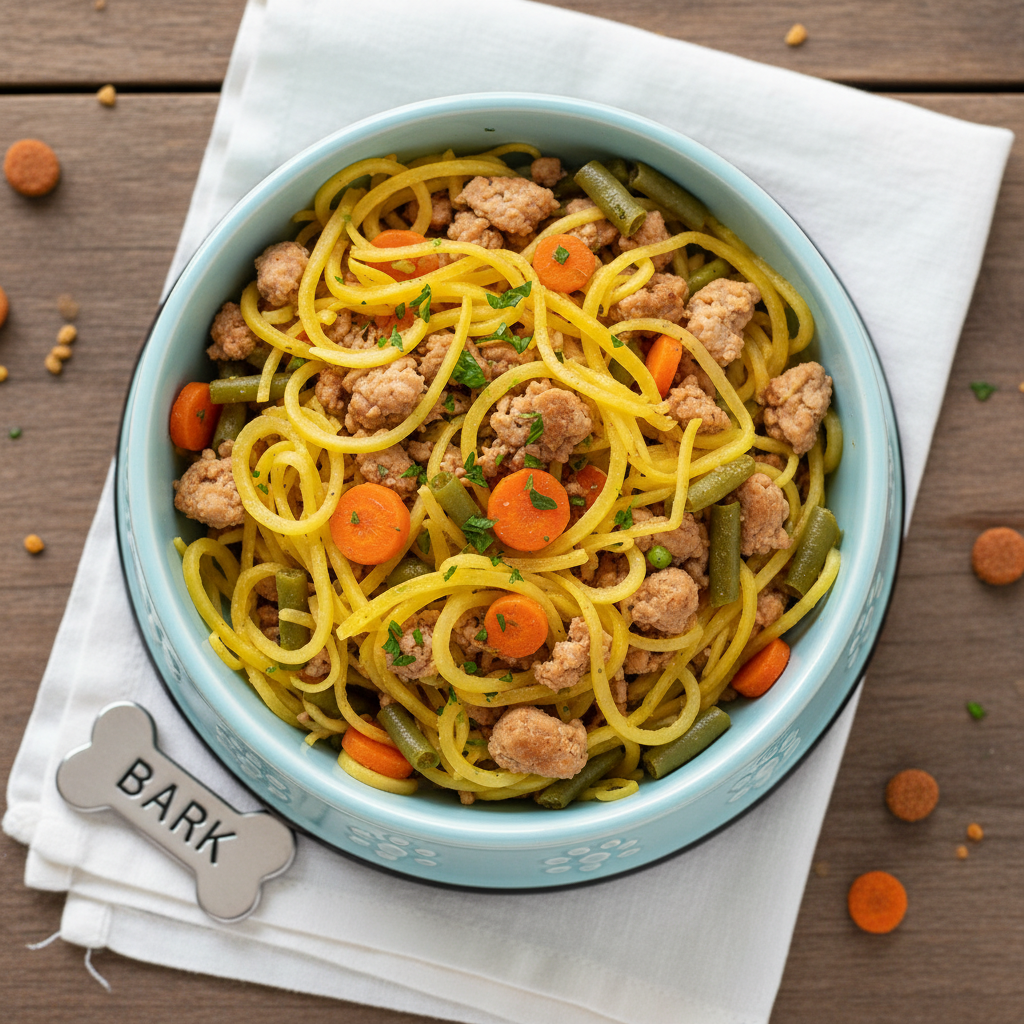
Ready to get cooking? This recipe is simple, customizable, and dog-approved. Remember to use plain ingredients without any salt, onions, garlic, or other seasonings that are harmful to dogs.
Ingredients:
- 1 small spaghetti squash
- 1 lb lean ground protein (turkey, chicken, or beef)
- 1 cup dog-friendly vegetables, finely chopped (e.g., carrots, green beans, peas)
- 1/4 cup water or unsalted bone broth
- 1 tablespoon of plain, unsweetened pumpkin puree (optional, for extra fiber)
Instructions:
- Cook the Squash: Preheat your oven to 400°F (200°C). Carefully cut the spaghetti squash in half lengthwise and scoop out the seeds. Place the halves cut-side down on a baking sheet and bake for 30-40 minutes, or until tender. Let it cool, then use a fork to shred the inside into spaghetti-like strands.
- Prepare the Protein: While the squash is baking, cook the lean ground meat in a skillet over medium heat until browned. Make sure to drain off any excess fat completely.
- Add the Veggies: Add the chopped vegetables and water or bone broth to the skillet with the cooked meat. Let it simmer for 5-10 minutes until the vegetables are tender.
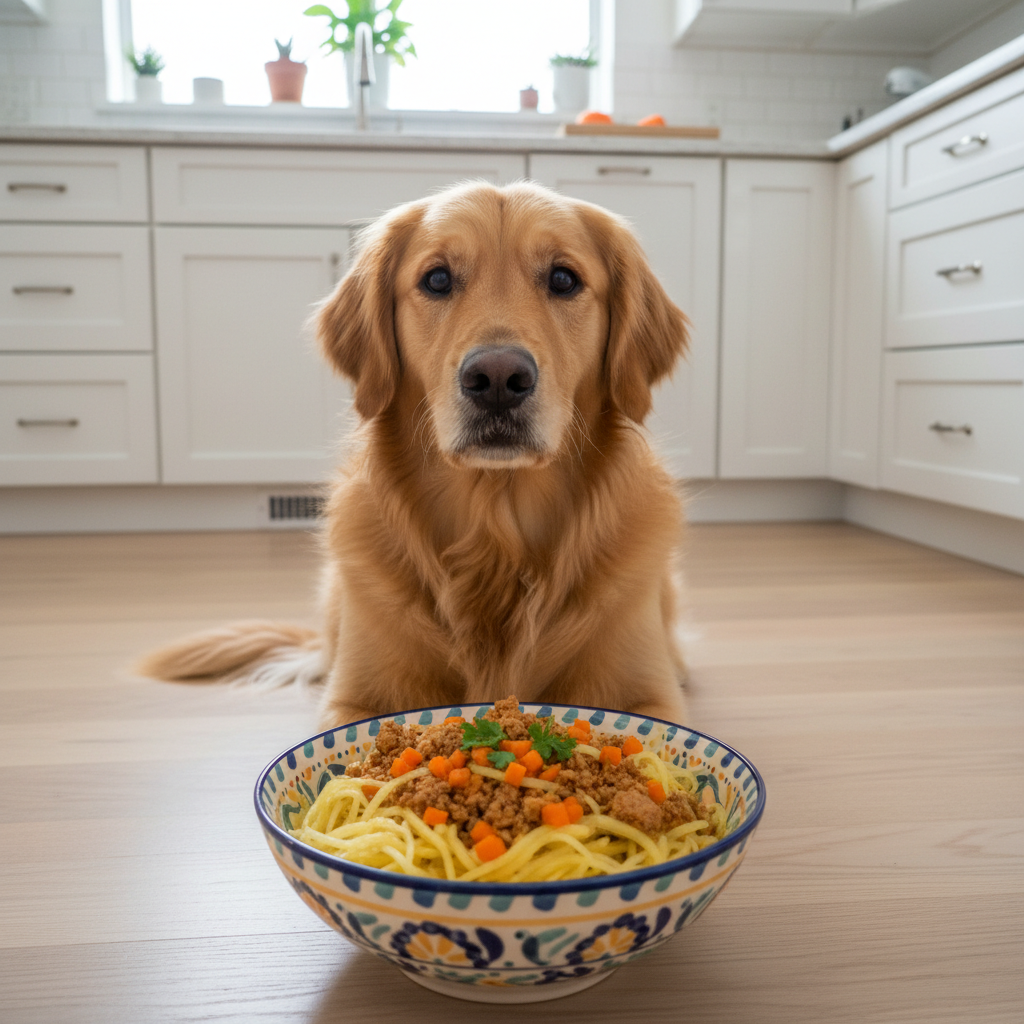
- Combine and Serve: In a large bowl, mix the shredded spaghetti squash, the meat and veggie mixture, and the optional pumpkin puree. Let it cool to room temperature before serving it to your eager pup!
Portion Patrol: How Much is Safe and Effective?
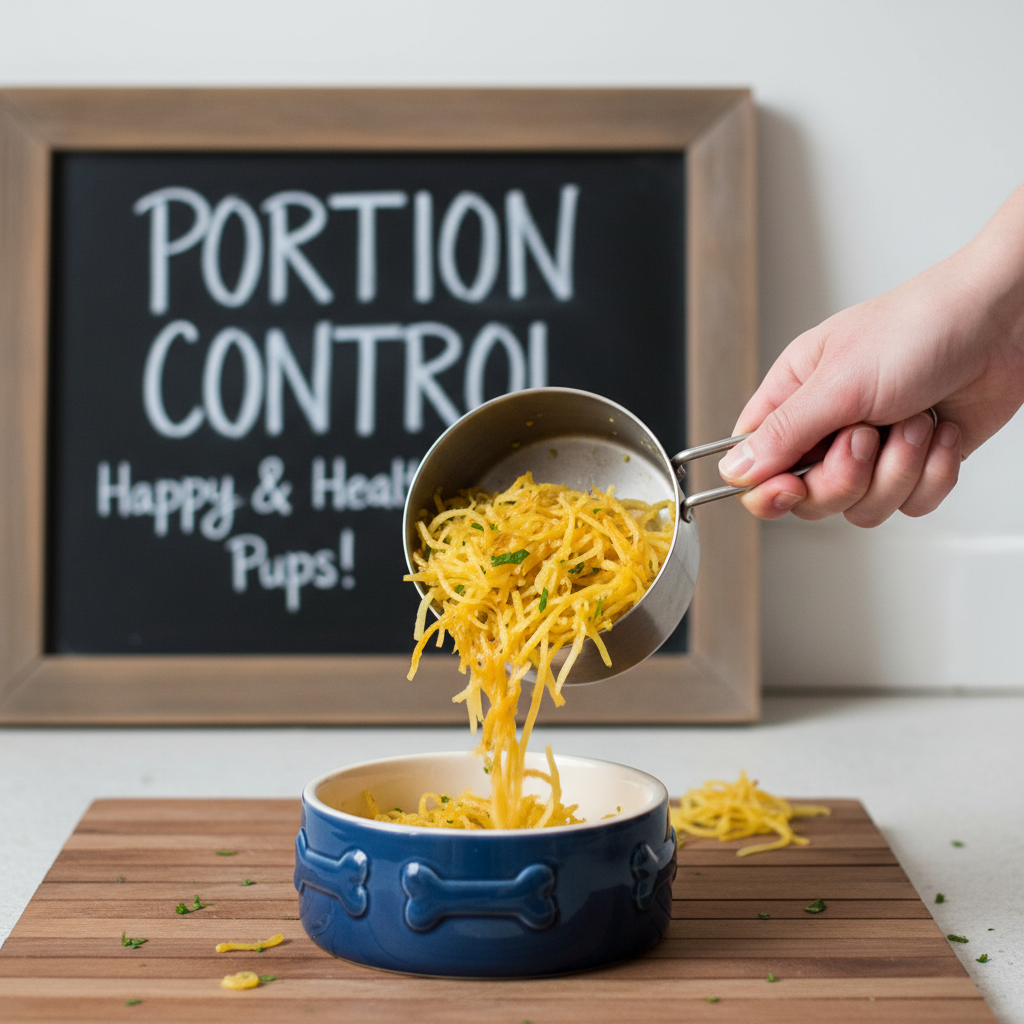
Introducing any new food should be done gradually to avoid digestive upset. Start with a small amount and see how your dog reacts. This spaghetti squash bowl should be used as a topper or to replace a portion of their regular, nutritionally balanced kibble, not as a complete meal replacement long-term, unless you are working with a veterinary nutritionist.
Consult your veterinarian for specific advice, but here are some general guidelines for using it as a food replacement to aid in weight loss:
| Dog Size | Suggested Replacement Amount (per meal) |
|---|---|
| Small (under 20 lbs) | Replace 2-3 tablespoons of kibble with the squash mixture. |
| Medium (20-50 lbs) | Replace 1/4 to 1/2 cup of kibble with the squash mixture. |
| Large (over 50 lbs) | Replace 1/2 to 1 cup of kibble with the squash mixture. |
Always monitor your dog’s weight and body condition, and adjust the amounts as needed in consultation with your vet.
Potential Pitfalls: What to Watch Out For
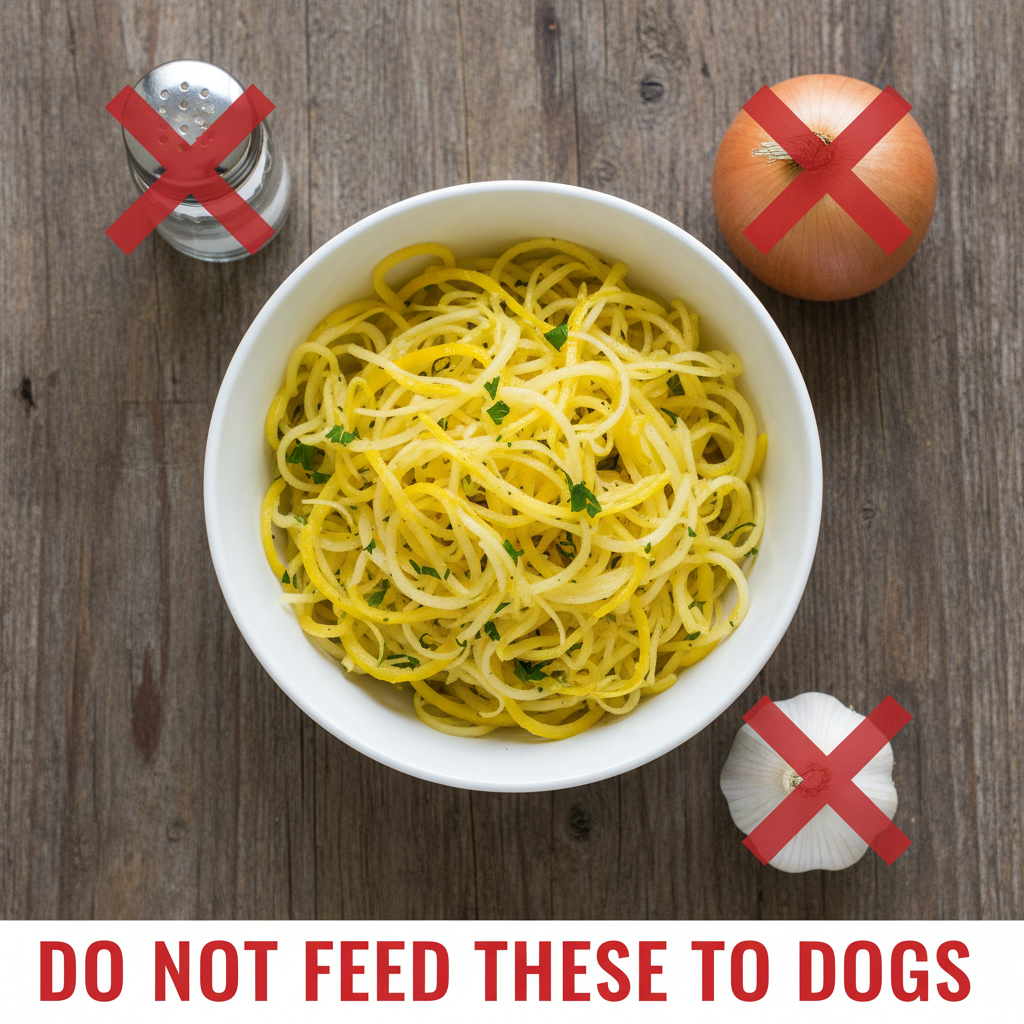
While spaghetti squash is generally very safe, there are a few things to keep in mind to ensure your dog has a positive experience.
- No Seasonings: This is critical. Never add salt, pepper, butter, oil, onions, or garlic to your dog’s food. These can range from causing digestive upset to being highly toxic. Keep it plain and simple!
- Remove Seeds and Rind: The stringy flesh is the prize. The seeds can be a choking hazard or cause digestive blockage, and the tough rind is difficult to digest. Be sure to serve only the cooked, shredded insides.
- Introduce Slowly: As with any new food, start small. A sudden large amount of fiber can cause gas or diarrhea. Mix a spoonful into their regular food and gradually increase the amount over a week.
- Watch for Allergies: Food allergies in dogs are rare for squash but possible. Watch for signs of an allergic reaction, such as itchy skin, vomiting, or diarrhea. If you notice any of these symptoms, stop feeding it and contact your vet.
Conclusion
Helping your dog achieve a healthy weight is one of the best gifts you can give them, and it doesn’t have to be a journey of deprivation. Low-carb spaghetti squash bowls offer a wonderful way to provide a filling, nutritious, and delicious meal that supports their weight loss goals. By packing their bowl with fiber and essential nutrients, you’re helping them slim down while keeping their tail wagging.
Remember to always consult your veterinarian before making significant changes to your dog’s diet. They can help you create a comprehensive weight loss plan that’s tailored to your pup’s specific needs. Now, go ahead and give this healthy, pup-pleasing recipe a try!