

Why Sweetbreads Are The Nutrient Bomb Your Dog Needs
When you hear the word ‘sweetbreads,’ what comes to mind? If you’re picturing a sugary pastry, you’re not alone! It’s one of the most confusingly named foods out there. But for our canine companions, this misunderstood ingredient is less about dessert and more about a dietary jackpot. Sweetbreads are not sweet, nor are they bread. They are nutrient-rich organ meats that can provide a powerful boost to your dog’s health.
You’re always looking for ways to enhance your furry friend’s diet, and exploring novel proteins and nutrient sources is a fantastic step. Organ meats, in general, are like nature’s multivitamins for dogs, and sweetbreads are a particularly special choice. In this guide, we’ll demystify sweetbreads, dive into their incredible nutritional profile, and—most importantly—show you how to share this ‘nutrient bomb’ with your dog safely. Let’s get started!
First Things First: What in the World Are Sweetbreads?
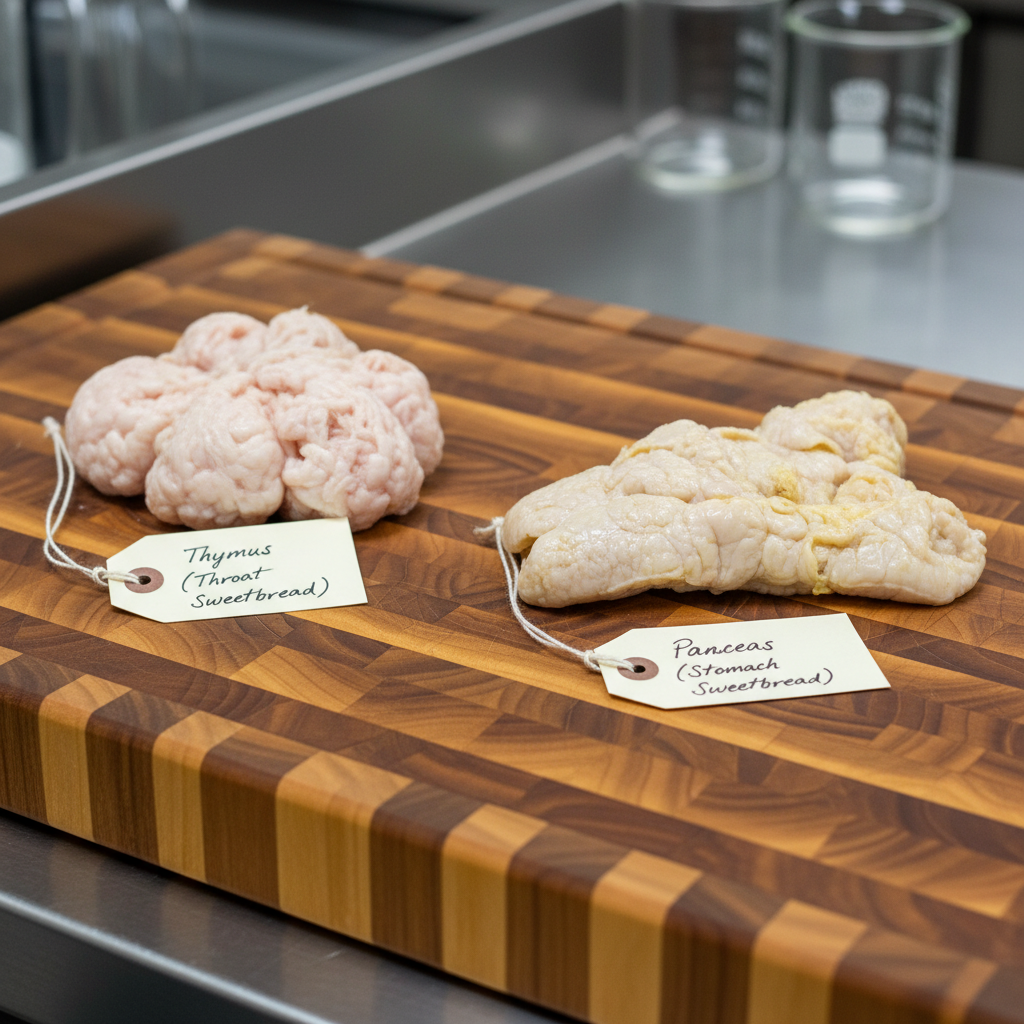
Before we can talk about the benefits, let’s clear up the confusion. Sweetbreads are the culinary term for the thymus gland and the pancreas of a young animal, typically a calf (veal) or lamb. They are considered offal, or organ meats, and are prized in many cuisines for their delicate texture and mild flavor.
The Two Types of Sweetbreads
- Thymus Gland: Also known as the ‘throat sweetbread,’ this is found in the neck of a young animal. It’s the more desirable of the two, with a smoother, more tender consistency.
- Pancreas: Referred to as the ‘heart’ or ‘stomach sweetbread,’ this organ is located near the stomach. It’s a bit firmer and less uniform in shape than the thymus.
The name ‘sweetbread’ is thought to have originated from Old English, with ‘sweet’ referring to the rich, subtly sweet taste compared to more pungent organ meats, and ‘bread’ possibly coming from an old word for flesh, ‘bræd.’ For our dogs, who have a palate that appreciates rich, meaty flavors, the mildness of sweetbreads can make them an instant hit, even for pickier eaters.
The ‘Nutrient Bomb’: Unpacking the Health Benefits
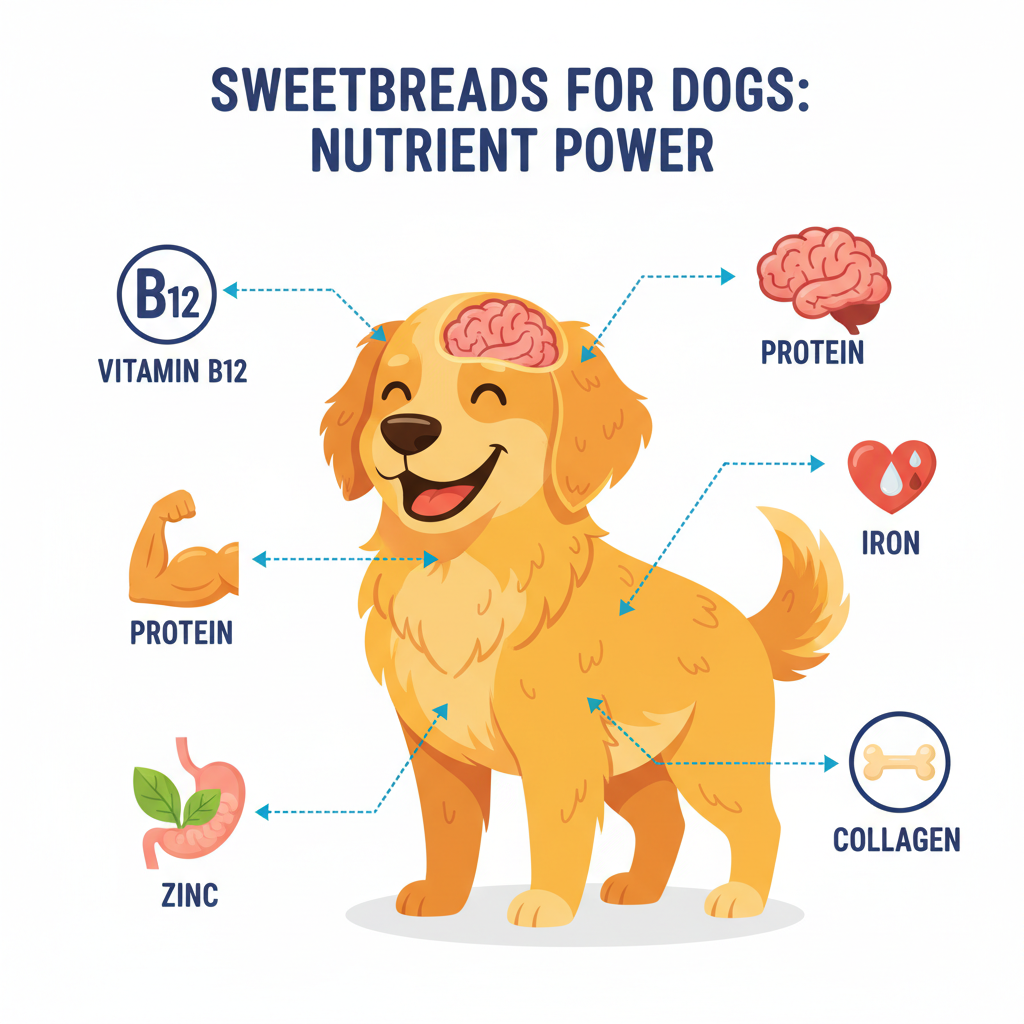
So, why are these organs so special? Because they are packed with an incredible array of vitamins and minerals that support your dog’s overall well-being. They offer a much denser concentration of nutrients than traditional muscle meat.
Feeding organ meats is a fantastic way to mimic the ancestral diet of canines, providing them with a wide spectrum of nutrients they might otherwise miss.
A Look at the Key Nutrients:
- Vitamin B12: Essential for brain function, nerve health, and the formation of red blood cells. A B12 deficiency can lead to fatigue and neurological issues.
- Vitamin C: A powerful antioxidant that helps reduce inflammation and cognitive aging. While dogs can produce their own Vitamin C, a dietary boost can be beneficial, especially for active or stressed dogs.
- Potassium: A crucial electrolyte that supports healthy muscle function, nerve signaling, and fluid balance.
- Phosphorus & Calcium: Working in tandem, these minerals are the building blocks for strong bones and teeth.
- Zinc: Vital for a healthy immune system, proper thyroid function, and maintaining healthy skin and coat.
- High-Quality Protein: Provides the essential amino acids needed for muscle repair, growth, and overall energy.
This potent combination of nutrients is what earns sweetbreads the ‘nutrient bomb’ nickname. A small amount can deliver a significant health punch.
Hold Your Paws: Potential Risks and Dogs Who Should Pass

As with any rich food, moderation and suitability are key. While sweetbreads are fantastic for many dogs, they aren’t the right choice for every pup. It’s crucial to be aware of the potential risks before adding them to your dog’s bowl.
The Purine Problem
The most significant concern with sweetbreads is their high concentration of purines. Purines are natural compounds that, when broken down by the body, create uric acid. Most dogs can process uric acid without a problem, but certain breeds are genetically predisposed to forming urate bladder stones when their diet is high in purines. If you have one of the following breeds, it’s best to avoid sweetbreads and other high-purine organ meats:
- Dalmatians
- English Bulldogs
- Russian Black Terriers
- Miniature Schnauzers
If you’re unsure about your dog’s risk, a quick chat with your veterinarian is always the best course of action.
Richness and Pancreatitis Risk
Sweetbreads are a very rich food. For dogs with sensitive stomachs or a history of pancreatitis, introducing such a rich ingredient can trigger digestive upset, including vomiting or diarrhea. Always start with a minuscule amount to see how your dog tolerates it.
The Chef’s Guide: How to Prepare and Serve Sweetbreads Safely

Ready to introduce this superfood to your dog? Great! Following these simple preparation and serving steps will ensure it’s a safe and delicious experience for your furry friend.
- Source High-Quality Product: Always purchase sweetbreads from a reputable butcher or grocery store. Look for products from grass-fed or pasture-raised animals if possible, as they tend to have a better nutritional profile.
- Cook It Plain: The best way to prepare sweetbreads for your dog is to cook them simply. You can gently poach them in water or pan-sear them in a dry pan until cooked through. Crucially, do NOT add any salt, spices, onions, garlic, oils, or butter. These are for human palates and can be harmful to dogs.
- Practice Portion Control: This is not a meal; it’s a supplement or a high-value treat. A little goes a long way. Follow the 10% rule, which states that treats should make up no more than 10% of your dog’s daily caloric intake. For most dogs, a small, 1-inch cube once or twice a week is more than enough.
- Dice It Up: Once cooked and cooled, dice the sweetbread into small, manageable pieces appropriate for your dog’s size to prevent any choking hazards. You can mix these small pieces into their regular food or use them as special training rewards.
- Start Slow: The first time you offer sweetbread, give just a tiny piece. Monitor your dog for the next 24 hours to ensure there’s no digestive upset before offering it again.
Conclusion
Sweetbreads might have a funny name, but their nutritional value is no joke. For the right dog, they can be a phenomenal addition to a balanced diet, offering a blast of vitamins and minerals that support everything from brain health to a shiny coat. They are a true ‘nutrient bomb’ waiting to be discovered.
The key takeaways are simple: know your dog’s health history (especially concerning bladder stones), source high-quality ingredients, cook them plainly, and serve them in moderation. By following these guidelines, you can safely unlock the incredible benefits of this unique organ meat. As always, consulting with your trusted veterinarian before making significant changes to your dog’s diet is a wonderful way to ensure you’re making the best choices for your one-of-a-kind companion.